0%
0%
Femto Module v1
Highly miniaturized RP2040 12x12mm PCB module
 Mirko
MirkoBecome a Hackaday.io member
Already have an account? Log in.
Just one more thing
To make the experience fit your profile, pick a username and tell us what interests you.
Pick an awesome username

hackaday.io/

Your profile's URL: hackaday.io/username. Max 25 alphanumeric characters.
Pick a few interests
Projects that share your interests
People that share your interests



 Salim Benbouziyane
 txyz.info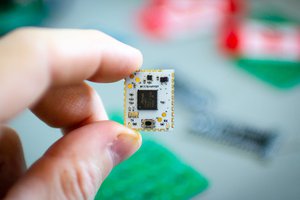
 Sean Hodgins
 Hemal Chevli
ale co to ułatwia? płyta główna powinna pobierac mało prądu i powinna miec choć trochę wygody. gdzie zasilanie lipo albo step-up np. od 0 do 5V wtedy możesz zasilać prawie dowolną baterią lipo 18650 itp. a nawet panelem słonecznym. np. https://1bitsquared.com/products/orangecrab ma zasilanie. I tak każde urządzenie musi być zasilane, kabel zawsze jest złym pomysłem.
nie mówię o klawiaturze, jakimś ekranie. omiatanie klawiatury np. zajmuje mnóstwo czasu i prądu i zazwyczaj nie powinien to robić główny procesor. No chyba, że chcesz to potem wstawić do jakiegoś wiekszego sprzętu ja https://beepberry.sqfmi.com/ albo https://www.lilygo.cc/products/t-deck (który ma i tak 2040 do klawiatury właśnie)