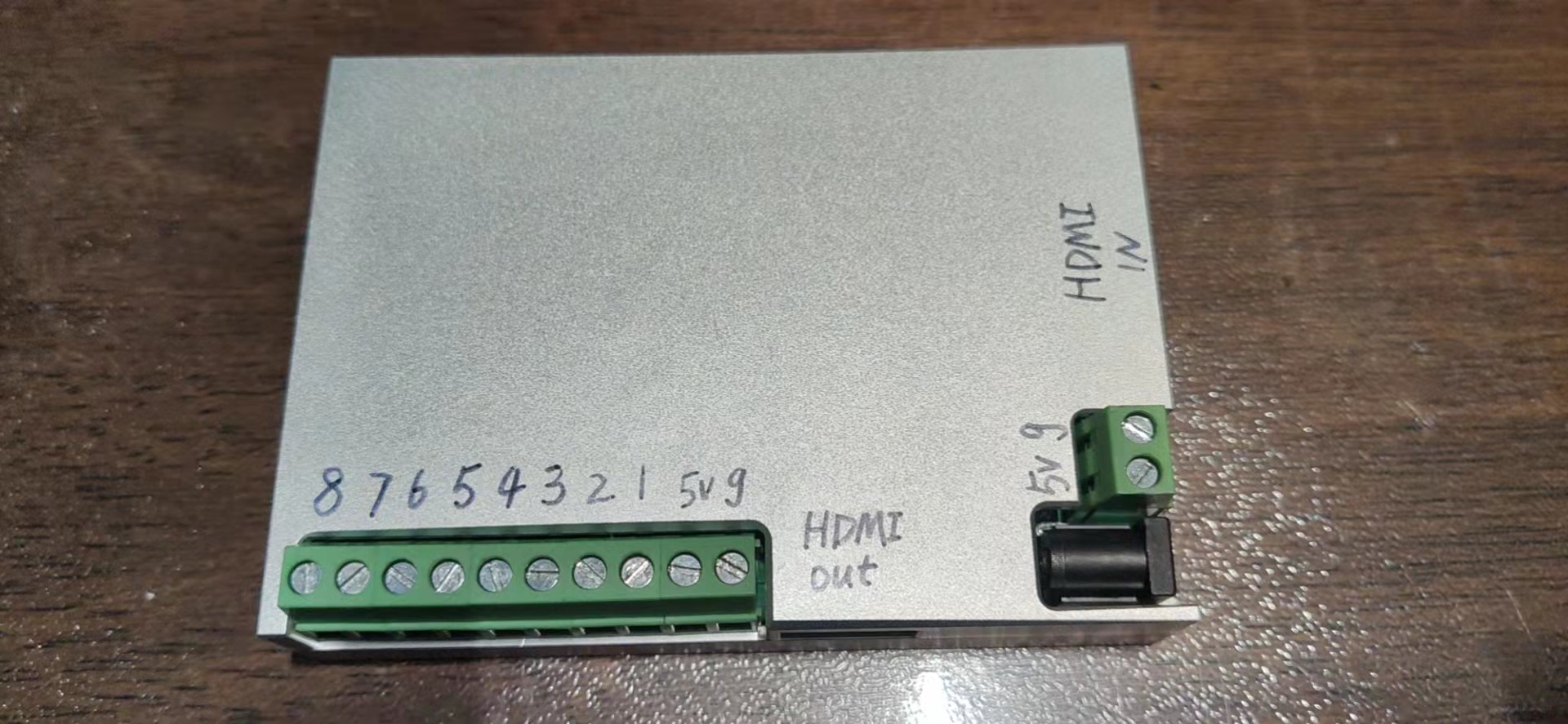
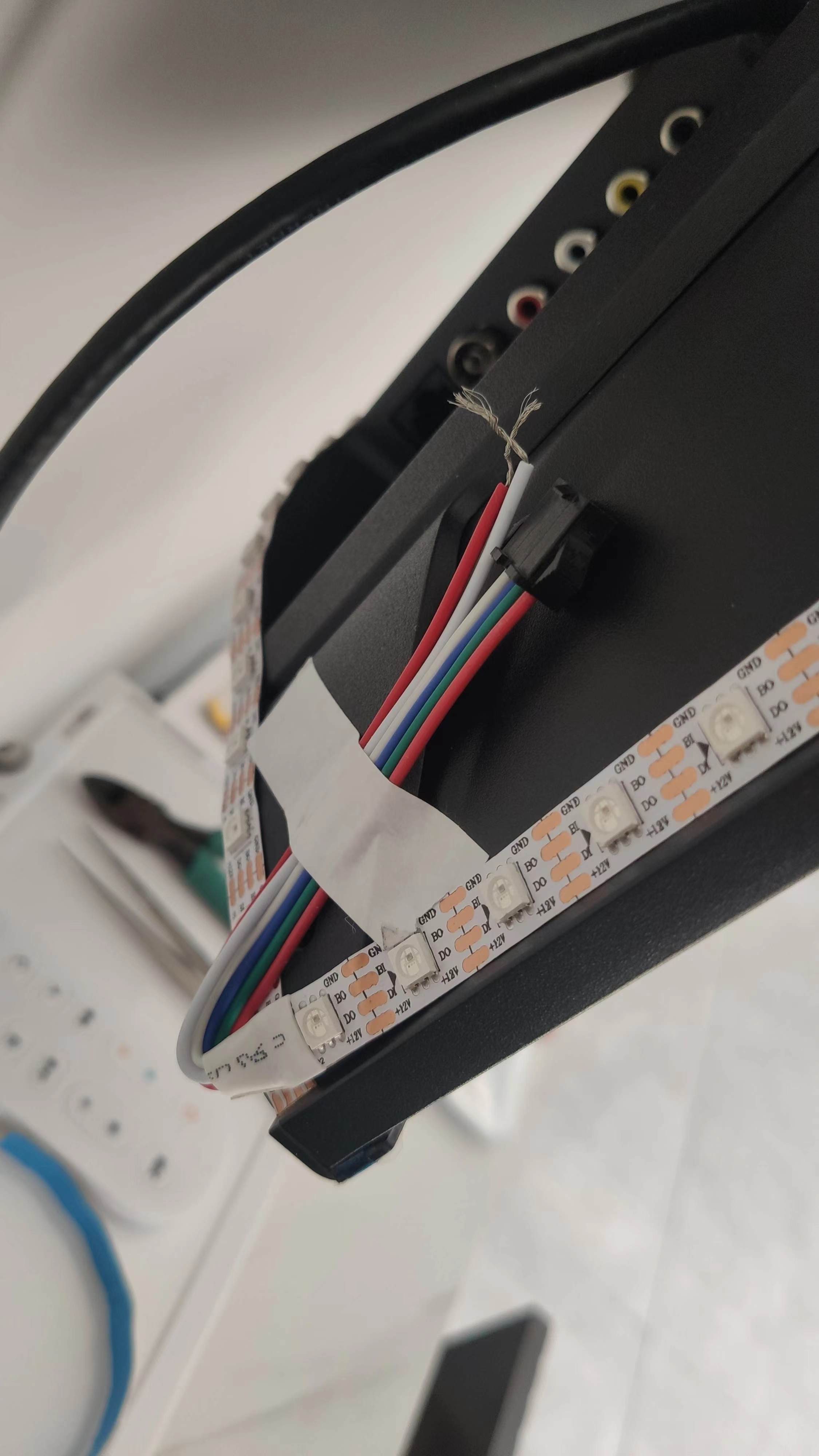
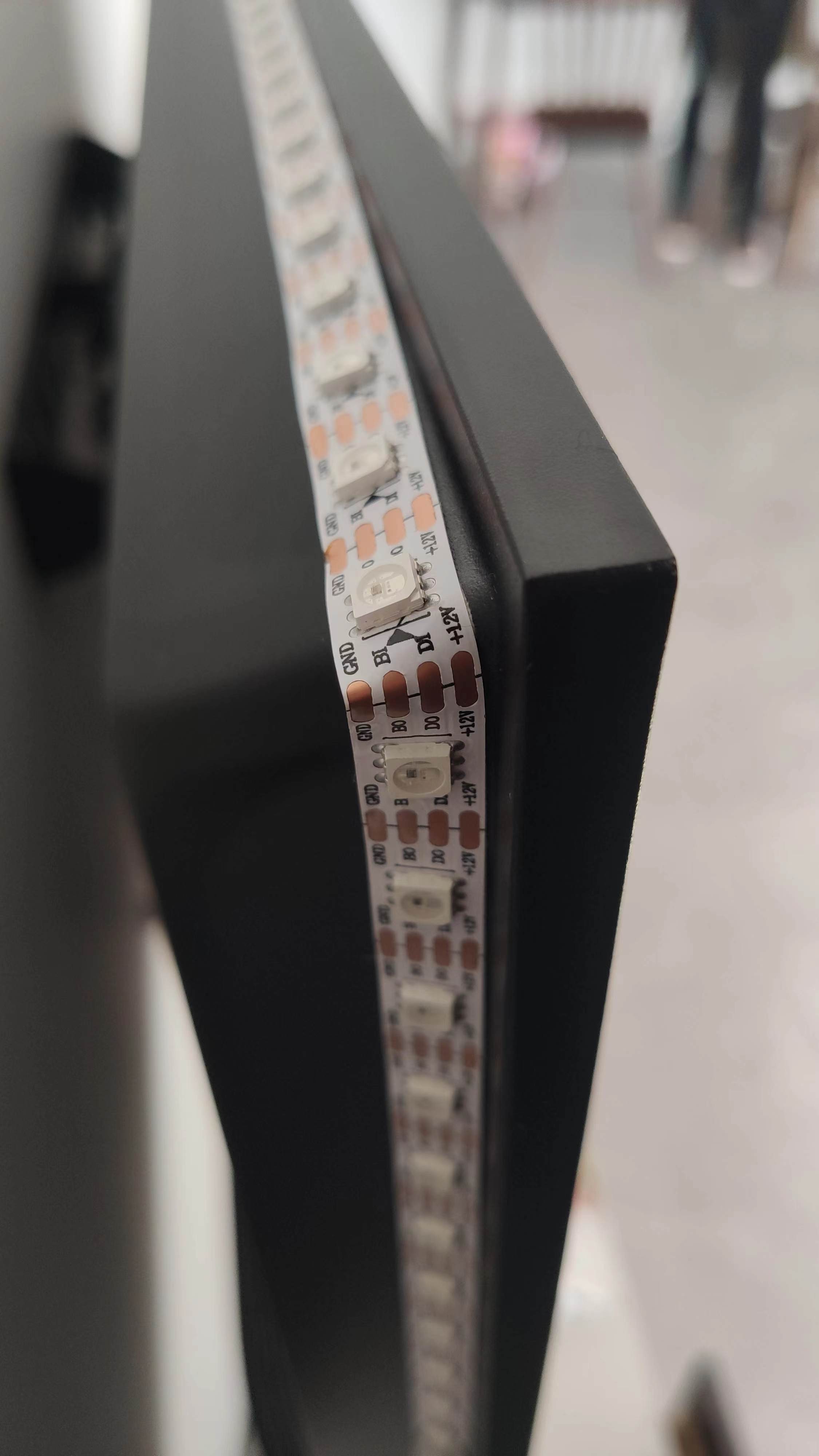
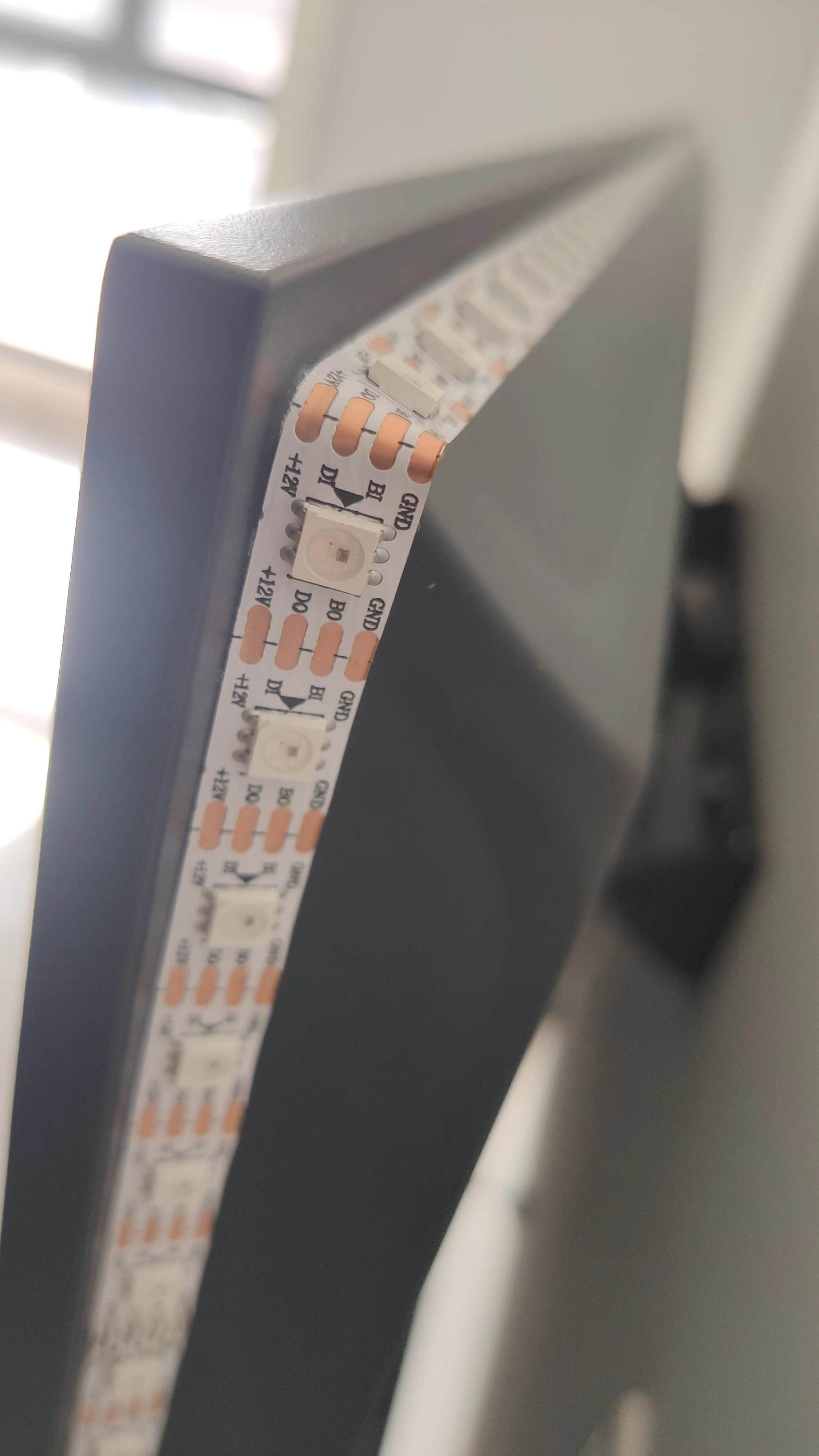
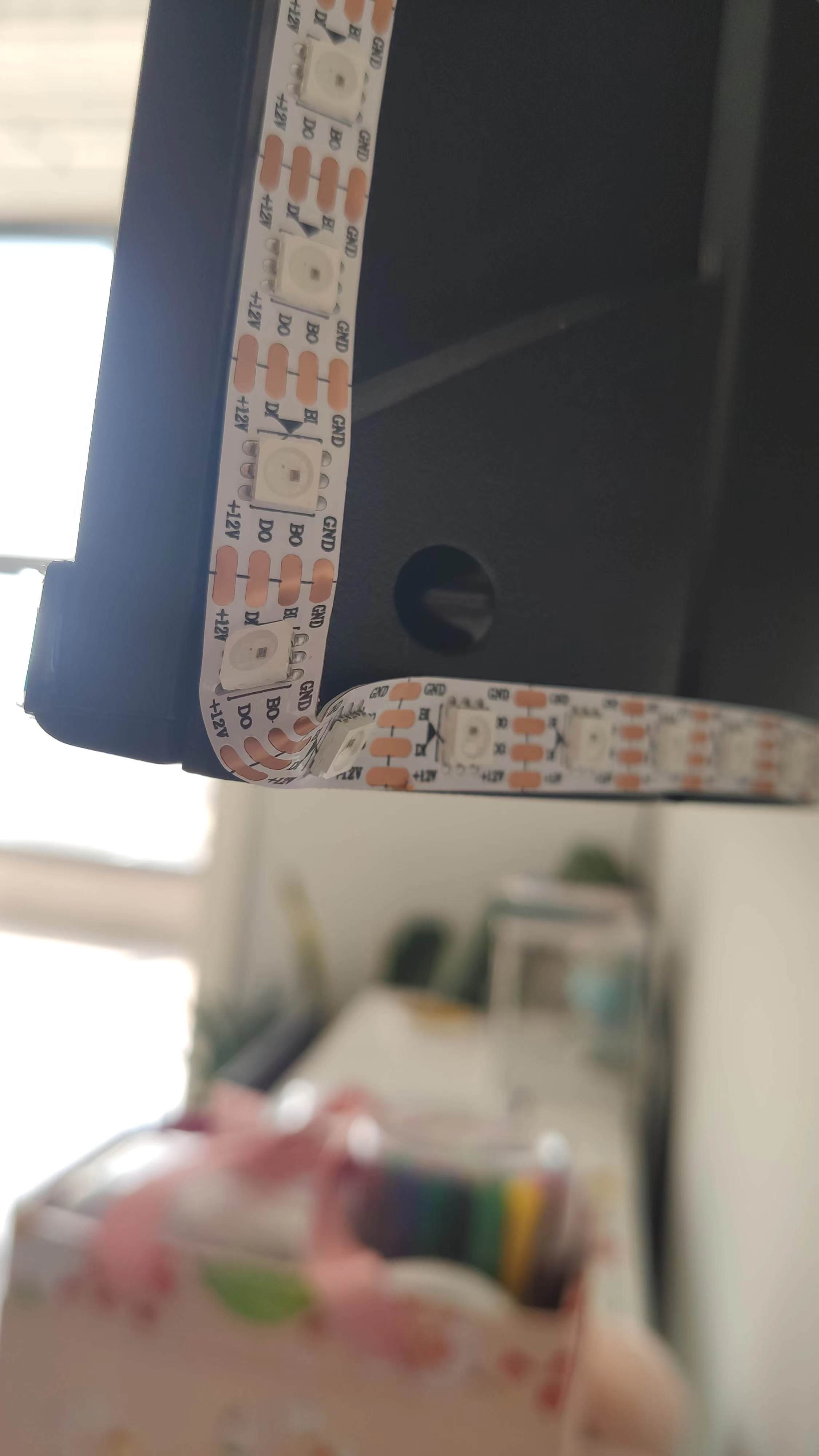
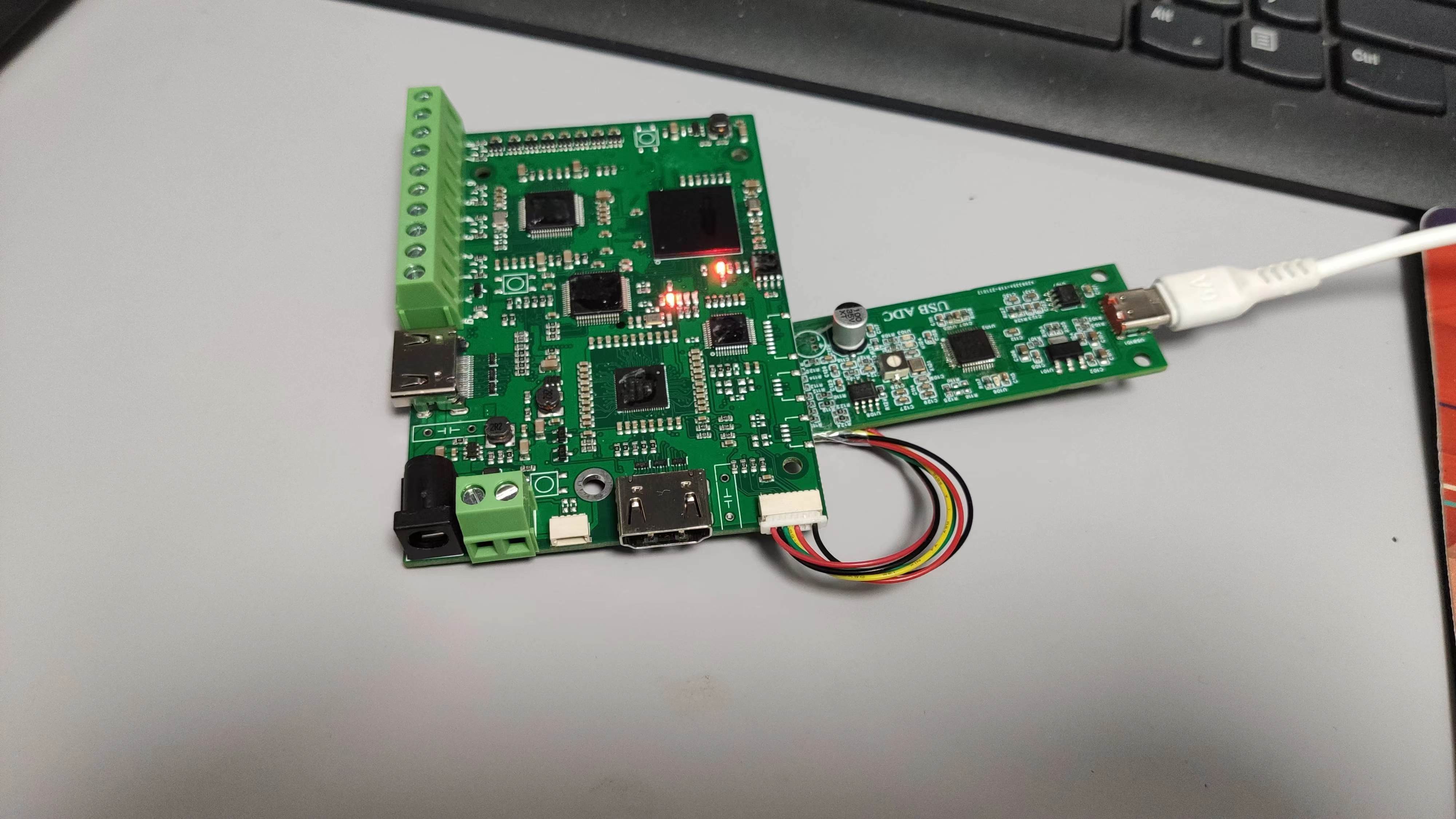
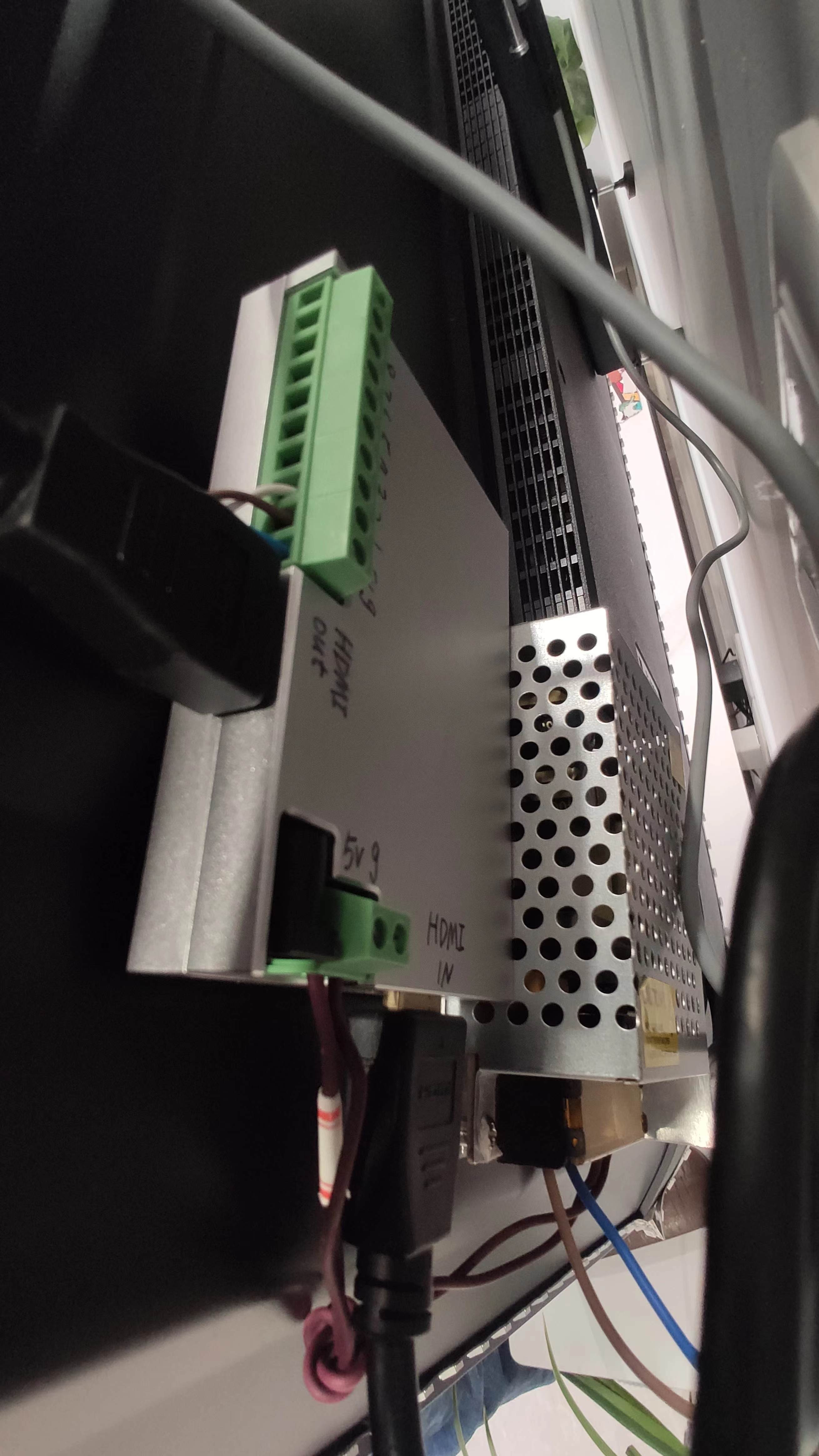
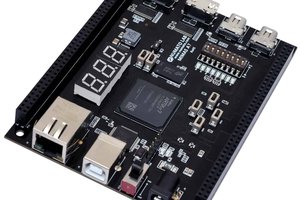
The project is based on HDMILIGHT(https://hacks.esar.org.uk/hdmi-light-v2/), I have down many improved design, such as design PCB and the CNC case, so it is the production version now. Change the Spartan6 FPGA to Anlogic FPGA. Integrate onboard HDMI spliter support 4K/1080p input. And also, use my docker image and download tool, users now can easily get their own led config bin file, then download the bin file to SPI FLASH, plug and play.
This series documents my 5-year journey of learning, designing, and refining a high-performance Ambilight controller. From the initial spark in 2020 to the final hardware implementation, this project covers the full spectrum of high-speed signal processing and FPGA logic.
The Spark
In March 2020, I saw a feature on Philips Ambilight technology. The immersive experience of light bleeding from the screen was captivating. As a hardware engineer and a licensed Amateur Radio operator (BI4WMS), my first instinct was: “How can I build a better, more responsive version of this?”
Most DIY solutions relied on software screen-grabbing or HDMI-to-USB conversion, which introduced noticeable latency. I wanted something real-time and hardware-native.
Discovering the FPGA Solution
In April 2020, I found a brilliant open-source architecture that used an FPGA to process video signals. The concept was elegant:
An ADI (Analog Devices) video processor handles the interface.
Raw Digital Video Data is fed directly into the FPGA.
The FPGA processes the pixel data in real-time and drives 8 independent LED channels.
With the capability to drive up to 4,096 LEDs (512 per channel) with zero frame lag, this was the "Gold Standard" I was looking for. The original creator had laid the groundwork back in 2012—a true pioneer in the field.
Verification & Hardware Design
My professional philosophy is: Software first, Hardware second. Before ordering any components, I spent two weeks setting up the FPGA toolchain to ensure I could successfully compile the firmware from the open-source repository.
Once the "software environment hell" was conquered, I turned my attention to the hardware. The author had just released a V3 standalone design in KiCad. I took this opportunity to review the layout, generated the Gerbers, and moved to production.
The "Perfect Fit" Build
The soldering was completed ten days later. For the enclosure, I took a sustainable approach: I repurposed an old digital TV set-top box. The custom PCB fit perfectly inside the chassis, giving it a clean, commercial-grade look.
I shared my progress with the original author, confirming that his V3 design worked flawlessly in a real-world environment. He was particularly impressed by the "upcycled" TV box enclosure.
One of my first successful tests was a Michael Jackson music video—the synchronization between the music, the high-speed dance moves, and the ambient lighting was flawless.