 RupR
RupRIt's been a while I haven't posted. Having to juggle between the actual development of Pipo, it's upcoming campaign, and other side activities, it's been hard to find time to share with you some progress.
With this log, I want to quickly share some pictures from a comparative test I just made of various 3D printing technologies and material.
The comparison was done for the new case design of Pipo Motion, the wireless MiDi & OSC creative motion sensor I am developping.
Note: this project will be publicly released soon on CrowdSupply if you want to have a look
I choose this case among the 3 other Pipo types because it will be used more intensively, probably receiving more shocks and tension while having thin geometries, and I want this case to be robust while qualitative.
I compared 6 types of 3D printing types here, 3 industrial options and 3 FDM (which actually turns in 4 technologies)
Having a good Fdm experience, I did not considered any declination of PLA as I consider it not durable enough for a small serie production. I had many occurrences of parts degradation over rather short periods of times, no matter the brand or the type.
As well, JLC black Resin is unfortunately not in this comparison. I have been using it for many prototypes and have been rather satisfied since it is a good balance overall.
I would note the following points about it:
- black is not very deep. on thin wall, light goes through easily
- the surface finish is not truly homogeneous, some areas can be glossy while some other will be matte
- the value for money is good.
Now, let's see the comparison
Industrial overview:
Left: PA12-HP
Center: SLA Black Resin
Right: 3201PA-F
All 3 seam very robust while providing some flexibility.
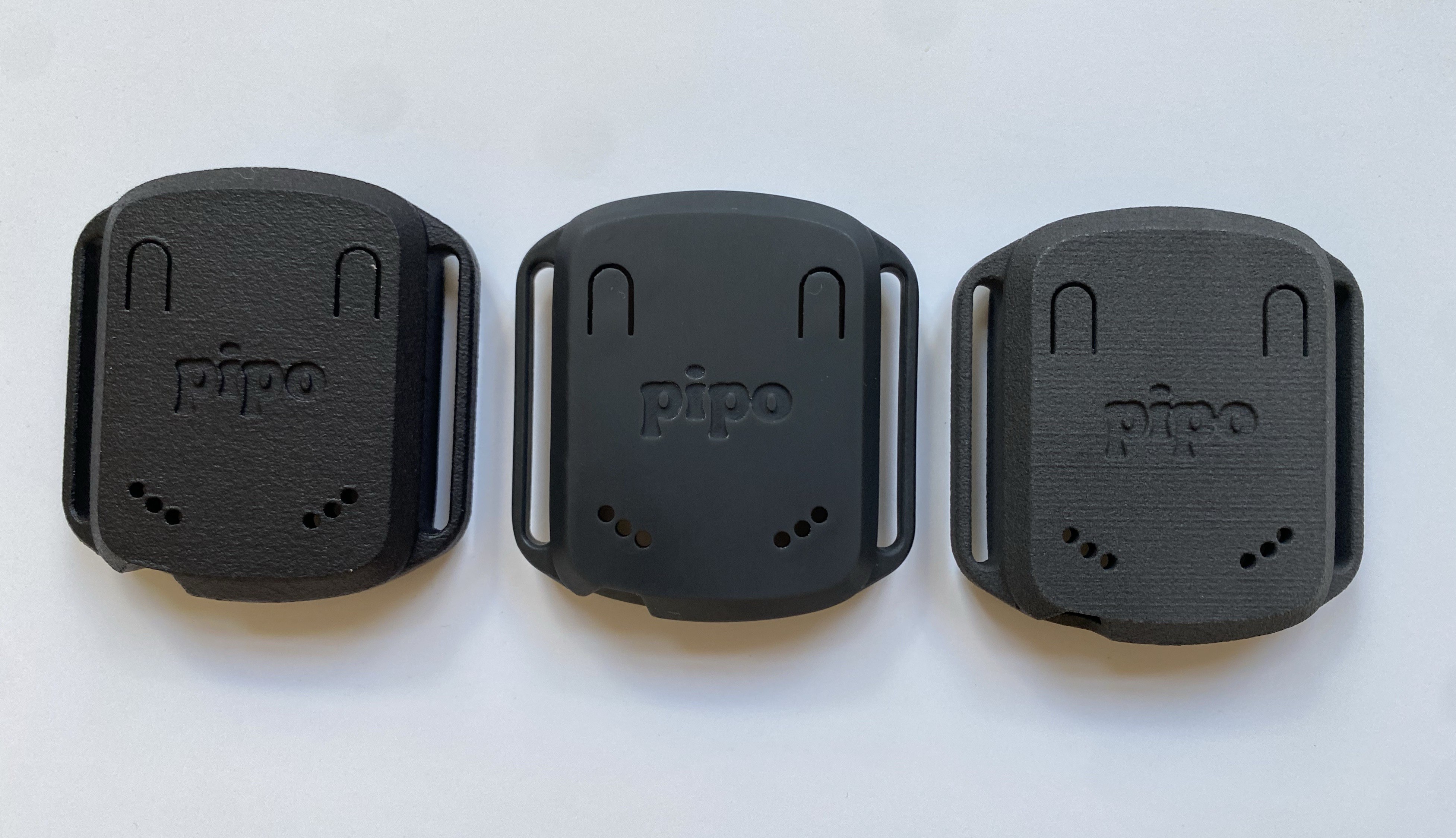 PA12-HP (MJP)
- rather rough surface, but visually homogenous texture
- provides a very nice feeling of robustness and quality
- the most expensive of this test
Black Resin (SLA)

- compared to the "JLC Black", this one is more greyish
- details are very good
- (the surface does not look as scratched in real life)
- surface is roughness is very good. visual homogeneity is good but not perfect
- surface is soft to touch.
3201PA-F (SLS)

- printing layers are slightly visible
- more flexible
- The black is not deep, more like a dark grey, and catches the fingerprints fat very easily
- Provides a good robustness feeling too
FDM overview
(Left PA12-CF, center PETG, right TPU)
The finish on a part with this amount of detail is not at the level of the other techniques, while I designed this part initially for FDM.
 PA12-CF

- would be the best overall if the logo in the middle was not there since it is too detailed
- good homogenous satin finish
- very rigid
PETG:
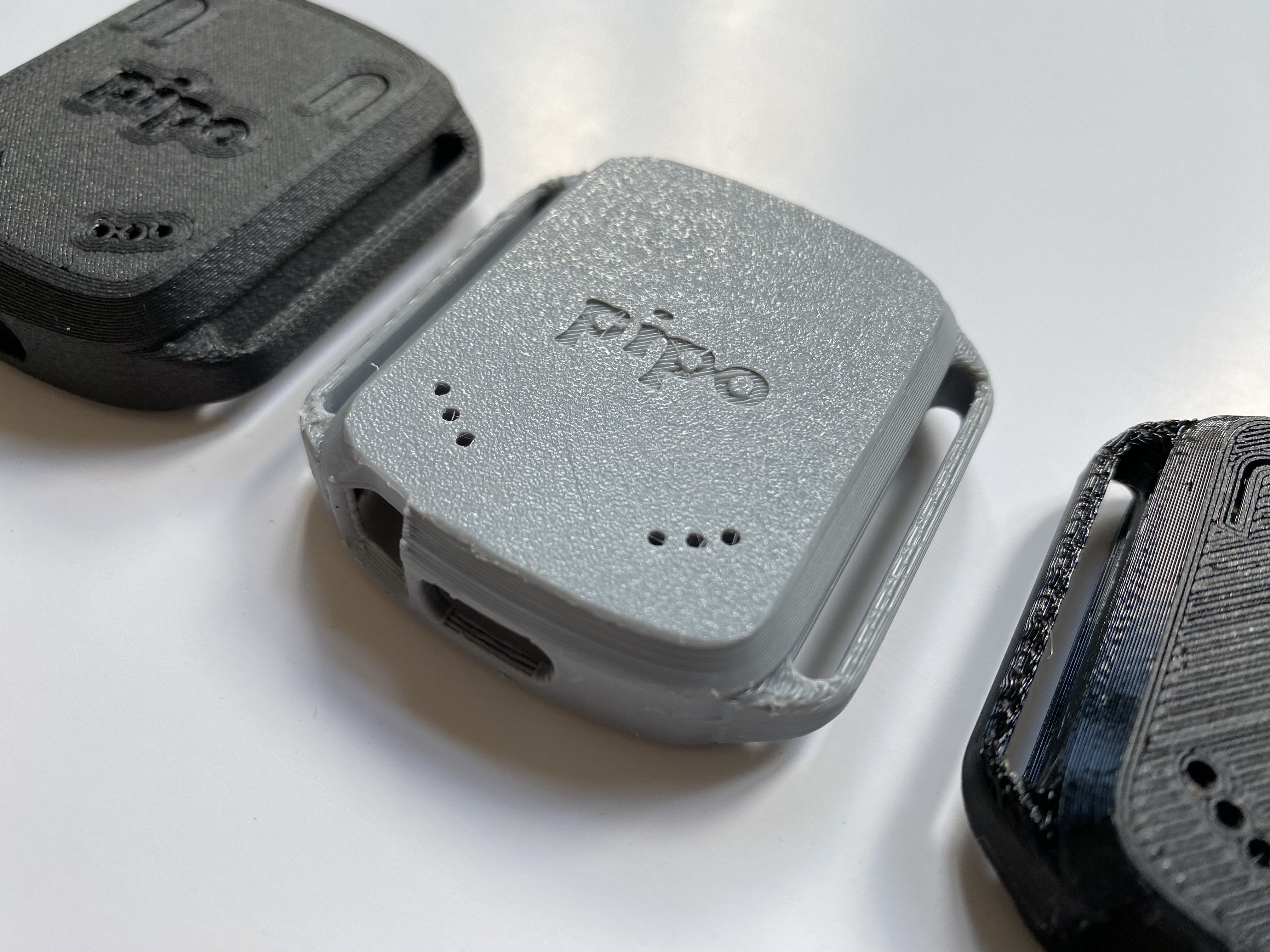
- good all rounder
- my PEI print bed gives 2 surface texture on the part
- the details are not very refined
TPU

- was curious to see how it would behave with this geometry. It turns out to be too soft
- rather shiny with average details
- Not much to says as this is not an appropriate material for this use
That's it for today, if you have questions or want more pictures, just ask !
Discussions
Become a Hackaday.io Member
Create an account to leave a comment. Already have an account? Log In.