 Apollo Timbers
Major Case Refinements:
After several iterations, my multi-sensor field device is really starting to take shape. This latest revision addresses ergonomics, component mounting, and adds some exciting new features.
Case Improvements:
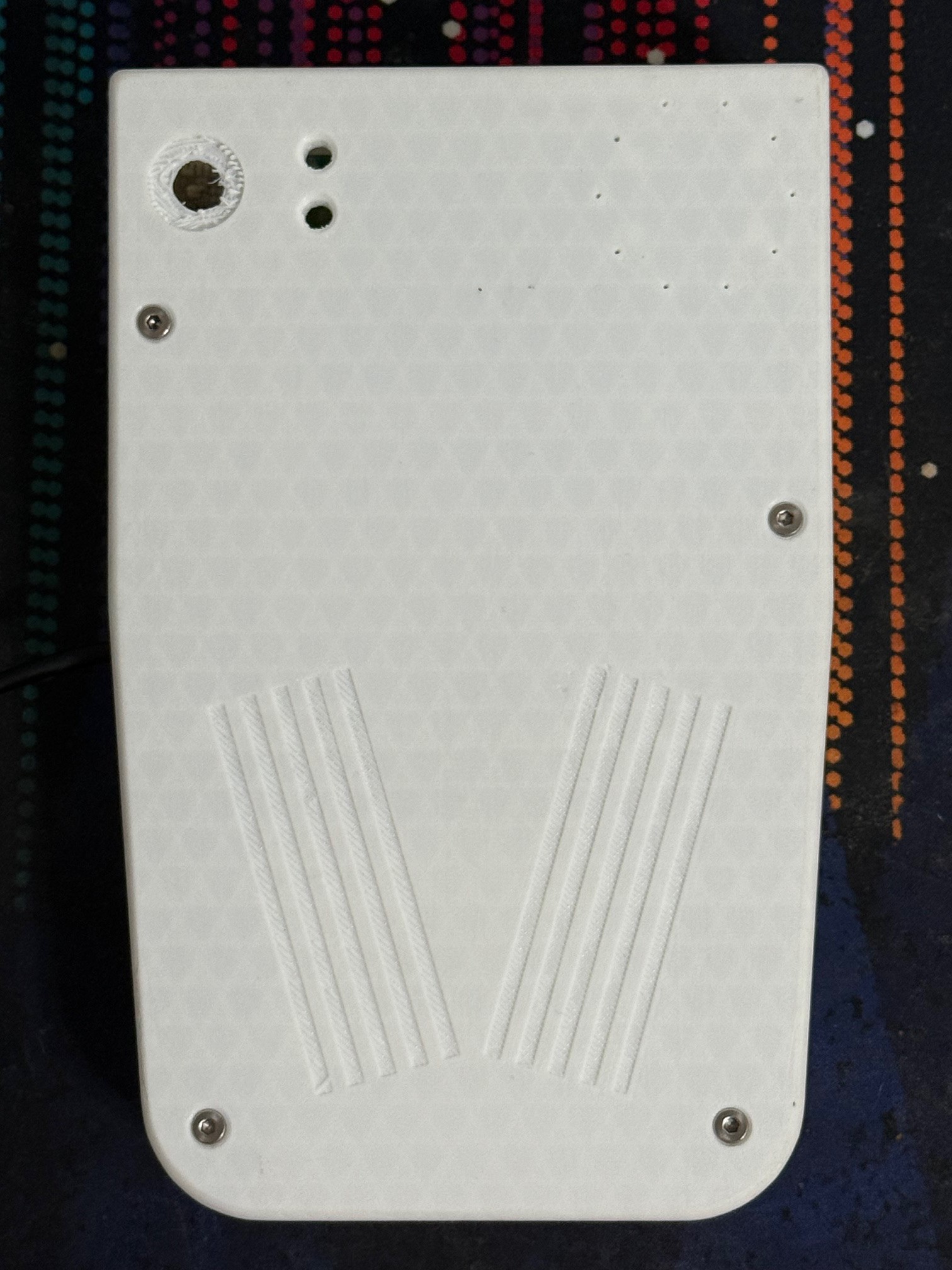
I've made significant improvements to the case design. (v5?) The back now features diagonal grip stripes that provide much better handling. I increased the overall dimensions by about 10mm to accommodate new components, and tightened up the case tolerances significantly - no more rattling parts.
New Features Coming Together:
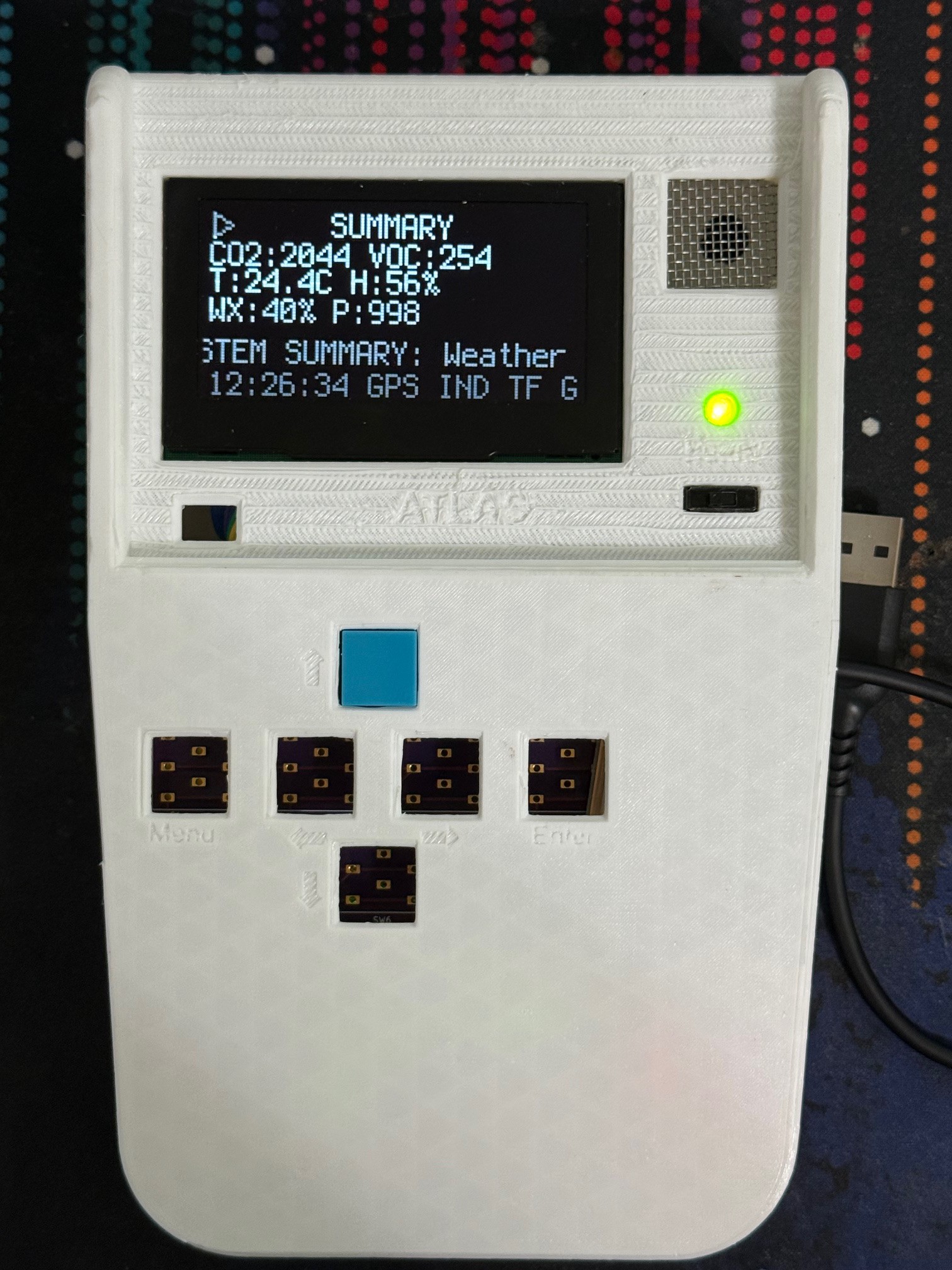
I've integrated the magnetic anemometer mounting, (wind sensor, will need to drill them out) designed for three cups connected to a bearing system with a 3x3x3mm magnet. The front panel now has a proper power LED and mounted switch, plus I've carved out dedicated space for a radiation sensor. (Menu. up, down, left, right, and enter)
The keypad layout shows the foundation for my menu system - just waiting on component availability to complete it.
AI-Powered Object Recognition:
I've added two spots for 5mm super-bright LEDs that will illuminate a 5MP camera running offline AI object recognition. The system can identify rocks, bugs, trees, and other objects entirely locally.
Vision: All-in-One Field Device:
I'm evolving this beyond weather monitoring into a comprehensive field instrument. My plans include a BNO085 9-axis IMU for compass functionality and anomaly detection, creating a navigation device with weather prediction and scientific measurement all rolled into one.
Still Major Work Ahead:
The display shows working sensor data, but I still have significant electronics development remaining:
- Custom Pico 2 PCB
- Custom sensor PCB
- BNO085 integration
- Anemometer completion
- Full keypad population
The case refinement is a big step forward, but I've still got plenty of work to get everything integrated properly.
Below the screen shows a rotating triangle in the top left that is a activity indicator that it is running. Nest you see CO2 and VOC readings, the temperature fusion readings and humidity. Also pressure at the bottom you will se the time based on satellite atomic clock and the GPS next to indicates that the IND or INDOORS as it recognizes it is indoor and adjust sensor polling to reduce battery drain . After that the TF is temp fusion so 2 temp sensors.
Discussions
Become a Hackaday.io Member
Create an account to leave a comment. Already have an account? Log In.