 Apollo Timbers
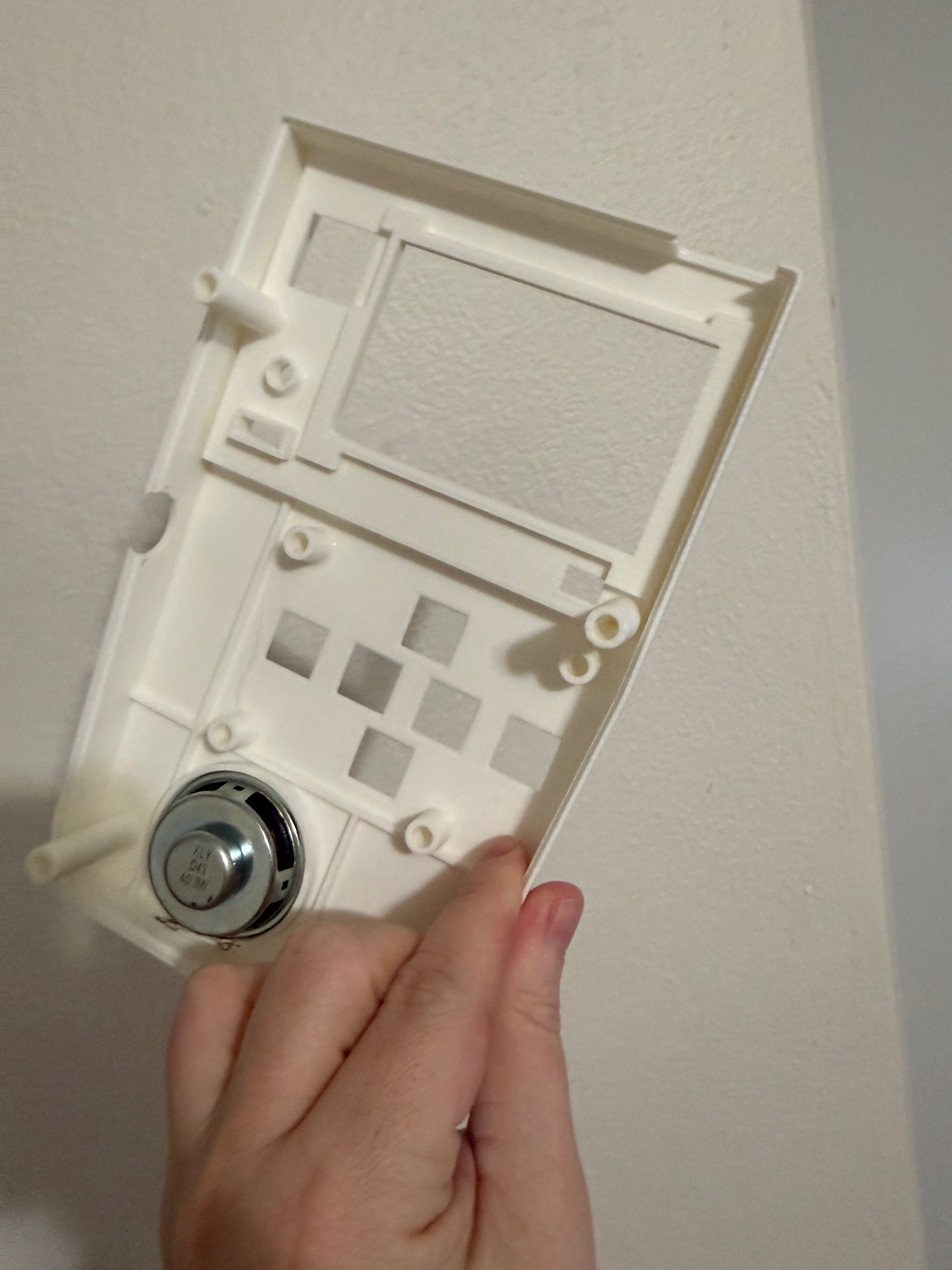
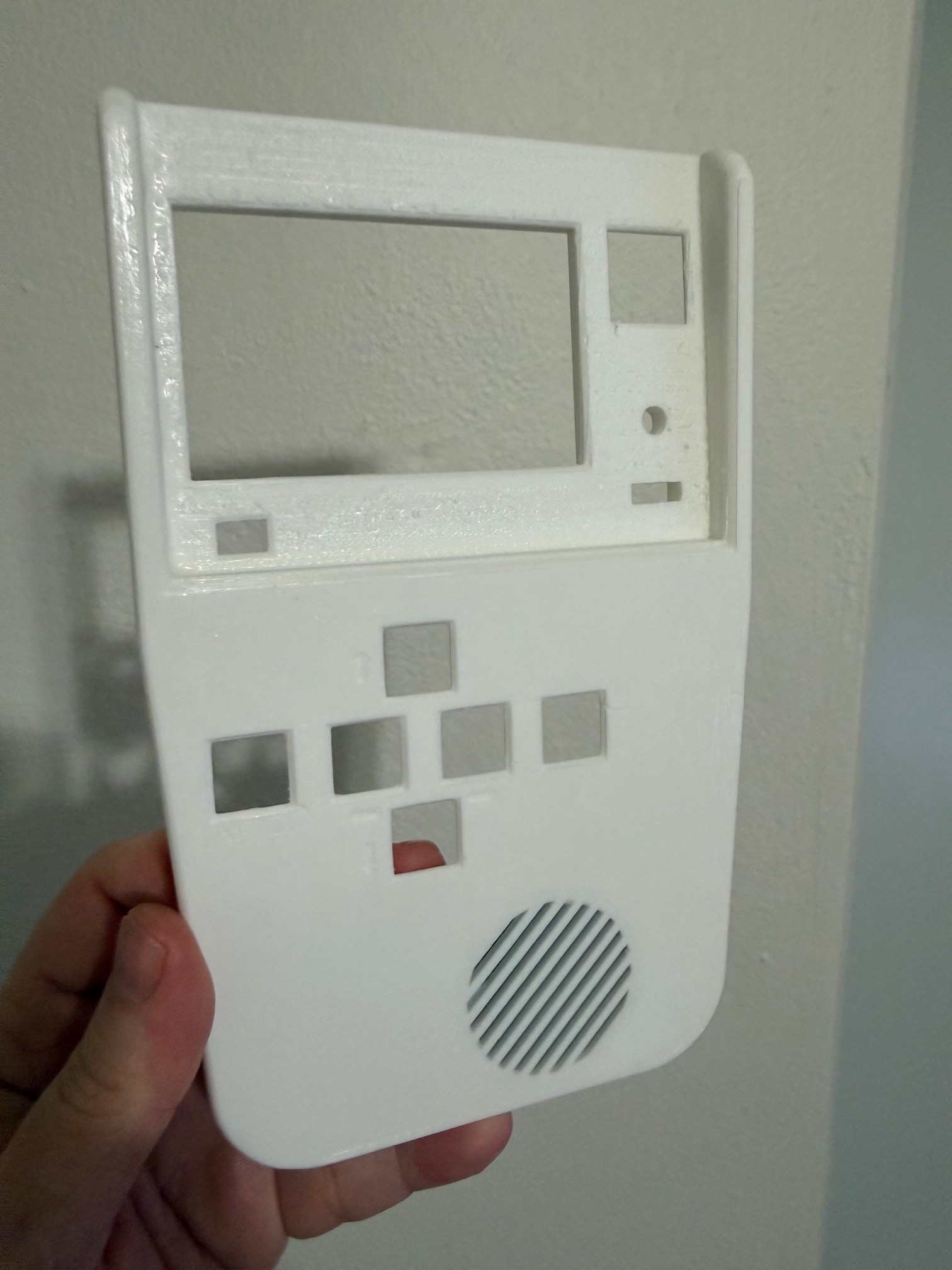
he front panel got a proper speaker grill. The 40mm driver press-fits into the back of the faceplate and the grill pattern keeps things looking clean. Small detail but it makes the whole unit feel less like a science fair project and more like something that was meant to exist.
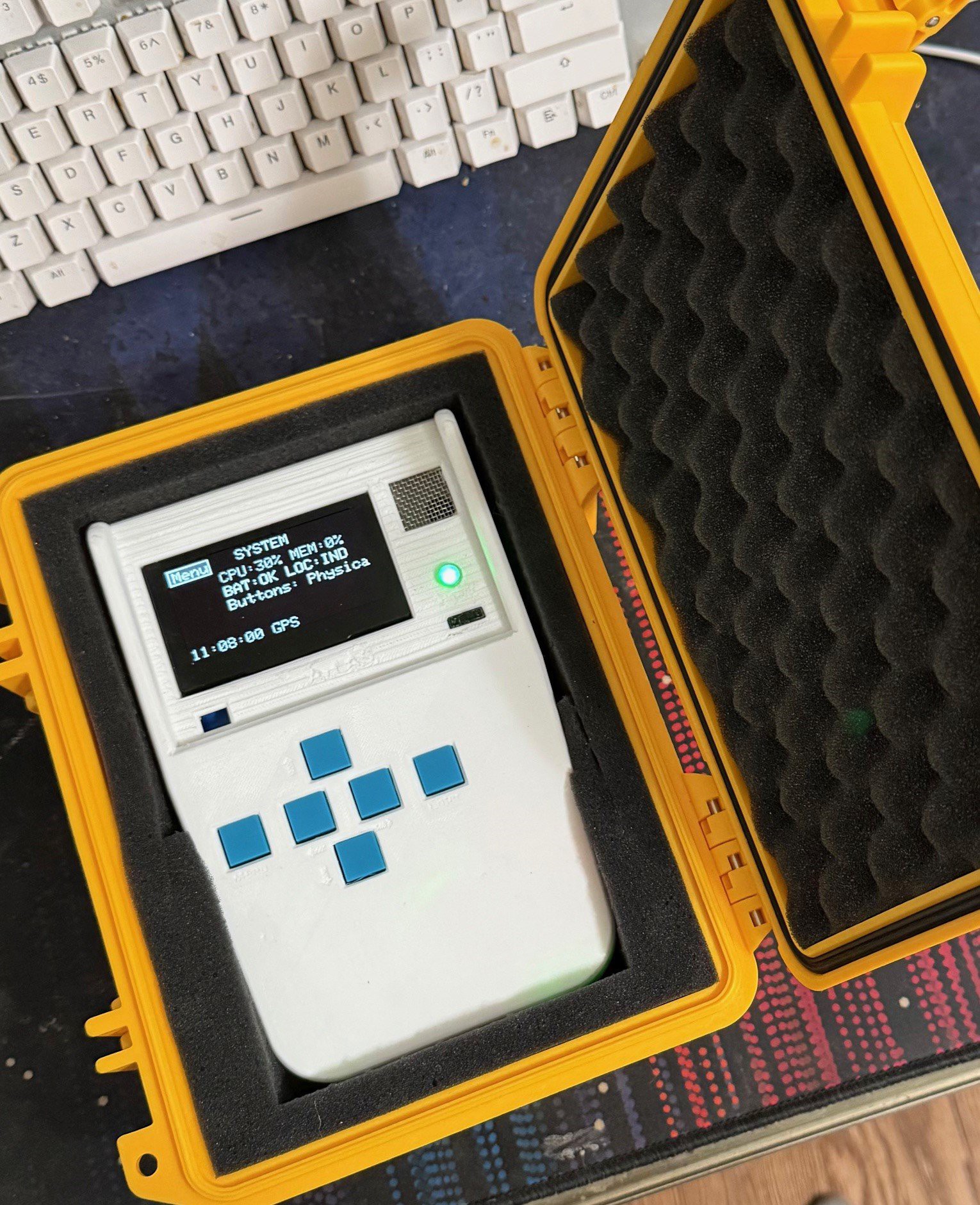
Picked up a Pelican case for transport and storage. ATLAS fits snug in the foam with room for cables and accessories underneath. Since I'll eventually be traveling with this thing, I put together a two-page TSA security information card to keep in the case. It breaks down every component, battery specs, what it looks like on X-ray, and lists comparable commercial devices like Kestrel meters and Garmin handhelds. Did everything short of writing "PLEASE DON'T ARREST ME" on the cover. Still fully expecting a 45-minute conversation in a small room somewhere.
Also have a new OLED display on the way - upgrading from the current 128x64 to a 256x128. Same SPI interface, double the resolution. Should make the sensor readouts and menus a lot easier on the eyes and give more room to work with in the UI.
On the electronics side, the custom PCB schematic is underway with a board designer and progress is looking great. Moving to a dual RP2350 architecture - the B variant for the main controller since it needs all the GPIO it can get, and the A variant dedicated to speech so the main processor isn't blocked during conversation. Power management includes a proper charge controller, boost and buck-boost converters, and an INA226 power monitor. That last one matters - the goal is real battery estimation based on actual current draw, not just reading voltage and pretending. If it says two hours, I want it to mean two hours. None of that "15% for an hour then dead in 30 seconds" experience we've all come to accept from every device we own.
More updates as the schematic comes together and we move toward layout.
Discussions
Become a Hackaday.io Member
Create an account to leave a comment. Already have an account? Log In.