 JohnsonFarms.us

Wouldn't it be handy to just print a fuse? I think so. Is conductive PLA the material to do it with? Probably not, but let's try anyway.
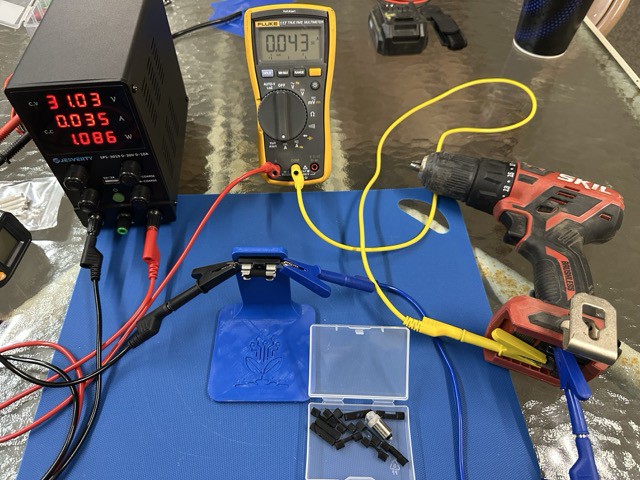
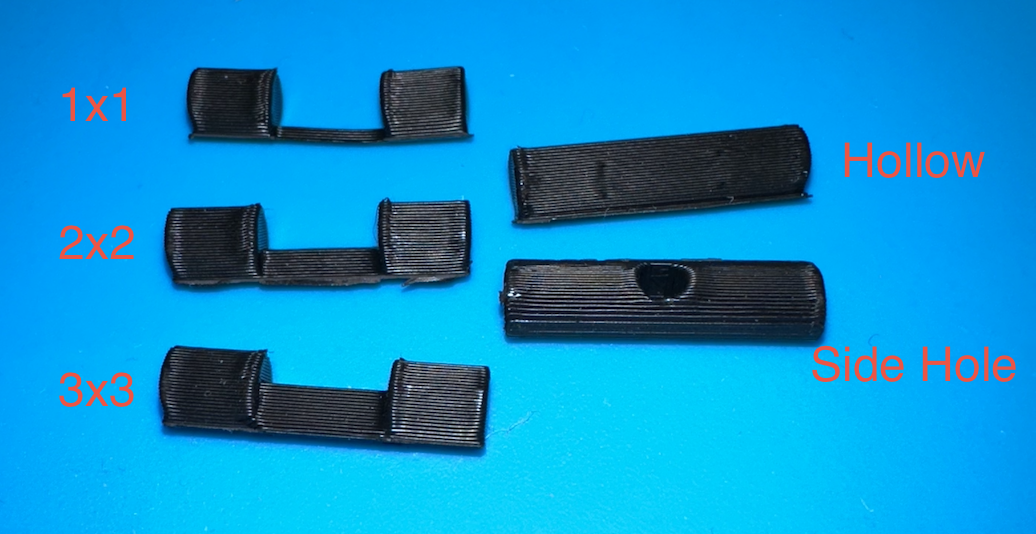
For this project, I am looking to create 5x20mm barrel fuses, the kind you find in small electronics and older automotive applications. I will use conductive filament from Protopasta, fuse holder from Digikey, bench top power supply, thermometer, and multi-meter to test a handful of potential designs.
The goal is to generate enough heat via resistance to melt the PLA and break the connection. Is it wise to melt plastic into your electronics? Probably not. Will that stop us? No.
In my previous experimentation (failed and successful) with the conductive PLA, I found that this material makes for a better resistor than anything, so let's crank up the power supply and see what happens.
Check the logs for updates and follow along.
Final update:
The fuses could hypothetically function as a fuse, but the practical limits of the voltage needed makes it unfeasible. So was this a failure? Well sure, but we also learned along the way, and it ends up the conductive filament makes for a great resistor.
There are a number of small diy projects that need resistors, and if you kept this on the shelf you wouldn't need to keep a stock of them and could just print on the fly as needed. LEDs, buzzers, small speakers, and so many other projects could use 3d printed resistors. Is it practical? that's up to you, but it does make for some interesting options.
Video available at https://www.tiktok.com/t/ZTH3RtNxVDanW-ZAYRm/


 UkiyoWeee
 Josh Starnes
 JP Gleyzes
 geekTango
The side hole version could be constructively packed with potassium chlorate or nitrate powder to more reliably clear the circuit. (Potassium permanganate would also offer a handy wireless indicator function).
21st century man might choose sodium bicarbonate.