 LCLDIY

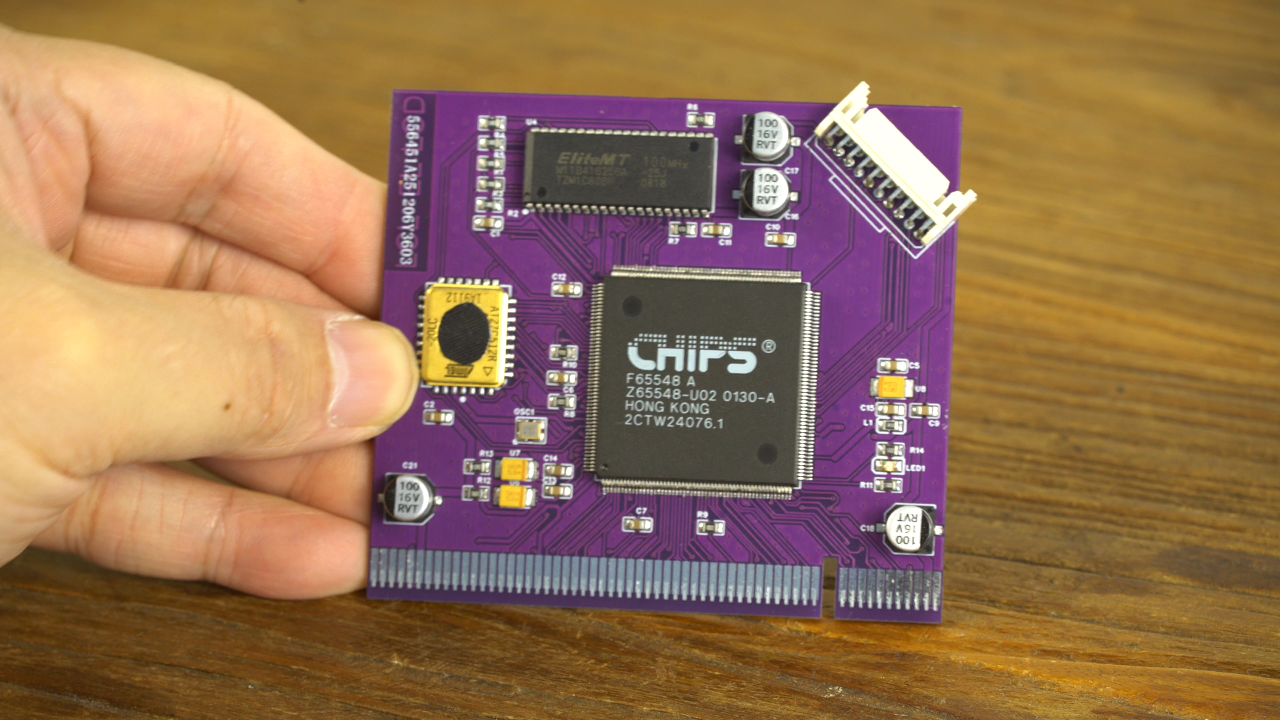
This is a project of a giant Lego Gameboy that uses an ancient electroluminescent screen. The electroluminescent screen has a unique glow effect and is the predecessor of OLED. However, it uses organic substances to emit light, and long-term use will leave residual shadows, so it was replaced by liquid crystal. But the electroluminescent effect can cover up the rough mosaic picture, making old games look softer and more comfortable. It is an excellent alternative to monochrome cathode ray tubes. I have developed a graphics card capable of driving a 10-inch electroluminescent screen. It has a PCI interface, and you can also use it with a PCI-E interface through an adapter. The core of the graphics card is chips65548/5, which can be purchased on many platforms. Currently, the tested compatible models of the graphics card are: LJ64H052, EL640.480-AF1, EL640.480-AG1, EL640.480-AM. The price of electroluminescent screens is not cheap.
Video link:
I have developed a graphics card capable of driving a 10-inch electroluminescent screen. It has a PCI interface, and you can also use it with a PCI-E interface through an adapter. The core of the graphics card is chips65548/5, which can be purchased on many platforms. Currently, the tested compatible models of the graphics card are: LJ64H052, EL640.480-AF1, EL640.480-AG1, EL640.480-AM. The price of electroluminescent screens is not cheap.
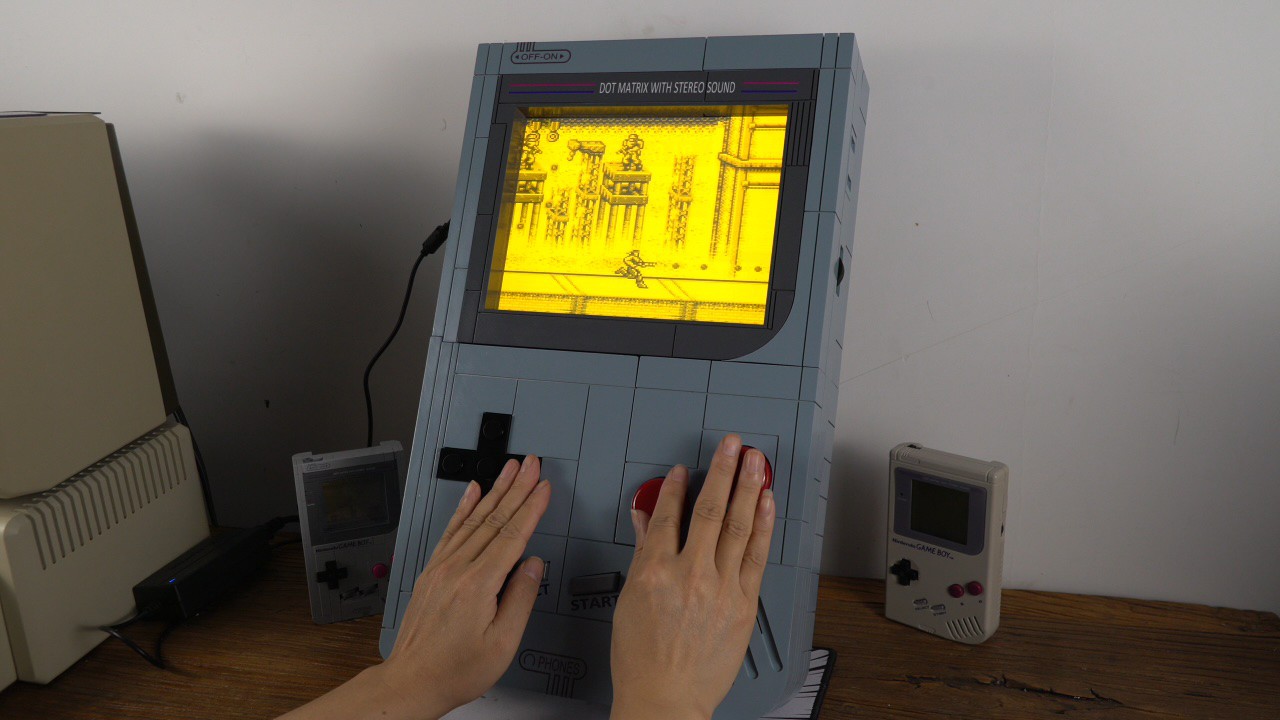
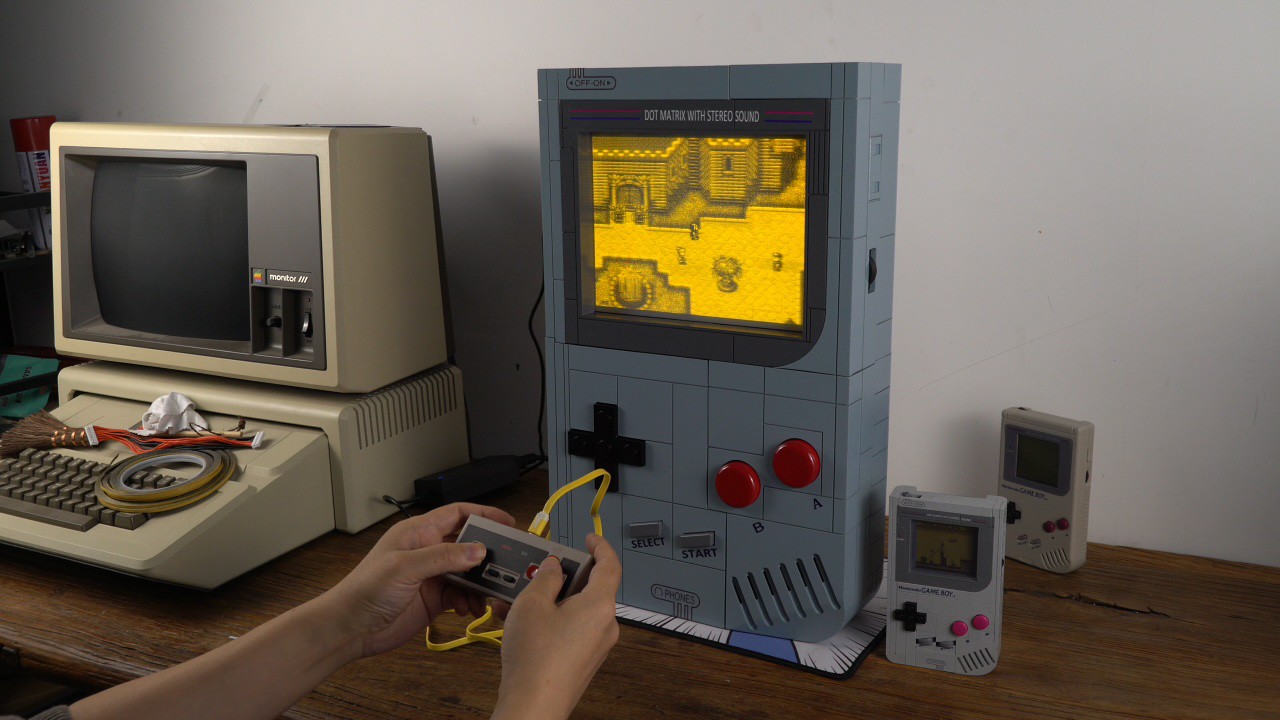
The shell is a Gameboy imitating Lego, then enlarged. Although it is very big, the buttons can still be used. If an external controller is attached, it can be used as a retro-styled monitor.


 Ankit Bhatnagar
 tokaken
 Ghani Lawal
 Giovanni
That electroluminescent glow really gives the whole design a unique retro vibe. I also like how you went for a softer image quality rather than fighting it. Your custom PCI graphics solution is probably the one that impresses me the most, especially considering the compatibility with older panels. I’ve been reading about some projects recently that are bringing the best games together in one place. It’s https://agentifyai.org/deposit-1-get-20-nz/ and how fun it is when people revive old technology with modern ones, and you can only choose the best, highly rated games. Your giant Lego Gameboy looks like the hardware equivalent of that thinking. I’d love to see more close-ups of the display in motion.