Bunk bed by a lion's own paws
To make the experience fit your profile, pick a username and tell us what interests you.
We found and based on your interests.
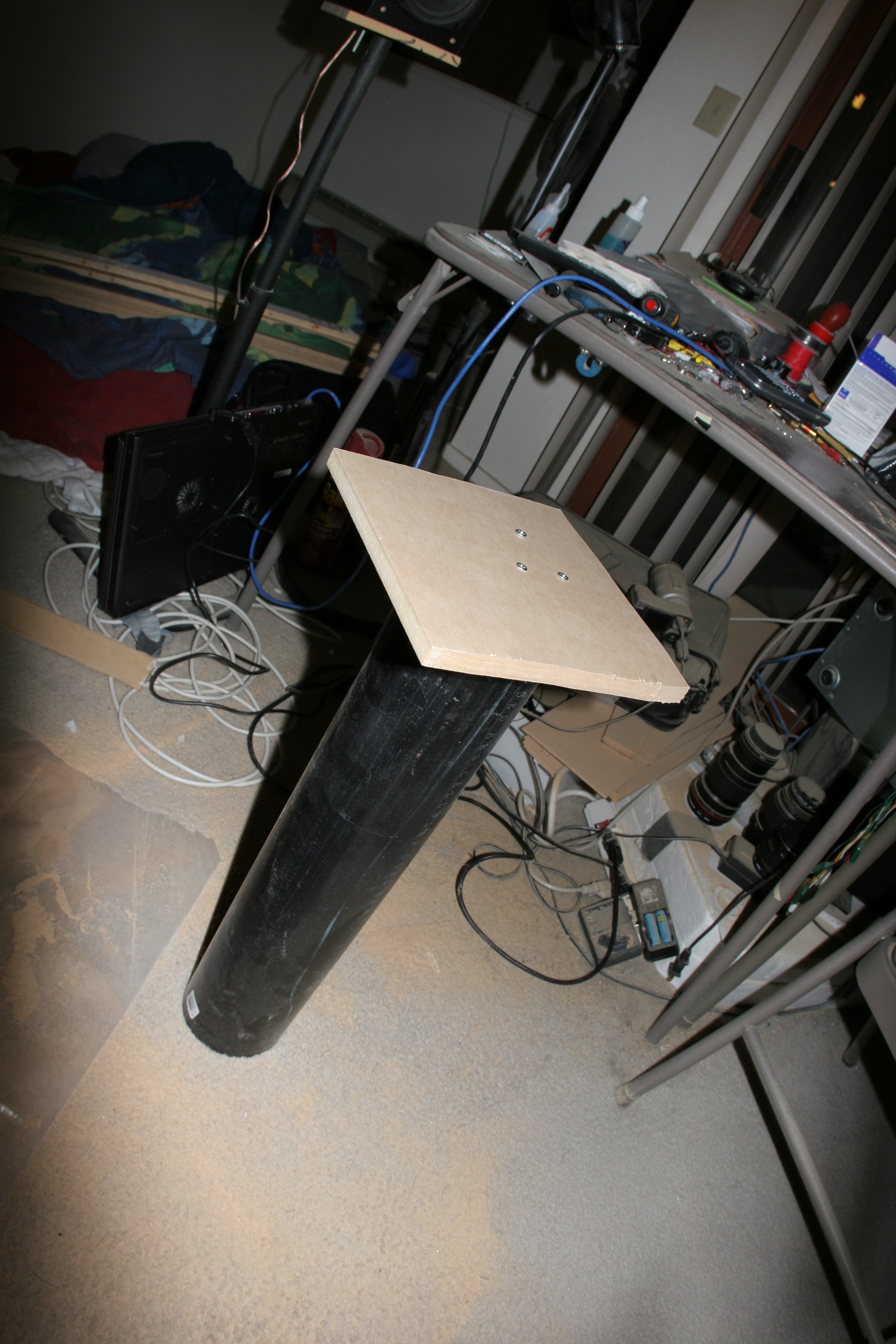
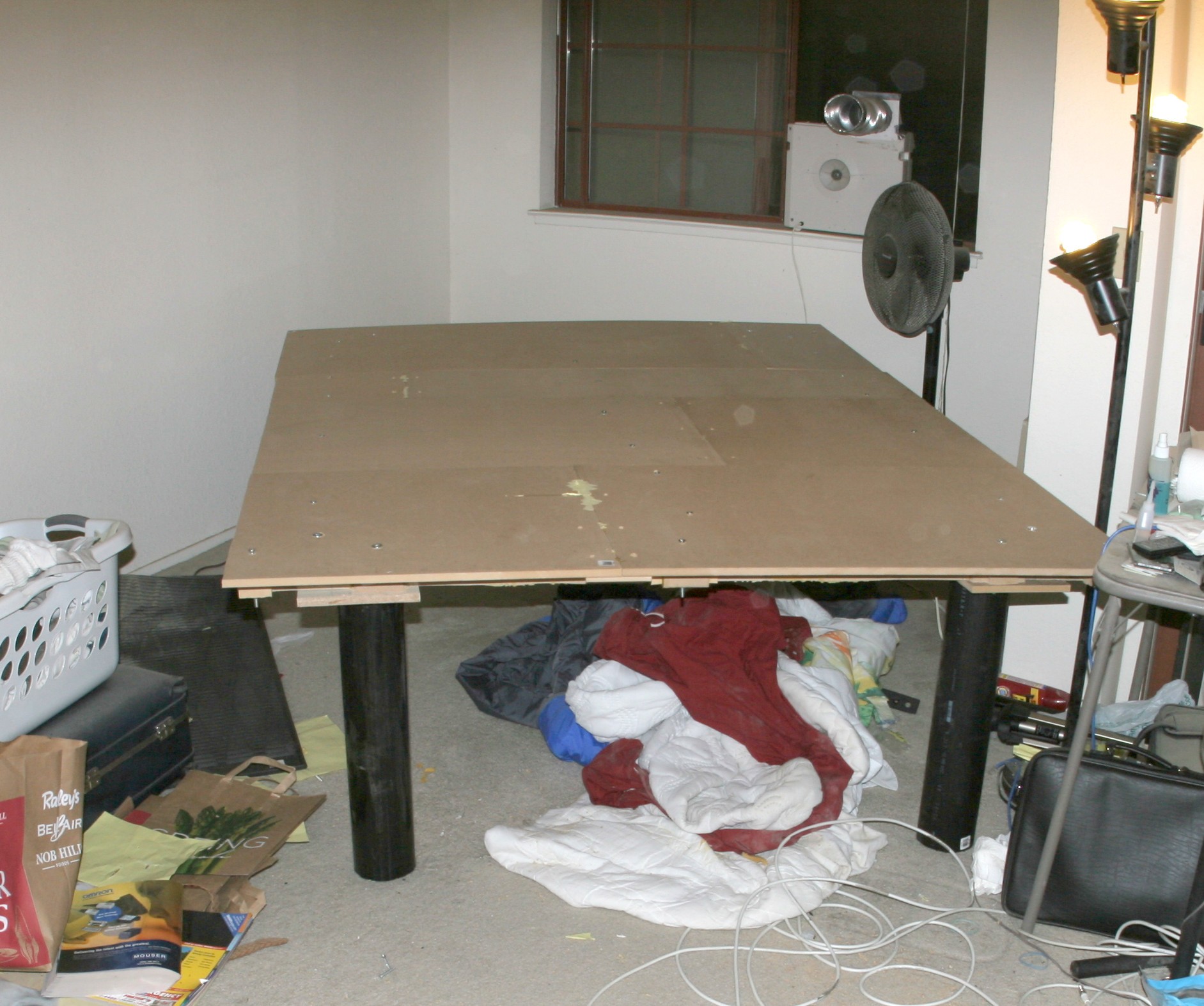
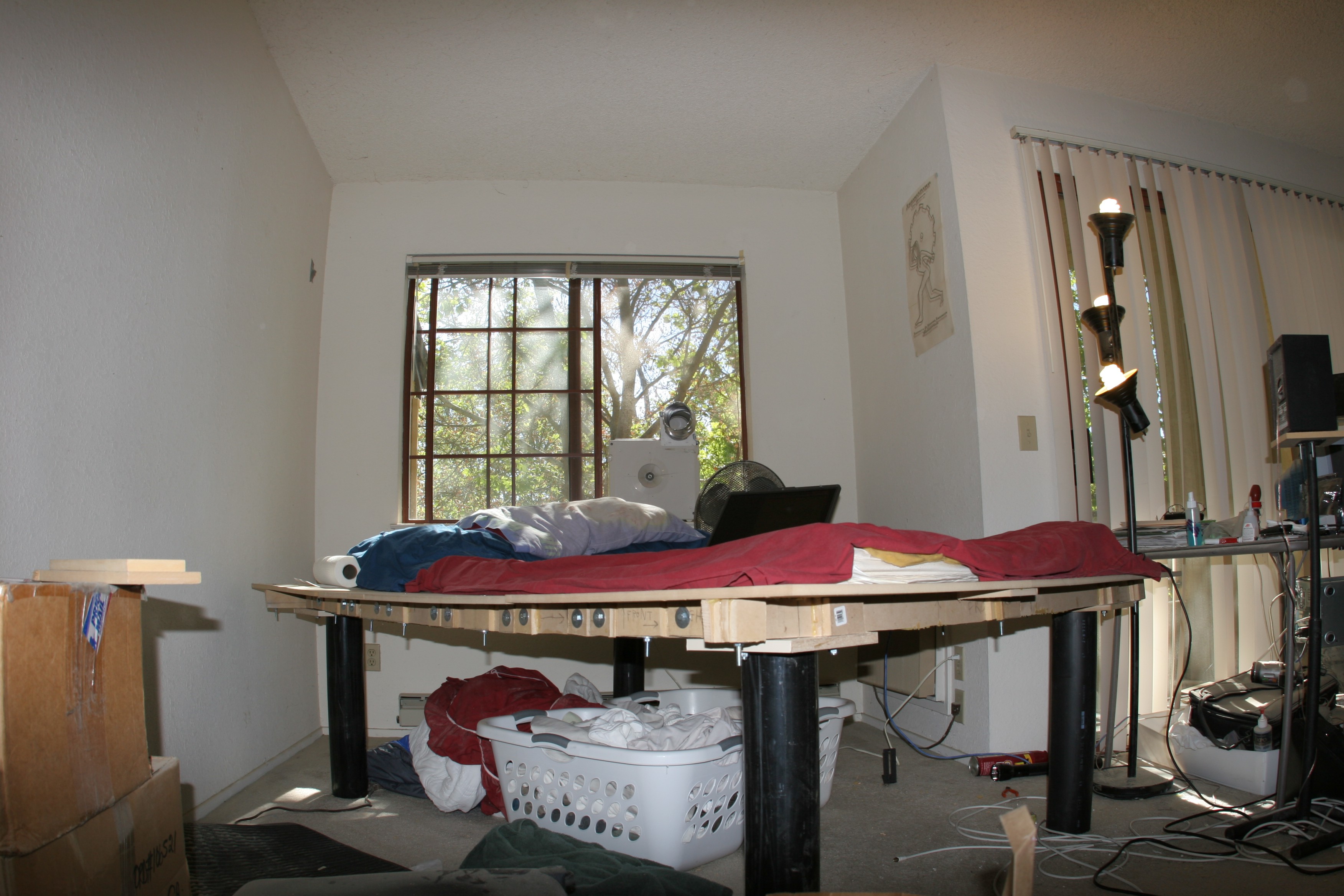
A 29 year old lion once had a vision of a very cheap, queen size bunk bed, made of MDF & supported by ABS pipes. The big win was a lot of storage space. It would be 2ft off the floor, just high enough for storage but just below the window. The total cost was kept below $100 of the time, but this caused problems.
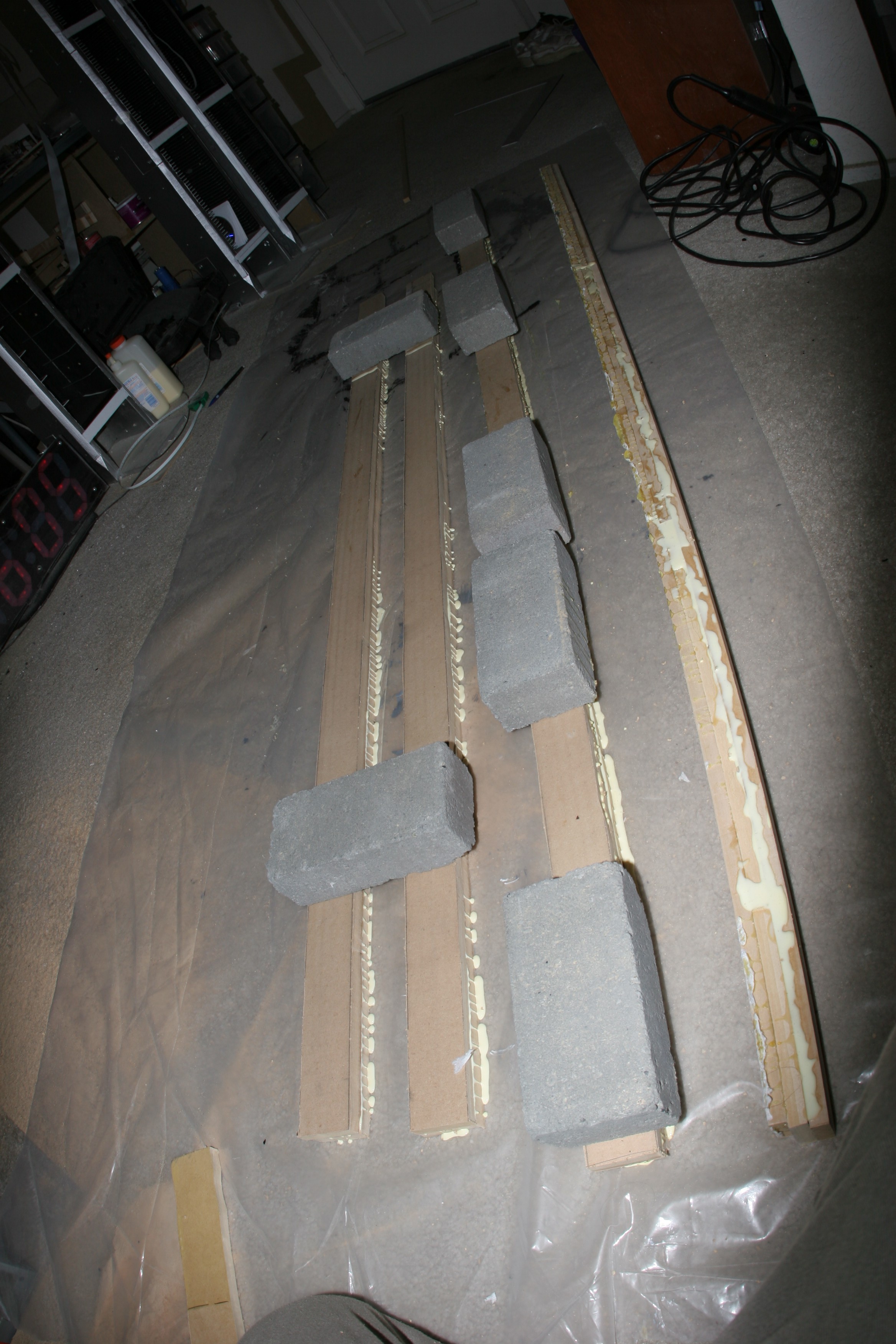
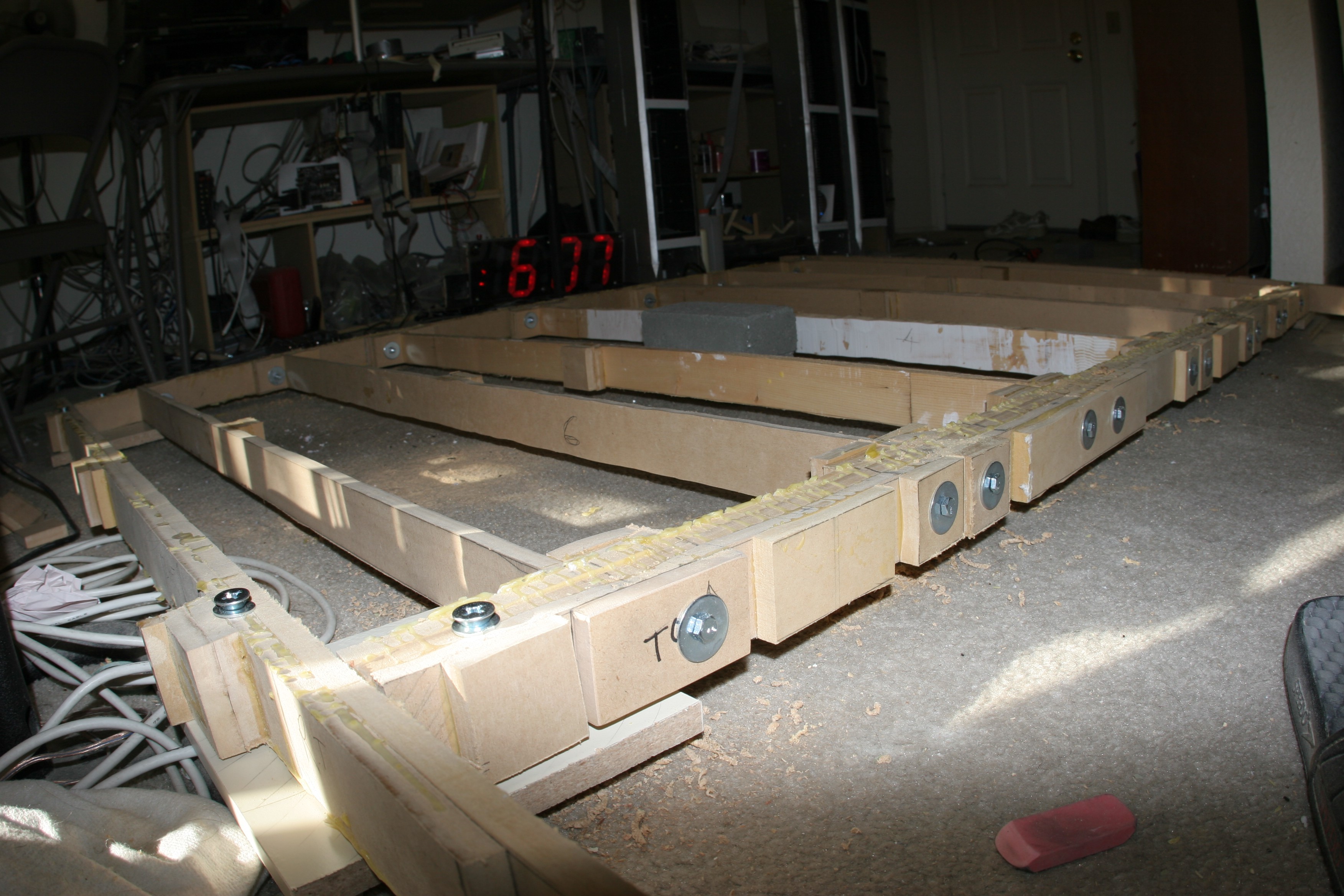
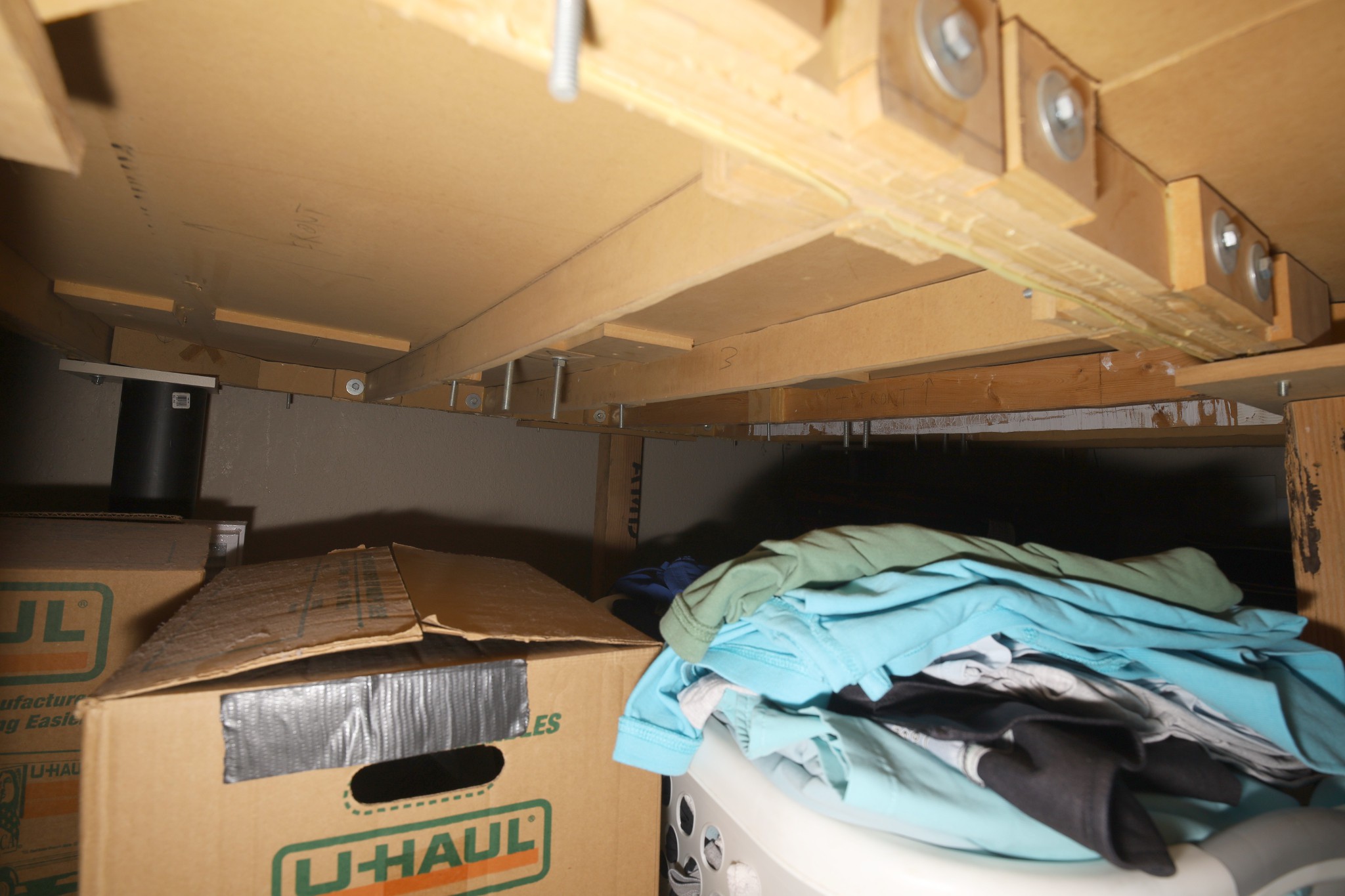
The journey began with cutting out many many 2" x 1/2" MDF strips, laminating them to form many ribs.
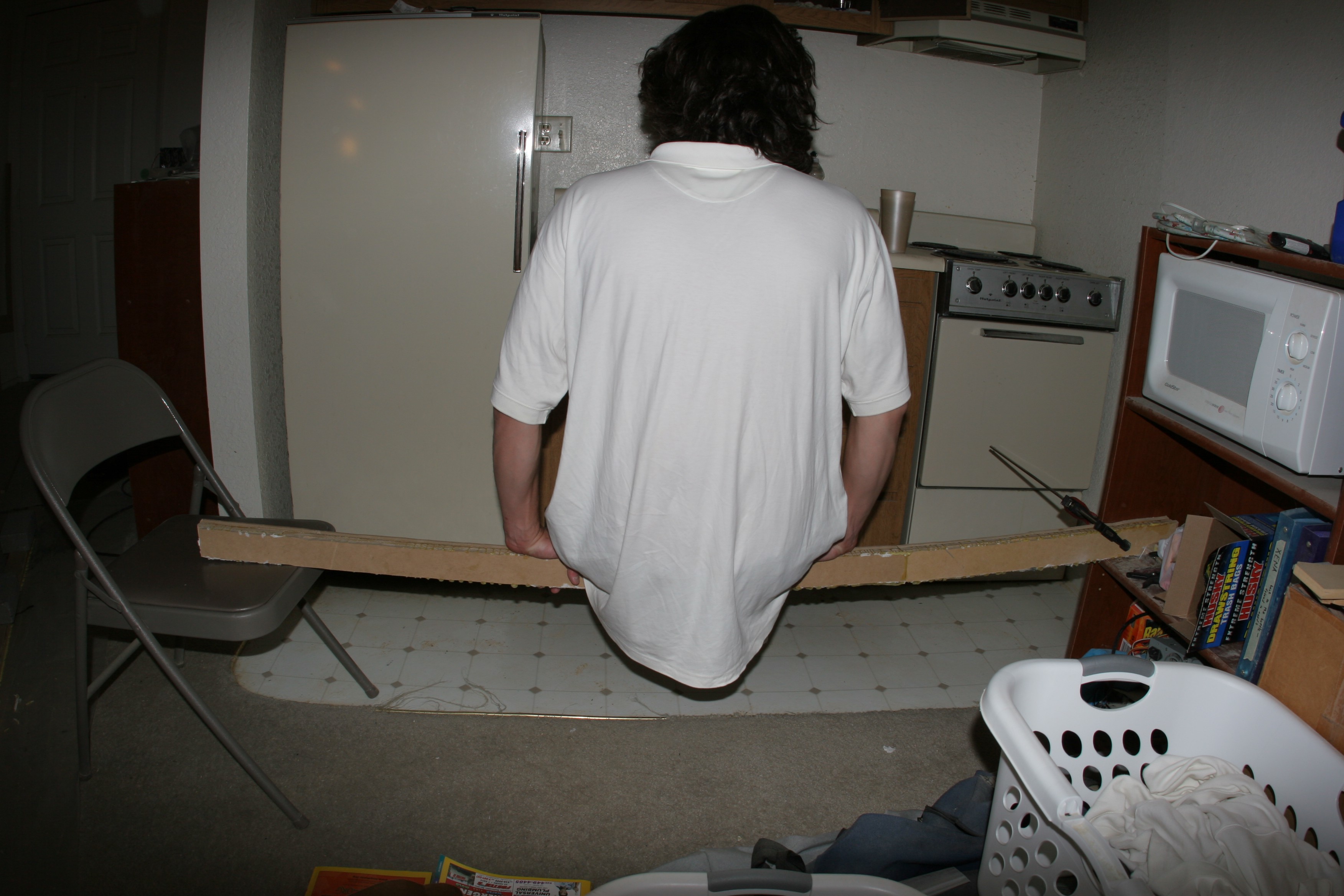
They were tested with the weight of 1 lion. Helas, this didn't account for the 1/2" thick deck & mattress.
MDF is just plain soft, but the beams were also made of segments which didn't span the entire beam.
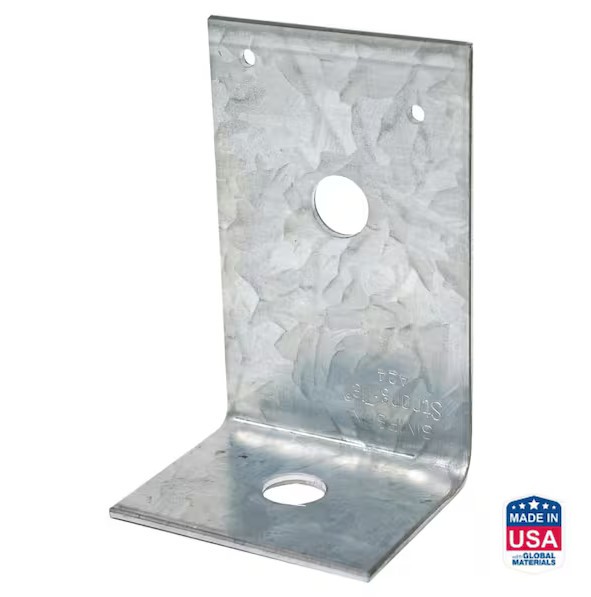
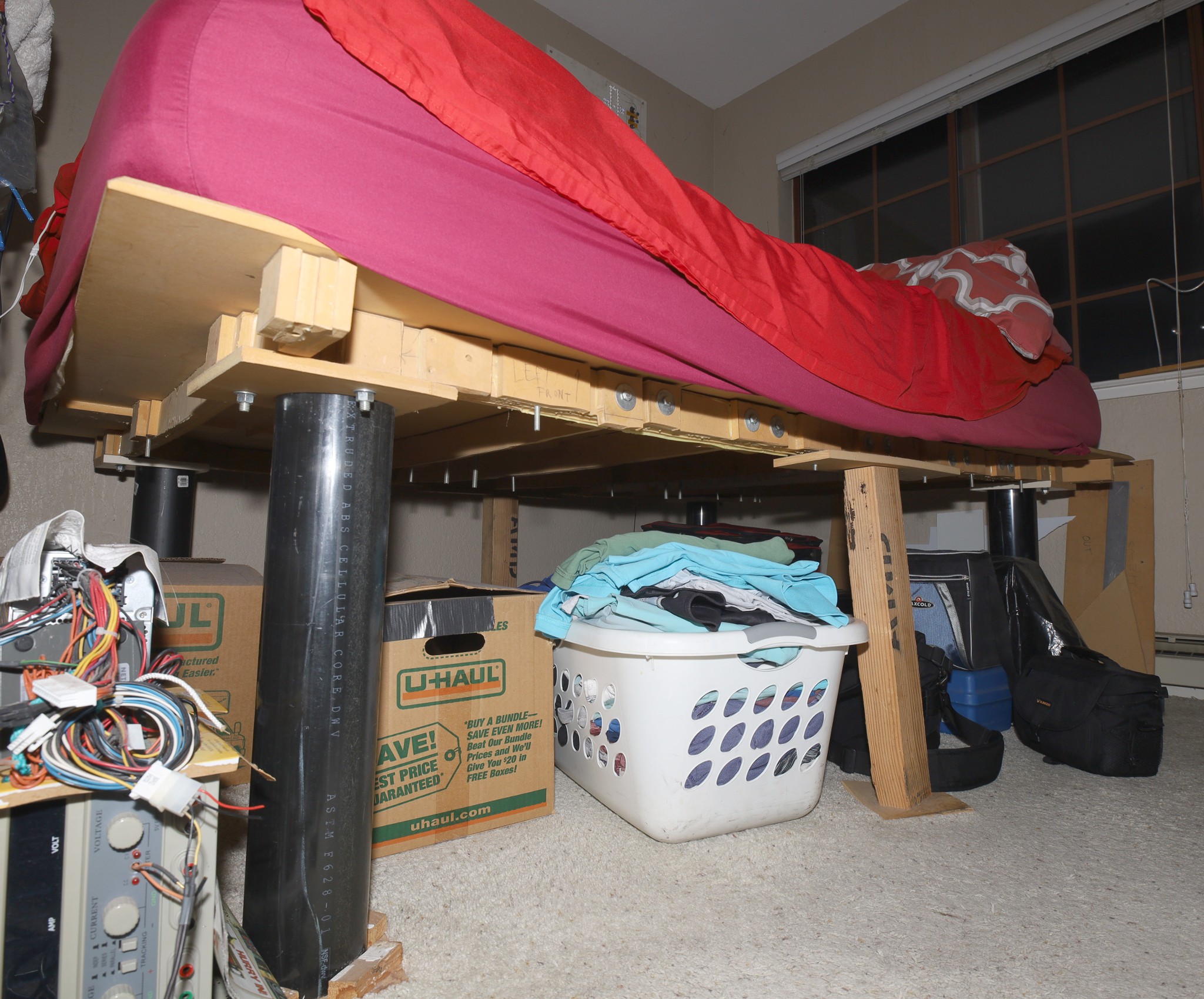
To the ends, right angle bolt attachments were glued on. While these held for over 20 years, it would have been smarter to use steel angle ties.
The legs were attached with MDF T things.
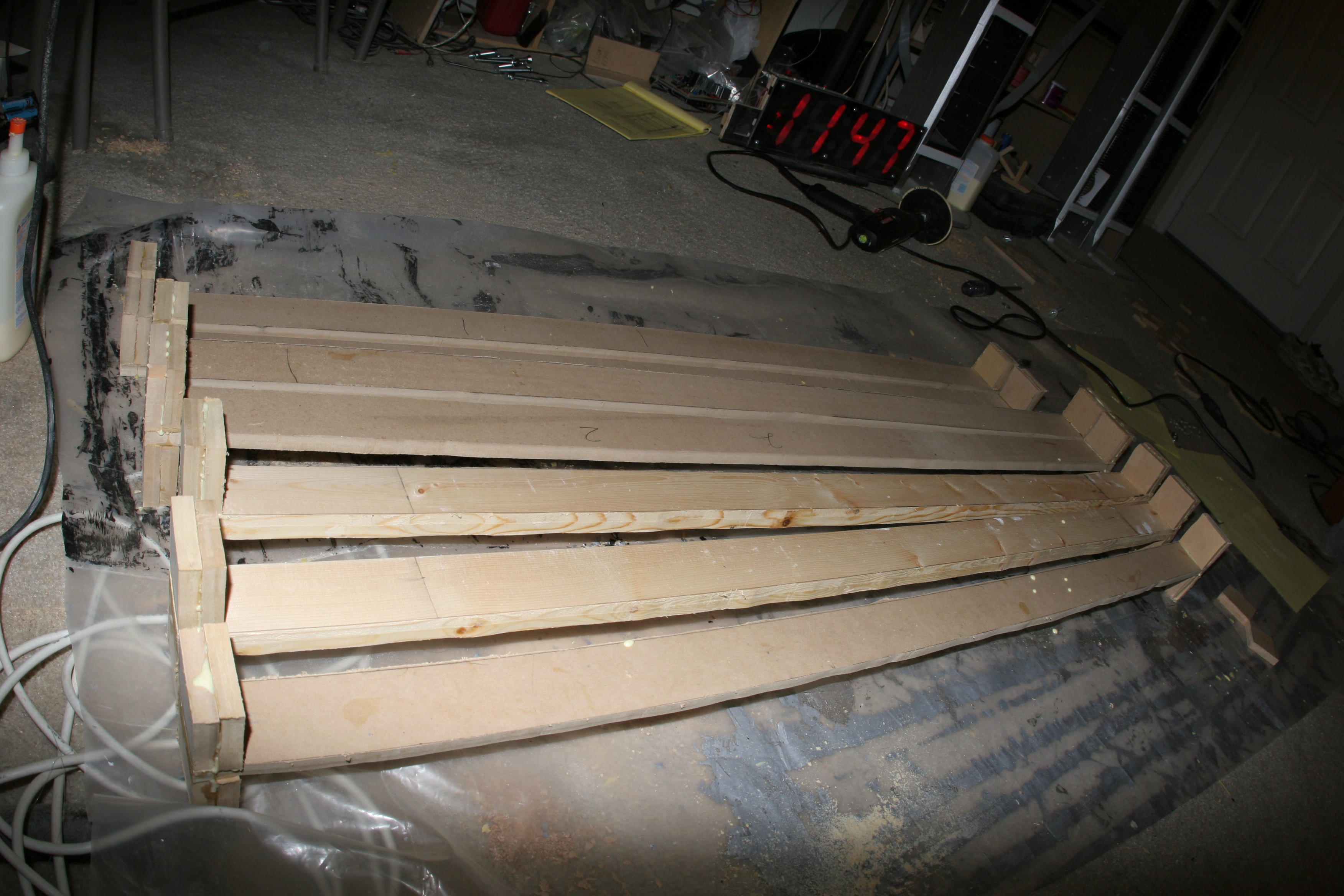
The ribs were bolted together for portability.
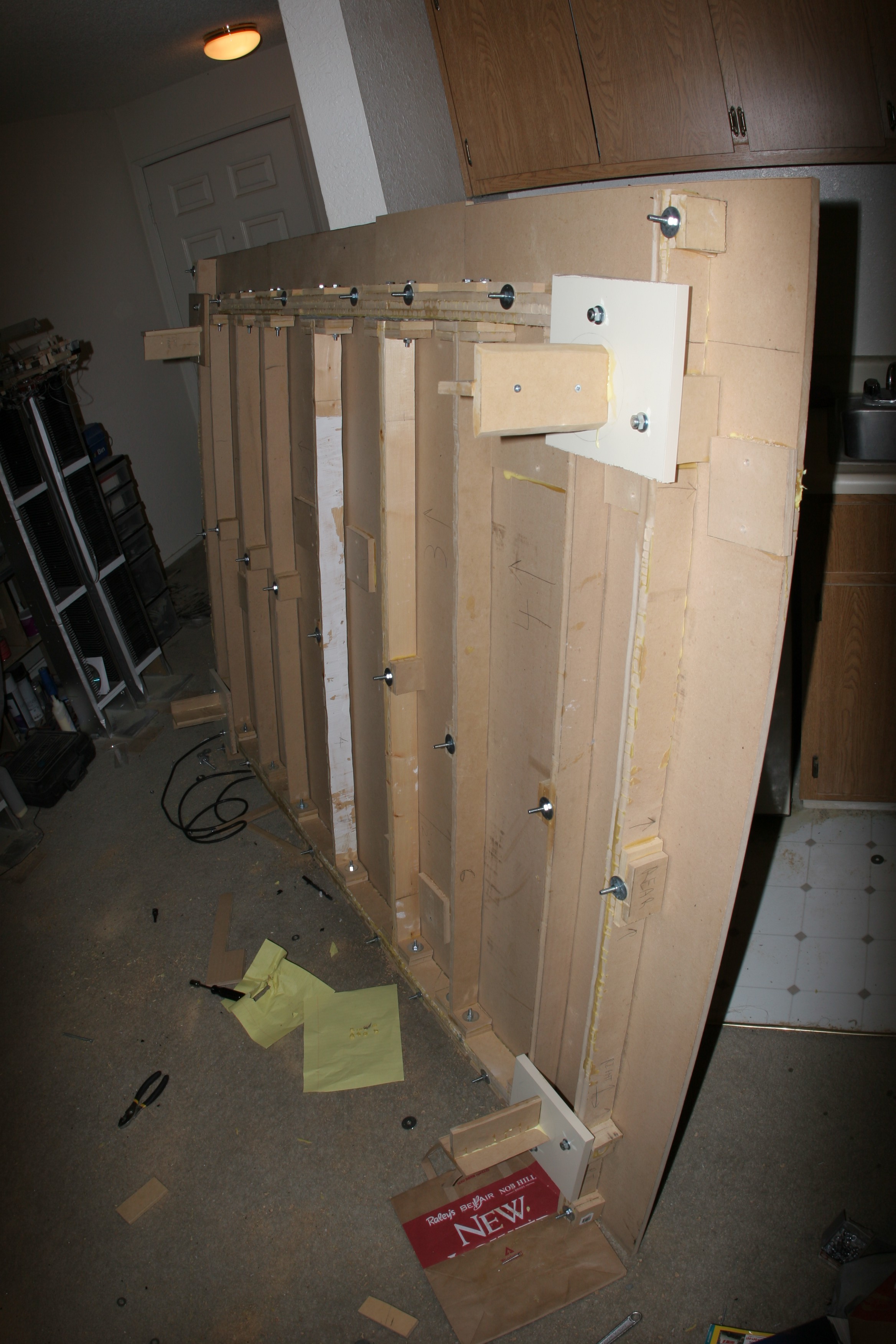
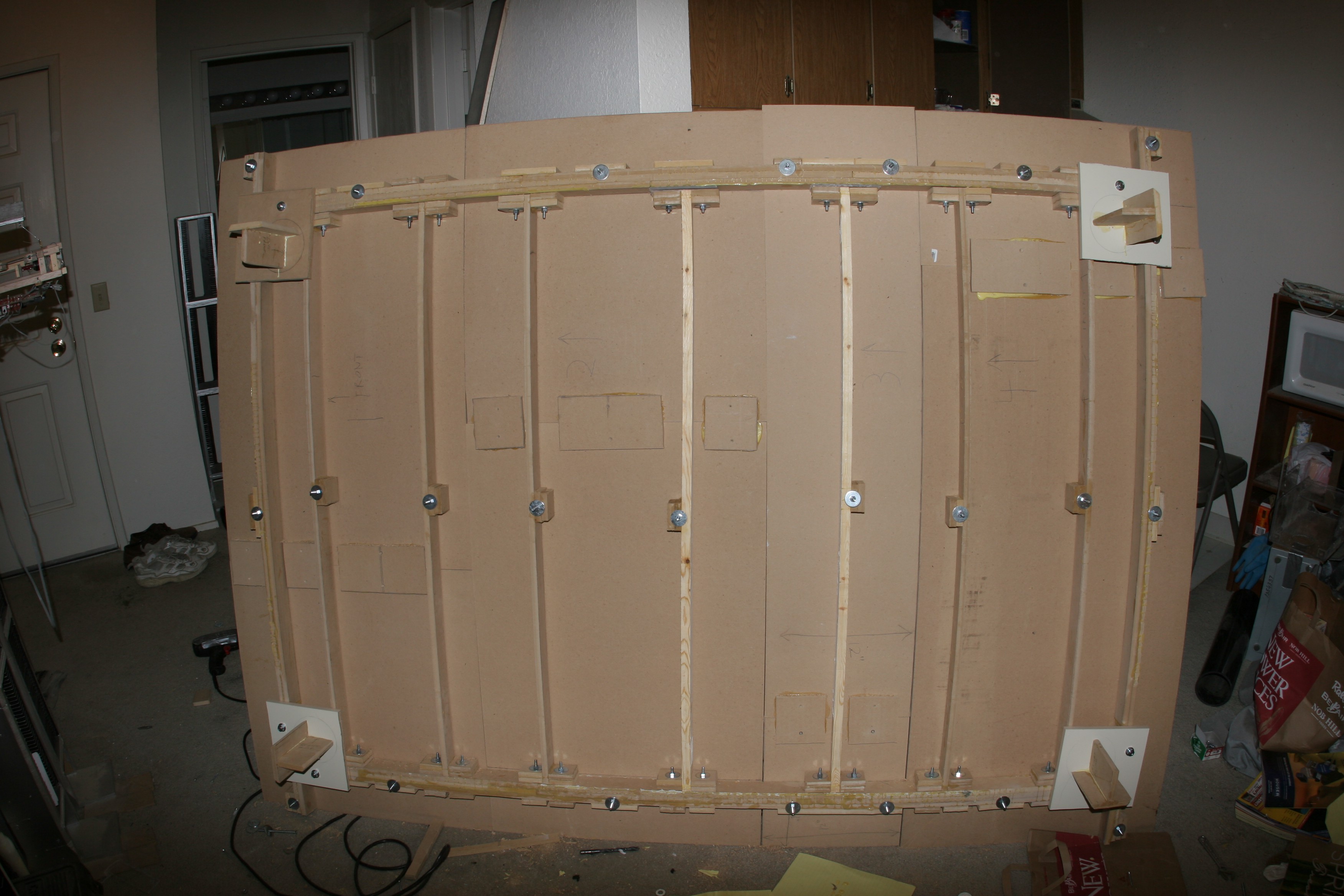
To this, the deck panels & leg attachments were bolted on. This ended up being the wrong order.
The rib & leg section should have been assembled in its final position without the deck. Then the bolts for the legs should have been removed & reinstalled through the deck panels in the very last step. Somehow, young lion wrestled this entire assembly with deck panels into its final place, during an all nighter. There would be no sleeping until the bed was finished.
Some time before dawn, it was placed in its final position. It was kind of a crisis to be that tired without a place to sleep.
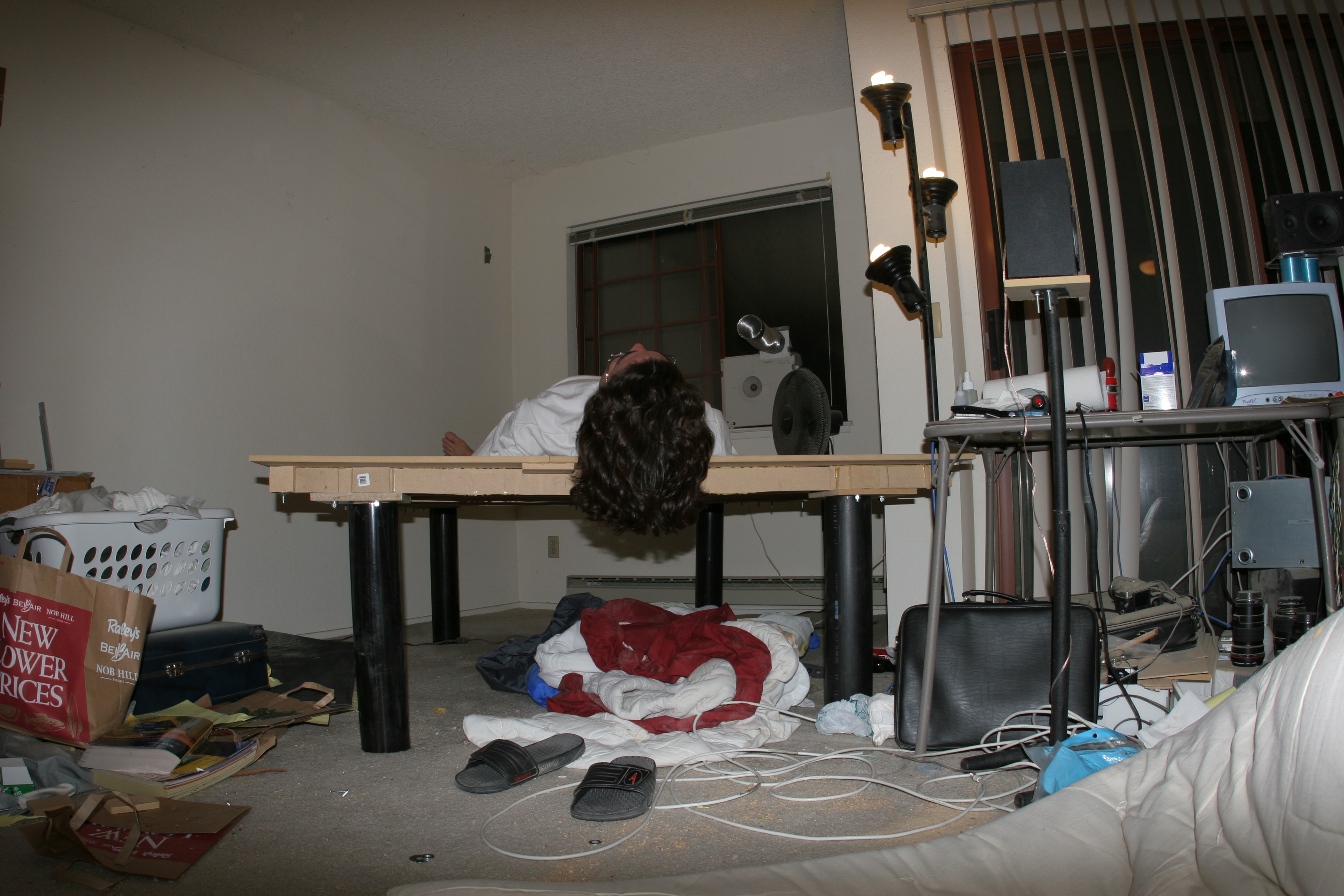
There was a test with just a lion.
Then 1 memorable Sunday in May, the flexing with a futon was tested & the new storage space was put to use. It just had a futon for 2 years. Then it got a much heavier mattress.
To reduce the flexing in the long direction, it got 2 more legs made out of solid pine, recycled from a crate. Besides flexing, another problem was sideways motion.
Wooden feet slightly stabilized the sideways motion.
While spiders have rarely taken residence in the rib section & gnat larvae infested the carpet, there have never been any critter invasions on the top.
After 20 years, it began to sag in the short direction & lions began sleeping just on the edges. To make it more portable, the nuts were discarded. This might have allowed the deck panels to pull in from the edges instead of providing an opposing force to the sagging of the ribs.
In 2015, 2 of the ribs were unwisely discarded to further make it more portable. That increased the flexing.
Another problem with this design is the deck had no holes for ventilation. It wasn't a problem in the dry climate of 2005-2020. The climate has since gotten a lot more humid. Drilling holes in the deck might be a solution, but it would entail a lot of drilling. 1 panel at a time would have to be removed from under the mattress & drilled out.
Create an account to leave a comment. Already have an account? Log In.
Become a member to follow this project and never miss any updates