 Yakroo108

Supplies
PICO2 (RP2350A) x2
RYLR998(LoRa) x2
ILI9341 x2
PIN HEADER 40 x2
Step 1: Concept Overview

CyberMesh LoRaChat is a peer-to-peer text messaging system built on LoRa (Long Range Radio) technology. Each device operates as an independent node capable of sending and receiving messages directly from other nodes.
There is no gateway, no cloud backend, and no single point of failure. Even if part of the network becomes unavailable, remaining devices can continue communicating.
This makes CyberMesh LoRaChat suitable for:
- Emergency and disaster scenarios
- Off-grid or remote areas
- Backup communication systems
- Educational and maker projects
Step 2: System Architecture
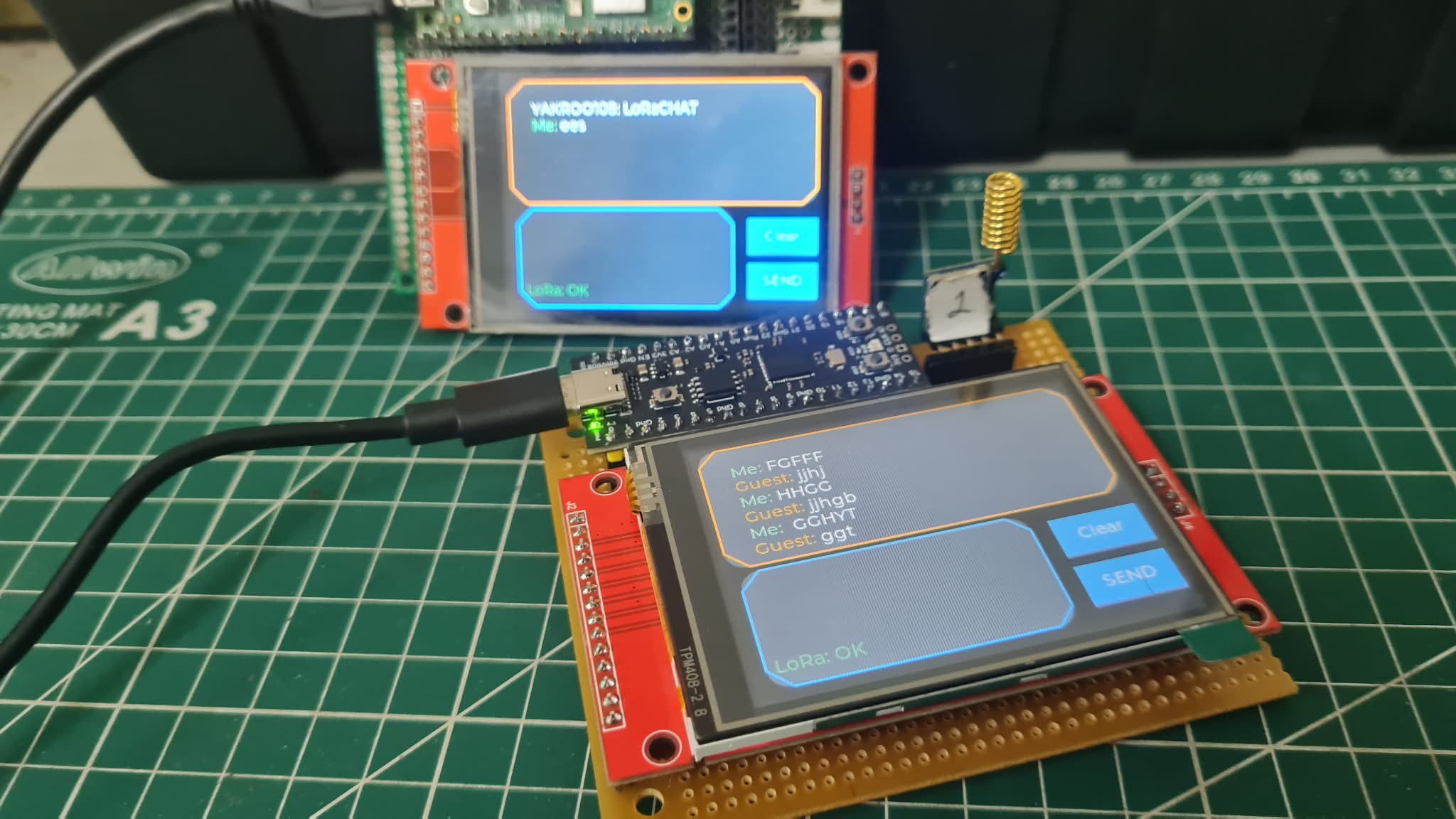
Each CyberMesh LoRaChat node consists of:
- Raspberry Pi Pico 2 – main controller
- ILI9341 TFT display – user interface
- LVGL – graphical UI framework
- MicroPython – firmware development
- RYLR998 LoRa module – long-range wireless communication
Users can type, send, and receive short text messages through a simple on-device interface, similar to a basic chat terminal.
Step 3: LoRa RYLR998

📡 LoRa (RYLR998) Communication
LoRa technology is designed for long-range, low-power communication, making it ideal for emergency use where power and infrastructure are limited. Unlike Wi-Fi or cellular networks, LoRa operates independently of the internet and can transmit data over several kilometers with minimal energy consumption.
The RYLR998 LoRa module was chosen for this project because it offers:
- Simple UART (AT command) control
- Stable long-range performance
- Low power consumption
- Easy integration with microcontrollers
By handling the radio protocol internally, the RYLR998 allows the main controller to focus on user interface and message handling, keeping the system simple and reliable.
🔒 Why Decentralized Communication Matters
Traditional communication systems rely on centralized infrastructure such as base stations, servers, and network providers. When any of these components fail, communication stops entirely.
CyberMesh LoRaChat removes these dependencies by enabling:
- Direct peer-to-peer messaging
- Offline operation
- No service fees or subscriptions
- High resilience during infrastructure failure
With battery or solar power, the system can continue operating even when modern communication services are unavailable.
If you’re interested in building CyberMesh LoRaChat or experimenting with LoRa-based communication, the RYLR998 LoRa module used in this project is available from the following official global stores:
- Amazon:
- https://www.amazon.com/REYAX-RYLR998-Interface-Antenna-Transceiver/dp/B099RM1XMG
- DigiKey:
- https://www.digikey.com/en/products/detail/reyax/RYLR998/22078252
- eBay:
- https://www.ebay.com/itm/185968668254
Step 4: Power & Reliability
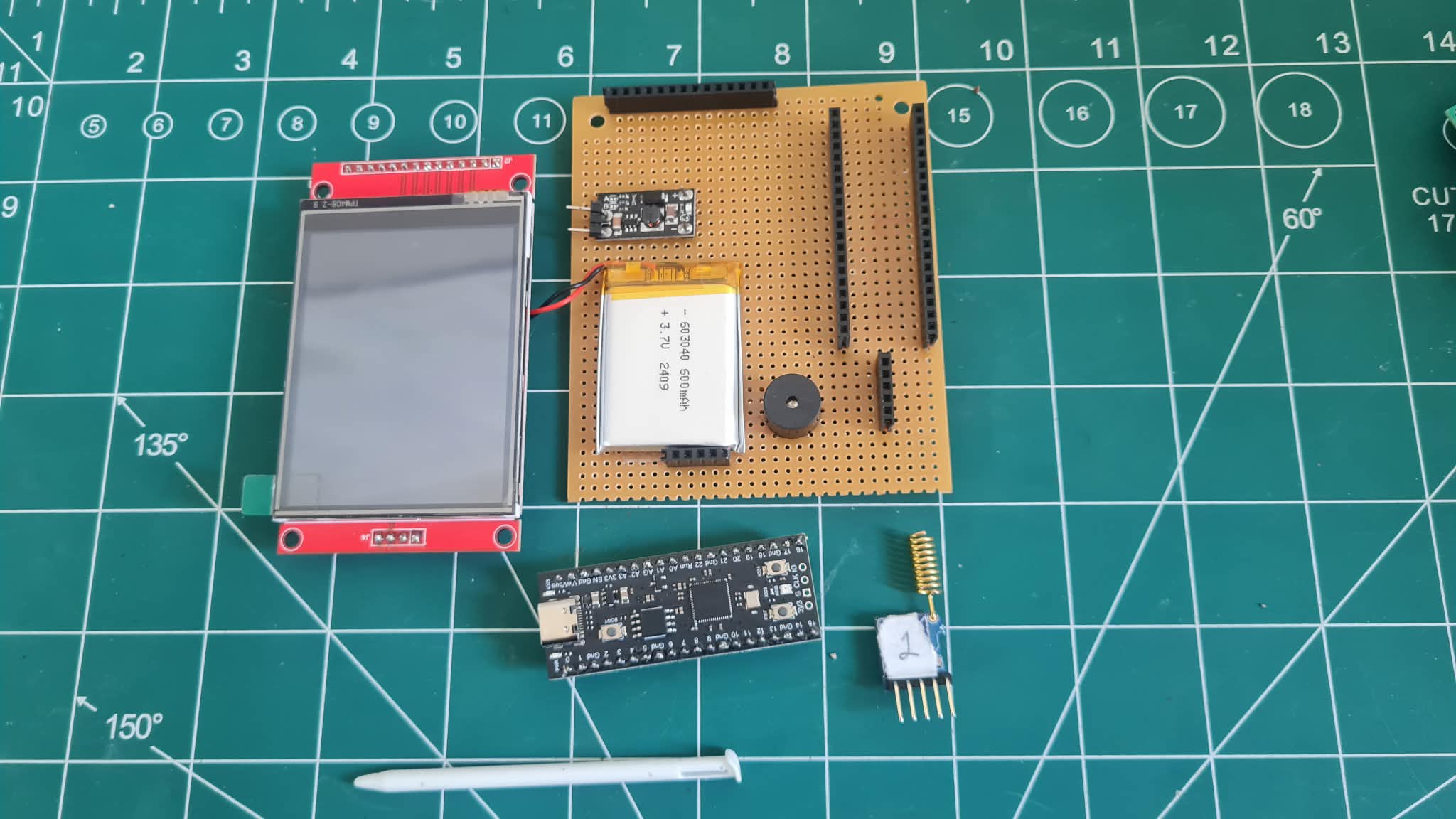
CyberMesh LoRaChat is optimized for low power usage:
- LoRa minimizes transmission energy
- MicroPython code avoids unnecessary background tasks
- Can run on batteries for extended periods
This makes the device practical during prolonged outages.
 Andrea Favero
 Ulrich
 Chuma A
 Manuel Alfonso