CHAOS.TANG


Route, Split, Reconfigure
As a signal switching device, SI-GRID is highly versatile and broadly applicable. Whether you’re a hardware engineer who wants to experiment with signal expansion and switching, a chip designer who wants to verify pin-multiplexing behavior across the chip lifecycle, or a sound engineer looking to route and switch audio sources it can be used in so many ways.
It’s a fantastic way to quickly, simply, route and multiplex one or several SPI/I2C/JTAG/GPIO lines or analog signals (like audio) into more channels, with real-time reconfigurability. You can even build a network-like topology across a large set of signals? If you’ve ever wondered, “Is there a switching device for electrical signals—something like an Ethernet switch, but for signals?” then SI-GRID is what you’ve been thinking of.
SI-GRID consists of a main core board, along with a control board and a programming board.The control board is a general-purpose ESP32-S3 development board (based on ESP32-PICO-D4). It includes an on-board buzzer, RGB LED, antenna, and a programming header/interface. Use it standalone, or drop it into other projects as the control module. Thanks to the ESP32-PICO-D4’s integrated RAM, flash, clock, and other components, this board makes an ideal wireless-enabled development platform.

Features & Specifications
- Single 5 V supply (via USB Type-C or power terminals)
- Robust power design (based on Analog Devices / Linear Technology components): - Separate power rails for digital and analog domains - Multiple protection mechanisms
- SPI-like host protocol
- 4 yellow status LEDs
- ESP32-PICO-D4
- Reset button
- SI-GRID Wi-Fi-based firmware pre-installed
- Supports Expressif and Arduino IDEs
- Analog Devices AD75019
- Signal level range: −12 V to +12 V
- Works with digital and analog signals with no shared ground required with external signals
- 16×16 signal nodes with arbitrary topologies and any number of simultaneous interconnects
- Cascade-ready to expand to larger matrices
- Plug into your existing control system directly, or use the optional control board
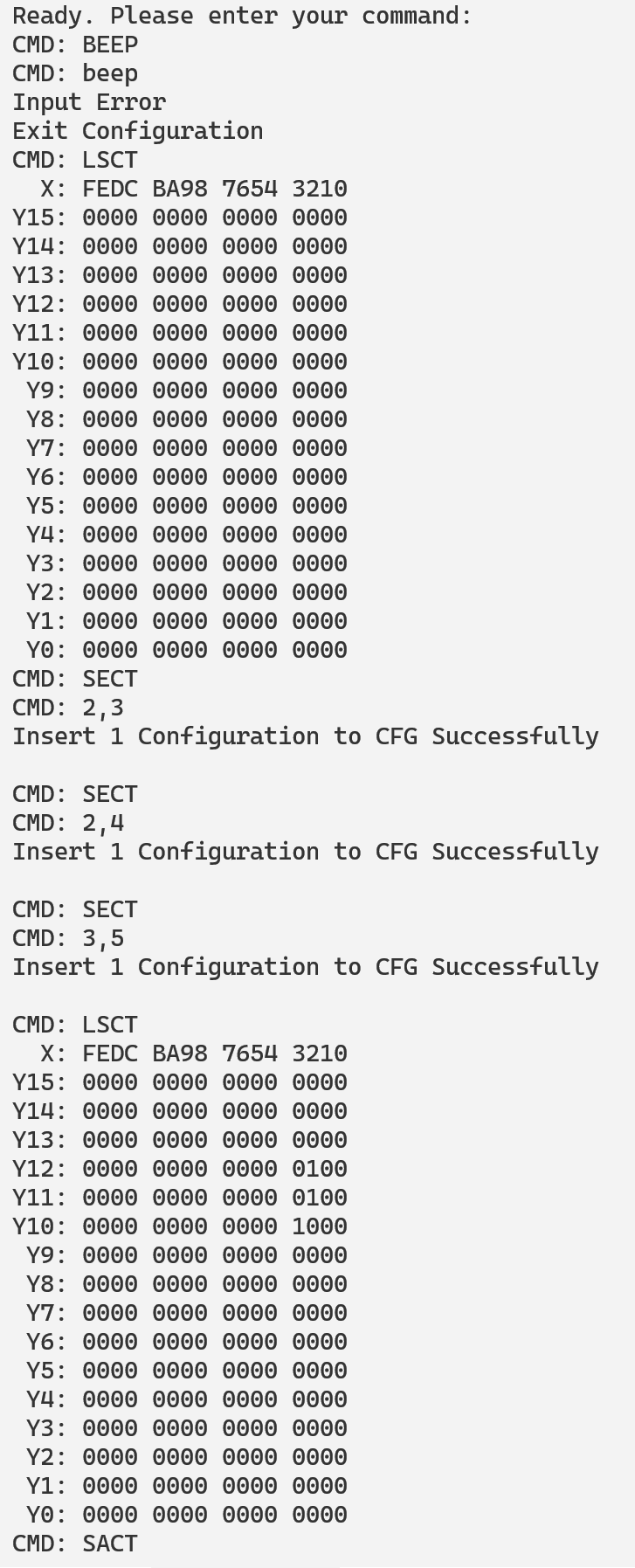
- CLI over UART for easy scripting and system integration
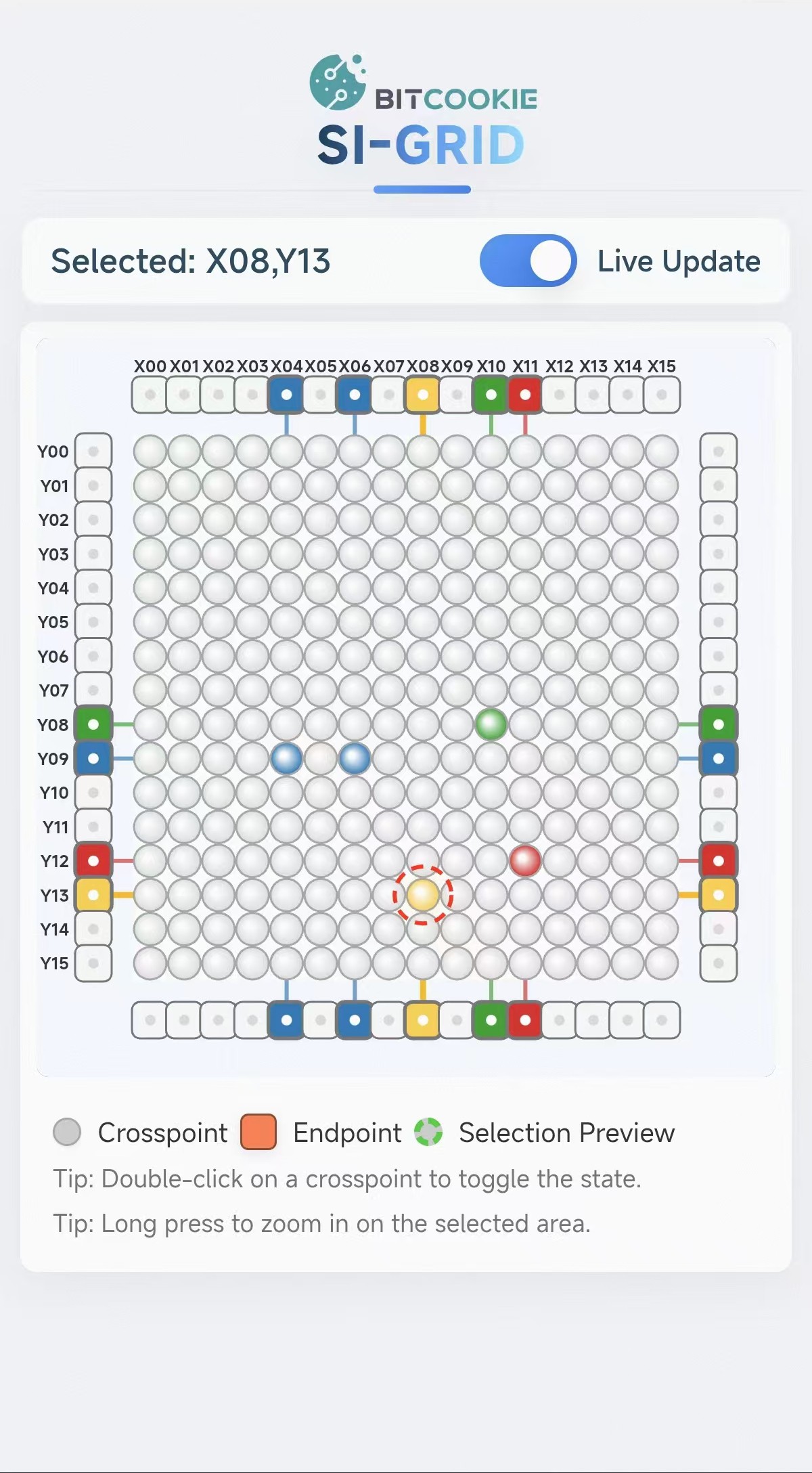
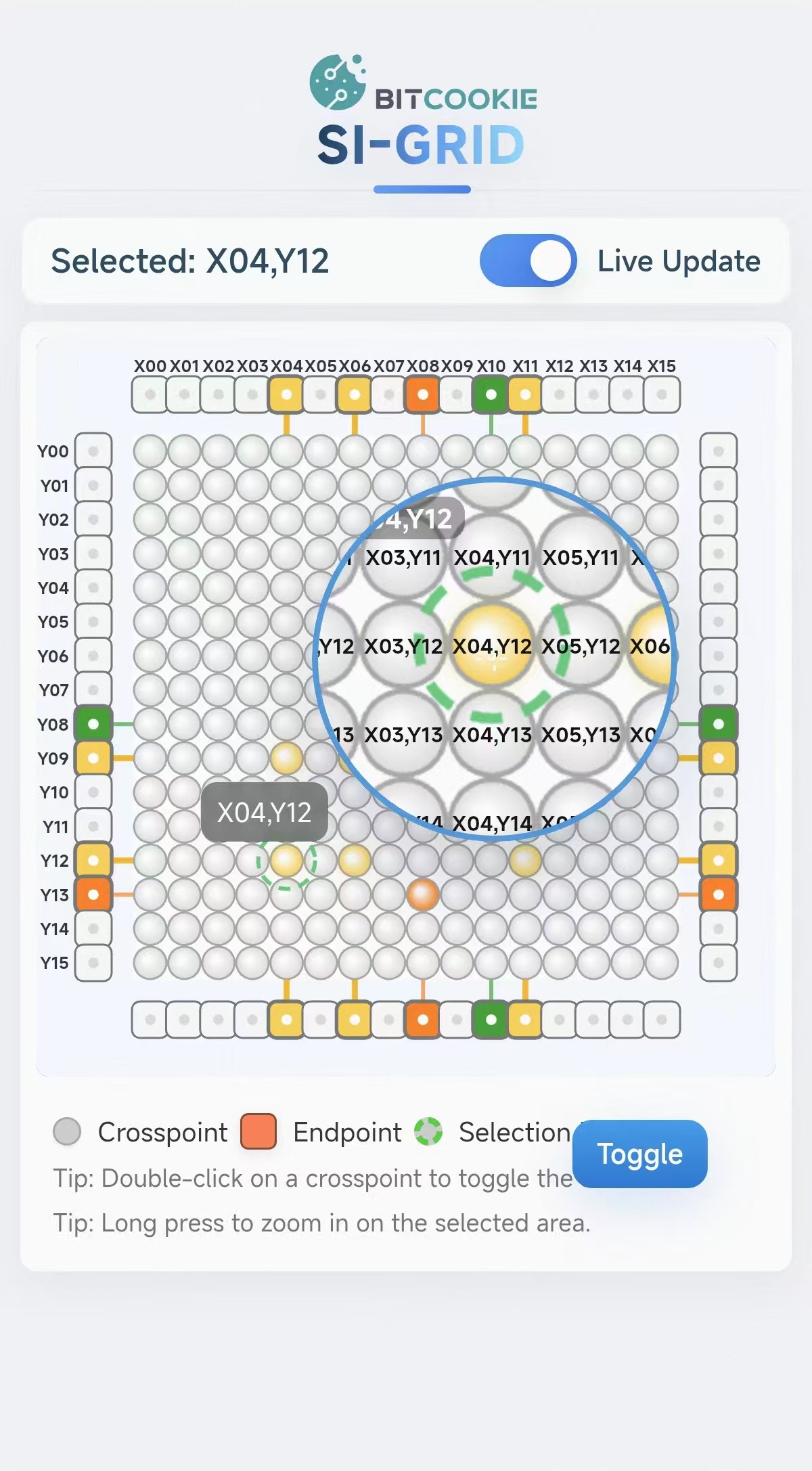
- Web-based GUI over Wi-Fi: apply changes in real time or stage presets and deploy them immediately