 lion mclionhead
Past experience with a cheap dimmer switch was disappointing. Cheap dimmer switches chop the sine wave, which made motors super noisy. What's needed for controlling a motor is a full sine wave with variable voltage.
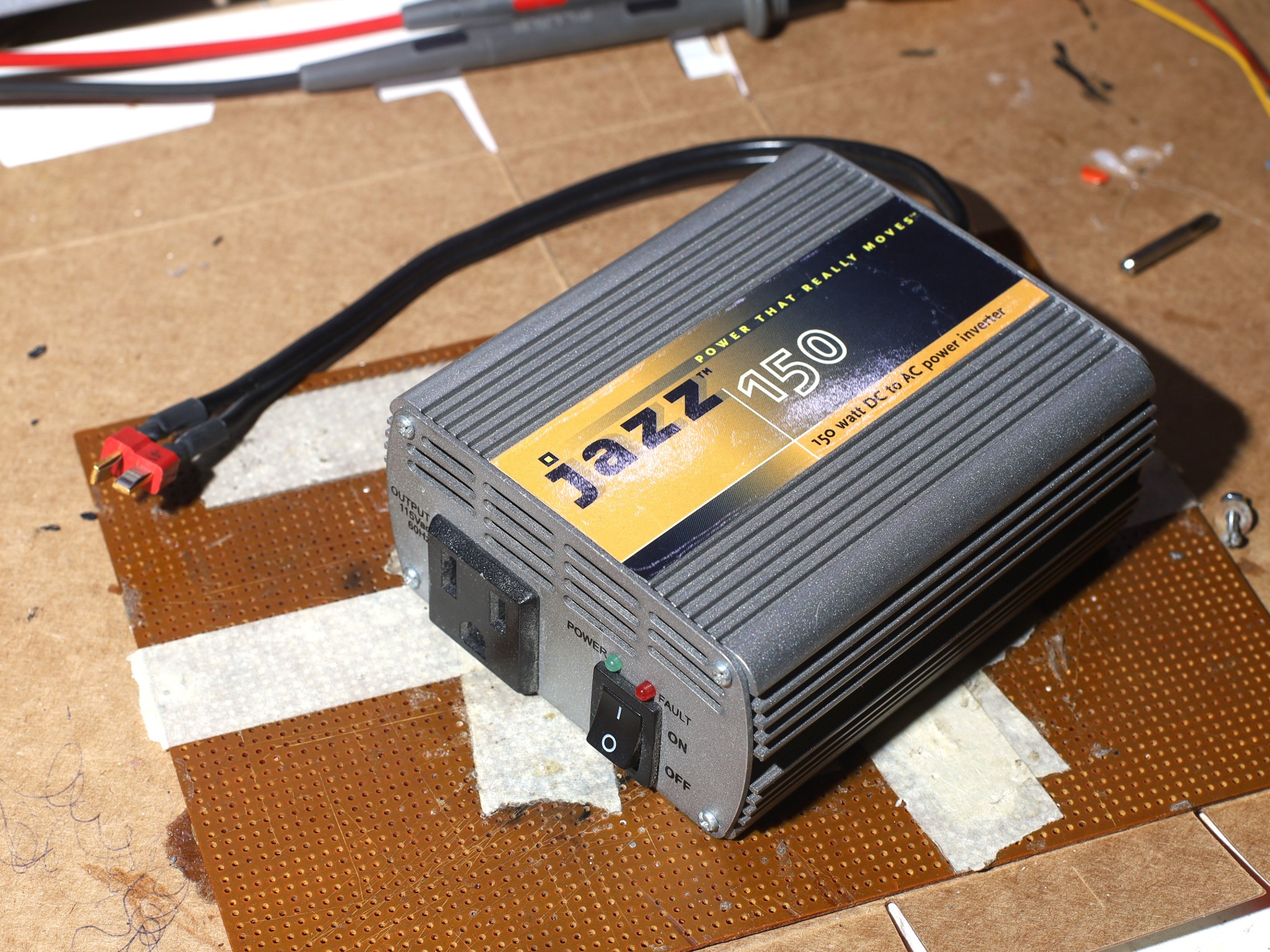
Revisiting the lion kingdom's junk inverter of 25 years ago, it had some work done in 2011 to output 140V DC from 14V DC.
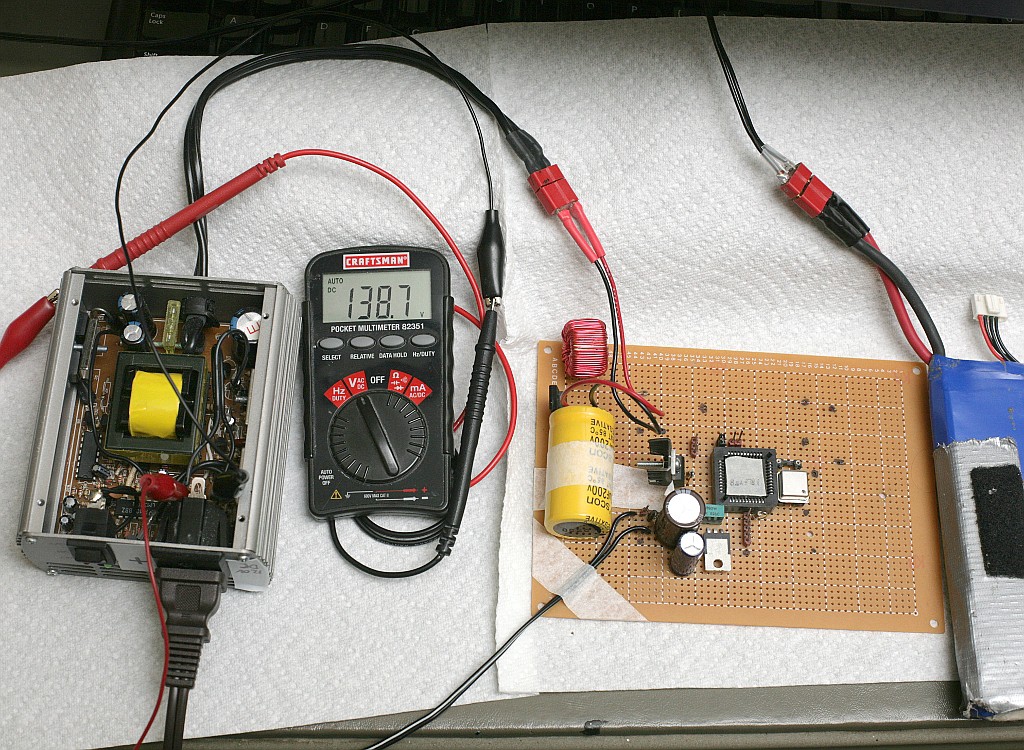
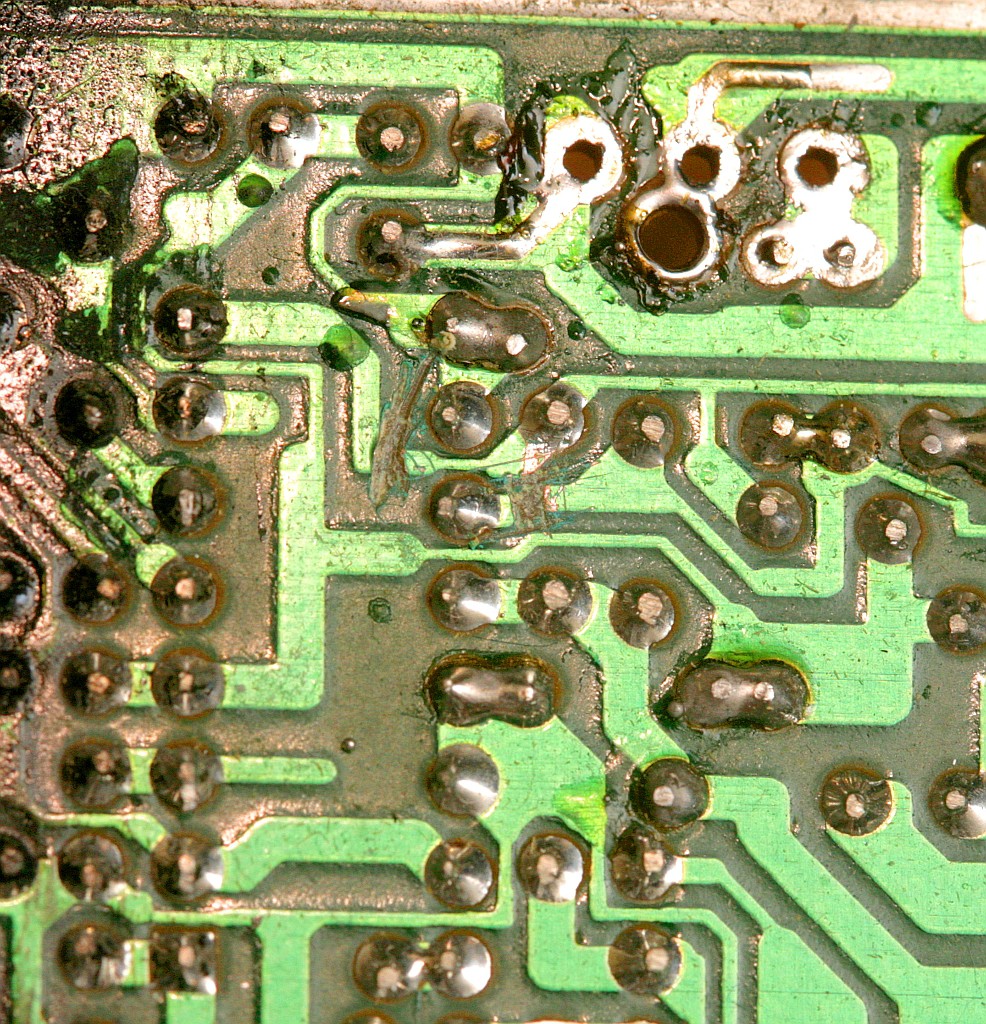
The inverting transistor gates were severed.
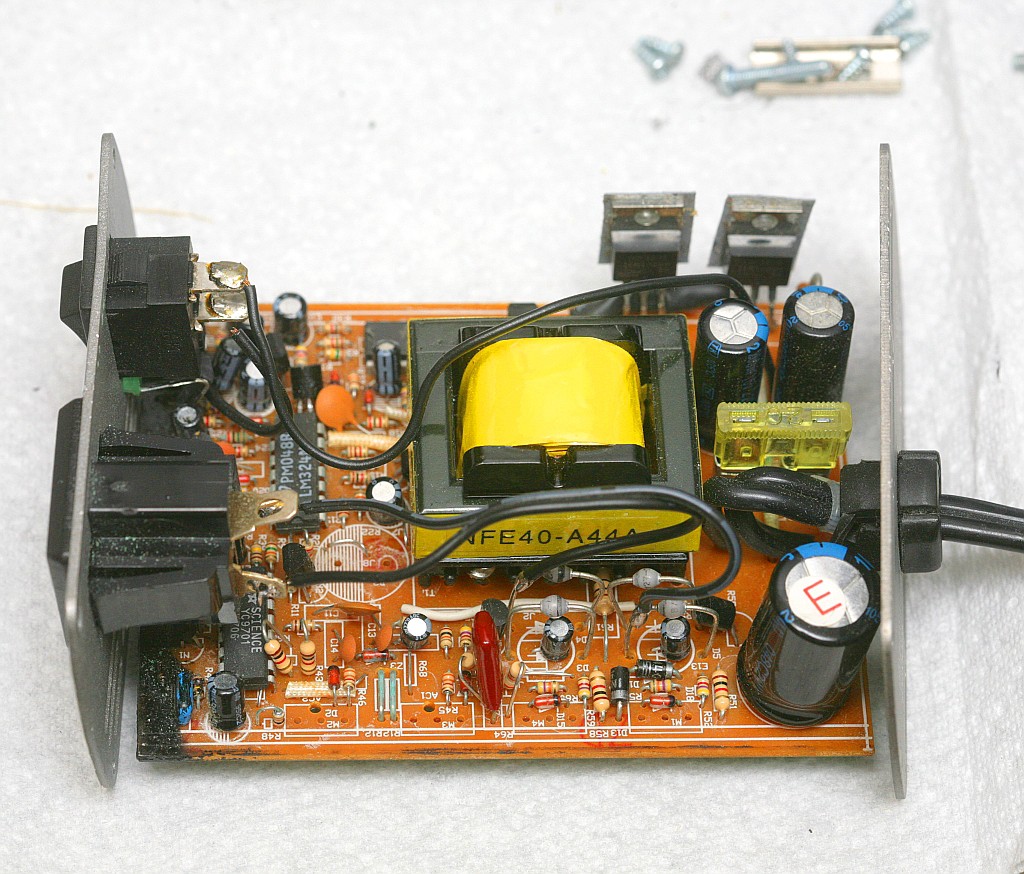
The inverting transistors were scavenged.
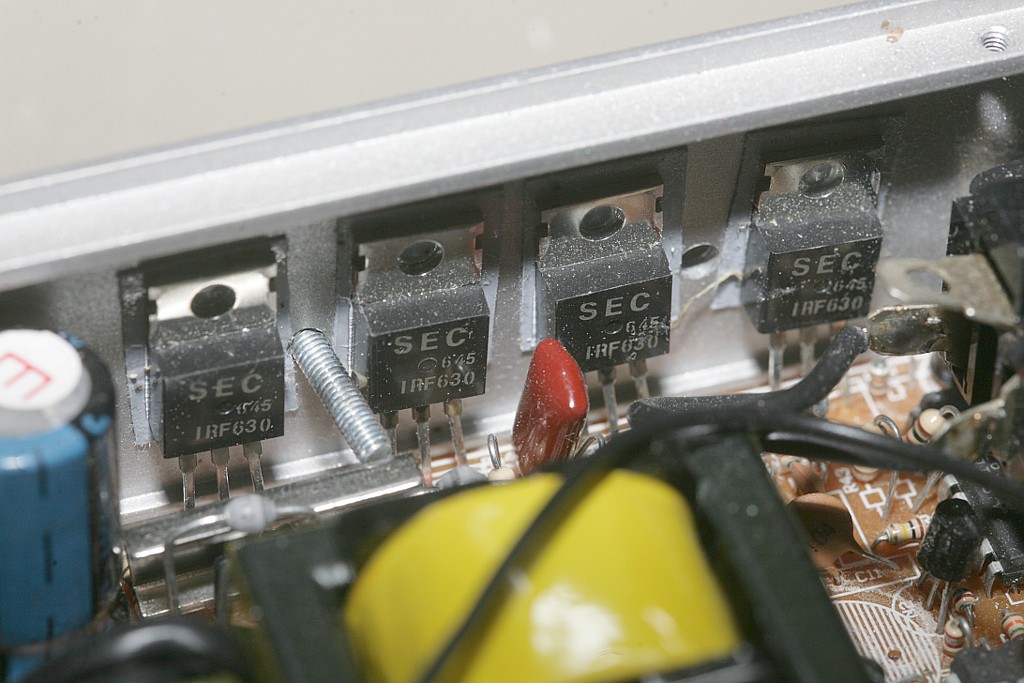
It originally used an H bridge to generate the sine wave. It converted the 14V DC to 140V DC in a center tapped transformer, then used the H bridge to make a new sine wave.
Helas, some of the MOSFETS & SIL pads were lost.
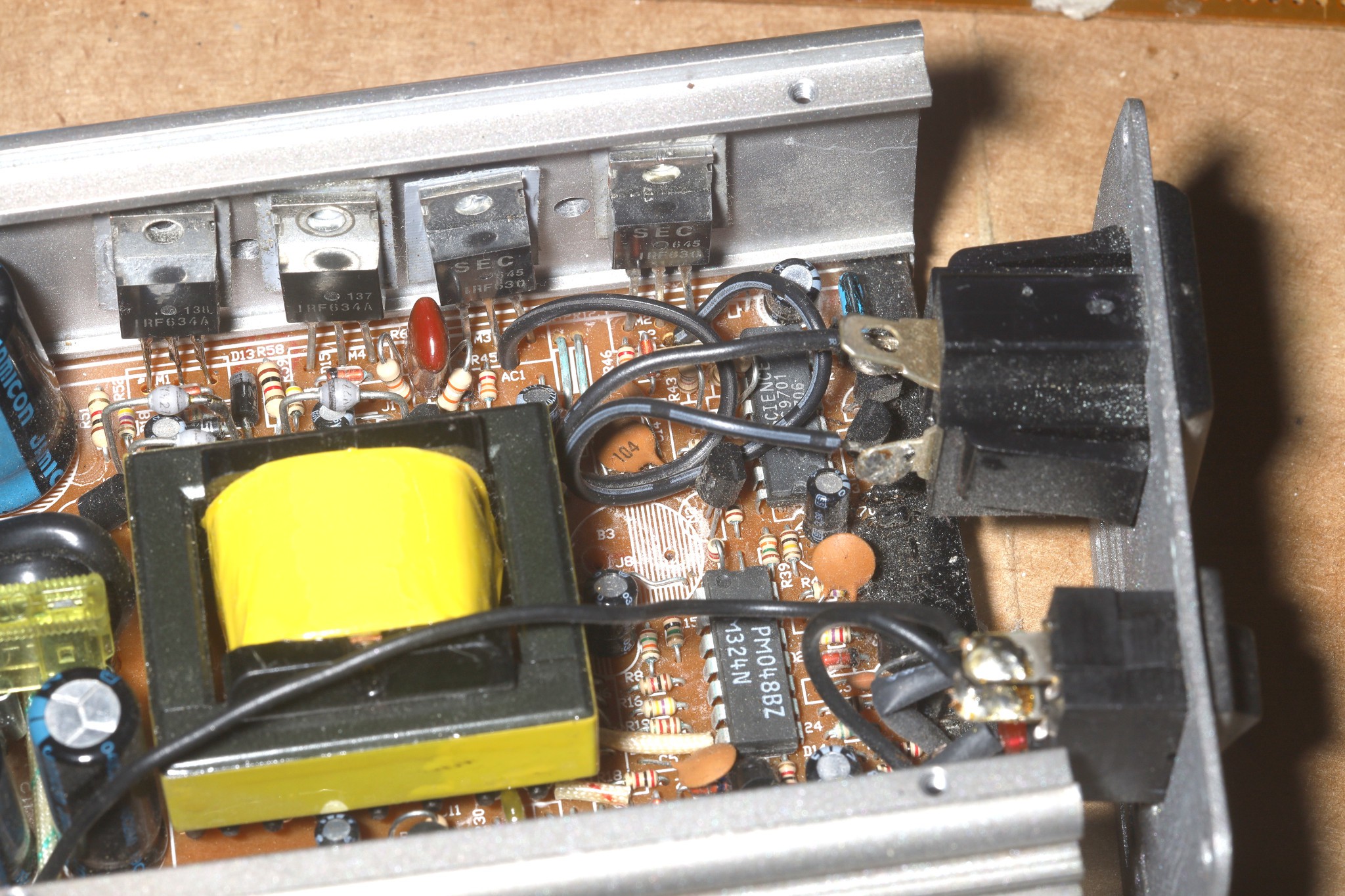
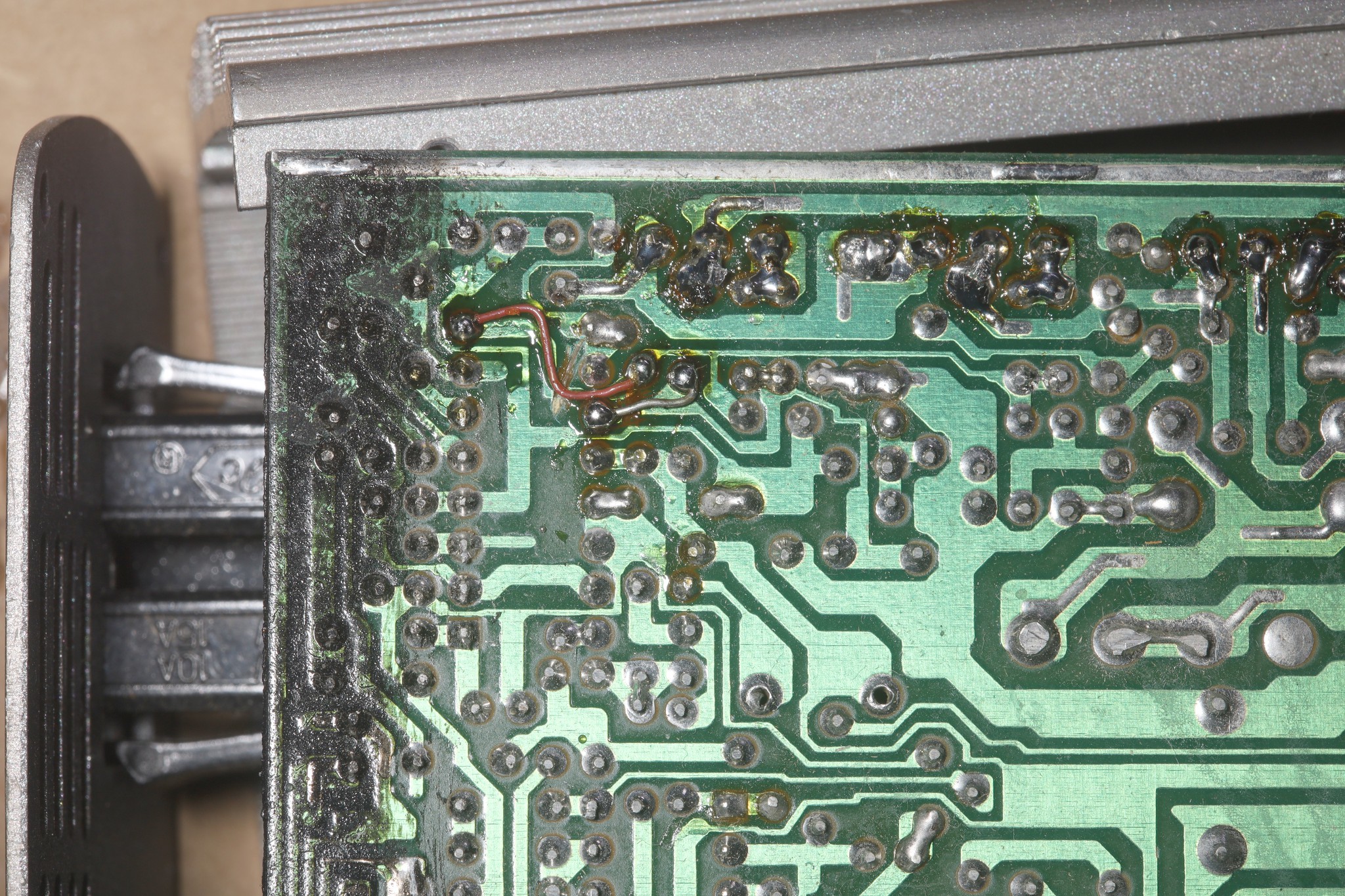
Some other scavenged MOSFETS went in & the gates were reconnected. This seemed to work.
The output of the inverting MOSFETS is limited to 110V for all input voltages above 11V. Below 11V, it tracks the input voltage down to 10V. Below 10V, it shuts down. It needs at least 12V in to start. Lions would be ecstatic if it could start & run below 10V. Amounts above 12V are not needed.
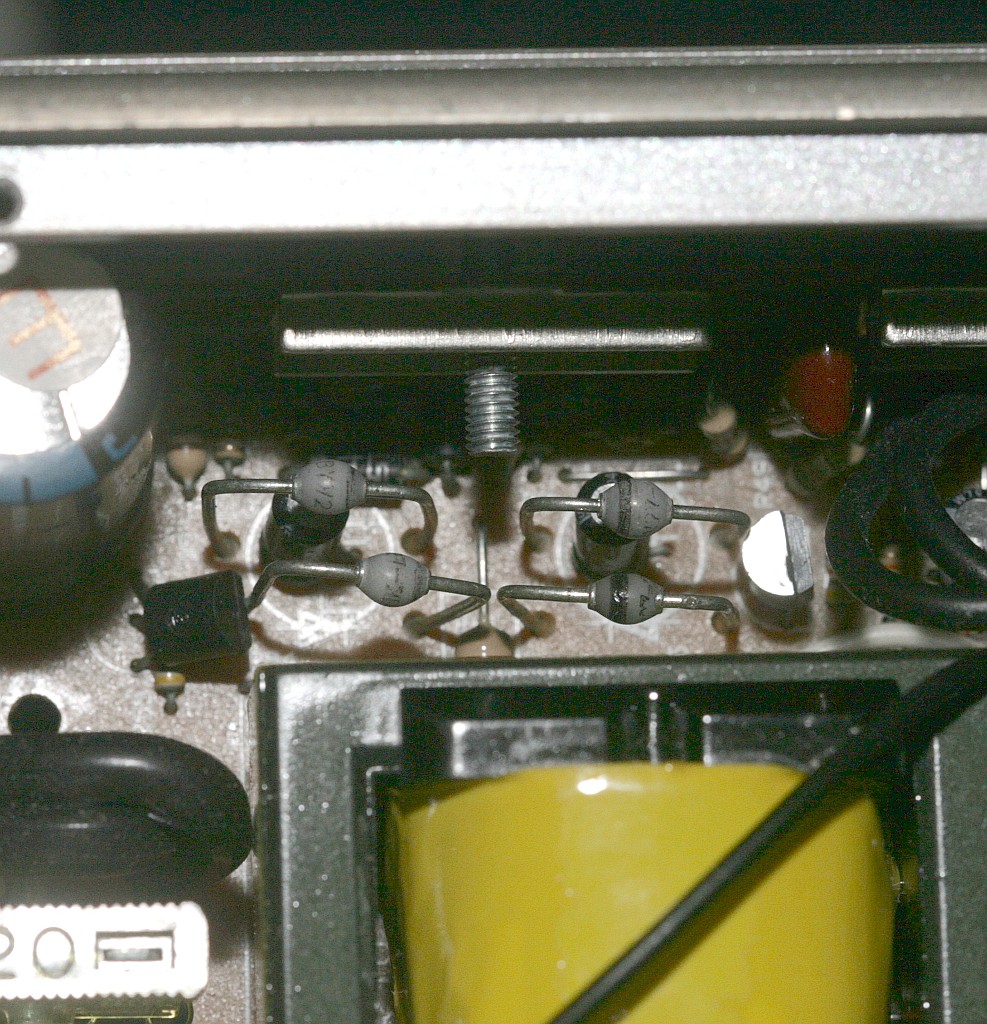
The high voltage DC side of the circuit was exposed in a rectifier. It went from 110-140V, depending on input voltage. It was clamped at 110-140V for battery voltages out of range. The 1st idea was to make the inverting MOSFETs output a variety of voltages.
The brain of the operation is the SCIENCE YC9701. All documentation for it has been lost & replaced by junk AI summaries. It outputs 2 12V square waves for driving the inverter MOSFETS. The square wave voltage tracks the battery voltage & its duty cycle varies. The off time is when the MOSFETS are on. The lower the voltage, the longer the off time. The higher the voltage, the shorter the off time. The duty cycle is bounded so above a certain battery voltage, it's limited only by the DC side. Below a certain battery voltage, it follows the DC side down.
The square wave seems to be generated by comparing a fixed sawtooth to the battery voltage. The sawtooth fires at 120Hz so the 9701 takes care of alternating polarity. If the 9701 always gets 7-10V, it should generate the maximum duty cycle for all battery voltages. Below 7V, it gets unstable.
The inverted output is a square wave instead of a sine wave.
Another option is replacing the MOSFET gate voltages with an arbitrary square wave generator. Unfortunately, the output is the same as a cheap dimmer switch so motors would be unpleasant sounding. Generating a true sine wave this way would be quite inefficient.
The easiest route would be defeating the low voltage shutdown, involving quite a bit of reverse engineering. It's probably getting cut out by the LM324. Pins 1 & 7 are strict comparators, comparing a battery voltage on - with a 5V reference on +. Pins 1 & 7 go to 12V when the battery is low & go to GND when the battery is high, with hysteresis. Pin 14 & 8 are for something else.
It could be intended as a fuse, which would make it dangerous to disable.
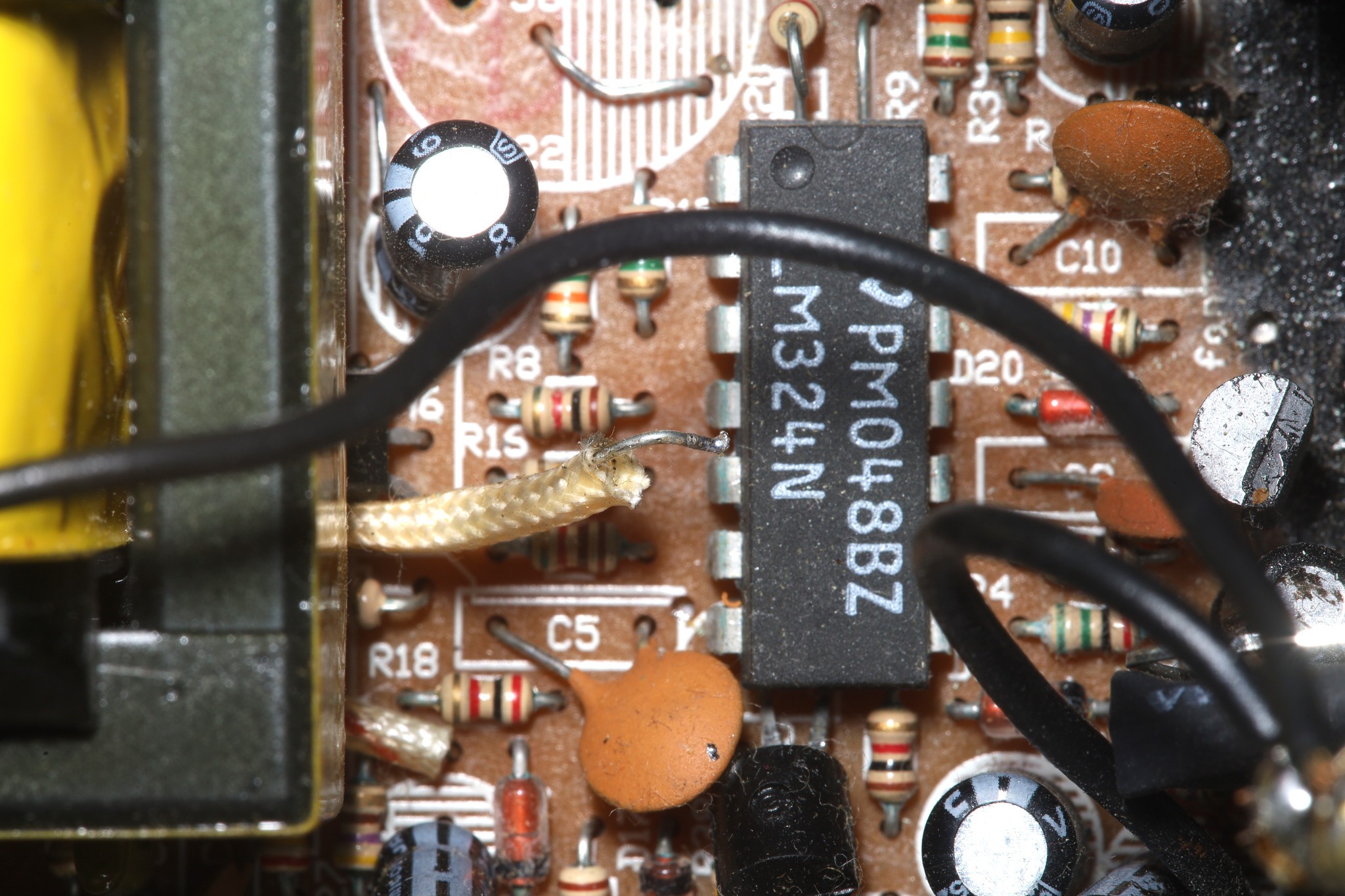
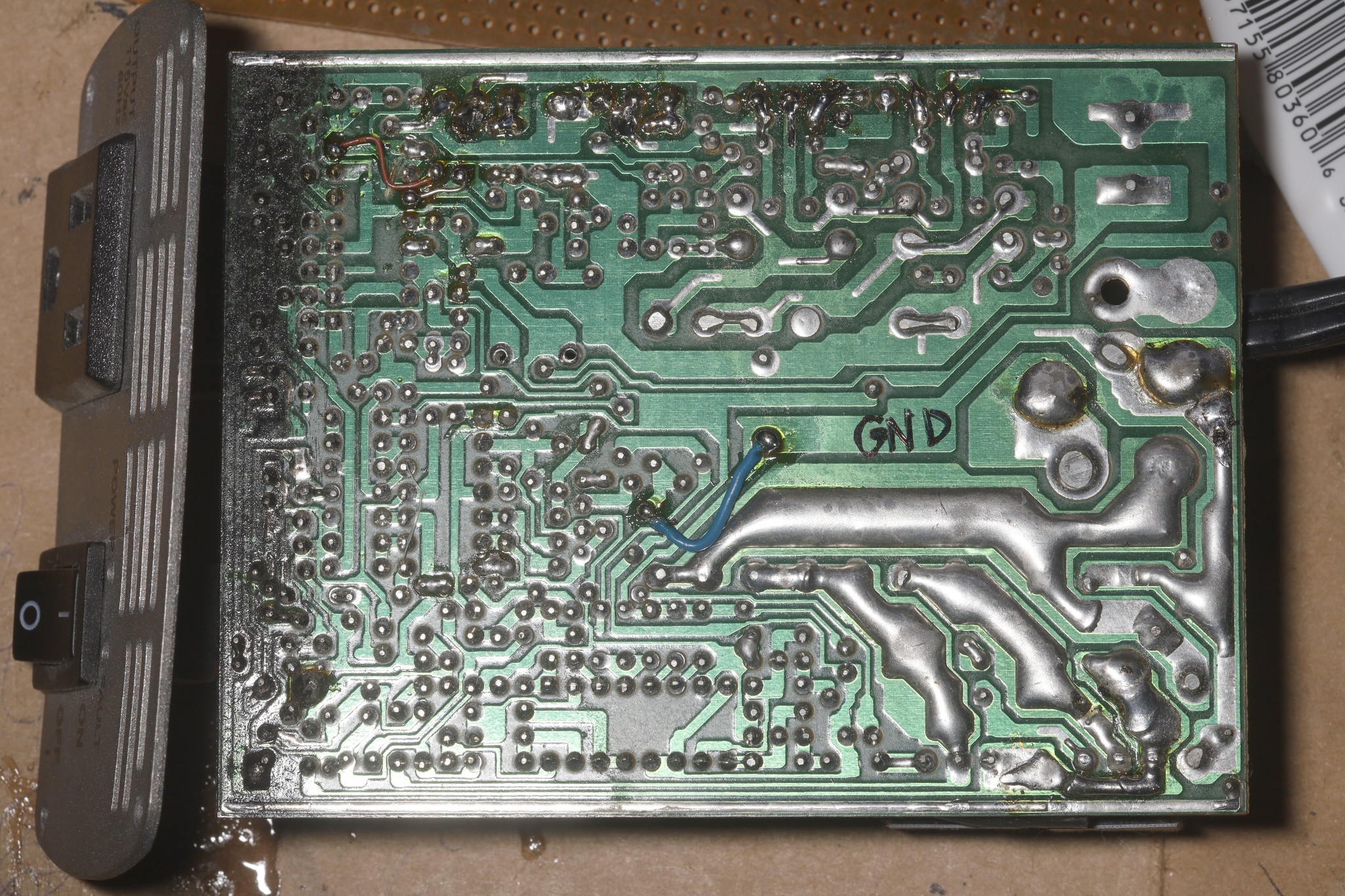
Popped out the biggest wire & grounded it which actually got it to stay on below 10V. Got it to generate 60V-110V. It shuts down below 5V input because the brain needs 5V.
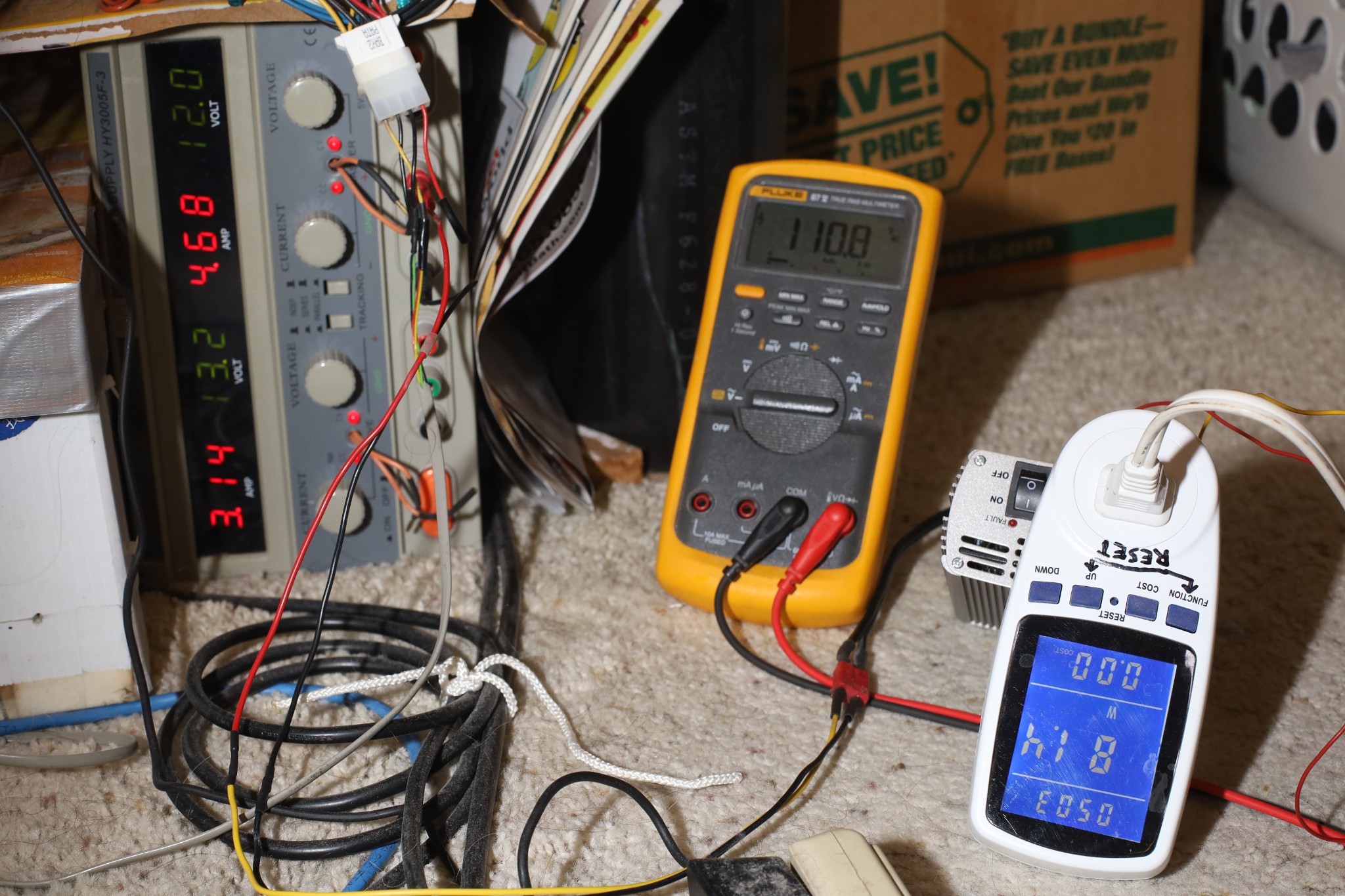
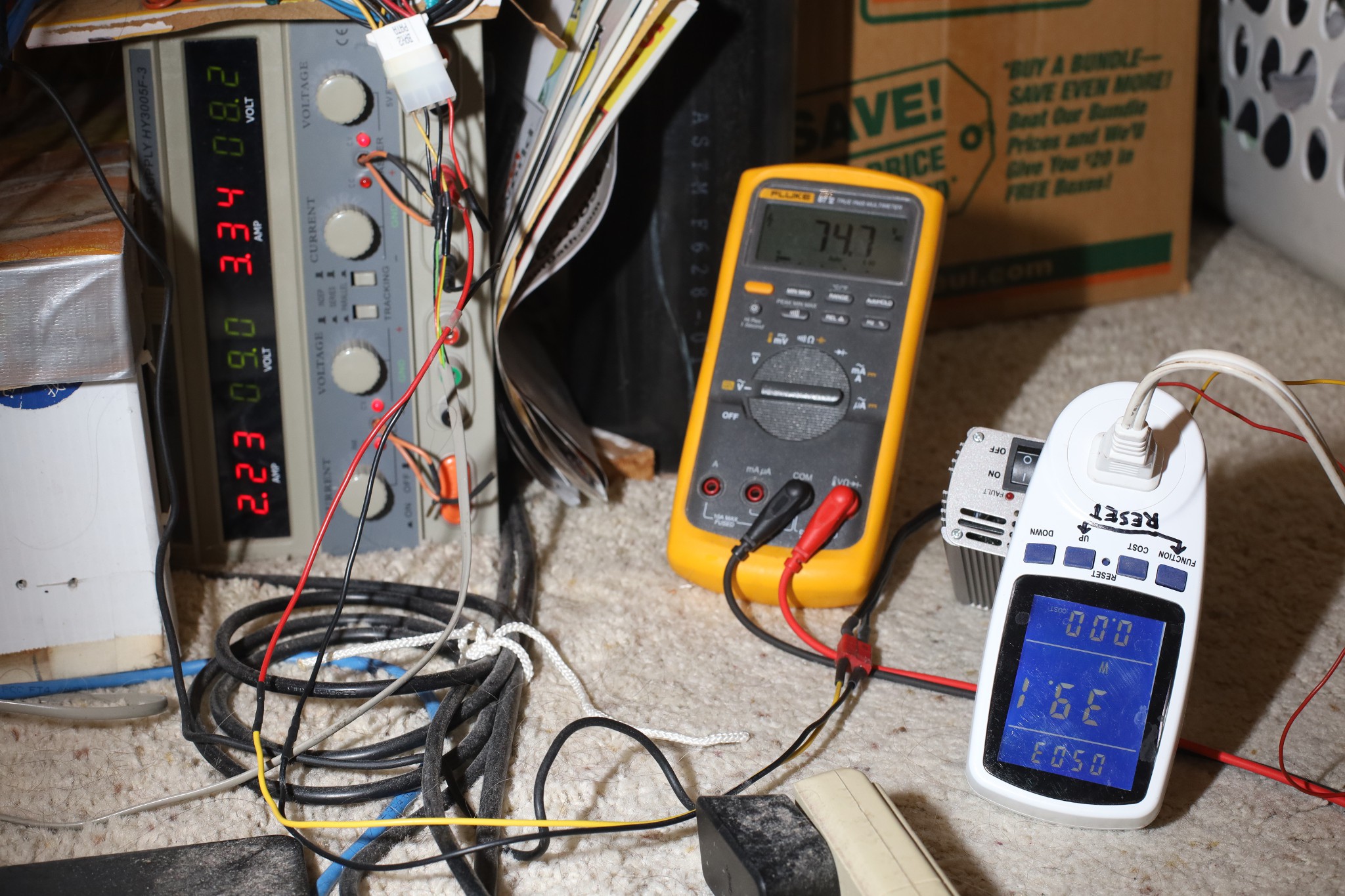
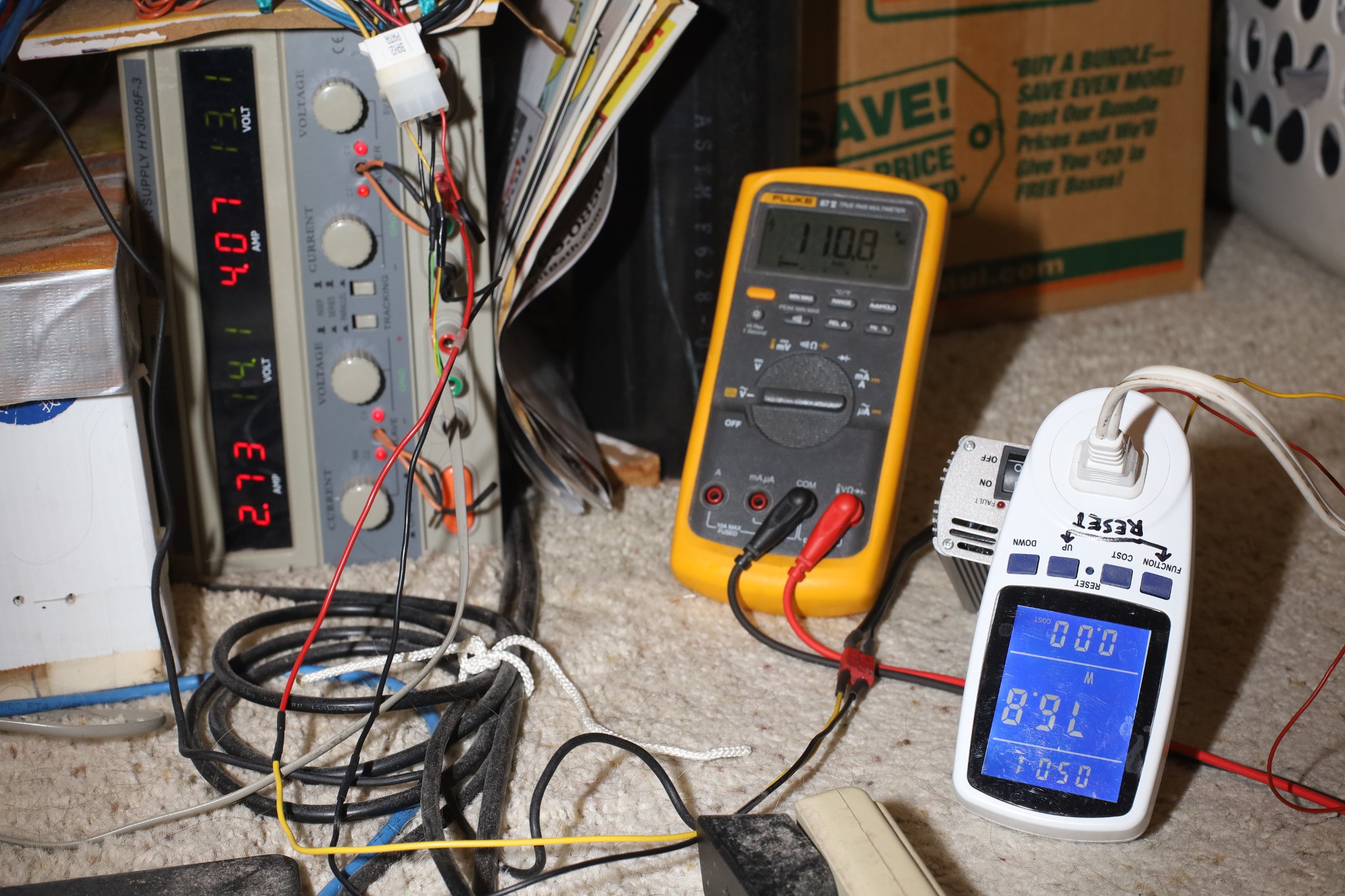
Noted the blower didn't go quite as fast on 110V as manes & it made a humming noise. Adjusting the battery voltage adjusted the blower speed. It would go down to 8V before the motor stalled. The maximum blower speed was 12V battery voltage.
Going from 12-14V, output amperage decreased, output voltage stayed the same, & the output power decreased from 80 to 76. The hum got louder. Power factor was a constant .94. It was an artifact of it adjusting the duty cycle to compensate for higher voltage. The highest power transfer came from a 12V battery. The Jazz150 didn't get hot, but the Mastech definitely started emitting odors.
The blower normally goes at 100W on 120V, .97 power factor. It should be possible to get 120V RMS out of the jazz150 by fixing the duty cycle & just relying solely on the battery for regulation.
Discussions
Become a Hackaday.io Member
Create an account to leave a comment. Already have an account? Log In.