 ElectroScope Archive

ESP32-CAM Face Recognition Attendance System
Overview
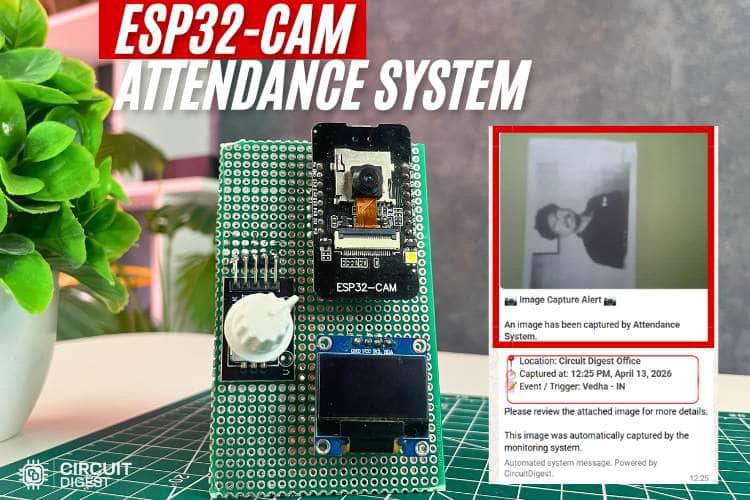
Traditional attendance methods are time-consuming and can be manipulated through proxy attendance or manual errors. This ESP32-CAM Attendance System project demonstrates how an ESP32-CAM can perform face recognition locally while synchronising attendance records to a cloud platform for centralised monitoring.
The system combines computer vision, embedded hardware, Wi-Fi connectivity, and cloud services into a compact attendance solution suitable for classrooms, laboratories, offices, and makerspaces.
Unlike conventional RFID or fingerprint systems, users only need to stand in front of the camera. Once a registered face is detected, the ESP32-CAM verifies the identity, captures the attendance event, and uploads the information to the cloud automatically.
Features
- Face recognition using ESP32-CAM
- Local face enrollment
- Wi-Fi-enabled attendance logging
- Automatic cloud synchronisation
- Real-time attendance records
- Web dashboard for monitoring
- Low-cost hardware
- Compact standalone design
- Simple installation and maintenance
How It Works
The ESP32-CAM initialises its camera module and connects to the configured Wi-Fi network after powering up.
New users are first enrolled by capturing multiple facial images. These images are processed and stored in the ESP32's face recognition database.
During operation, every captured frame is analysed for a human face. When a registered face is recognised, the ESP32 generates an attendance record containing the user's identity and timestamp.
The attendance information is then transmitted to the cloud through an HTTP request, where it becomes immediately available on the online dashboard for viewing and record management.
Hardware Used
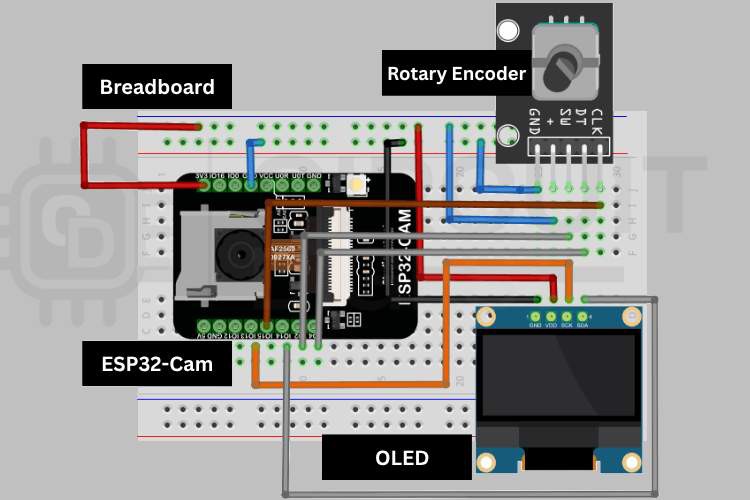
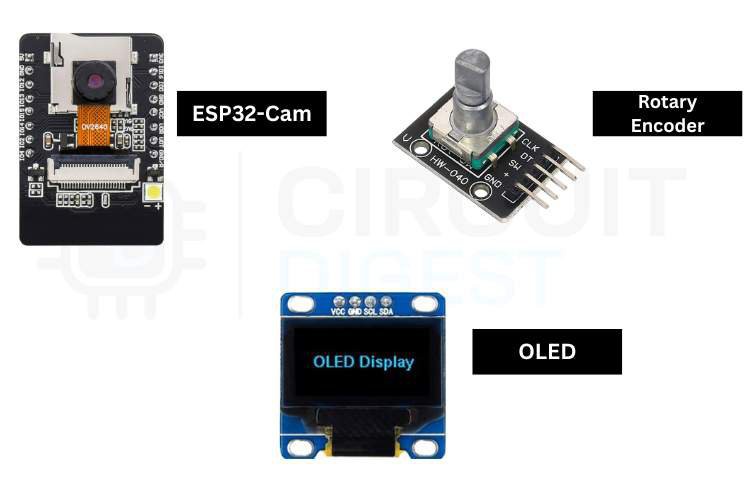
- ESP32-CAM (AI Thinker)
- FTDI USB-to-Serial programmer
- Micro USB cable
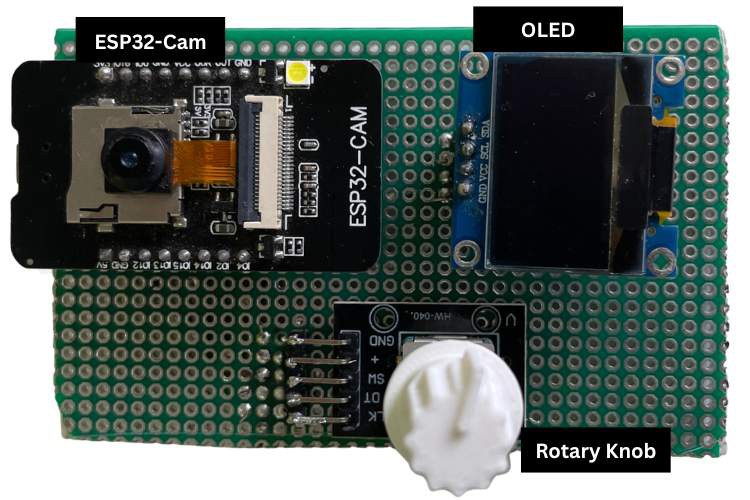
- Breadboard or prototype PCB
- Jumper wires
- 5V regulated power supply
Software Stack
- Arduino IDE
- ESP32 Board Package
- ESP32 Camera Library
- Face Recognition Library
- Wi-Fi Library
- HTTP Client Library
- Cloud API
System Workflow
- Power on the ESP32-CAM.
- Connect to the configured Wi-Fi network.
- Enrol authorised users.
- Capture live video frames.
- Detect faces.
- Compare detected faces with stored profiles.
- Confirm the user's identity.
- Send attendance data to the cloud.
- Display updated attendance records on the dashboard.
Applications
- School attendance
- College laboratories
- Office employee management
- Workshops
- Hackerspaces
- Makerspaces
- Library access logging
- Small business attendance systems
Challenges
Running face recognition on an embedded microcontroller requires careful management of memory and processing resources. Camera placement, lighting conditions, and stable Wi-Fi connectivity also have a significant impact on recognition accuracy and cloud synchronisation.
Optimising image quality while maintaining acceptable recognition speed was an important part of the development process.
Future Improvements
Some enhancements planned for future versions include:
- Anti-spoofing using liveness detection
- Email or SMS notifications
- OLED status display
- Battery backup
- Multiple camera support
- MQTT communication
- Database analytics
- Mobile application integration
- Remote user management
- OTA firmware updates
Results
Testing showed that the ESP32-CAM can reliably recognise enrolled users under normal indoor lighting conditions. Attendance events are uploaded to the cloud within a few seconds, allowing administrators to monitor records in near real time.
The project demonstrates that a low-cost ESP32-CAM can serve as the foundation of an effective IoT-based attendance system without requiring expensive computing hardware.
Explore innovative ESP32 Projects and IoT Projects that showcase practical automation, wireless connectivity, and smart embedded system applications.
Resources
Complete circuit diagrams, source code, cloud configuration, and implementation details are available in the original CircuitDigest project documentation.