 mircemk

The idea for this project came from a local electronics magazine called EMITER, issue 12/13 from 2013. In that article, the author described the construction of a high-quality single-ended (SE) tube amplifier based on the well-known PCL86 vacuum tube. Single-ended amplifiers are highly appreciated among audio enthusiasts because of their excellent sound quality and the warm, natural character often referred to as the classic "tube sound". Their main disadvantage is the relatively low output power compared to push-pull designs.
At the time of building this project, I had several PCL82 tubes available, so I decided to modify the original design to work with the PCL82 instead of the PCL86.
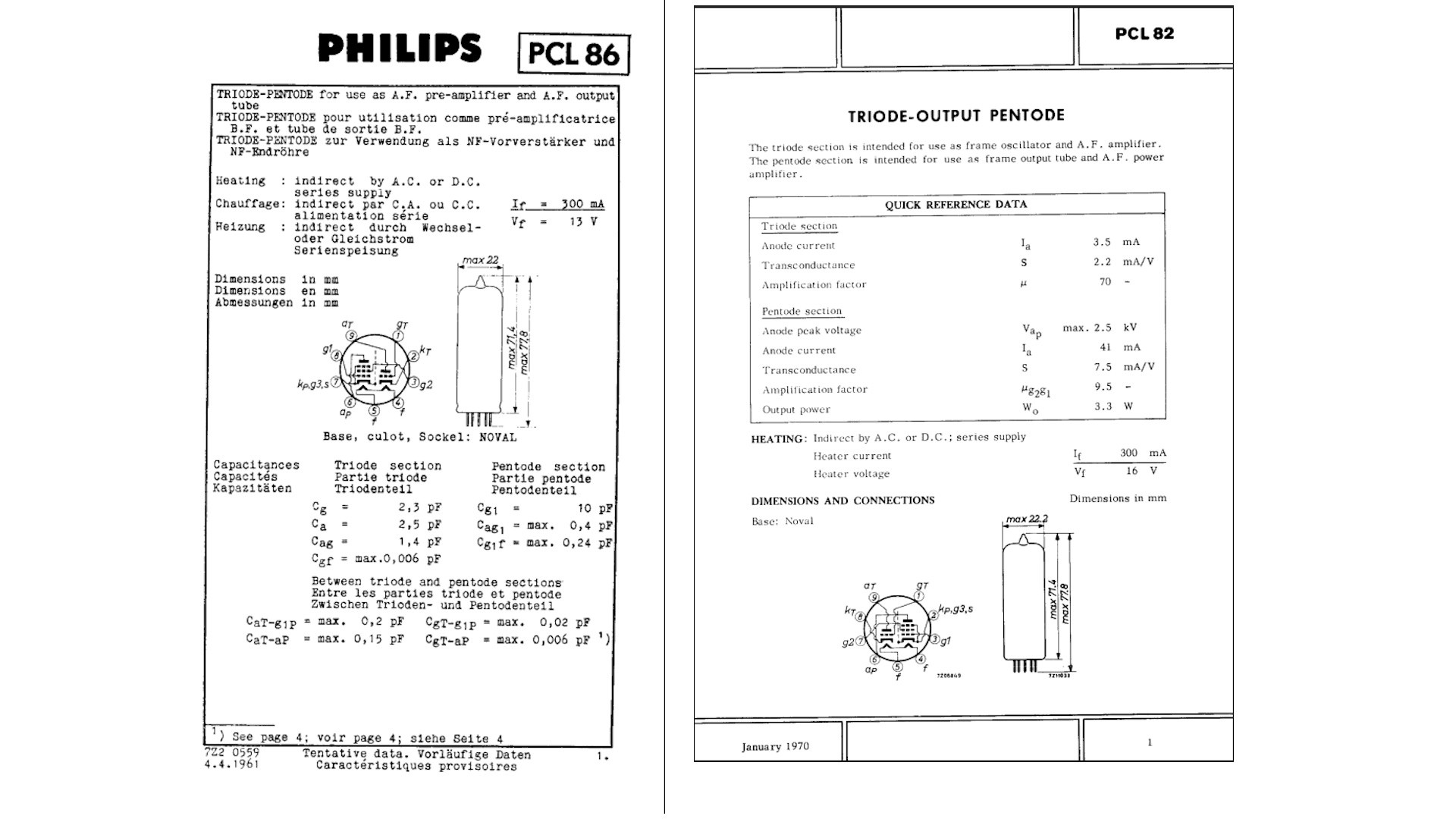
Although both tubes contain a triode and a power pentode, they differ significantly in their electrical characteristics, pin configuration, and heater voltage requirements. Because of these differences, several modifications were necessary to achieve operating conditions and performance similar to those of the original PCL86 amplifier. The most important changes included rewiring the tube socket to match the different pinout of the PCL82, adjusting the cathode bias components, modifying the screen grid circuitry, and optimizing the operating points of both the triode and pentode sections. These changes allowed the amplifier to operate reliably while maintaining performance close to the original design.
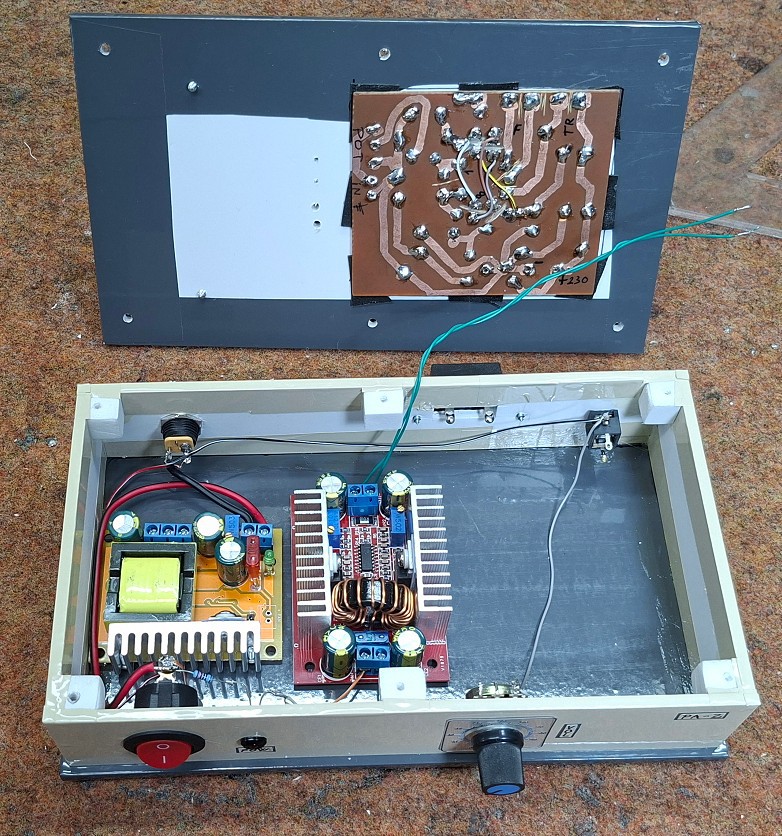
Inside the enclosure, the amplifier is built around a compact and modern power supply arrangement. Instead of using a bulky and often expensive mains power transformer, the entire amplifier is powered from a 12V DC source. A small DC-DC boost converter generates approximately 230V for the tube's anode supply, while a second boost converter provides the required 16V heater voltage for the PCL82. This approach significantly reduces size, weight, and cost while keeping the project simple and practical.
This project is sponsored by PCBWay. Don't forget to visit the PCBWay Open Source Community where you will find countless useful projects divided into different categories. Choose your area of interest where you will find many useful and free projects. You can here also download Gerber files or order ready-made PCBs for some of your future projects. PCBWayhas all the services you need to create your project at the best price.

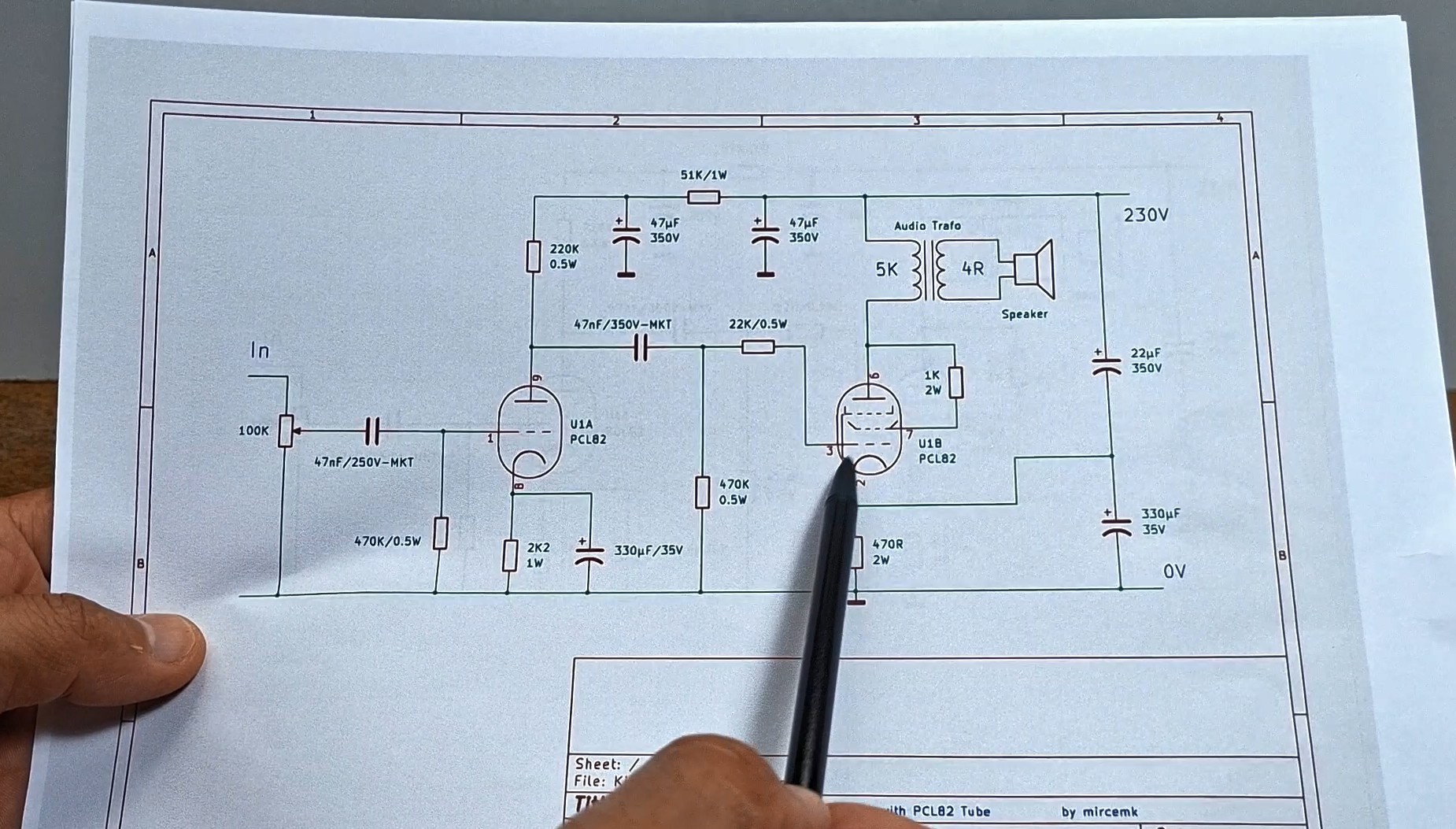
The circuit itself is straightforward and follows the classic single-ended tube amplifier topology. The triode section of the PCL82 operates as a voltage amplifier, increasing the level of the incoming audio signal. The amplified signal is then coupled to the pentode section, which provides the power amplification required to drive a loudspeaker through an output transformer. The output transformer, salvaged from an old non-working tube radio, matches the high plate impedance of the tube to the low impedance of the loudspeaker.
For the demonstration, the audio source is the line output of my PC. Although the actual sound quality cannot be fully appreciated through a video recording, the amplifier produces a warm, smooth, and pleasant tube sound in real-world listening conditions, which was the primary goal of this project. Without an input signal, with the potentiometer at maximum, there is no noise at all, no hum or buzzing from the speakers.
One particularly interesting aspect is the power supply. Despite using switching DC-DC converters, the amplifier is completely free from audible hum and switching noise, even with the volume control set to maximum and no input signal connected.
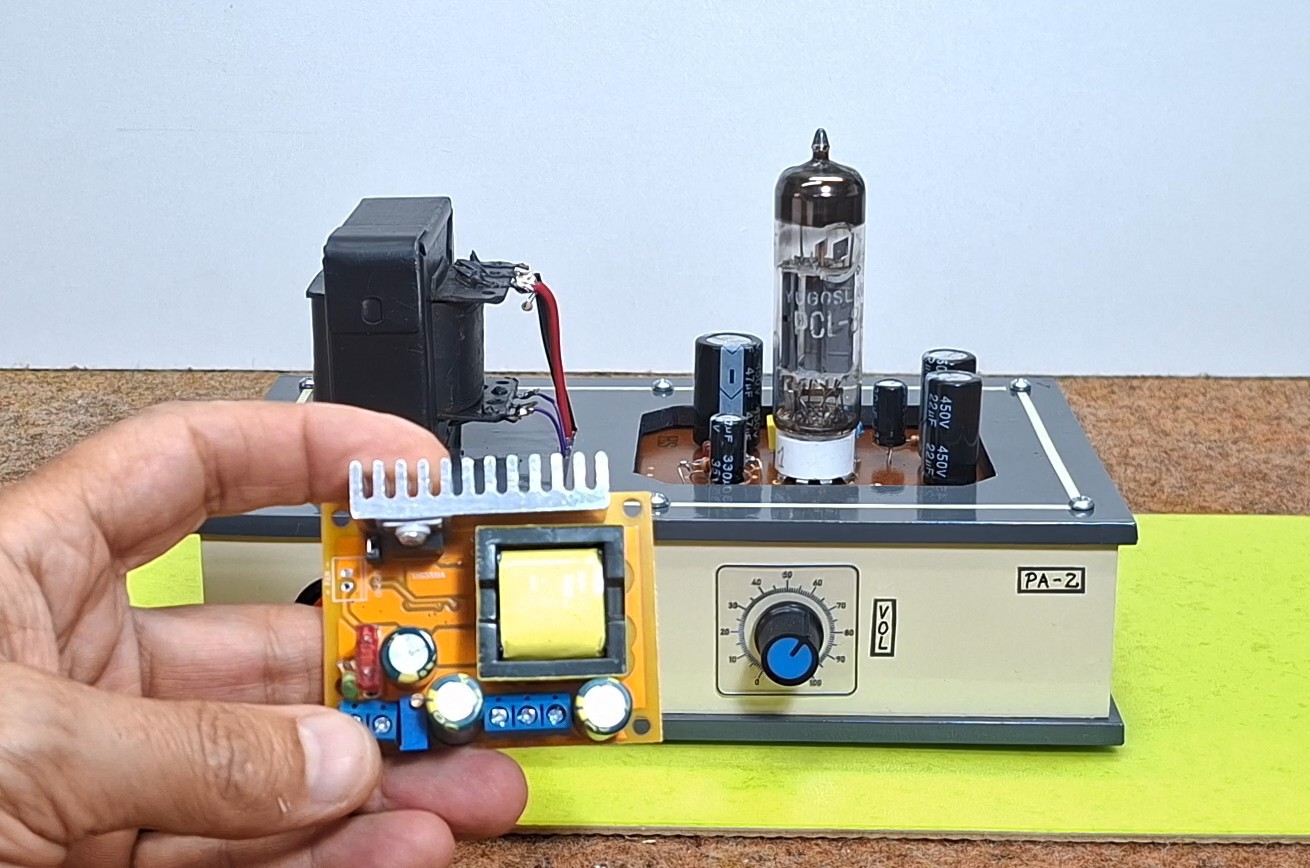
The switching converters operate at frequencies above 30 kHz, well beyond the audible range, and careful grounding and layout techniques ensure silent operation.
The output power is relatively modest, approximately 1.5 to 2 watts, which is typical for a single-ended amplifier of this type. However, when paired with an efficient loudspeaker rated above 90 dB/W/m, this power level is more than...


 Sagar 001
 Viktor Gunnerson

Two 8 Ohm speakers connected in parallel