 Michele Lorenzi

Pancale — how it works
The name is a portmanteau of panca (Italian for bench) and bancale (Italian for pallet) — because that's exactly what this is: a standard shipping pallet transformed into a bench using nothing but geometry.
The components
- The pallet — a standard, unmodified pallet. It's the only rigid, permanently-fixed structural element, and it never folds, hinges, or splits — it simply changes its angle relative to the wall.
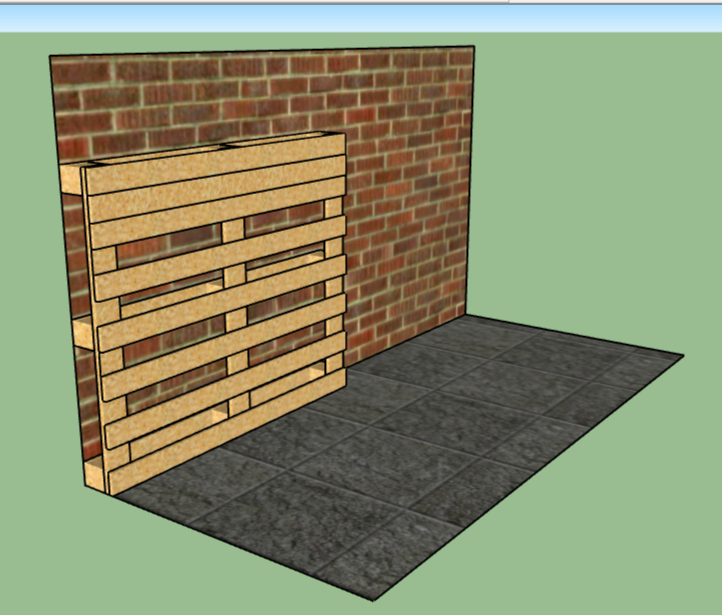
- The 1-board piece — a single board, permanently fixed between the pallet's top board and the one below it. It never moves; it's part of the pallet's built structure from the start.
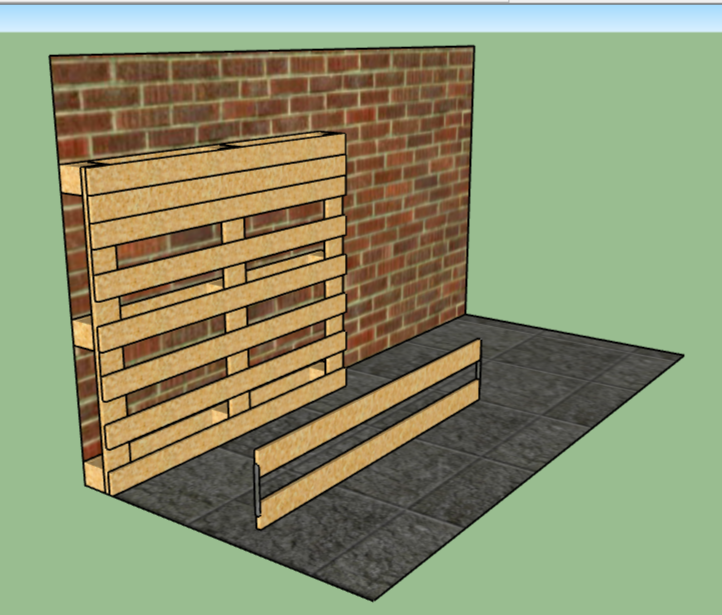
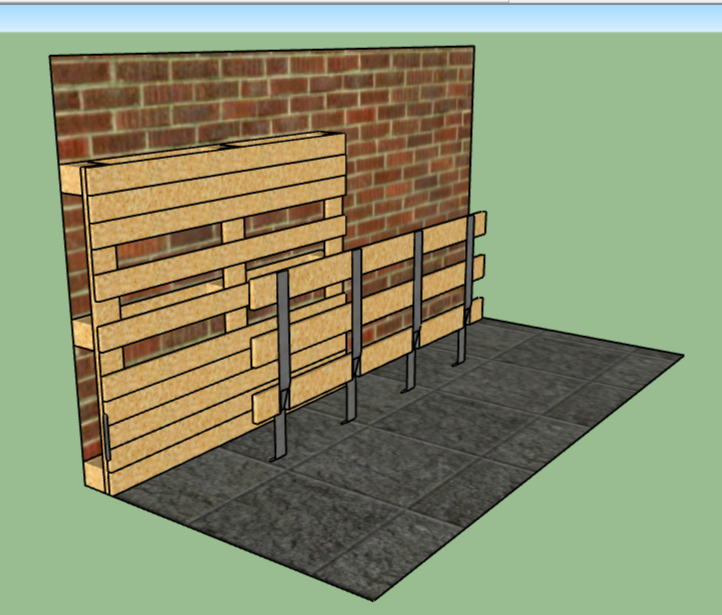
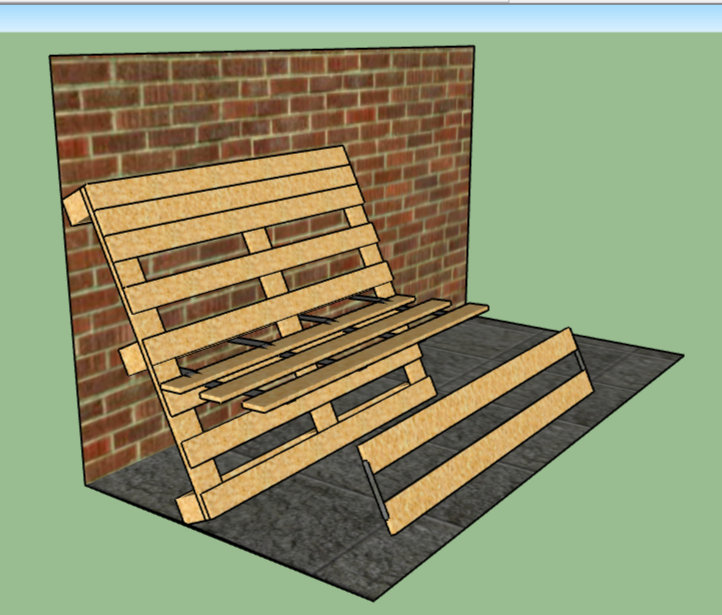
- The 2-board piece — two boards joined by two metal bars. Removable. In storage (pallet upright) it's wedged flush between the pallet's first three boards from the bottom, keeping the whole thing looking like an ordinary pallet. In use, it relocates to smooth out the seat.
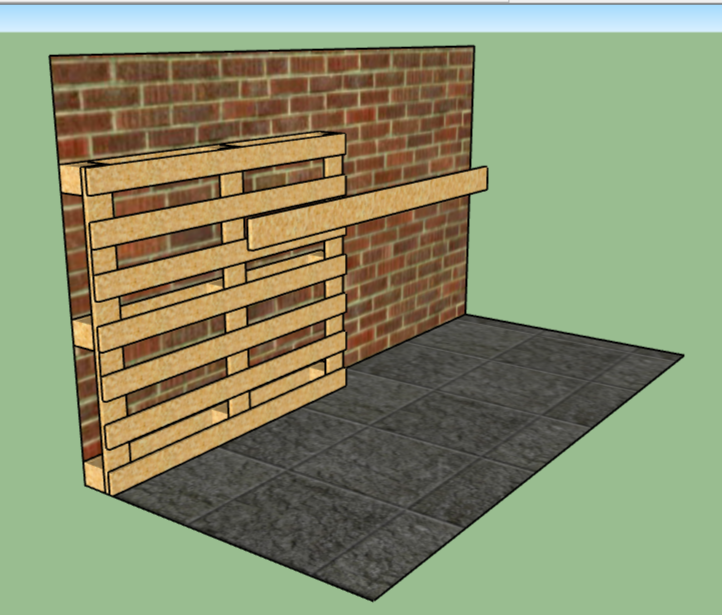
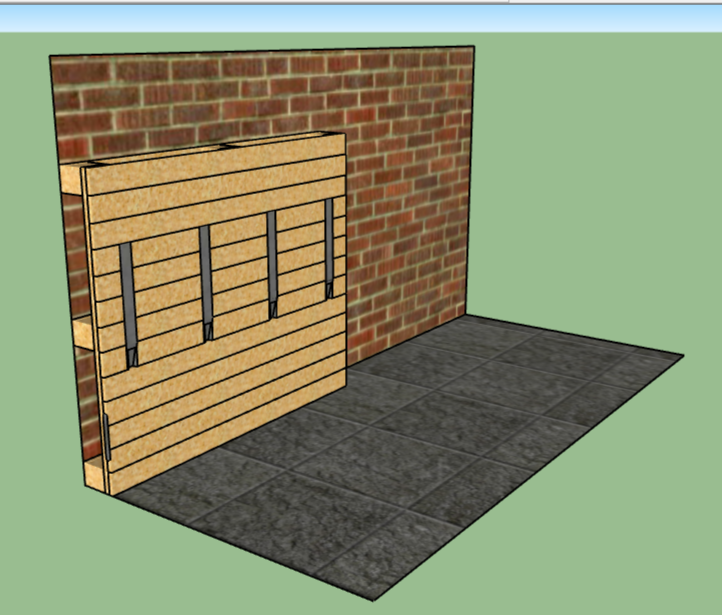
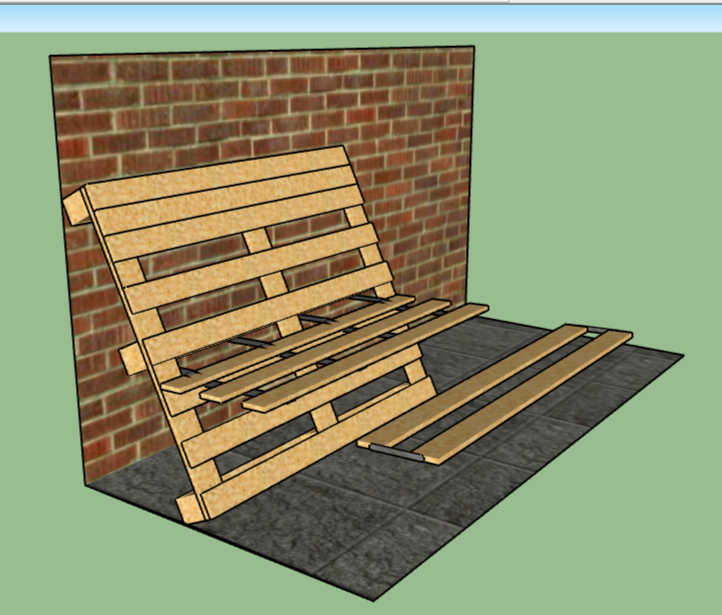
- The 3-board piece — three boards joined by four metal bars that protrude from one side. In storage, those bars simply rest flat against the pallet's own slats. In use, this piece becomes the seat's load-bearing base.
Deployment sequence
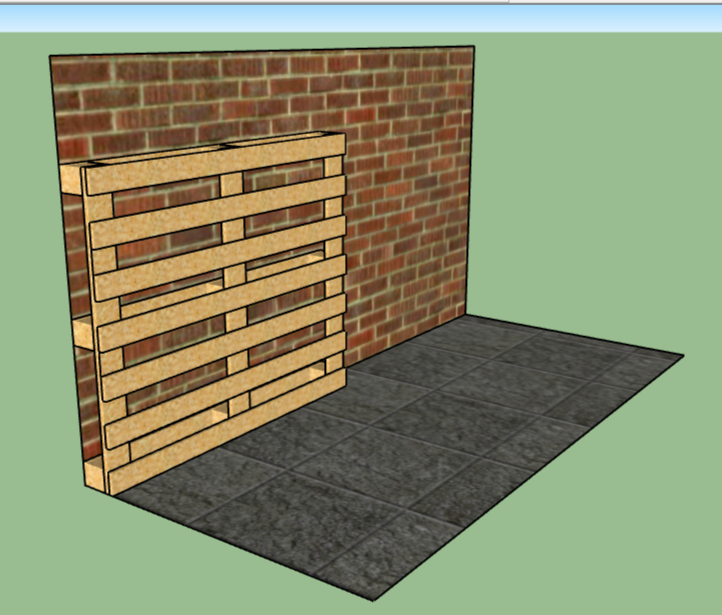
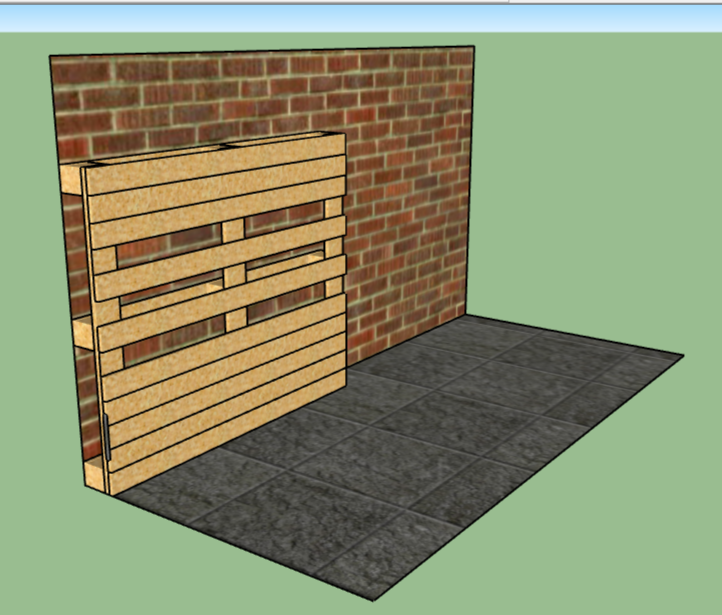
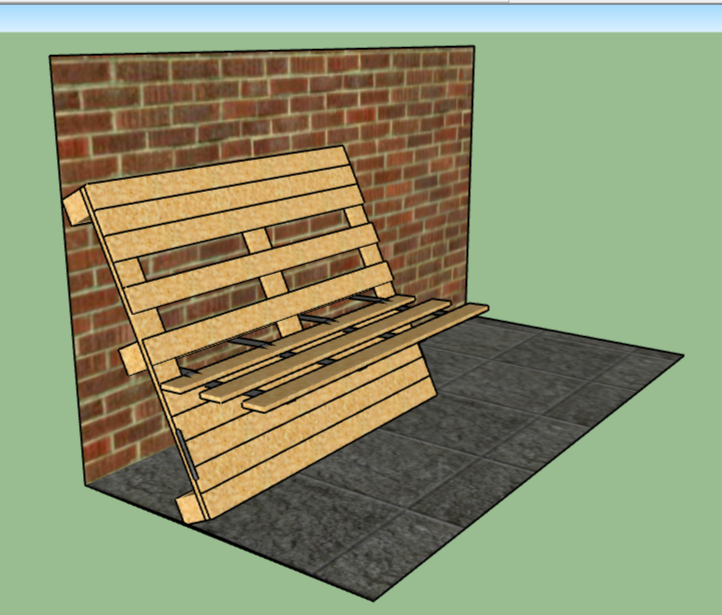
- At rest, the pallet leans flat against the wall — no fixings engaged. The 1-board piece sits in its permanent slot near the top; the 2-board piece is wedged flush lower down; the 3-board piece lies flat against the pallet's face. From the front, it just looks like a pallet propped against a wall.
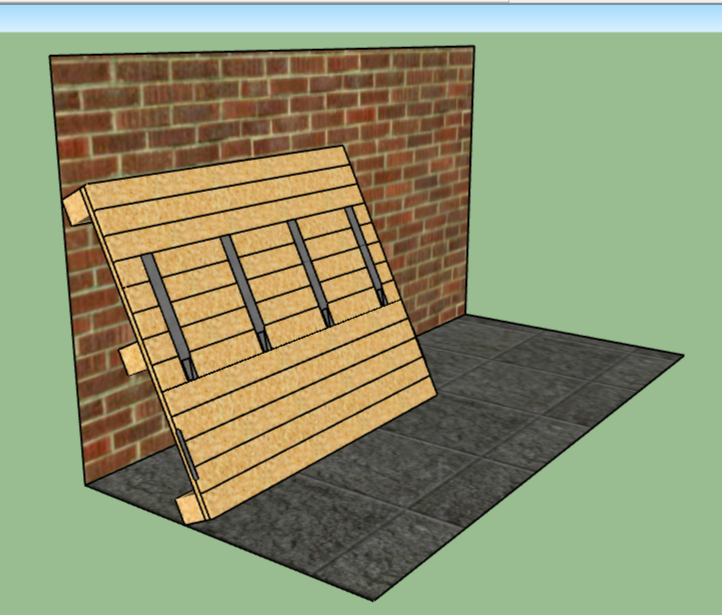
- Pulling the bottom of the pallet outward inclines it. As it tips, its wall-to-top height decreases — and this is what exposes two wall hooks, previously hidden in shallow recesses behind the pallet's upper back board.
- Two loops fixed to the pallet's upper back board catch those wall hooks, arresting the slide. This is the only hooked connection in the entire design; it fixes the top of the pallet permanently in place once deployed.
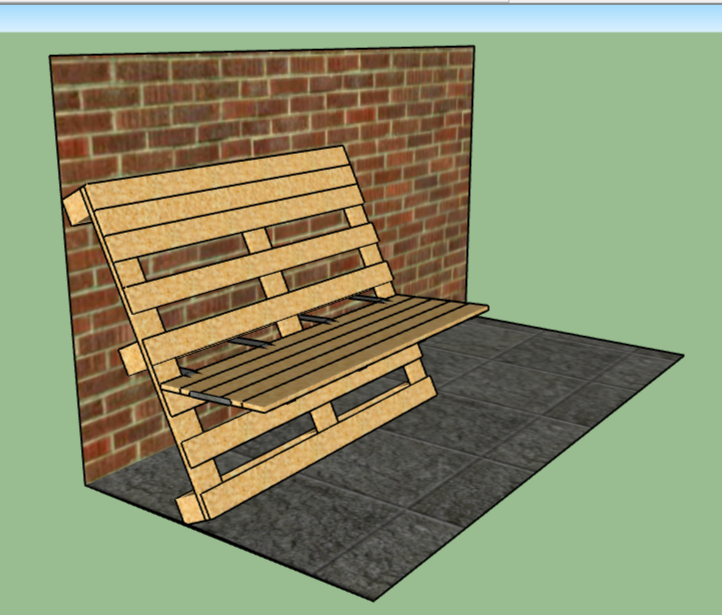
- The 3-board piece is repositioned: its four protruding bar ends slide into the pallet, coming to rest on top of the third board from the bottom, capped by the underside of the middle back board. Because the pallet is now inclined, this resting position happens to be horizontal — the piece becomes the seat, held purely by being wedged between those two boards. A seated person's weight presses the bars further into place rather than working them loose.
- The 2-board piece is pulled from its storage slot and nested between the three boards of the now-horizontal seat, smoothing the sitting surface.
- The 1-board piece never moves — it stays fixed at the top, forming part of the backrest throughout.
No hinges, no screws that move, no removable pins — every state, folded or deployed, is held by geometry, gravity, and the weight of whoever sits down.