 Jorj Bauer
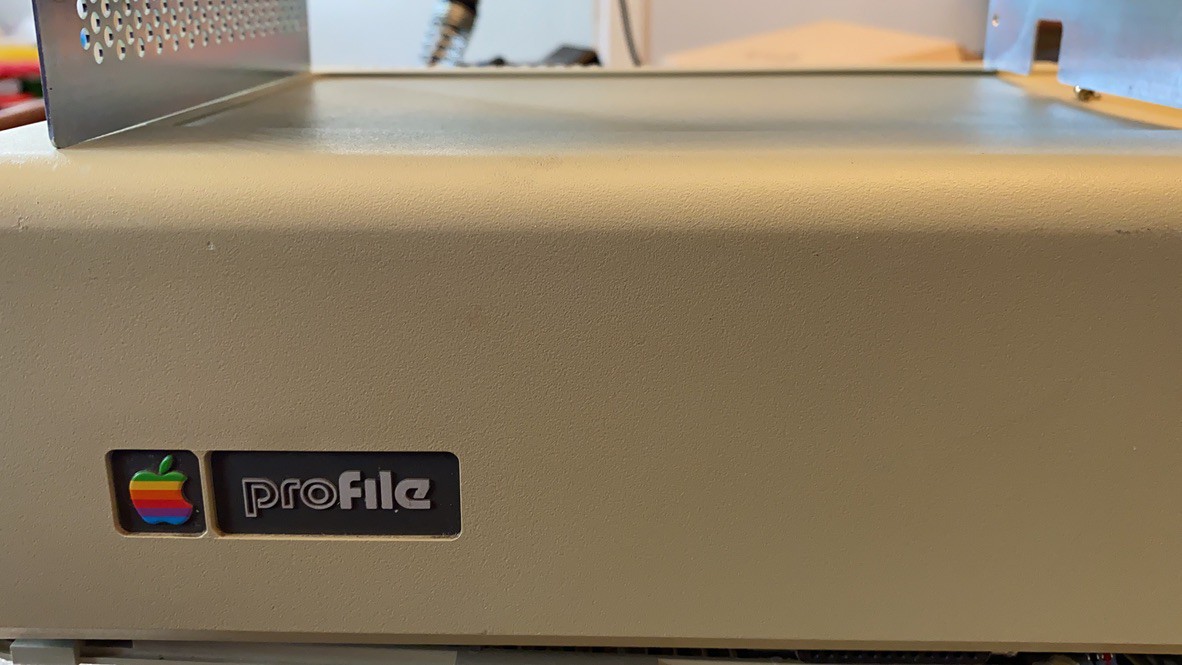 The ProFile was Apple's first hard drive. Released in 1981, the WHOPPING 5MB version - targeted at the Apple /// - came in at about $3,500. The 10MB successor was more like $3,999 - roughly $17,000 in 2026 money, or about a tenth of a teacher's salary in 1984. Keep that in mind for the rest of this story; it will matter, later.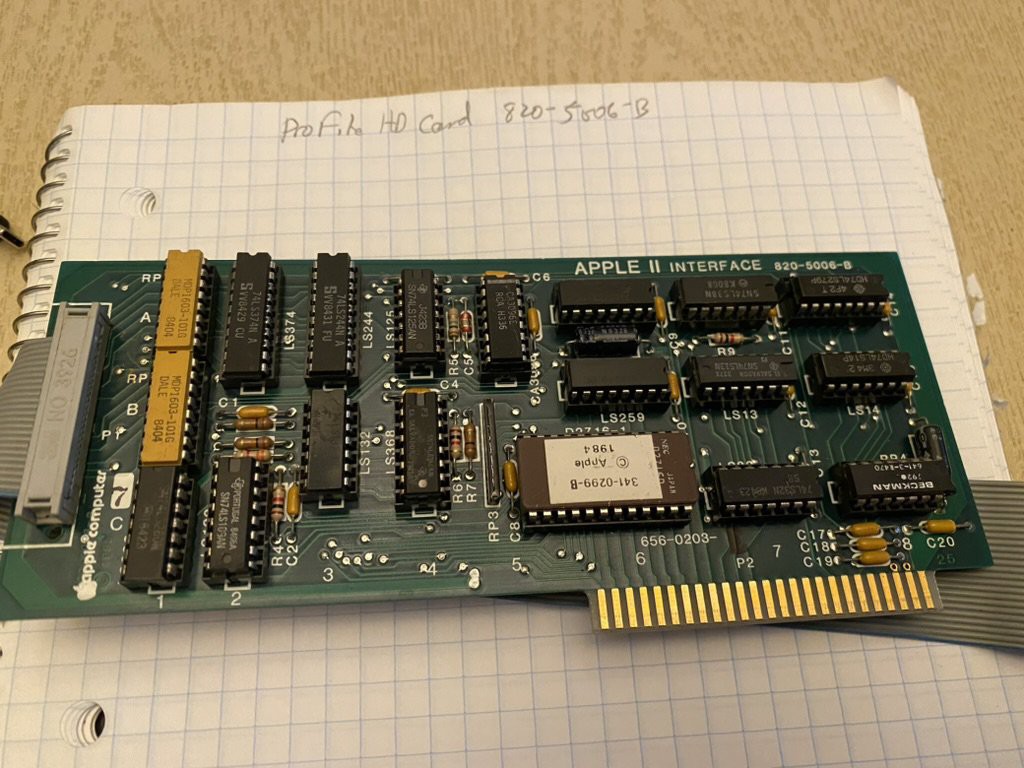
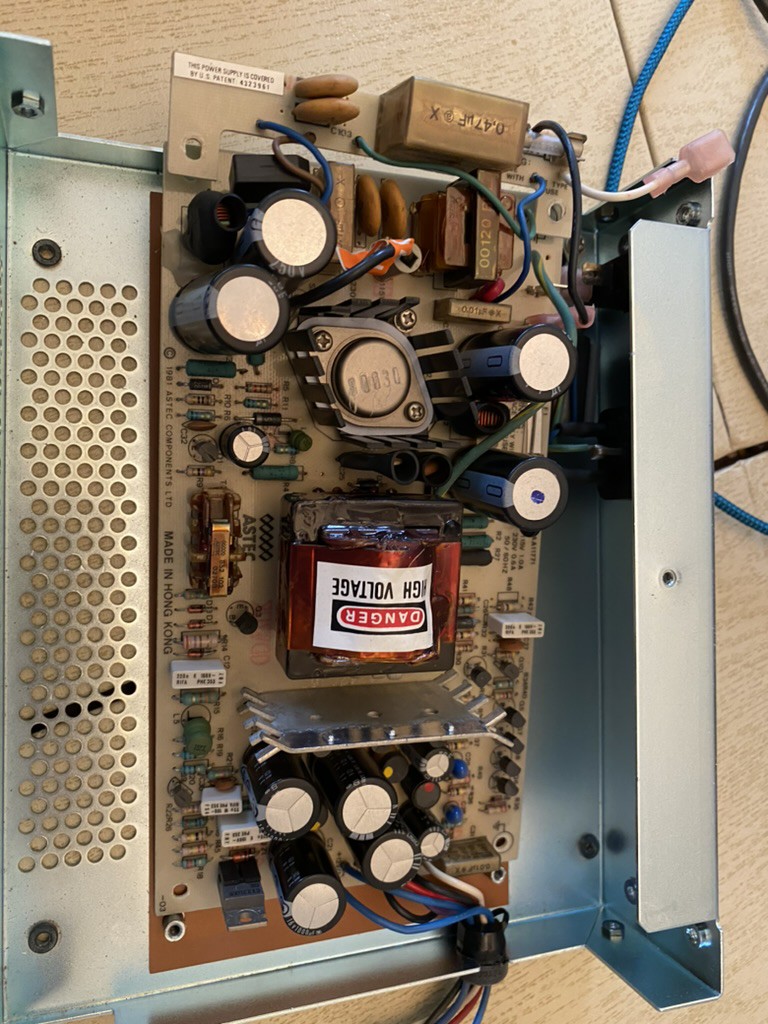
So after cleaning it all up, giving it a quick visual inspection, and deciding it was time to power on the beast, it did something it had been waiting for 40 years to do.
It let out the magic smoke.
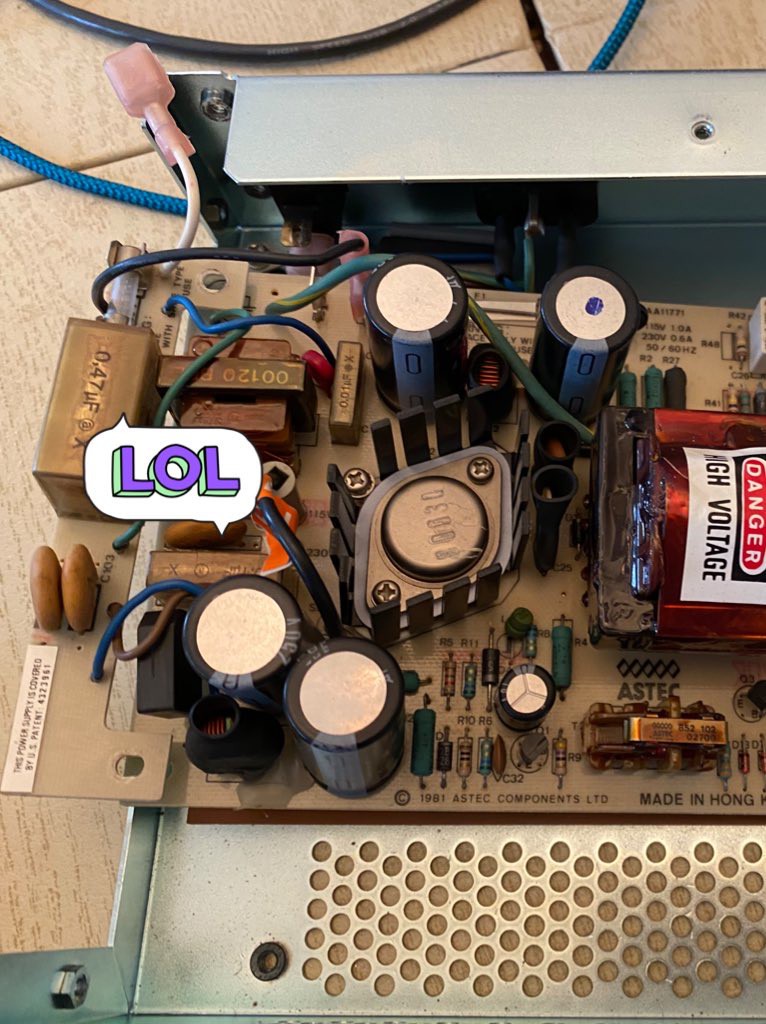
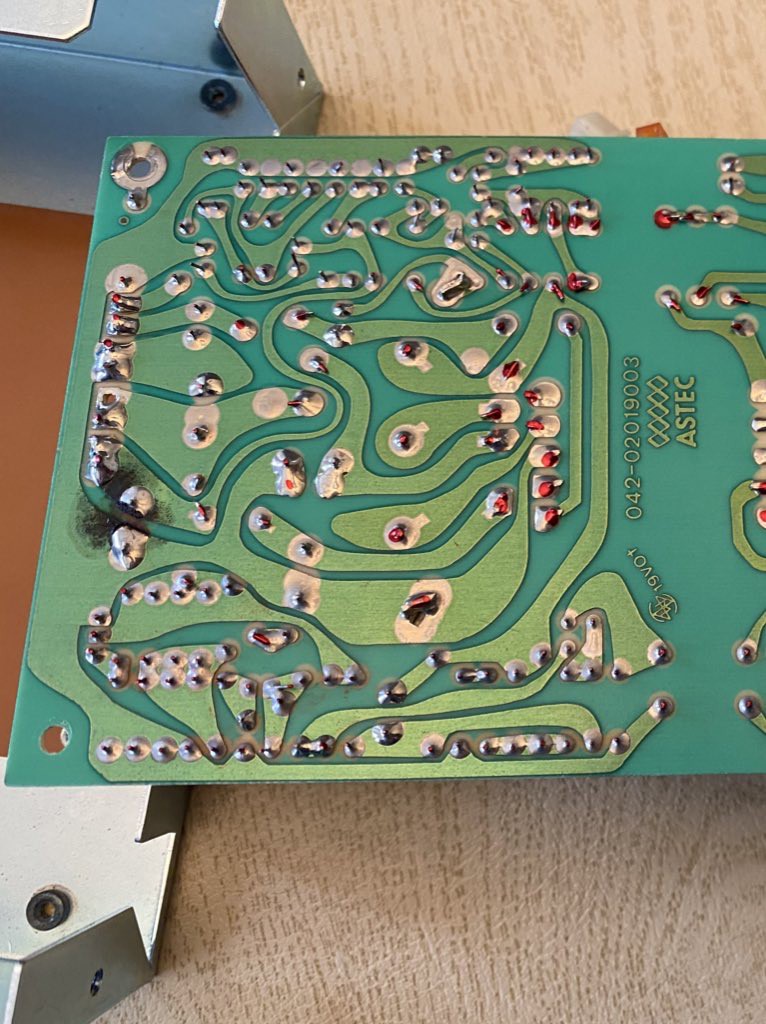
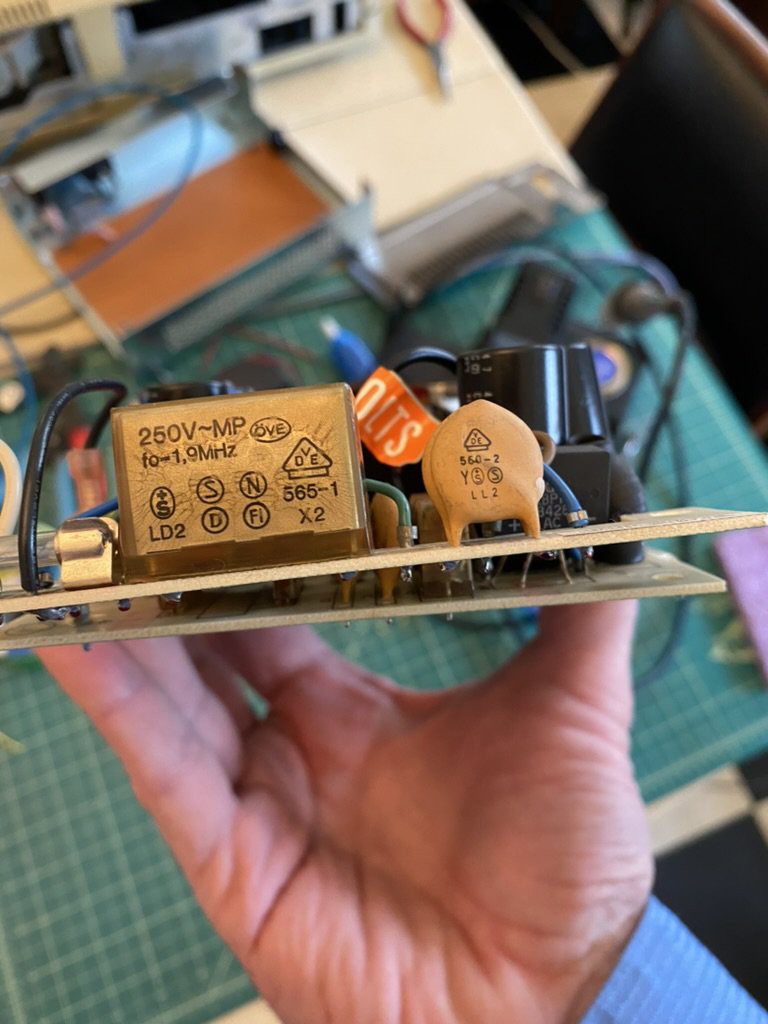
Now, I'm sure most of you reading this just made a face. And can smell the smell of those RIFAs. For everyone else: these are line filter capacitors, which, over time, crack, take on moisture, and eventually release a quantity of smoke that has been waiting since 1983 to leave. No explosion; more of a resignation. We're done.
So I replaced them, of course.
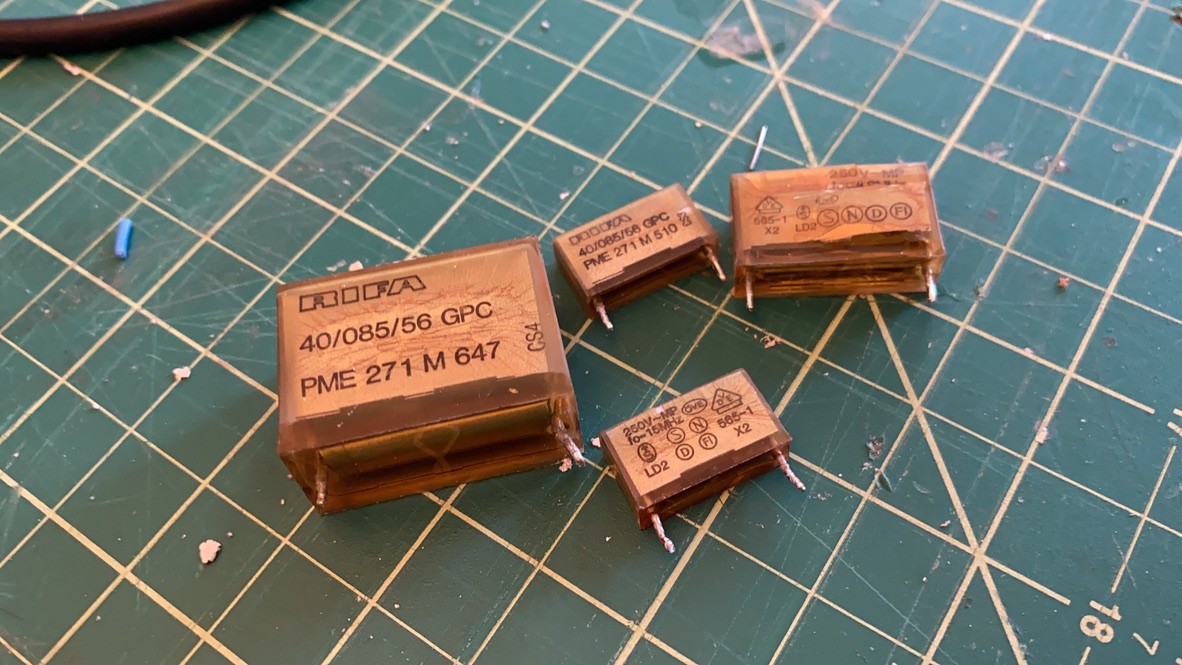
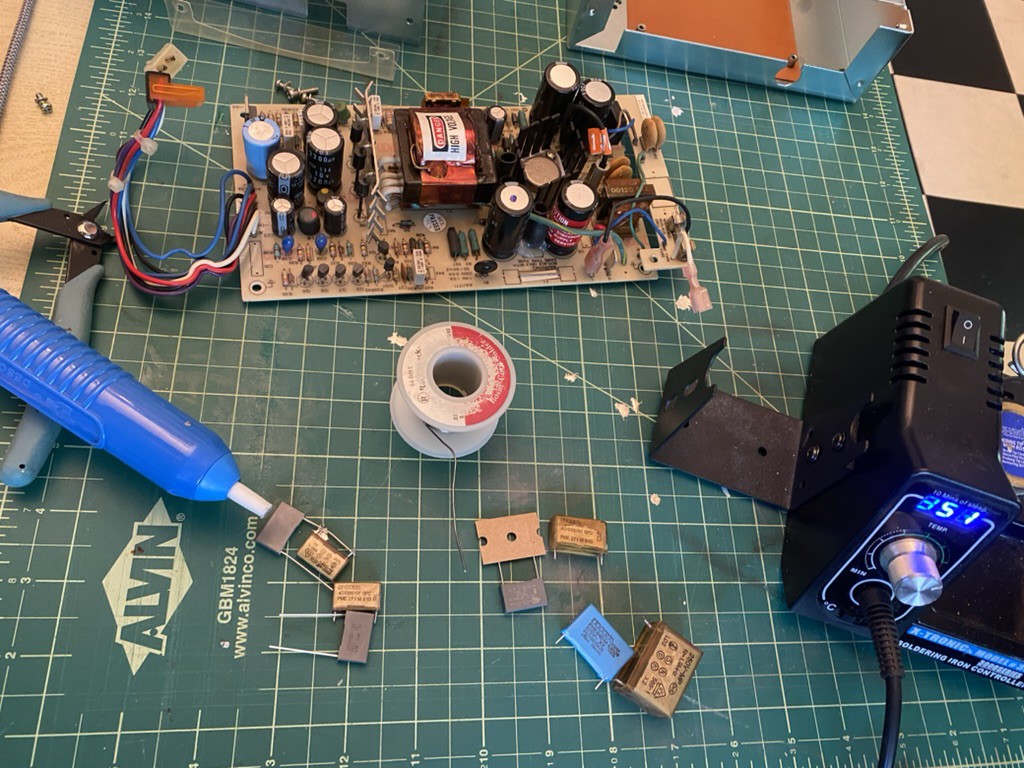
The sheer quantity of pictures I have of what should have been a terribly boring exercise should tell you something about my state of mind. This was not just something to keep me occupied; every facet of it was like an archaeological dig.
And in the end, it worked! Which is to say, it powered up. Because it didn't actually work, which is worse: a thing that is dead, is a project. A thing that almost works is a time sink.
Now, the thing hanging off the back is another project here, that I documented at the time - the ProFile 10 Teensy-based reader. The Apple itself wouldn't read it, spitting out a variety of error messages like this:
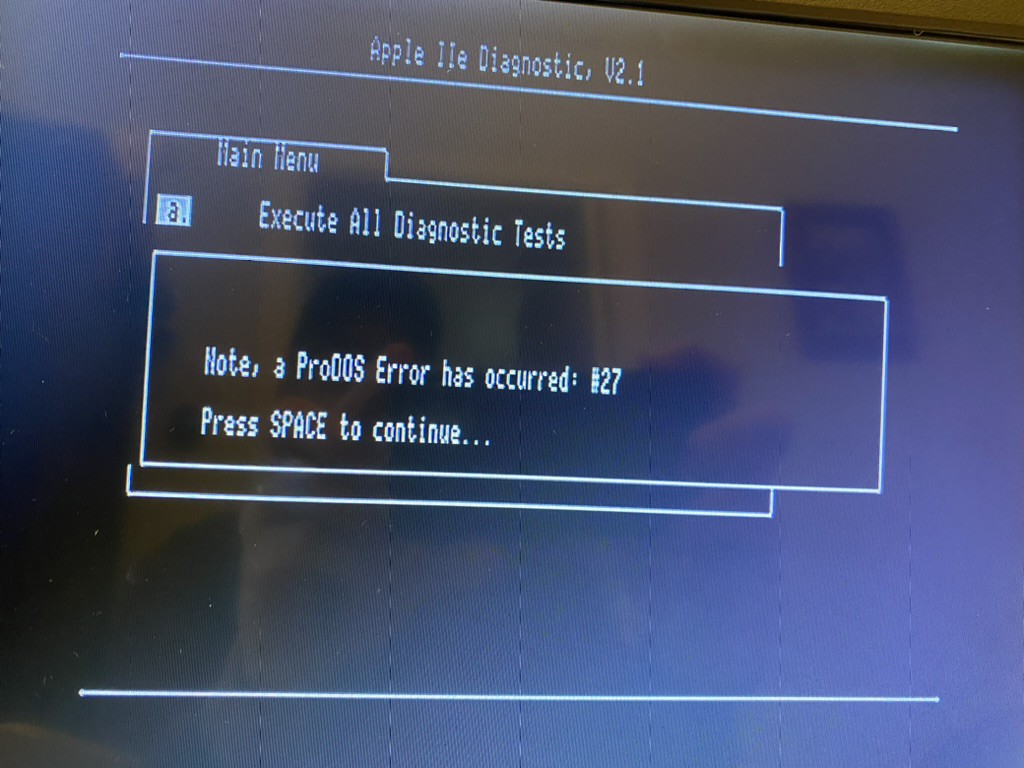
... not very helpful, so I split the problem in half. And the reader circuit told me which half was at fault - the drive itself clearly operated, so either the //e still had some problem or the interface card was an issue.
The images I pulled off the drive went in to a folder to be forgotten for 5 years. The ProFile was prettily stacked with the rest of the //e, which got some use, but the ProFile was just for show. The interface card took up residence in an anti-static bag. And the rest of the pandemic played out around it.
Discussions
Become a Hackaday.io Member
Create an account to leave a comment. Already have an account? Log In.