 bobricius

Zepir Flip is a tiny, modern computer with the soul of a vintage laptop.
Inspired by the chunky portable computers of the past, it combines a Raspberry Pi Zero 2 W with a distinctive rear hump, a flip-up display, and a proper physical keyboard. It may use a modern processor, but its design philosophy comes from an era when computers had real buttons, understandable hardware, and a character of their own.
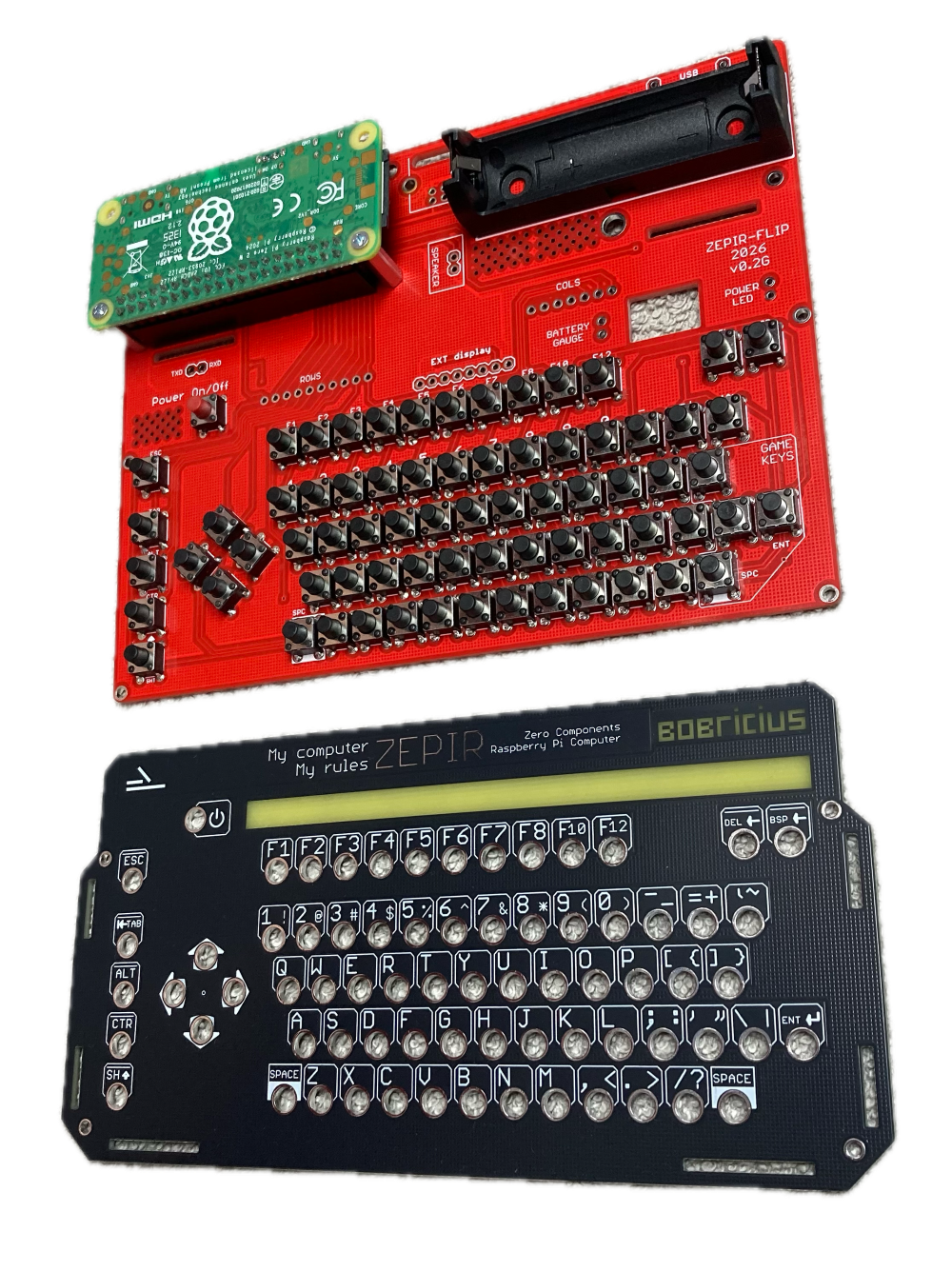
Zepir is more than just a small computer. It is an experiment in simplicity, accessibility, and user control. No exotic chips, no complicated firmware modifications, and no unnecessary layers between the hardware and the person using it. The keyboard is read directly through GPIO using a Python script and Linux evdev input emulation. Sound is generated using PWM instead of a dedicated I²S audio chip.
The name Zepir is a play on the Zero Pi concept, but it also hints at something else: zero unnecessary components.
The goal is to build a computer that people can understand, reproduce, modify, and make their own. A computer that invites experimentation rather than hiding everything behind proprietary hardware and software.
Because the display flips up and can be removed, Zepir can also serve as the starting point for a completely different cyberdeck, including one built around an external HDMI display.
Design Philosophy
Zepir Flip is designed to look and feel like a miniature laptop from the early days of portable computing. The prominent rear hump is an intentional design feature inspired by older machines with thick displays, bulky hinges, and distinctive silhouettes.
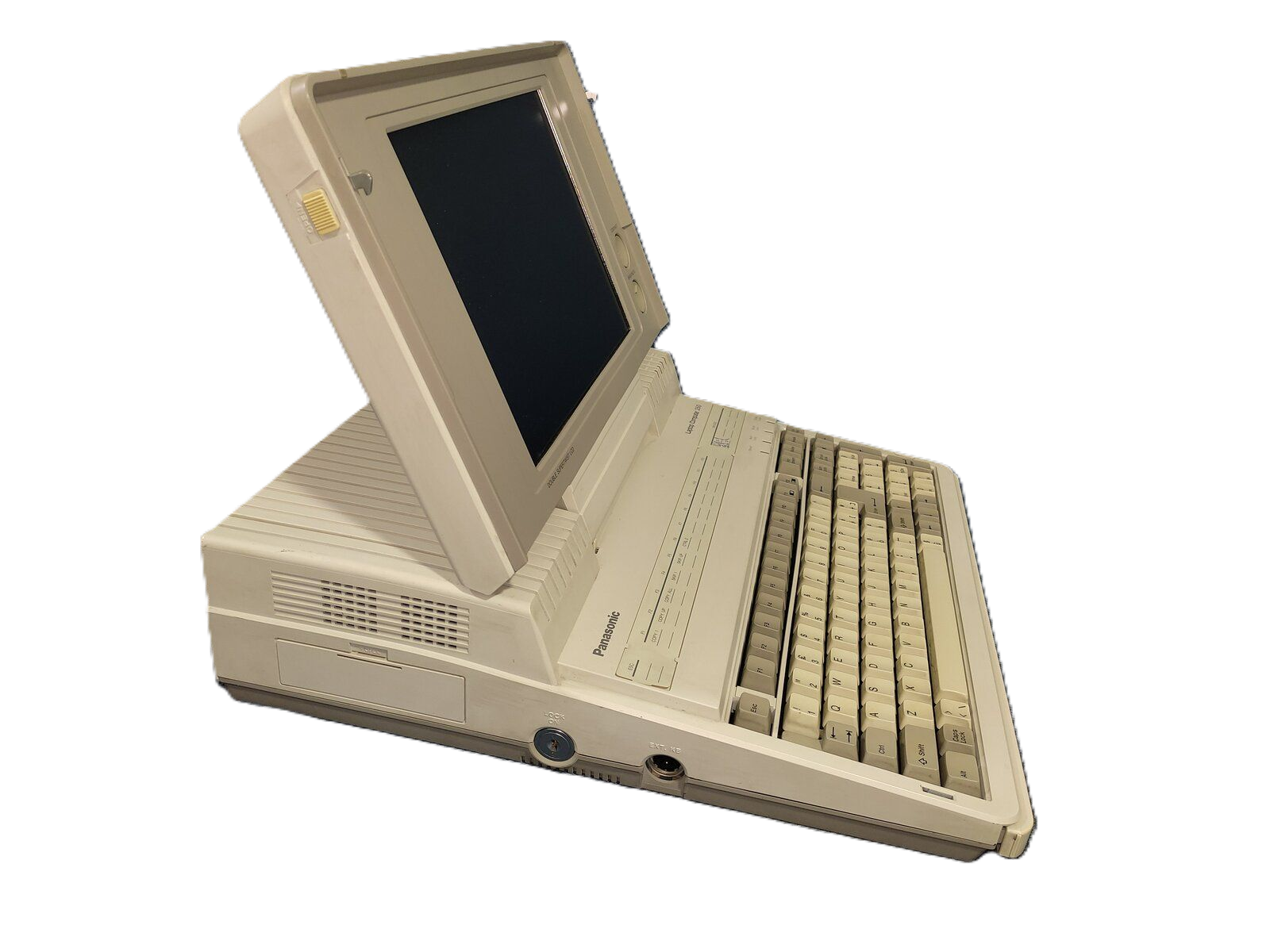
Rather than pretending to be a miniature modern ultrabook, Zepir embraces its chunky, utilitarian appearance. Its modern Raspberry Pi Zero 2 W provides the computing power, while the physical design celebrates the character of vintage portable computers.
Hardware
- Computer: Raspberry Pi Zero 2 W
- Display: Flip-up, removable display
- Keyboard: Full physical keyboard with direct GPIO scanning
- Keyboard software: Python and Linux
evdevinput emulation - Audio: PWM-generated sound, without a dedicated I²S audio chip
- Expansion: The removable display allows the computer to be repurposed with an external HDMI display
Zero Unnecessary Components
The name Zepir is a small wordplay on the Raspberry Pi Zero, but it also represents the project's hardware philosophy: use as few dedicated components as practical.
The keyboard does not require a specialized keyboard controller. Instead, its keys are scanned directly through the Raspberry Pi's GPIO pins, with a Python script translating the input into Linux events.
Sound generation follows the same approach, using PWM rather than adding a dedicated I²S audio chip.
The design avoids components that require complicated soldering, proprietary firmware modifications, or elaborate configuration procedures. Fewer specialized parts mean fewer barriers to understanding how the machine works.
Designed to Be Reproducible
Zepir is intended to be built and modified by makers using accessible tools and ordinary workshop skills. The design prioritizes straightforward construction, understandable electronics, and readily available components over manufacturing complexity.
The ambition is to make the project approachable enough for a resourceful child to understand and build with appropriate guidance, while still being interesting to experienced electronics enthusiasts.
You should not need an expensive assembly machine or a collection of obscure components just to build your own computer.
A Computer You Can Understand
Modern devices increasingly hide their inner workings behind layers of controllers, firmware, drivers, and sealed hardware. Zepir takes the opposite approach.
Its keyboard is a keyboard, not a touchscreen pretending to be one. The layout is designed to provide a complete, practical typing experience without unnecessary function layers, awkward shift combinations, or mode switches.
The project is about keeping...
Read more »