 Sergei Kashin
High-power LED lighting looks deceptively simple from the outside. You attach a powerful LED to a heatsink, add airflow, and the system should run within thermal limits.
In practice, things rarely behave that cleanly.
While developing several experimental high-power LED systems, I ran into a number of thermal issues that don’t always show up in datasheets or simplified calculations. Small mechanical details often ended up having a larger impact than expected.
Heat density becomes the real problem
Once LED power levels move into the hundreds of watts, the main challenge is no longer electrical — it’s thermal density.
The LED die may only occupy a small surface area, but it must transfer a large amount of heat into the cooling system. Any imperfection along that thermal path increases junction temperature.
Even small changes in mounting conditions can make a measurable difference.
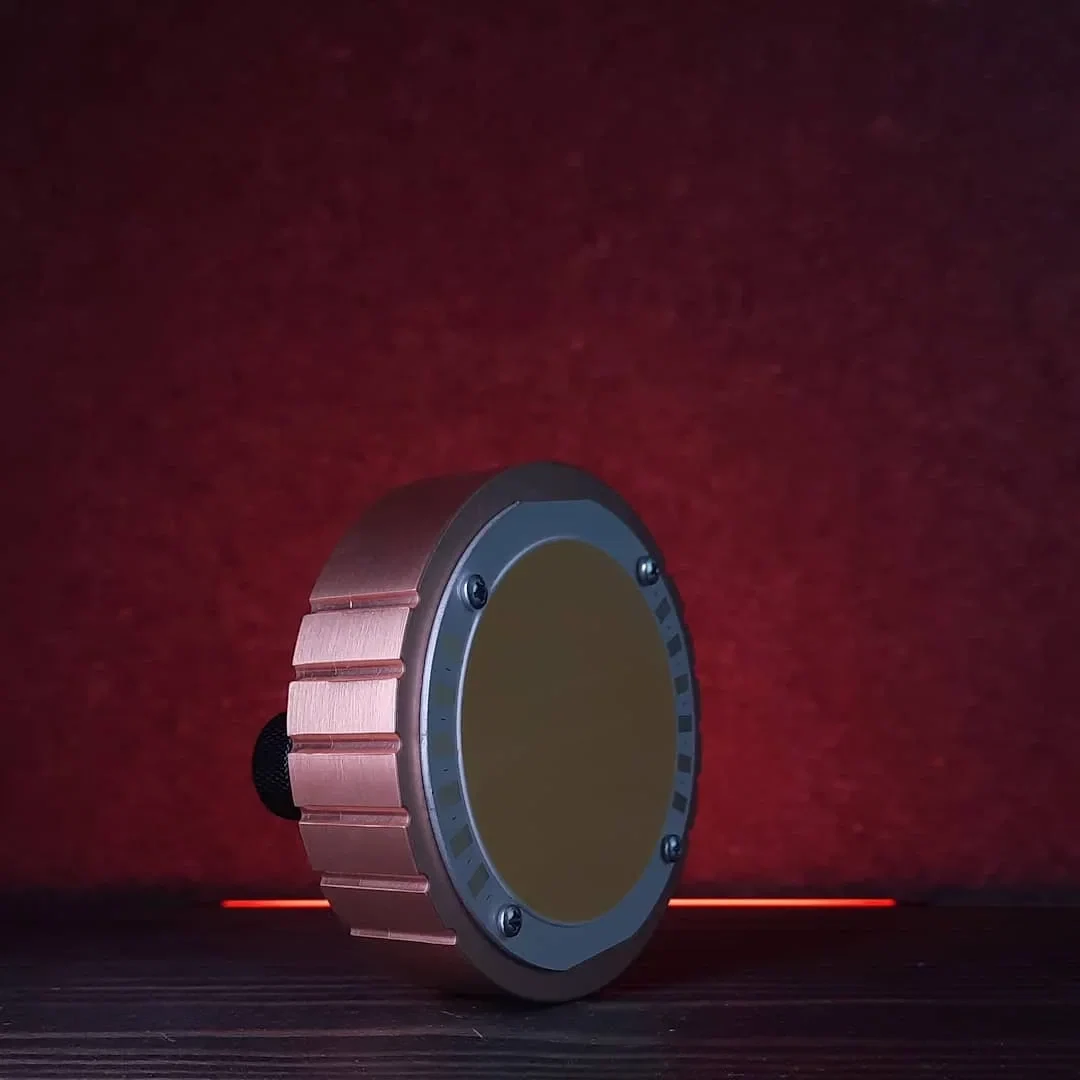
High-power LED module mounted to a custom cooling assembly
The interface layer matters more than expected
One of the most surprising lessons was how sensitive the system was to the thermal interface between components.
Things that seemed minor during design had real consequences during testing:
-
mounting pressure
-
surface flatness
-
thermal paste thickness
-
copper interface geometry
Changing only the mounting pressure between the LED module and the base plate could noticeably affect steady-state temperature.
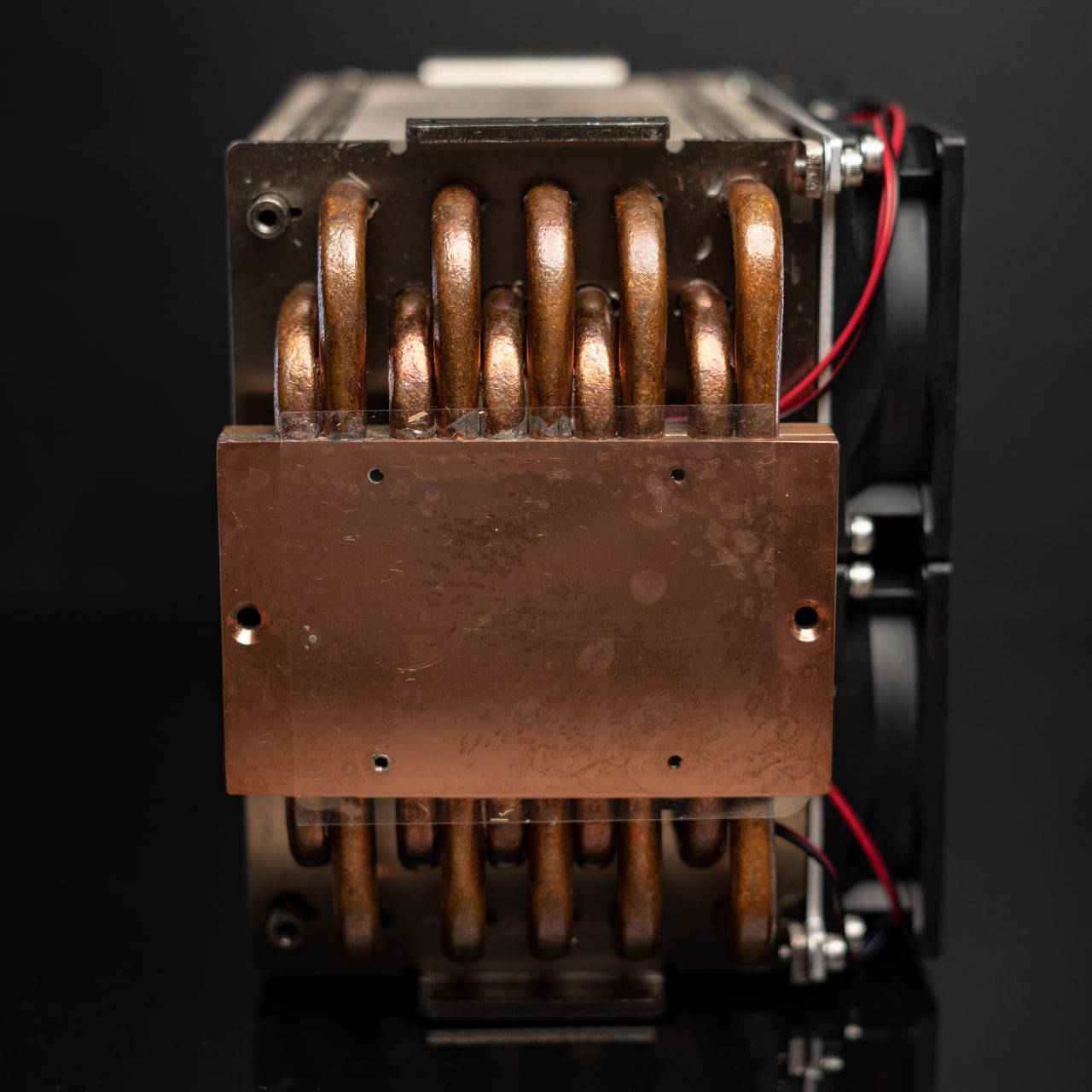 Copper interface plate used to improve heat transfer between LED module and radiator.
Airflow is rarely what you think it is
Another lesson came from airflow.
Initial cooling designs assumed fairly predictable air paths through the radiator. In reality, airflow tends to follow the path of least resistance, which sometimes bypasses the areas that need cooling most.
This meant that fan placement and radiator geometry became just as important as raw heatsink mass.
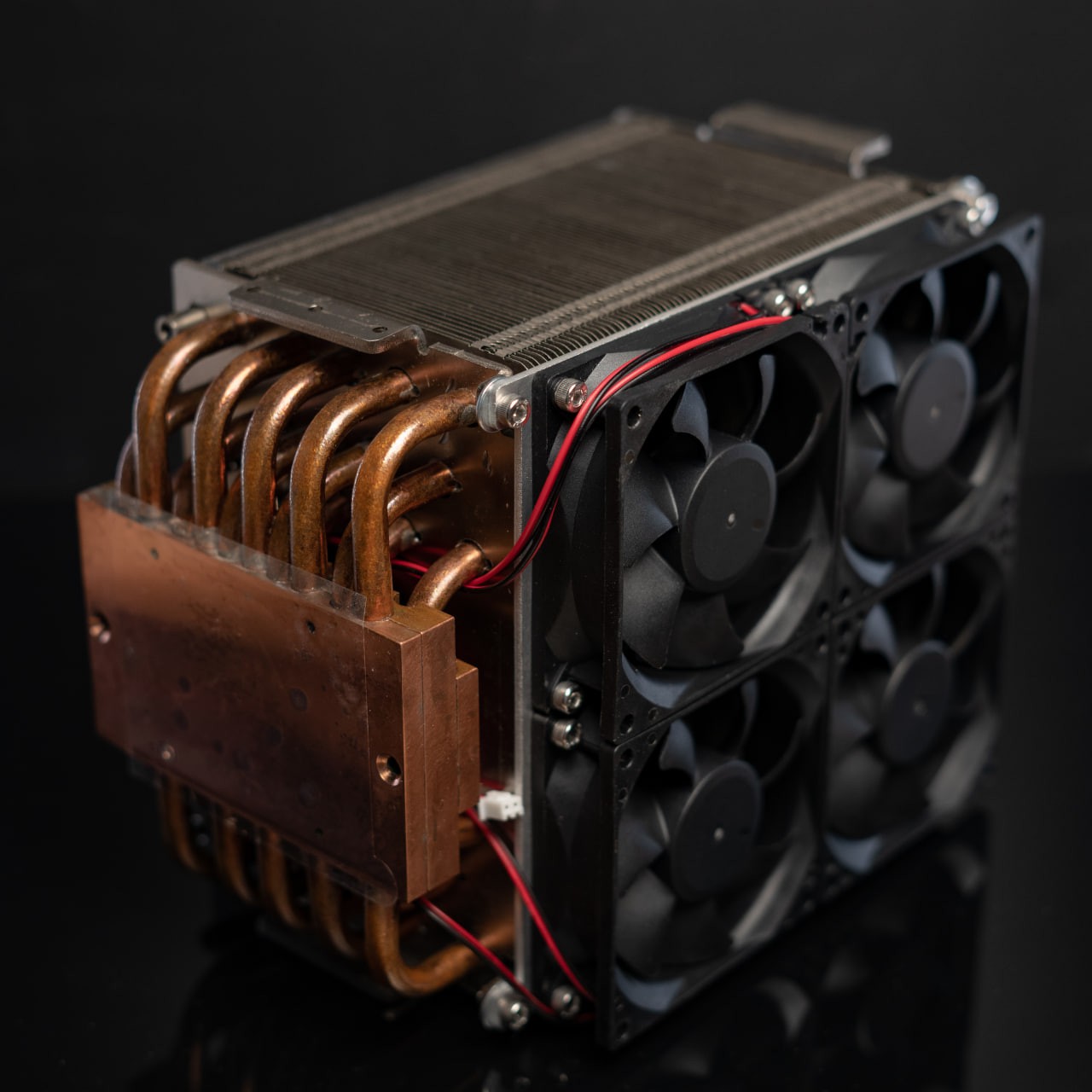
Large radiator assembly with multiple fans used for high-power LED cooling
Iteration is unavoidable
Thermal design at these power levels is difficult to solve perfectly on paper.
In practice, each prototype revealed small details that needed adjustment:
-
mechanical tolerances
-
airflow distribution
-
contact surfaces
-
mounting hardware
Several iterations were required before the system reached stable operating temperatures.
Final thoughts
High-power LED systems are often presented as straightforward engineering problems, but real-world builds quickly reveal how sensitive they are to mechanical and thermal details.
For anyone experimenting with high-power lighting, the biggest lesson may be this:
Thermal design is not just about the heatsink — it’s about the entire path the heat must travel.
Project website: https://ledchip.pro/
Project Instagram: https://lnkd.in/gwwPBieE
Personal Instagram: https://lnkd.in/gUpA3xHm
Discussions
Become a Hackaday.io Member
Create an account to leave a comment. Already have an account? Log In.