 Jesse Farrell
I've recently been exploring all kinds of home automation tools with Home Assistant. If you're not familiar, Home Assistant ties together various smart devices into a single system and gives the user (what seems like) infinite control. I'd highly recommend it to nearly any engineer type.
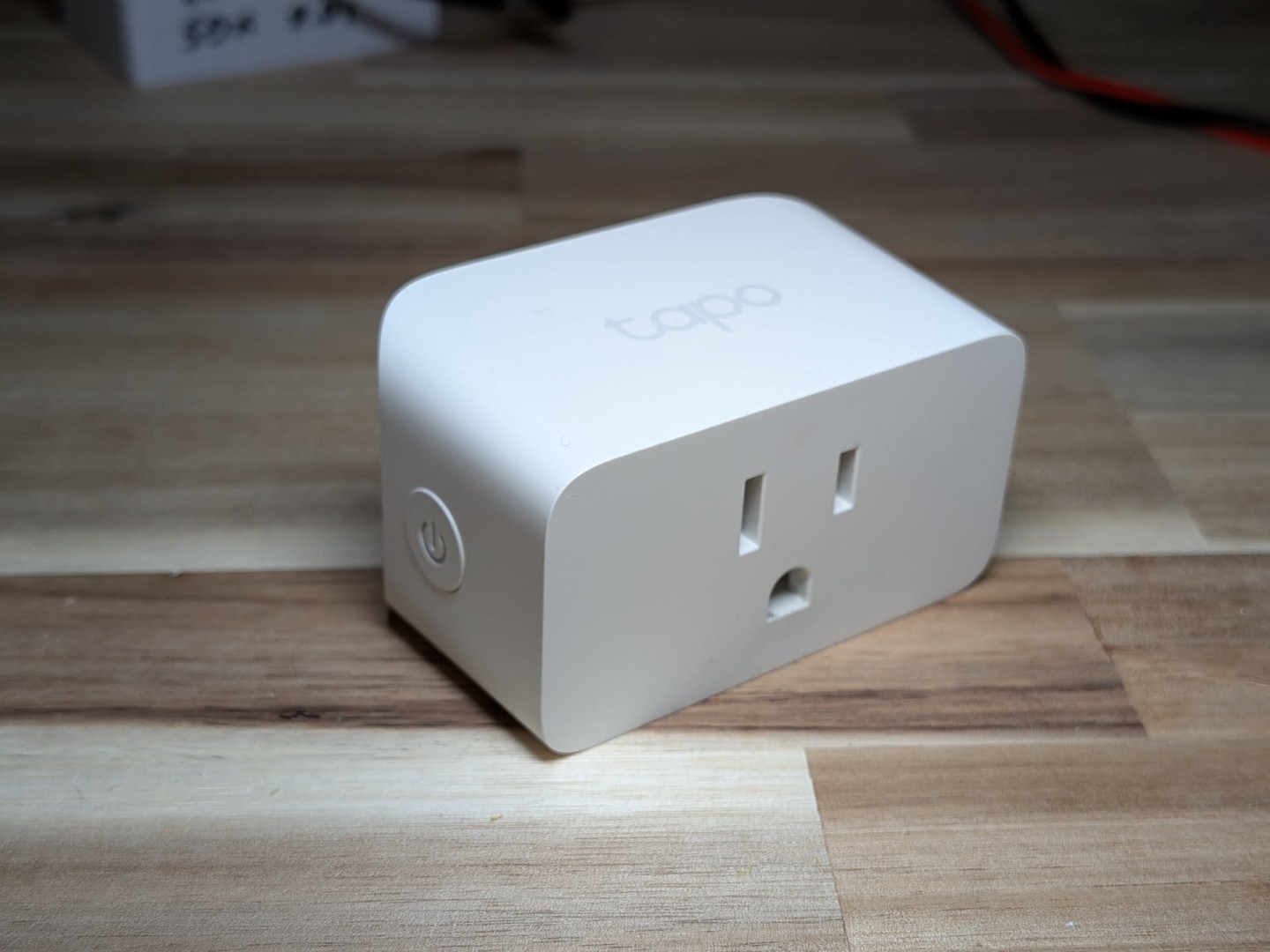
Anyhow, I bought myself a few Tapo p110m smart plugs. These allow me to turn off lamps across the house and automate simple scenes. Unlike many other smart plugs on the market, the p110m includes energy monitoring. Home Assistant goes a little further and exposes voltage and current for us to play with.... And play we shall!
First things first, we need to tear the product down to understand how it works. I might have to "fake" some of this test depending on how the harware is wired. Tearing these things apart was not elegant or fun.
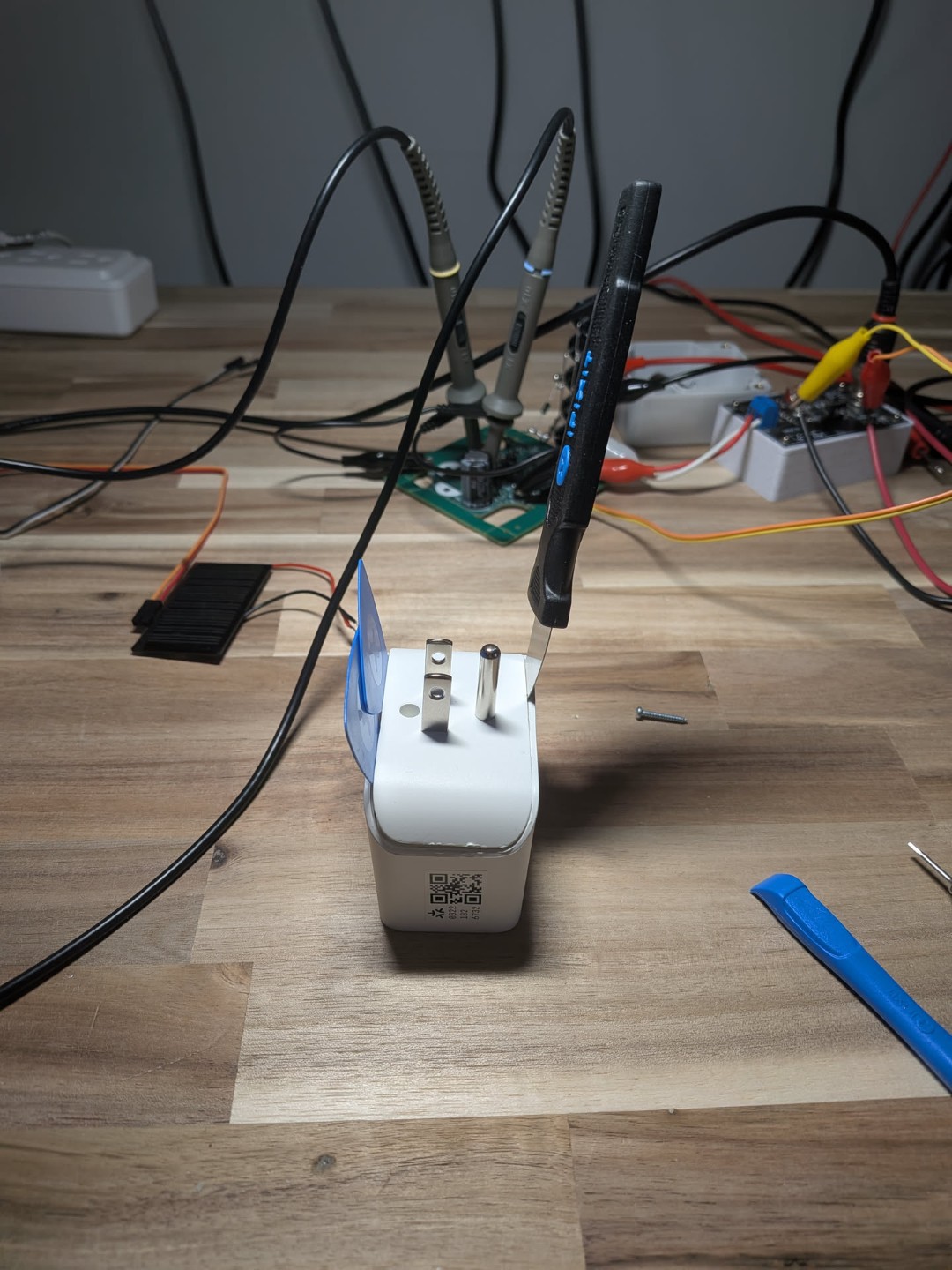
Once free of it's plastic cage, I had to desolder two pins connecting the PCB to the hot and neutral spades. Afterwards the board looked as shown below.
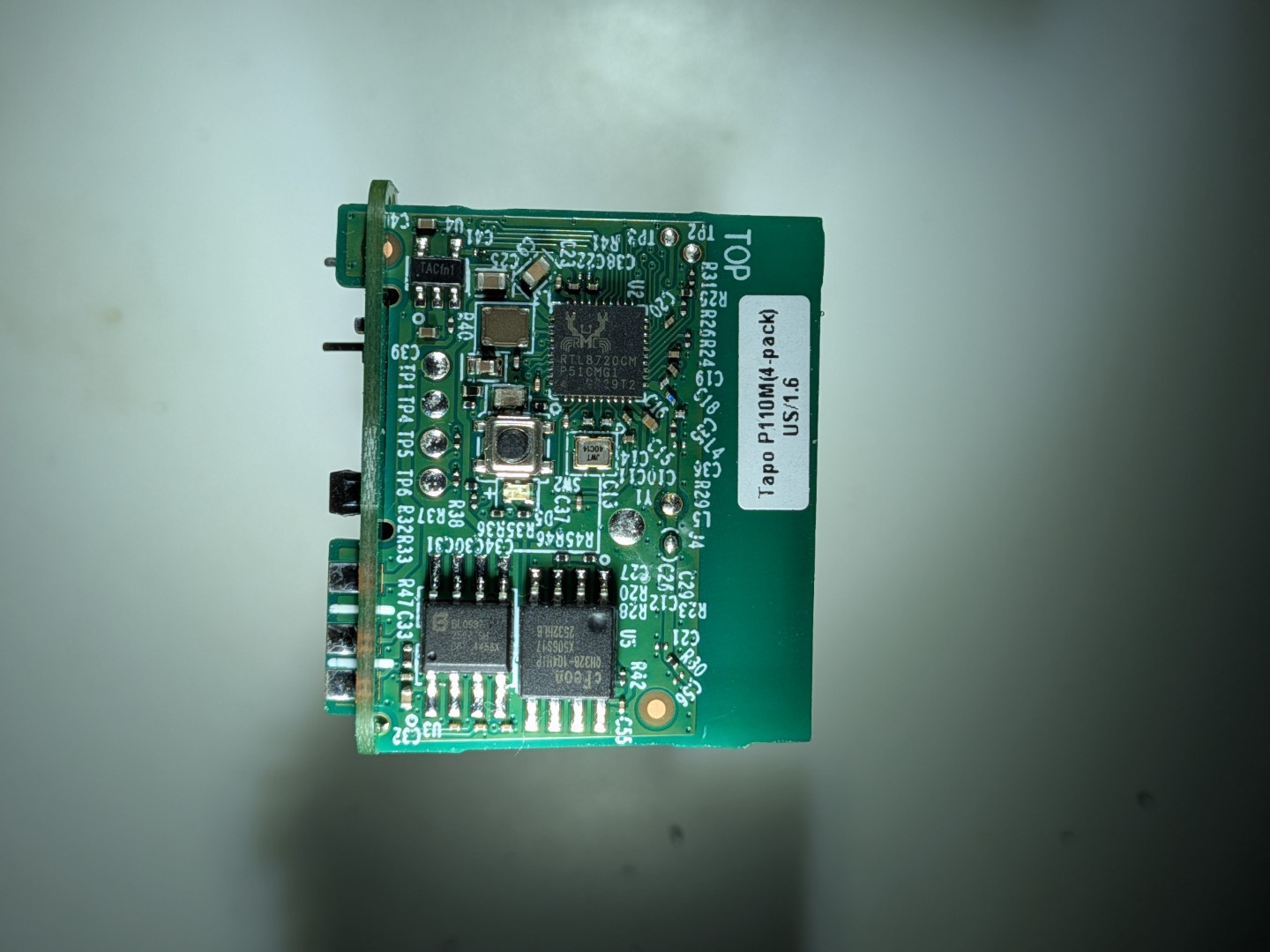
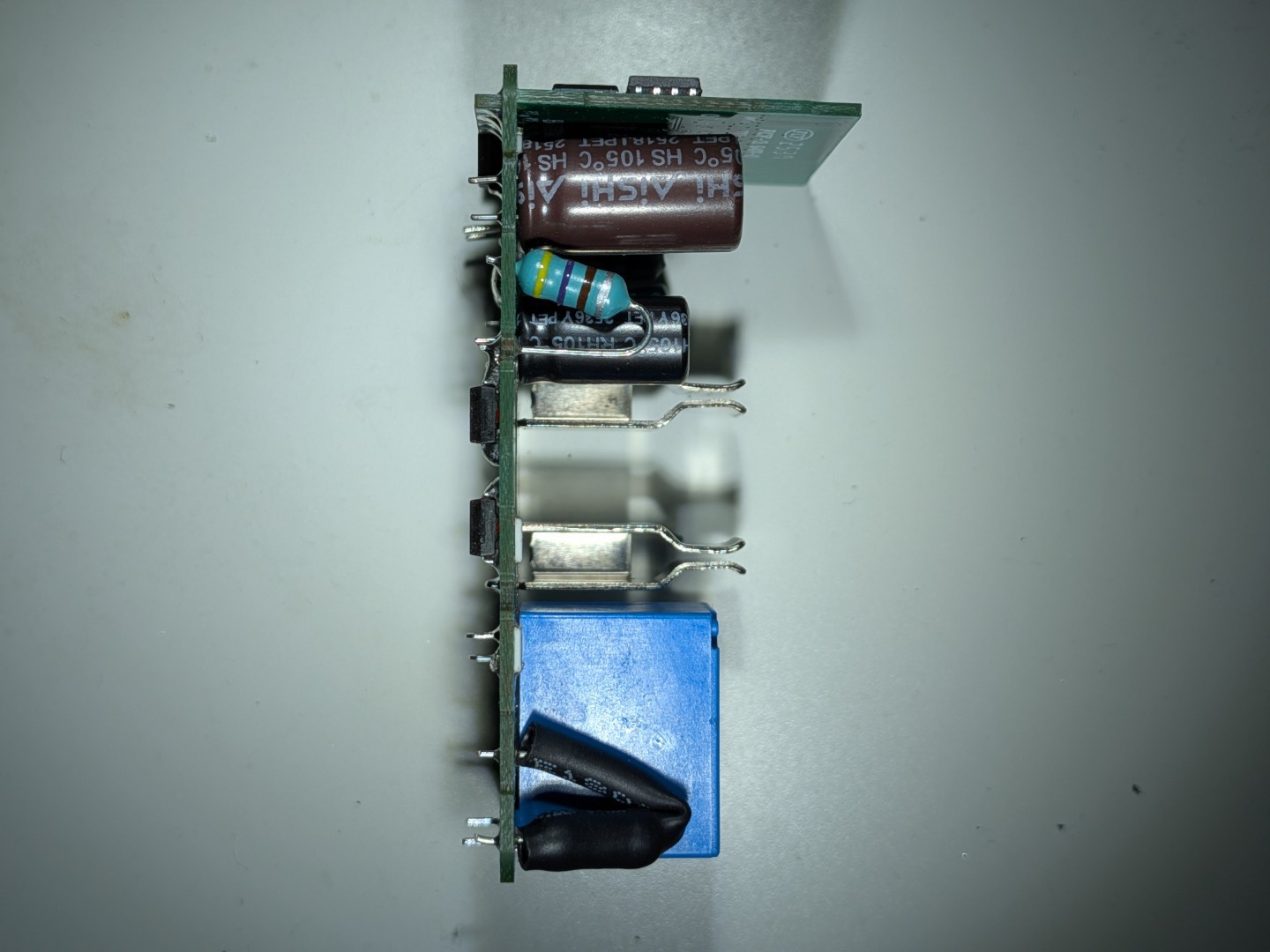
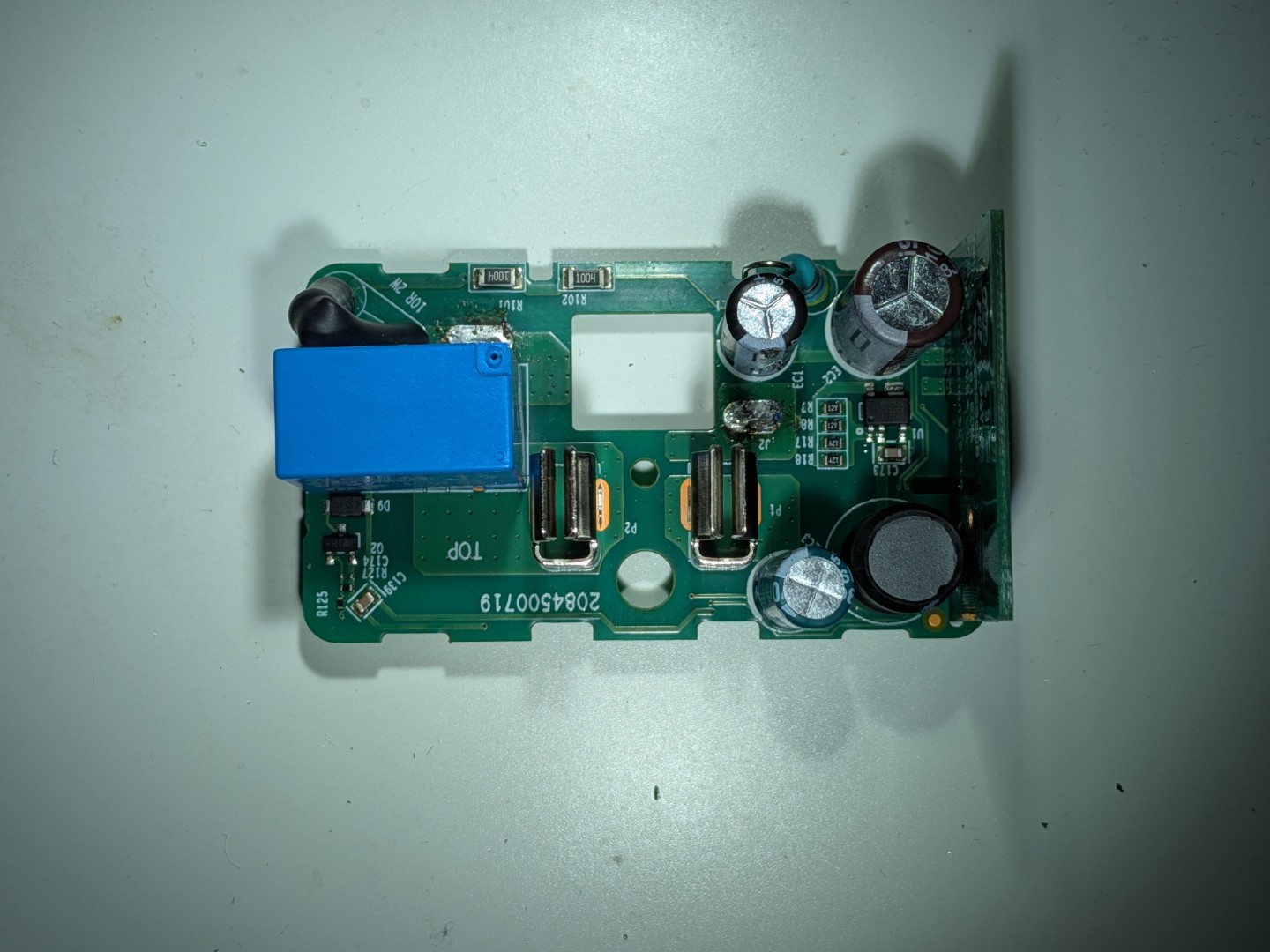
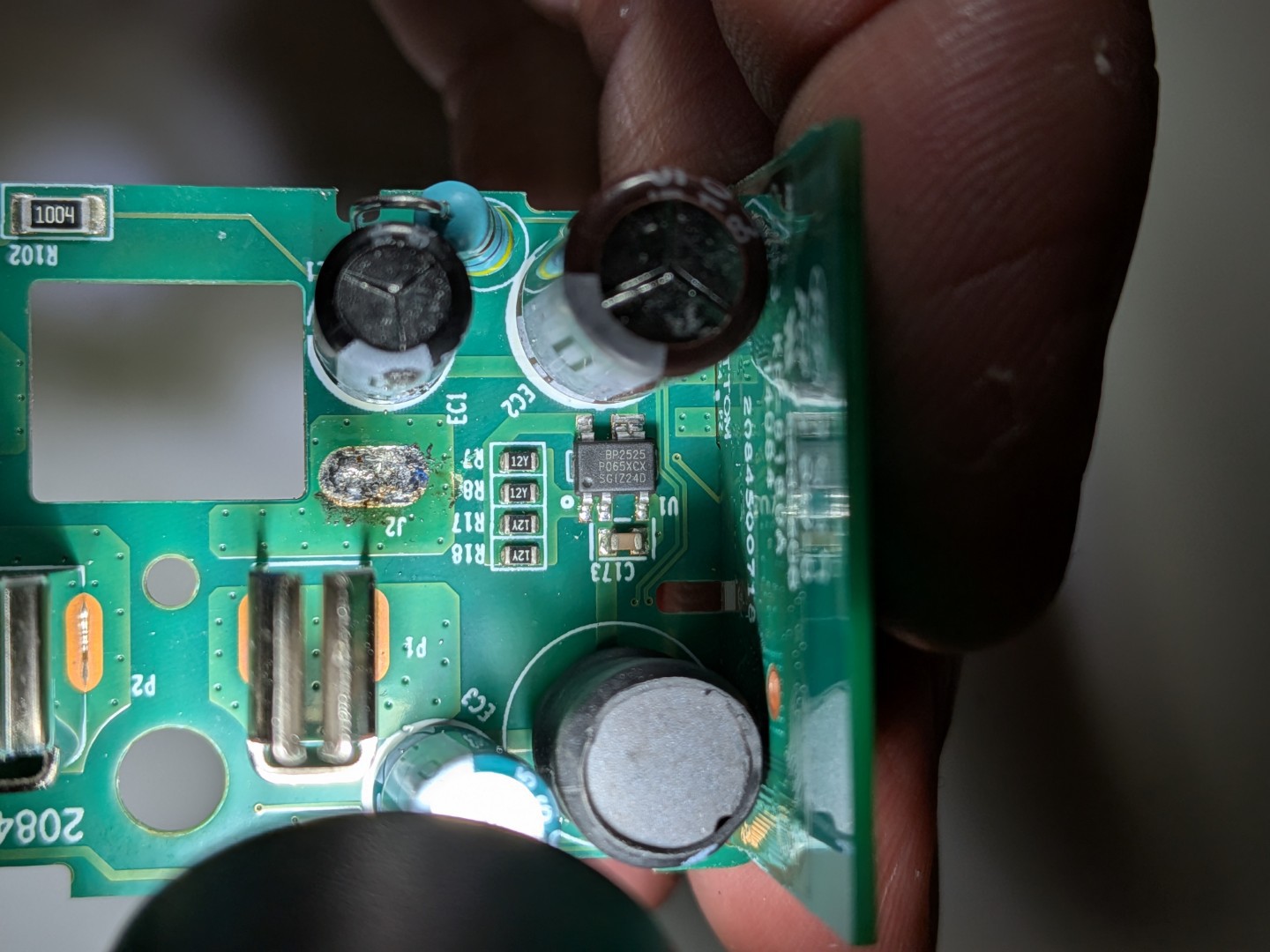
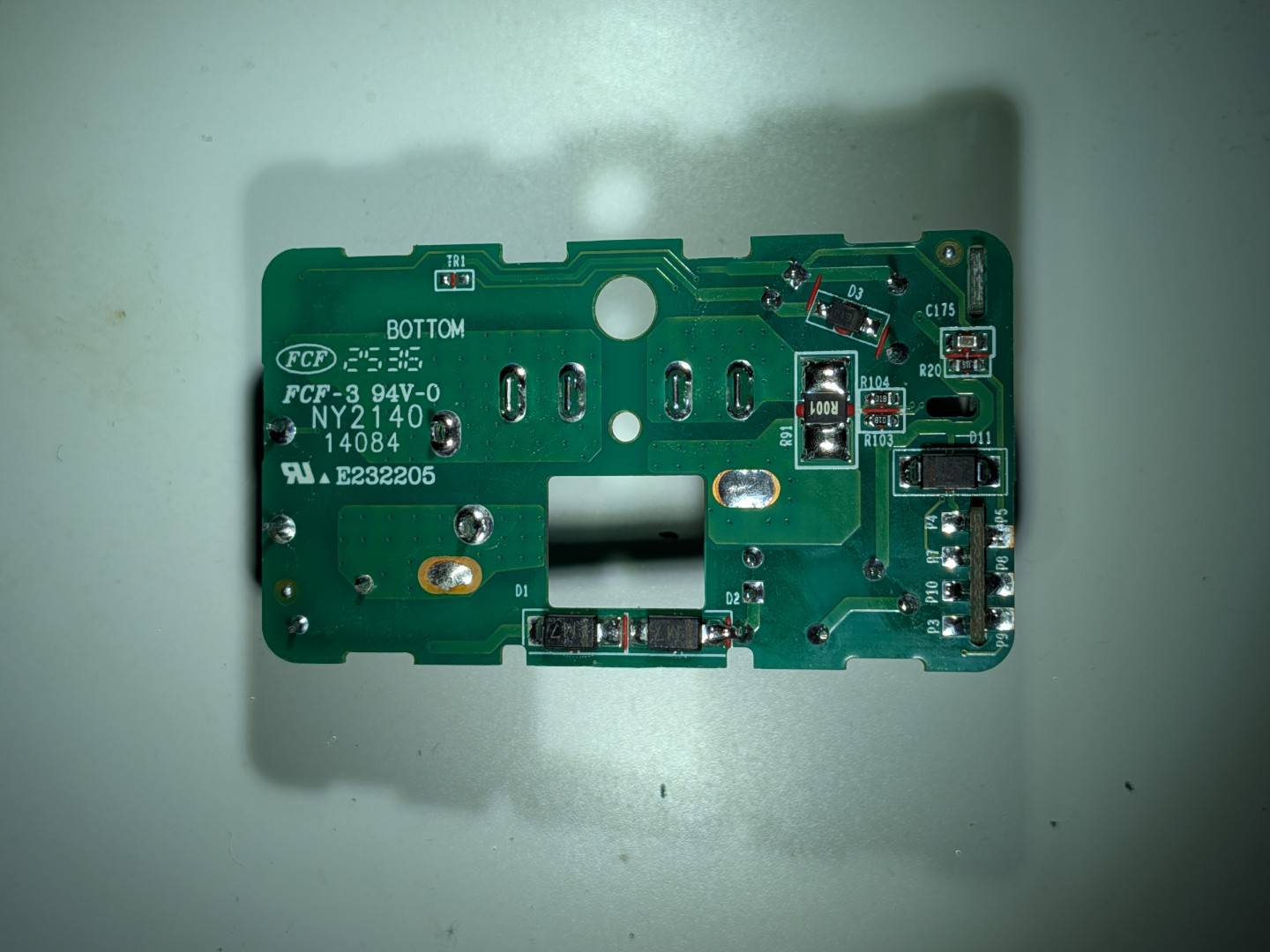
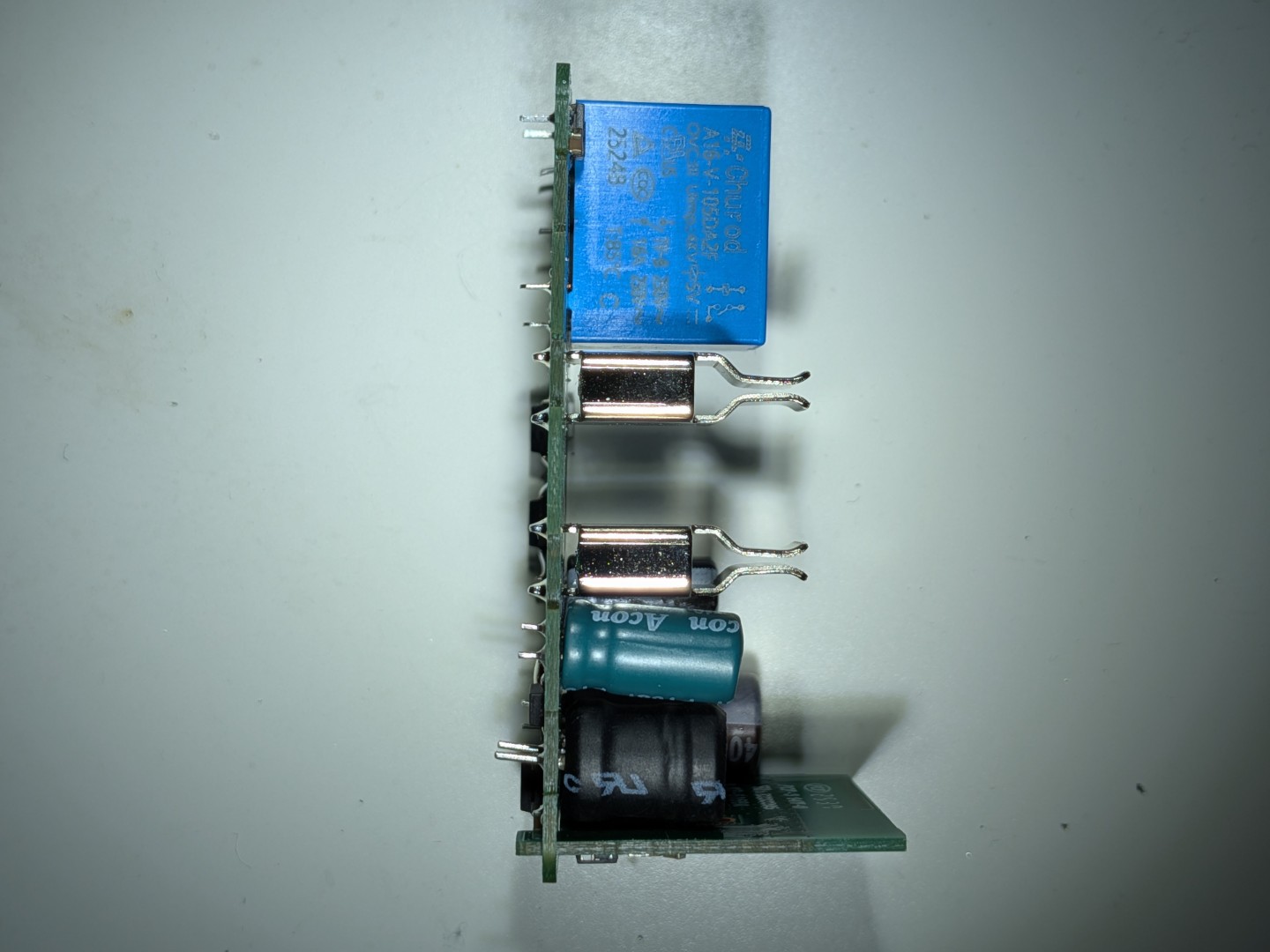
Some key parts I found for those playing along at home...
- Energy Monitor - Belling, BL0937
- Description: "Single Phase Energy Meter IC with Integrated Oscillator for Socket"
- AC/DC Converter - Bright Power Semiconductor, BP2525
- Description: "Low Standby Power Non-isolated CV Converter"
- Brains - Realtek, RTL8720CM
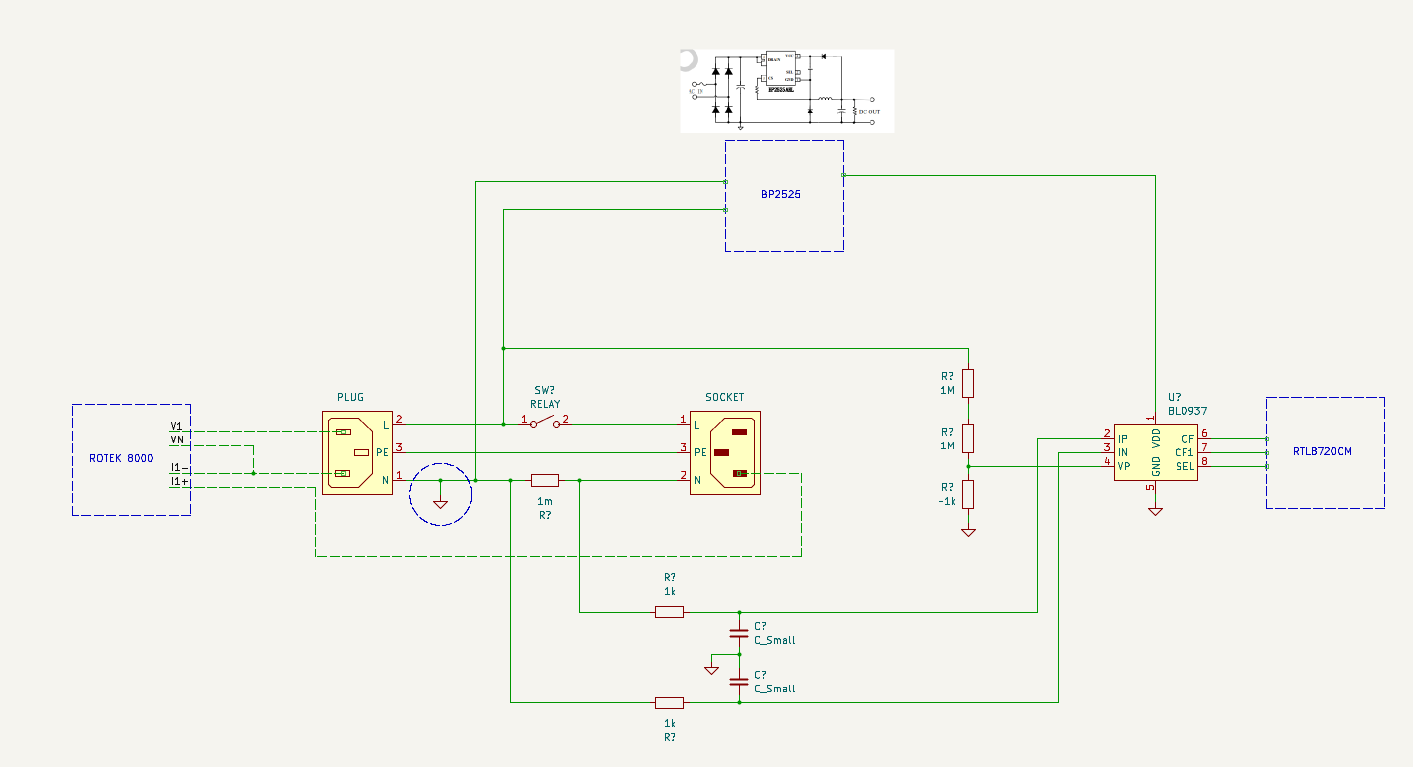
The engineer who designed this circuit decided to measure the current on the neutral wire (return current) and not the hot wire (sending current). This simplifiies my test setup alot. If they were measuring current on the hot side, I'd have to either inject a common mode voltage ontop of my current source (which I'm not particulalry willing to do), or I'd need to start modding this PCBA to seperate the voltage from the current measurment.
I sketched out a rough schematic for my test setup, including the critical parts of the p110m circuit. Essentially, I plan to energize Line and Neutral using my Rotek 8000 AC calibrator, then I will connect I1+ to the user facing Neutral socket of the p110m, and I1- can be shorted to VN on the calibrator.
To Be Continued...
Discussions
Become a Hackaday.io Member
Create an account to leave a comment. Already have an account? Log In.