 pcbmaster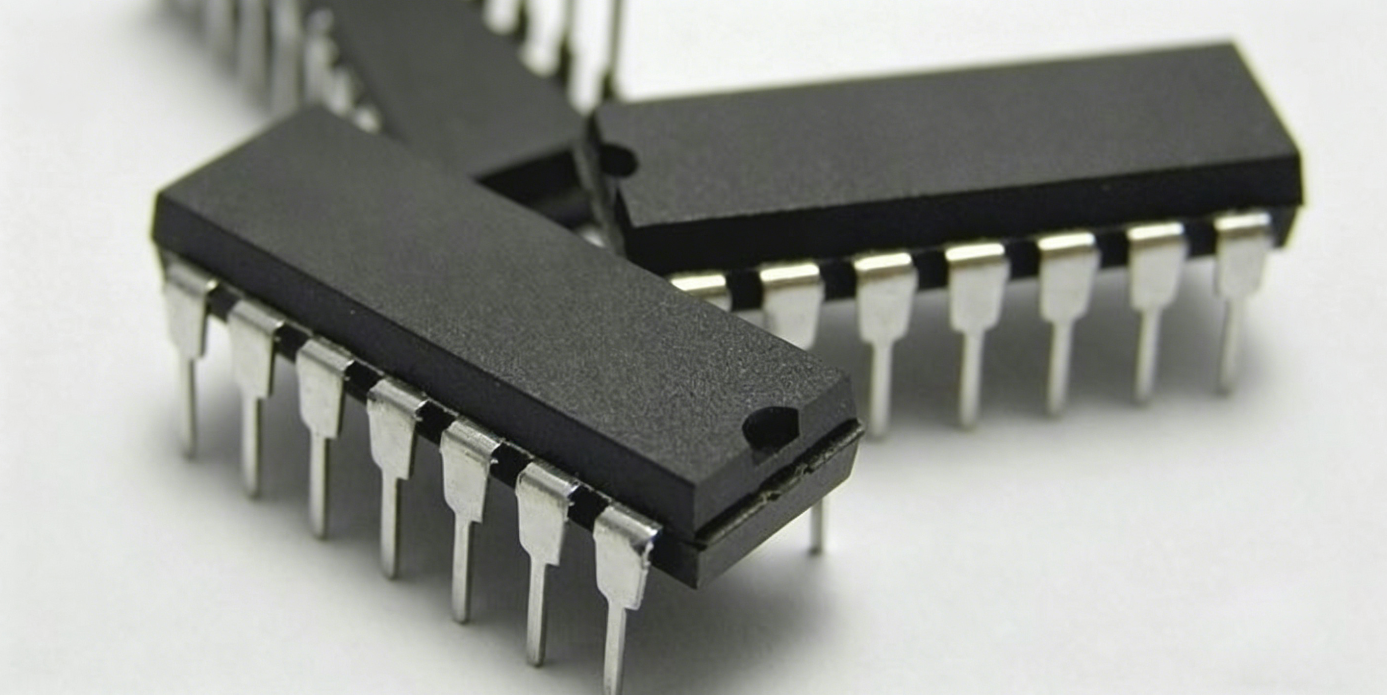
As makers, engineers, and hobbyists, we often find ourselves at a crossroads when choosing between various component packages for our electronic projects. Two of the most common packaging styles are Dual Inline Package (DIP) and Surface-Mounted Device (SMD). While both have their place in modern electronics, understanding their differences and how they impact your workflow is key to making the best choice for your project.
In this article, we'll break down the pros and cons of each package type, explore their use cases, and help you decide which is better suited for your needs.
What Is a Dual Inline Package (DIP)?
The Dual Inline Package (DIP) is one of the oldest and most recognizable electronic component packages. It features two parallel rows of pins that are inserted into holes on a printed circuit board (PCB). These pins are then soldered on the opposite side of the board. DIPs are typically used for through-hole components and are commonly found in older designs, educational kits, and DIY projects.
Key Characteristics of DIP:
- Pin Rows: DIPs have two rows of pins that make contact with a PCB.
- Through-Hole Mounting: The component is mounted by inserting the pins through holes in the PCB and soldering them on the opposite side.
- Ease of Use: Ideal for beginners and hobbyists because of their large size and the ease of soldering.
What Is a Surface-Mounted Device (SMD)?
The Surface-Mounted Device (SMD) is a more modern component packaging style. Unlike DIP, which relies on through-hole technology, SMD components are designed to be soldered directly onto the surface of the PCB. This allows for smaller, more compact designs, which is essential for today’s high-density and high-performance circuits.
Key Characteristics of SMD:
- No Pins: SMD components have small, flat leads or pads that solder directly to the PCB surface.
- Compact and Efficient: Smaller size means more components can fit in the same space, making them ideal for dense, high-performance circuits.
- Reflow Soldering: SMD components are typically soldered using reflow soldering techniques, where solder paste is applied and the PCB is heated to melt the paste and attach the components.
DIP vs. SMD: Key Differences
1. Size and Space Efficiency
One of the most obvious differences between DIP and SMD is size. DIPs are much larger in size compared to SMD components. This means that if you're working with a limited amount of PCB space, SMD is usually the better option. For high-density circuits or compact designs (think of modern smartphones or wearables), SMD is the only viable choice.
2. Ease of Soldering and Assembly
- DIP: For beginners or those working in low-volume or prototype assembly, DIPs are much easier to work with. Soldering through-hole components like DIP parts can be done with a basic soldering iron, and they are forgiving to errors. You can also solder them by hand, which is great for DIY projects or small batch production.
- SMD: SMD components are smaller and require more precise soldering techniques, such as reflow soldering or hot air rework stations. While it’s entirely possible to hand-solder small SMD components, it can be tricky, especially for ultra-small packages like 0201 or 0402 sizes. However, for mass production, automated soldering machines are used for high-speed, precise soldering.
3. Durability and Reliability
When it comes to reliability, both DIP and SMD components can perform equally well, depending on the quality of the component and how it’s assembled. However, SMD components tend to have a more robust construction for high-frequency applications due to the way they are mounted directly on the PCB surface, leading to better performance in terms of signal integrity and reduced inductance.
4. Cost
- DIP: DIPs are generally cheaper in terms of individual unit cost, particularly in low-volume applications. However, the increased labor required for through-hole soldering may offset the savings in production.
- SMD: SMD components can be more expensive on a per-unit basis, but their compact size and suitability for automated assembly make them cost-effective for large-scale production. Additionally, their smaller footprint often leads to cheaper and lighter PCBs.
When to Choose DIP vs. SMD
Choose DIP If:
- You're working on prototypes or small batches, where hand-soldering and ease of repair are critical.
- Your design requires larger components or is geared toward educational purposes (like teaching circuit design).
- You prefer a more manual, hands-on approach to electronics assembly.
- You need to integrate legacy designs or use older components that are only available in DIP.
Choose SMD If:
- You're designing high-density, high-performance circuits where PCB space is limited.
- You're aiming for mass production and can use automated surface-mount assembly.
- Your application requires compactness or reliability in high-frequency applications (like RF circuits).
- You want to use modern, high-speed components like microcontrollers and FPGAs, which are usually available only in SMD packages.
The Hybrid Approach: DIP and SMD in One Design
In many cases, the best solution is not to choose one over the other, but to use a combination of DIP and SMD components within the same design. For example, you might use DIP components for connectors, large capacitors, or certain ICs that are easy to work with manually. Meanwhile, smaller SMD components could be used for high-density areas of the circuit. This hybrid approach allows you to leverage the benefits of both technologies while balancing ease of assembly and performance.
Conclusion
Choosing between DIP and SMD ultimately depends on the requirements of your specific project. If you're working with a tight budget, low-volume production, or prefer hands-on soldering, DIP may be the way to go. On the other hand, if you’re pushing the limits of miniaturization, working with high-frequency circuits, or preparing for mass production, SMD is the superior choice.
For makers, hobbyists, and engineers, the key is understanding both the strengths and limitations of each packaging style, allowing you to make informed decisions that best suit your needs. Whether you're building a simple prototype or an advanced, high-performance circuit, understanding DIP vs. SMD will make you a more versatile and capable designer.
Discussions
Become a Hackaday.io Member
Create an account to leave a comment. Already have an account? Log In.