 pcbmaster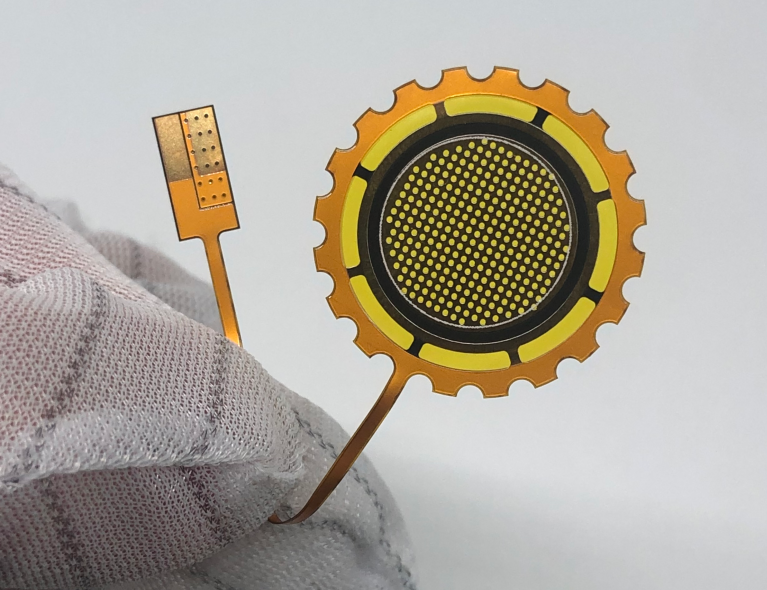
In the rapidly evolving landscape of electronics, flexibility isn’t just a physical property—it’s a design philosophy. Flexible Printed Circuit Boards (FPCBs or flex circuits) have transcended their niche role in industrial electronics and are now at the heart of cutting-edge consumer devices, wearable technology, and experimental hardware hacking. Their ability to conform, bend, and twist without breaking traditional electrical connections opens possibilities that rigid PCBs simply cannot achieve. In this article, we’ll explore the top flexible PCB assembly applications in electronics and wearables, examining why engineers are increasingly choosing flex circuits over traditional rigid boards, and what this means for makers, hackers, and designers in 2026.
Understanding Flexible PCB Technology
Before diving into applications, it’s worth revisiting what makes flexible PCBs unique. Unlike conventional rigid PCBs made from FR-4 fiberglass, flex circuits are composed of a flexible polyimide or polyester substrate, which allows the circuitry to bend in one or more dimensions. This flexibility introduces several key advantages:
- Compact and Lightweight Design: Flex circuits reduce the need for bulky connectors and inter-board cabling. They can be folded or routed through tight spaces, which is especially critical in compact consumer electronics.
- Durability Under Motion: Polyimide substrates can withstand repeated bending cycles, making flex circuits ideal for wearable devices that experience constant motion.
- High-Density Routing: Because flexible circuits can layer multiple traces closely, designers can pack more functionality into smaller areas.
- Thermal Management: Polyimide is heat-resistant, allowing components to operate in higher-temperature environments without degradation.
From a manufacturing standpoint, modern FPCBs can be single-layer, double-layer, or multi-layer, depending on circuit complexity. Advanced assembly processes, including surface-mount technology (SMT) on flexible substrates and selective solder mask applications, have matured to the point where flex PCBs are no longer experimental—they’re industrial-grade solutions.
Wearable Electronics: Comfort Meets Connectivity
Wearables represent the most visible application for flexible PCBs. Devices like smartwatches, fitness trackers, and biomedical monitors demand electronics that can move with the human body. Traditional rigid boards are often bulky or require complicated mechanical assemblies to achieve mobility; flex circuits streamline this process.
Smartwatches and Fitness Trackers
In devices like the latest Apple Watch, Fitbit, or Samsung Galaxy Watch, flexible PCBs allow the circuitry to wrap around the wristband area, minimizing device thickness while maintaining high functionality. Some notable advantages include:
- Space Optimization: Flex circuits enable stacking components in a 3D space rather than a planar one, which is crucial when integrating sensors, batteries, and displays in tight enclosures.
- Durable Interconnections: The constant motion and occasional impact associated with wrist-worn devices are handled gracefully by the bend-tolerant flex substrate.
- Simplified Assembly: Flex PCBs reduce connector complexity between the watch face and bands, lowering assembly time and failure points.
Hackers and makers have also leveraged flexible PCBs for DIY wearables. For instance, integrating a small flex circuit into a glove or jacket allows LEDs, sensors, or haptic feedback elements to follow the contours of the human body, creating interactive experiences impossible with rigid boards.
Biomedical Wearables
Medical-grade wearable devices—like continuous glucose monitors (CGMs) or ECG patches—benefit immensely from flexible PCB assemblies. Flex circuits can be embedded directly into adhesive patches that conform to skin, allowing unobtrusive long-term monitoring.
Key considerations for biomedical applications include:
- Biocompatibility: The polyimide substrate is generally inert, and encapsulation layers can make the PCB safe for direct skin contact.
- Signal Integrity: High-density routing ensures that delicate analog signals from sensors are transmitted without interference, even when flexed or twisted.
- Miniaturization: Multiple layers and precise trace routing allow integration of microcontrollers, sensors, and wireless modules into millimeter-thin devices.
For DIY hackers experimenting with health monitoring, FPCBs enable experimentation with prototypes that are both functional and wearable, without sacrificing ergonomics or safety.
Flexible Displays and User Interfaces
Another rapidly expanding area for flex PCBs is human–machine interfaces (HMIs), including foldable smartphones, e-paper displays, and curved OLED panels. These applications leverage the inherent bendability of flex circuits to integrate electronics with non-planar form factors.
Foldable Smartphones
Devices like the Samsung Galaxy Z Fold series or Huawei Mate X rely on flex circuits to connect rigid mainboards with foldable screens. The flex assembly carries power, data, and touch signals across a hinge mechanism that can endure tens of thousands of folding cycles. Design challenges include:
- Fatigue Resistance: Flex circuits must maintain electrical integrity despite repeated bending. Engineers often use specific trace patterns, strain reliefs, and reinforced hinge areas to prevent failure.
- Signal Integrity: High-speed differential pairs carrying display and touch data require impedance-controlled flex circuits to prevent signal degradation.
- Thinness: The flex PCB must occupy minimal thickness to preserve a slim hinge design, sometimes using ultra-thin polyimide layers below 50 μm.
For makers experimenting with DIY foldable displays, pre-fabricated flex modules allow the creation of semi-flexible screens without designing the PCB from scratch, though handling remains delicate.
Wearable HMIs
Flexible PCBs also enable innovative user interfaces for wearables, such as:
- Curved e-paper panels embedded in wristbands
- Haptic feedback layers that conform to clothing
- Touch-sensitive flex panels integrated into gloves or jackets
These use cases highlight how flex PCBs can transform an interface from rigid, button-centric layouts to seamless, body-conforming surfaces that enhance interactivity.
Automotive and Robotics Applications
While consumer wearables get most of the spotlight, flex PCBs are equally critical in robotics and automotive electronics, where tight space constraints and dynamic motion demand flexible solutions.
Automotive Electronics
Modern vehicles rely on distributed electronics for everything from infotainment to advanced driver-assistance systems (ADAS). Flex circuits serve as lightweight, space-saving interconnects in:
- Steering wheels with integrated buttons and sensors
- Airbag modules where PCB must fold to fit a compact inflator housing
- Dashboard displays with curved surfaces
The automotive environment imposes stringent requirements for temperature cycling, vibration resistance, and long-term reliability—all areas where high-quality flex PCB assemblies excel.
Robotics
Robots—especially humanoid or soft robots—require electronics that can bend with moving joints. Flex PCBs are often used to:
- Connect sensors along robotic limbs
- Integrate actuators without bulky wiring harnesses
- Minimize mechanical stress on circuits in repetitive motion
In DIY and experimental robotics, flexible circuits can reduce cable clutter and allow electronics to “flow” with the robot’s movement, enabling designs that would be impractical with rigid boards.
Industrial IoT and Sensor Networks
The Industrial Internet of Things (IIoT) is another domain where flexible PCBs shine. Compact, bendable electronics allow sensor nodes to be installed in tight machinery cavities, pipelines, or rotating shafts. Advantages include:
- Conformal Mounting: Sensors can be wrapped around pipes or machinery surfaces, providing better measurement accuracy and space efficiency.
- Reduced Wiring: Flex circuits replace long harnesses, decreasing weight, cost, and installation complexity.
- Robustness: Polyimide substrates tolerate industrial temperatures and chemical exposure better than standard FR-4 boards.
Flex PCBs enable a proliferation of distributed sensing nodes, which is essential for predictive maintenance, environmental monitoring, and smart factory deployments.
Challenges and Design Considerations
While flexible PCBs offer tremendous opportunities, they also introduce unique challenges that engineers must address:
- Handling and Assembly: Flex substrates are fragile compared to rigid boards and require specialized tooling and fixtures during SMT assembly.
- Cost: Flex PCBs are generally more expensive per unit than standard rigid PCBs, though this can be offset by reduced connectors and assembly complexity.
- Thermal Management: While polyimide is heat-resistant, high-power applications may still require thermal vias or external heat sinks.
- Mechanical Fatigue: Bending and flexing must be carefully designed, often with strain-relief features or careful trace routing, to prevent fracture over time.
For makers and small-scale projects, these challenges mean that careful prototyping and sourcing from reputable flex PCB manufacturers are critical for success.
Future Trends
Flexible PCB technology continues to evolve rapidly, with trends that will reshape electronics and wearables over the next decade:
- Stretchable Electronics: Beyond bending, researchers are developing circuits that can stretch and conform dynamically, ideal for next-gen biomedical devices and soft robotics.
- Integration with Textiles: Electronic textiles (e-textiles) incorporate FPCBs into fabrics, enabling garments with sensing, lighting, or haptic capabilities.
- 3D Flex Assemblies: Combining rigid and flex boards into hybrid assemblies allows engineers to leverage both rigidity and flexibility strategically in complex devices.
- Ultra-Thin and Transparent Circuits: Emerging transparent flex circuits promise completely see-through displays or heads-up interfaces embedded in glass surfaces.
For the Hackaday community, these trends represent fertile ground for experimentation. The combination of mechanical flexibility and electronic sophistication allows hobbyists and professionals alike to explore new form factors, interactive devices, and wearable technologies.
Conclusion
Flexible PCB assemblies are no longer a niche curiosity—they are a fundamental enabler of modern electronics, particularly in wearables, foldable devices, robotics, and industrial IoT. By allowing circuits to bend, twist, and conform to unconventional geometries, flex PCBs open doors to innovative designs that rigid boards cannot achieve. For hackers, makers, and engineers, understanding the design principles, challenges, and applications of flexible PCB technology is essential for pushing the boundaries of what electronics can do.
Whether you are developing a new smartwatch, a wearable health monitor, or a soft robotic limb, flex circuits provide the versatility and durability required for the next generation of electronics. In 2026, bending the rules—literally—has never been more exciting.
Discussions
Become a Hackaday.io Member
Create an account to leave a comment. Already have an account? Log In.