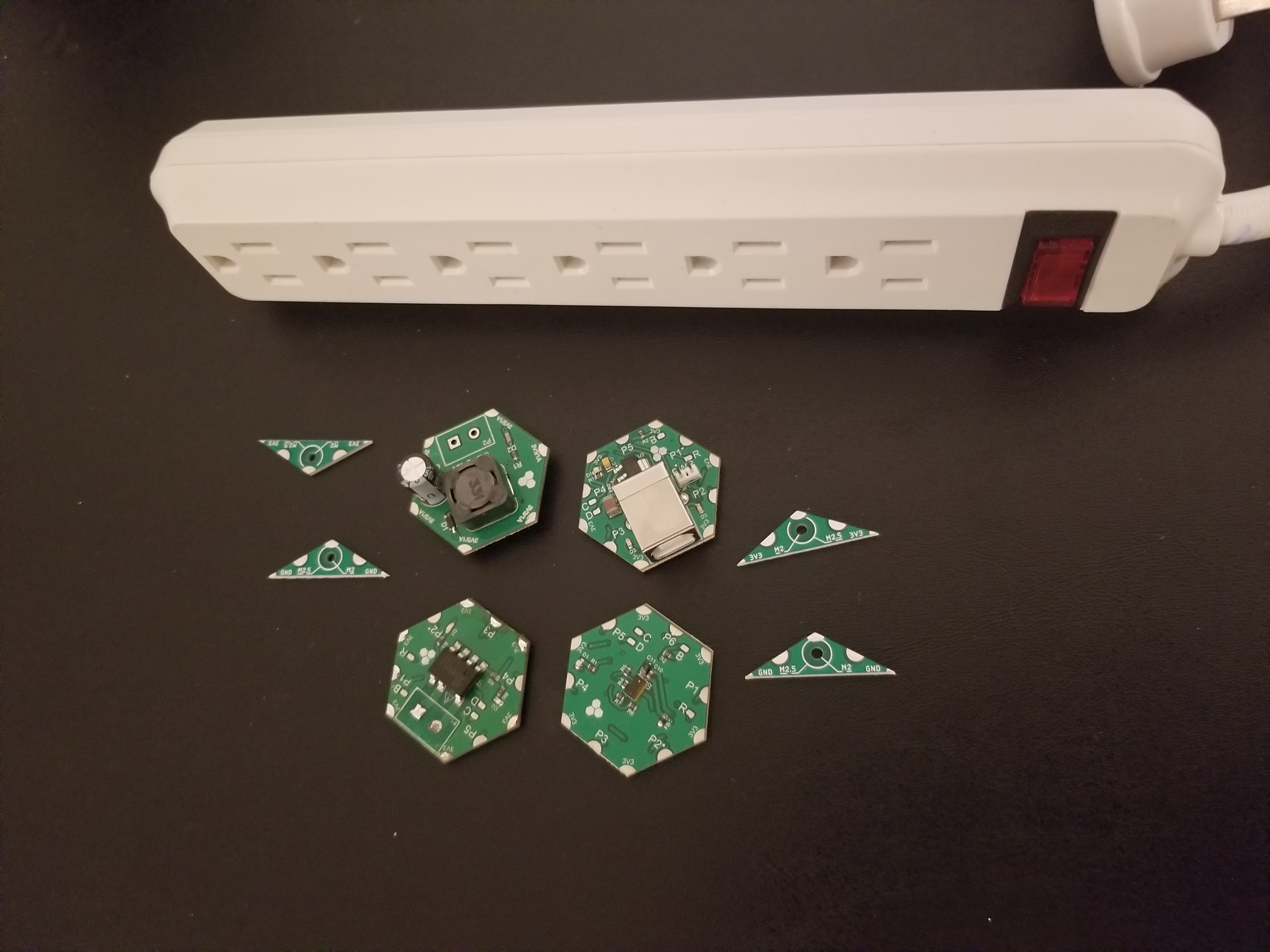
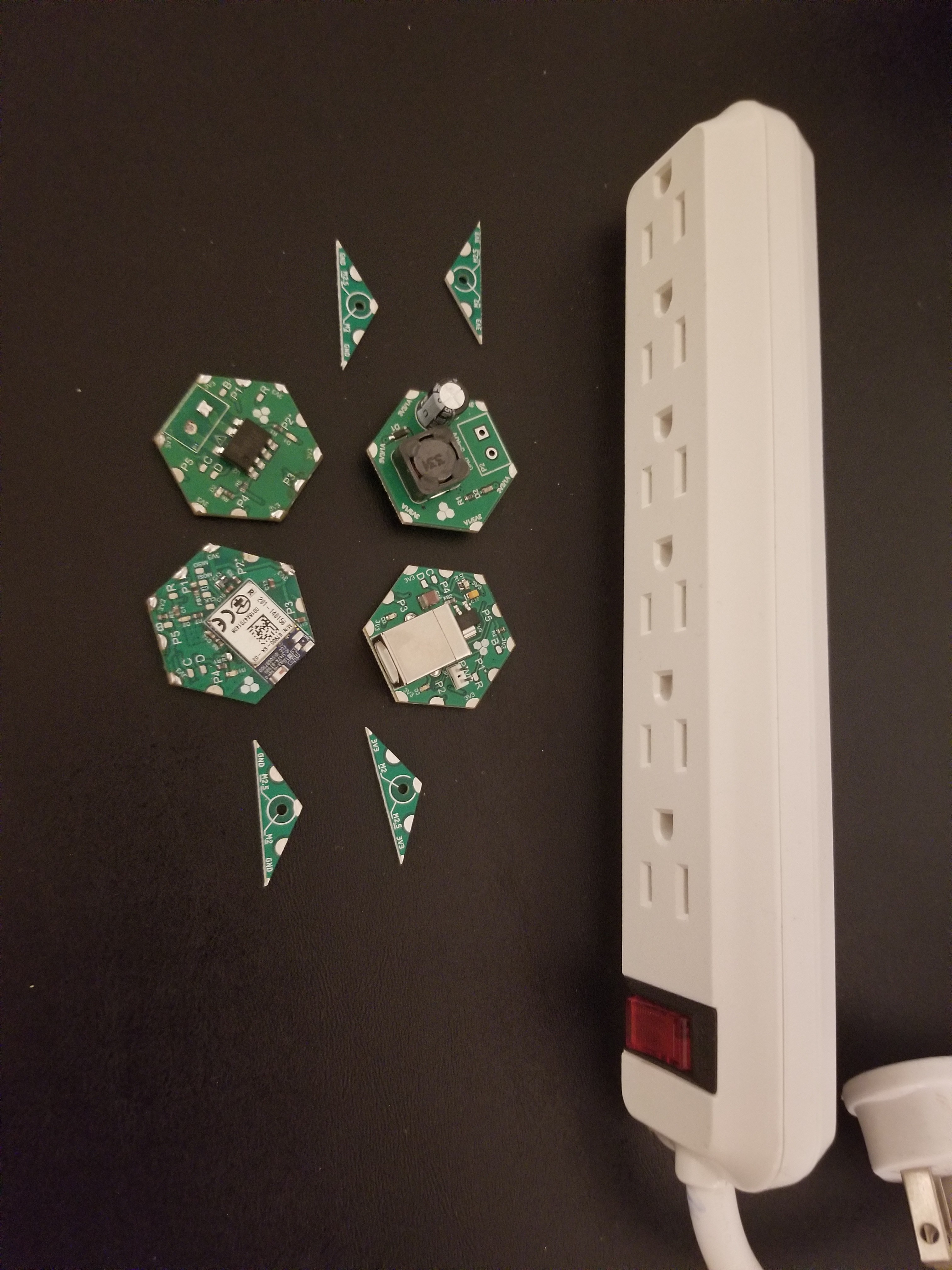
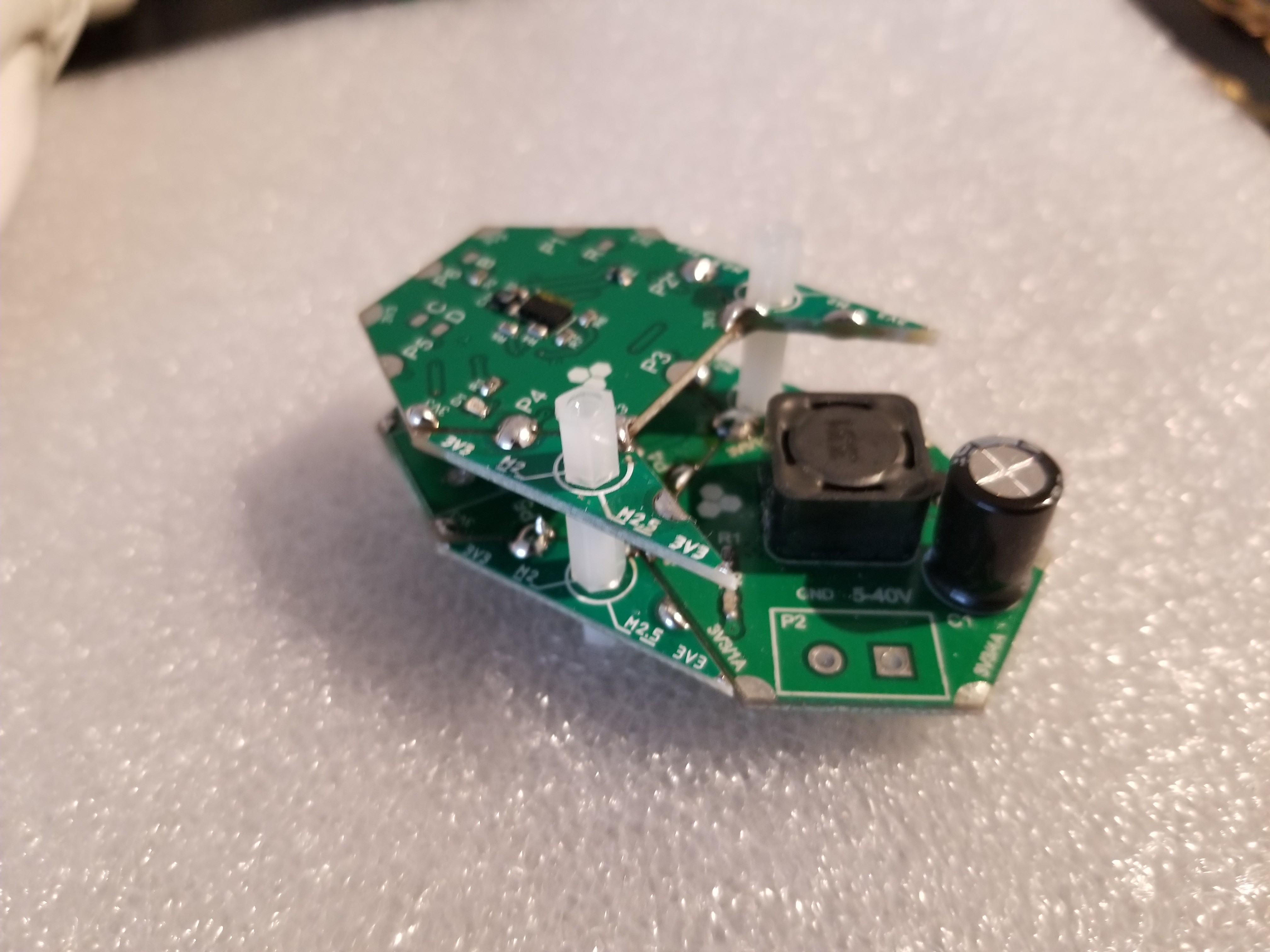
Hack a power strip with some Hexabitz modules and remote-control your AC gadgets with BLE, USB, hand gestures or whatever you can think of!
To make the experience fit your profile, pick a username and tell us what interests you.
We found and based on your interests.
Firmware 1.zipGesture-controlled power strip. H08R60 (IR module) custom firmware.x-zip-compressed - 14.26 MB - 11/10/2018 at 03:42 |
|
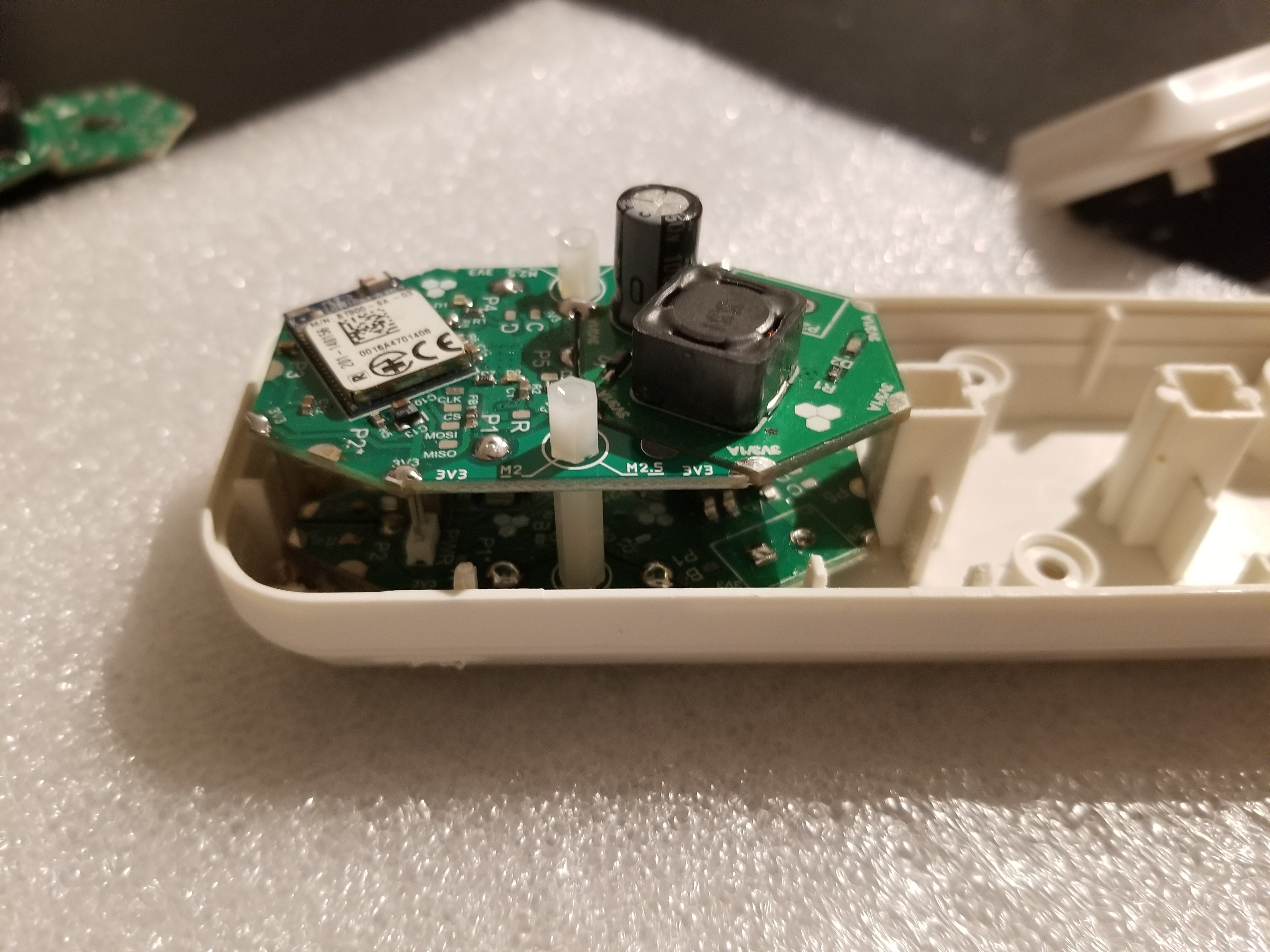
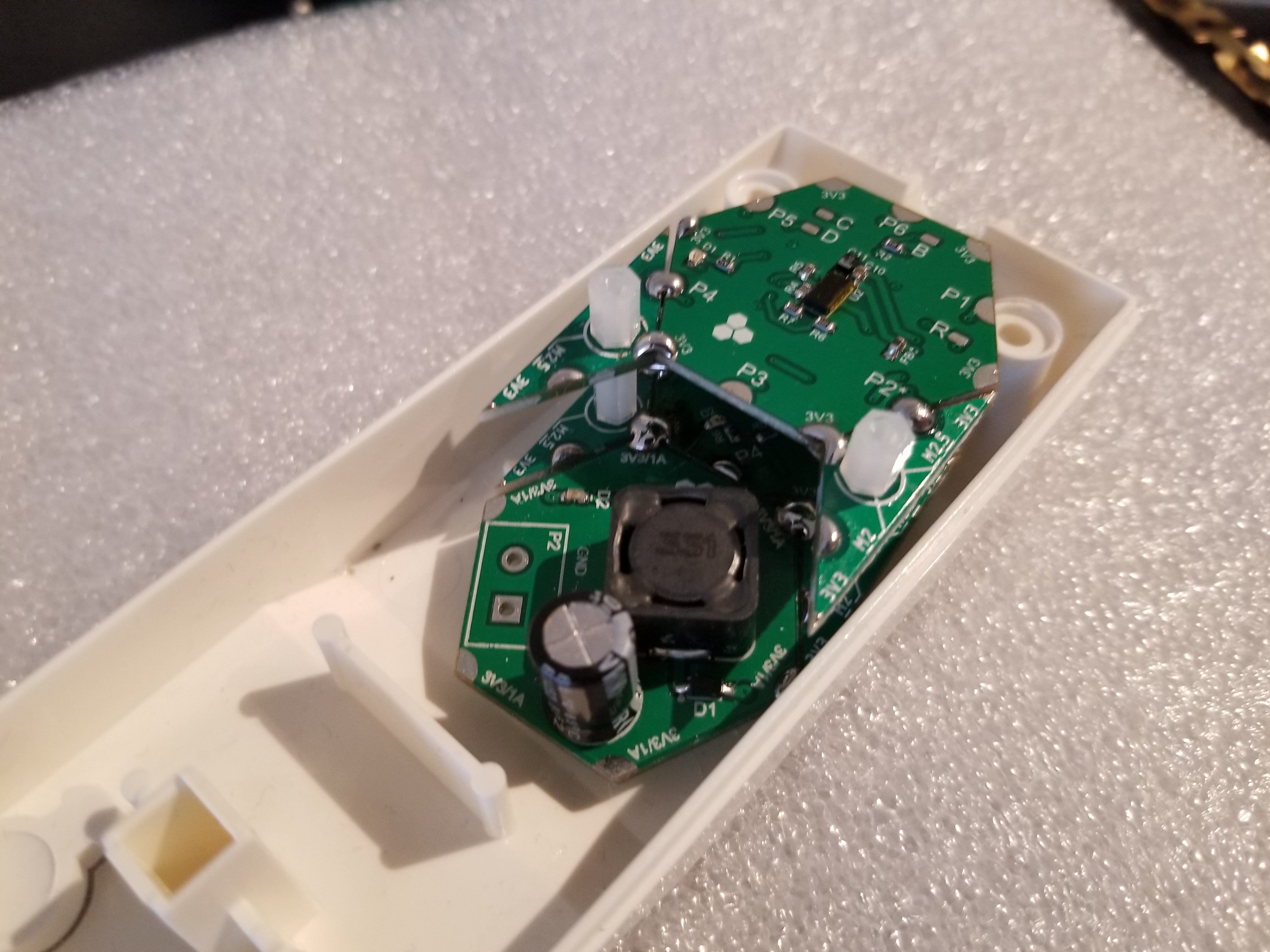
I got few power strips from Home Depot. It's really difficult to tell if there's enough room inside before you open them up so you might need to experiment with few models (but at least make sure they're wider than a single module, i.e. 30mm, which almost all power strips are.) In some power strips, there's enough space to stuff in modules without any modifications. In other ones, you might need to remove the power switch or one or more outlets. In most cases, you will probably need to at least remove some internal ribs or drill some holes. Also, wiring gets tight with thick power cables so try to get the spaciest power strip you can find!
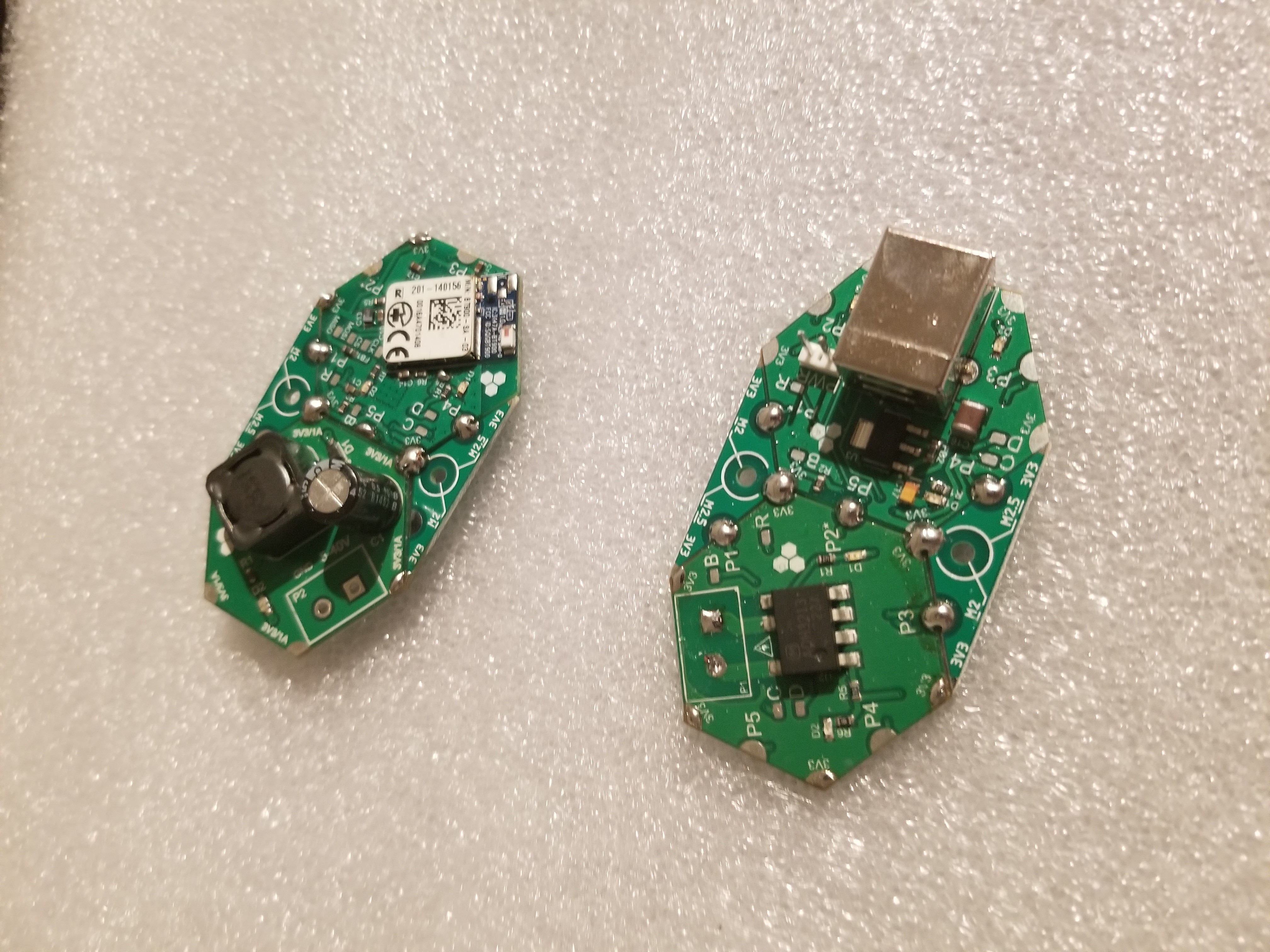
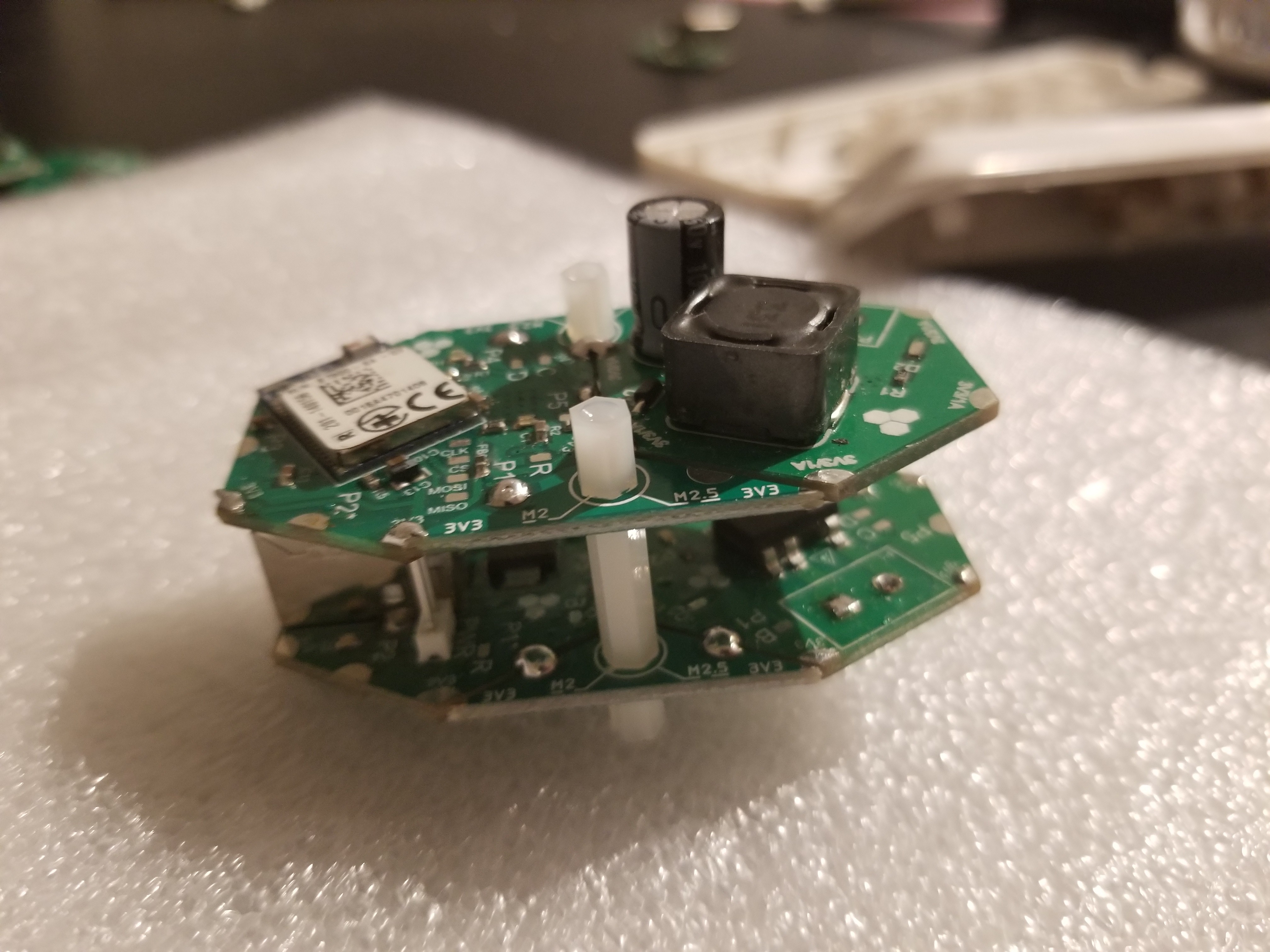
I modified two power strips. Once has the IR ToF sensor module (H08R60) to replace its power switch so that you can use hand gestures to turn on/off and the other one has a BLE and a USB modules so that you can control it via a smartphone or connect to your PC and use the CLI. Of course you need an AC relay and a 3.3V power supply as well as few mounting modules. Here's the complete list.
The USB module is optional.
Ended up using Mini USB-B module instead of the USB-B in the picture to reduce size.
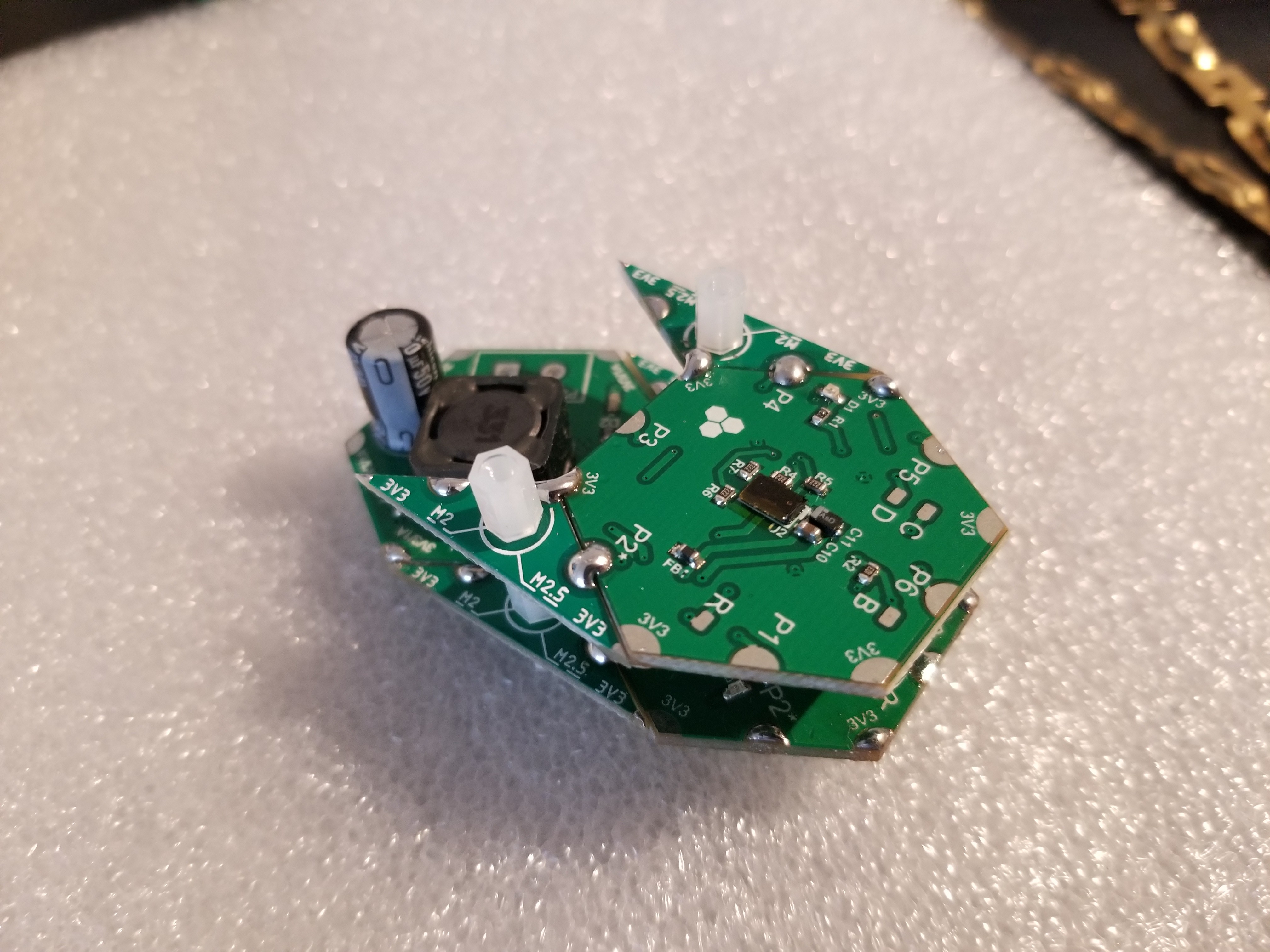
This step will require some iterations. You will need to find the best place inside the power strip and maybe remove some internal features that are blocking the modules. Remember that you can also go vertical and tune the vertical spacing based on module height, available space the way you want to access your modules, etc.

Create an account to leave a comment. Already have an account? Log In.
Not applicable. The warning needs to be on the product page for your relay module, and front and center on any example projects (like this one) that use line voltage.
This is a hobby project using a hobby and prototyping hardware. We always assume users have full responsibility of their actions and they know what they're doing. I don't think this is different from someone soldering or welding something or using the mill or the electric saw for a project. The relay module is rated up to 600 VAC max by its components and there's a warning label of high voltage but it's not a certified product since it's not intended for commercial use.
Not good enough in my opinion. Exposed 120vac is quite a bit more dangerous than soldering. You should spell out in clear terms that anyone using this product to control line voltage needs to know what they're doing, and make the warning the first thing the user reads. Example from Sparkfun: https://www.sparkfun.com/products/15032 and Adafruit: https://www.adafruit.com/product/3191
I like the colored warning labels in Sparkfun website. Hopefully we can make something similar in the future. Right now I'll add a textual warning to the page and that should do it. I'm in direct contact with all initial users who have access to our modules and I'm making sure already they know what they're doing (not targeting beginners yet). Thanks for the advice though!
Sharing a project like this in an official capacity seems like it opens your company up to all sorts of legal liability. I'm not a lawyer, but telling your customers to hack on 120vac stuff might be a bad idea. At the very least, you need a big warning in the project description about line voltage safety. What kinds of line voltage related certs (i.e. UL) do your 120vac relay modules have?
Become a member to follow this project and never miss any updates
I actually just remembered that we have a legal disclaimer at the end of this article regarding our hardware and software: https://hackaday.io/project/76446-hexabitz-modular-electronics-for-real/log/117213-hexabitz-software-architecture although I know most people don't read these things.