 kelvinA
I just found out that Creality just uploaded a rather interesting video about replacing the UV light board:
I have a feeling a lot of good information is in here. It's basically a teardown video of their moving display module. Unlike other MSLA printers, this one is designed to move, and thus it's the most compact solution I've ever seen:
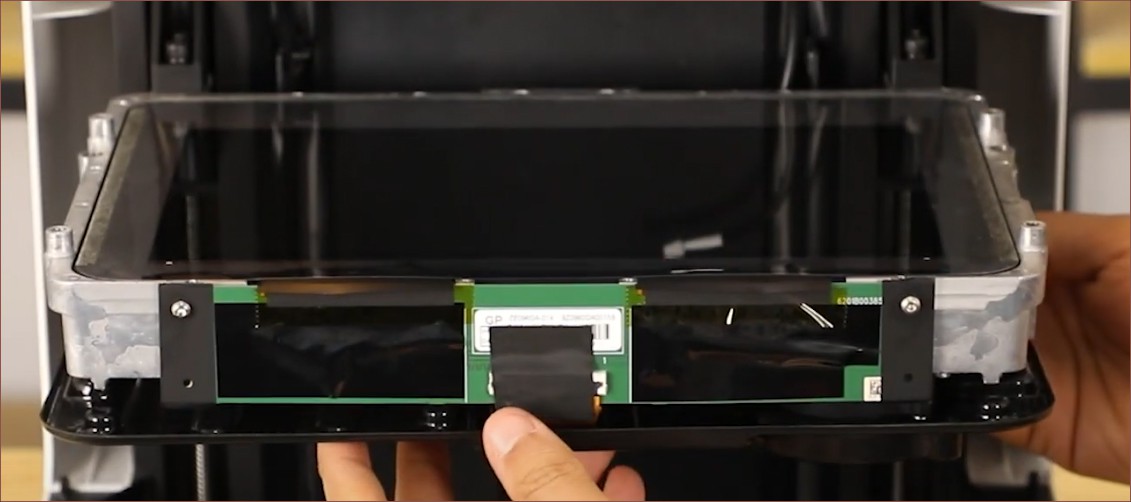
And, as mentioned in previous logs,
- the backlight has local-dimming zones for higher longevity / lower power consumption and
- the screen is both
- approximately the same width as A4 scanner sensors (the minimum for the X axis, for where an A3 is the maximum) and
- extremely high resolution, so it's more future-resistant (though unfortunately with 3:4 pixels instead of 1:1 square).
Thus, this solution feels star-aligning. The local dimming is the best part, because the whole screen wouldn't be exposed to UV when only a small section needs to be, which is a case that's even more likely with the SlimeSaver than a typical MSLA. I don't think even Creality knows just how long it will last though because no numbers have been reported.
The Y dimension of the panel is 118.37mm, so it makes the most sense for the Y axis to be 4 times that at 473.48mm since it's rather close to the 480mm I was considering. Maybe some overlap would be required and it would be closer to 472mm.
So, what's inside?
The first thing I noticed was that they're using much more LEDs for the light source than usual. I counted 19x28/9pcs on the mesh grid under the lenses to block LED light from straying away. There's only 92 dimming zones, so there is likely some electronic reason why the engineers couldn't've done 542 zones. The product page claims 6.5 mW/cm2, which is more than double that of the Anycubic Mono 4.
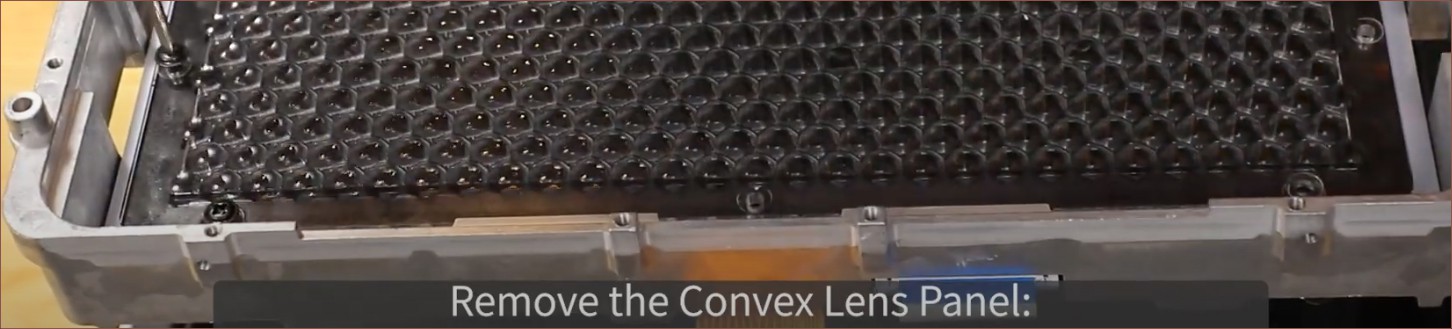
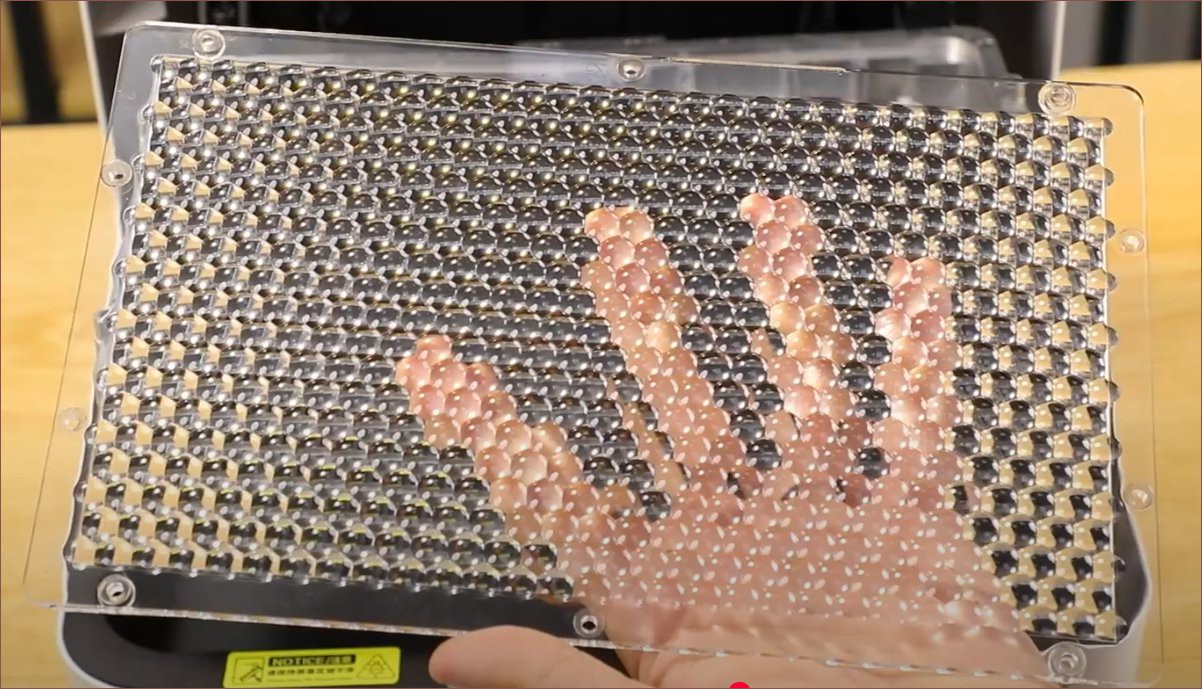
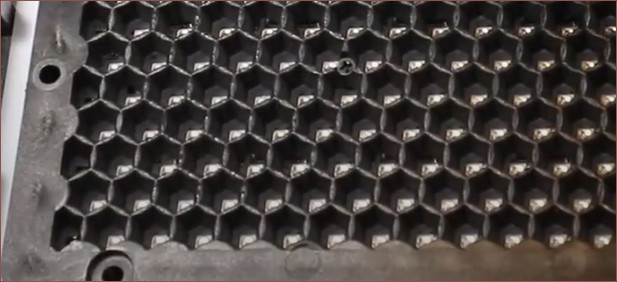
I'm also starting to notice that more printer manufacturers are starting to incorporate cast metal (aluminium perhaps?) into their products:
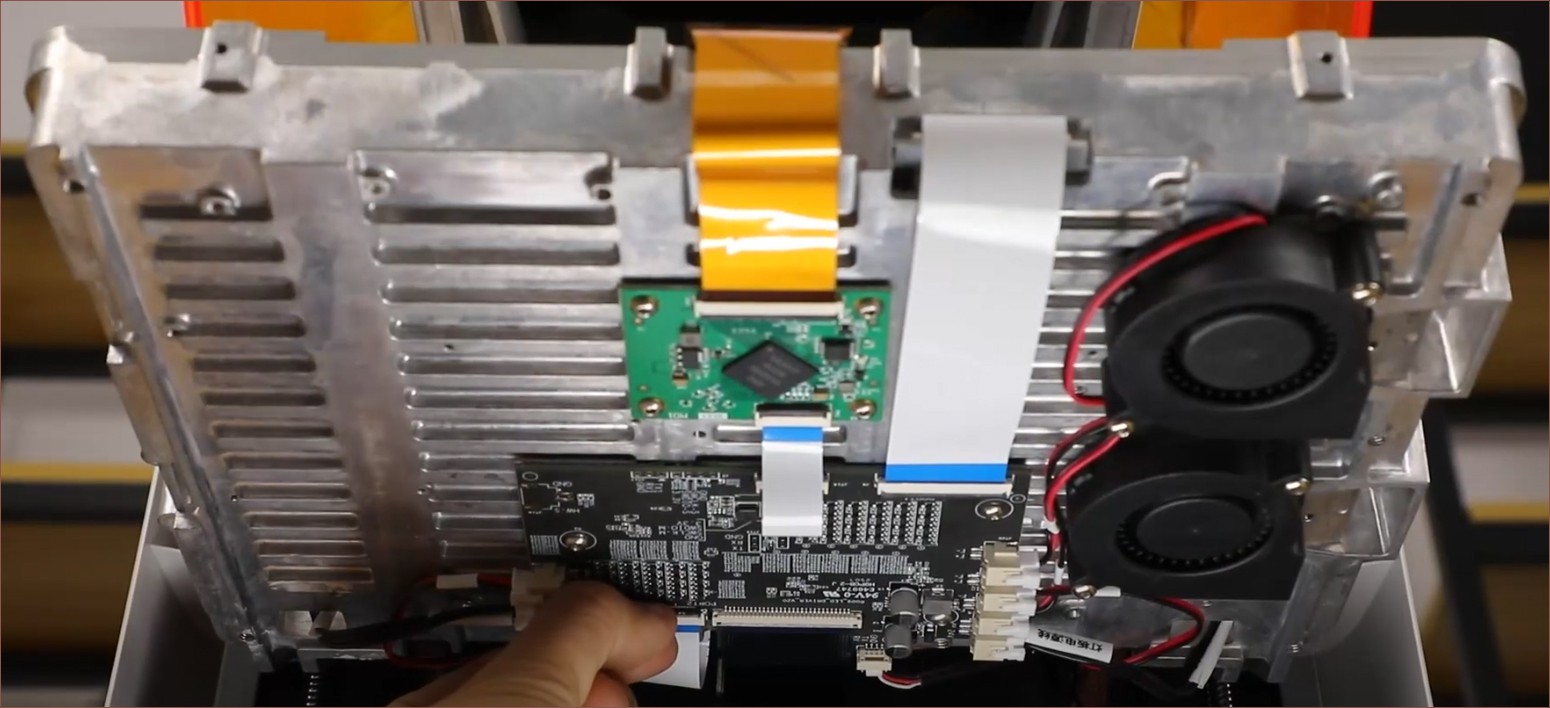 I believe it's also used as a bit of a heatsink as there are fins in it. There are also two blower fans; could they be curving around, or are they to exhaust the warm air? The product page suggests that they use the heat energy to warm up the enclosure.
That orange cable goes to the LCD. Interesting that the signal goes through 2 different boards, with the input being notably smaller. Perhaps it's something like eDP or HDMI that is then converted to MIPI for the screen?
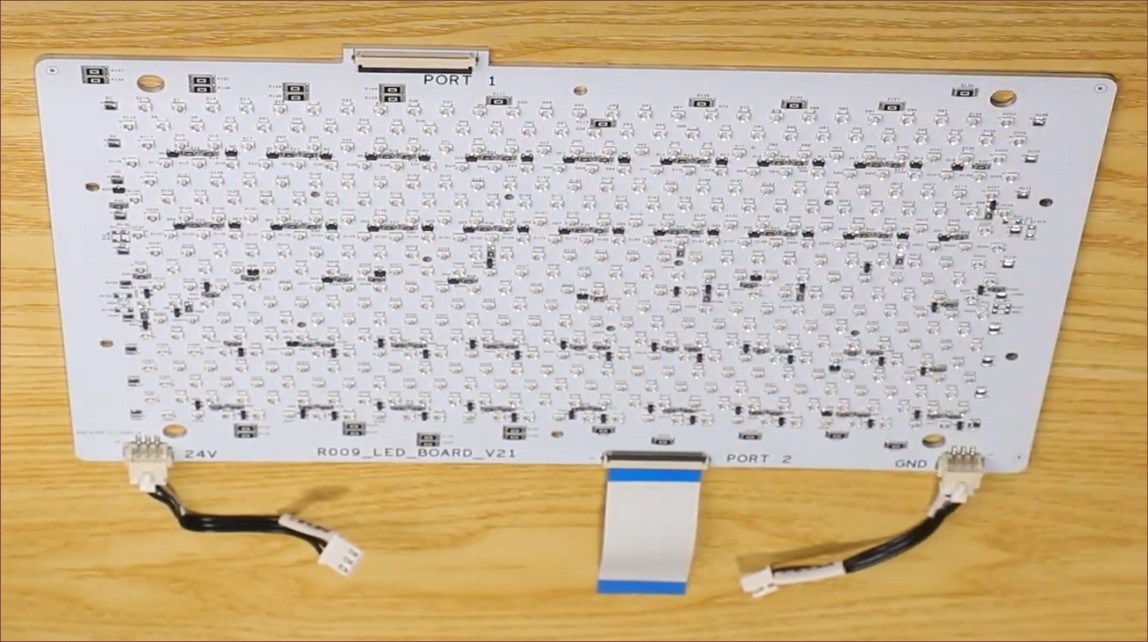 Seems that the LEDs run on 24V and there are 2 ports on opposing sides. Perhaps the electrical path goes through one and out the other? Maybe each port controls half the board? this is an aluminium-backed board, so Creality is likely limited to a single layer, though I do wonder if any of those larger resistors are 0 ohms to jump over tracks. The board is certainly a lot fancier than what I had in mind, which may allude to the reason why it says V21 on the bottom.
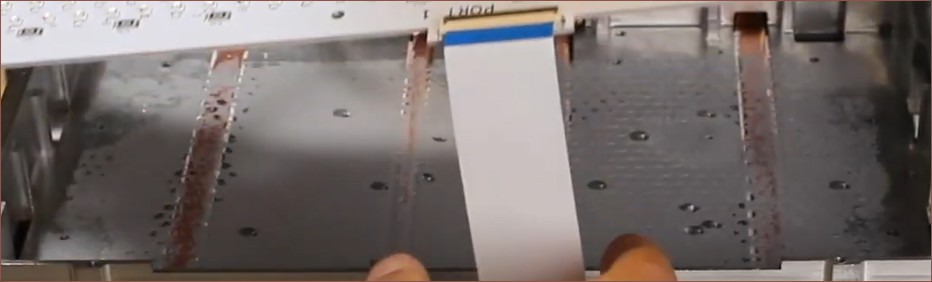
There also seems to be some copper (heatpipe?) rows that leave and go somewhere:
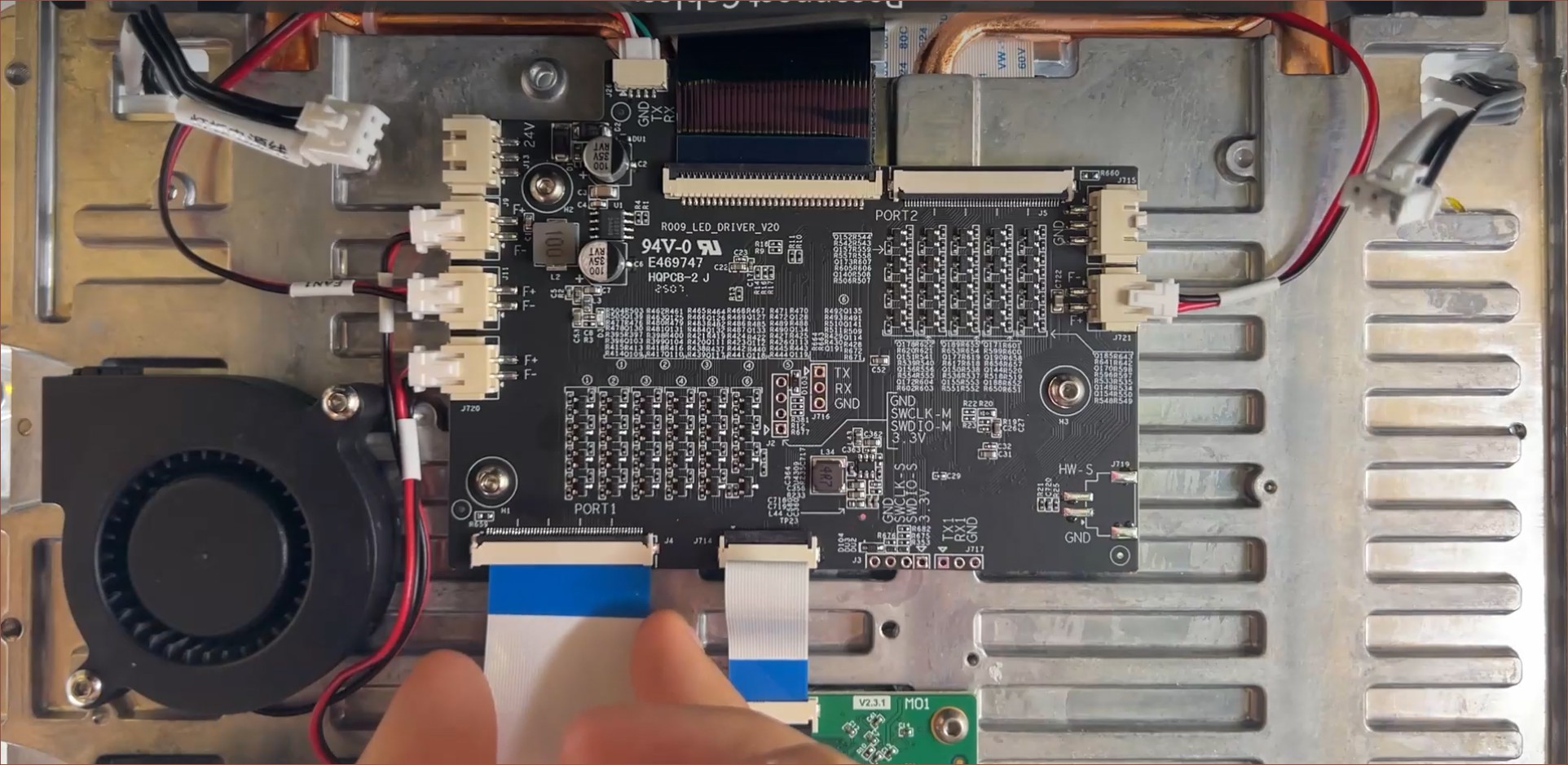 At least this angle allows for a better look at the control panel. The 4 fan ports are obvious, but all the tables are unfortunately a bit more cryptic to me. I think, like with the Q8100-60002 scanner sensor I... still haven't talked about on Hackaday (whoops), the table is just referring to the names of each of the components in the densely packed sections. Is there some kind of regulatory or debug requirement to put each and every component name on the silkscreen? There's also some TX/RX pins; are they for a chip on the other side of the board or exposed from the input ribbon cable?
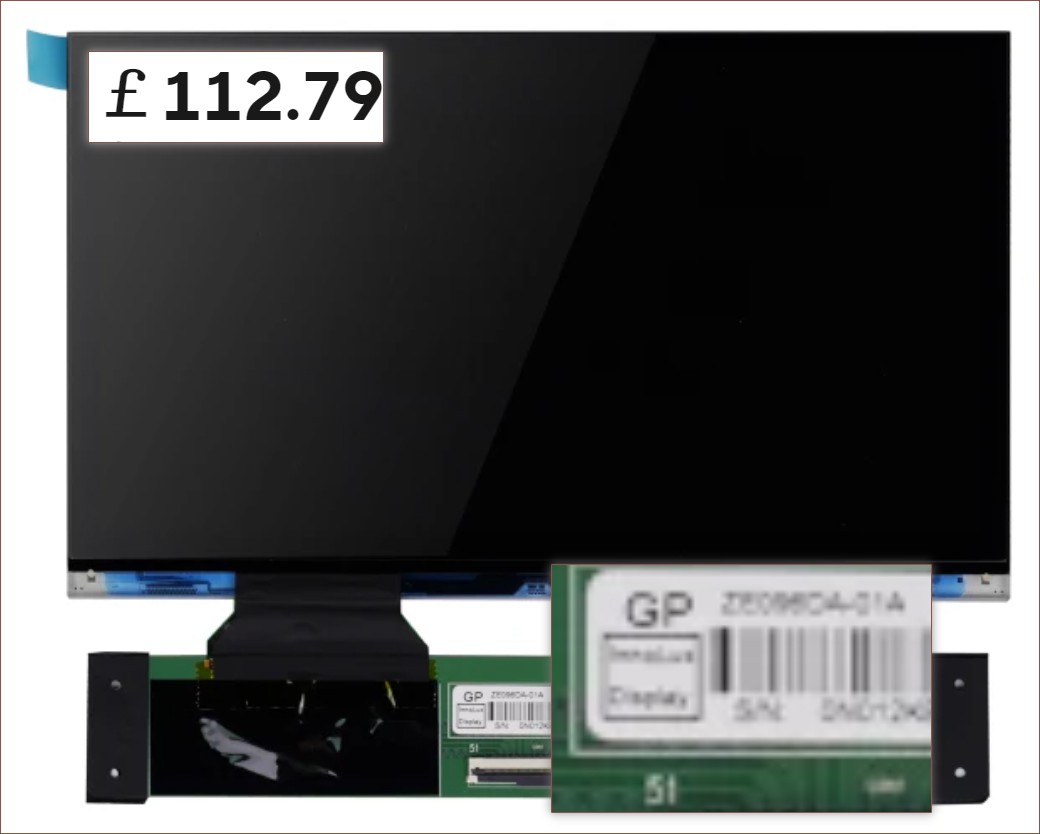
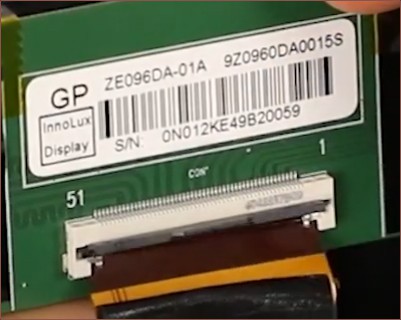 I punched in "ze096da-01a" and one promising result I got was the YI2410A0-1:
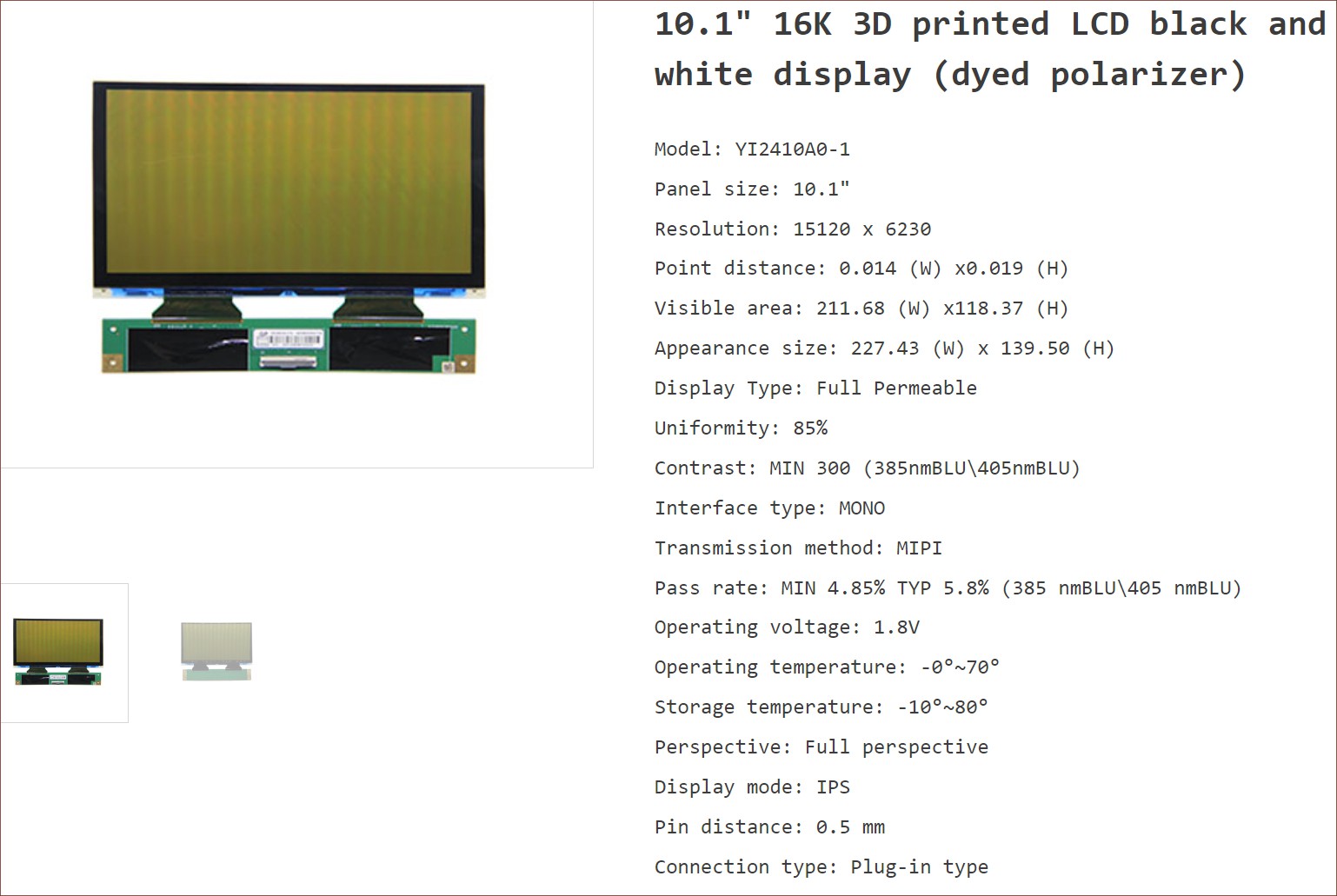 I presume that the dyed polarizer is to further improve LCD longevity? I remember seeing a screen with this tint for a 385nm printer...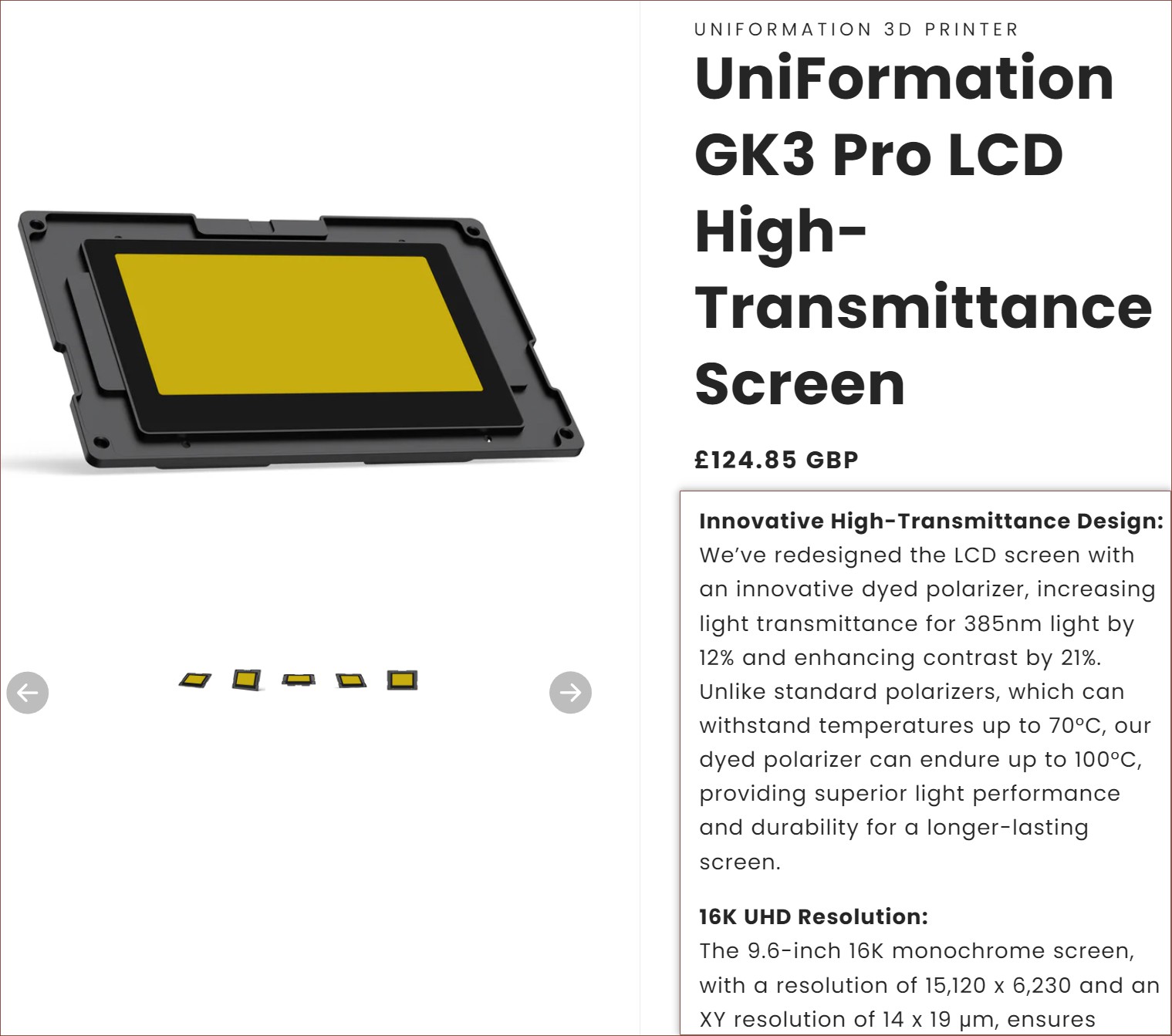
Ah. Okay. Interesting that it's the same specs other than it's advertised as 9.6 inches not 10.1. It even has the same 211 x 118mm build dimensions. I just did the calculation with the "visible area" specification and got 9.548 inches diagonal. So why does the LCD manufacturer claim 10.1 and UniFormation round up to 9.6? Maybe nobody bothered to check and it's just trickled all the way through?
It's convenient though that the lower 19um resolution is on the Y axis, because it may be possible to pixel shift by 9.5um to get even higher resolution. It's likely entirely unnecessary though since the pixel size is well below the 35um satisfaction threshold.
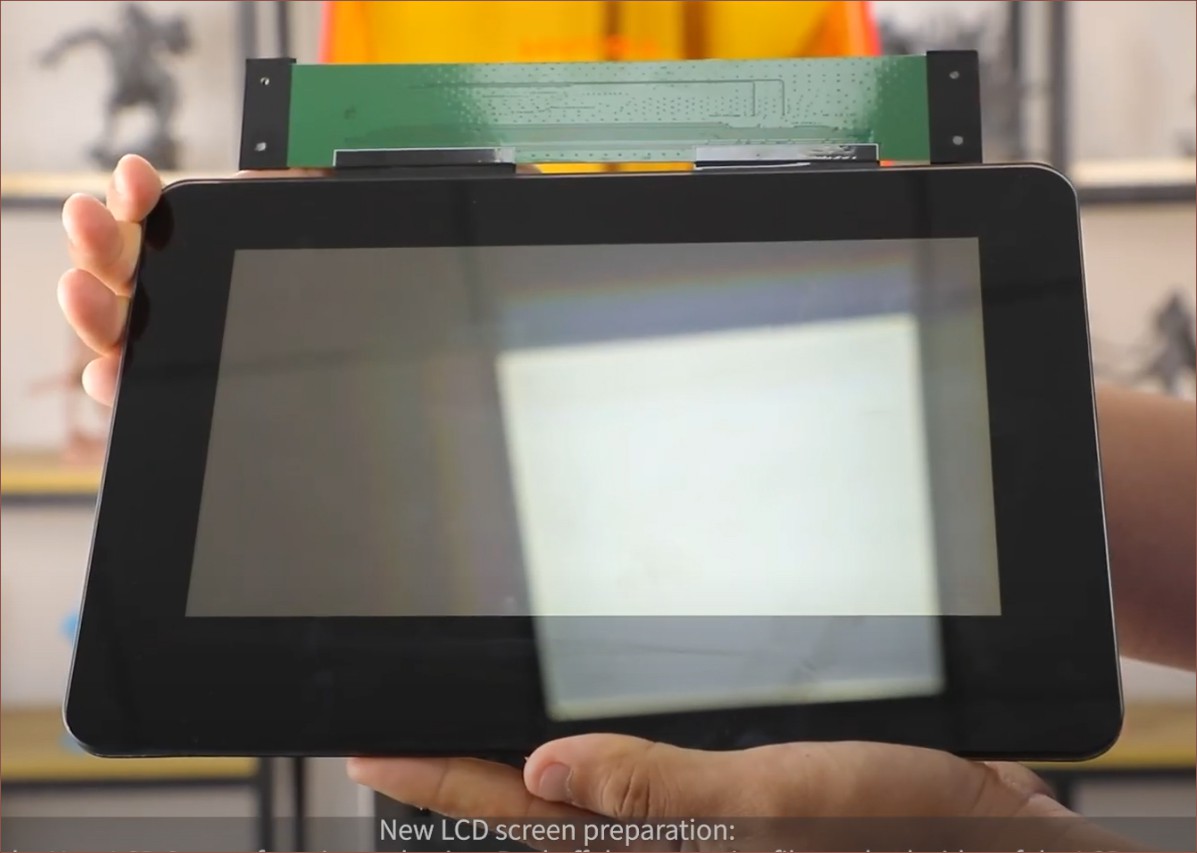
Anyway, in the Screen Replacement video, it seems that the screen used in the Halot X1 is surprisingly opaque when off:
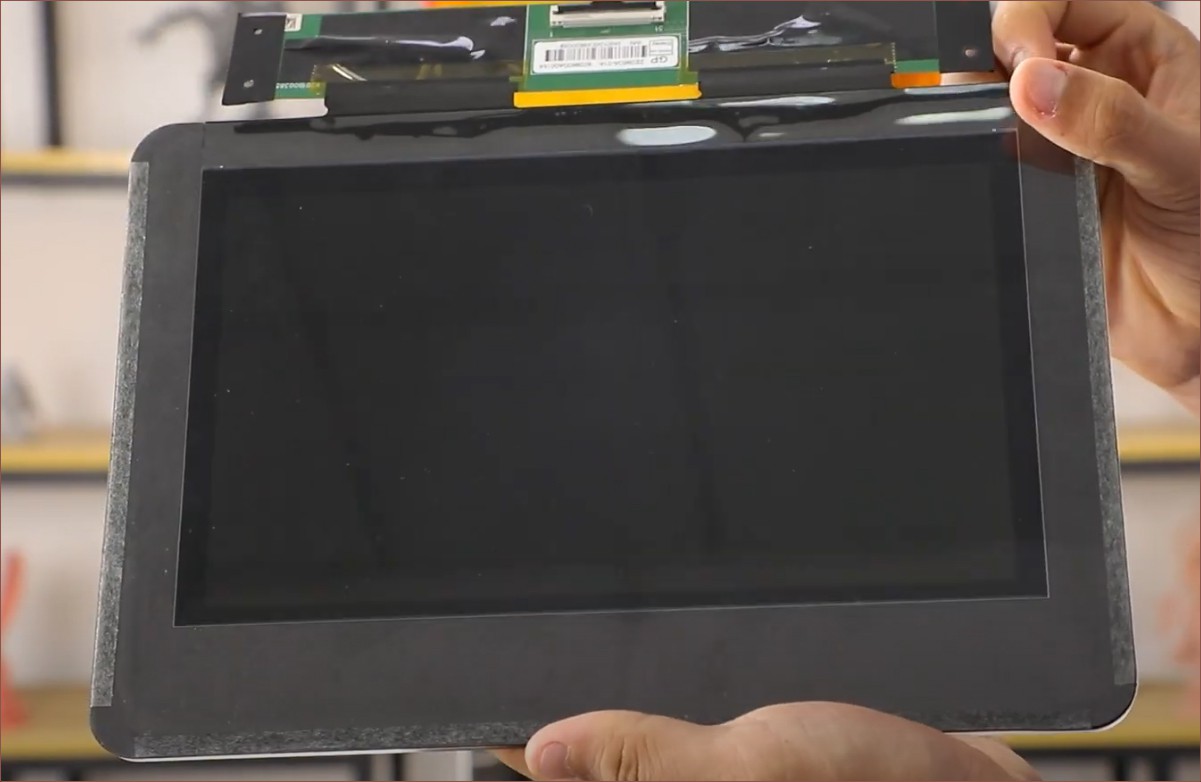
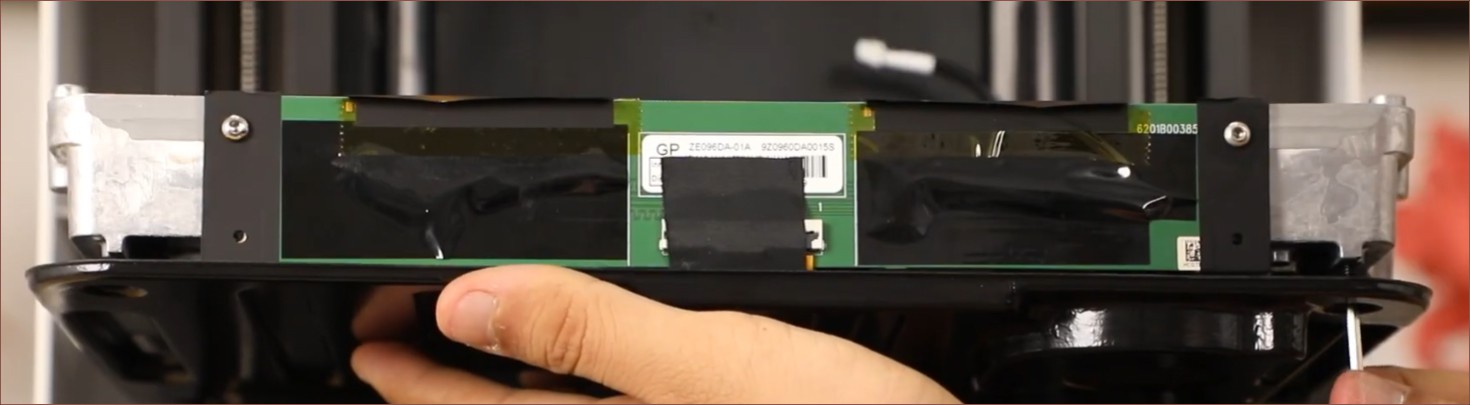
If I zoom in on the panel for the Saturn 4 Ultra, it seems that the codes match up and it's the same exact screen:
Discussions
Become a Hackaday.io Member
Create an account to leave a comment. Already have an account? Log In.