 kelvinA
Detecting if the barrel is sealed seems like most tamper-proof method of ensuring safety. This is because I remembered what was said in a BambuLab interview about the H2D:
True story that one influencer tested the printer [and] write us a message to say:
"I really want to open the door to shoot a footage of the laser engraving and I know you have some sensors on the door, so I tried my best to use magnetic to cheat your sensors, but uh somehow it didn't work. Could you tell me how to cheat the system to make the door open while the laser still works?"
and uh yeah, we place lots of sensors, you know, to make sure even if the customer wanted to cheat the system, we won't, sorry. We won't allow you to, you know, light up the laser if all these security measures are not in place.
And so, similar to encryption, whatever solution I come up with for a DIY strategy has got to be somewhat resilient to spoofing whilst the entire system is known. For example, a simple door switch can be bypassed by shorting 2 pins.
With a pressure sensor, it both detects to make sure the lid is closed tightly and if air is unintentionally getting out, making the filtration less effective. My assumption will be that anyone savvy enough to program a microcontroller to send fake pressure sensor data also knows what they're doing.
I guess trying to seal both a power inlet and pressure outport isn't too demanding. The issue is that it requires components that can move air out of the barrel and then re-equalise pressure when the print is finished, which costs money and space.
I'm also reading Electronics Protection: The Unknown Problem with Airtight Enclosures (PDF), wondering if the temperature differentials of the barrel and its environment could pose an issue, and it sounds like it. Their proposed solution was "expanded PTFE" but it allows gasses to move in and out, which defeats the whole point of the barrel.
It seems that the simple and inescapable choice is to maintain a detectably negative pressure with a compressor and electronic valve, where every 30 minutes or so, the print pauses, makes sure the air is clean and then equalises the pressure before recreating the negative pressure. The assumption is that the inside of the barrel will be hotter, thus the negative pressure will slowly increase.
Some bargain bin pump is unlikely to pass my low-noise standard, especially since the pump will be going out to 1 bar. The air pump below went up from 66 to over 80 dB when pumping into the open air:
It seems that, on the inside, a piston system is used:
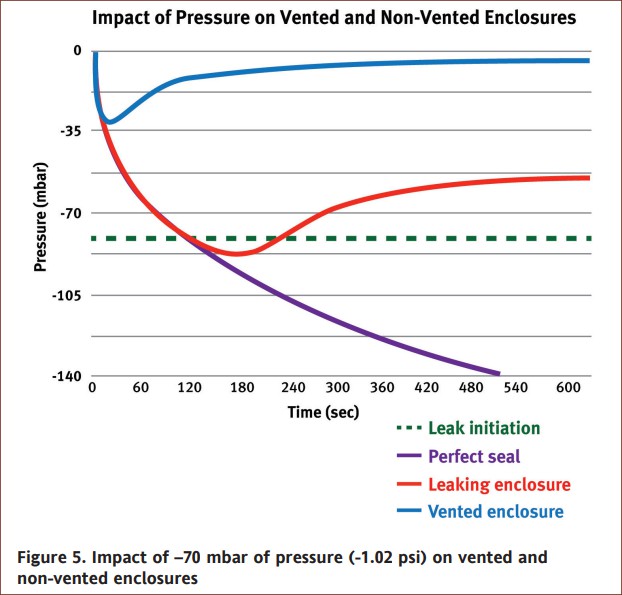
Perhaps the good old-fashioned way is to get the Y axis to push a manual bicycle pump? There was a graph in The Unknown Problem with Airtight Enclosures I mentioned yesterday where the pressure decreases and then equalises. The rate this happens will be enough to tell if the barrel is sealed enough or not.
An idea could be to have a pump that is pressed when the effector goes to the bottom, which it typically would have to do when selecting the cartridge to clear the resin so that the laser can work on the printed part.
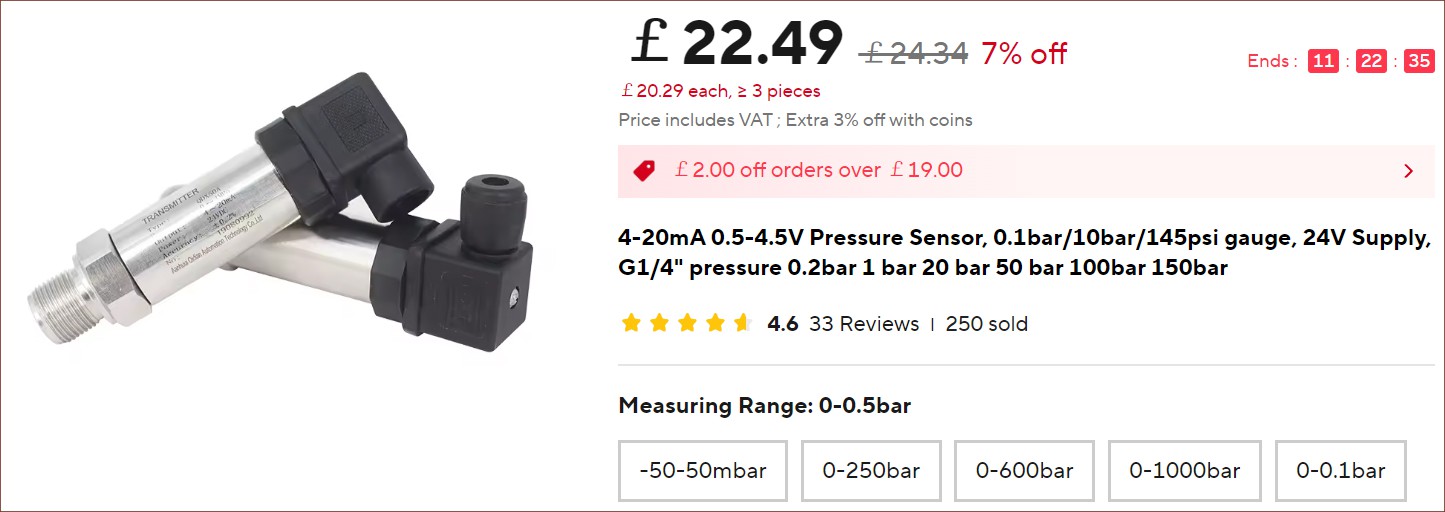
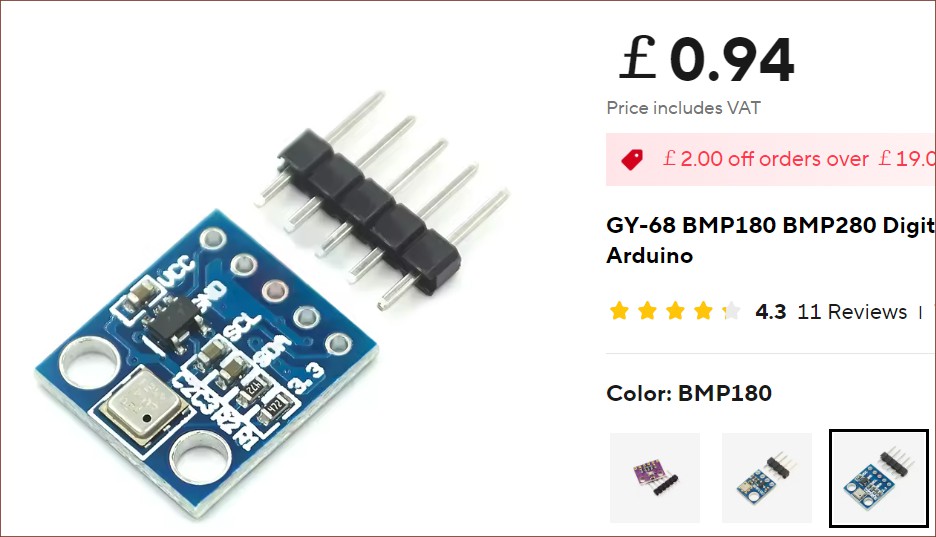
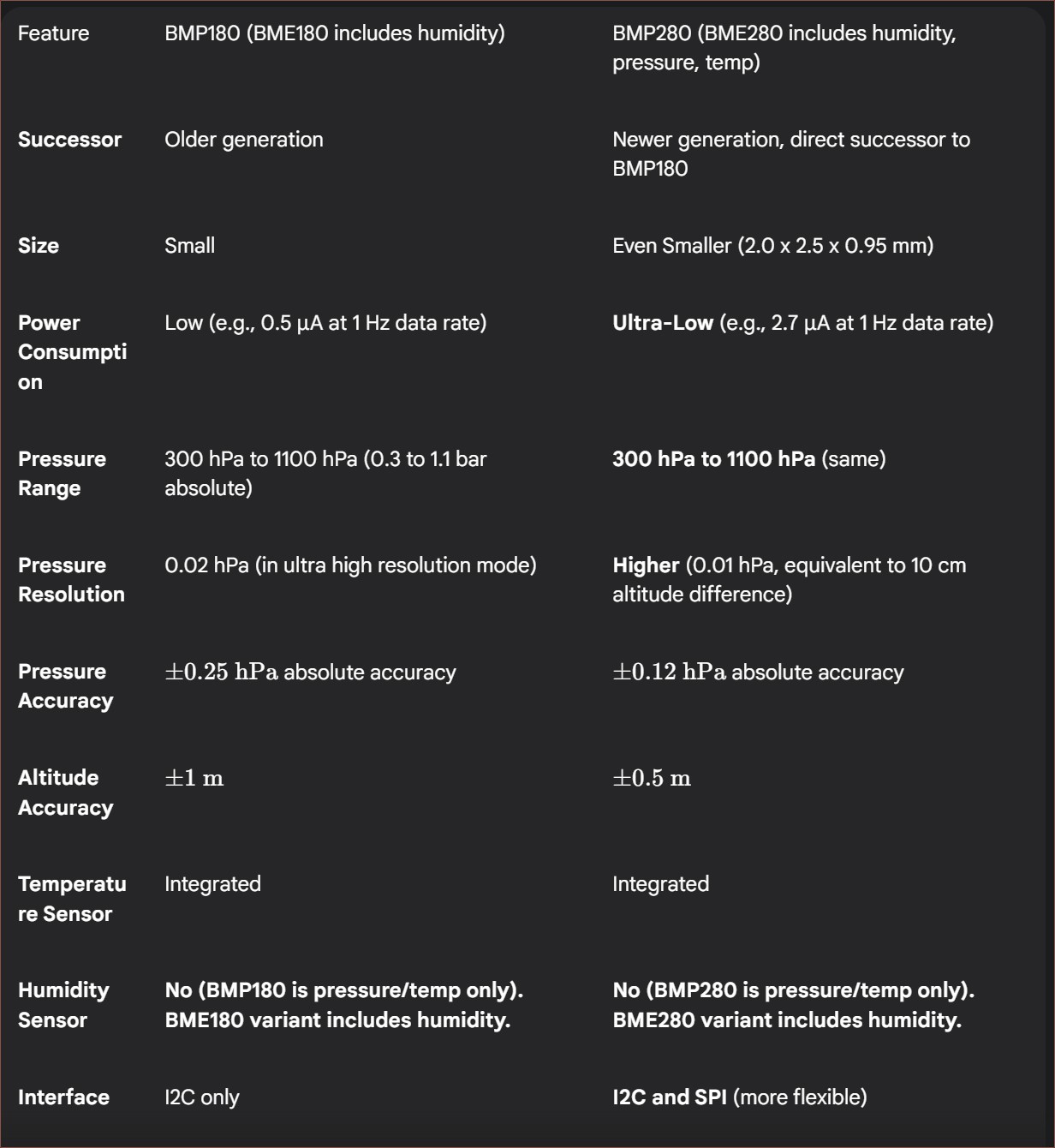
When it comes to the actual sensor, I was a bit worried when AliExpress started off with sensors costing over £20 each, but with the help of Gemini, it sounds like I should be fine with a low-cost barometric sensor such as the BMP180:
whereby
The BMP180 measures absolute pressure in the range of 300 hPa to 1100 hPa (or 300 mbar to 1100 mbar).
1000 mbar (ambient absolute) - 50 mbar (gauge) = 950 mbar (absolute).
As you can see from the graph above, the drop to -52.5 mbar
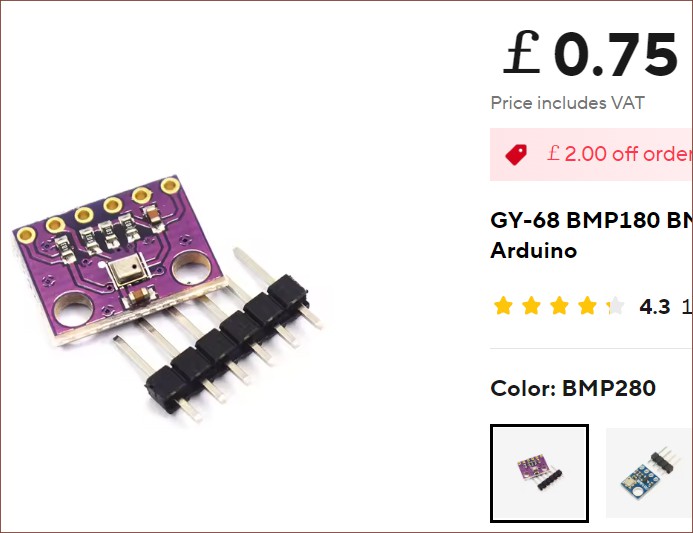
The listing also has the BMP280, which is cheaper. Turns out it's also the newer sensor with twice the resolution and SPI mode:
At the same time, it's not like 50 hPa is an incredibly large moat. It doesn't take much for the internal components to heat up the inside enough to return to 1 bar. There would need to be another pressure sensor reading the outside environment.
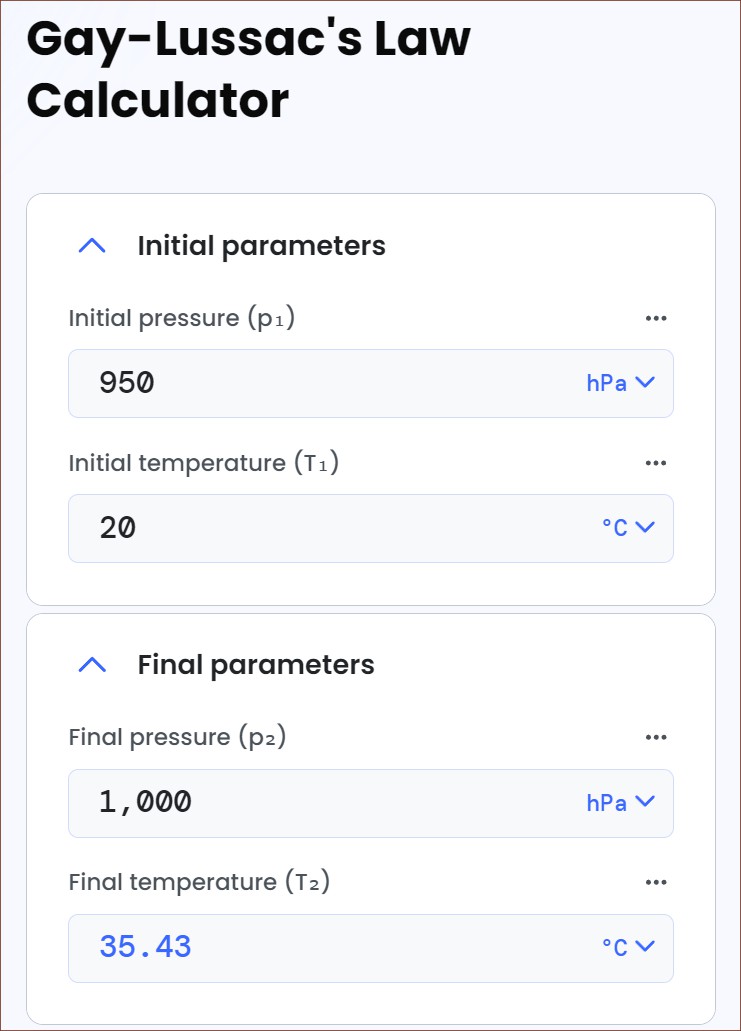
If the air is constantly being pumped out during the course of the print, it's less likely to be an issue. Gemini's expectation is that 11 litres of air would be pumped out, which doesn't sound like a terrible amount:
Let's use the Ideal Gas Law: PV=nRT. Since temperature (T) and the gas constant (R) are constant, and the volume (V) of the enclosure is constant, the change in pressure (ΔP) is directly proportional to the change in the number of moles (Δn).
Let's assume:
-- Initial Pressure (P_1): Standard atmospheric pressure, 1013.25 mbar (absolute).
-- Target Pressure Reduction (ΔP): 50 mbar.
-- Volume of Enclosure (V_enclosure): 220 L.
The fraction of air (by number of moles, or effectively by volume at the initial pressure and temperature) that needs to be removed is: Fraction Removed = ΔP/P_1
Fraction Removed = 50 mbar/1013.25 mbar
Fraction Removed ≈ 0.04934
Now, to find the volume of air that needs to be removed (at the initial ambient pressure P1 and temperature), multiply this fraction by the total volume of the enclosure:
Volume of air to remove = Fraction Removed × V_enclosure
Volume of air to remove = 0.04934×220 L
Volume of air to remove ≈ 10.85 L
As for the pump itself, it seems that AliExpress has this West Biking one for around £5:
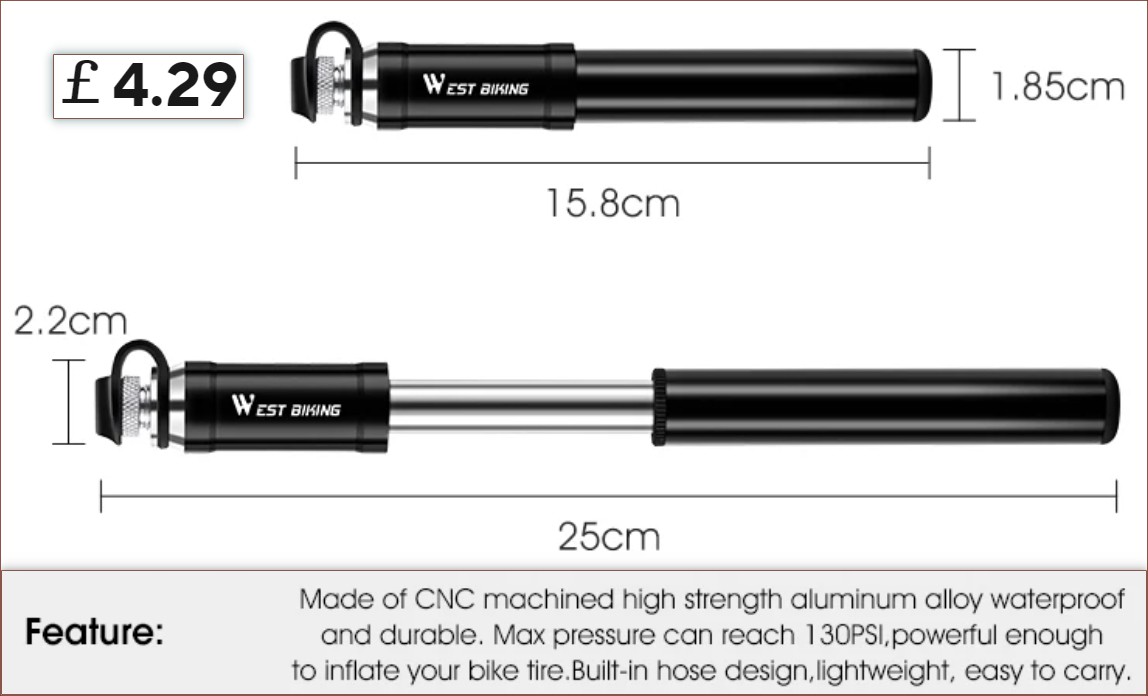
For simplicity, a spring could be placed around the circumference (like the shock absorber below) so that the Y axis can just press down on it like a button instead of having to dynamically grab the pump.
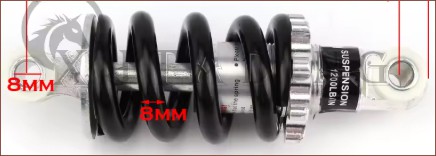
It also seems small and low-cost enough that 2 could be mounted in opposite directions so that air is pumped on the up and down stroke if needed. Actually, since the Y axis is on a ballscrew, it's probably better if they're both facing the same way -- same increase in airflow capacity, compatible with the spring strategy and also serves as a damper during a loss of power. Do spring-loaded pumps exist?
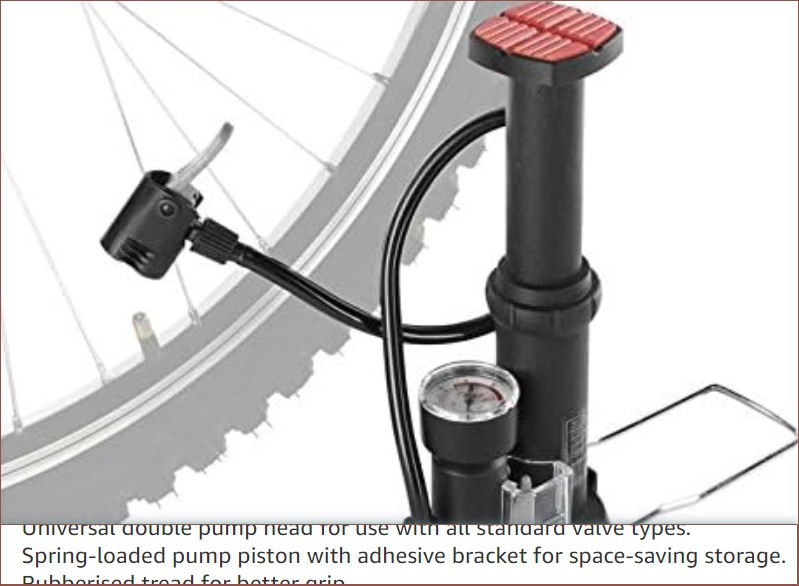
Yes. They're sold as foot pumps, typically £5 - 10 on AliExpress.
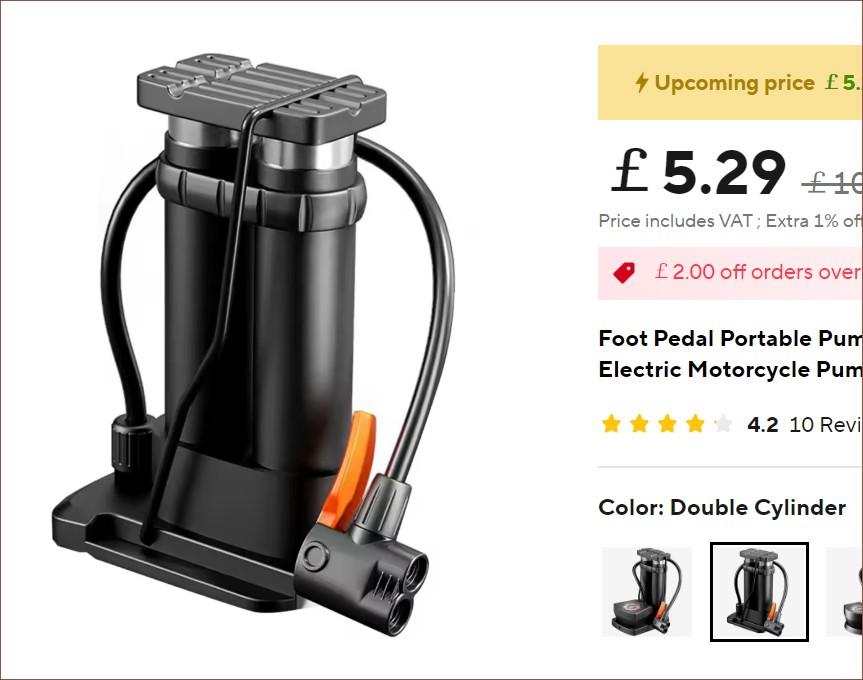
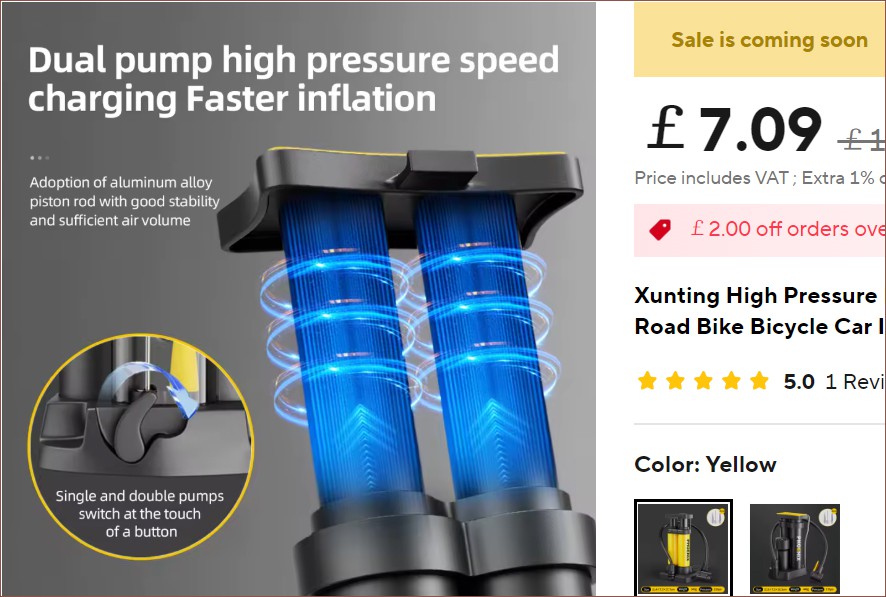
There's even one that has two pistons in one! Ok, ok, this strategy felt like a duct tape and cardboard idea when I initially proposed it but now it's making a lot of engineering sense! There's a Xunting-branded one for a £2 more that seems a bit higher quality and has a toggle for single and dual pumping (I believe it's to switch between high pressure/airflow pumping respectively):
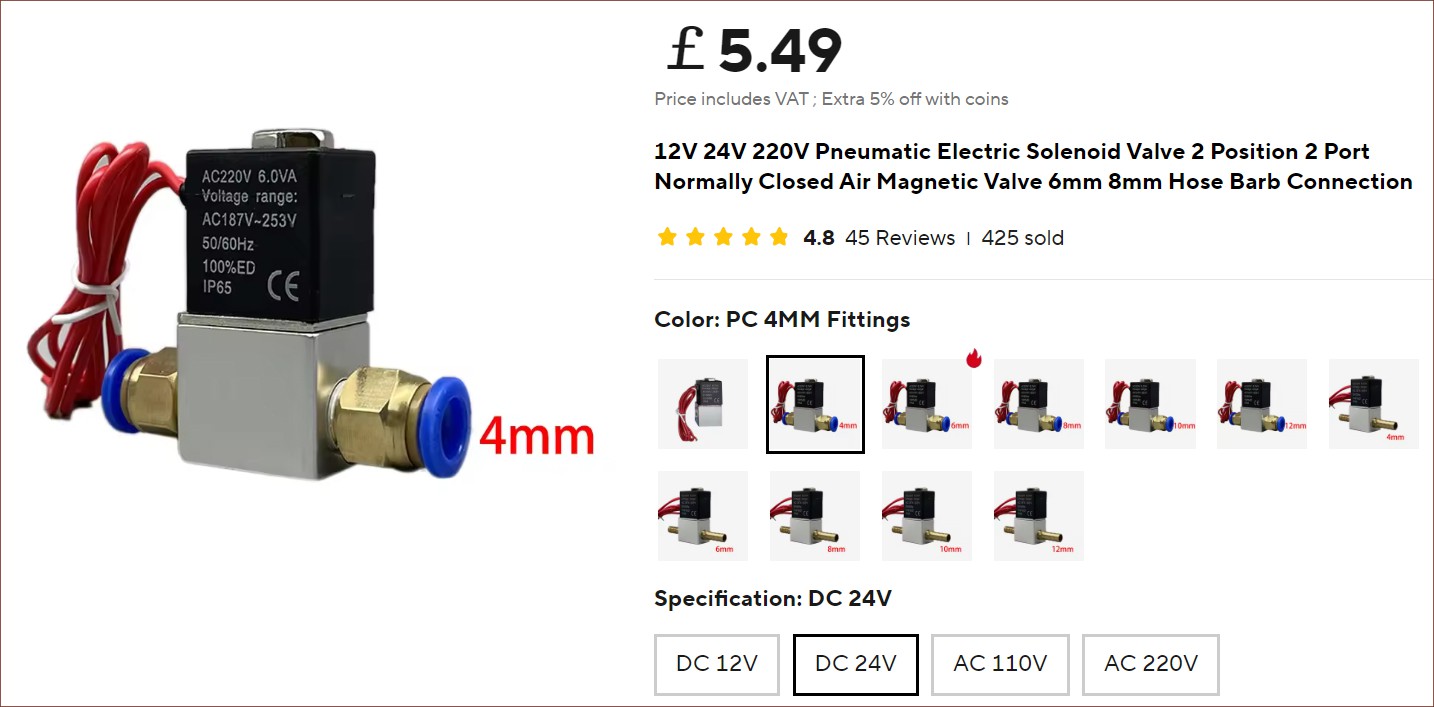
The repressuring valve seems lowcost and straightforward enough:
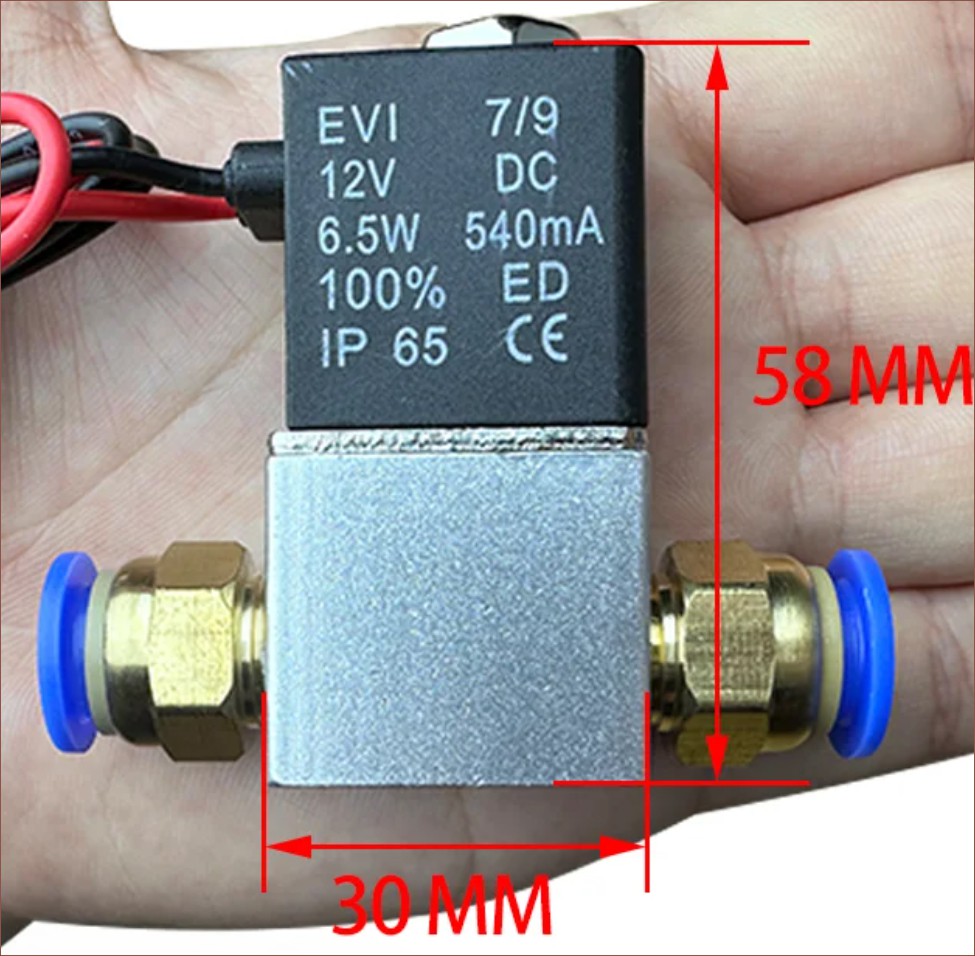
I guess the next question is how to accurately measure the outside air pressure. The cheapest way seems to have signal wires going outside through the same multicore wire as the mains coming in and have another barometer sensor out there. It's likely I'd need to anyway for things like the LED timer and outdoor VOC detection (so that the internal VOC has something to compare against).
Discussions
Become a Hackaday.io Member
Create an account to leave a comment. Already have an account? Log In.