Close
0%
0%

H1 Radio Telescope

Radio telescope design and build project

Public Chat
Similar projects worth following
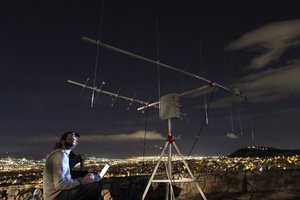
This page chronicles my personal project of designing and constructing a radio telescope to study the universe, mirroring the endeavours of NASA. It serves as a platform to share design milestones and experiment results achieved through this telescope.

PHASE 1:
Design and build the radio telescope around already existing technology. Learn and experiment with it, and get some scientifically interesting results.

PHASE 2:
Automate the data collection process. Make the radio telescope usable remotely with good reliability.

PHASE 3:
Remove part of the already-made technology, design and implement my own radio telescope hardware, and compare the results with the previous technologies.

Visit the repository: https://github.com/16mhz8bit/radio-astronomy

What's this?

Welcome to my project,

As you might guess by the title, here I publish all advancements made while building my radio telescope, a device scientists use to study the Universe in a different spectrum than the visible one.
For example, the most common use for this instrument is to get signals and data on the presence of hydrogen atoms in the Milky Way, our home galaxy.
This is possible because those atoms can emit a particular radiation at a frequency of about 1420MHz, which my telescope can capture and process.

Why?

First of all, I've been passionate about physics, engineering and astronomy since childhood and taking on engineering/scientific challenges has always been a great way for me to learn new things.
Secondly, I've been using my regular Newtonian telescope for a couple of years now, and the feeling you get when looking at the universe is just amazing. So, why not try to take another look, but in a different way?
This idea does not just come from nothing... Lately, I've read this really interesting paper called "Basics of Radio Astronomy for the Goldstone-Apple Valley Radio Telescope" from NASA dated April 1998, where lots of physics behind radio telescopes is explained.
These factors made me think I could build such a thing... so I started!
  • Two years later: I’m back (and my old feed was actually terrible)

    Leonardo03/31/2026 at 10:48 0 comments

    Hi everyone! 

    It’s been a long two years since my last update. Between university and work, this project stayed on the shelf, but I’ve learned a ton of new engineering and maker skills in the meantime. Recently, I looked back at my radio telescope and realized that with what I know now, I could build something way better than my old setup.

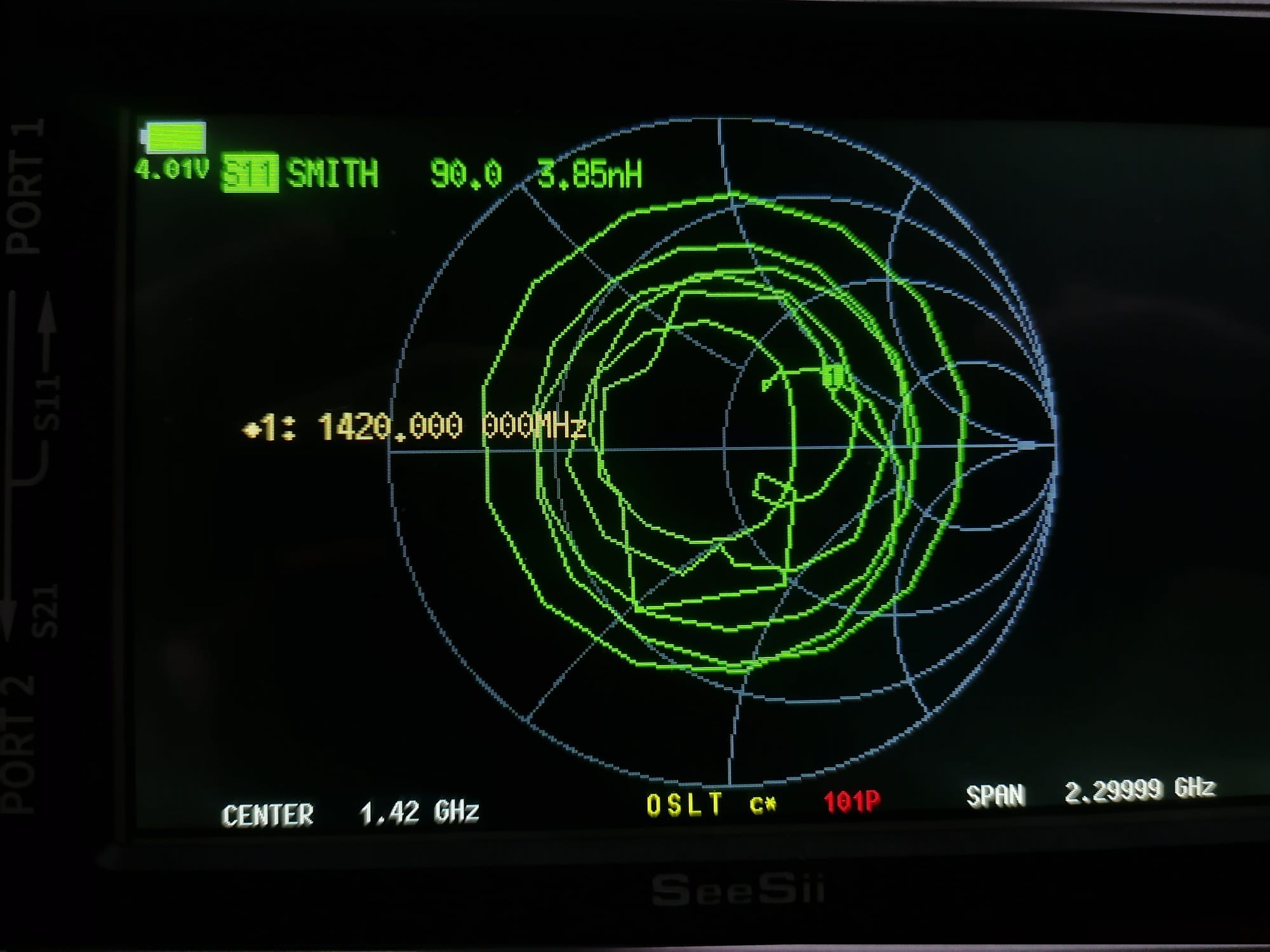
    The first thing I did was actually measure that old CanAntenna feed you see in my previous logs. Back then, I just followed the theoretical dimensions and hoped for the best because I didn't have the tools to test it. Well, I finally hooked it up to a VNA and found out it was barely tuned at all. I had an S11 of only -5dB at 1421MHz. In plain English, the feed was basically "deaf" to the Hydrogen Line. No wonder my 1.2m dish wasn't performing like it should have.

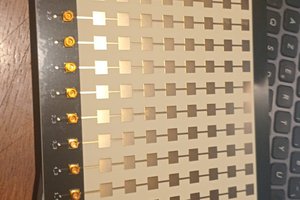
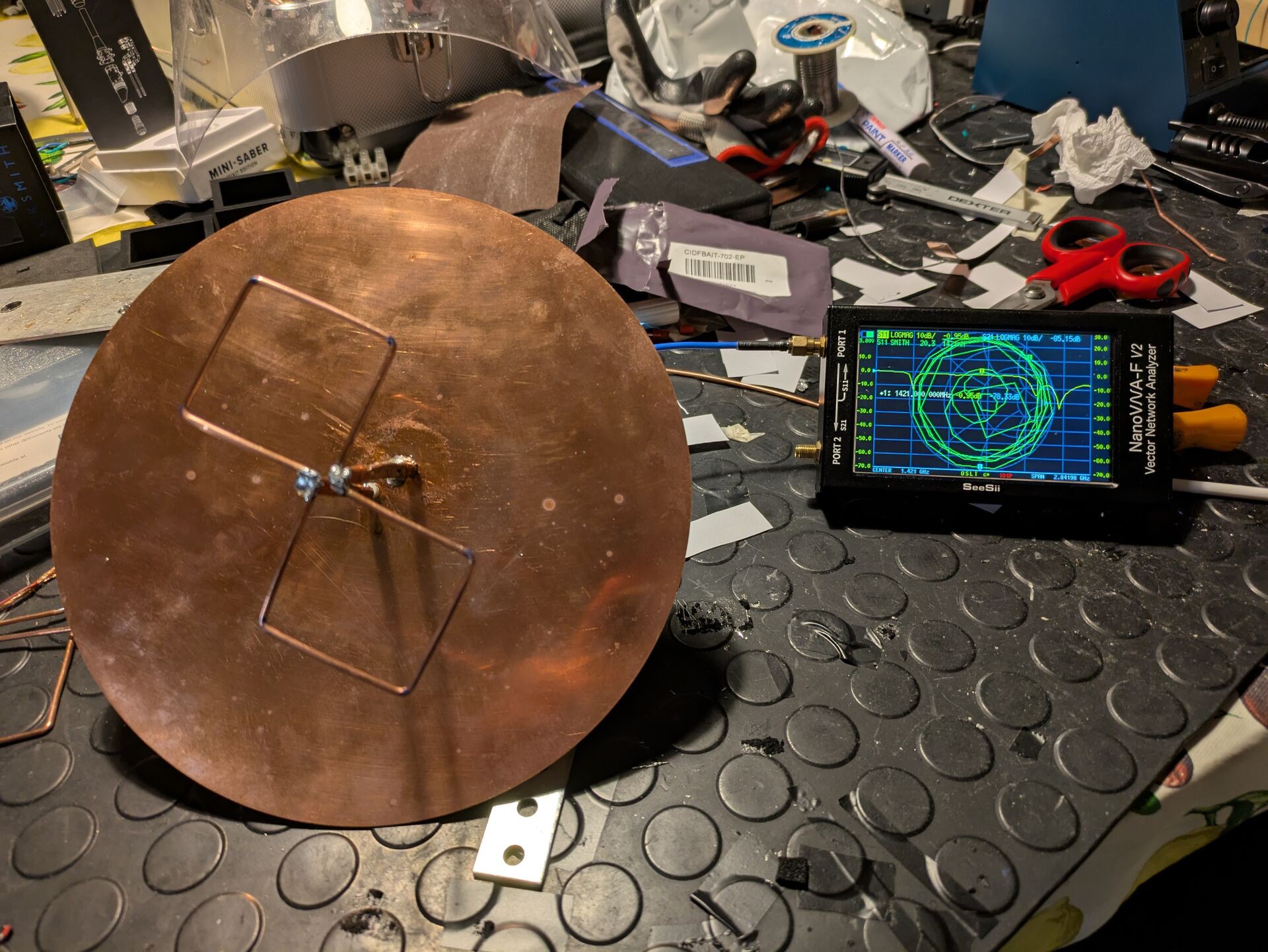
    So, I decided to start from scratch and build a Biquad antenna. I chose this design because it’s not crazy complicated to build, it performs better than a simple dipole, and it’s a much better symmetric illuminator for my parabolic dish. I also used it as an excuse to learn how to simulate antennas in MatLab. I have to tell you though, the simulation only gave me a rough starting point. In the real world, almost every dimension changed. Simulations usually assume ideal conditions with air, vacuum, and materials that just don't exist in a garage.

    I ended up building at least six different versions of this Biquad before I finally hit the right resonance frequency. It was a total grind. Some were too long, some were too short, and every time I adjusted the distance from the reflector plate, it threw the resonance off again. This whole manual, experimental process was only possible thanks to a NanoVNA. Without a tool like that for spectrum analysis, you’re just guessing. I learned that the hard way with my first antenna.

    Biquad Antenna next to my VNA

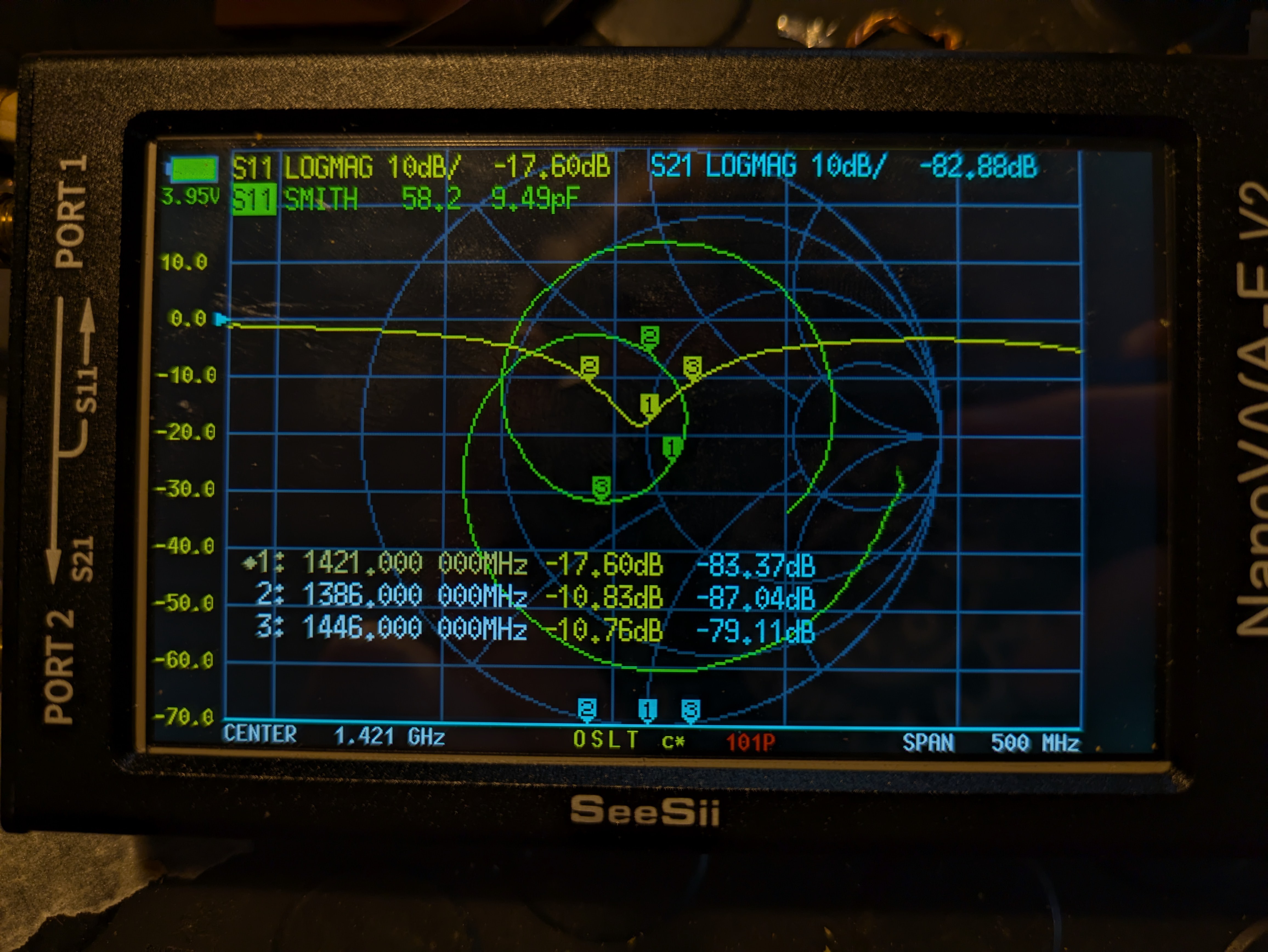
    Once I finally got the Biquad resonant at 1420MHz, I added a small microwave circuit on the back. It’s just a strip of copper acting as an impedance transformer to get the antenna to 50 ohms. This makes a massive difference because it stops signal reflections caused by impedance mismatch, meaning more signal actually makes it into the system.

    Performance of the biquad antenna on my VNA. We get -18dB at Hydrogen Line frequency, which is great!

    PRACTICAL CONSIDERATIONS

    If you're thinking of building one of these, here is my advice from the trenches. I started with the theoretical square shapes and just kept rebuilding them bigger or smaller depending on if the frequency was too high or too low. 

    Don't underestimate the distance between the Biquad and the reflector plate; moving it even a tiny bit changes the entire behavior of the antenna. 

    Also, don't bother 3D printing jigs to bend the copper wire perfectly. I tried that at first, but since I had to make so many versions, it was a waste of time. A simple ruler and some pliers work just fine if you're patient.

  • New RF Front-End is ready

    Leonardo10/02/2024 at 09:35 0 comments

    Hi there,

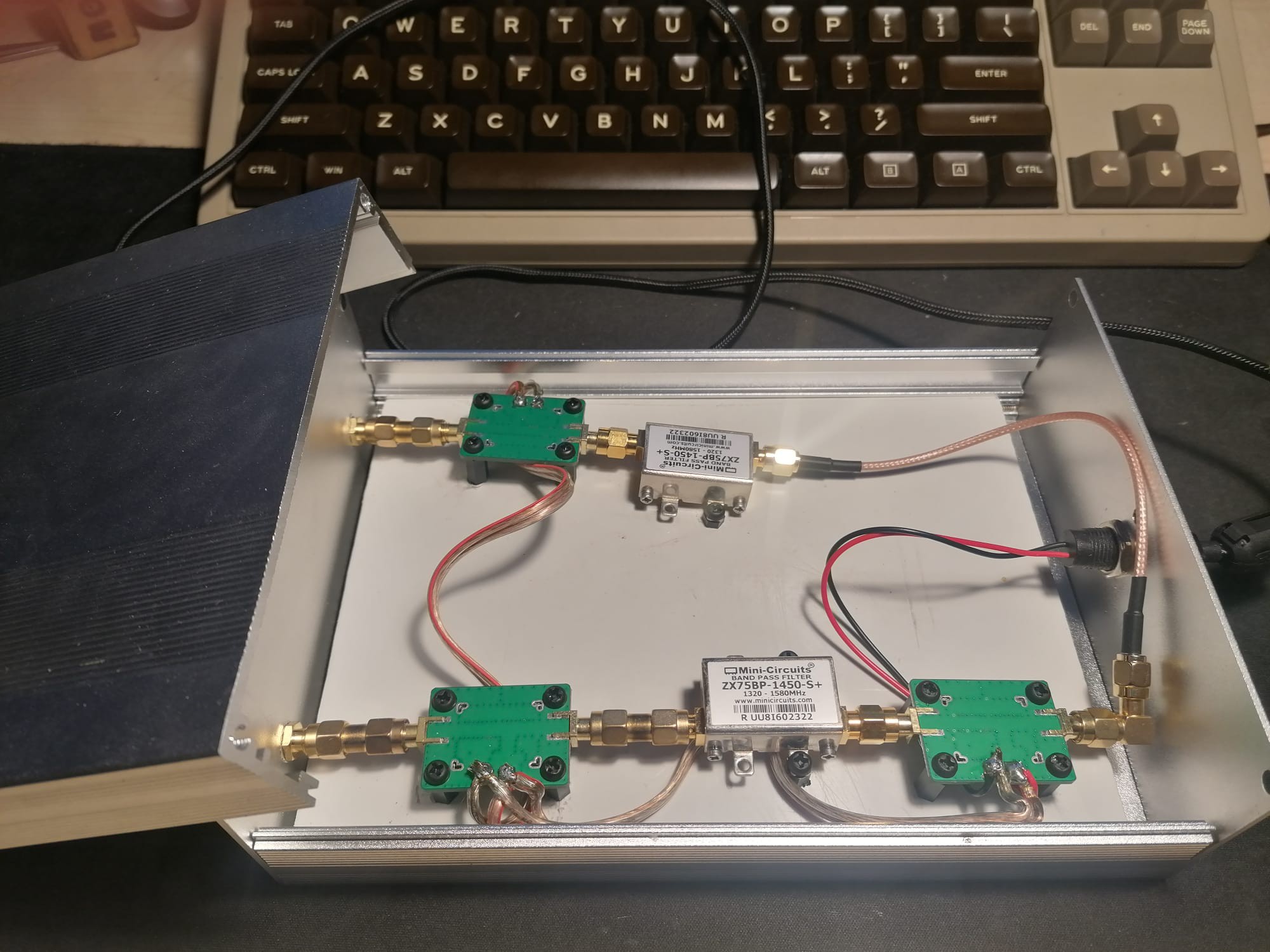
    Just finished the first version of the new RF front-end for the radiotelescope.

    Go check it out here

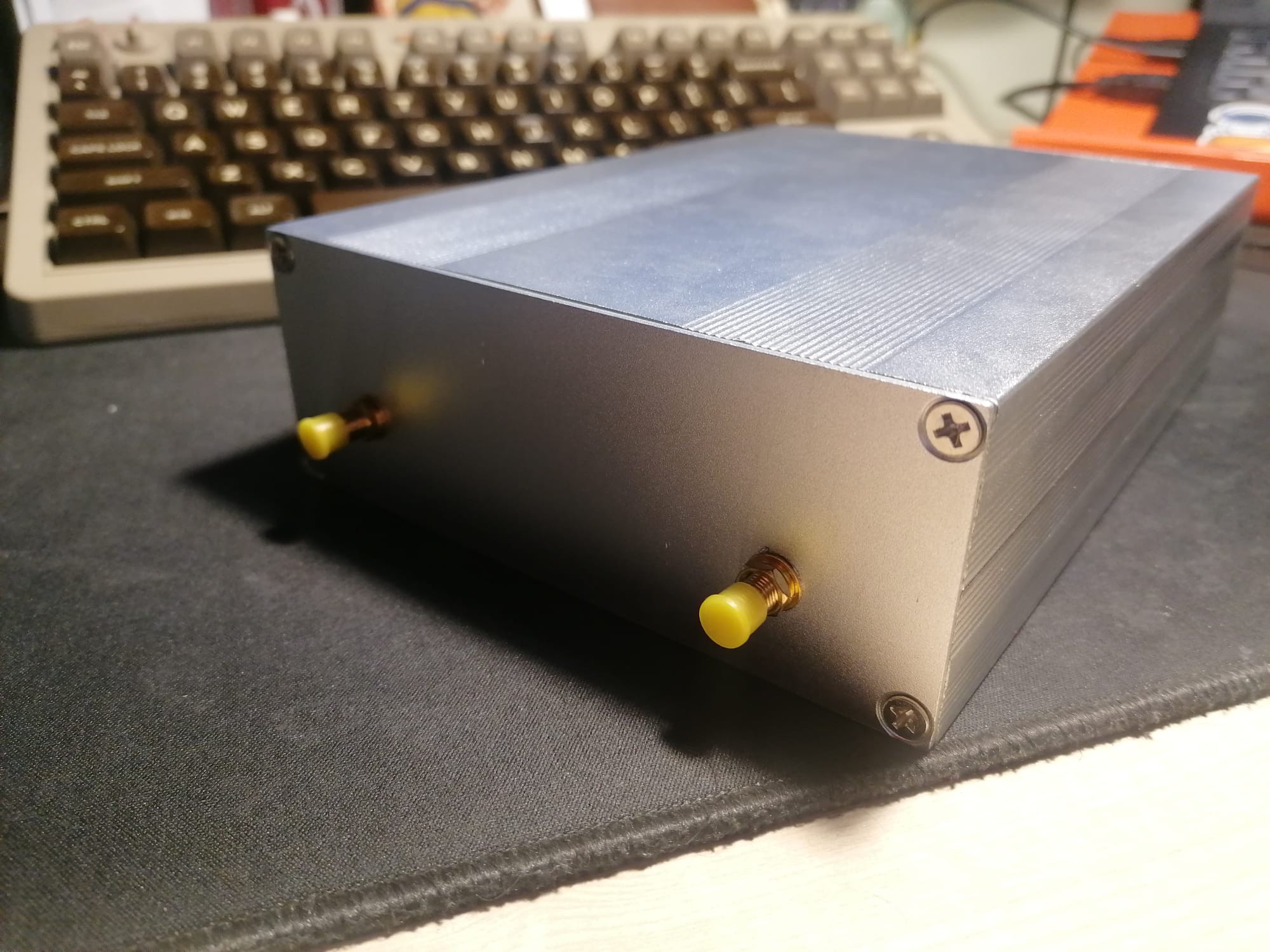
    SOME PHOTOS

  • Designing the new radio receiver

    Leonardo08/06/2024 at 21:22 0 comments

    Hi everyone,

    Just a quick update here. I'm in the phase of designing my own radio receiver, in order to remove the H1 SawBird and use my own custom hardware.

    It will consist of multiple RF amplifiers and RF band-pass filters tuned to receive neutral hydrogen radiations. 

    The design will include a metallic container for the electronics, a cooling system designed to cool down the power amplifiers during measurement sessions and a USB-C power supply port.

    I will experiment with different kinds of RF components, in order to find the correct combination for my radio telescope.

  • Designing the new radio receiver

    Leonardo08/06/2024 at 21:22 0 comments

    Hi everyone,

    Just a quick update here. I'm in the phase of designing my own radio receiver, in order to remove the H1 SawBird and use my own custom hardware.

    It will consist of multiple RF amplifiers and RF band-pass filters tuned to receive neutral hydrogen radiations. 

    The design will include a metallic container for the electronics, a cooling system designed to cool down the power amplifiers during measurement sessions and a USB-C power supply port.

    I will experiment with different kinds of RF components, in order to find the correct combination for my radio telescope.

  • HLDP: new powerful version

    Leonardo07/18/2024 at 10:01 0 comments

    Hi everyone,

    sorry for not uploading new updates on the project page for a while, but I've been busy with exams :/

    I just uploaded a new very important report about the new powerful version of HLDP (Hydrogen Line Data Processor), the software (multiple software) I've been developing for processing raw data from the radio telescope.

    I explained everything in the report and the results are really good!

    [link to github - report file]

  • First picture time

    Leonardo05/31/2024 at 13:42 0 comments

    Hi everyone,

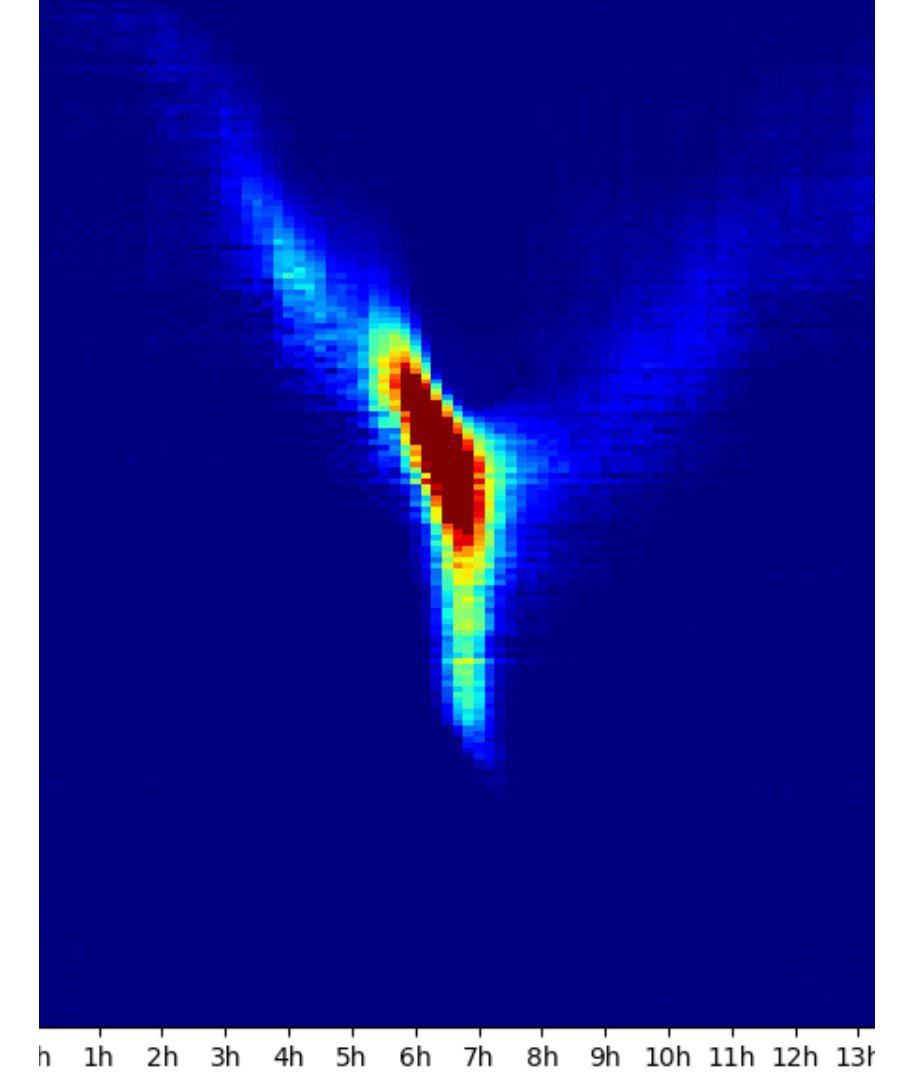
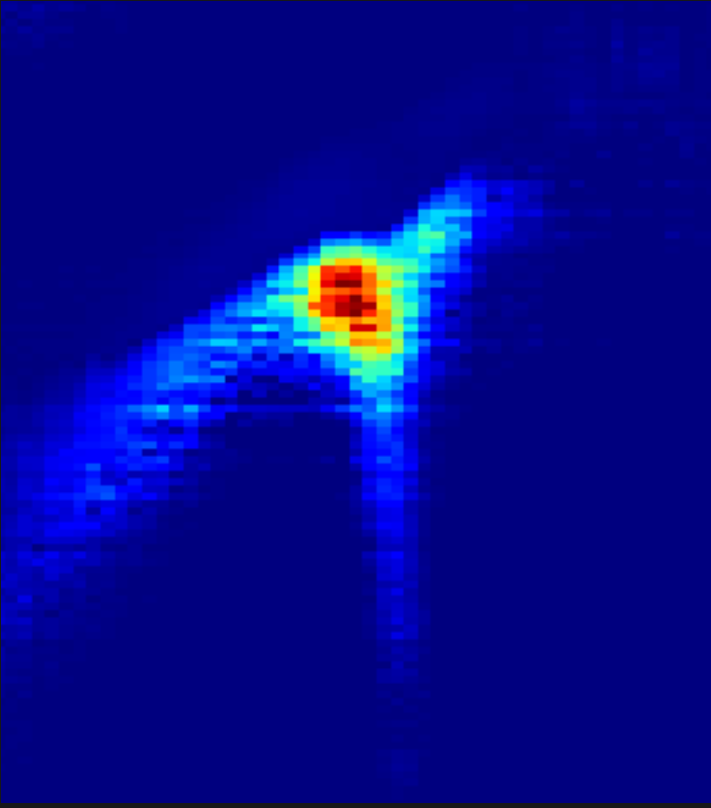
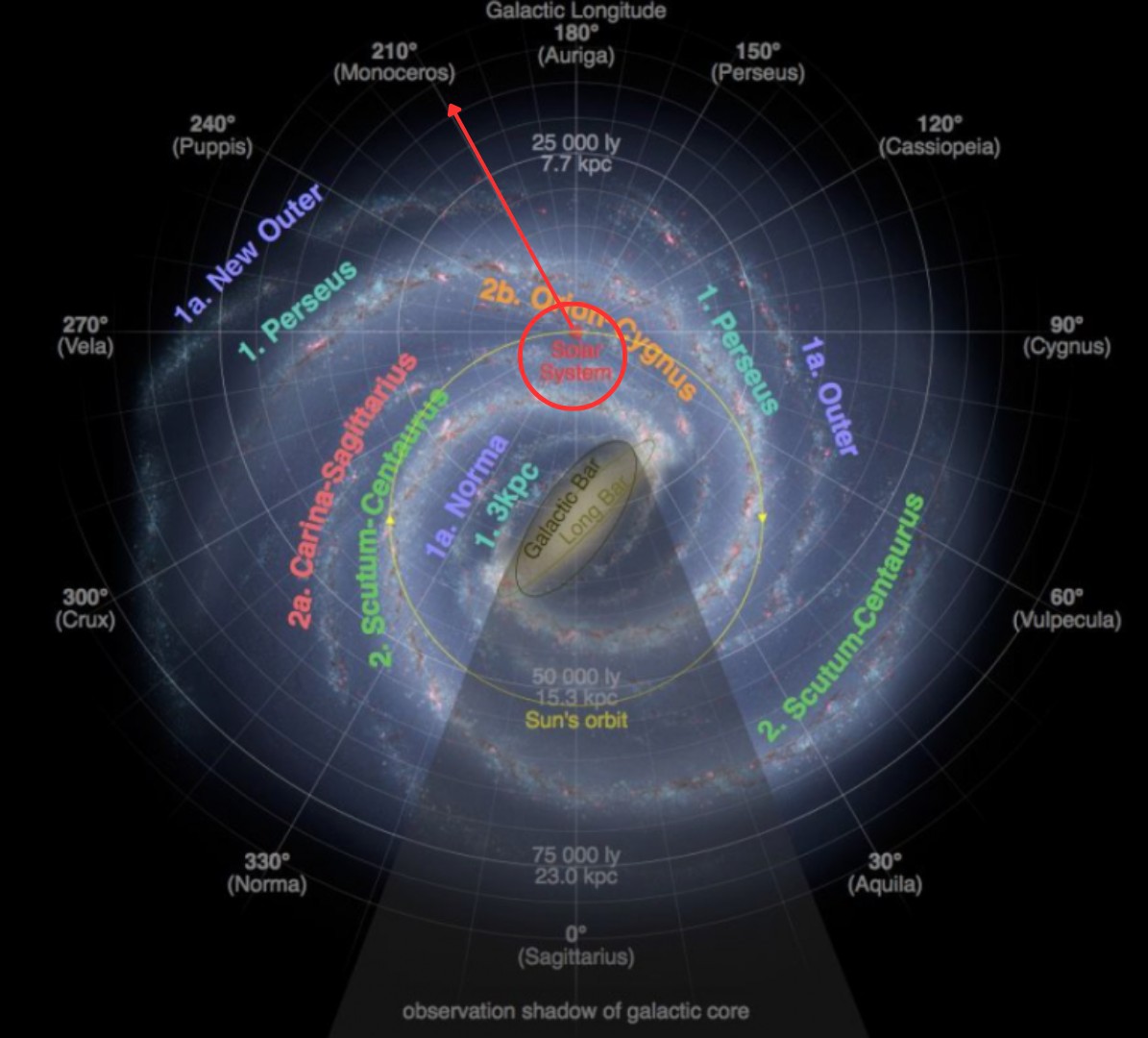
    I just wanted to let you know that starting tomorrow I'll start collecting data for creating my first image of a part of the MIlky Way, the Perseus Arm.

    Stay tuned.

  • 24 hours experiment concluded!

    Leonardo05/27/2024 at 20:37 0 comments

    Hi everyone,

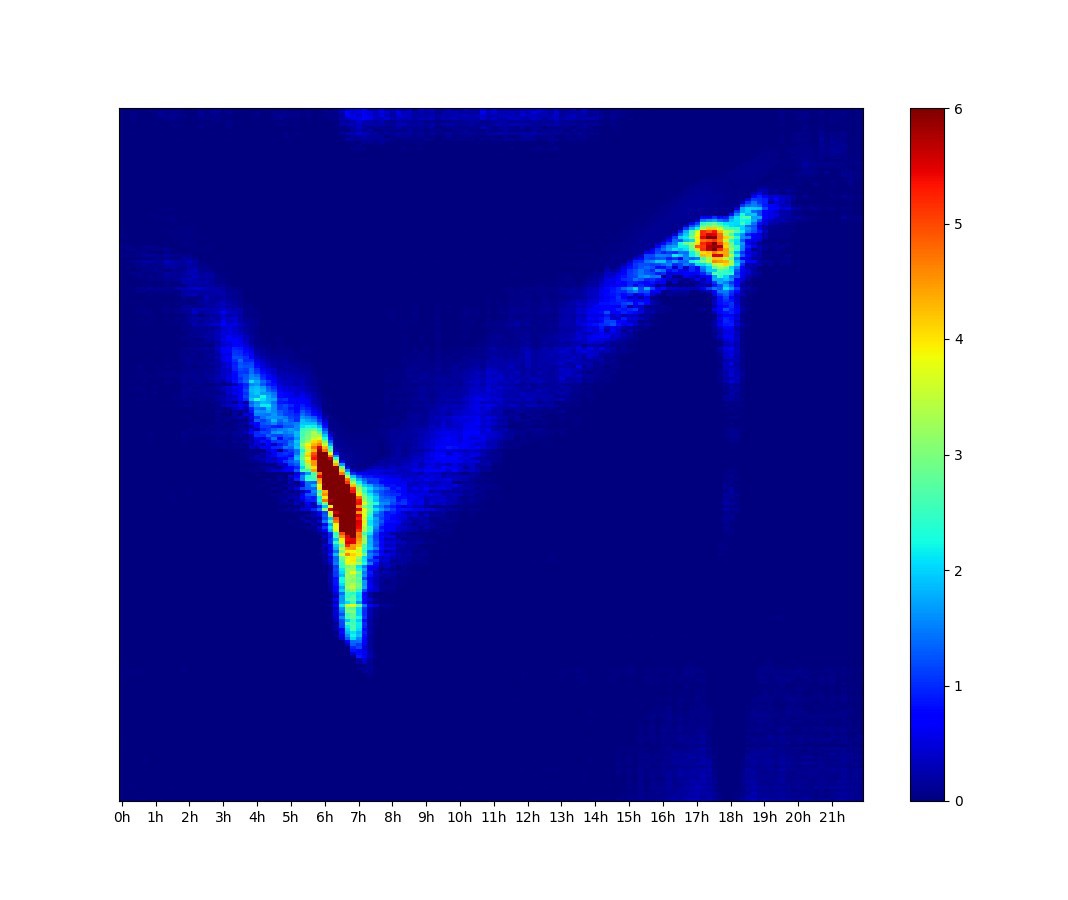
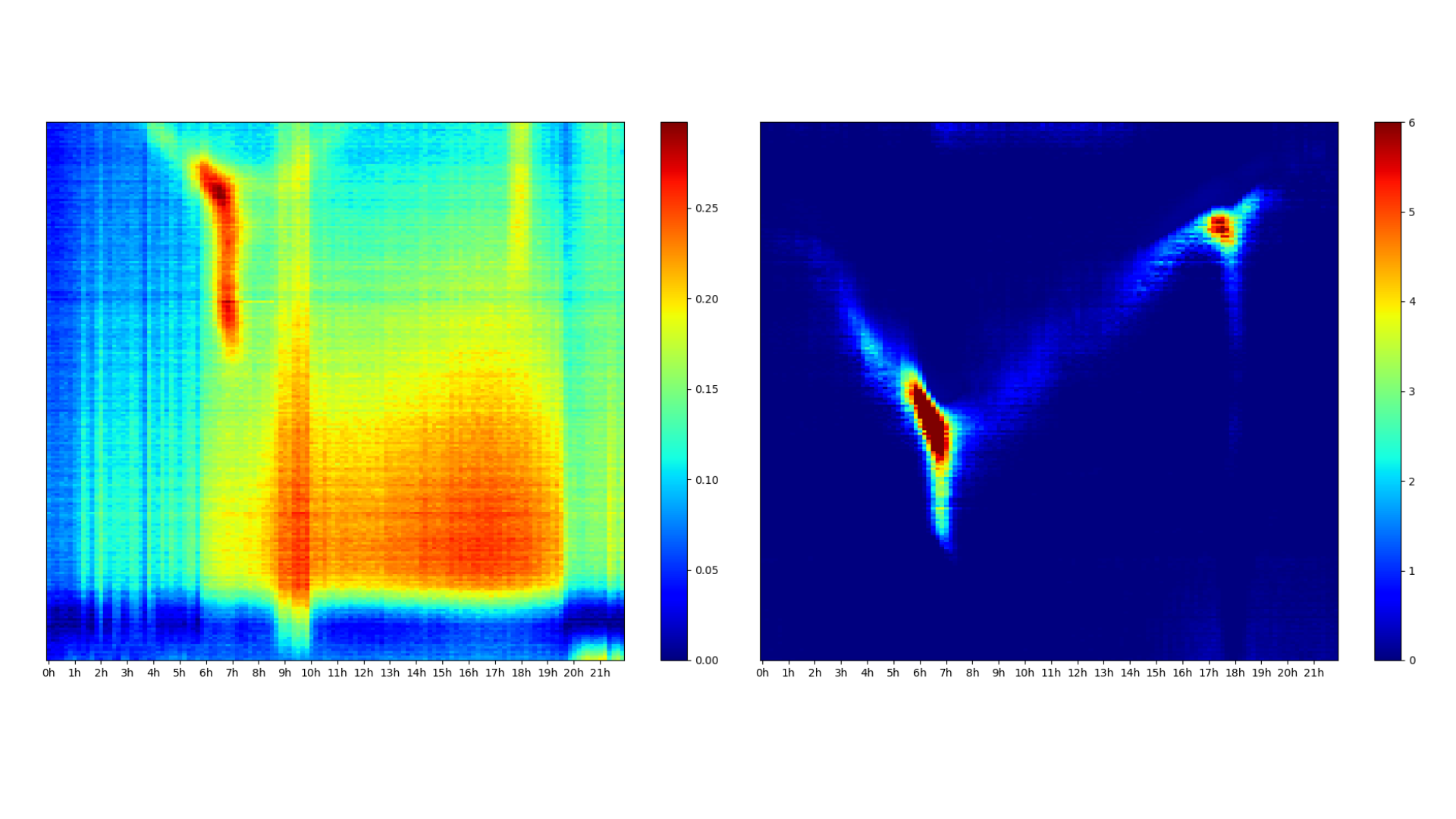
    I just uploaded the report on the 24-hour experiment where my radiotelescope gathered data for an entire day, achieving really good results.

    In the report, you can find insights on the new code I wrote for data analysis.

    Go here to read the complete report.

    EXPERIMENT GALLERY

  • Data gathering time

    Leonardo05/19/2024 at 20:45 0 comments

    Hi everyone,

    just another quick update.

    I've been experimenting with the radiotelescope and writing some interesting code to collect data autonomously over time.
    I already have some really good results! I will share them as soon as I write the complete report.

    Additionally, I wrote an interesting algorithm to process the data and remove most noise; it works like a charm.

  • First results!

    Leonardo05/08/2024 at 13:47 0 comments

    Big news today,
    I just published the first results obtained with the radiotelescope.
    Please read the article here, it's fascinating.

  • Coding update (problems)

    Leonardo05/06/2024 at 17:01 0 comments

    Just a quick update on the software side.

    Although the code I published a few days ago is okay for displaying spectrum analysis results in other applications, my research and some testing have led me to conclude that that code is not useful in the field of radio astronomy. This is because it lacks some fundamental functions to obtain meaningful data during the pointing of astronomical objects, including:

    • the ability to measure background noise and subtract it from subsequent measurements.
    • the ability to integrate a series of measurements to obtain more averaged data with less interference/noise and, likewise, with amplified and visible signal peaks (what we want to see).

    I am currently developing another code, which I will publish in the coming days. Stay tuned.

View all 16 project logs

Enjoy this project?

Share

Discussions

Similar Projects

Does this project spark your interest?

Become a member to follow this project and never miss any updates