 Nasser
Next thing on our list are the chess pieces, the second most important element of a chess game.
We needed to model each piece: King, Queen, Rook, Knight, Bishop, and Pawn. We decided on a height of approximately 40mm ± 20mm, with each piece featuring a circular base of around 20mm in diameter, each piece also need to have a similar shape and profile to ensure the to be designed gripper will be able to reliably grasp and manipulate them.
Each piece also have a hole of 12mm at the bottom to accommodate a magnet.
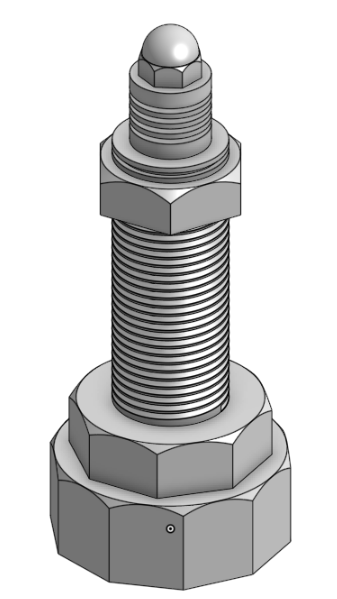
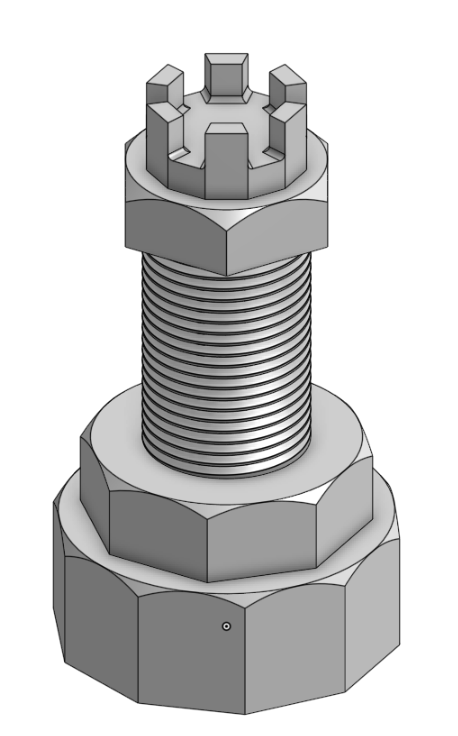
Here are some of our design for the chess piece:
| KING | QUEEN | KNIGHT |
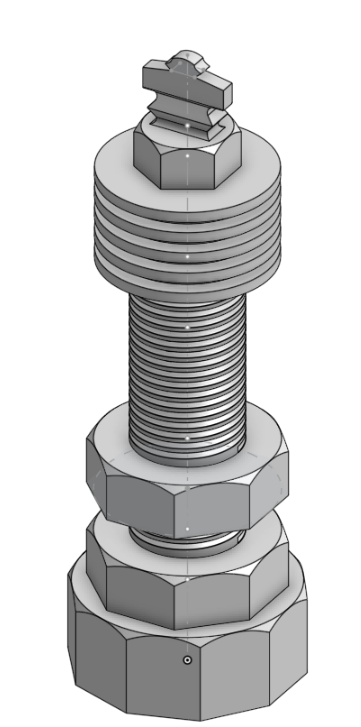 | 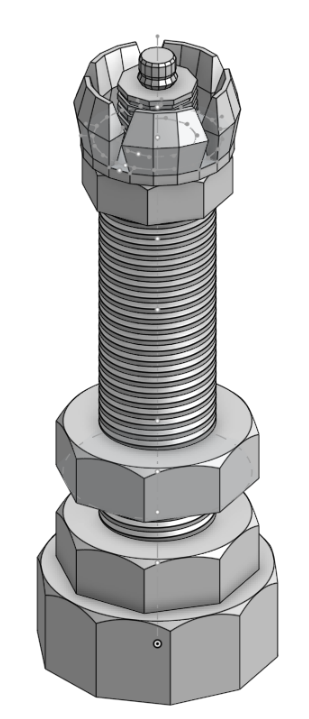 | 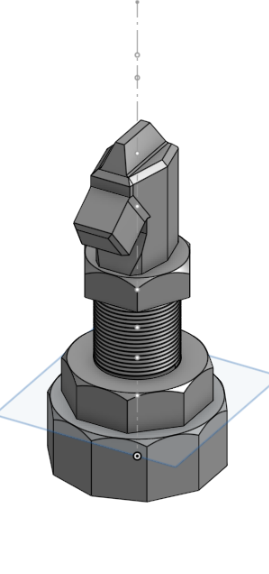 |
| PAWN | BISHOP | ROOK |
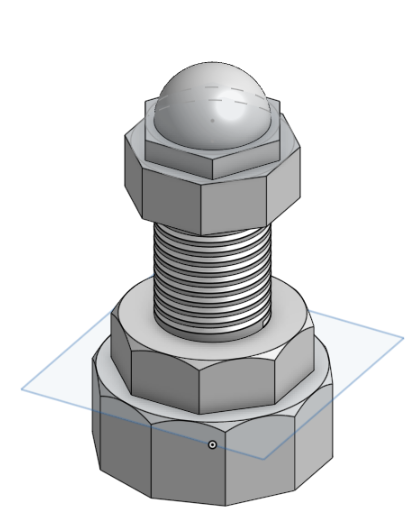 |  |  |
Now, let's talk about how the chess pieces will stay attached to the board. As hinted in previous logs, the pieces will be held in place using magnets. Magnets allow the pieces to self-center when placed on the board.
During planning, we realized that the project would require a large number of magnets—128 in total:
- 32 for the chess pieces
- 64 for the chessboard squares
- 32 for the capture zone
To meet our needs, we chose 12mm x 3mm round neodymium magnets with a screw hole in the center, allowing for secure attachment to the pieces and board.
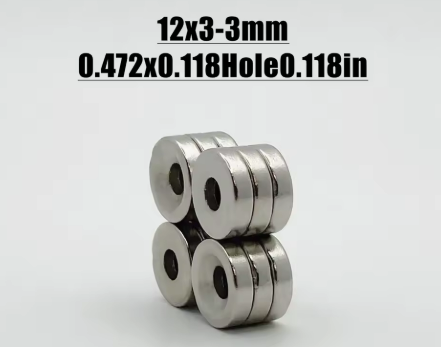
The hole in the middle of the magnet allows us to attach it to the chess piece using a screw, avoiding the need for glue.
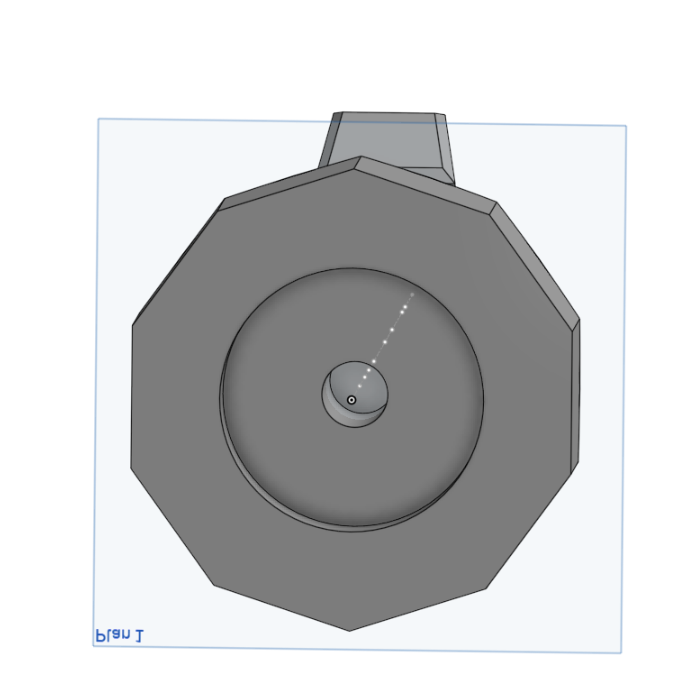
After choosing the magnets, we also needed to determine the optimal thickness of plastic between the sphere’s embedded magnets and the pieces' magnets when placed on the board. Since neodymium magnets are very strong, allowing them to directly touch would make separating the pieces extremely difficult.
Our goal was then to find a thickness where the pieces remain attached even during sudden movements—while still allowing smooth piece removal.
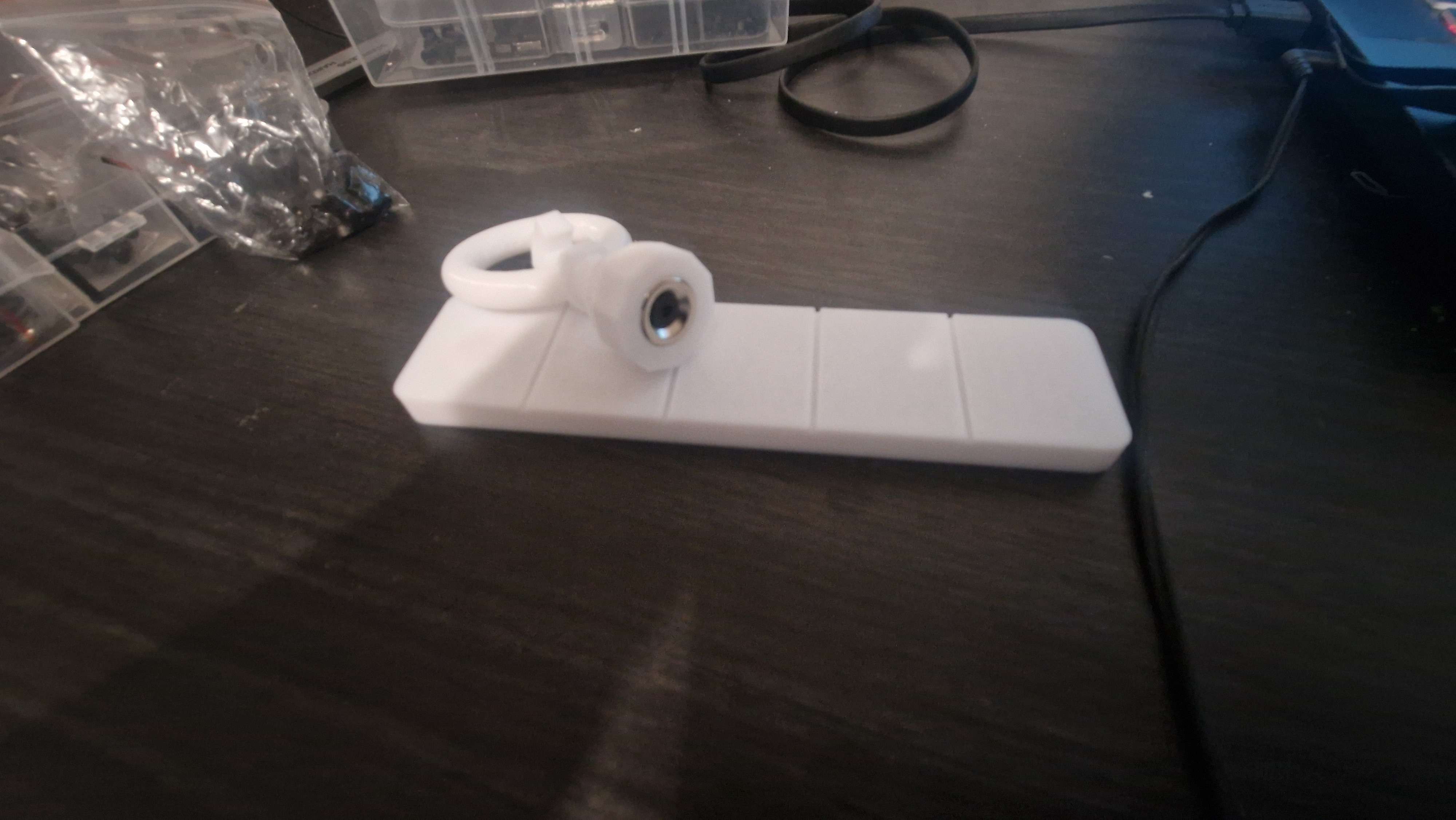
To achieve this, we built a small test bench:
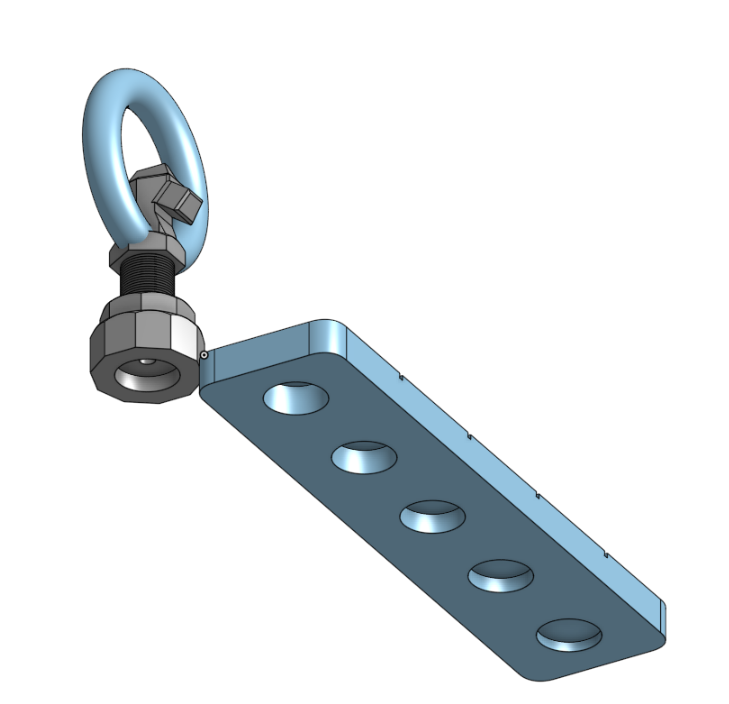
The test bench featured holes with a gradually increasing plastic thickness, ranging from 1mm to 5mm
To measure the force required to separate each piece, we added a ring to a chess piece and used a luggage scale to pull it off the board. This allowed us to find out how much force was needed at each thickness.
In addition to measuring force, we also tested whether the pieces remained attached under two key conditions:
- Abrupt movements
- Upside-down (the magnets need to hold the pieces even updside down).
After conducting our tests, we obtained the following results:
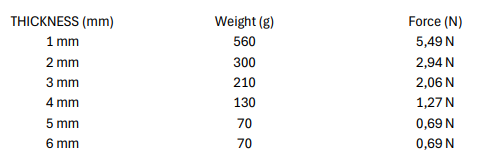
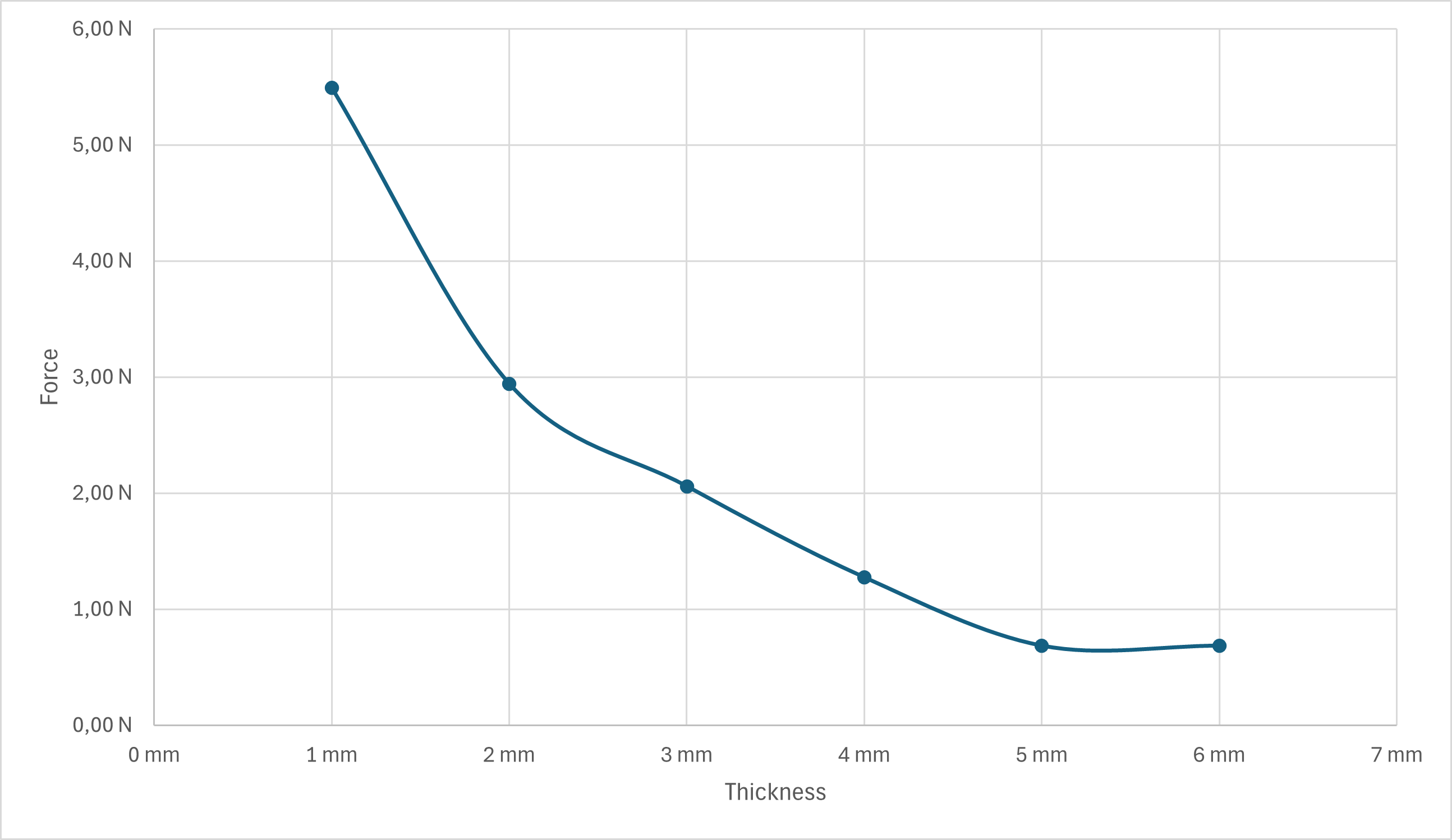
(The infamous inverse square law is back at it again, see our log on the small hydraulic arm •_• )
Based on the data, we decided that a 3mm plastic thickness between the piece magnet and the chessboard square provided the best balance. It ensured that:
- The pieces remained attached even during sudden movements or when the board was tilted upside down.
- The force required to remove a piece was acceptable.
With this decision, we updated the sphere design accordingly to incorporate the 3mm thickness.
Discussions
Become a Hackaday.io Member
Create an account to leave a comment. Already have an account? Log In.