 Michael Wessel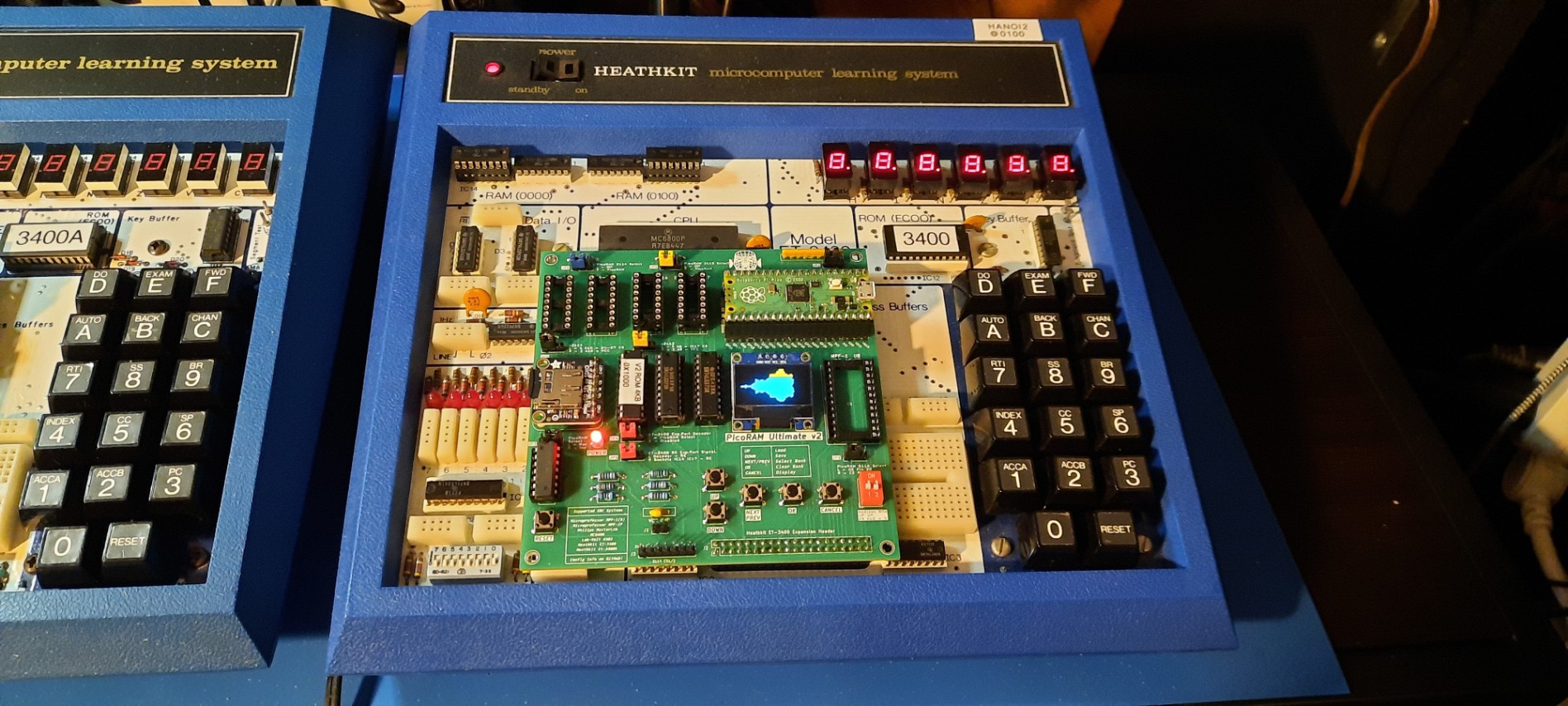
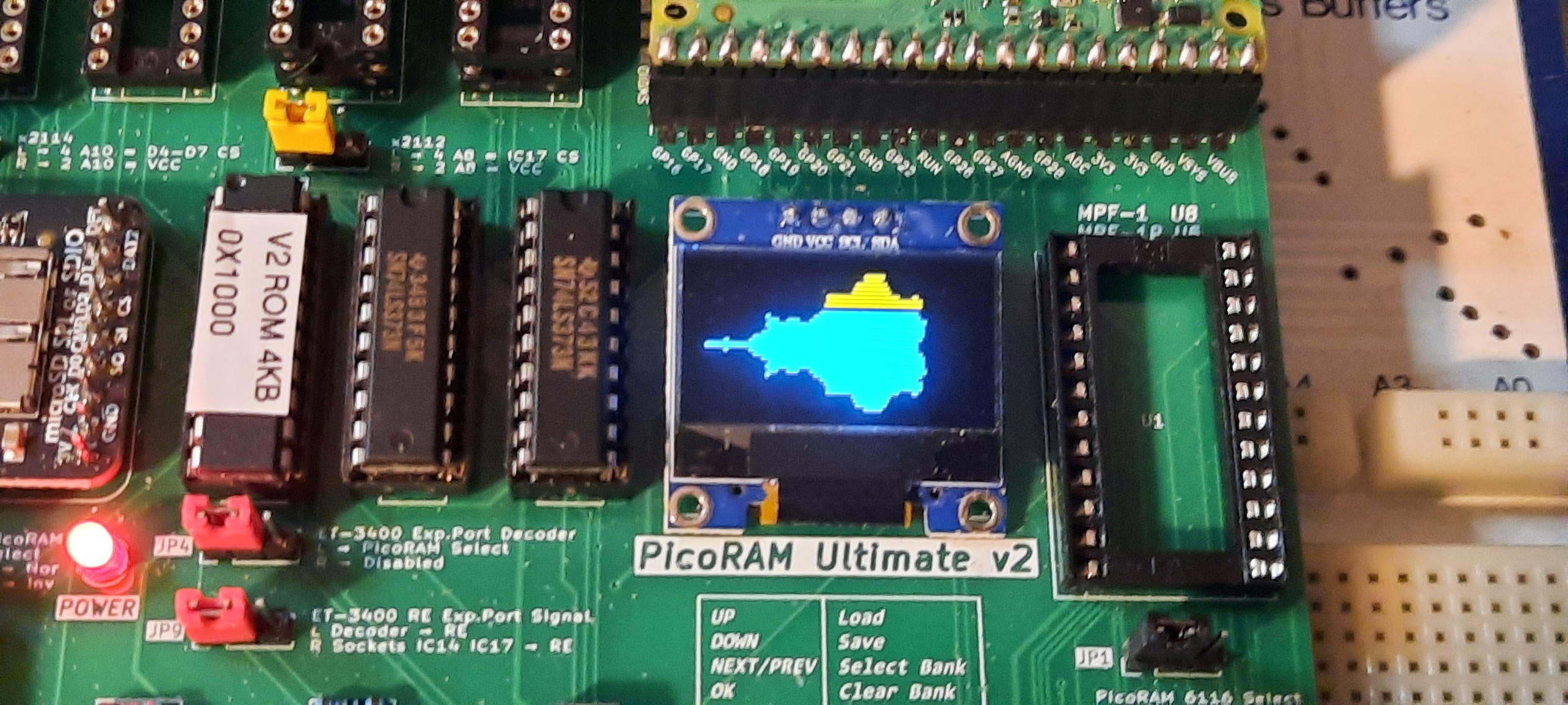
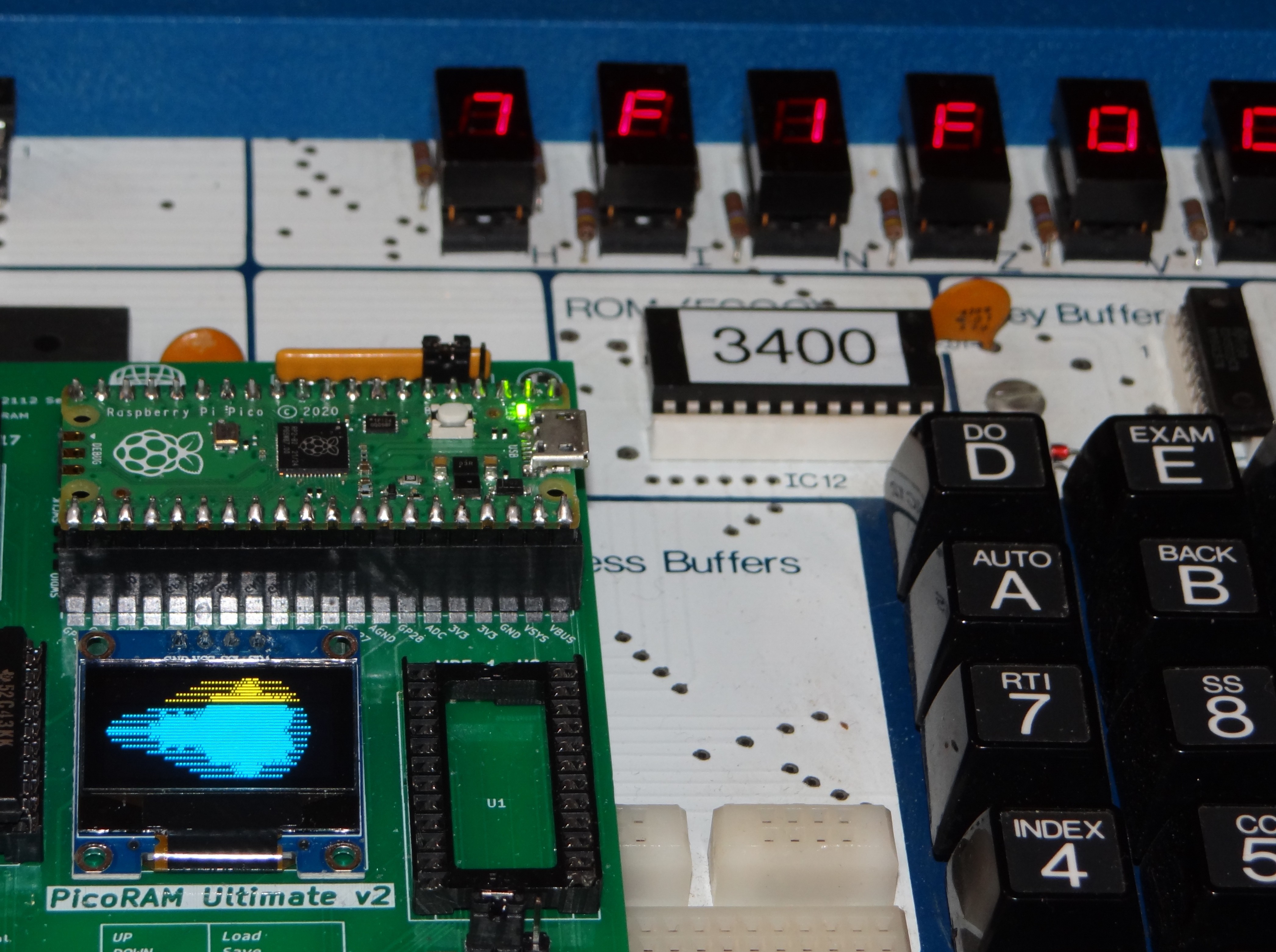
... well, it wasn't easy and required a lot of stubbornness and perseverance on my side. Several of Sonnet's high-level "thinking" errors / road blocks needed to be overcome first. But once I pointed out that it needed to use SIGNED multiplication for the main iteration loop, and UNSIGNED multiplication for the coordinate transformations, everything finally fell into place. From the basic B&W Appleman it then created this dithered / shaded version - flawless in one attempt, no errors. Now, there certainly isn't that much MC-6800 assembly code out there in the training data... after all, this CPU is from 1974 (!), and my ET-3400 from 1977. I just entered first grade in 1977. Also, the situation is not comparable to Python at all, and testing is entirely manual. It had to rely on textual input from me, the "human interface", operating the ET-3400. It hence had to create test cases, ask me for test case results, re-iterate for fixing bugs, etc. I am impressed that it was able to do that. It certainly needs strong supervision for use cases such as this. But I can easily see that this could work fully autonomously with a bunch of agents (one agent playing the role of me, the supervisor and high-level guidance giving agent, one testing agent, etc.) and proper tool access. A storm is coming! I believe the days of stochastic parroting and regurgitating are finally over, and that these models are becoming increasingly useful for non-trivial, real-world programming tasks. Note that assembly is REALLY HARD. You need to understand every instruction down to the level of INDIVIDUAL BITS, AND know all the side effects. Reasoning over states and side effects is notoriously difficult, yet Sonnet succeeded. Wow.
Discussions
Become a Hackaday.io Member
Create an account to leave a comment. Already have an account? Log In.