 Anteneh Gashaw

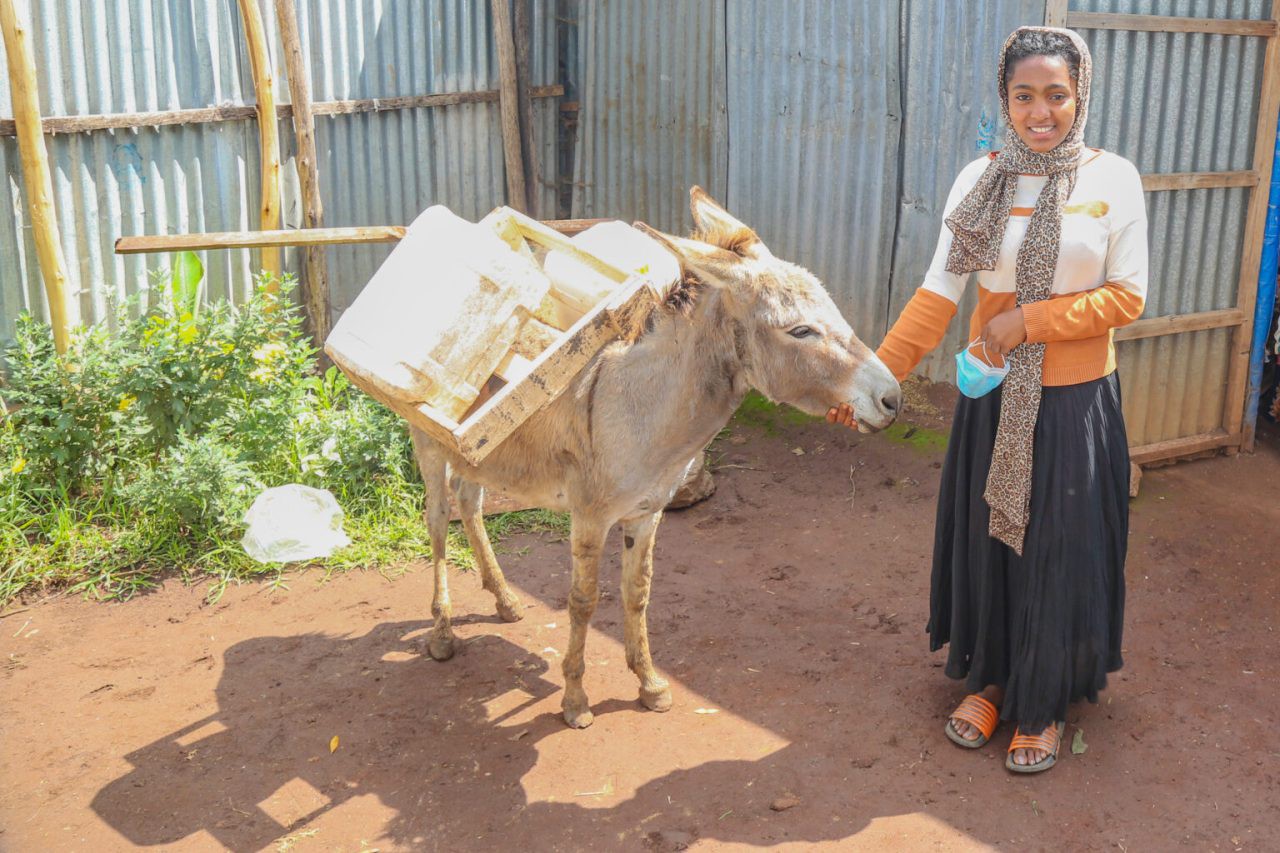
Anteneh JerryCan is also working to help animals who suffer fetching water beside the rural peoples... We have received a special order from one client based in South Sudan to build an affordable mechanism that ease the pain of donkeys and camels while carrying 50-100 litter of water....
According to ChatGPT
"Using donkeys to fetch water in rural areas is a common practice in many parts of the world, especially in Africa and parts of Asia. While donkeys are invaluable assets in these communities due to their strength, endurance, and ability to navigate difficult terrain, there are several significant challenges associated with relying on them for water transportation:
1. Animal Welfare Concerns
- Overloading: Donkeys are often made to carry water containers that exceed their capacity, leading to exhaustion, injuries, and long-term health issues.
- Lack of Veterinary Care: Many rural areas lack access to veterinary services, so injuries or diseases may go untreated.
- Poor Nutrition: Donkeys used for water fetching may not receive adequate food or water themselves, weakening their ability to work.
2. Limited Carrying Capacity
- Small Volume: A donkey can typically carry 40–80 liters at a time, depending on terrain and the animal’s condition. This often isn't enough for large households or extended needs like livestock or farming.
- Multiple Trips Needed: If water sources are far, the need for repeated trips increases both the physical strain on the donkey and the time burden on the owner.
3. Terrain and Distance
- Rough or Hilly Paths: Steep, rocky, or muddy paths can be dangerous for both the donkey and its handler. Injuries from slips or falls are common.
- Long Distances: In drought-prone areas, the distance to water sources can be 5–10 kilometers or more, making the journey very demanding.
4. Security and Theft Risks
- Animal Theft: Donkeys are valuable and may be stolen, especially in areas with high poverty.
- Conflict Zones: In some areas, traveling long distances for water exposes people and animals to danger, including conflict, banditry, or wildlife attacks.
5. Economic Burden
- Upkeep Costs: Even though donkeys are relatively low-cost animals, expenses for feed, shelter, and medical care can be burdensome for low-income families.
- Opportunity Cost: Children (especially girls) or women often accompany the donkey, taking time away from school or income-generating activities.
6. Environmental and Water Source Issues
- Degradation of Paths: Constant movement of animals over the same trails can lead to erosion and environmental degradation.
- Contamination Risk: Donkeys near open water sources can contribute to contamination if proper hygiene and separation practices are not followed.
7. Social and Gender Burden
- Children and Women Bear the Load: The burden of water collection typically falls on women and children, even when donkeys are used, affecting education, health, and economic opportunities.
In Summary
Using donkeys helps reduce the physical strain of carrying water manually, but it's not a perfect or sustainable solution. The challenges highlight the importance of improved rural water infrastructure, such as closer water points, community water tanks, or solar-powered pumps, to reduce reliance on animal transport."
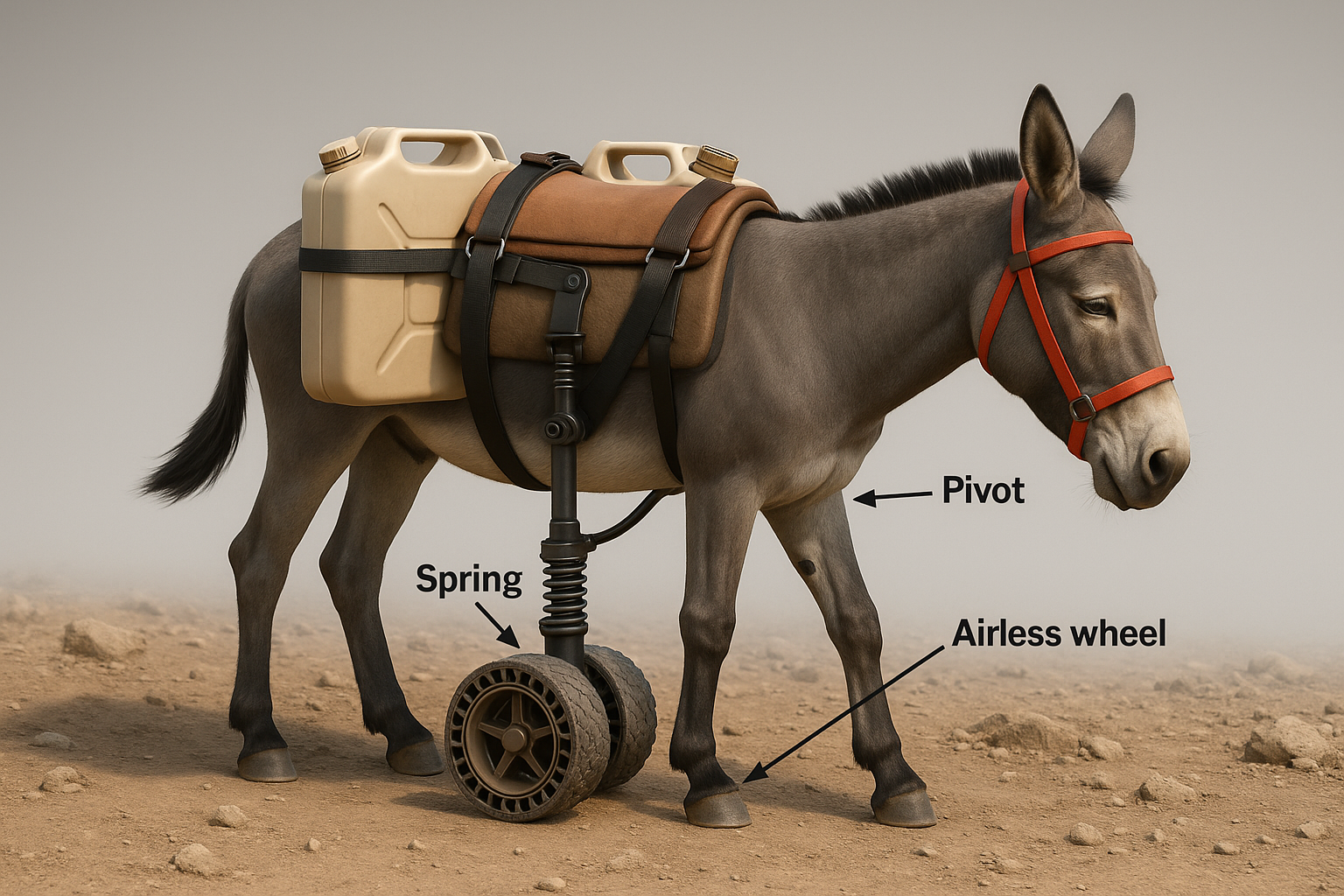
One of my design concepts is This design is a simple two wheel support system attached to the backsaddle of donkeys/ camels where water JerryCans are placed with suspension mechanism for rough landscape having airless tire.


 australiantank

 Theodor Hillebrand