Close
0%
0%

Quantifying Sleep Positions With Body Weight

Connecting 8 FSR pads to a Raspberry Pi 5 to measure and analyze my sleeping positions over a prolonged period of time.

Similar projects worth following
A device to measure the positioning of my body while asleep using 8 force-sensitive resistor (FSR) pads from Adafruit. Which will be connected to a Raspberry Pi 5 computer. All in search of patterns within my physical behavior at night while asleep.

I will be collecting this data using Python, Flask and JSON, then later visualizing findings using D3.js and other JavaScript tools.

This project is currently in the research/ideation phase, and the hardware is still being assembled. But enough is known about the experiment making it appropriate to create a new, dedicated project page.

I will be updating this resource with more information in the near future.

This project was originally relying on an AMG8833 IR thermal sensor to measure my body heat while sleeping. Due to technical difficulties beyond my current ability to resolve, I chose to go another route. Instead I am using numerous FSR pads to quantify my body weight over a prolonged period of time, probably 30-90 days.

With this said, some of the early photos in this project's gallery are of the AMG8833 sensor. These images are useful to help document this journey from start to finish, so they will not be removed.

  • 1 × 9-Channel 10-Bit ADC
  • 25 × Through-Hole Resistors
  • 1 × Half-Sized Premium Breadboard
  • 10 × 36-Pin Strip Male Headers
  • 18 × Small Alligator Clip-To-Female Jumper Wires

View all 6 components

  • Pivoting From Measuring Body Heat To Quantifying Body Weight

    Bret Bernhoft4 hours ago 0 comments

    Despite having already ordered a new AMG8833 IR thermal sensor, I am choosing to go another route with this project. Instead of quantifying my body heat, I am using 8 FSR pads from Adafruit to measure my body weight. With the same goal of finding patterns within my sleeping positions.

    There remains a tremendous amount to learn from/for this experiment. Pivoting towards different technologies both helps and hinders this process. I am however still optimistic about fruitfully studying my physical resting behaviors while asleep. 

    Onward!

  • Attempting To Connect AMG8833 Sensor To Another RPi Computer

    Bret Bernhoft02/18/2026 at 03:07 0 comments

    Over this past weekend I attempted connecting the AMG8833 IR thermal sensor (being used for this experiment) to another Raspberry Pi computer. This time using a RPi Zero 2 W unit with pre-soldered GPIO header pins.

    As a side note, there were over 150 updates needing to be installed upon first starting up the Raspberry Pi Zero 2 W SBC. Which were completed in a surprisingly short period of time via the CLI.

    Once prepared to tinker, I connected jumper cables to header pins on the thermal camera and then on the Raspberry Pi computer. I next booted the Zero 2 W SBC and ran a simple script to detect hardware interactivity. Unfortunately there was no signal received from the AMG8833 IR thermal camera by the second RPi computer.

    After having two Raspberry Pi computers fail to ping the AMG8833 IR thermal sensor, I assume the problem is the soldering job I did with/on the breakout board's header pins. Which (in my mind) validates the "start over strategy" I am now taking; having recently ordered another new AMG8833 thermal camera.

    I am pleased to have attempted connecting the AMG8833 IR thermal sensor to a second computer. Because it helps me isolate where mistakes were made.

  • 3 Months Asleep, QSP Has Been Reanimated

    Bret Bernhoft02/11/2026 at 01:36 0 comments

    After 3 months of hibernation the Quantifying Sleep Positions (QSP) project has been reanimated. In other words, my interest in self-quantification persists, so my various experiments do as well. Such as measuring how I sleep.

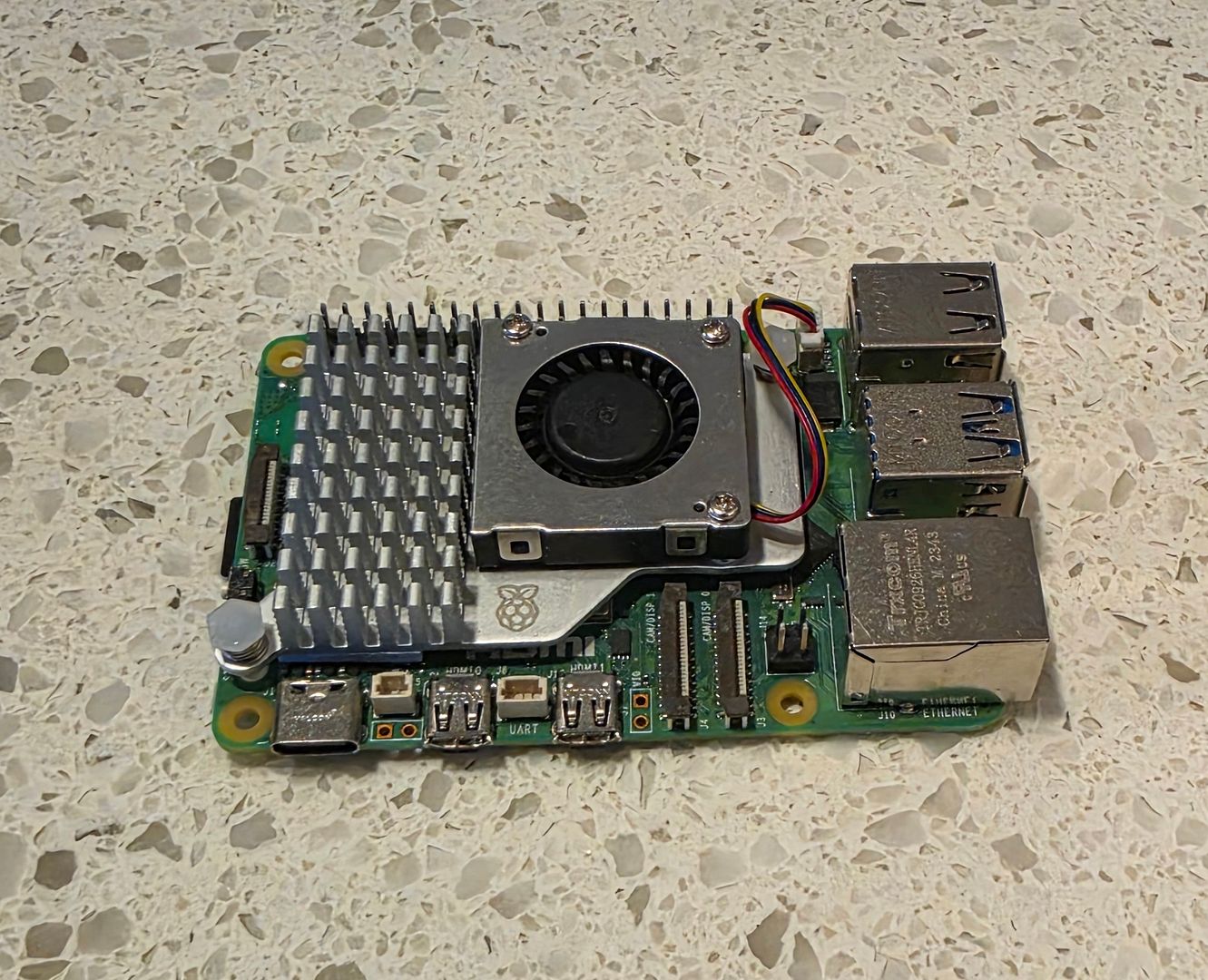
    In terms of hardware, I am restarting from scratch and taking a "blank slate" approach. For example, I have a new AMG8833 IR thermal camera from Adafruit on the way. I am also utilizing a recently purchased Raspberry Pi 5 computer.

    Where and how I failed in my previous attempt was by rushing through the setup process. Keeping such in mind, I am choosing to approach this project with greater respect and patience. Ultimately in search of premium outcomes.

    As progress is made, I will update this project with further log entries.

  • Reconnecting AMG8833 IR Thermal Camera To Raspberry Pi 5

    Bret Bernhoft11/01/2025 at 09:06 0 comments

    As a matter of documenting my journeys in the world of Python and electronics, it seems prudent to update this project. In other words, I reaffirm my commitment to completing this endeavor as I have set out to do. In the meantime, I would like to provide a bit of context.

    I took a break from this project after hitting a roadblock and needing time to consider my next move. For example, in a previous project log I speculated about re-purchasing core hardware, fearing damage had been done to the original parts by me.

    With the above said and after some reflection, my next step is to reattempt connecting the AMG8833 IR thermal camera to the Raspberry Pi 5, in hopes of establishing communication between the two. My goal is to prove the assumption I mishandled electronics as incorrect. Once completed, I will post another project log here.

  • Starting Over After Likely Damaging Hardware Components

    Bret Bernhoft09/13/2025 at 23:35 0 comments

    During my most recent attempt to assemble a RPi 5 and AMG8833 thermal camera, I was unable to make a working connection. In other words, the computer is unable to detect the AMG8833 sensor. Despite a dozen+ examinations of the wiring used and soldering done.

    While trying to get everything working, it seems I may have damaged the Raspberry Pi unit, as well as the IR sensor. As a result, the Raspberry Pi 5 does not boot. And the green activity light is a steady red.

    I am relatively unfamiliar with building electronics/devices, however simple they may be. I admit it, I am an amateur, which is good to recognize. It means I am curious and willing to put in the work to teach myself new skills.

    With all of that said, I am (most likely) going to repurchase both the Raspberry Pi computer and AMG8833 sensor. This is to help me avoid spending time on dead end rabbit holes, when I don't have the understanding(s) needed to debug this hardware yet.

    In some time I expect to look back on this project and see what my actual mistakes were/are. And laugh at this solution; to buy everything new and start over. Maybe it is for the best? For me to double down on this experiment and be willing to invest in its (in my) success. I am regardless.

  • Beggining Anew And Making Progress As A Hardware Developer

    Bret Bernhoft08/29/2025 at 13:02 0 comments

    This project is my second Hackaday.io undertaking, for which I am glad to be in attendance. Efforts made here represent significant progress in my understanding of programming for "progressively exotic hardware and data visualization" scenarios, use cases.

    As an example, I had (again) set out to use a Raspberry Pi Zero 2 WH computer for this project. But my homelab wireless access point or WAP only accepts WPA3 connections; which the RPi Zero 2 WH cannot connect to/with. So I chose upgrading to a new Raspberry Pi 5; a computer capable of connecting to WPA3 WiFi signals.

    Ultimately I chose the RPi 5 model with 4 GB of RAM, being significantly more memory than requirements for the tasks this computer will be enabling.

    Current Hardware Situation

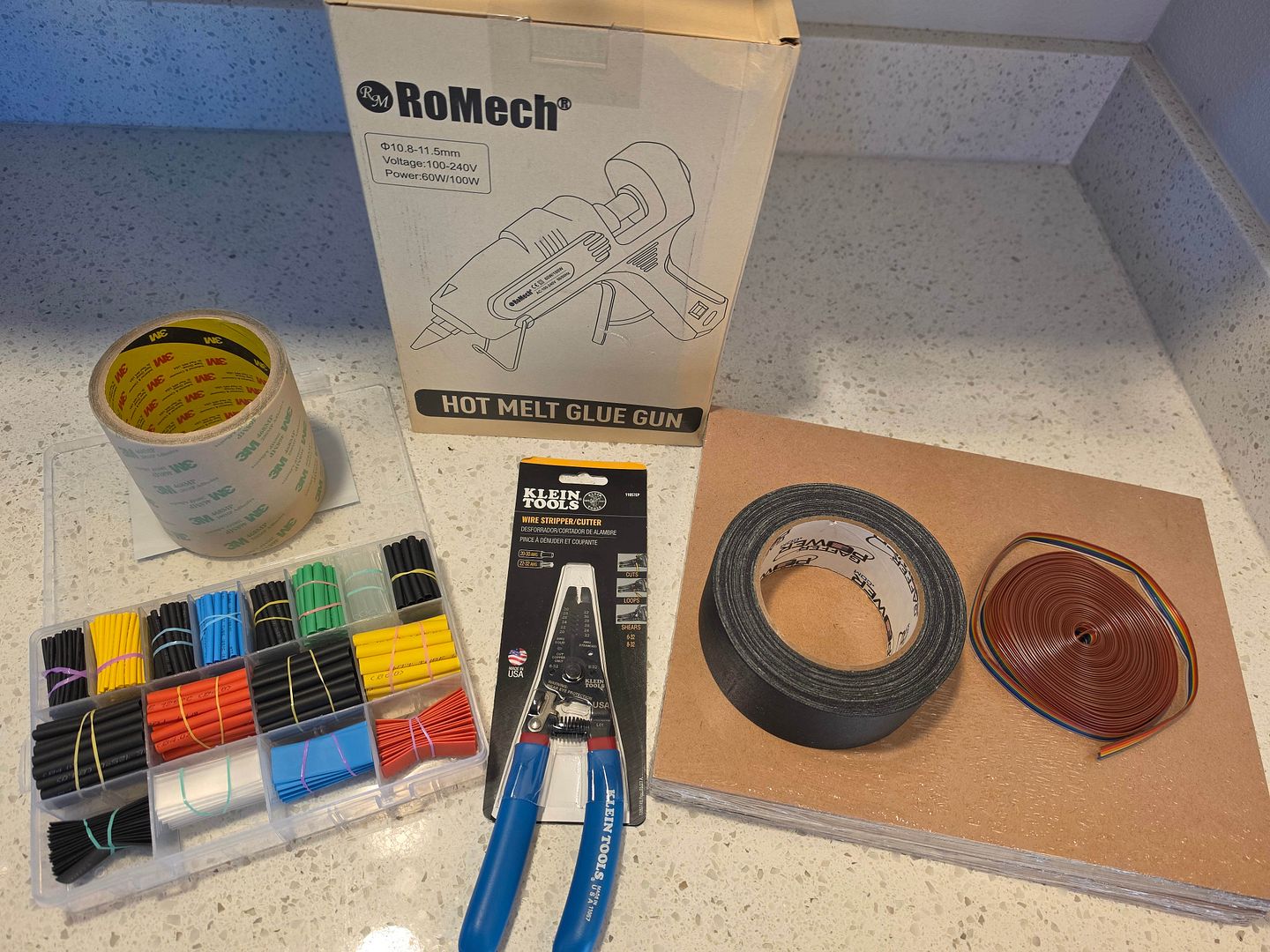
    As of August 29th in 2025, I have received all of the hardware components needed for building a prototype. And even attempted to assemble the monitoring device last weekend. But had limited initial success with connecting the AMG8833 sensor to the Raspberry Pi computer.

    Next steps include completing a functional first-generation monitoring device, capable of collecting and storing many hundreds of thousands of measurements. As well as beginning to work with (visualize using D3.js) said data generated while the contraption is operating over extended periods of time.

    As I make progress, I will update this project page.

View all 6 project logs

Enjoy this project?

Share

Discussions

Similar Projects

Does this project spark your interest?

Become a member to follow this project and never miss any updates