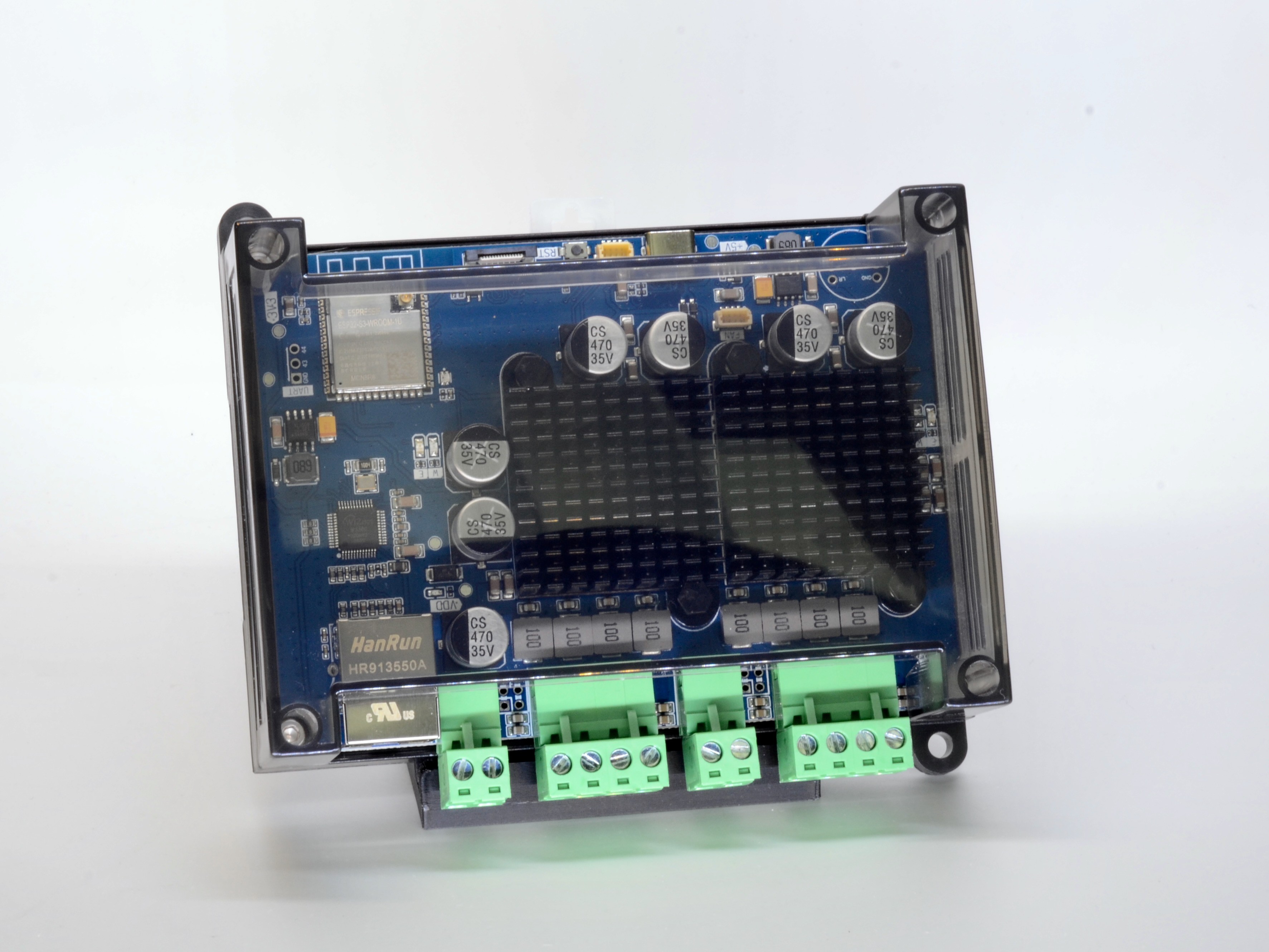
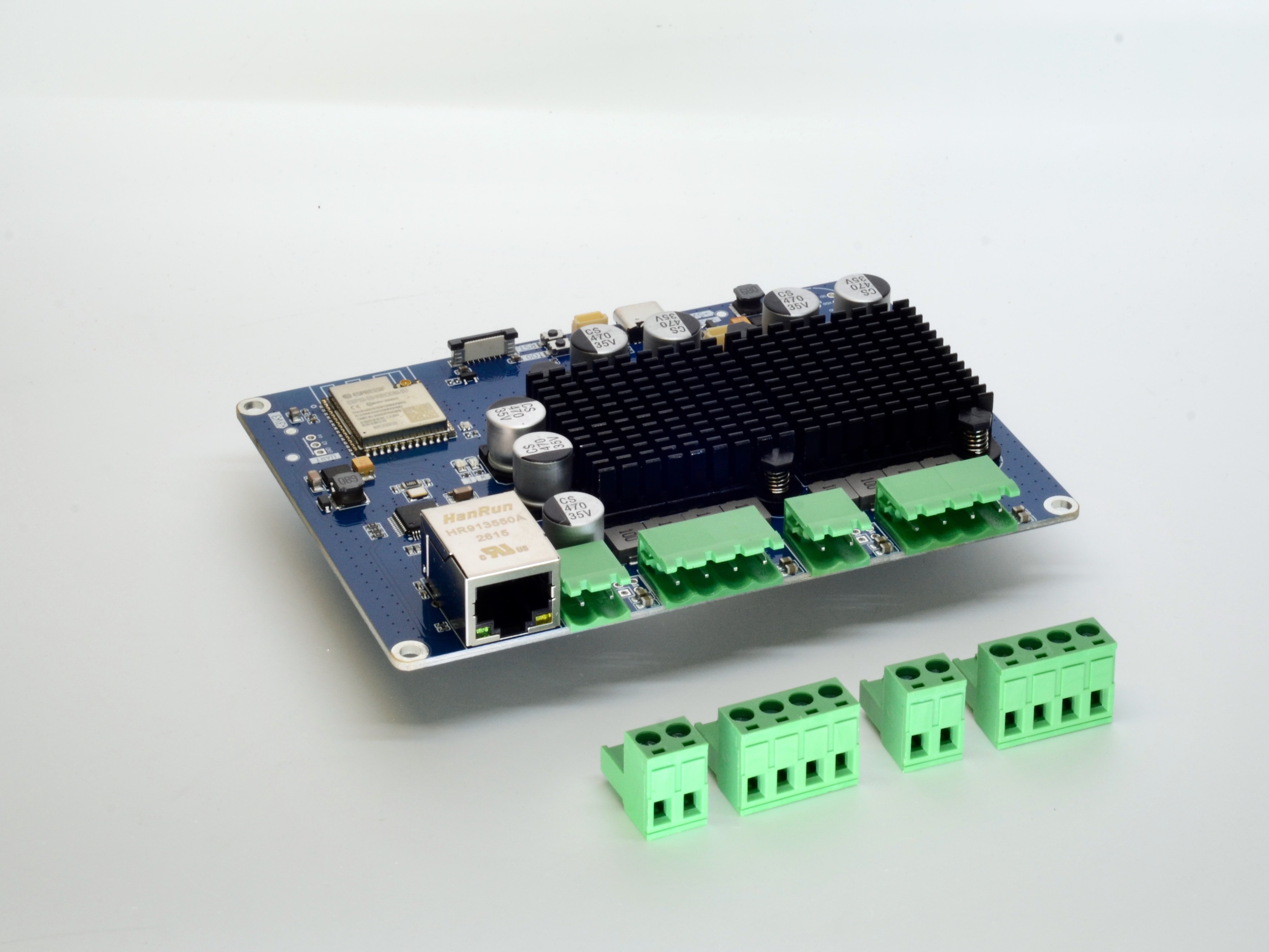
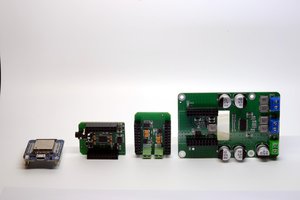
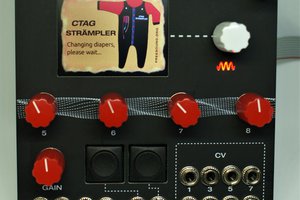
The Esparagus Audio Brick is an open-source, ESP32-powered hi-fi DAC/amp designed for tinkerers and smart home builders. Single brick delivers two channels of clean audio using the TAS5825M DAC with built-in amp; Ethernet and Wi-Fi onboard, and can be stacked for multi-room or multi-zone setups. Out of the box, it integrates with Home Assistant via ESPHome, supports Music Assistant as a native media player, offers Snapcast for near-perfect sync, and includes LMS protocol support for Spotify Connect, AirPlay, and more with squeezelite-esp32. With full DSP access (15-band EQ, gain, fault management) and OTA updates, it’s both a hackable dev board and a ready-to-deploy smart audio endpoint. It is designed to be mounted on the DIN-rail and adds extra heat management for working in harsh environments.
The Esparagus Audio Brick delivers up to 30W per channel in a stereo setup, or up to 65W in mono; however, it can also be used in bi-amp config, serving highs and lows separately.
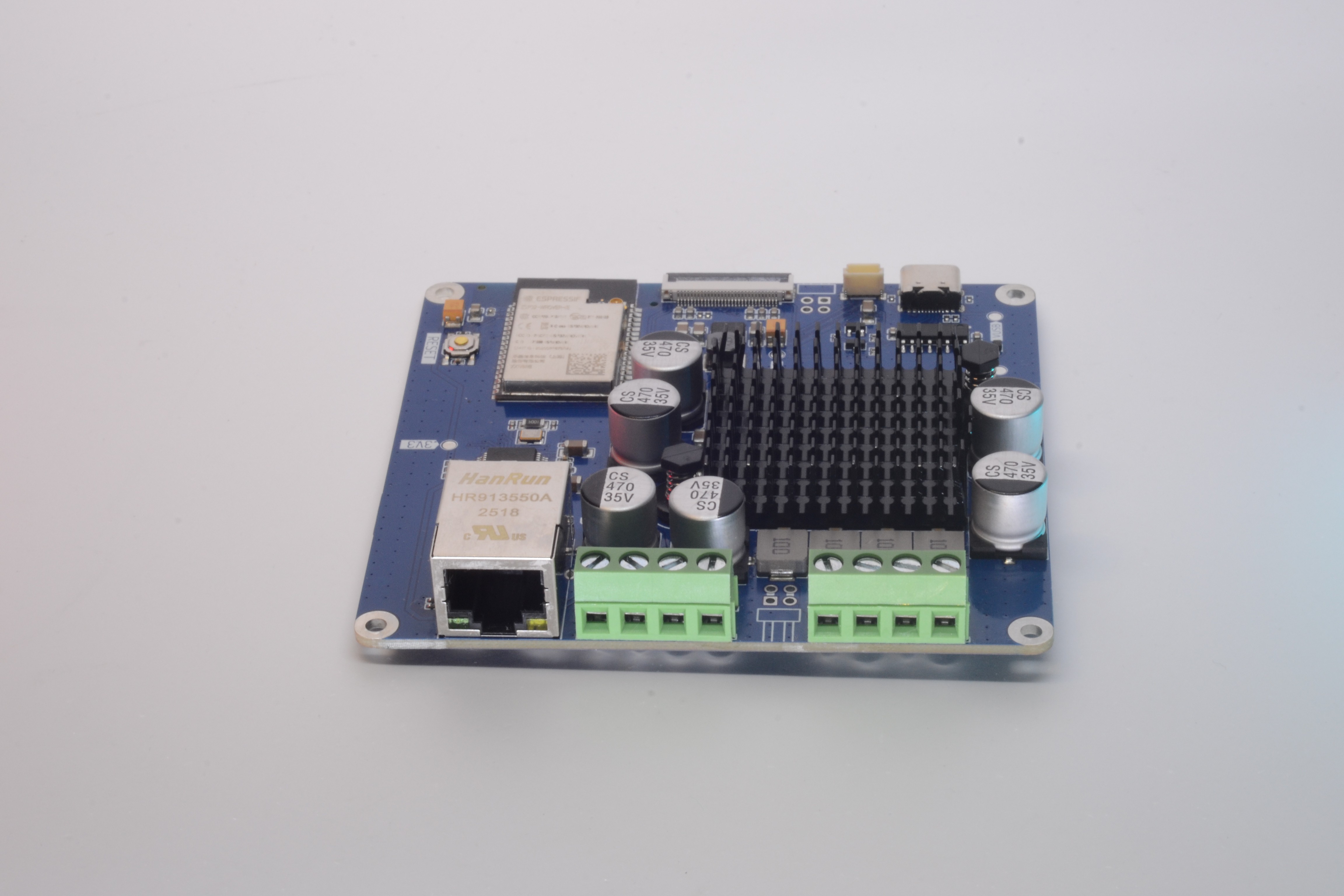
I just got my hands on the new Audio Brick prototype, which is the first in the ESP32 family that has two DACs on the board.
Both DACs use the same I2S bus, so they are exposed as a single device to the application, but having the second DAC has its benefits. The main motivation for this change is to allow flexible configuration based on specific project needs, since each of the 4 channels allows precise filter configuration. This makes possible
2x full-size speakers with EQ correction + more powerful subwoofer channel with filter and gain settings
4x speakers with individual EQ and gain settings to create audio imaging effects
Each DAC drives a single channel with double the power
Each DAC drivers single speaker in a bi-amp configuration and individual speaker filter settings
Both DACs drive a 4-way system with precise high-, low-, and bandpass filters
At the moment, it will only work with ESPHome/Home Assistant, since no other software I know of would handle two DACs. Therefore, only the ESP32-S3 version is planned.
Among other improvements, I added a small software-fan connector, so you can gradually switch it on through software if the DAC reports overheating (although it is not easy to achieve with 90% efficiency), and also read back the fan speed.
Also, I replaced the OLED connector with TFT, looking at the latest changes in the Sendspin component, which allow sending album art and track position information to the device.
I’m currently in the middle of testing it with the ESPHome component, and will provide a more detailed demonstration later on.
Availability? I’m planning to launch the dual DAc version together with the standard version, as soon as all Crowd Supply orders are delivered, hopefully in July at the latest.
It’s the next step in the Esparagus Audio Brick - a DIN-rail-mountable, hi-fi audio board built around ESP32 and TAS5825M DAC that integrates perfectly with Home Assistant and ESPHome - Crowd Supply campaign is about to launch.
If you like what we’ve been building so far, now’s the time to help spread the word — share the campaign page, mention it in your communities, and let others know that open-source audio is moving forward.
A few years back I was hunting for a reasonably priced I²S DAC with amplified output that could work with an ESP32. There were plenty of DIY projects floating around — usually a dev board wired to an Adafruit module or some random breakout — but after the tenth time re-doing jumper wires and being stuck with a 5 W USB power ceiling, it stopped being fun.
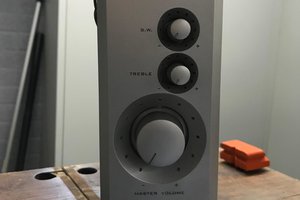
That led me to the TAS5805M. It was inexpensive, could push way more power than I needed (20–25 W per channel), and the simplest driver fit in a screen of code. I slapped one on a custom board, and suddenly I had a clean, compact ESP32 audio setup that could actually drive real speakers. From there, I retrofitted an old radio, made an internet streaming box, and spun off a bunch of one-off audio toys.
Fast forward a few iterations: I had the Louder-ESP and Louder Esparagus boards, plus Raspberry Pi hats, and eventually stumbled on the squeezelite-esp32 project. That opened the door to Bluetooth, AirPlay, Spotify Connect, and multiroom audio — all running on ESP32. Around the same time, folks in the community suggested integration with Home Assistant and Music Assistant, and that turned out to be a game-changer. Suddenly, automations like “play the morning radio when the kitchen lights turn on” just worked.
Somewhere along the way, I realized there were still DSP features hidden inside the DAC that weren’t being used. With some custom drivers and later a full ESPHome component port, we unlocked a 15-band EQ, automatic fault handling, and proper gain control. That made the whole thing not just usable, but tunable — you can actually match your amp to your speakers like you’d expect from expensive commercial gear.
That brings us to today: the Esparagus Audio Brick. It’s compact, DIN-rail mountable, and powers two audio channels each. You can run it stereo, mono, bi-amp, or as a dedicated sub channel, then add more Bricks until your house sings. It supports Home Assistant (Music Assistant, Snapcast, LMS protocol), gets OTA updates, and stays fully open-source.
I see it as the missing piece between hacky ESP32 dev board setups and overpriced closed-system solutions. It’s built to be hacked, but also solid enough to deploy permanently.