Close
0%
0%

Portable UV sensor

Check UV levels on the go. Uses STM32 MCU, LTR390 sensor, CR2032 battery, and a 2.5 digit LCD

rexrex
Similar projects worth following
714 views
0 followers
This is a little keychain device to measure UV index and help people prevent skin cancer. Why not just use UV Index apps? Well, the apps are definitely better: more reliable and cover general area conditions. But this device is a nice supplement to published UV reports: good for local conditions (e.g. what's the UV incidence behind this window?), and a nice reminder to check UV conditions in the first place.

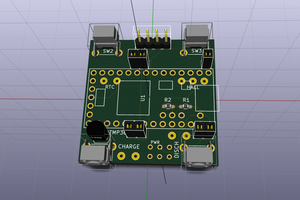
The device lasts ~6 months on a single battery, assuming you only use it a few times per day. The total small-batch BOM is under $10 (including the battery). The PCB is standard 2-layer, nothing fancy.

I started out with a simple idea: make an open-source UV index measurement device that could fit on my keychain. There are a few other projects already out there that have the same functionality (see blog for links). This project scales the idea down, both in size and cost.

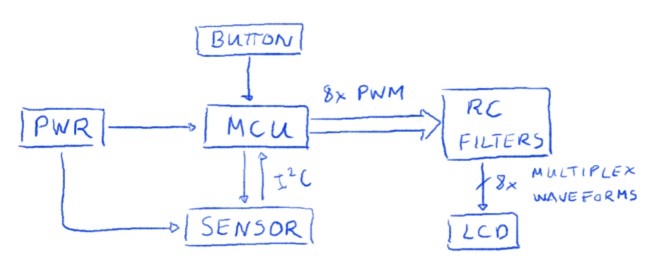
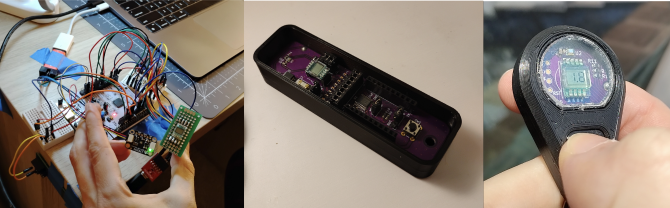
The initial concept looked like this.
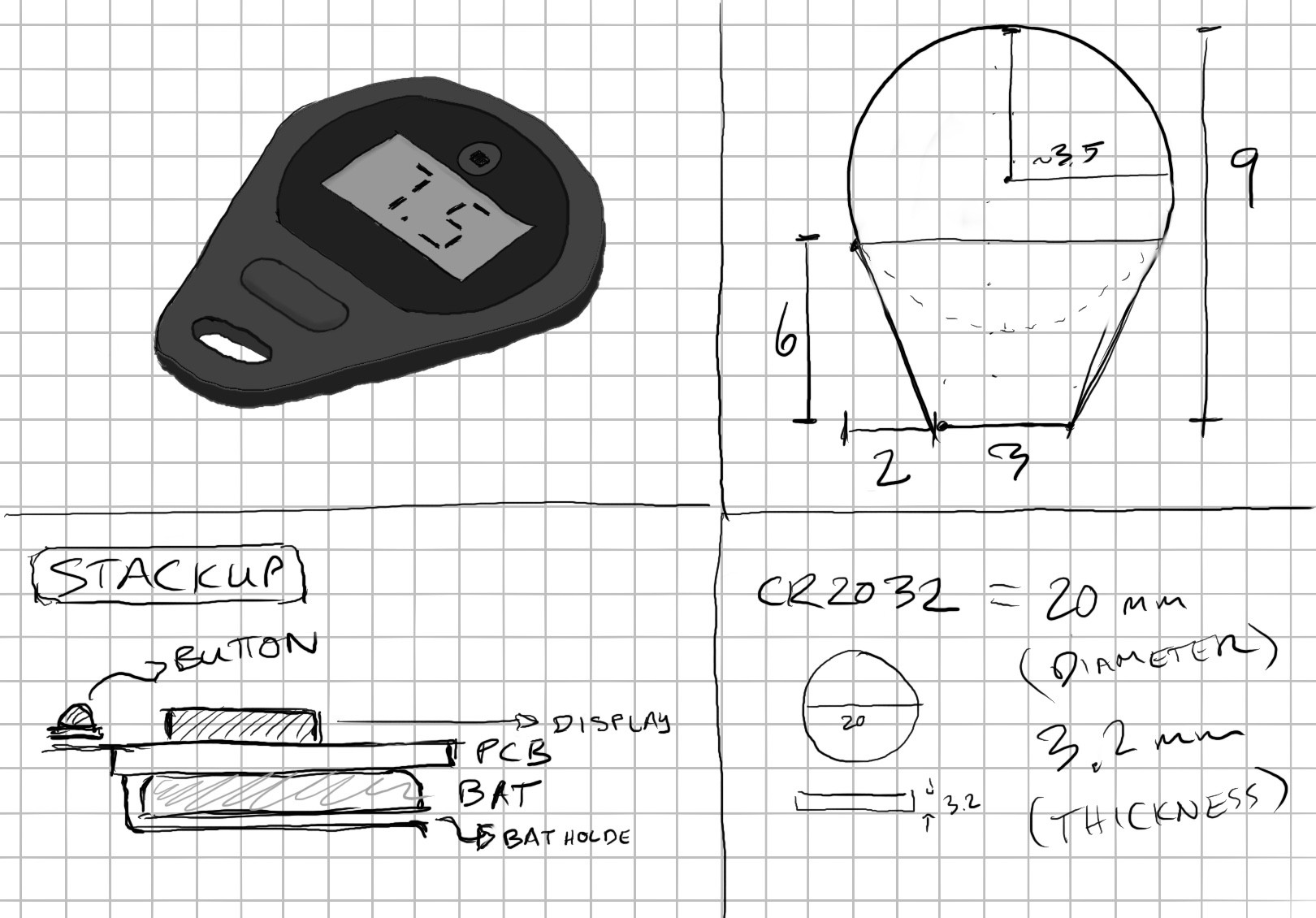
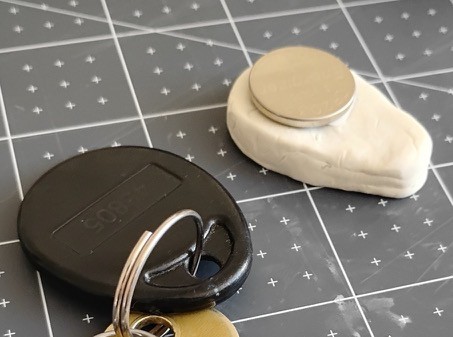
First thing I did was make a clay dummy for size:
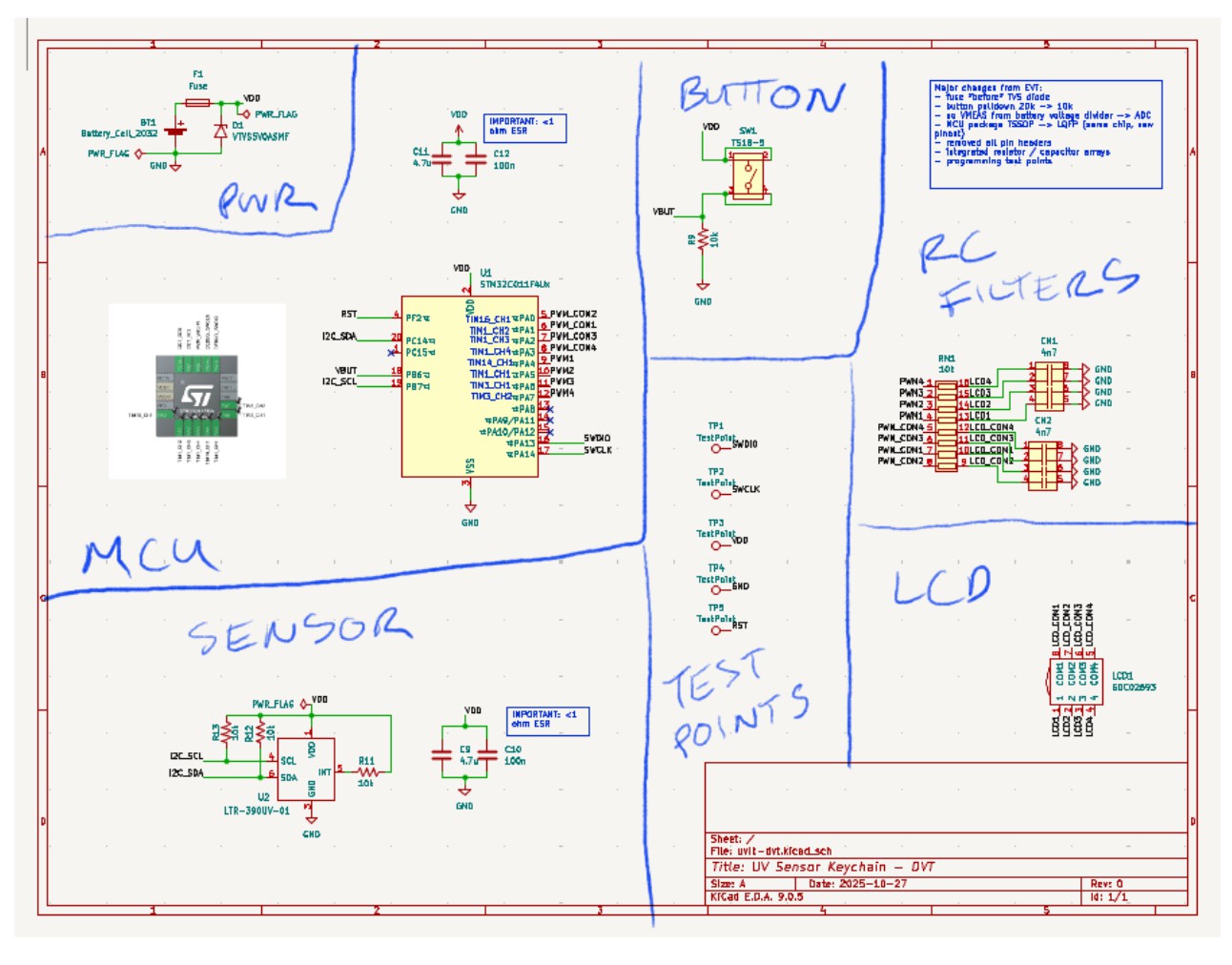
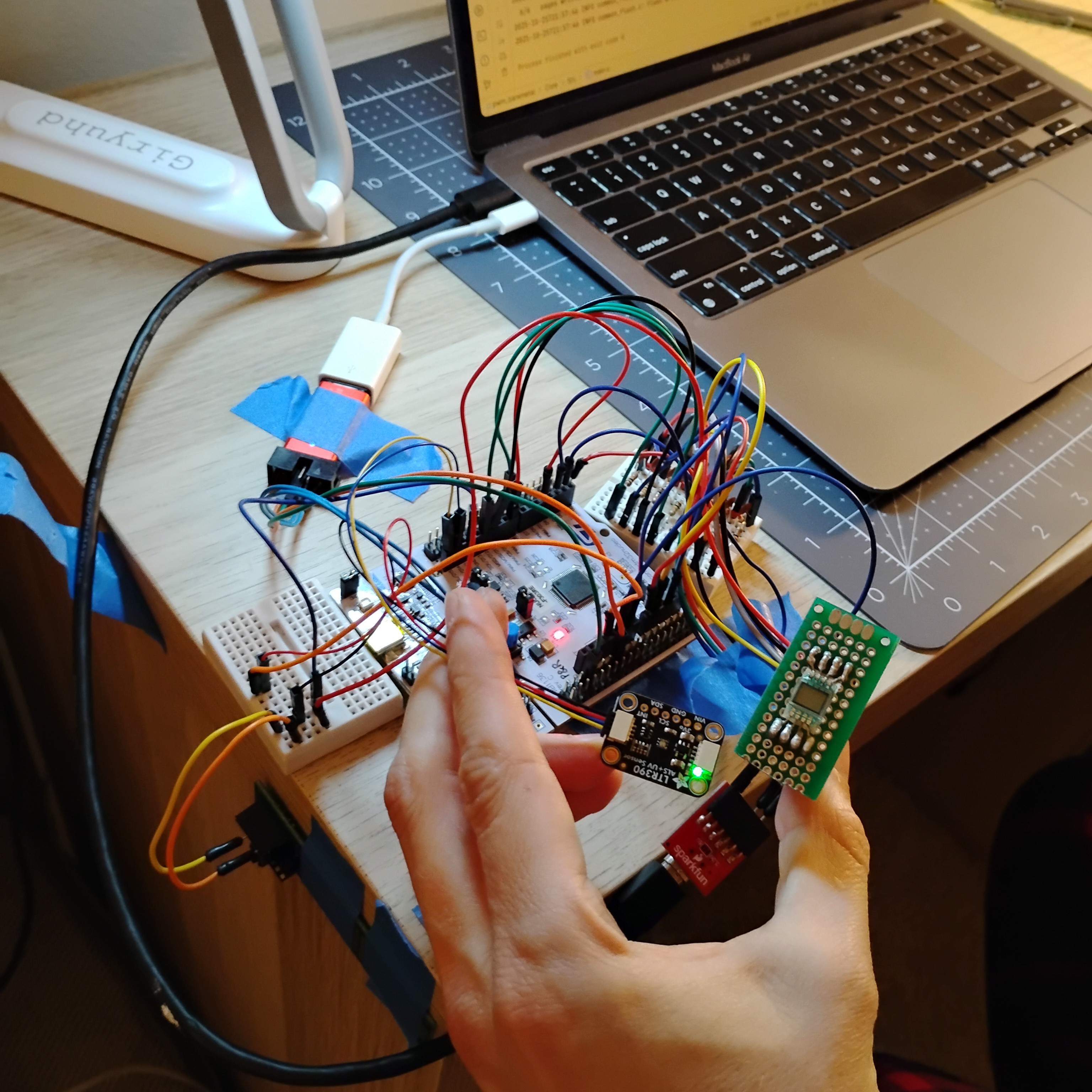
The first working version looked like this:
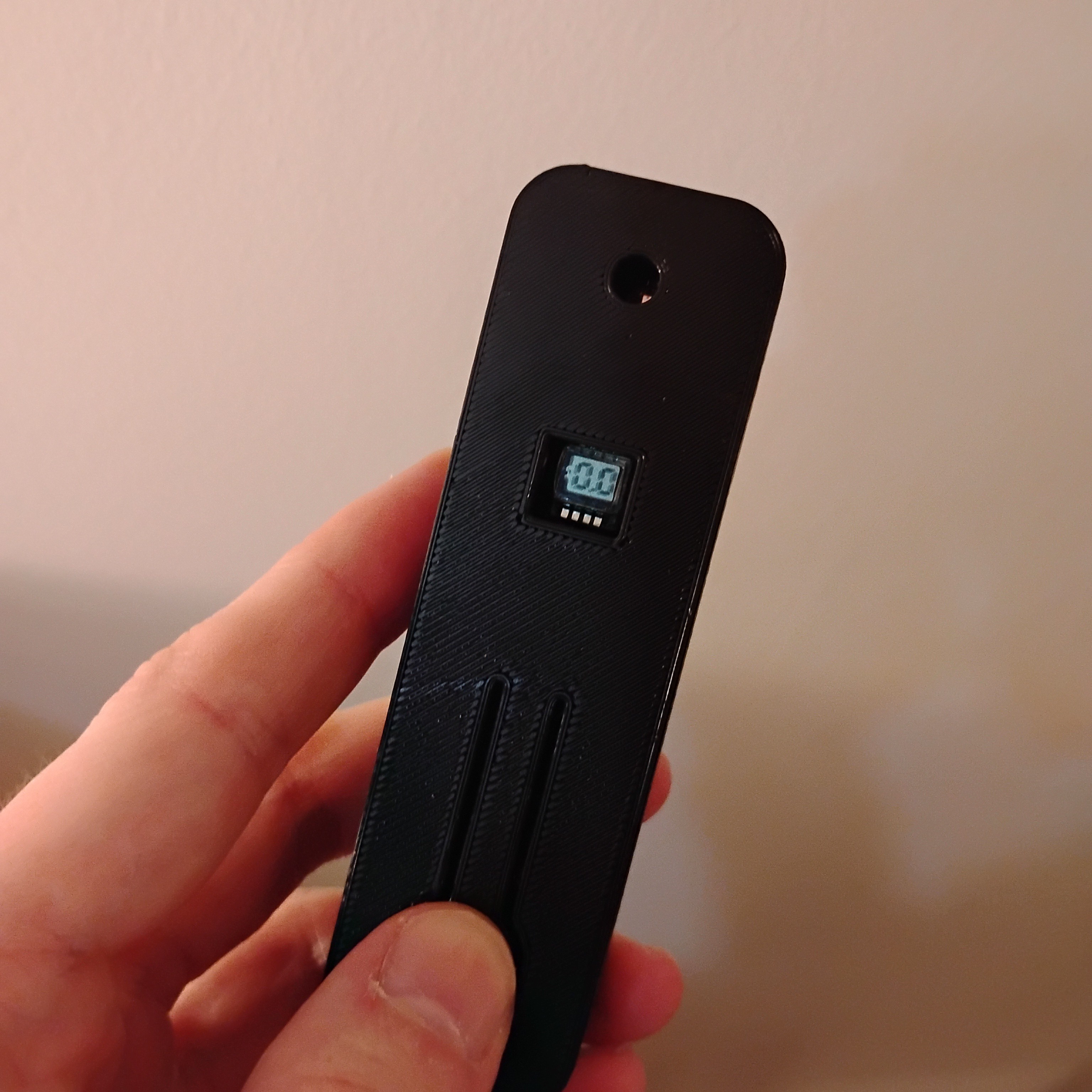
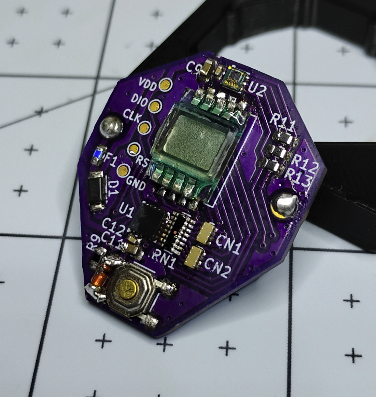
Then the second version, more portable:
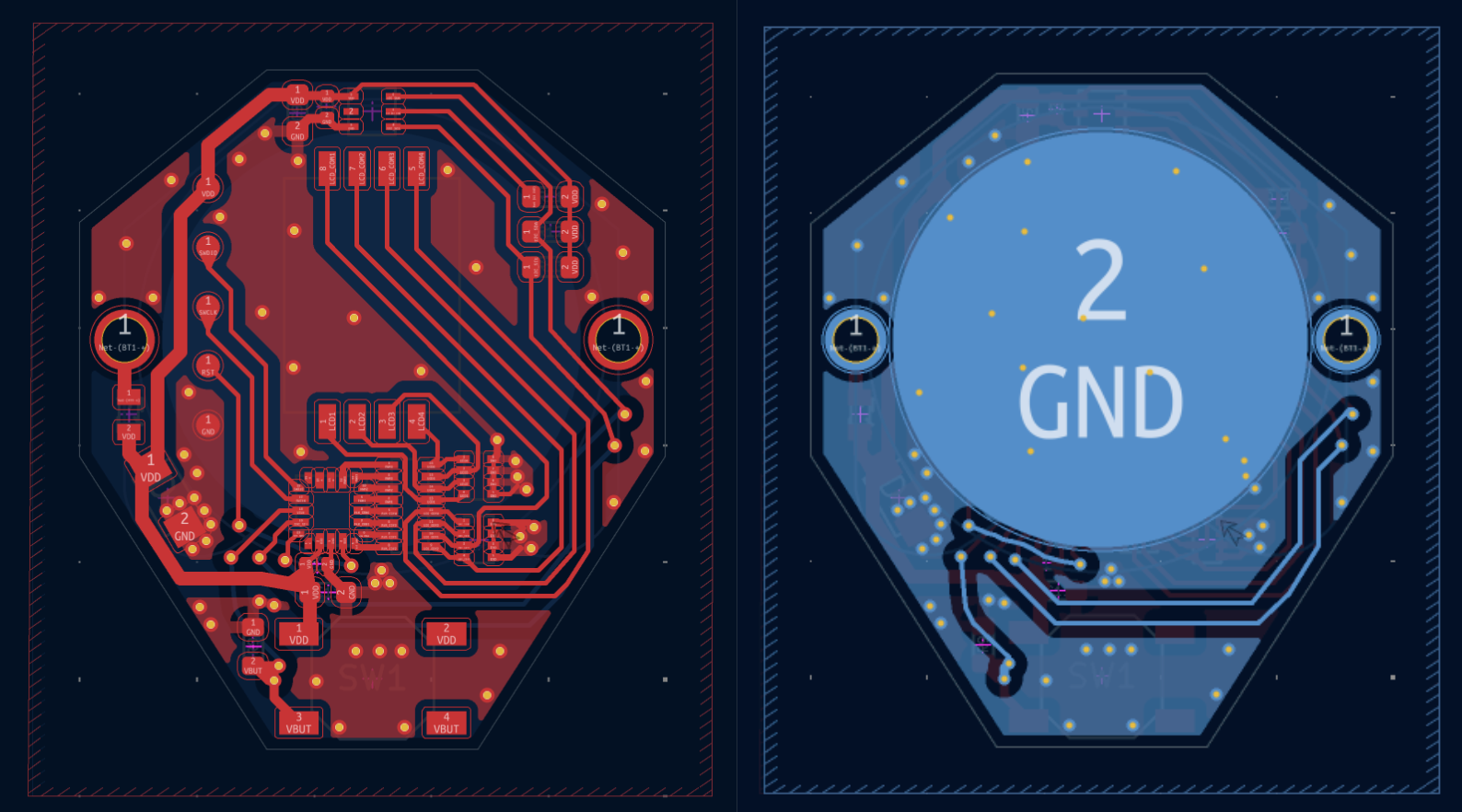
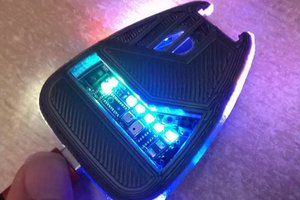
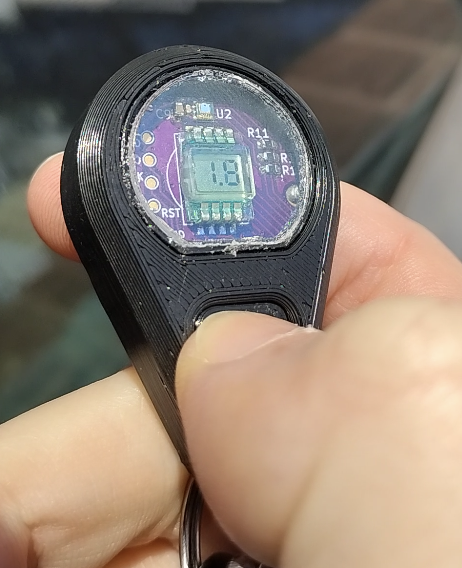
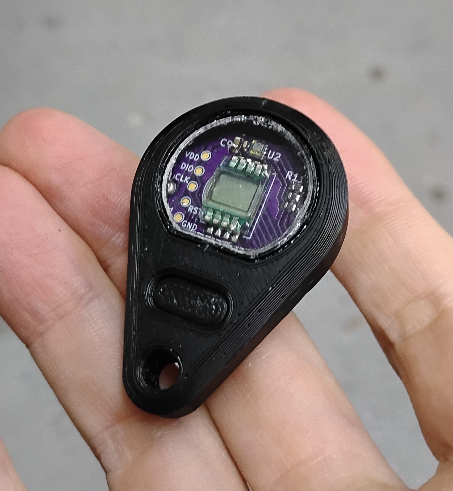
And the latest version, roughly the size of the clay dummy, small enough to fit on a keychain:
If you like this idea, let me know! I'd love to make it better (smaller, cheaper, longer lasting).
VID_20251129_005456312.gif

Graphics Interchange Format - 2.50 MB - 12/23/2025 at 21:37

Preview

VID_20251129_004215119.gif

Graphics Interchange Format - 1.20 MB - 12/23/2025 at 21:37

Preview

IMG_20251118_191259918.jpg

JPEG Image - 130.83 kB - 12/23/2025 at 21:37

Preview

IMG_20251120_091839937_HDR.jpg

JPEG Image - 83.78 kB - 12/23/2025 at 21:37

Preview

IMG_20251120_130500983.jpg

JPEG Image - 143.14 kB - 12/23/2025 at 21:37

Preview

View all 18 files

  • 1 × STM32C011 Microcontroller
  • 1 × LTR390 UV Sensor
  • 1 × GDC02693 2.5 digit LCD from GoodDisplay
  • 1 × CR2032 Batteries and Battery Accessories / Batteries

  • Smallest prototype yet

    rex3 days ago 0 comments

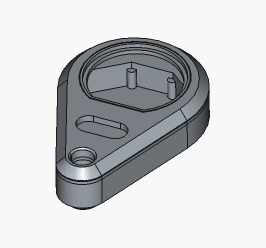
    I just finished assembling the next version of the keychain, finally living up to its name. It's keychain-sized, perhaps a *bit* on the chunky side, but small enough to keep in the little "pocket pocket" above the main pocket of my jeans, you know, where people put spare change and keys and stuff. It fits in there along with the rest of my keychain, which is great for use outdoors.

    There were many surprises with this version, like the challenge of building a fixture for programming it (since the test pads are so small), as well as the challenges of building an enclosure with a window. It's a little rough around the edges, so I'm thinking of ways to make it look a bit cleaner.... not that it matters much, but I keep comparing it to the seamless construction of my Casio F91-W, with is slightly beveled window and delicate printing. Perhaps an unfair comparison, but if anyone knows how to get that level of fidelity on a mini device enclosure, please let me know.

    At any rate, the hard part is over. Now I get to see if it's actually useful. I'll loop back with what I learn later. For the time being, I'm excited to put this project out of my mind for a while... it was a lot more than I expected!

  • Testing LCD damage from soldering

    rex12/27/2025 at 01:24 0 comments

    One of the challenges with scaling down this project is soldering the LCD. LCDs are commonly soldered to a PCB using through-hole technology because reflowing the entire LCD through an oven would damage it.

    But given that I'm building a tiny PCB, I do not have a ton of room to do through-hole soldering: I needed this device to be on only one side of the PCD, i.e. SMD soldered.

    Which brought up the question: could I damage the LCD by soldering so close to the glass?

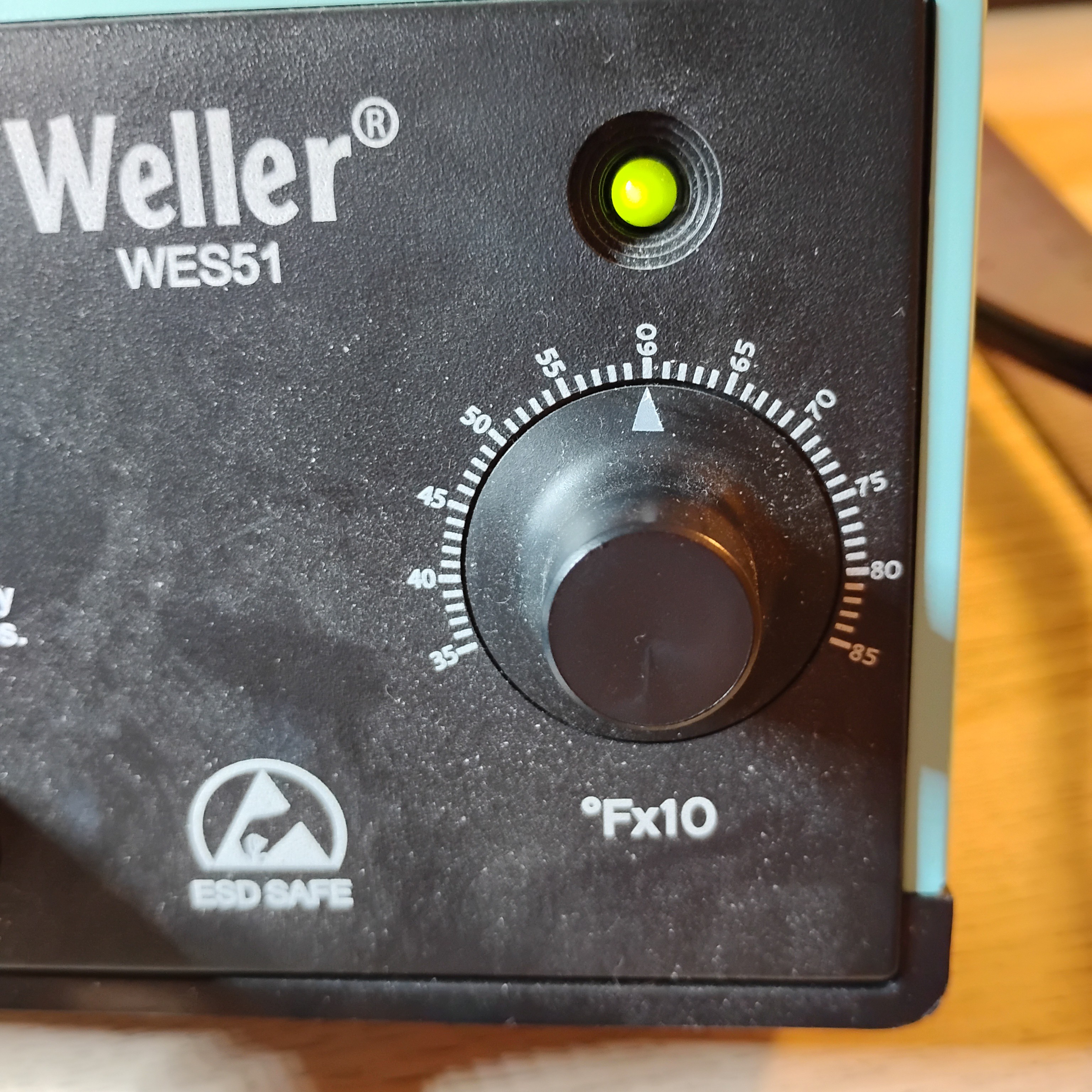
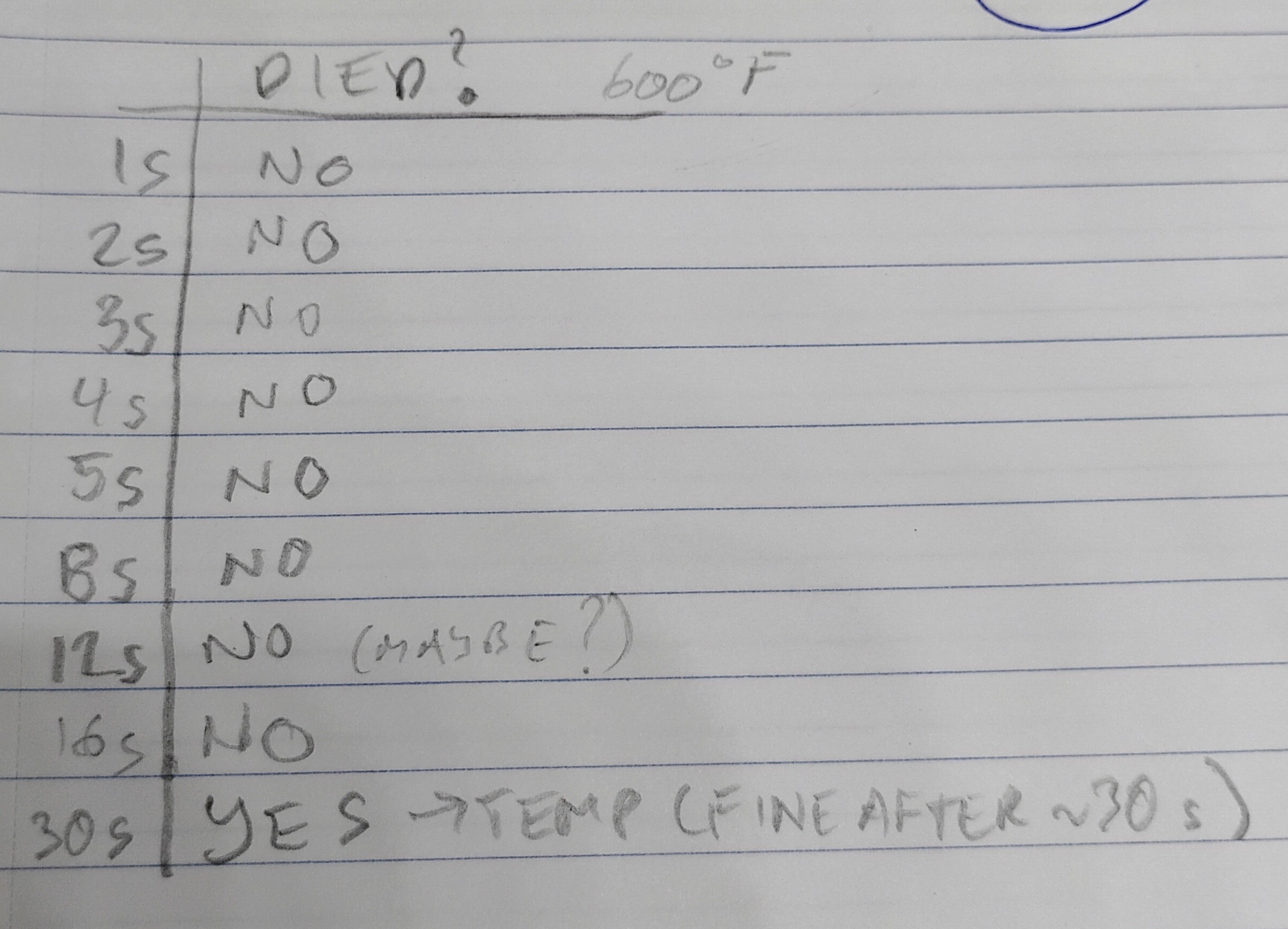
    I ran a quick test to see how much heat the LCD could handle before being damaged. The result: I could only *temporarily* damage the LCD after holding one of the pins at 300ºC for about 30 seconds. Any damage I could observed seemed to have disappeared after ~ 30 seconds.

    So the takeaway: it's pretty safe to hold a hot soldering iron right up against the LCD glass while soldering, as long as it's for less than ~ 10 seconds or so. I could not see any noticeable damage at 5 seconds, for instance.


    Results

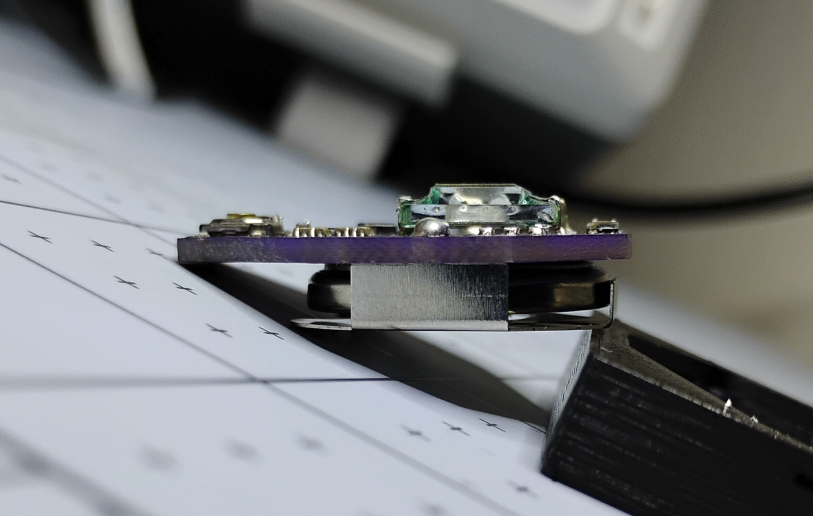
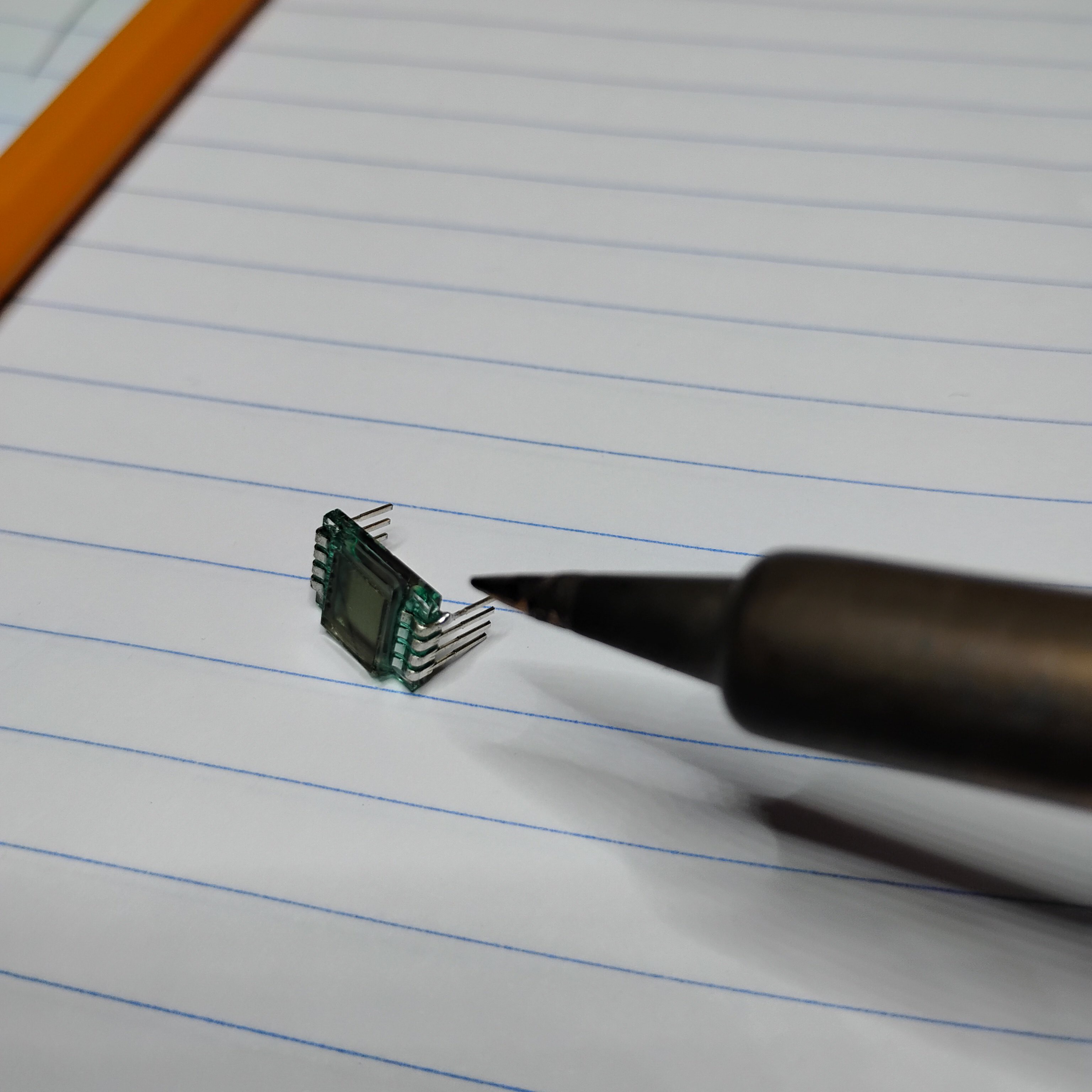
    I placed the soldering iron with solder on it right up against the corner of the pin where it touches the LCD glass.

    And the soldering iron setting:

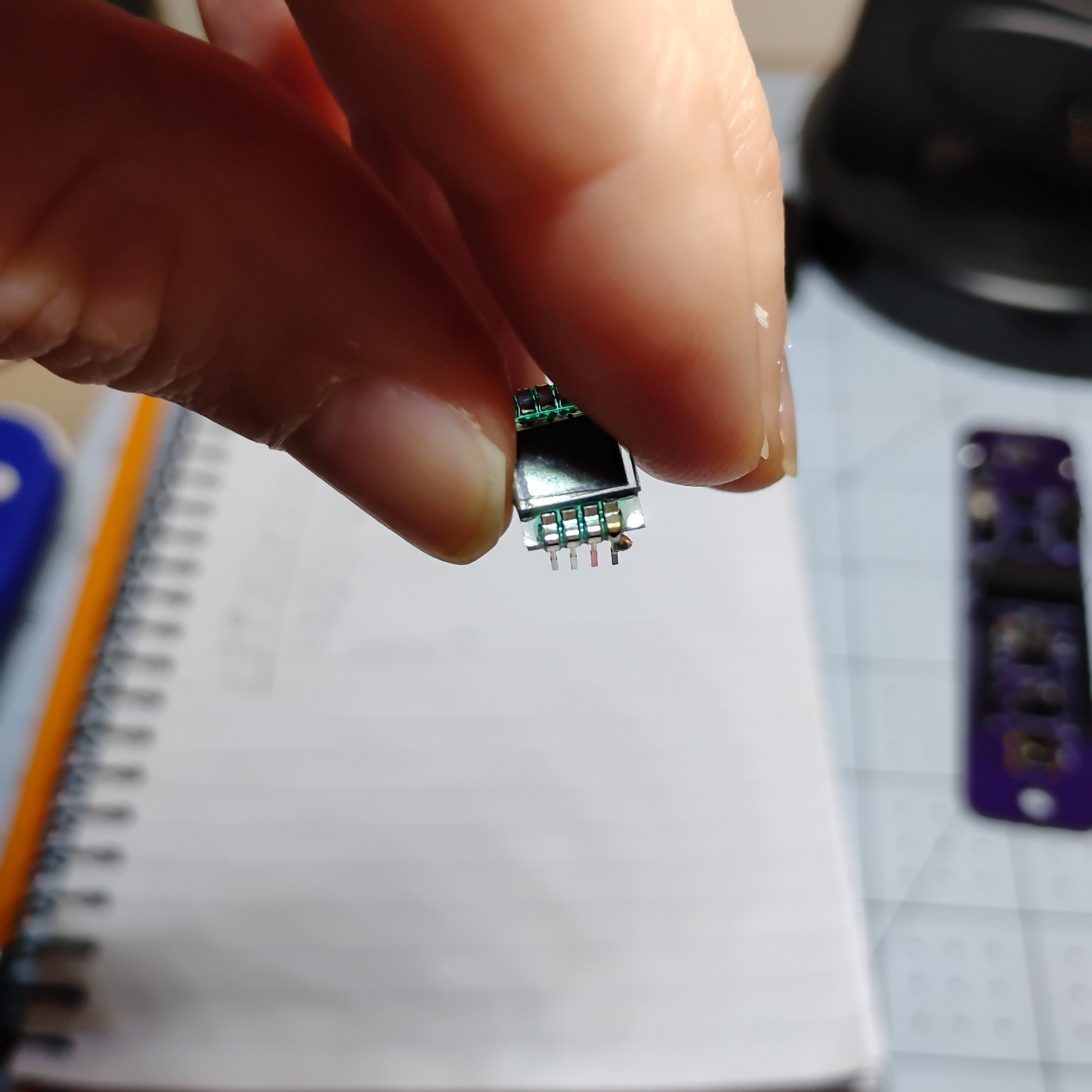
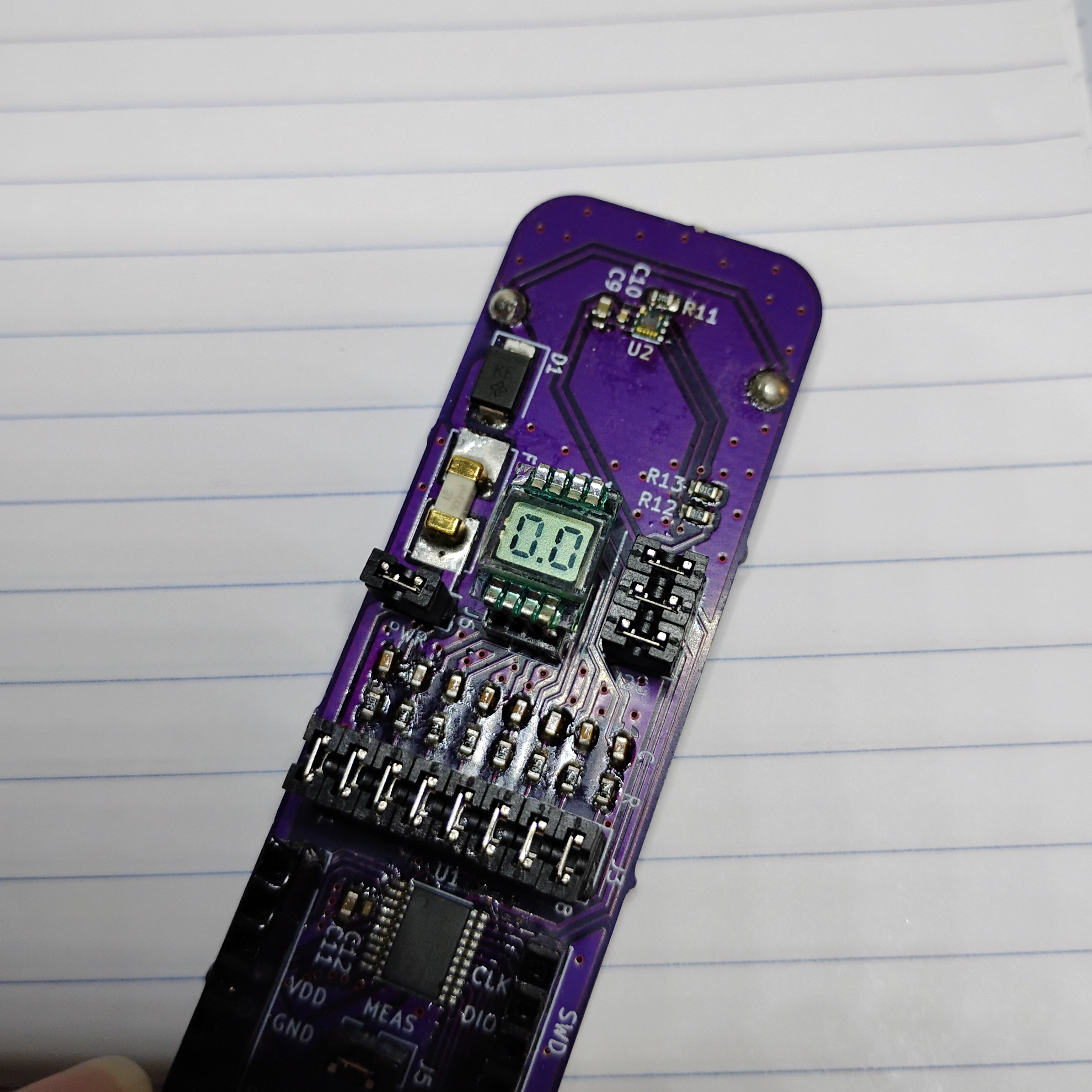
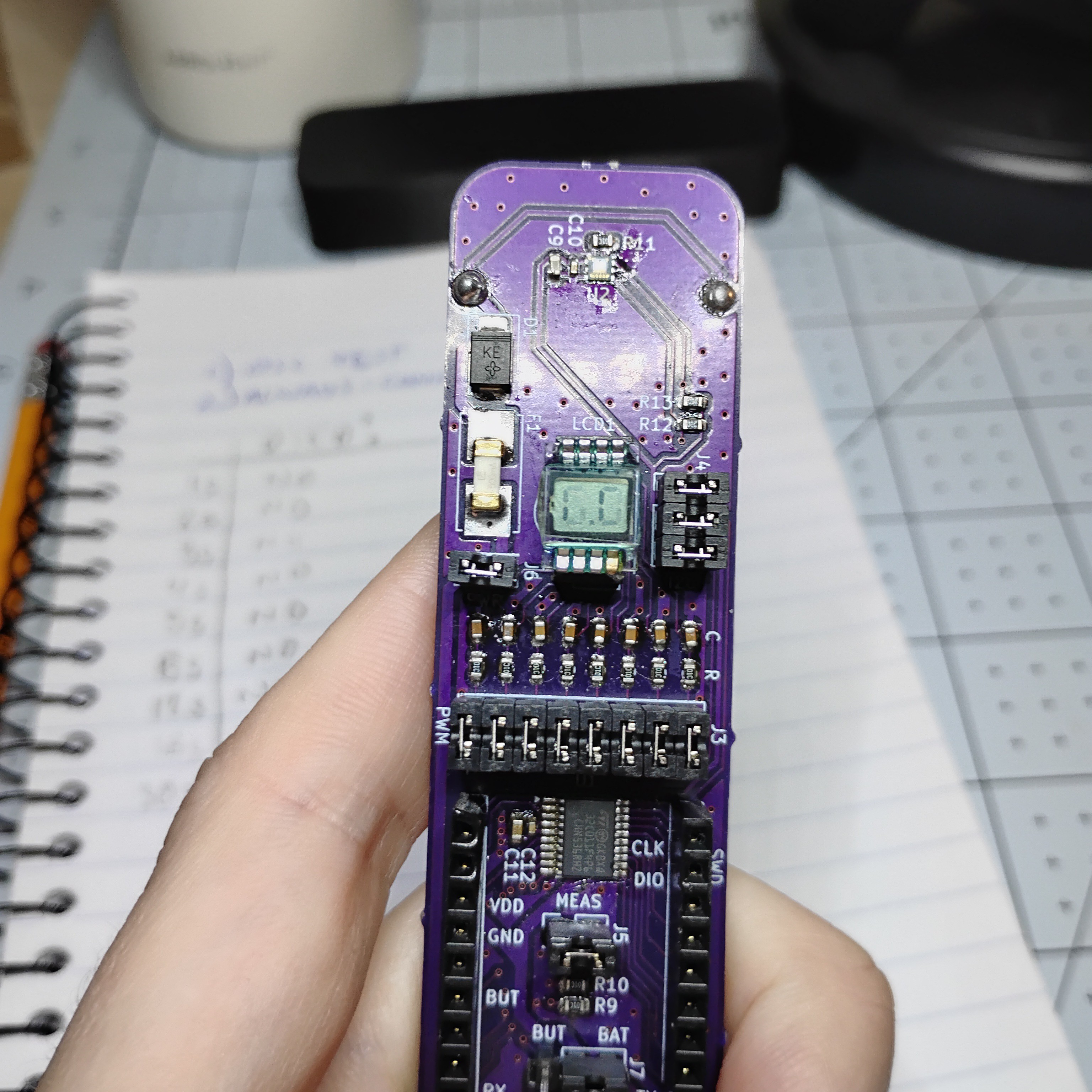
    After each "test," I determined if the LCD was damaged by plugging it back into the device and running the display:

    I did a variety of times. You can see what the LCD looks like when it has been damaged. It looks like some of the segments are faded.

    In all instances, this damage appears to have been temporary. After 30 seconds, I could not see any fading like this again.

  • First prototype and lessons

    rex12/27/2025 at 01:06 0 comments

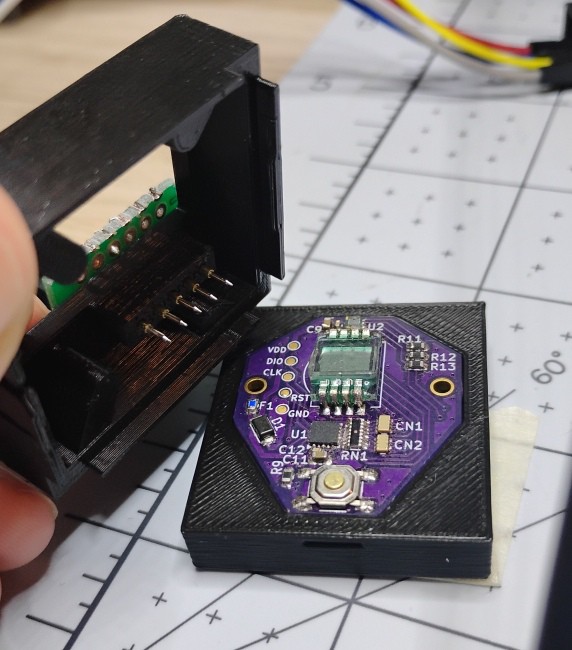
    I just "finished" the first portable prototype for this project: basically a scaled-up version of what I want. It's a bit bulky to really bring everywhere, but it achieves the basics: coin-cell battery operable, ESD safe, measures UV index correctly, display works as expected.

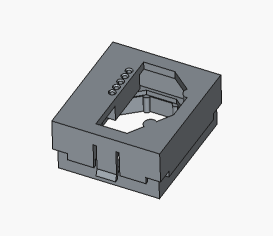
    The main challenge with this first versions was the enclosure. I didn't get the tolerances right the first go-around, so it took some back-and-forth with the 3d printer to get it right. It's still not a perfect fit, as the pin headers push the lid up about 1mm above flush.

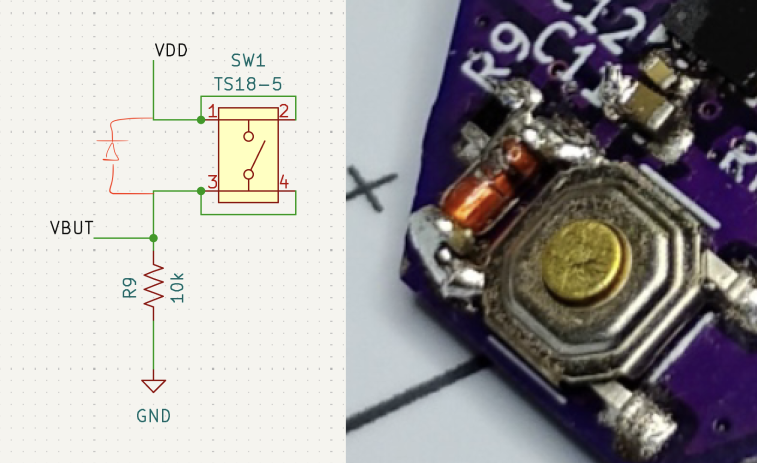
    The other challenge was having to re-solder the ICs everytime I burnt the board with ESD / over-voltage. I'm still not 100% which one it was, but whatever the cause, keeping VDD connected to the TVS diode seems to have fixed it. I went through 4 ICs before I got this right. Lesson: always ensure your over-voltage protection is connected to power rails! Even during testing, when jumpers are disconnected!

View all 3 project logs

Enjoy this project?

Share

Discussions

Does this project spark your interest?

Become a member to follow this project and never miss any updates