 Matthew

The Problem
When I got my Framework Laptop 16, I loved it. All apart from one, tiny, miniscule thing:
 | 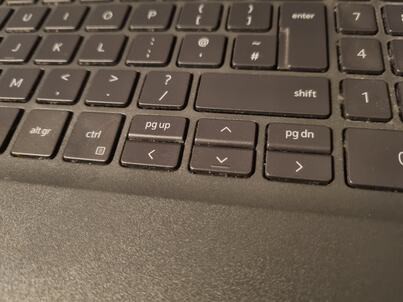 | 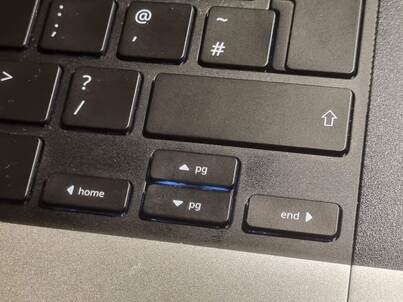 |
| Thinkpad | Dell | Framework |
The problem was immediately, glaringly, obvious. I use those keys. All the time, especially when reading articles. Page Up and Page Down are well, if not my most used keys, then surely very often used. And now I have to use the Fn key, clumsily, to access them.
Why couldn't they have done this:
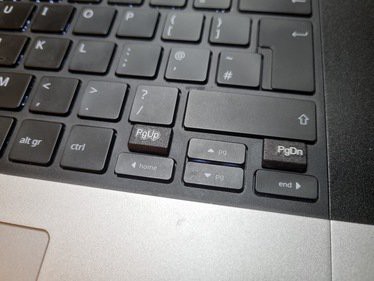
The spaces are right there, sitting empty, doing nothing! Why, Framework, why?!
The Dream
But wait. This is the hackers' laptop. The one where everything can be modified. The one where they want you to mod it. The one where all the firmware and specs and CAD models are published. Then, surely, surely, I can do this:

If those keyboard spacers can have grids of RGBleds on them, then they can have keys, right?
Dream Shattered
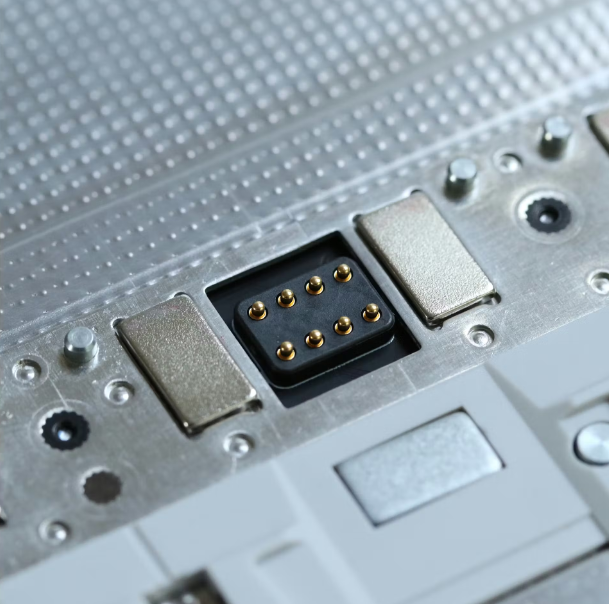
So, all I should need is some laptop keyboard switches and a microcontroller. I began reading up on the input modules, and quickly ran into a showstopper: the height requirement is 3.7mm. All the low-profile keyboard switches I found were way above that. I started thinking some of the smallest ones might be ok if they touched the screen, but that risks scratching the screen and pressing the keyswitches when the lid is closed. For example, cherry ULP (ultra-low-profile) switches are 3.5mm high. Without the keycap. Or the PCB.
And so I gave up for a while until....
Framework to the rescue
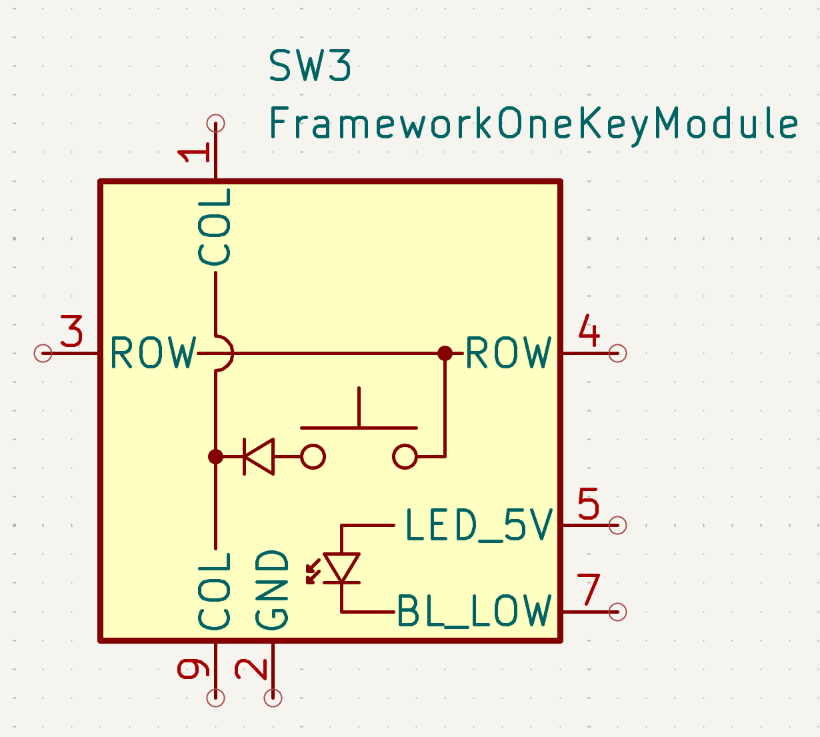
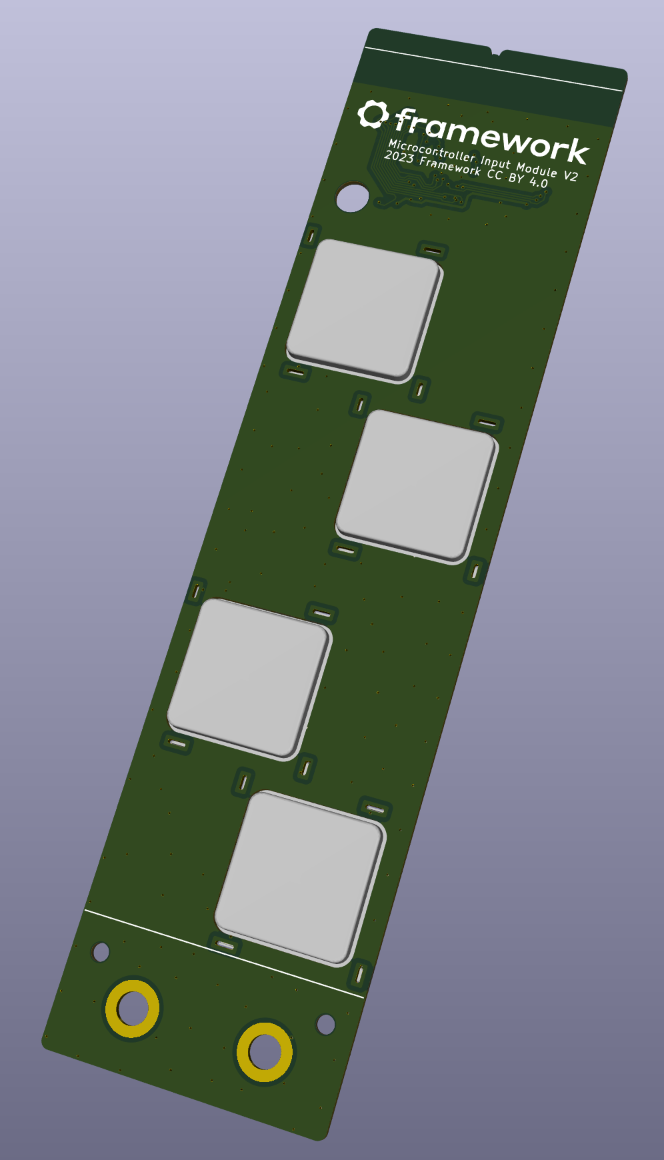
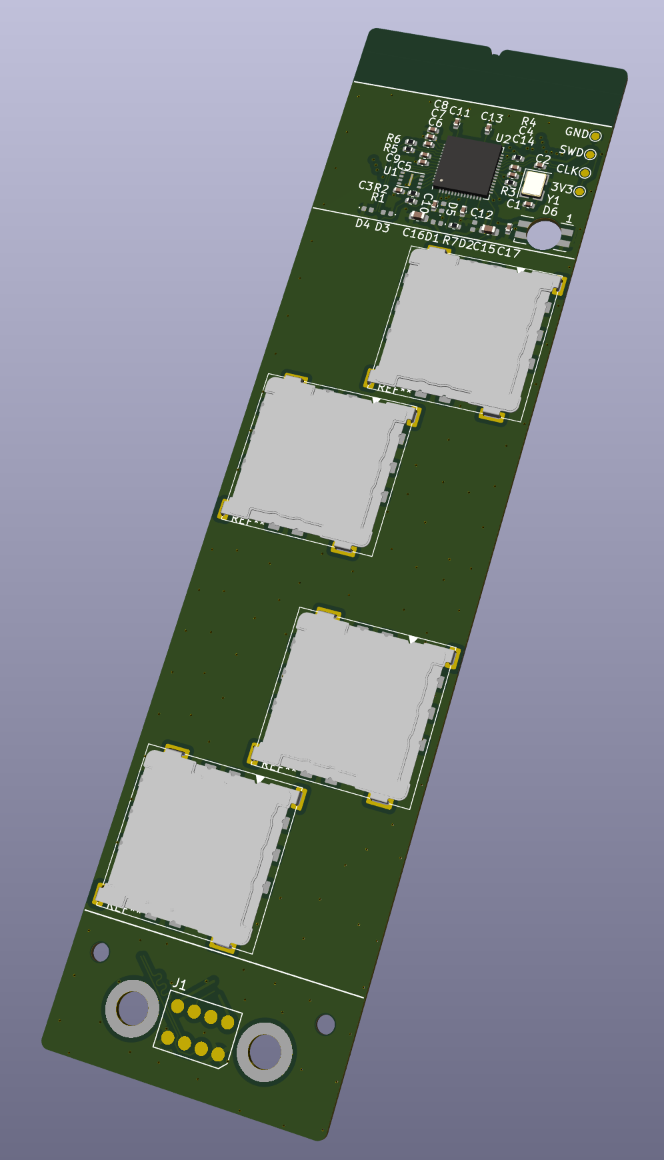
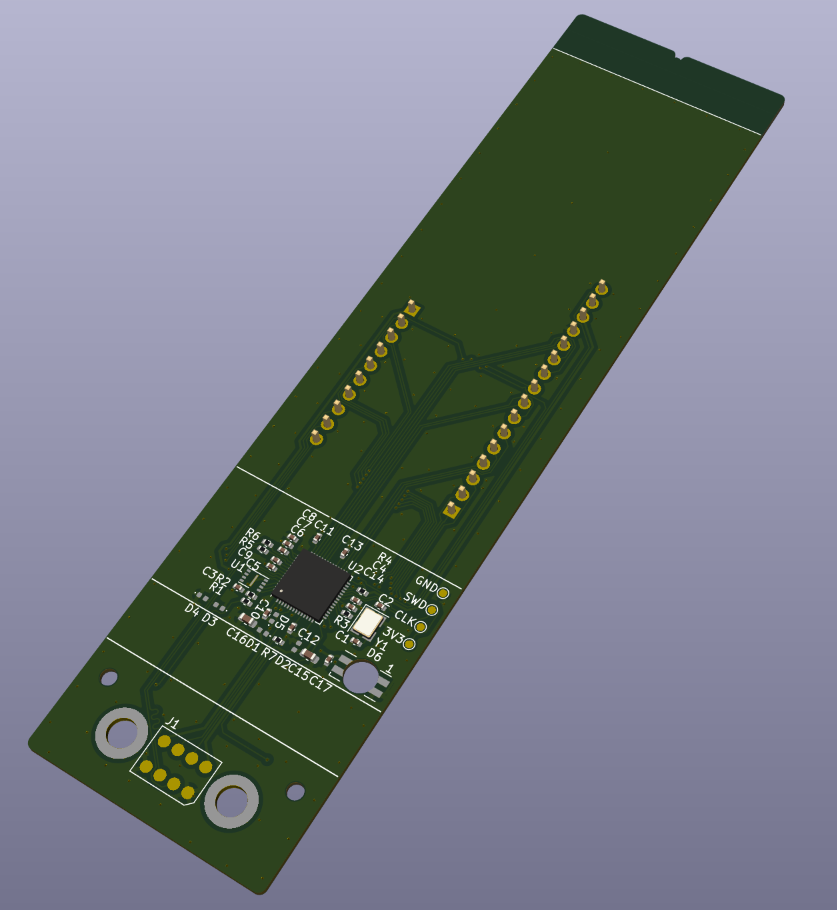
Until I stumbled across Framework's One-Key Module - which is perfect for what I want to make, and the project was back on. As it was just released, I found they had a developer program, so I fired off a quick description of my plan to add the missing keys, and expected not to hear anything back for such a simple idea.
But to my surprise, a week or so later, I got a reply from Framework saying they liked the idea and could they send me some keys. And they did! So now I'd better actually produce something...
 Dylan Turner
 TEC.IST
 Simon Merrett

 Mukesh Sankhla