 nobcha
I reused the Raspberry Pi Pico board originally designed for my R909-tester project as the CPU board for my R909-DSP airband receiver.
The existing receiver firmware required only minor modifications, and the receiver is now working.
The R909-DSP project is my ongoing DIY development of an airband receiver.
{PHOTO}
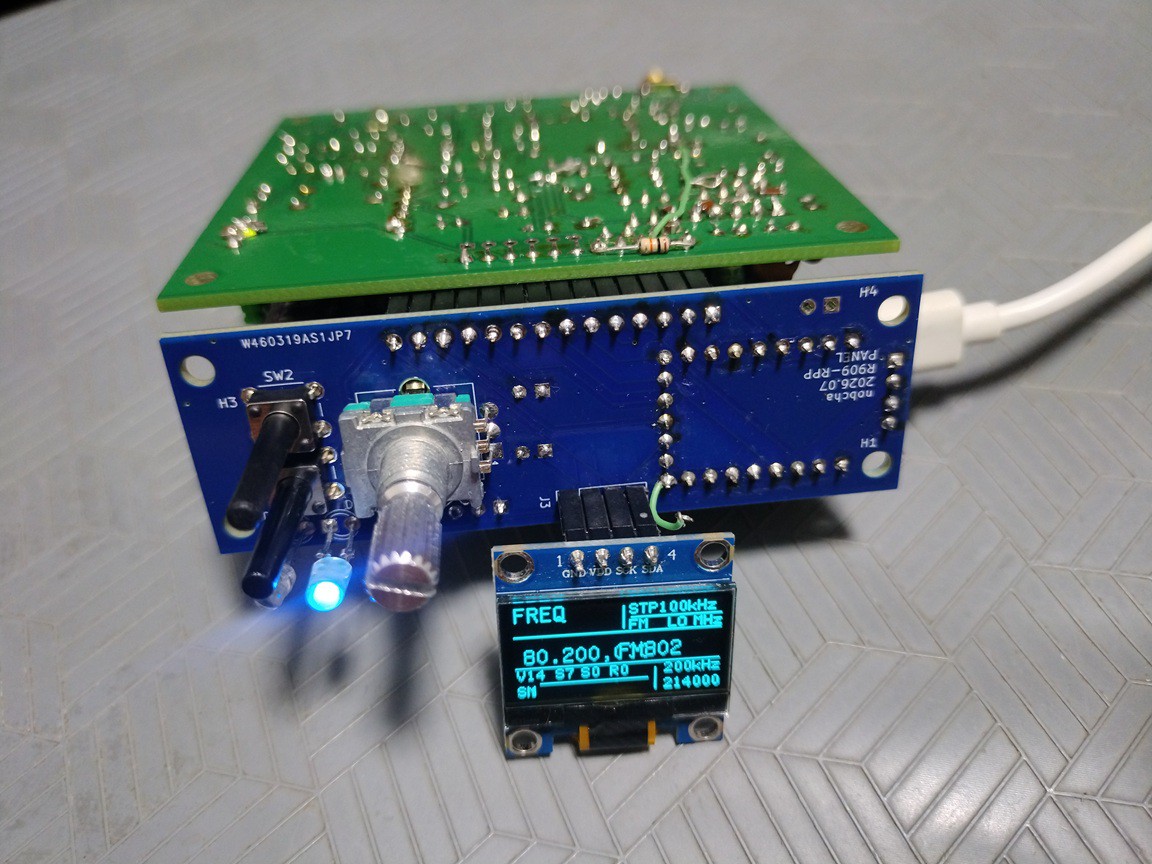
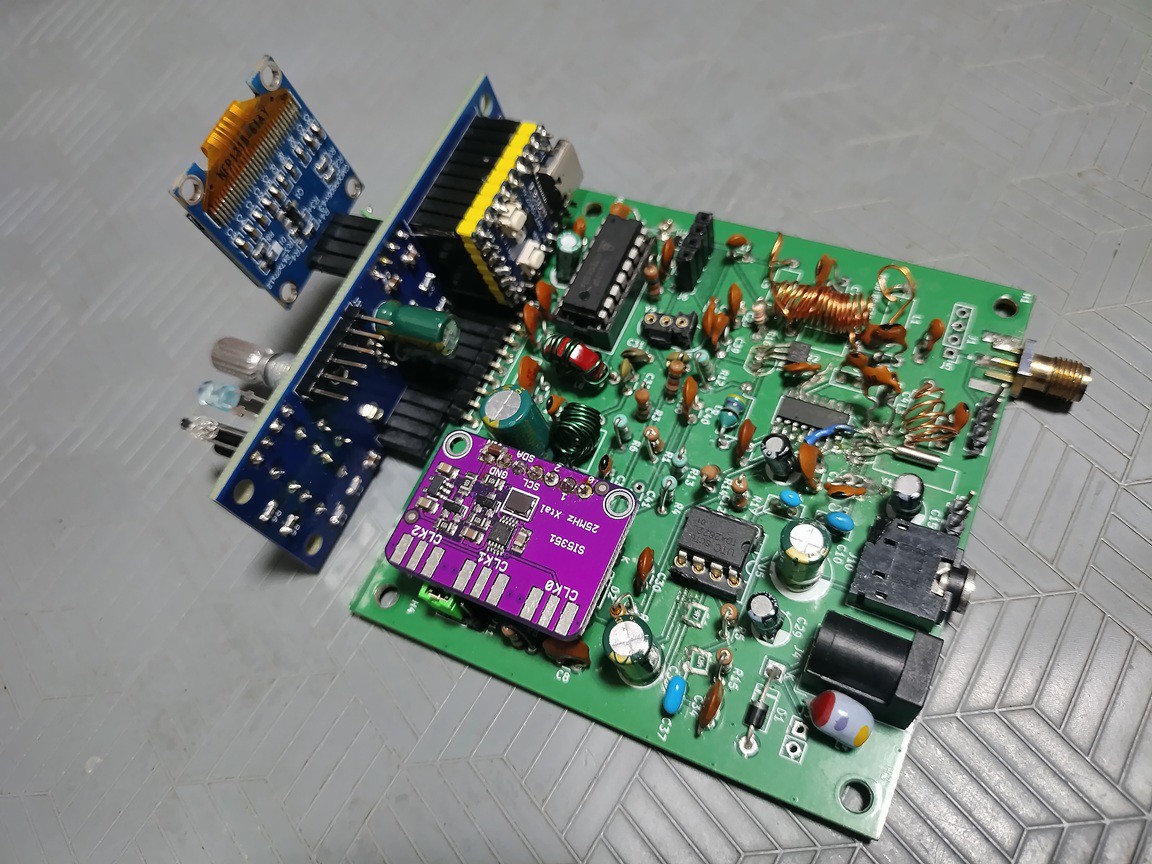
For the R909-tester, I designed a PCB using a **Raspberry Pi Pico Zero module from Waveshare**. I made a mistake when placing the I2C connector for the OLED, so the first PCB was not assembled as intended.
Instead of throwing it away, I decided to reuse it as an experimental CPU board for the R909-DSP.
I ported the existing R909-DSP receiver sketch to the Pico.
It now works with the existing TA2003 + Si5351A + Si4732 RF front-end.
The R909 CPU has evolved through several platforms:
ATmega328P → ESP32-C3 → Raspberry Pi Pico
One pleasant surprise is the amount of memory available on the Pico. Compared with the ATmega328P, there is plenty of room left, so I can even add Japanese character display support.
For the next step, I need to tune the RF front-end for better **sensitivity and stability**.
I will continue this development as R909-DSP6.
Discussions
Become a Hackaday.io Member
Create an account to leave a comment. Already have an account? Log In.