Zduka
Zduka

## How I Got There
On Christmas 2021 I finished building an mp3 player for my kids. I really enjoyed the work, and seeing my kids using the player gave something like a "meaning" to my life. But I was also left with lots of spare parts - screens, MCUs, speakers, microphones. To make use of these, I jumped into my next project: taking some old LEGO technic motors and creating a Remote Controller for kids from the spare parts. But feature creep hit hard. With a dpad, MCU and radio, I could add a spare screen - kids love displays. Now I had a display, MCU and dpad - enough to play some simple games. Kids love sound, so let's add a speaker. If only I could add a microphone, I could make it a walkie talkie too, but there was no free pin left. Upgrade to bigger MCU, problem solved. Bigger CPU can drive a better display - kids love colors! Writing games for a color display would be hard without drawing skills, but I could use emulators and play old games! Kids love old games! But the MCU wasn't powerful enough. Well, swap it for an even beefier one - RPi Zero!
But programming for RPi Zero was no fun for me as a programmer. And when I built the device, I realized I didn't want to give it to my kids. It played lots of old games, music, movies. But it was all about consumption. So I scrapped the project and started fresh.
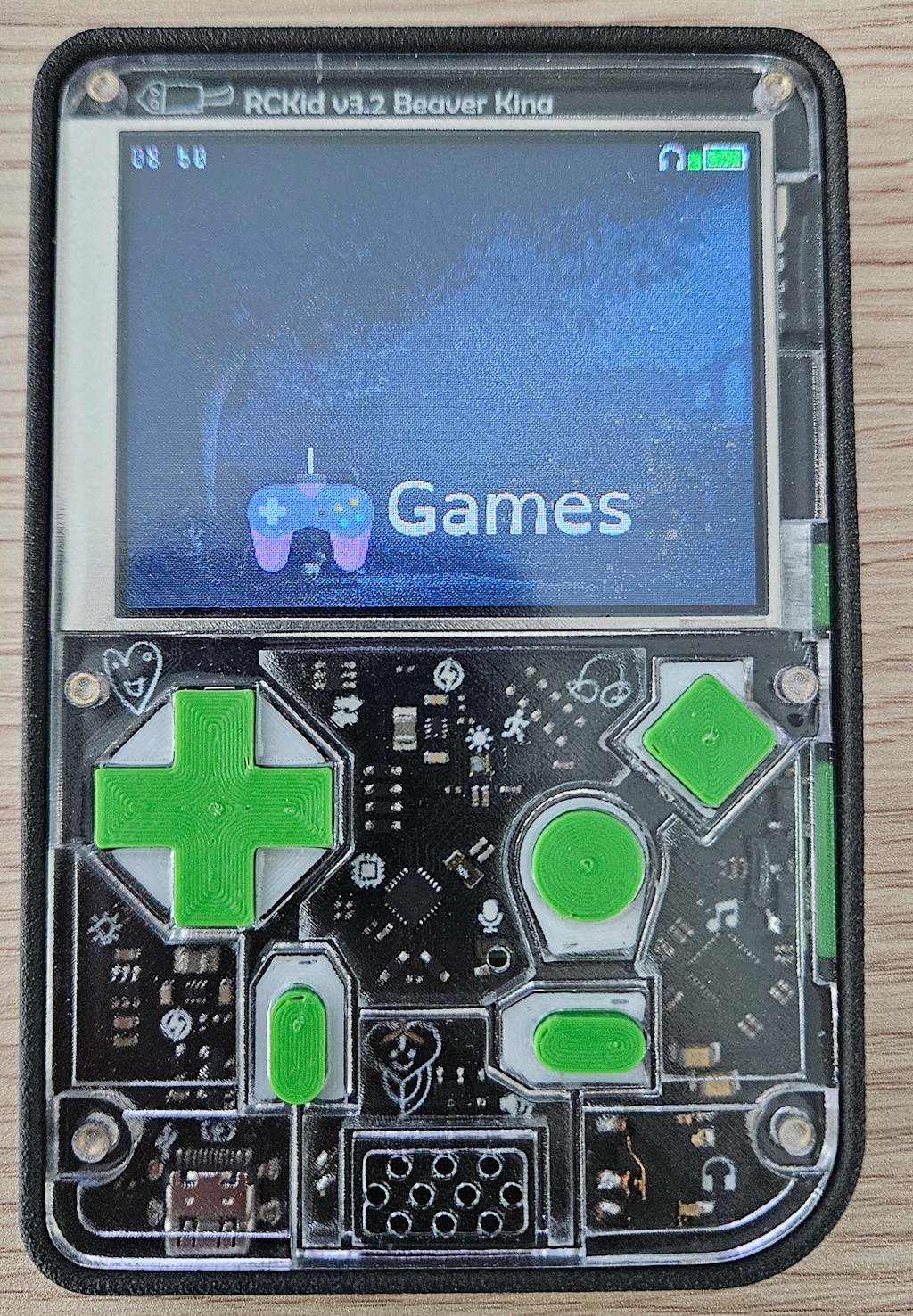
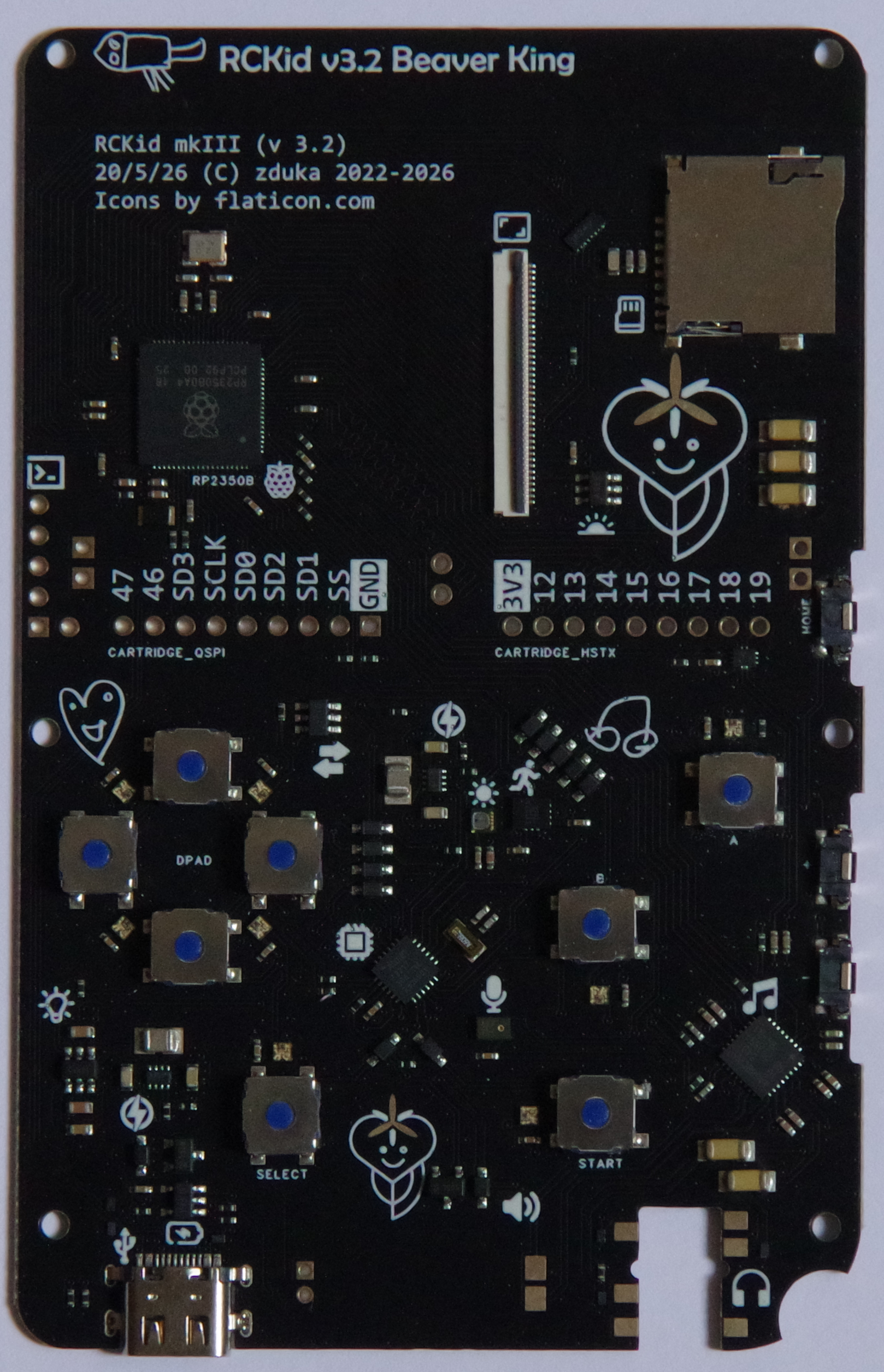
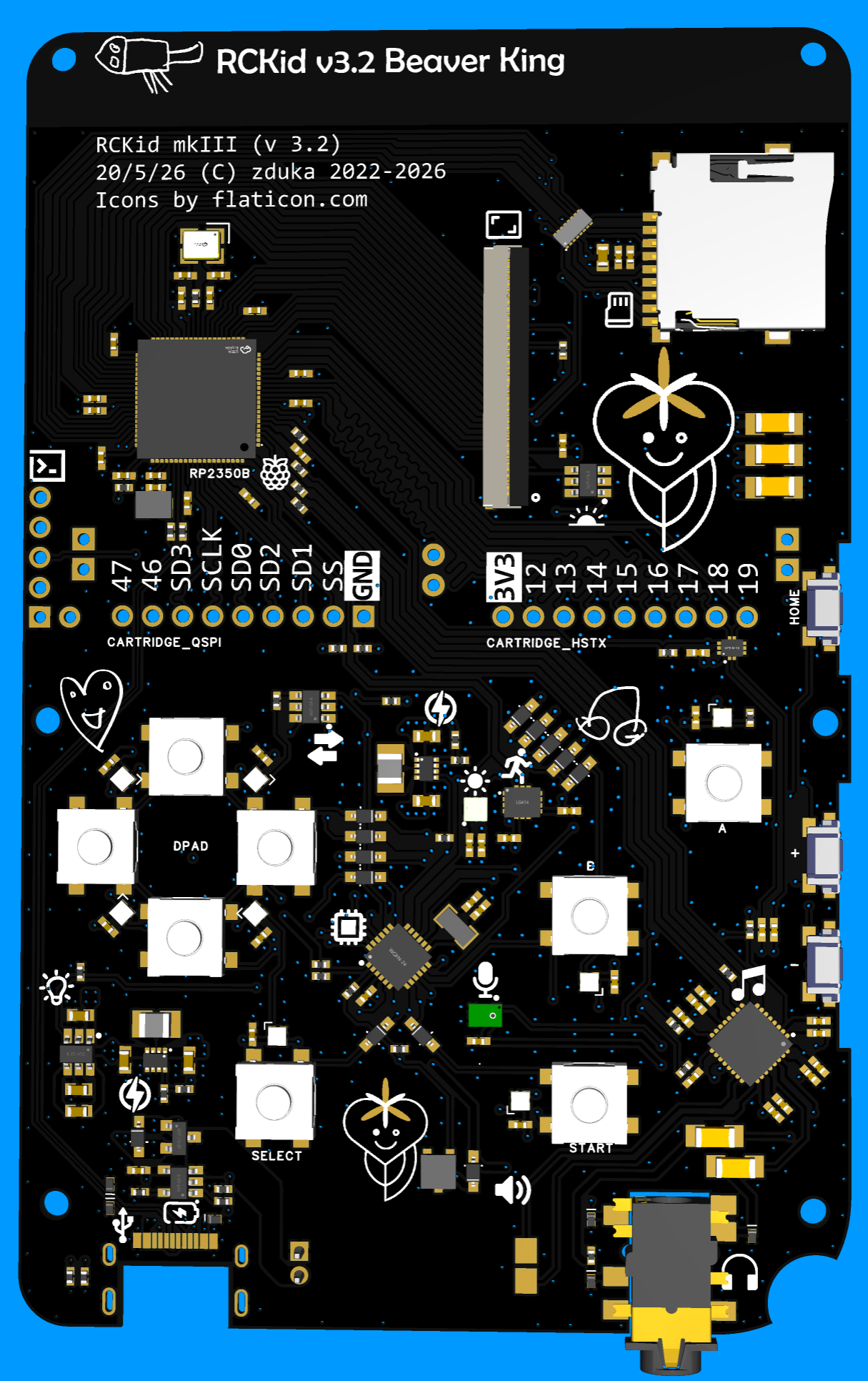
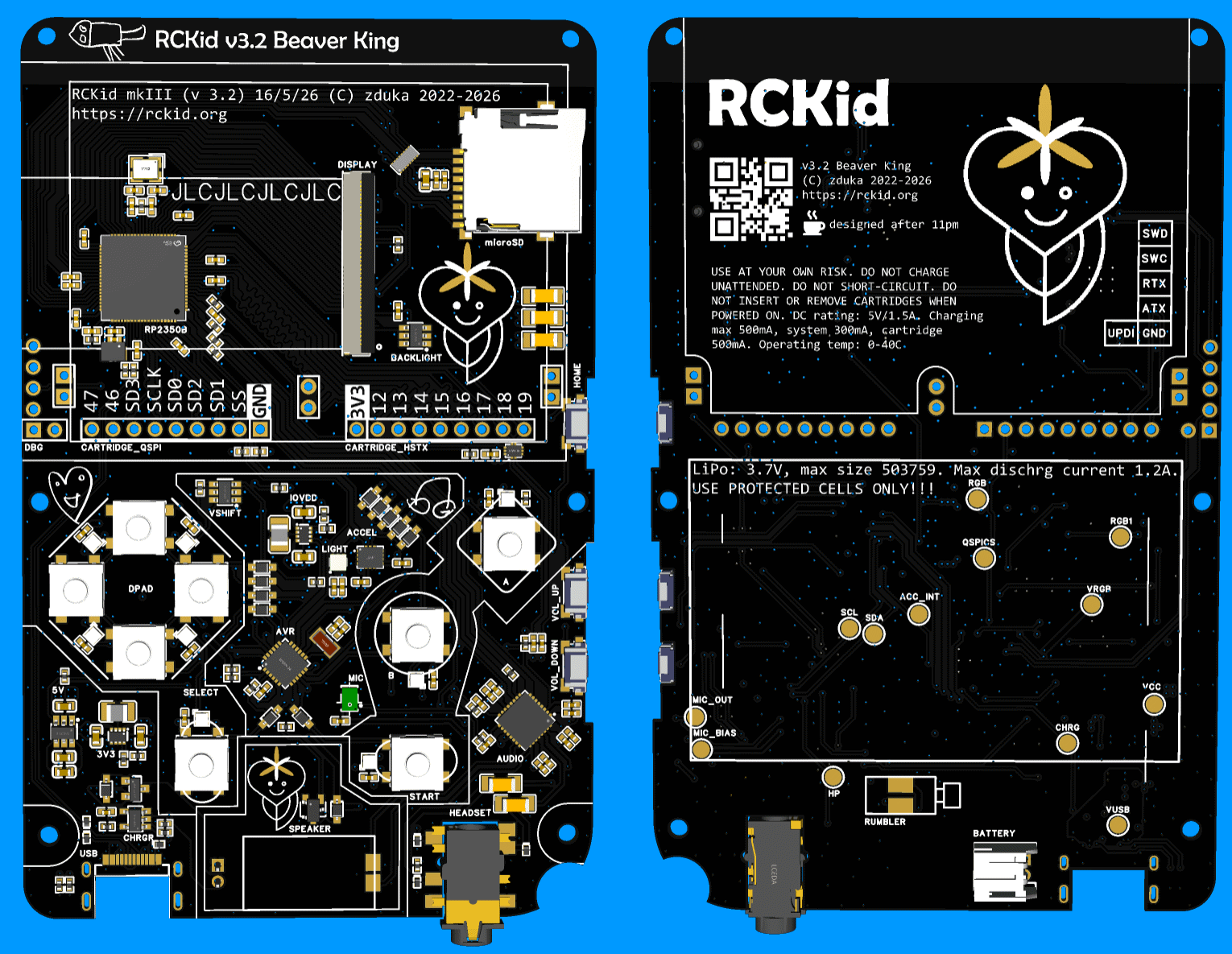
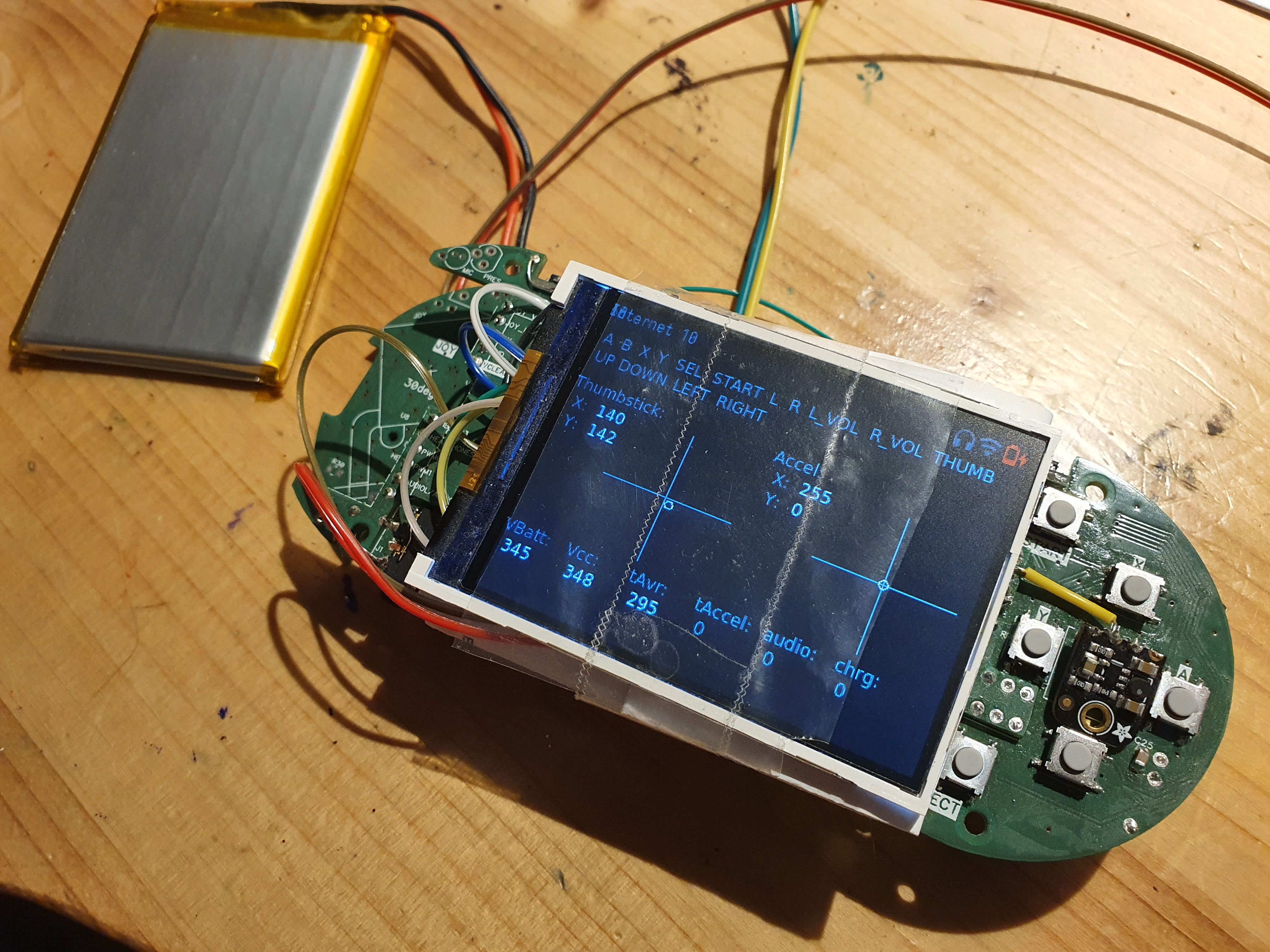
Out of this came the current version of RCKid (RC still stands for Remote Controller - too late to change the name :). It is small enough to fit in children's pockets, polished enough to look like a real product rather than a DIY hack or an obvious STEM educational tool. Powerful enough to be genuinely useful, but designed with creation first and foremost.
## Current Status
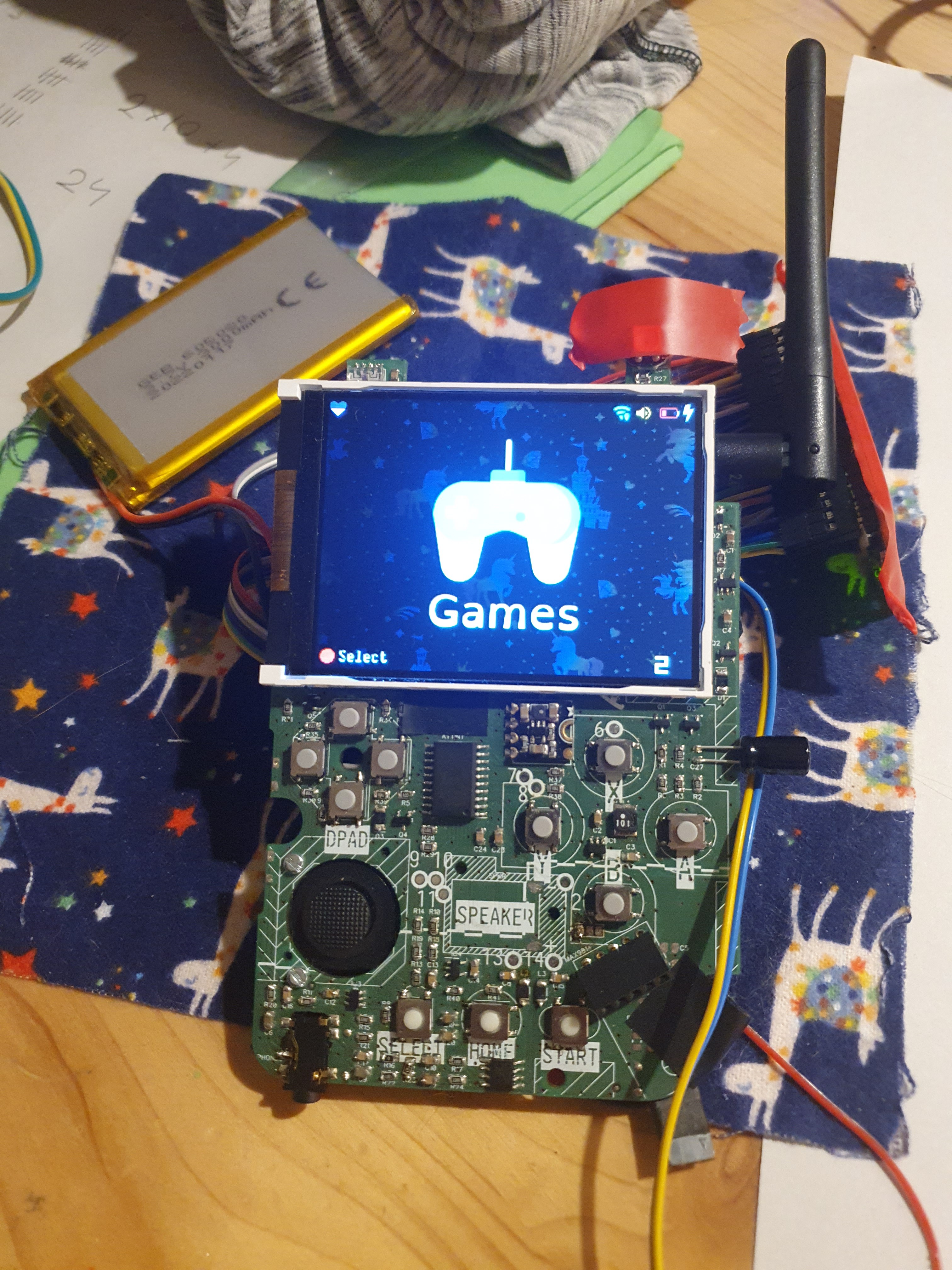
Let's be honest. This is an enormous undertaking and at this point I am working on it only in my free - mostly night - time. I have third generation prototypes that my two kids use pretty much daily. The device has a GB emulator so that games created in GB Studio can be played, an mp3 player, Telegram messenger (with WiFi cartridge), flashlight, TV remote, alarm clock, contacts and a bunch of other utility apps. I also have a simple asset editor for icons.
I used the self-imposed Christmas deadline and Baby Jesus' logistical services (he delivers presents with a bit of magic where I live) to deliver units to my two beta testers - and their cousin. That's not many data points, but:
- Both my kids take it with them everywhere and genuinely treat it as their personal device - with visual customizations, think early cellphone themes
- My 5 year old regularly uses the humble icon editor to create what he calls maps of houses - living rooms, towers, cellars, you name it
- My 8 year old is hooked on the games, wants to create her own (started learning Scratch to that end), and because reading is required, her reading skills have improved significantly thanks to the device
## Growing With the Kids
My vision for the future is far greater than this. I would not shy from calling it megalomaniac. But the fact that I have persisted with this for so long already gives me some hope that I can deliver on this big picture as well.
My plan is to evolve RCKid into an educational platform for kids and teens. There are plenty of such devices already, but RCKid is unique because:
Wait for it... It has cartridges!
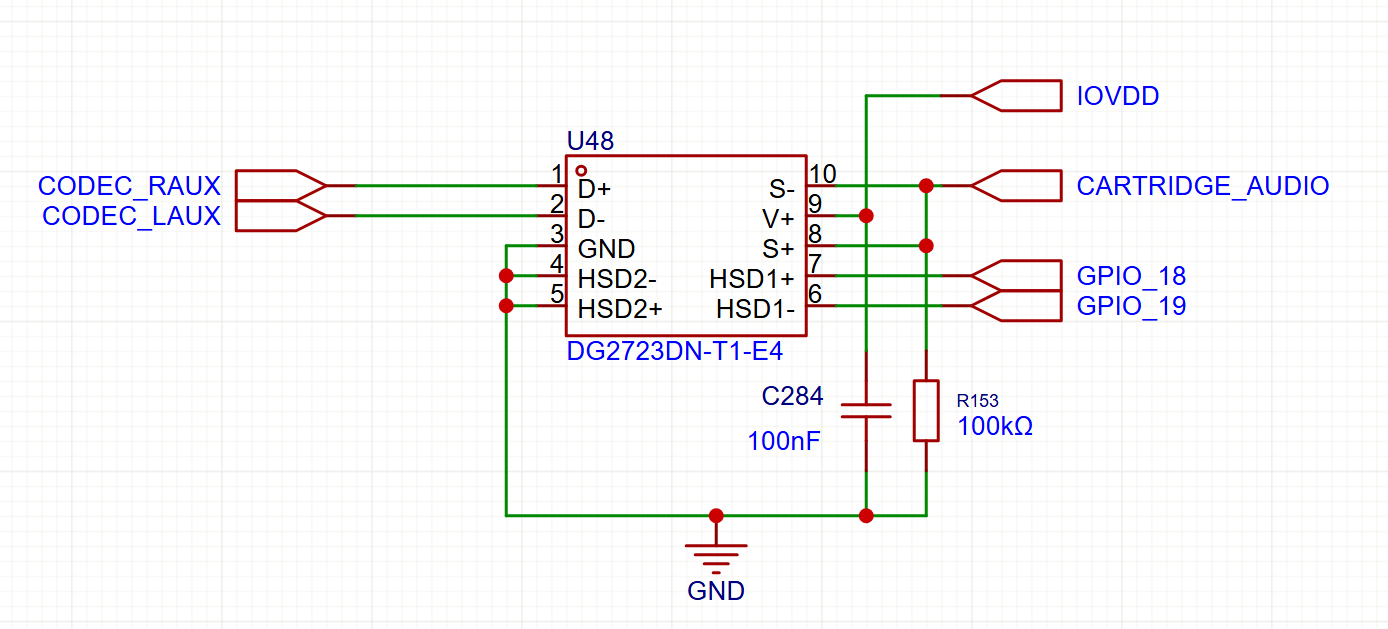
Cartridges add tangibility to creations. When you create a game in Scratch you save it on your parents' computer somewhere. When you create a game for RCKid, you save it on your cartridge - one you can give to a friend to play. The cartridge system also allows nearly endless hardware customization. I already have plain, WiFi and NRF24L01P cartridges, with LoRa, camera and FM radio planned.
I also plan a ladder of creative tools that kids across a wide age range can use:
- Small kids without any literacy can start with asset editing - tilesets, tilemaps, sprites, sounds, music trackers - that will allow them to customize existing games. This teaches...
Read more »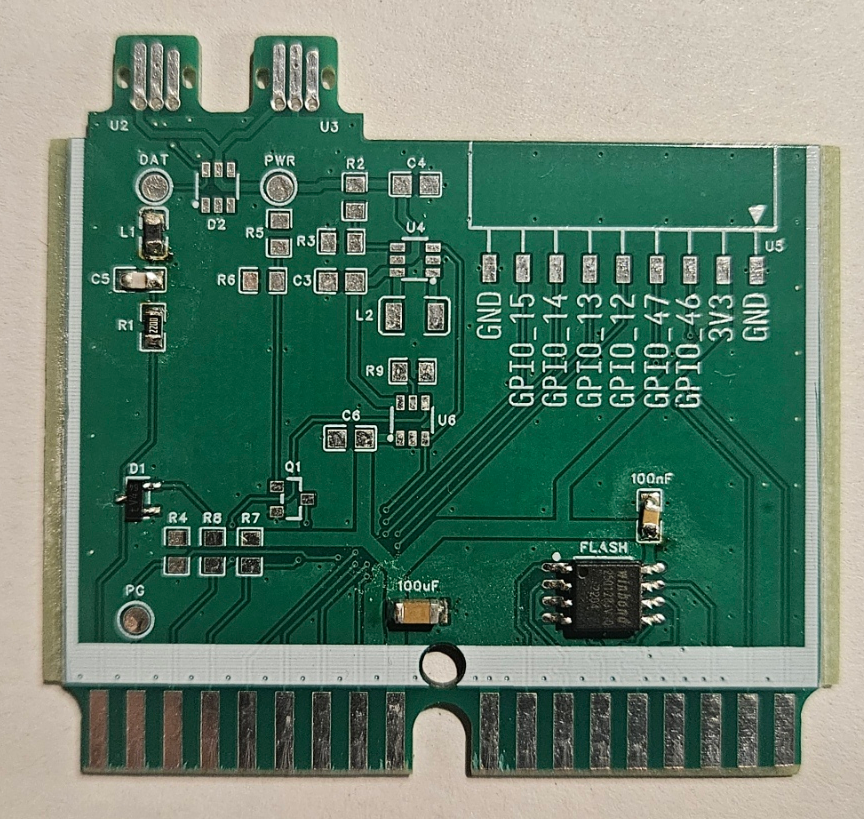
 deʃhipu
 The Big One
 stupid