 chrmlinux03
3.1 The Key Insight
After completing the CH32V003 version, something became clear while working with the Spresense Audio library.
Spresense has a feature called 192kHz 24bit HiRes Audio — sampling rate equivalent to professional audio equipment. It can update voltage 192,000 times per second.
1 sample = 1/192000 sec = 5.2us
The NTSC horizontal sync frequency is 15,734Hz. One line period is:
1 line = 1/15734 sec = 63.5us
Samples per line:
63.5us / 5.2us = 12 samples
12 samples can represent 1 line.
Spresense has stereo output, so L and R channels can be controlled independently.
L ch = VIDEO signal (luminance) R ch = SYNC signal (sync pulse)
Mix them with 2 resistors and you get an NTSC signal.
3.2 The Critical Realization
Spresense has a sample called player_hires.ino. It simply plays a RAW file from the SD card at 192kHz 24bit Stereo. Nothing more.
This code is not changed at all.
Only the file on the SD card is changed. Put NTSC waveform data inside ntsc.raw, and the Audio Player outputs NTSC signal directly.
The CPU is doing nothing in real time. It is simply playing back.
This is the decisive difference from Generation 1.
Generation 1 (CH32V003): CPU generates video signal in real time
Generation 2 (Spresense): Python pre-generates the data, CPU only plays it back
3.3 Circuit
Just 2 resistors.
Headphone Jack:
L (tip) -> 470 ohm -> RCA center pin
R (middle) -> 1k ohm -> RCA center pin
G (sleeve) -----------> RCA GND
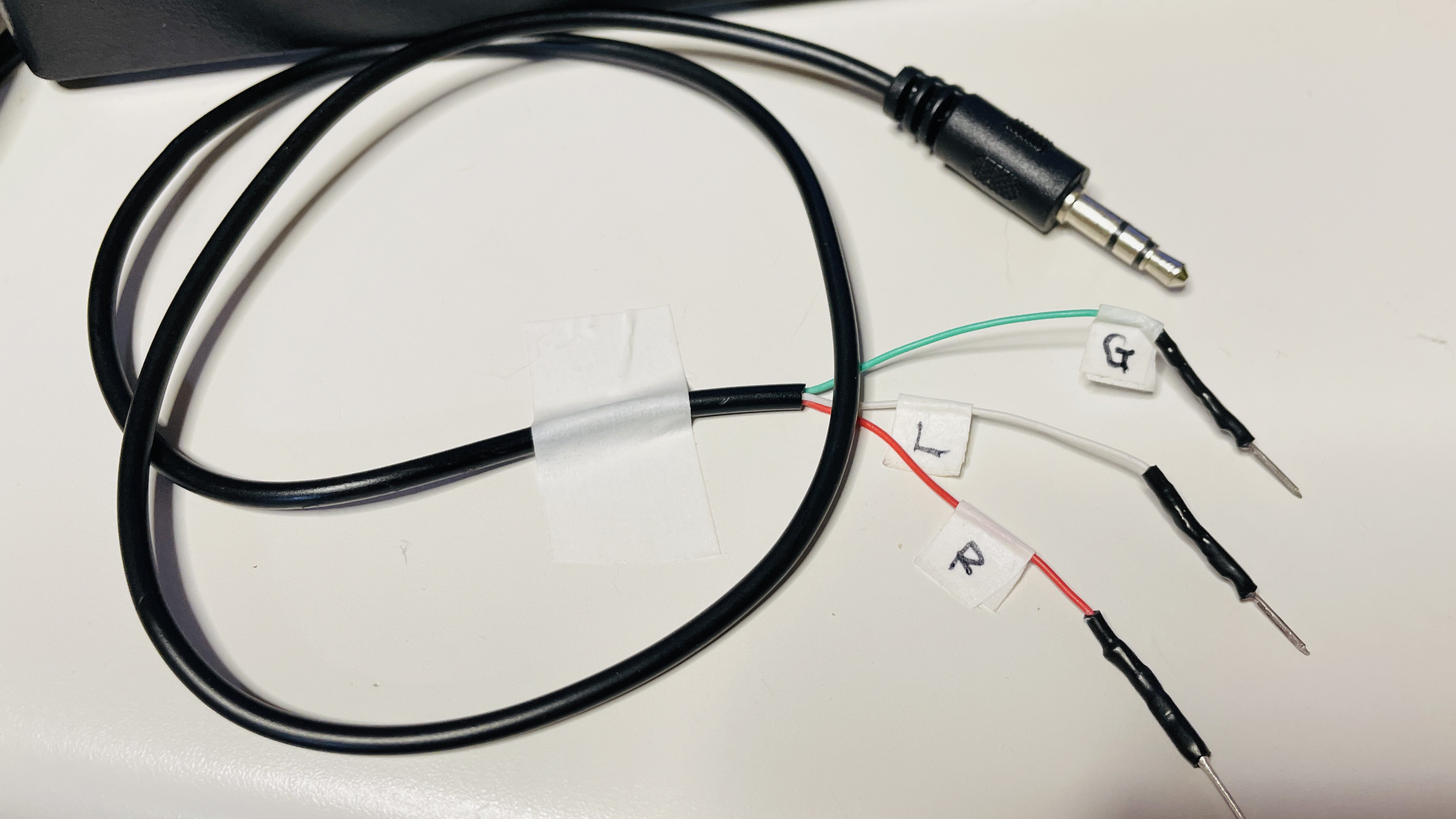
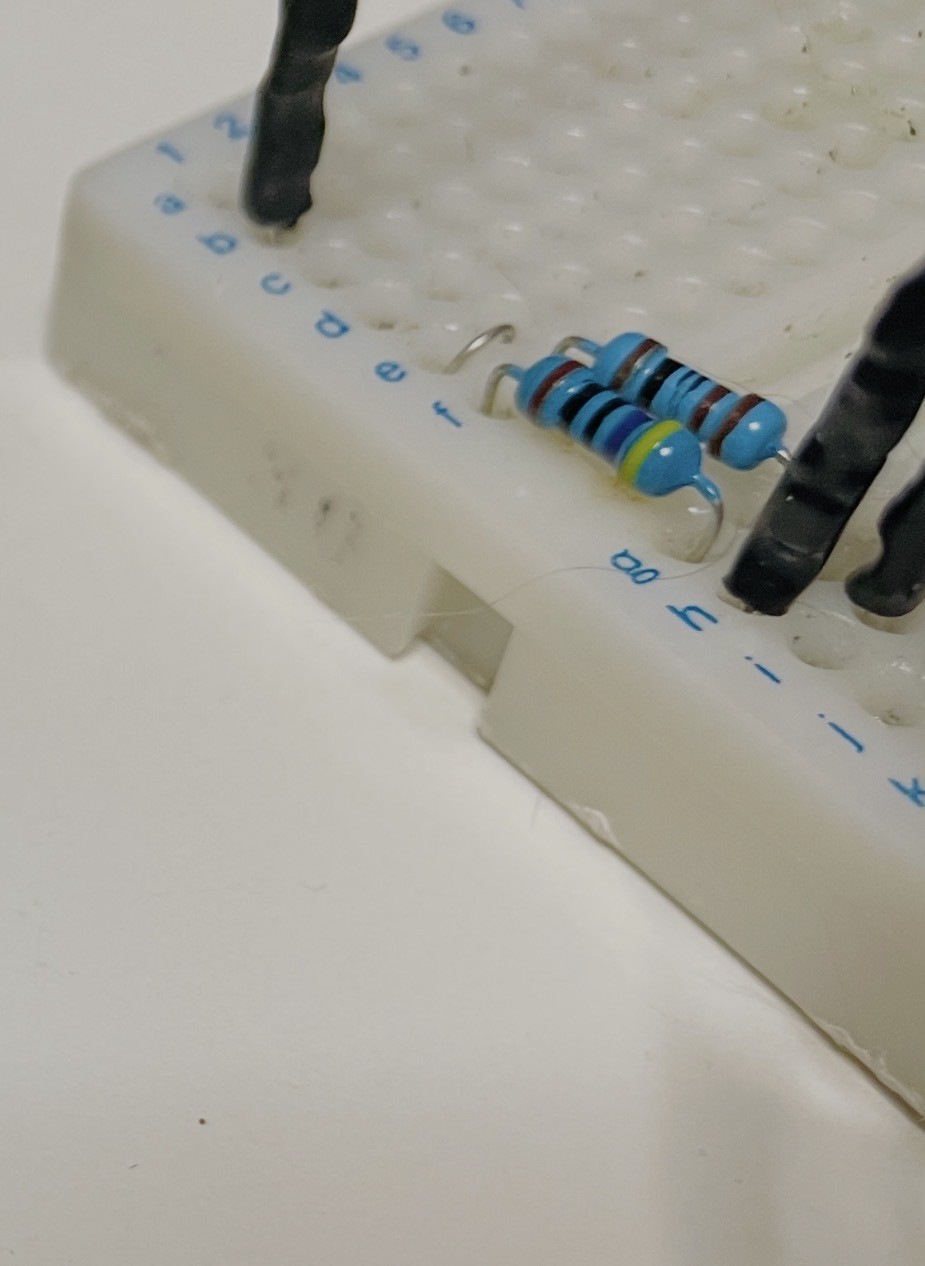
3.4 PCM Values and NTSC Voltage Levels
PCM_SYNC = 0x000000 # 0V = sync pulse
PCM_BLACK = 0x100000 # 0.3V = black level
PCM_WHITE = 0x7FFFFF # 1.0V = white level (maximum brightness)
3.5 Result
Oscilloscope measurements:
Horizontal frequency : 15.97kHz (spec: 15.734kHz) Period : 62.56us (spec: 63.5us) Vpp : 960mV (spec: 1Vpp)
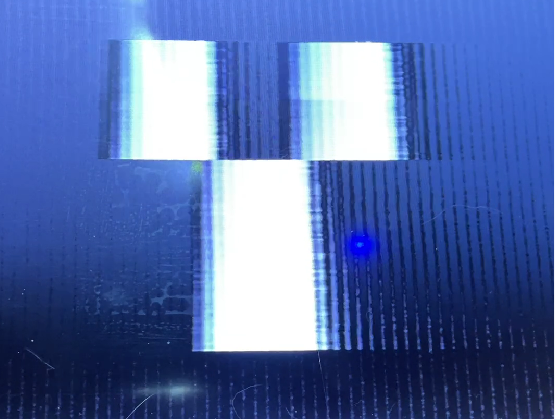
Video appeared on the TV.
But "video appeared" is not the accurate description. More precisely:
"A WAV file was played on a TV."
Discussions
Become a Hackaday.io Member
Create an account to leave a comment. Already have an account? Log In.