 Yurii
Yurii

The camera was fine. The app was the problem.
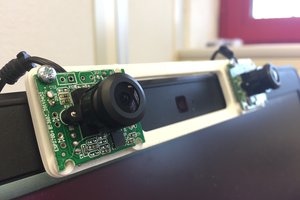
I bought an MS5 WiFi digital microscope — one of those cheap handheld USB/WiFi scopes you find
under a dozen different brand names, all running the same guts. Point it at a PCB, a splinter, a
watch movement, whatever, and it streams live video to your phone or laptop over its own WiFi
access point. No internet needed, no cloud account, just a camera and a hotspot.
I'm on iOS, and when I first bought the camera, the official app — DLscope — actually worked. At
some point since then, an update broke it completely. Not "slow," not "laggy" — it doesn't even
see the camera anymore. You join the microscope's WiFi network, open the app, and it just sits
there as if nothing is connected. Check the App Store listing today and it's sitting at 1 star,
with reviews saying exactly that: the app doesn't detect the camera's WiFi at all anymore. So this
wasn't a fringe problem on my one unit — the vendor shipped an update that broke the product for
everyone still using it.
With the app not even seeing the camera over WiFi, I tried the boring fallback: plug it into a Mac
over USB and grab the UVC video feed directly, no app involved — just the camera as a generic USB
webcam. Same story: under 2 fps. USB is supposed to be the fast, boring, reliable path for a UVC
camera. If even a raw USB grab, with no vendor app in the way at all, came back that slow, the
problem clearly wasn't just "the app's WiFi code is buggy" — something about how this whole product
handles video was in bad shape everywhere I could reach it through official means.
That distinction mattered a lot for how the rest of this went. If the *camera hardware* were simply
slow, there'd be nothing to fix — you can't out-code a bad sensor. But USB access with zero vendor
software in the loop giving the same unusable frame rate as the broken WiFi app was a strong signal
that the hardware itself was capable of far more, and every *official* path to it was broken in its
own way. That's a reverse-engineering problem, not a hardware problem — and reverse-engineering
problems are the fun kind.
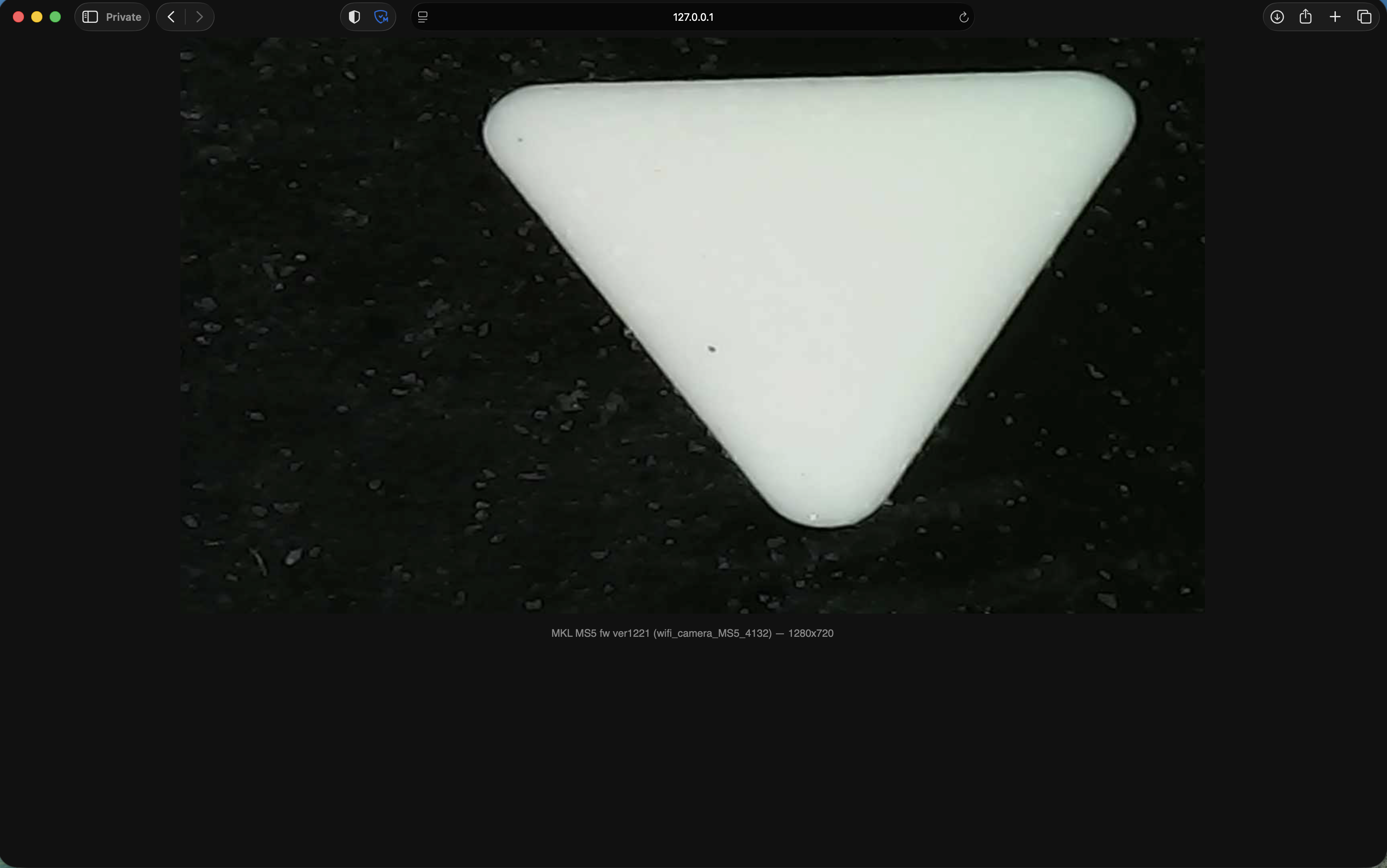
The goal became: forget the official app and its USB fallback entirely, talk to the camera's WiFi
side directly at the protocol level, and build a client that actually uses the hardware it's
holding.
 Graham Braly
 Navod Peiris
 Solenoid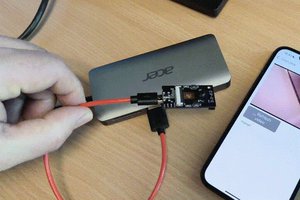
 Carsten Rhod Gregersen