Coders Cafe

Smart Coop 2.0 is the upgraded version of our original automated chicken coop system. The first version successfully automated basic coop tasks such as door control and feeding. However, we wanted to push the idea further by improving reliability, adding better monitoring, and simplifying the electronics so that others could replicate the project easily.
With this new version, we focused on making the system more modular, easier to assemble, and capable of providing better insight into what is happening inside and around the coop. By combining automation, computer vision, and IoT connectivity, Smart Coop 2.0 aims to make backyard poultry management smarter, safer, and more convenient.
What’s New in Smart Coop 2.0?
- Redesigned door opening mechanism using a DC motor and limit switches for improved reliability and lower power consumption
- Improved feeding system using a stepper motor for more precise feed dispensing
- Dual webcam monitoring system for predator detection and egg monitoring
- Microphone-based sound detection to identify predator sounds around the coop
- Temperature control system with a heating bulb to maintain a comfortable temperature inside the coop.
- Integration with Arduino IoT Cloud for easier monitoring and control
- Custom-designed PCB for cleaner wiring and stable electronics integration
- Modular 3D-printed mechanical structure with acrylic panels for easy replication and customization.
Design
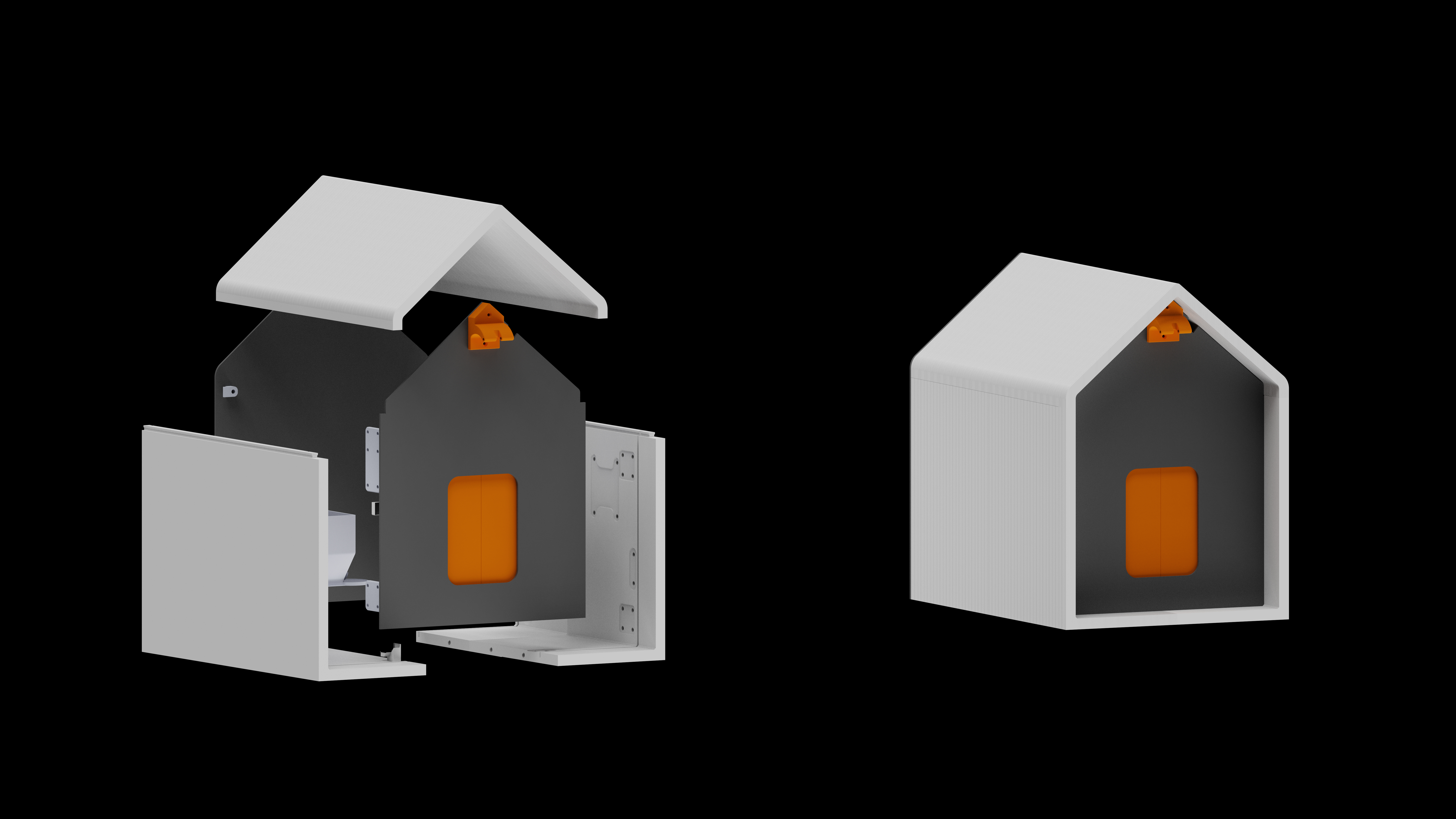
Smart Coop 2.0 features a modular mechanical structure designed in SolidWorks and optimized for 3D printing. The entire coop is divided into four sections so it fits within a standard printer build volume. These sections are assembled using steel rods, which provide strength and maintain proper alignment of the structure.
Most structural parts are 3D printed, making the design easy to reproduce and customize. The front and rear panels are made from acrylic sheets—the front panel is colored for a cleaner exterior look, while the rear panel is transparent to allow visibility inside the coop.
Threaded inserts are used across the design, with nearly 90% of the components mounted using them. This improves mechanical strength and allows parts to be assembled, removed, or replaced without damaging the printed components.
Main Controller – Arduino UNO Q
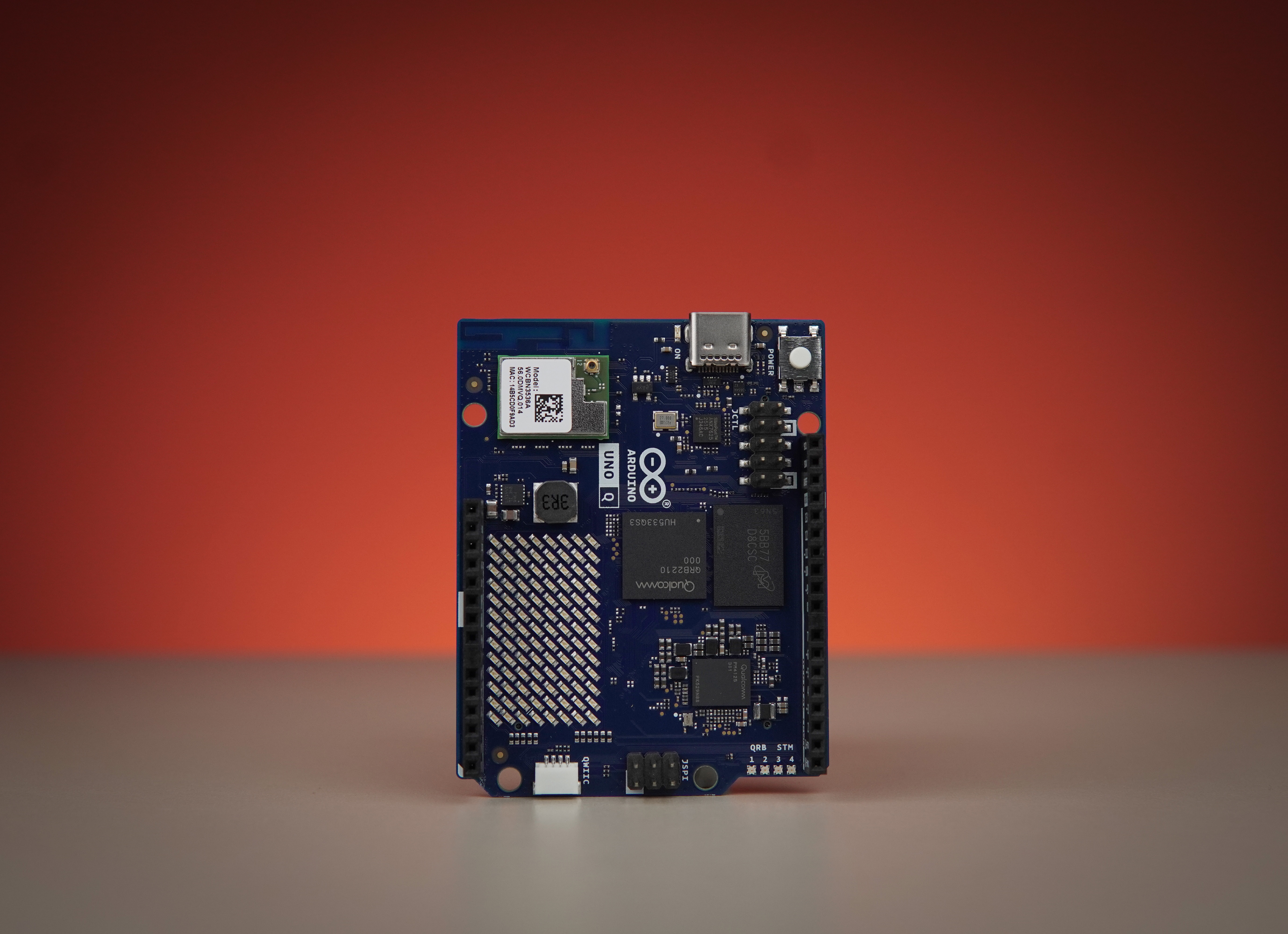
The Arduino UNO Q serves as the main controller of Smart Coop 2.0, coordinating all the core functions of the system. It manages the sensors, controls the motors for the door and feeding mechanisms, and handles communication between the different modules inside the coop.
The controller also interfaces with the webcams and microphone through a USB hub, enabling predator detection, egg monitoring, and sound-based detection. In addition, it controls the heating system and monitors environmental conditions to maintain a comfortable environment for the chickens.
Using the Arduino UNO Q as the central controller keeps the system simple, reliable, and easy for others to replicate, while still supporting advanced automation and monitoring features.
When using the Arduino UNO Q for the first time, the board is connected to a computer using a USB-C cable. The Arduino IDE is then installed to allow code to be written and uploaded to the board. After installing the necessary board support packages and drivers, the correct board and serial port are selected in the IDE.
Once the setup is complete, a simple test program can be uploaded to confirm that the board is working correctly.
Door Mechanism Design
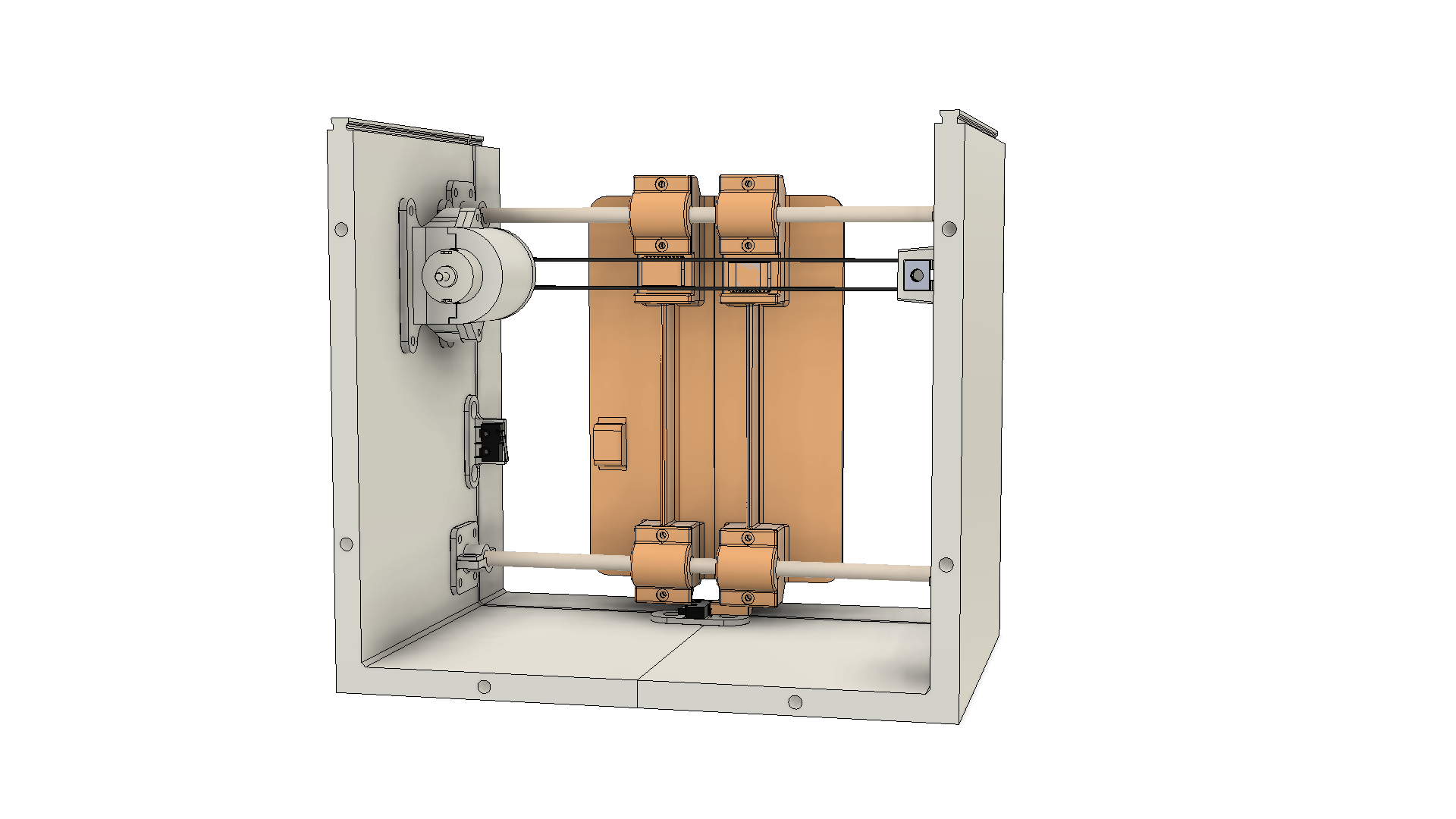
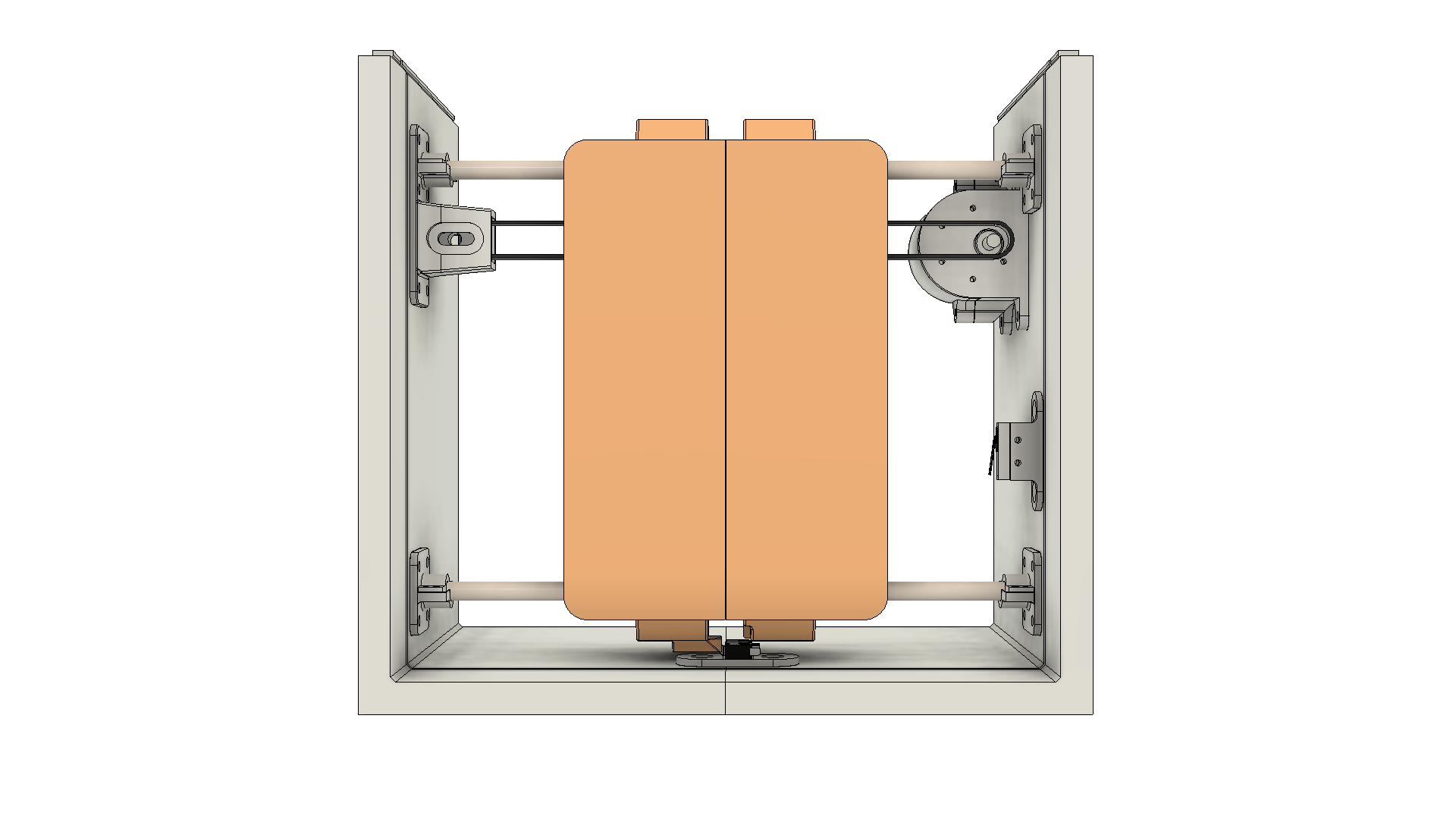
The door mechanism in Smart Coop 2.0 largely follows the same core design as the previous version, with a few refinements for improved reliability and control. The system uses a low-power DC gear motor (100 RPM, 12V recommended) capable of delivering up to 6.5 kg·cm torque (235 N·cm stall), which is sufficient for opening the door reliably. The motor draws up to 900 mA under load, keeping overall power consumption low while still...
Read more »

 Travis Broadhurst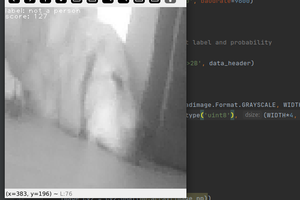
 kasik
kasik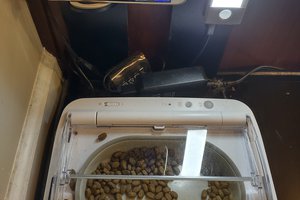
 Joe Mattioni