• 1
    Project Details

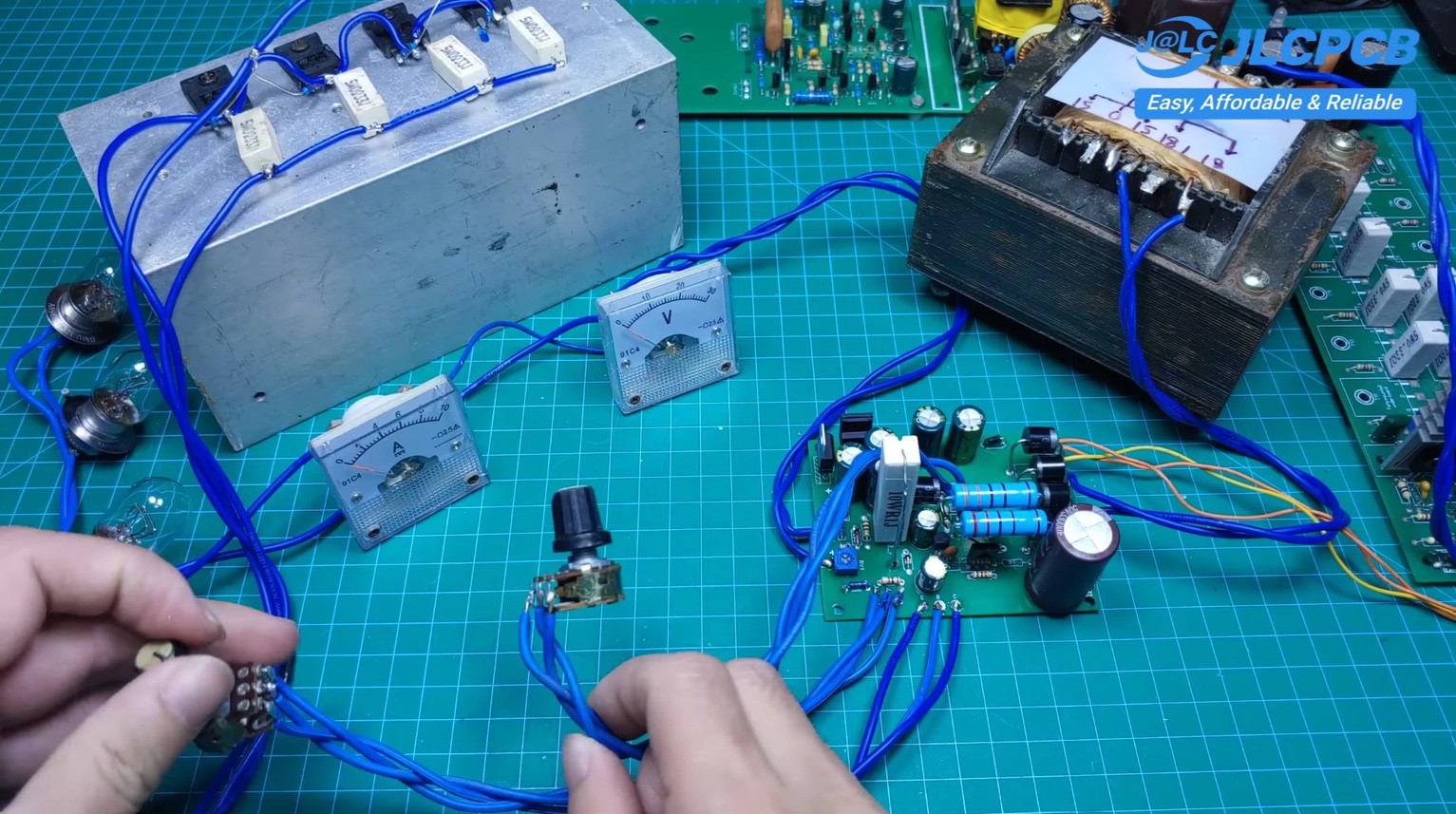
    Most adjustable bench power supplies today are built around integrated circuits such as operational amplifiers or dedicated regulator ICs. While these solutions are compact and efficient, they often hide the fundamental principles behind voltage regulation and current limiting.

    For this project, I wanted to take a different approach.

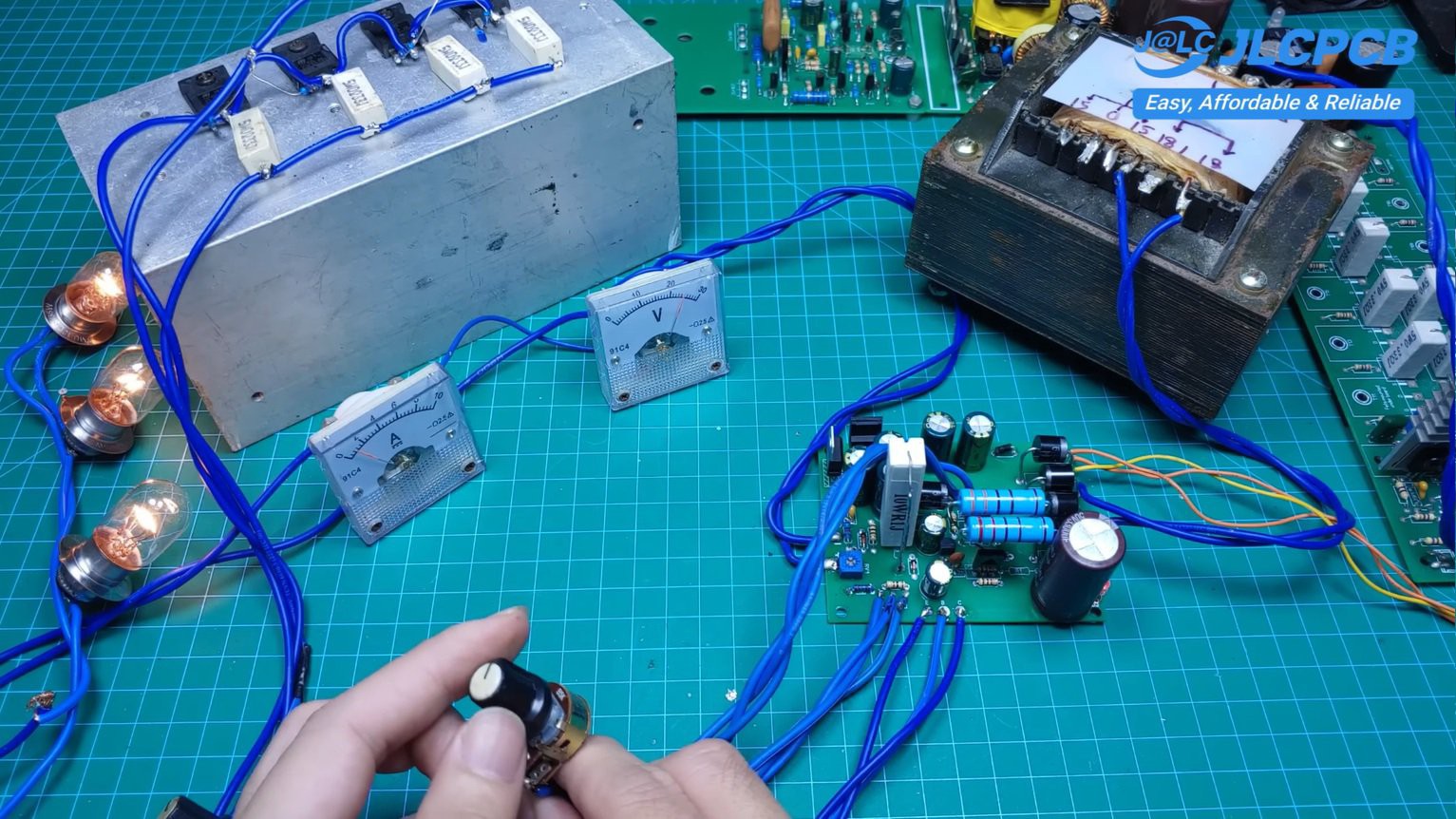
    The goal was to design a fully functional laboratory power supply using only discrete transistors, without relying on any integrated circuits. Every stage of the regulation loop—from voltage control to current limiting—is implemented using individual transistor circuits.

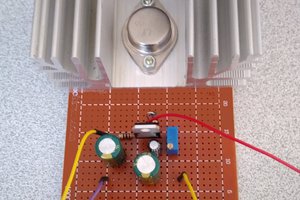
    The result is a linear power supply capable of delivering an adjustable output from 0 to 40 volt DC with an adjustable current limit from 0 to 5 ampere.

  • 2
    Why Build It This Way?

    This project is primarily intended as an educational design.

    Instead of treating the power supply as a "black box," the circuit demonstrates how individual transistors can be combined to create:

    • Voltage regulation
    • Current sensing
    • Current limiting
    • Feedback control
    • Power amplification

    Building the circuit also provides a much deeper understanding of classic analog electronics than simply connecting a regulator IC.

  • 3
    Main Features
    • Output Voltage: 0–40V DC
    • Current Limit: 0–5A
    • Fully adjustable voltage and current
    • 100% discrete transistor design
    • No operational amplifiers
    • No voltage regulator ICs
    • No controller ICs
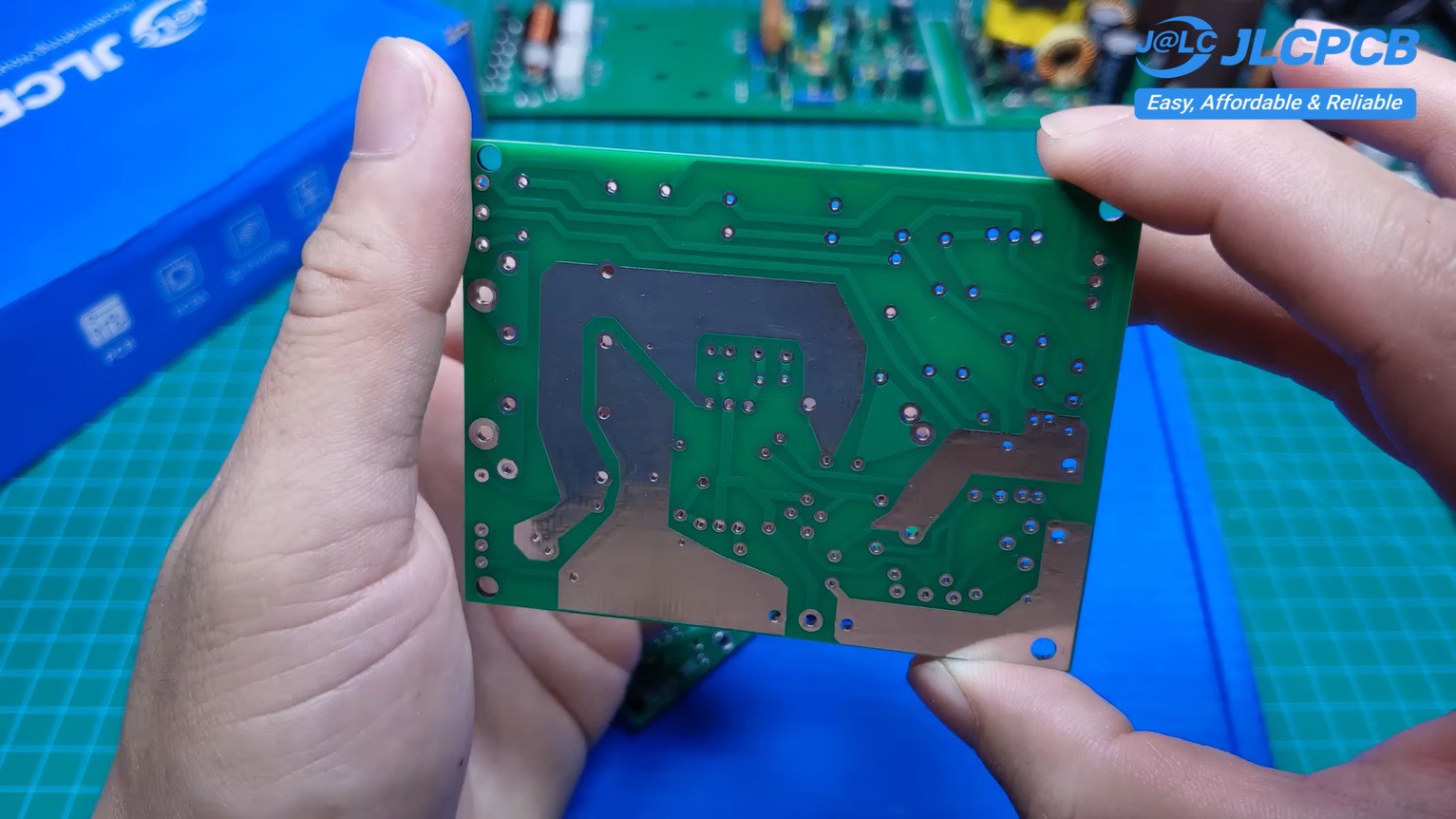
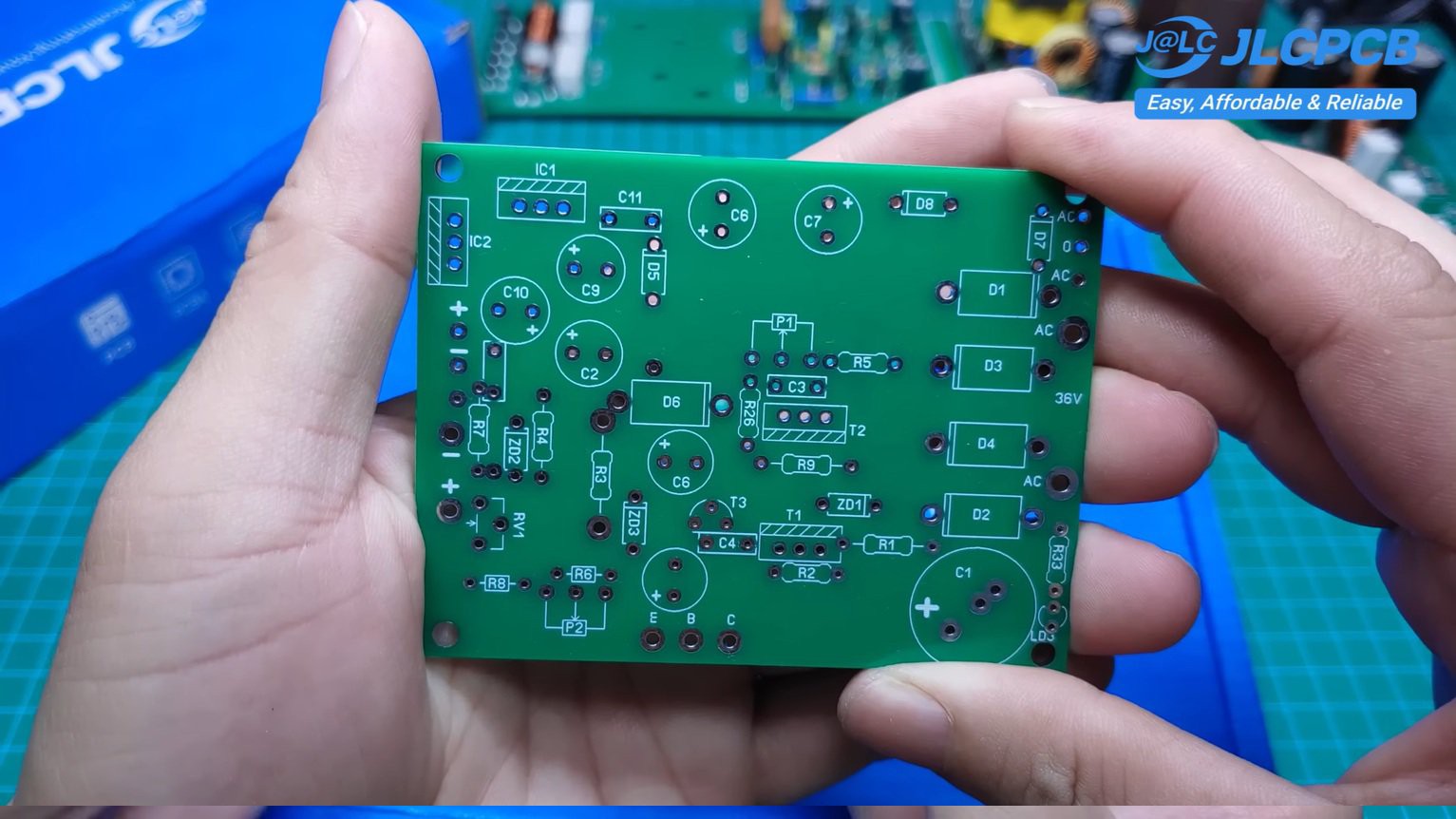
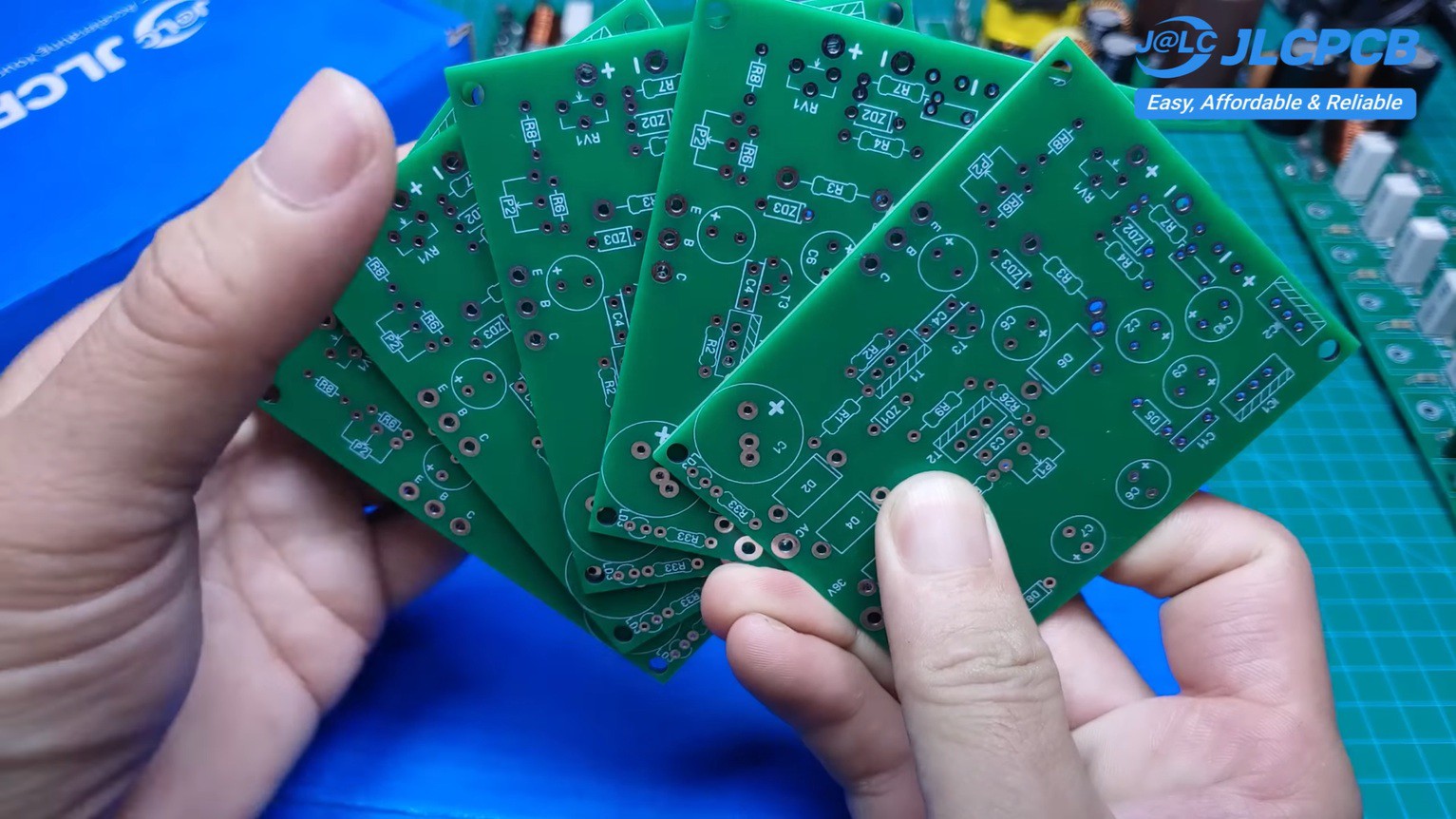
    • DIY-friendly PCB layout