 Serhii

Accurate concrete mixture dosing is essential in the production of paving blocks. The amount of material loaded into the hopper carriage directly affects product quality and process stability. To automate this process, laser distance sensors are used to continuously measure the material level.
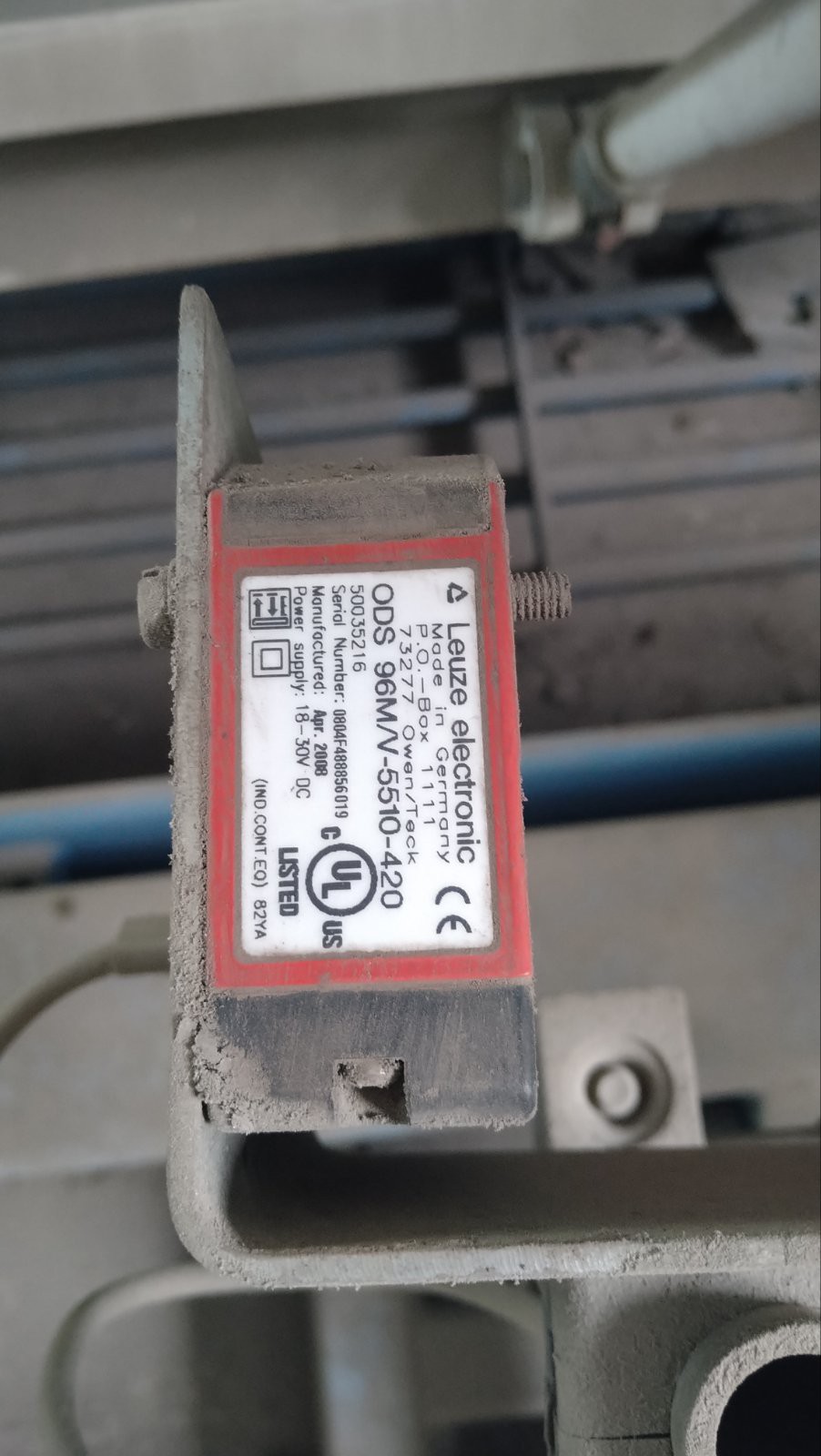
One hopper carriage of the production machine was already equipped with an industrial laser sensor that had been operating reliably for years. However, this model was eventually discontinued. When the customer needed to equip the second hopper carriage with a similar sensor, the recommended replacement proved to be too expensive.
The customer then asked me to develop a more affordable alternative that could operate under the same industrial conditions while integrating seamlessly into the existing control system.
After evaluating several options, I decided not to search for another commercial product but to design my own industrial laser sensor.
The TF-Luna ToF module was selected as the optical sensing element. This application does not require the extremely high accuracy provided by industrial laser triangulation sensors. During concrete mixture dosing, stable and repeatable level measurement is far more important than micron-level precision. The centimeter-level accuracy provided by TF-Luna proved to be more than sufficient for this task.
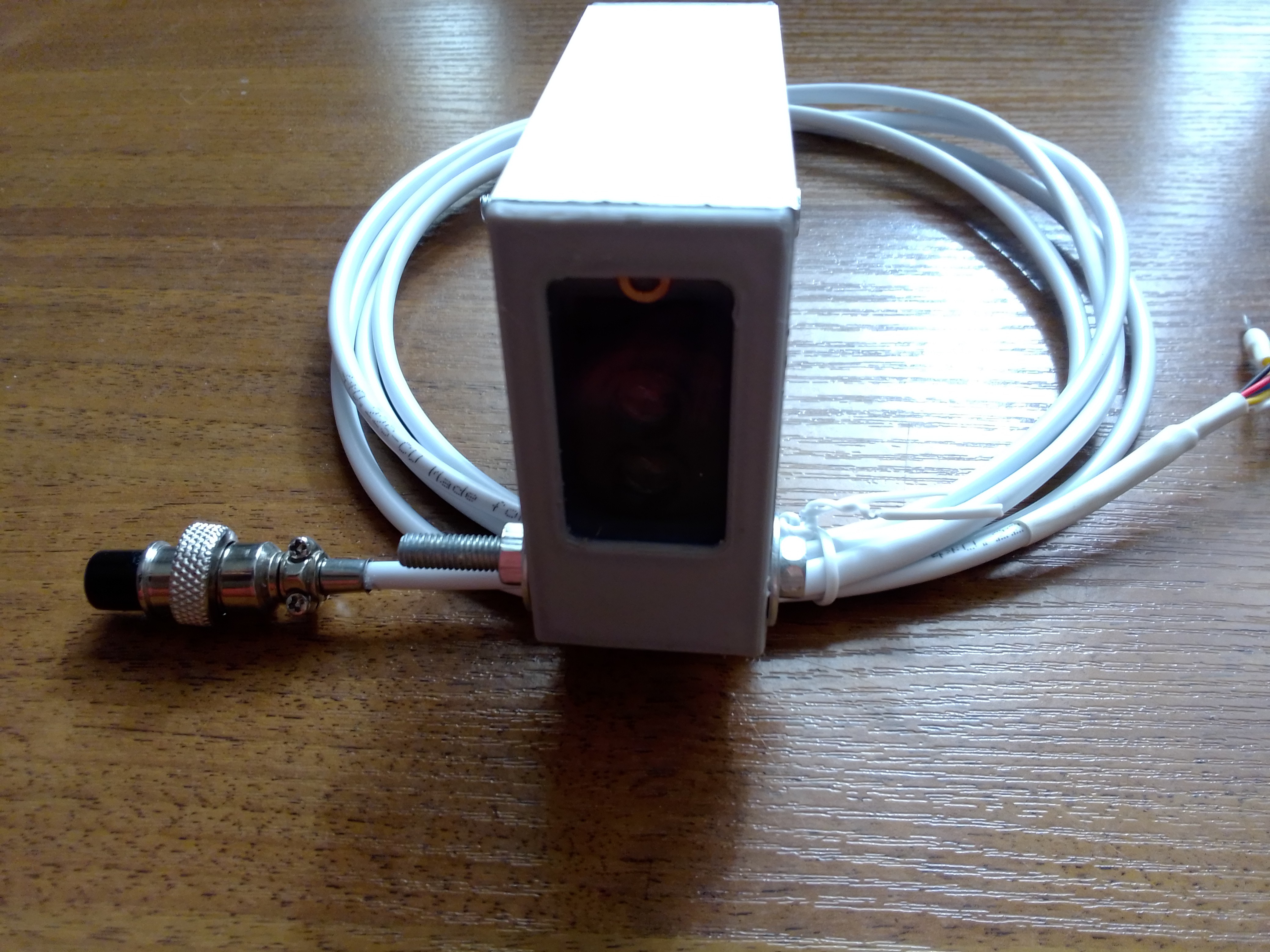
However, the TF-Luna module itself is not designed for industrial use. Therefore, almost everything else had to be developed from scratch, including the controller electronics, firmware, RS-485 Modbus RTU interface, 4–20 mA analog output, digital filtering, calibration system, and enclosure.
The goal was not simply to build a device around the TF-Luna module, but to create a complete industrial sensor that could be installed in an existing control system without requiring any changes to the machine control logic. The result is an industrial instrument designed for continuous operation in demanding production environments.
Electronics
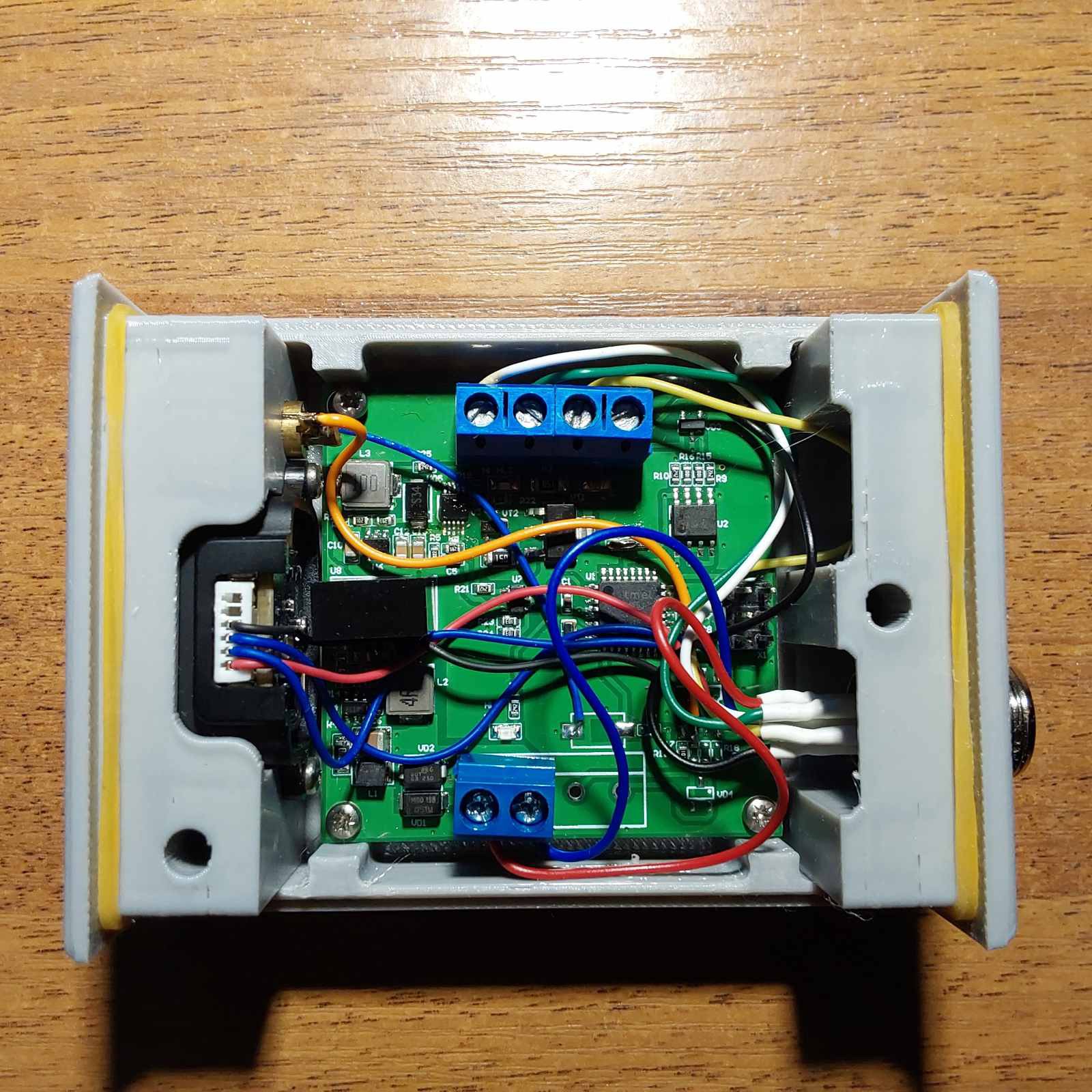
To integrate the TF-Luna module into an industrial control system, a custom controller board was developed around the ATmega328PB microcontroller. It receives measurement data from the TF-Luna via the UART interface, performs digital filtering and calibration, and provides two industrial output interfaces: RS-485 (Modbus RTU) and a 4–20 mA current output. All calibration parameters and configuration settings are stored in the microcontroller's internal EEPROM.
Mechanical Design
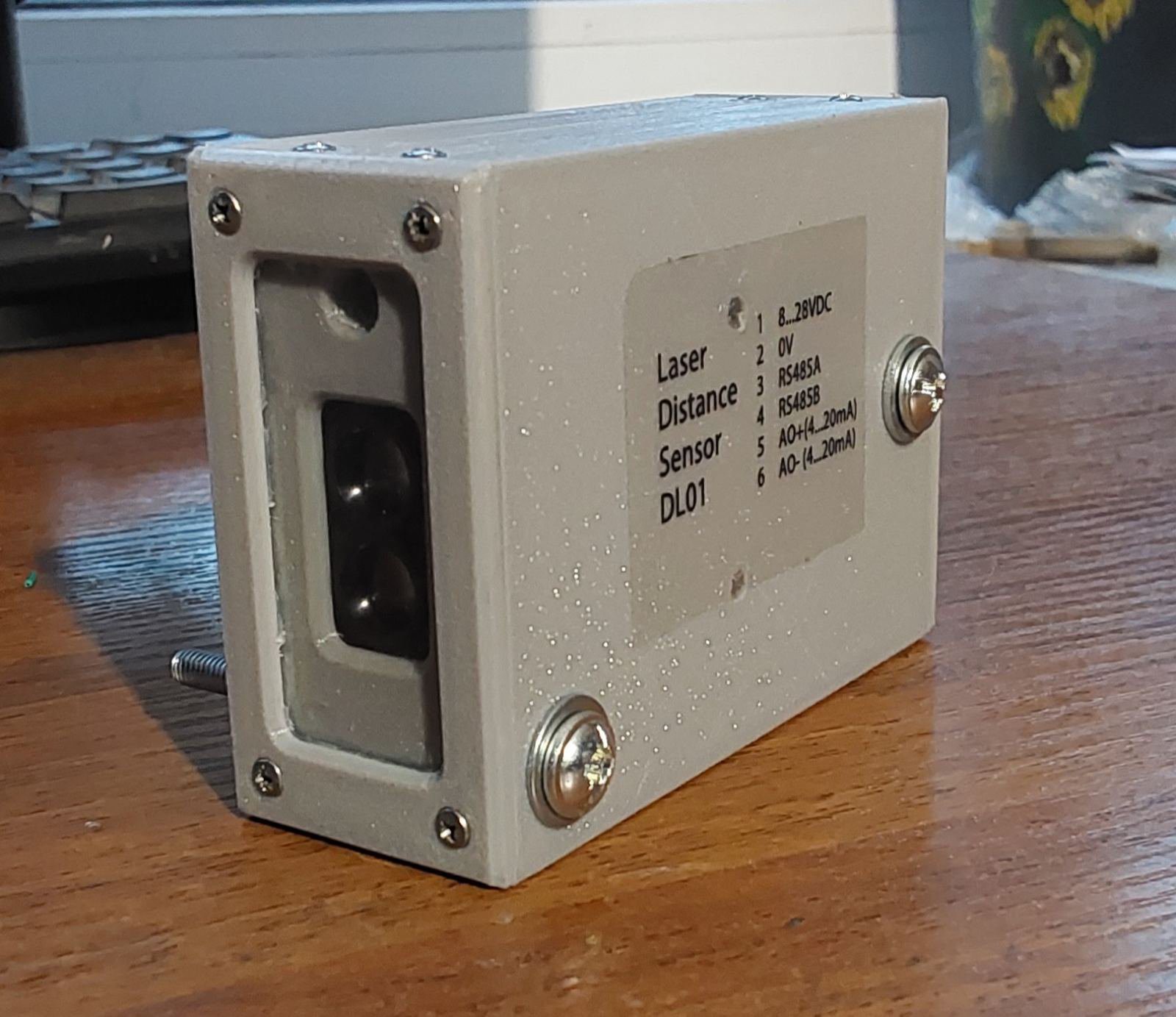
The enclosure design also evolved through several iterations. Development began with a machined aluminum prototype used for laboratory testing.
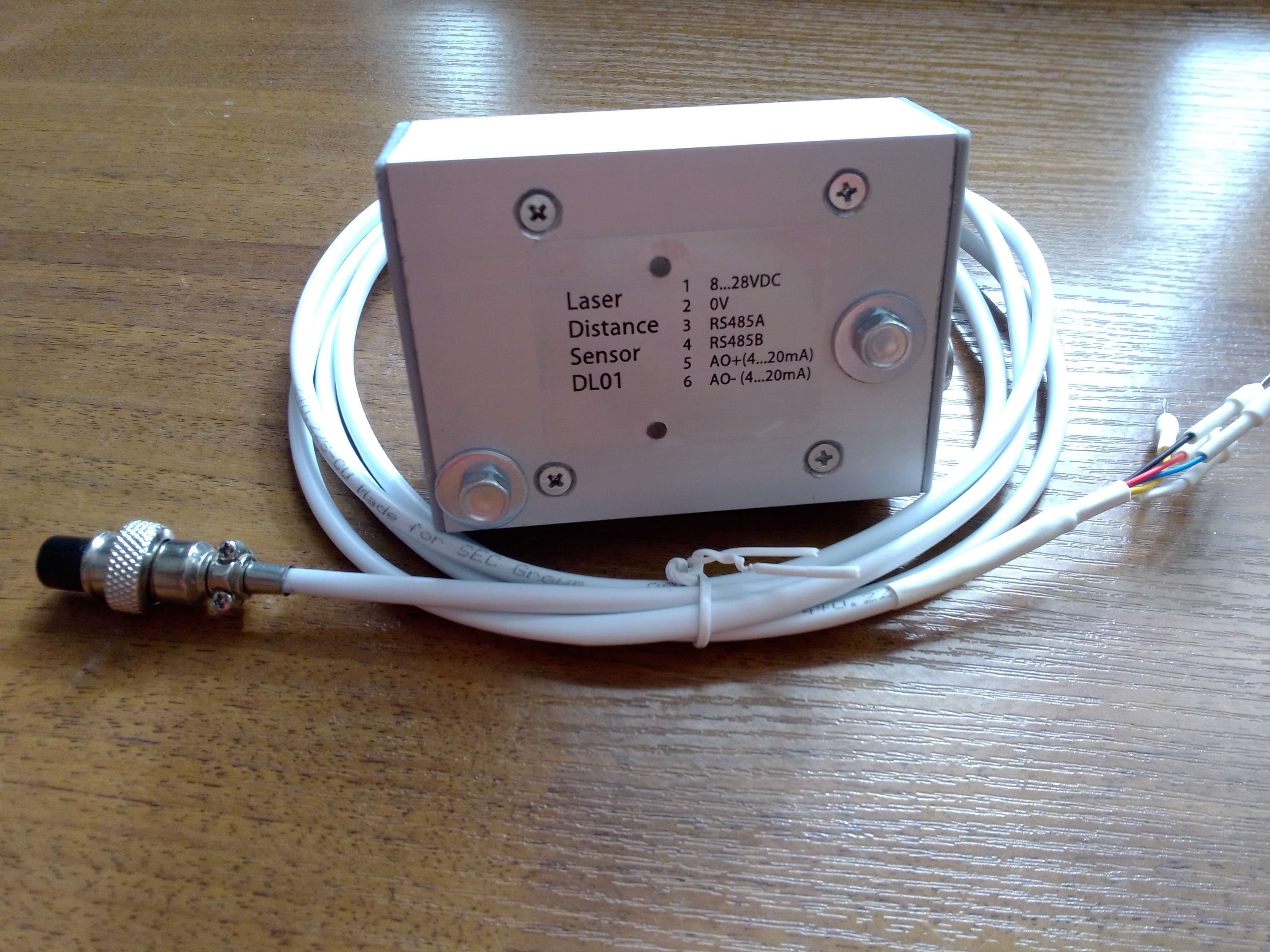
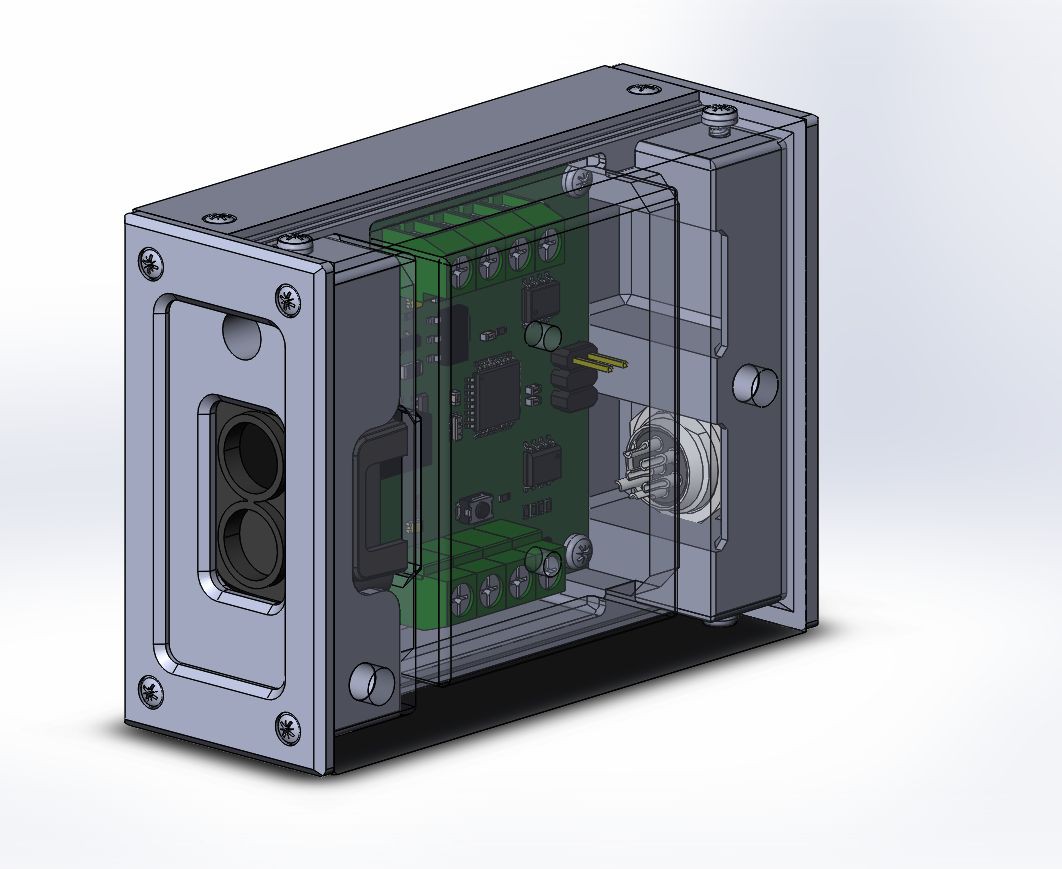
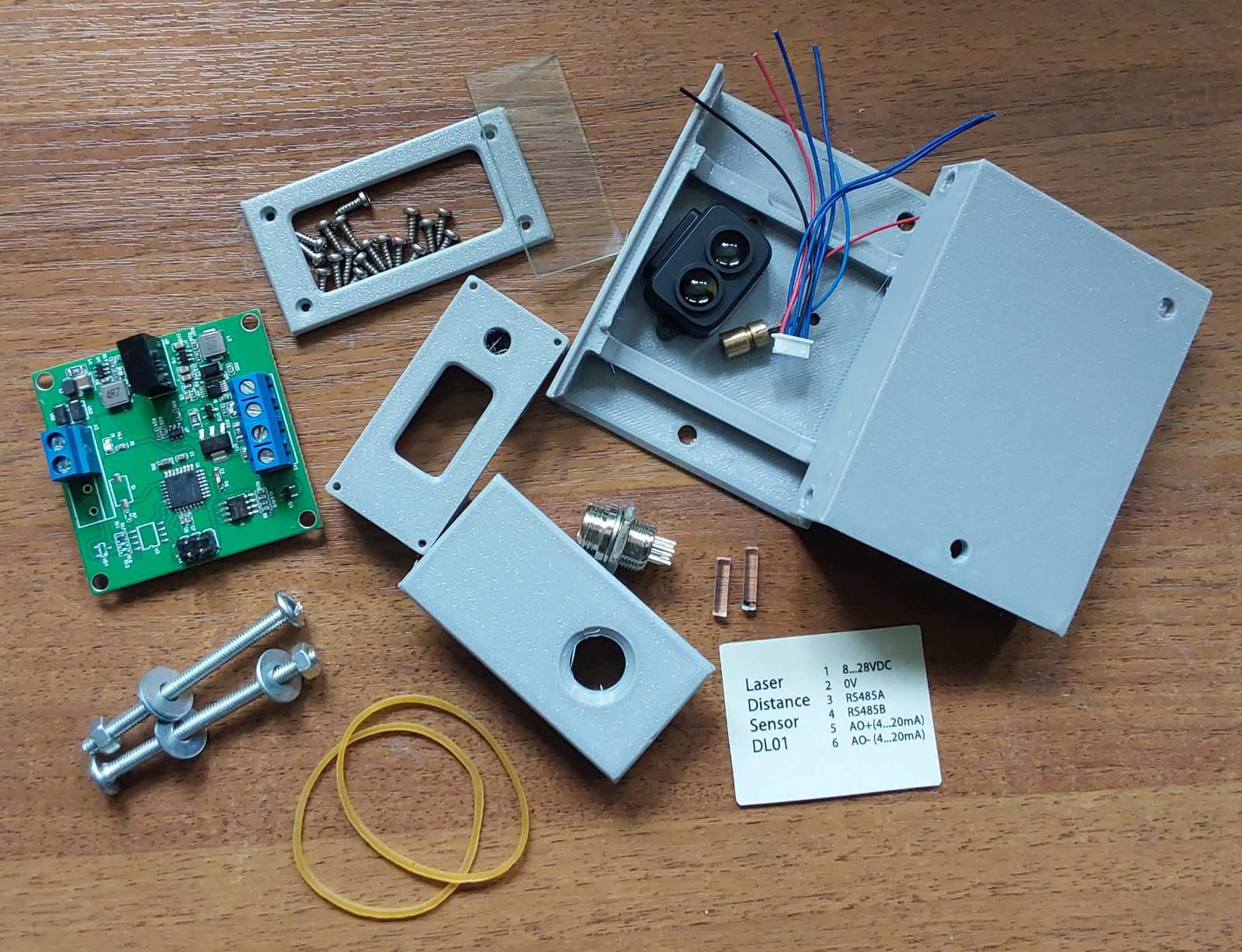
To simplify manufacturing and reduce production costs, the enclosure was redesigned in SolidWorks and produced using 3D printing with PETG.
Real Production
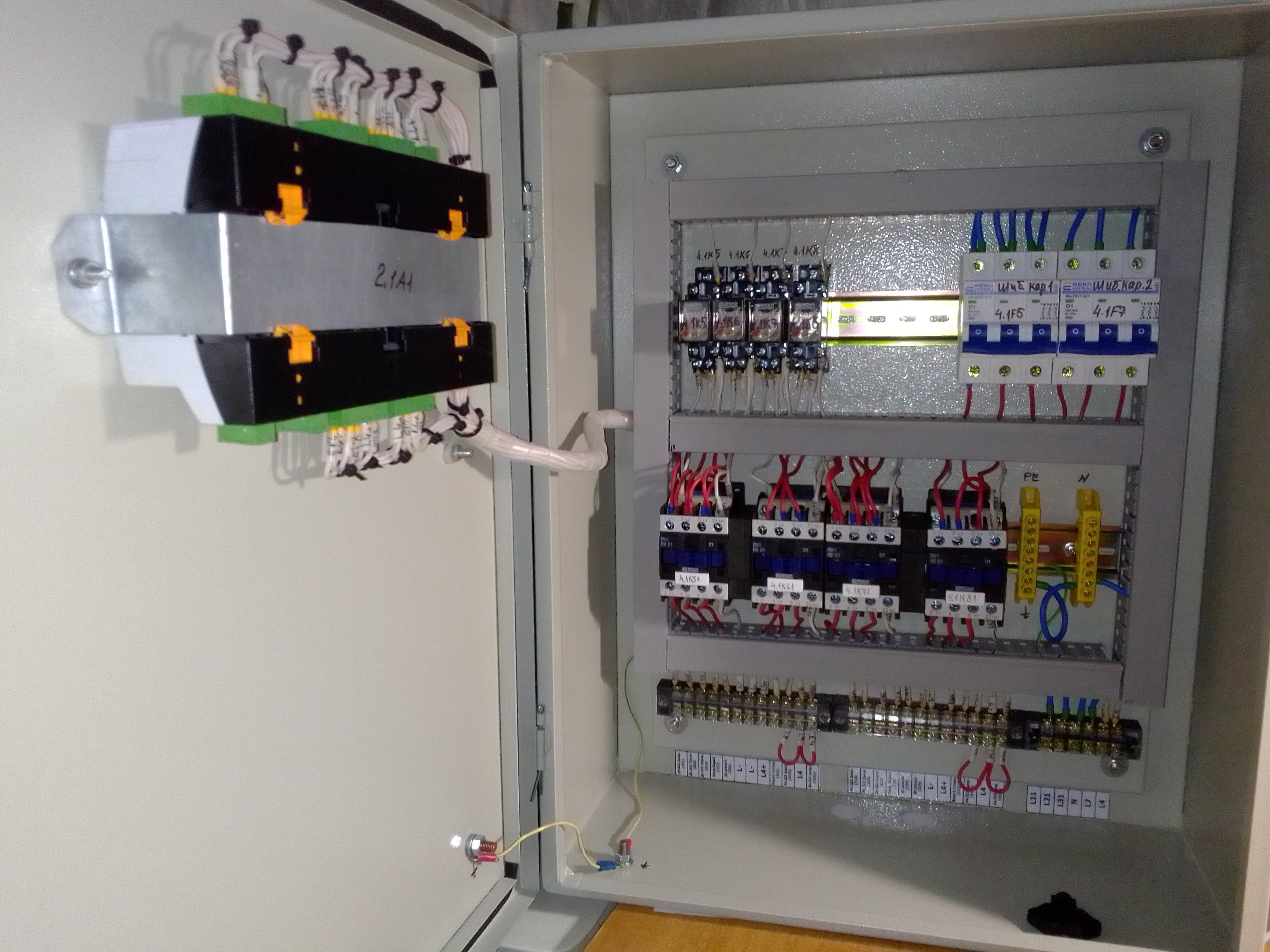
Control cabinet of the automatic dosing system installed on the production machine
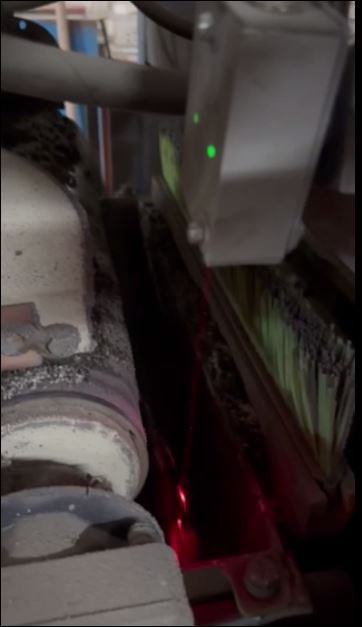
A specially designed laser distance sensor for measuring concrete levels during the vibro-pressing process
TF-Luna ToF laser module used as the optical sensing element
Original laser sensor previously used in the production machine
After laboratory testing, the sensor was installed on the second hopper carriage of a concrete block production machine, where it is used to control the dosing of the concrete mixture.
It has now been operating continuously as part of the production line and has been successfully used in daily industrial operation for several months.
The operator HMI displays measurements from both sensing channels. Channel K1 uses the original industrial laser sensor, while Channel K2 uses the custom laser sensor developed in this project....
Read more »
 oneohm
 samedkutuk
 Leonardo Gomes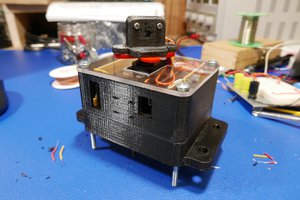
 Anthony Kouttron