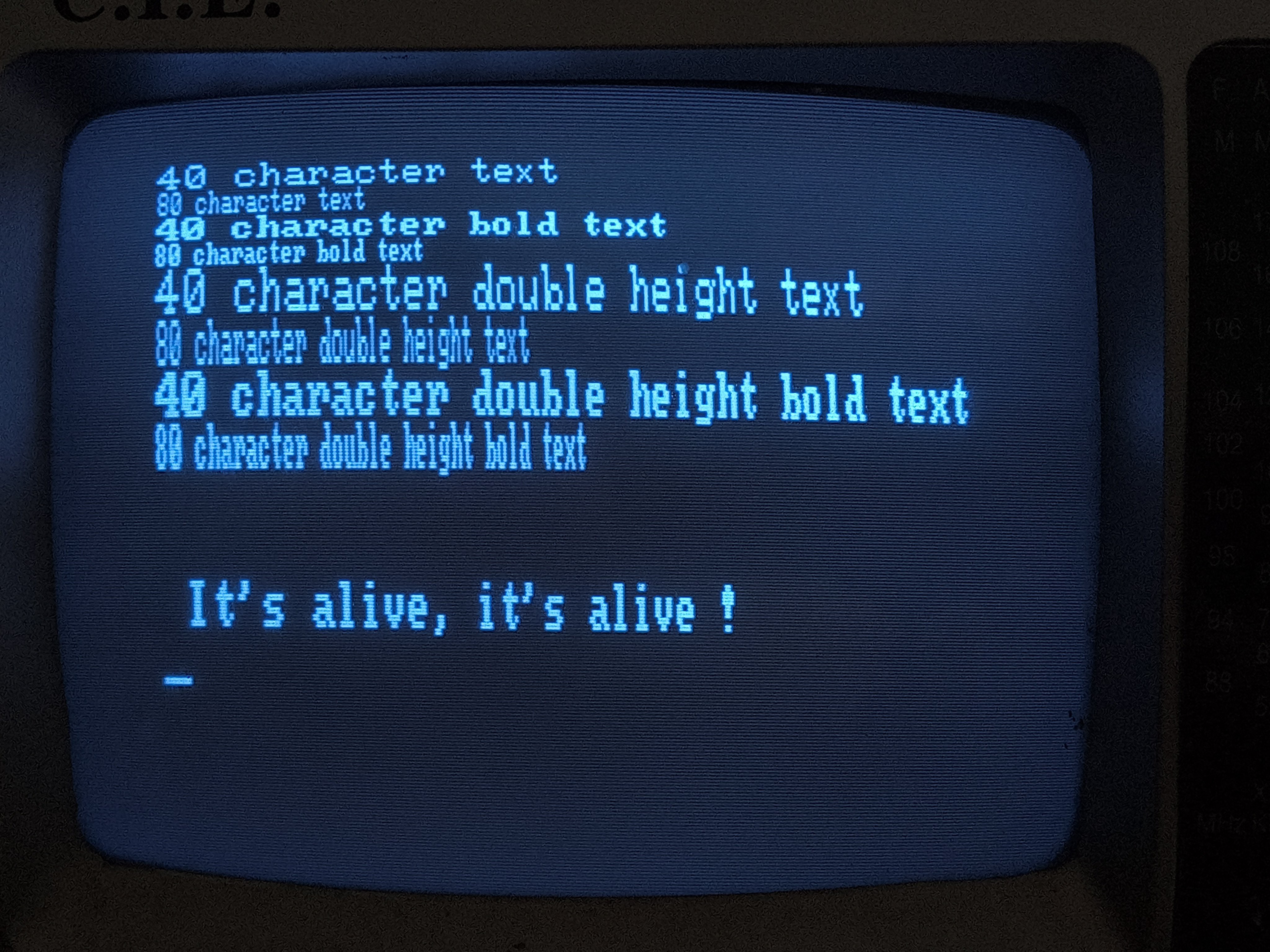
danjovic

This project is based on the AVR video terminal designed by Daryl Rictor and popularized by the improvements implemented by Grant Searle, and later by David Curran (Tynemouth Software), who implemented the I2C communication upon which the current project is based.
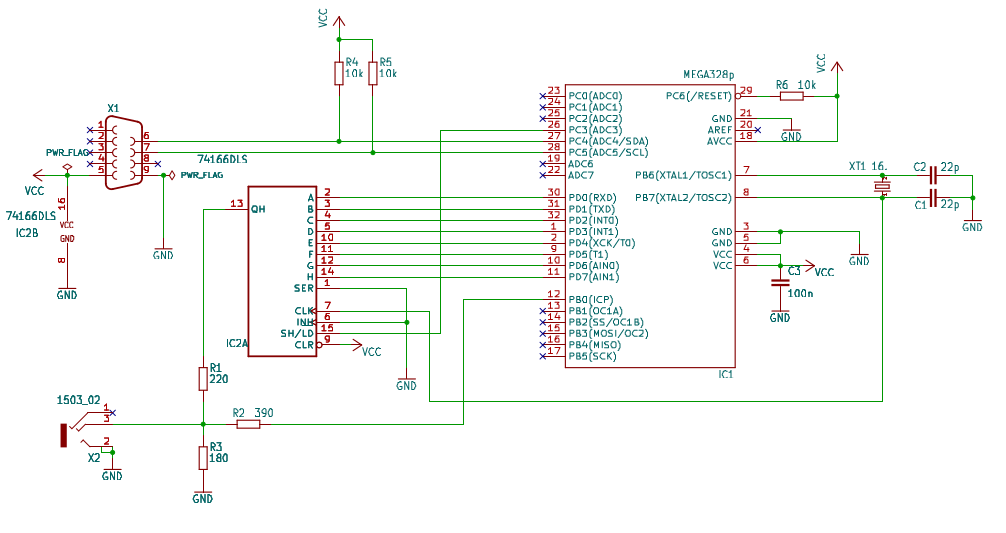
The video output was simplified and made compatible with the RS170 standard, and the circuit was fitted onto a 1x1-inch board.
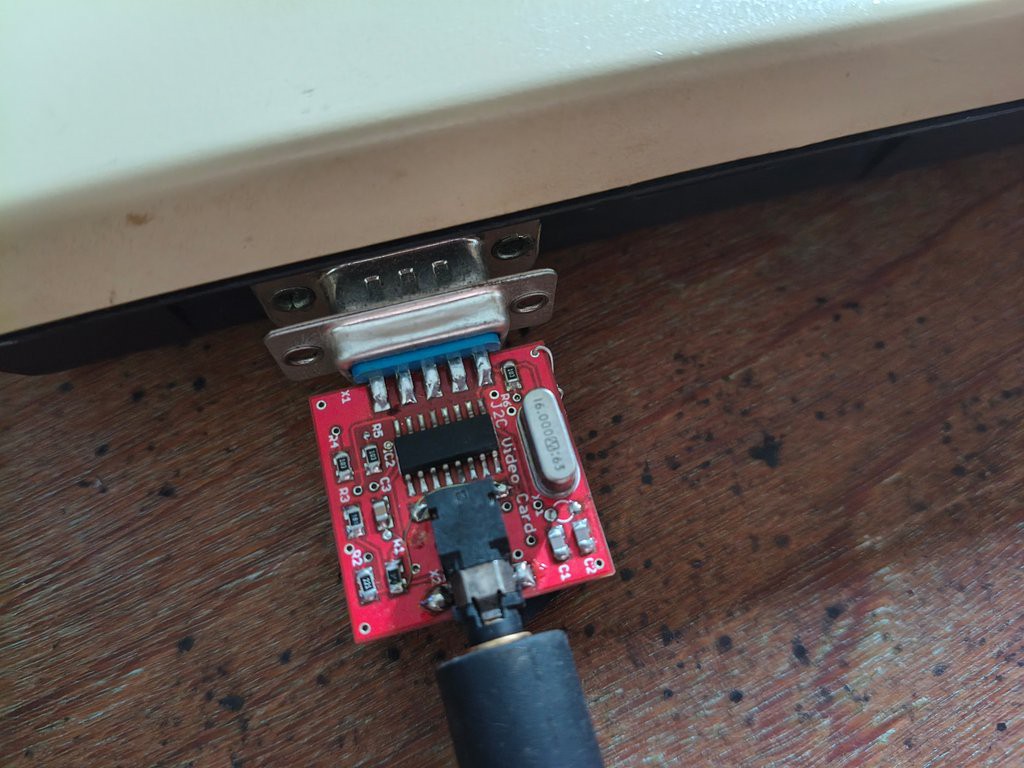
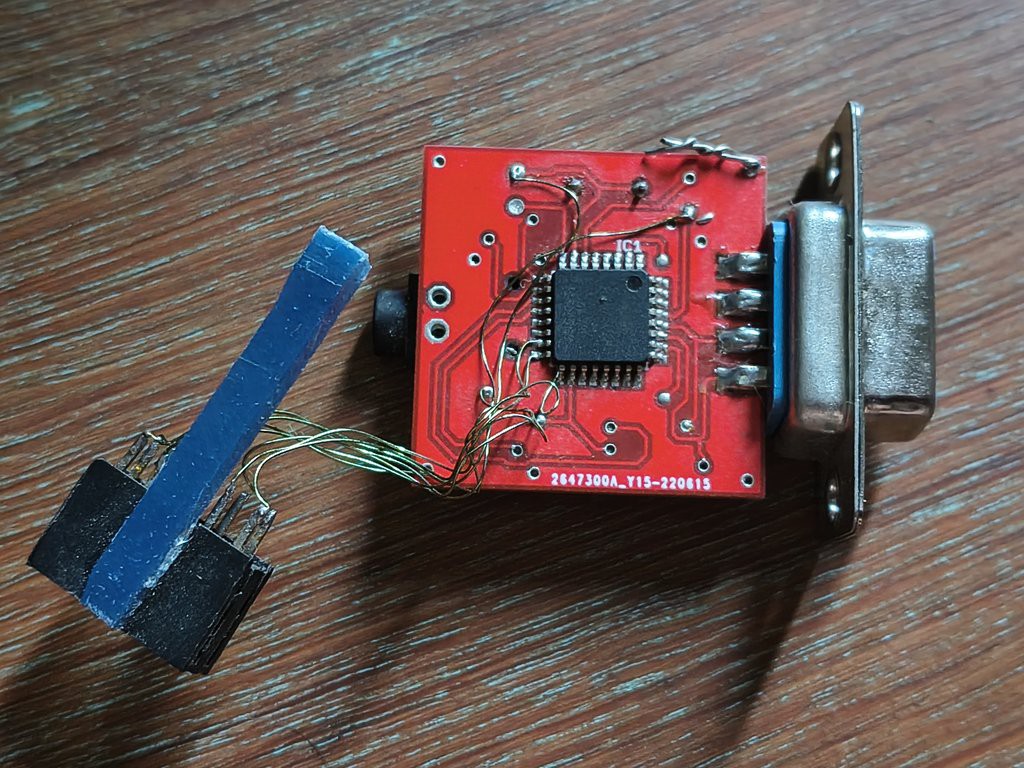
The I2C protocol is implemented in software (bit-bang), and a few debugging sessions were required to identify an issue related to clock stretching—an aspect not typically implemented, especially when maximum performance is desired.
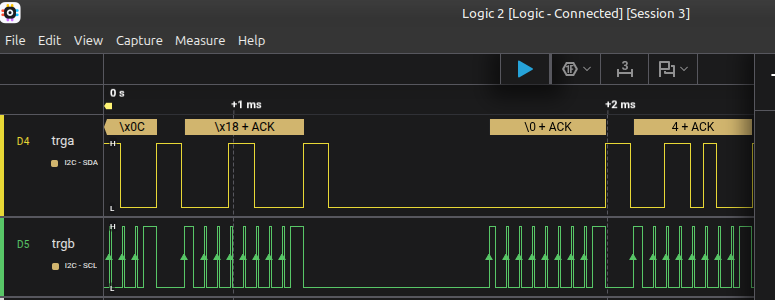
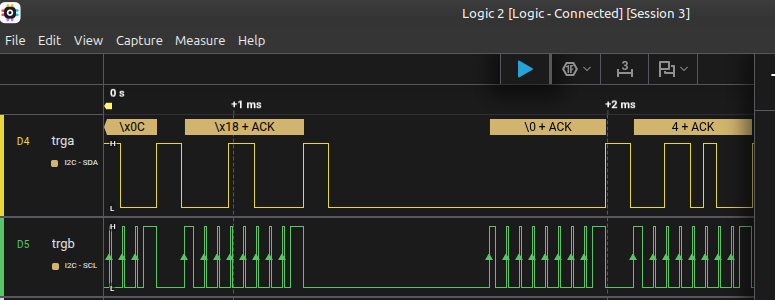
Unfortunately, in this case, it was necessary, which caused the communication speed to drop to approximately 2,170 bytes per second.
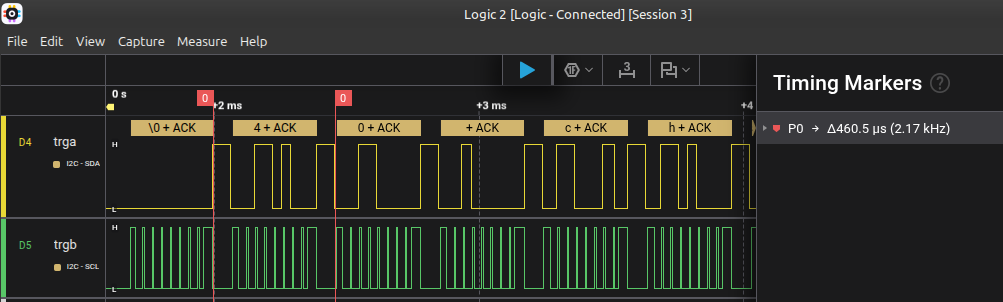
The main limitation in speed, however, is that access is performed via the PSG, which uses different registers for the output and input pins of the joystick ports, requiring a write to the address register every time the bit direction alternates between read and write.
The compiled data transmission code occupies less than 300 bytes, making it small enough to be placed anywhere in memory and used as an auxiliary debugging display.
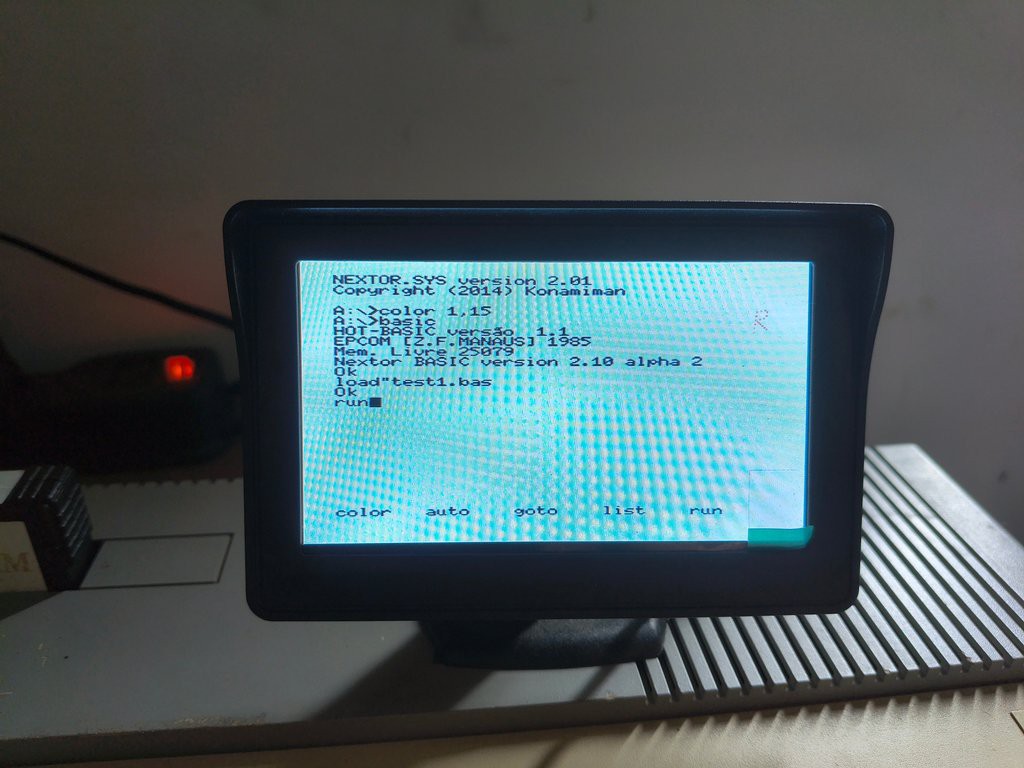
The test tool is based on a machine language routine that, once loaded, allows writing to the auxiliary screen via a string passed as a parameter to a USR() function.