 GOAT INDUSTRIES

Ai slug detection involves using a high end web cam to capture live video images of the crops or seed trays and streaming those images into a specialist computer, not much bigger than a Raspberry Pi, which then uses a pre-trained 'model' to identify slugs and draw a boundary box around each and every one of them. The boundary box is essentially a set of four coordinates which can then be exported to another system such as a high powered laser to kill the creatures as quickly and humanely as possible.
There are other possible methods of despatching the slugs such as catching them in a trap, picking them up with a robotic arm or catapulting them off into the neighbour's garden and it would be interesting to get people's responses on the ethics of slug disposal. Is killing slugs with a high powered laser unsportsmanlike ?
Much of the work involved in this project is in creating the trained model and so far this has necessitated taking 5712 photos of the animals in the dark under the light of a head torch. The images are then cropped and labelled and the 'image sets' (images and labels) then uploaded to Amazon Web Services (AWS), via Google Drive, for processing on a Nvidia V100 graphics card using software created by Nvidia in one of their 'Docker' containers. AWS currently (2019) charge $3.04 an hour for this service and this works out being a lot cheaper, and more convenient, than trying to build one's own computer with a high end graphics card.
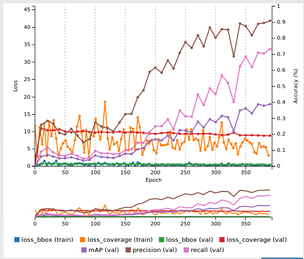
 After a couple of weeks of hunting for slugs at night time and processing the images, 5,712 of them, the training is converging! It's been hard work, adding 1,000 images at a time and testing for convergence. Thank God it eventually worked!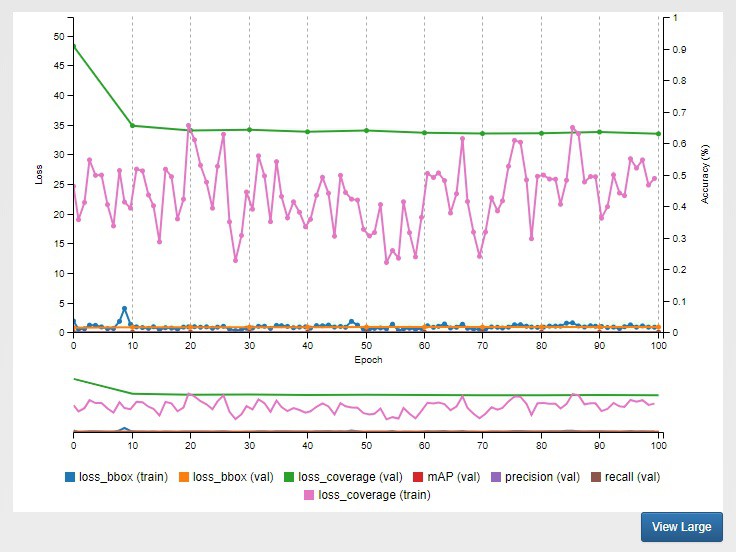
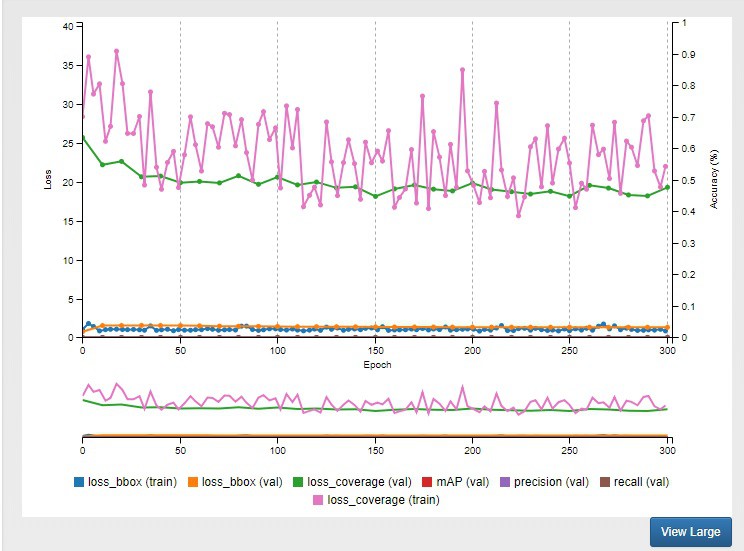 Since I want to make use of the recently released Nvidia Nano dev kit, it that to get this network to converge, more images are needed. This is probably because, as mentioned previously, there are at least 10 species of slug and 1 species of snail being photographed, which means approx. 160 images for each species which is a very small data set for this kind of thing.
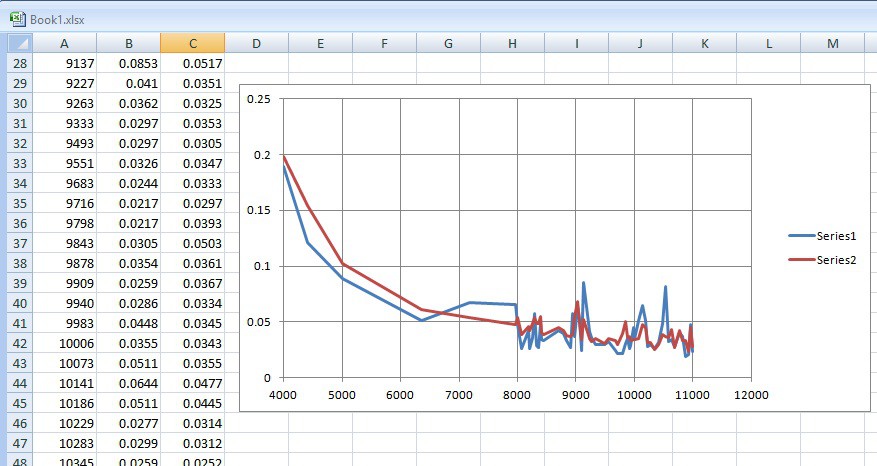 and testing the detection accuracy on AWS gave goodish results, so the problem may well be the Intel model optimiser software. Who knows? There's a copy of my notes here, if anybody can understand this stuff:








 Kutluhan Aktar
 Peter McCloud
 Adrelien
High pressure micro waterjet is what you need to kill the slugs without chemicals or lingering agony. The volume of water needed per slug is tiny.