 Yihui
Yihui

Why should we make an open source smart speaker when there are so many smart speakers on the market? Because these smart speakers are designed from vendors' perspective, not from users' perspective. These smart speakers have two issues:
+ privacy - these speakers are always-listening black boxes which scare lots of people
+ functionality - these speakers can be more powerful but are limited by the vendors
In 2014, the Amazon Echo was released. The new species of smart speakers is rapidly expanding since then. Although there are tons of smart speakers made by a variety of vendors, but they are basically the same as the Echo. All these smart speakers use a keyword to wake up, do speech recognition in the cloud and extend their skills in the cloud. Their software and software updates are controlled by the vendors. They all have the two issues.
One best way to eliminate privacy concerns is open source.
Most of smart speakers have very powerful ARM processors. Some even run Android OS just like an Android phone. The smart speakers only is limited to run only one app, but they have the ability to run thousands of applications.
I want an open source smart speaker which can run Amazon Alexa and Google Assistant at the same time, and also is able to run Home Assistant, Mopidy, Snapcast, Nextcloud and etc. Maybe you want one too.
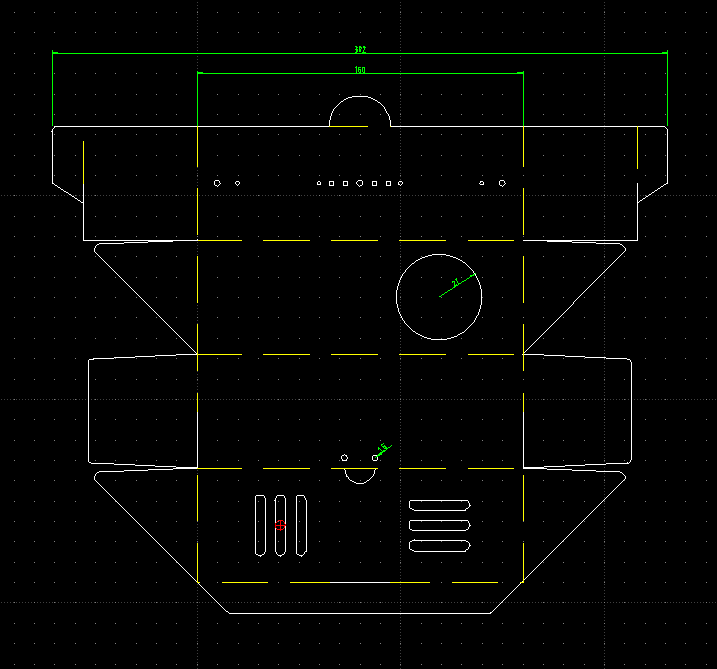
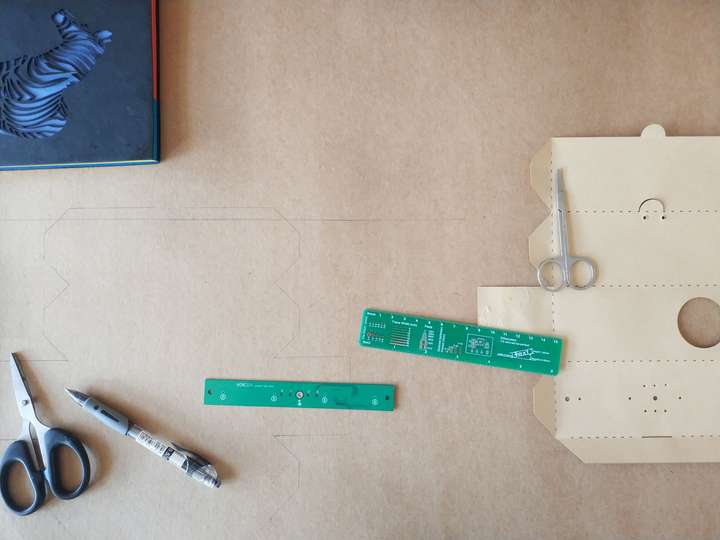
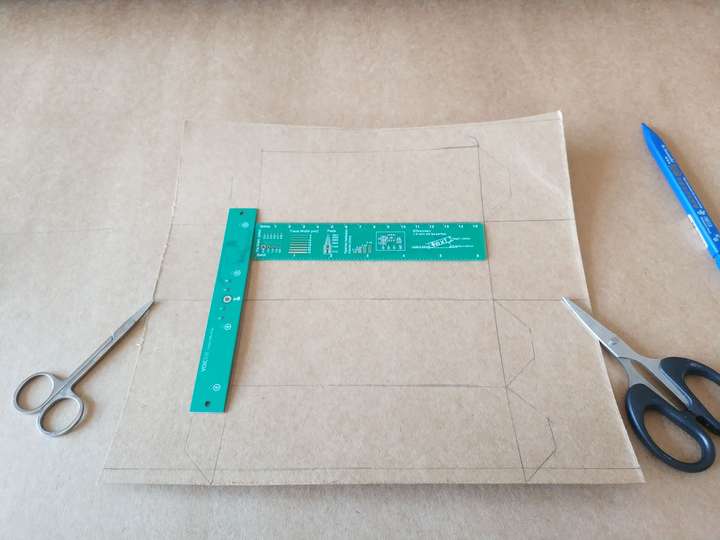
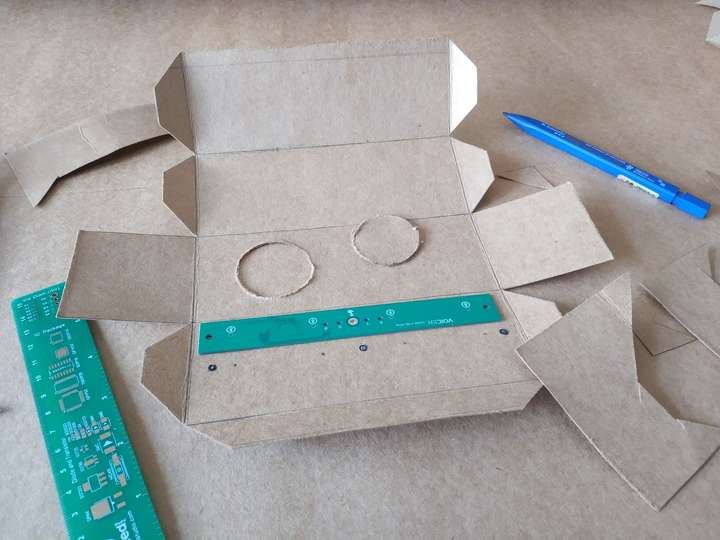

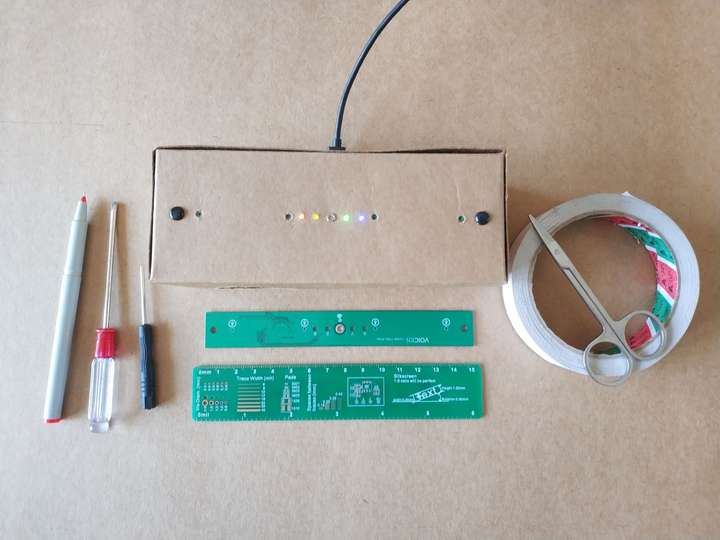
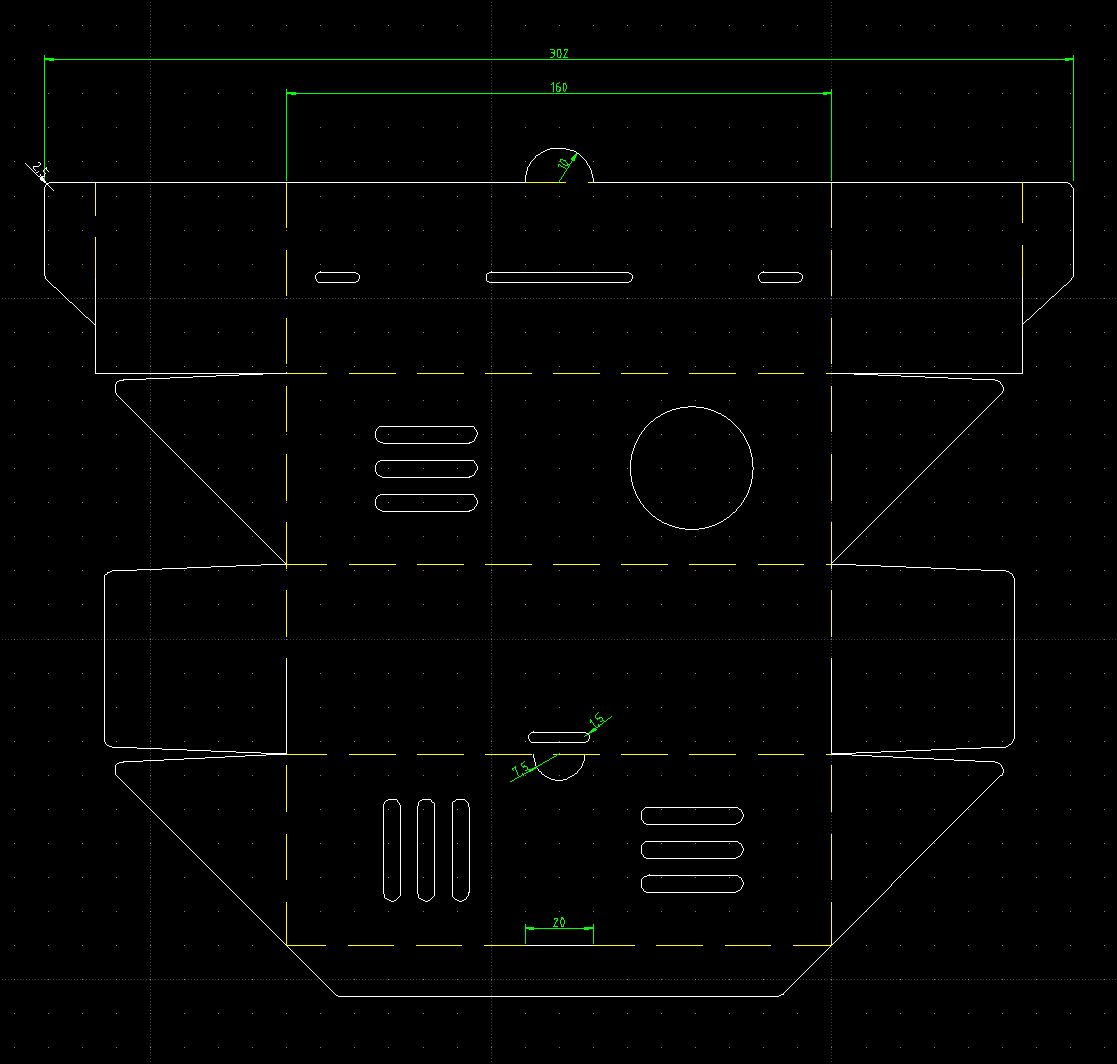
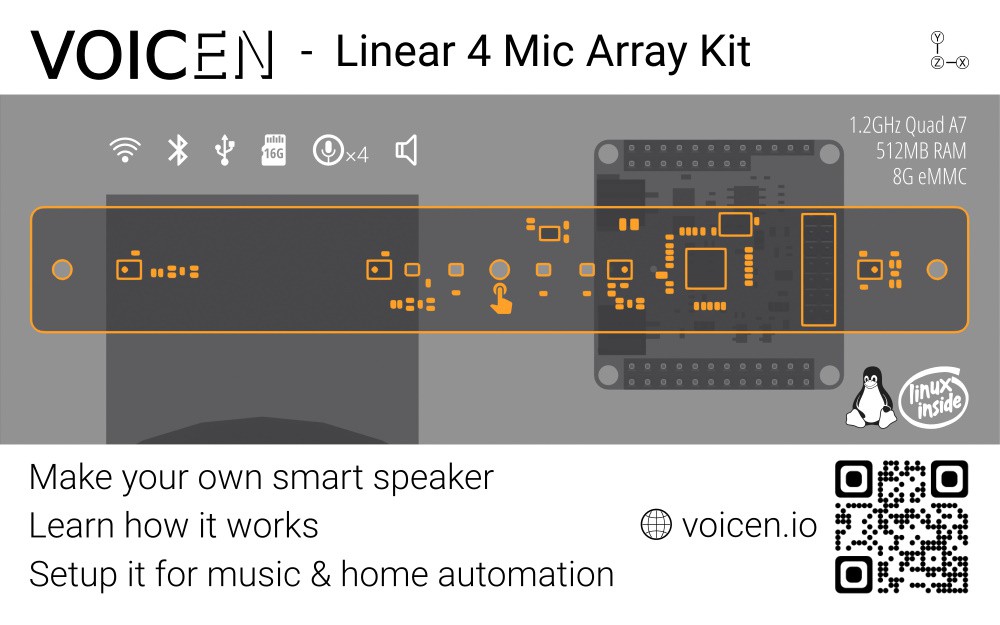
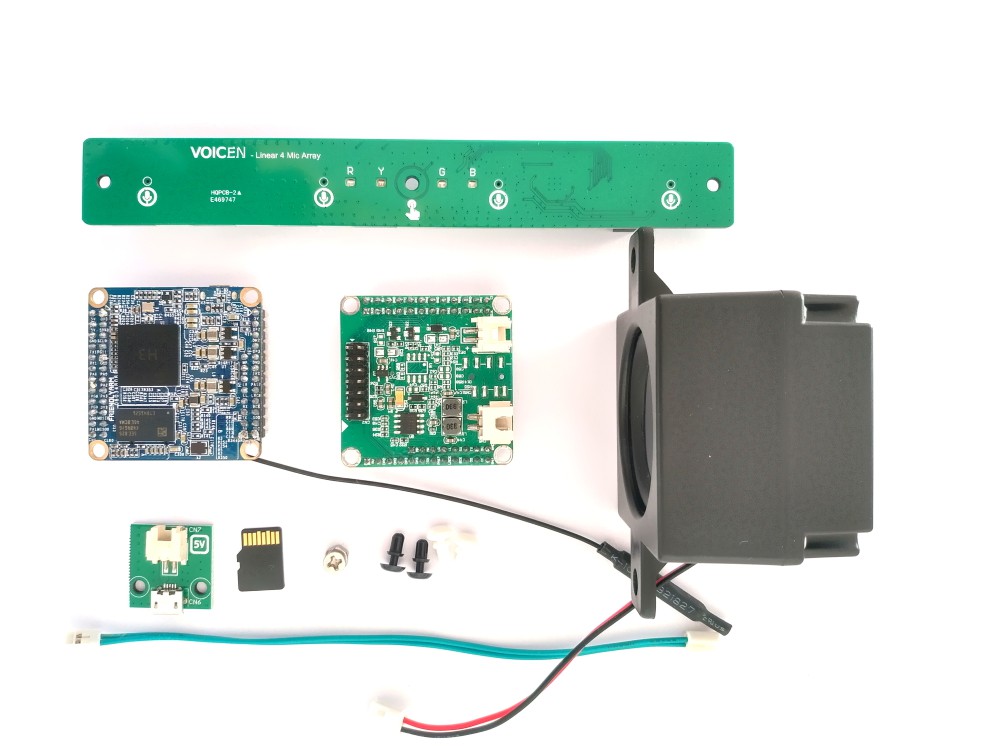


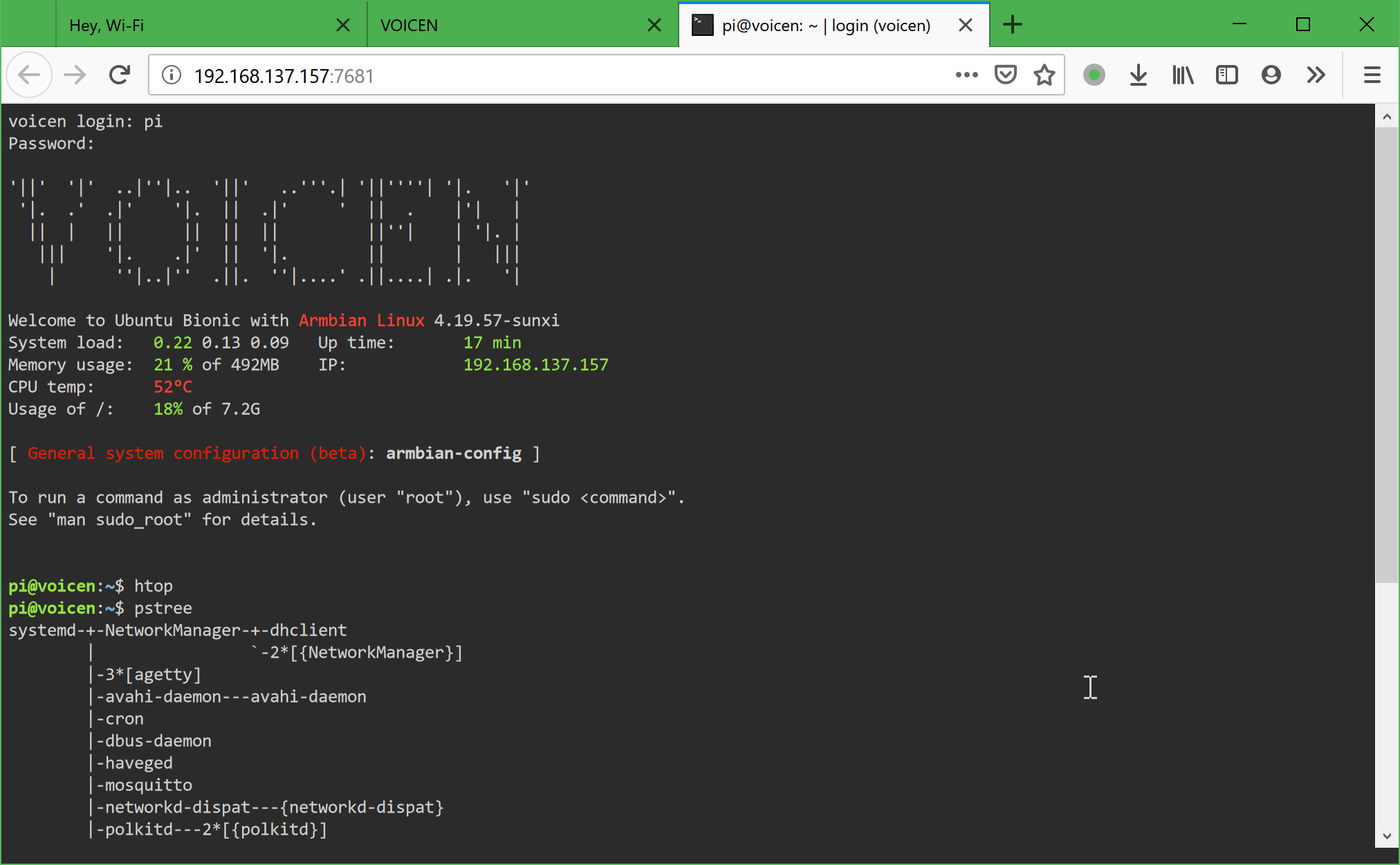
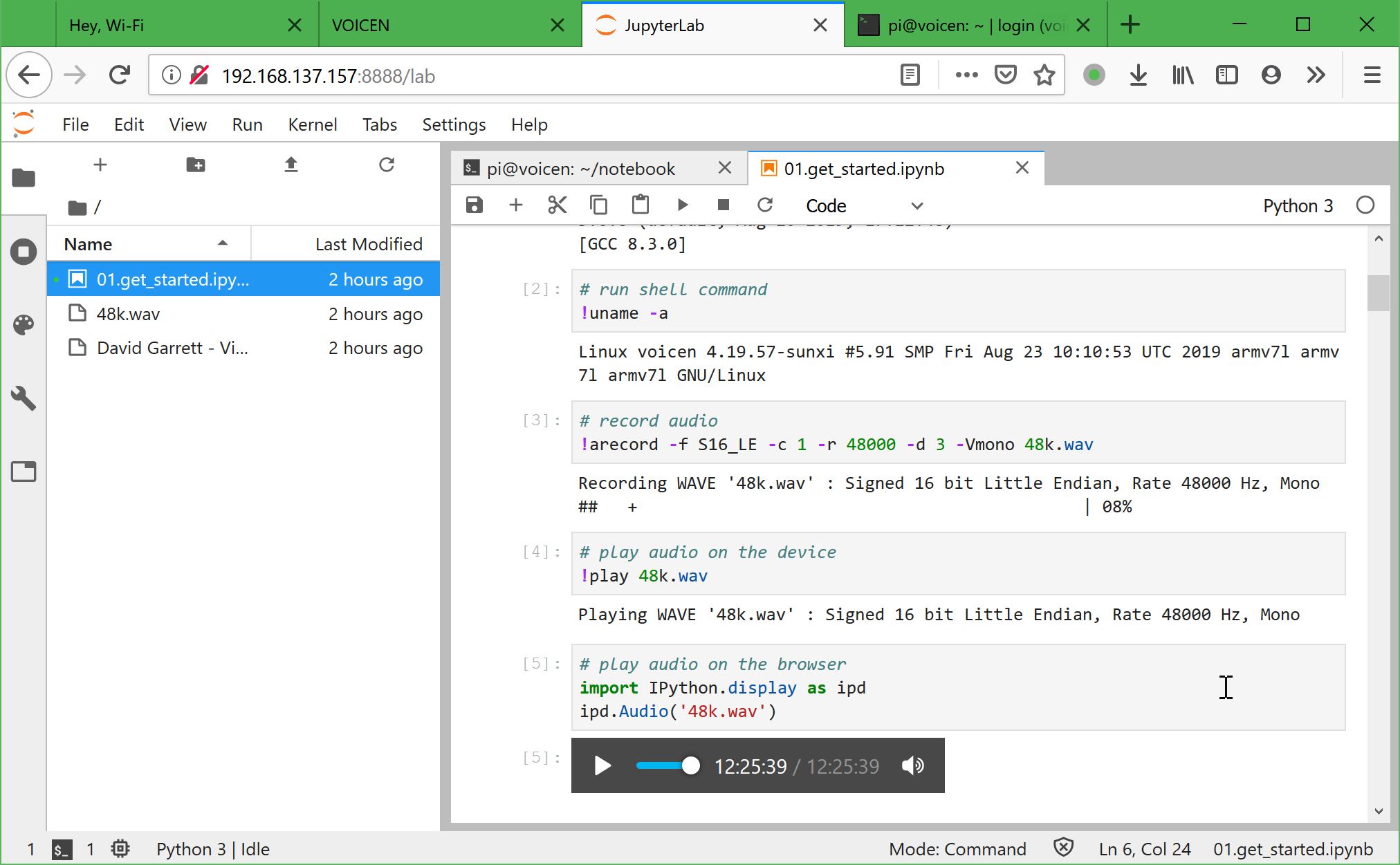
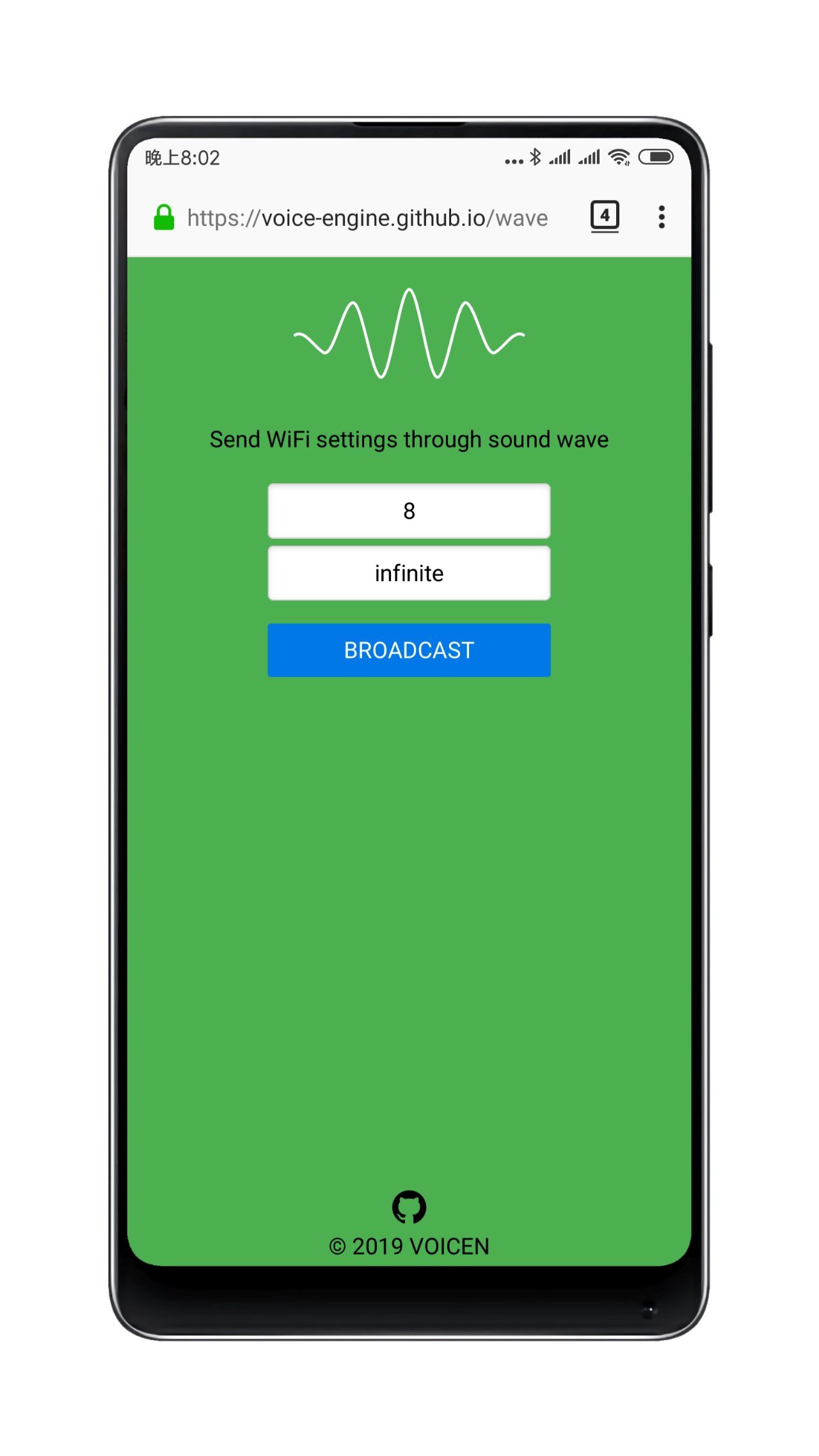
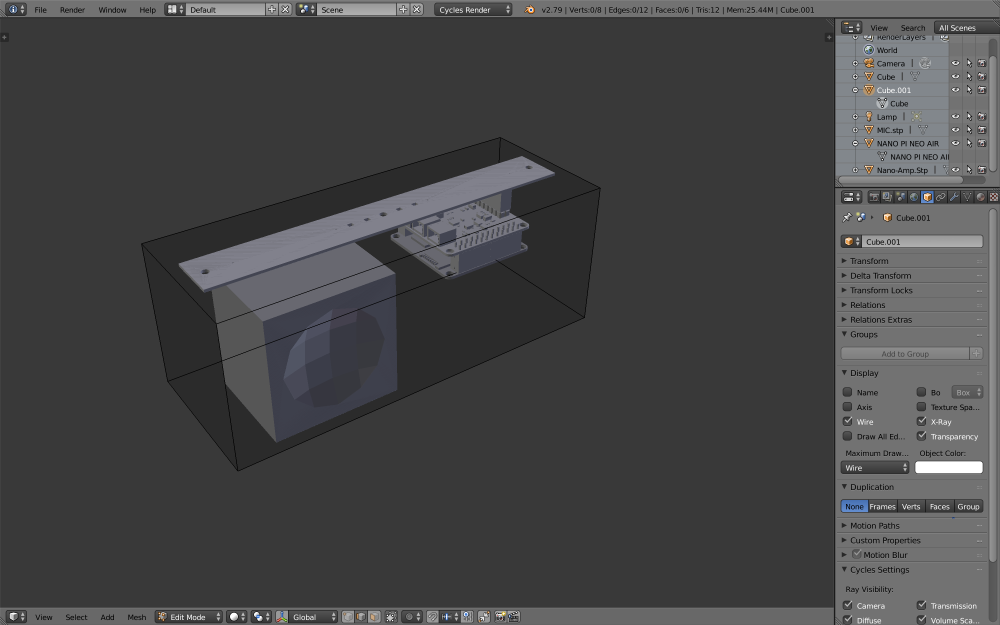
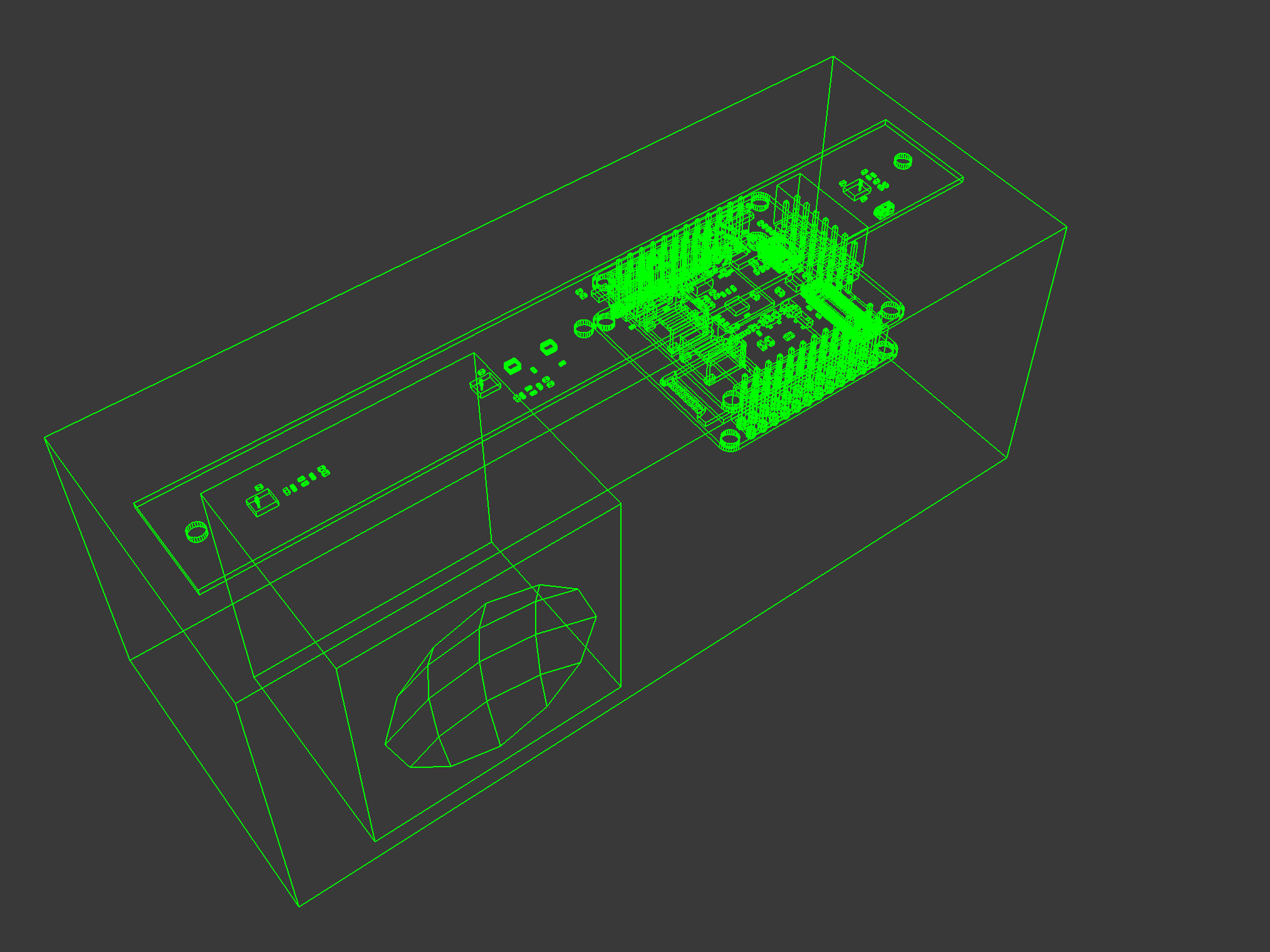
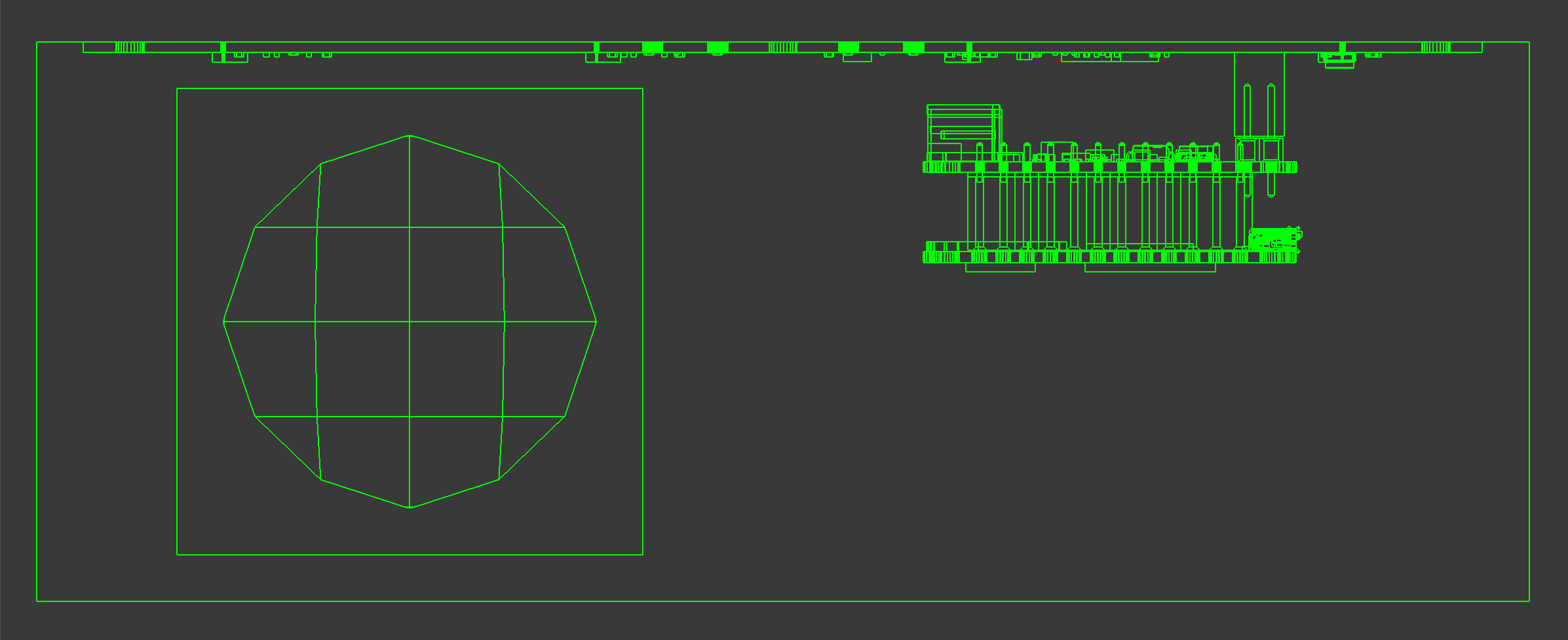

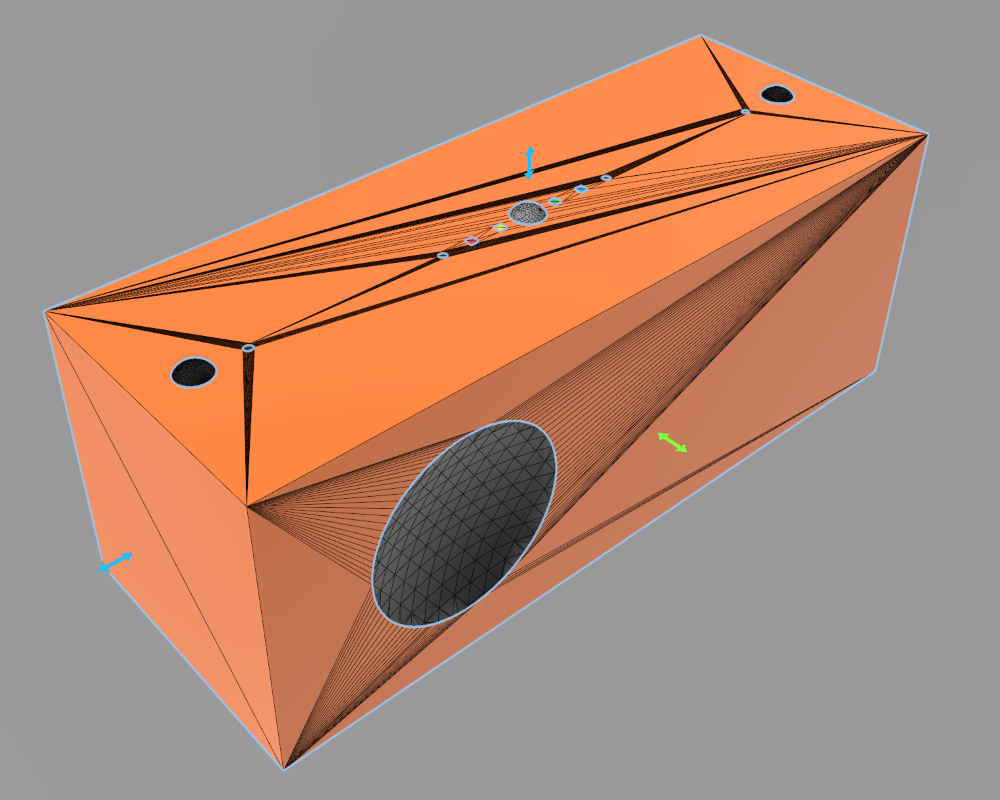
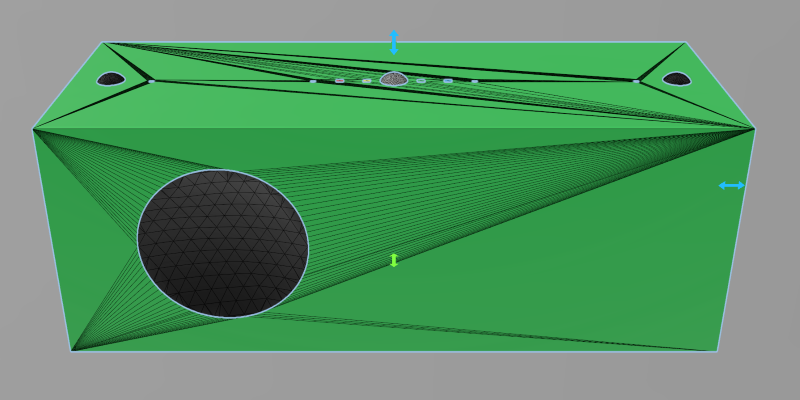
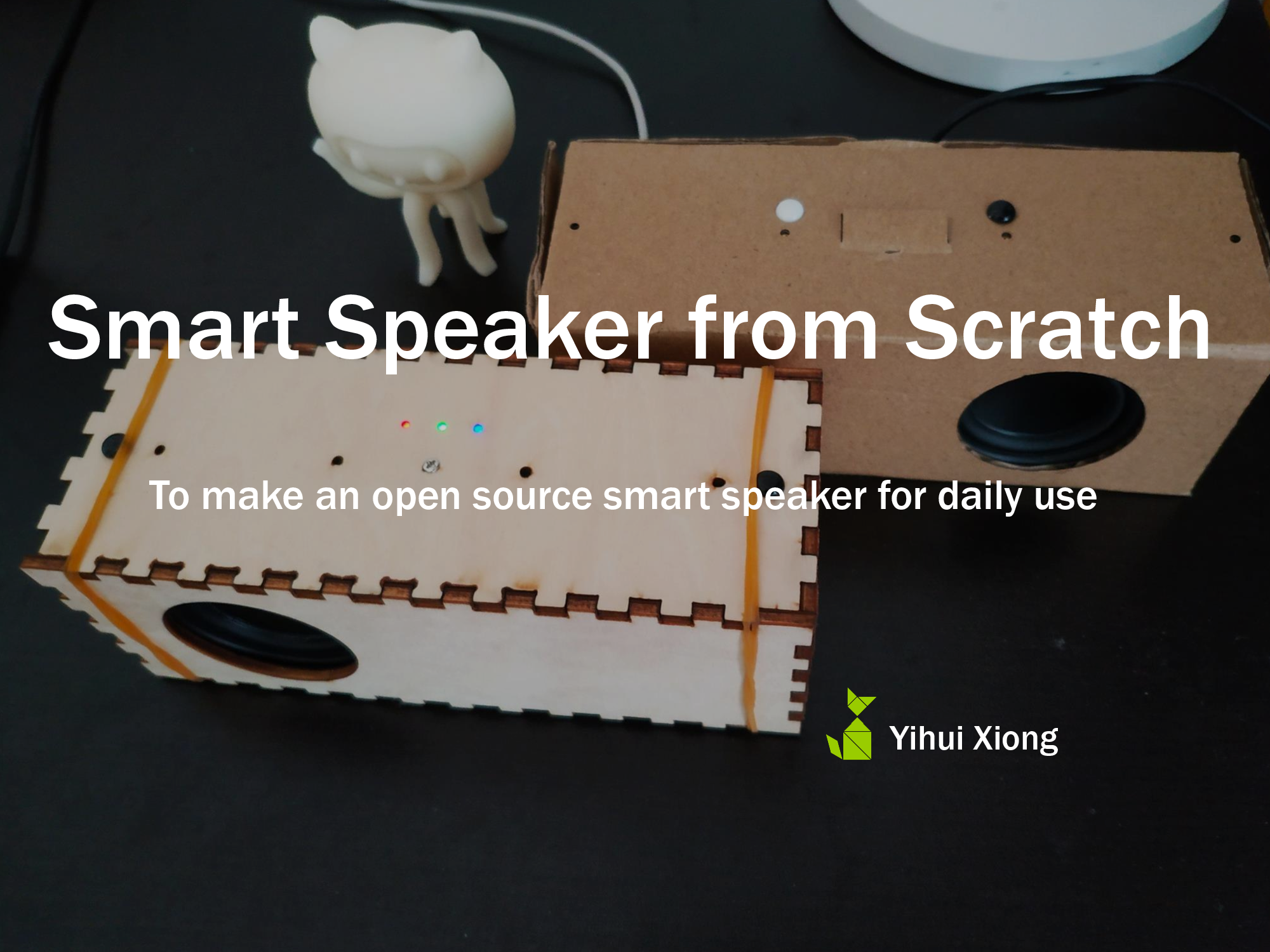
 Why we should make an open source smart speaker? What's the to-do-list? How to make it? The presentation is to answer these three questions.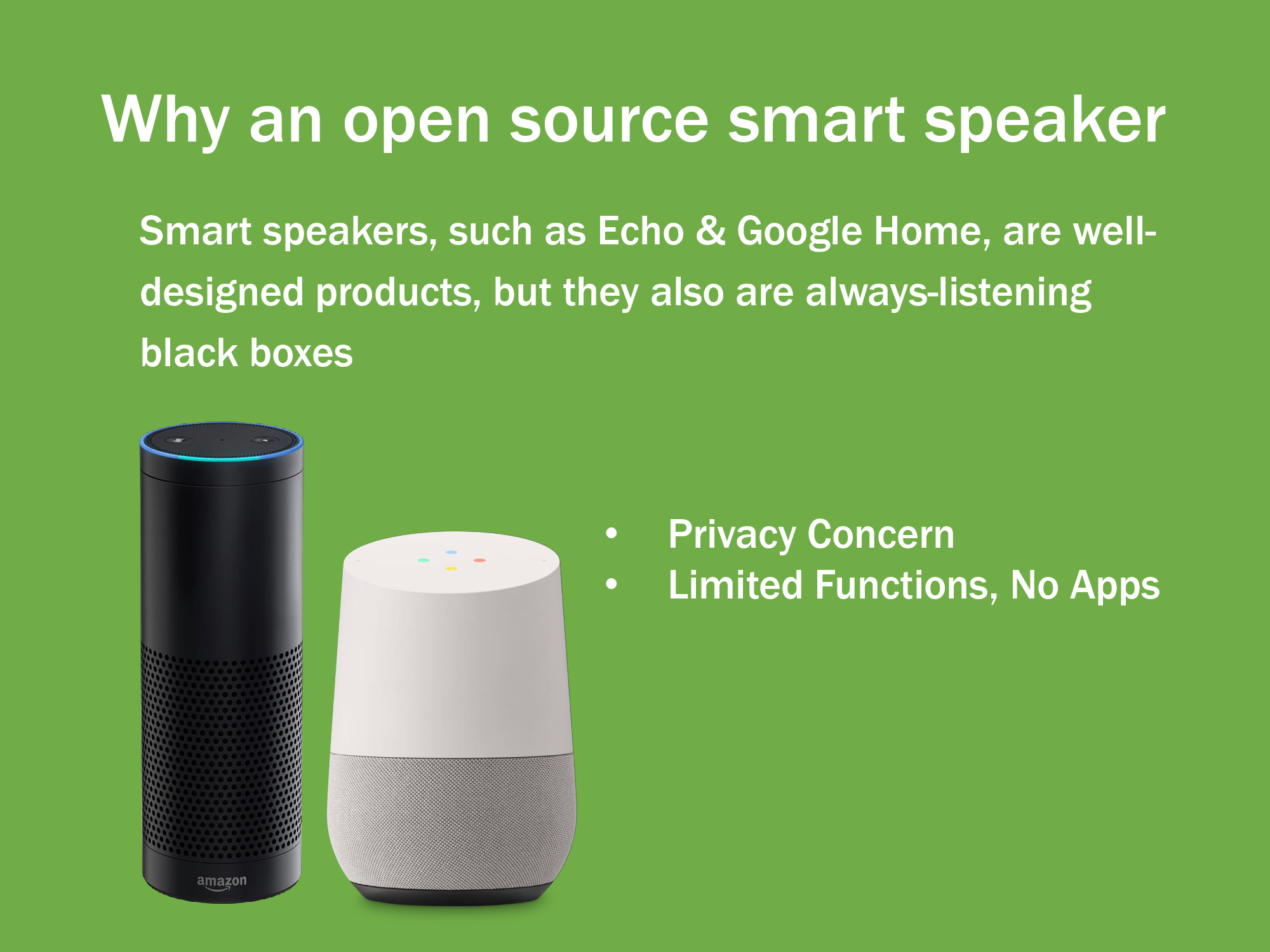
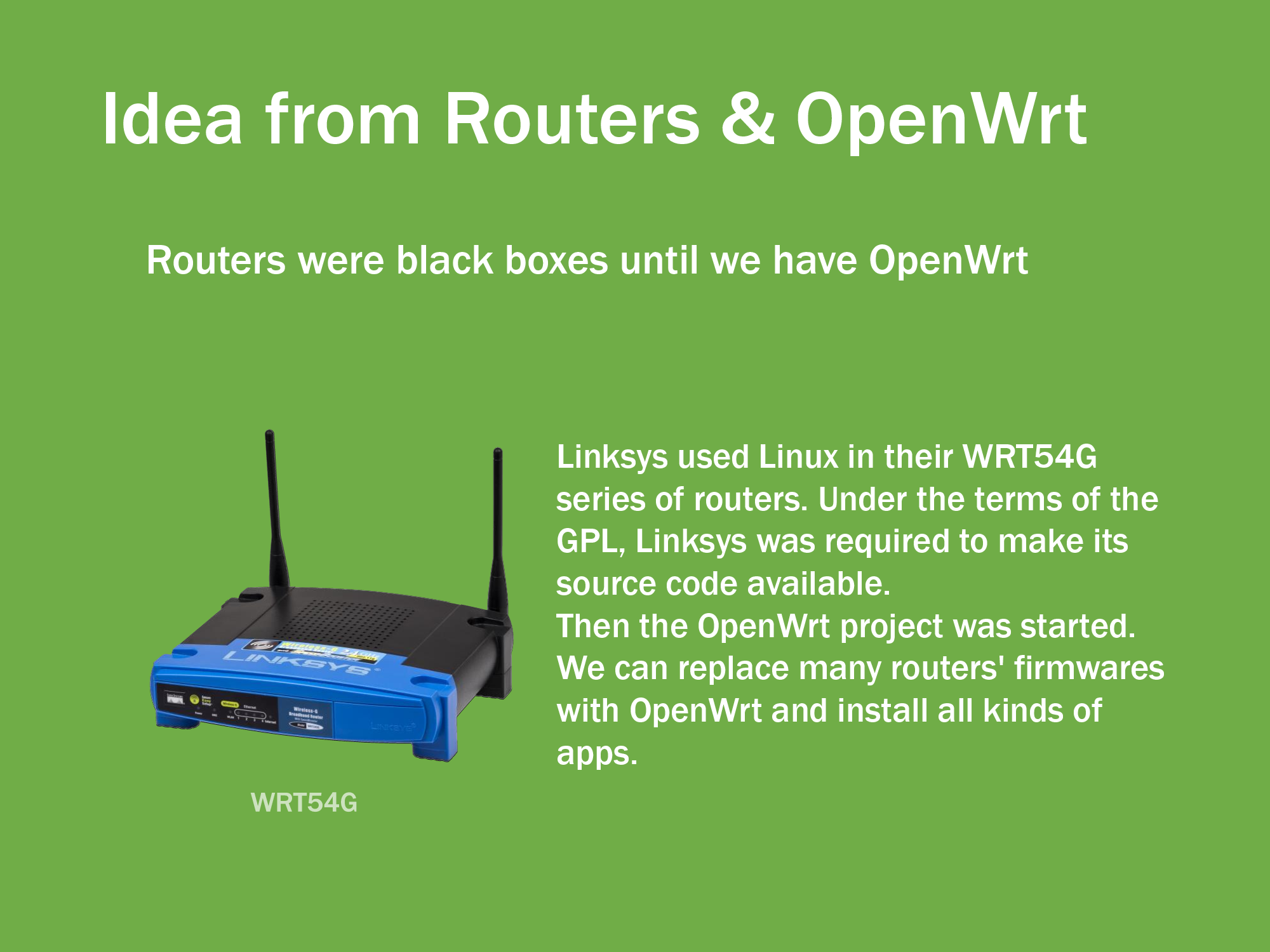 Maybe we can get some ideas from the history of routers and the OpenWrt project. Before we have OpenWrt, routers were just black boxes. After that, we replace routers' firmware with OpenWrt, and then install a variety of apps, such as web servers, proxies, file storage and etc.
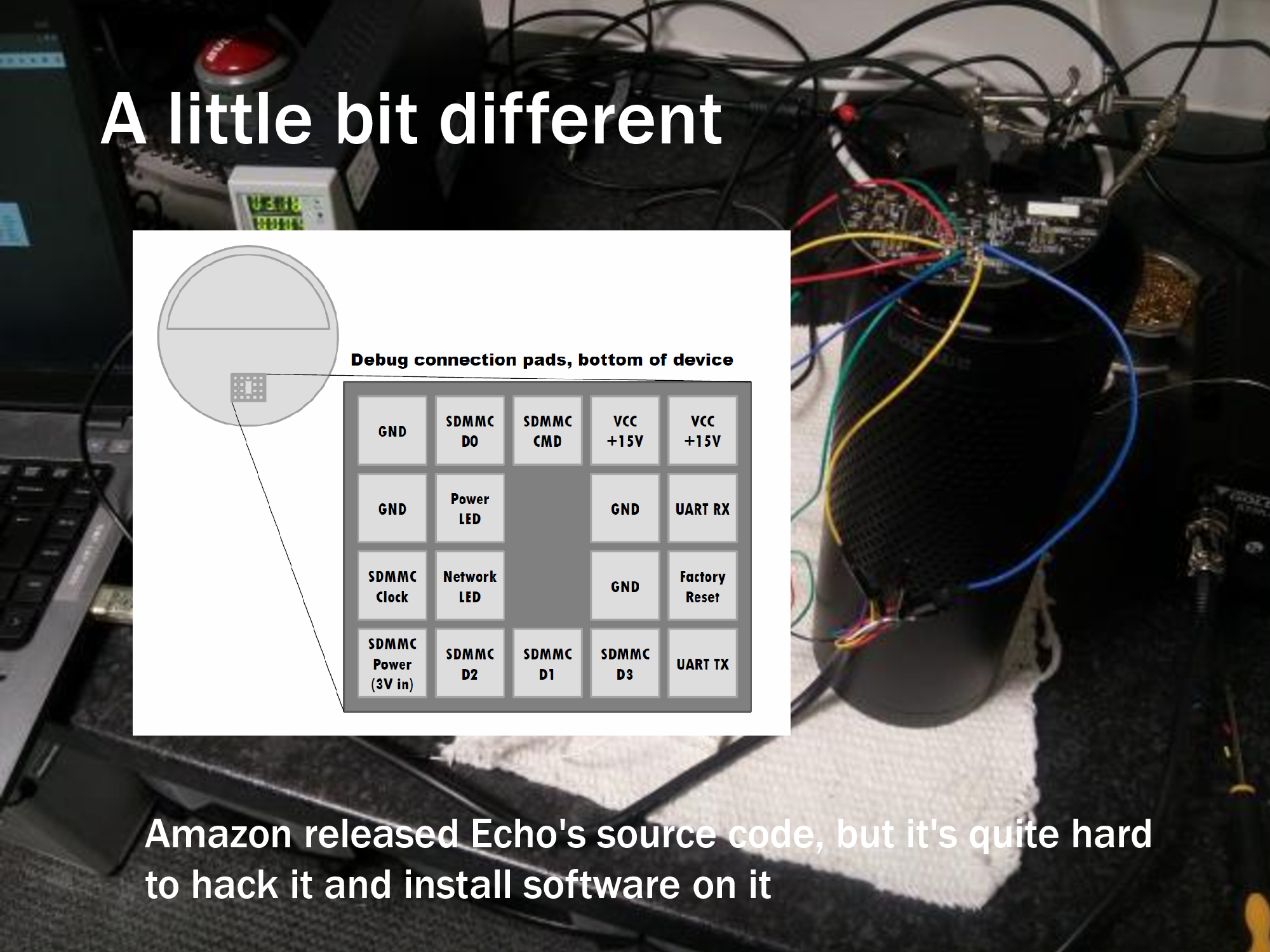 But it's a little bit different. Although Amazon released Echo's source code, it's extremely hard to hack a Echo device. For the 2015 and 2016 edition of the Echo,
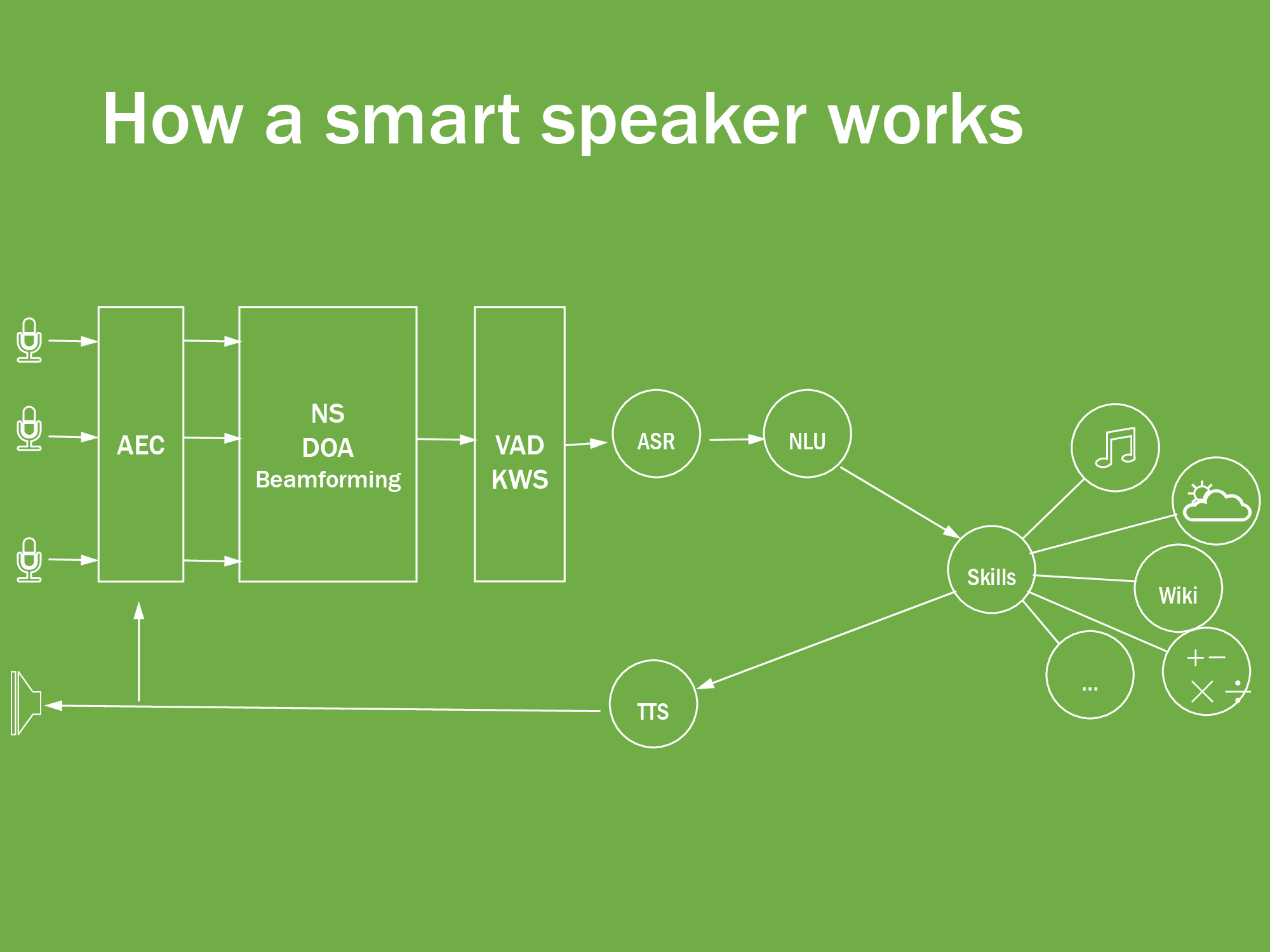
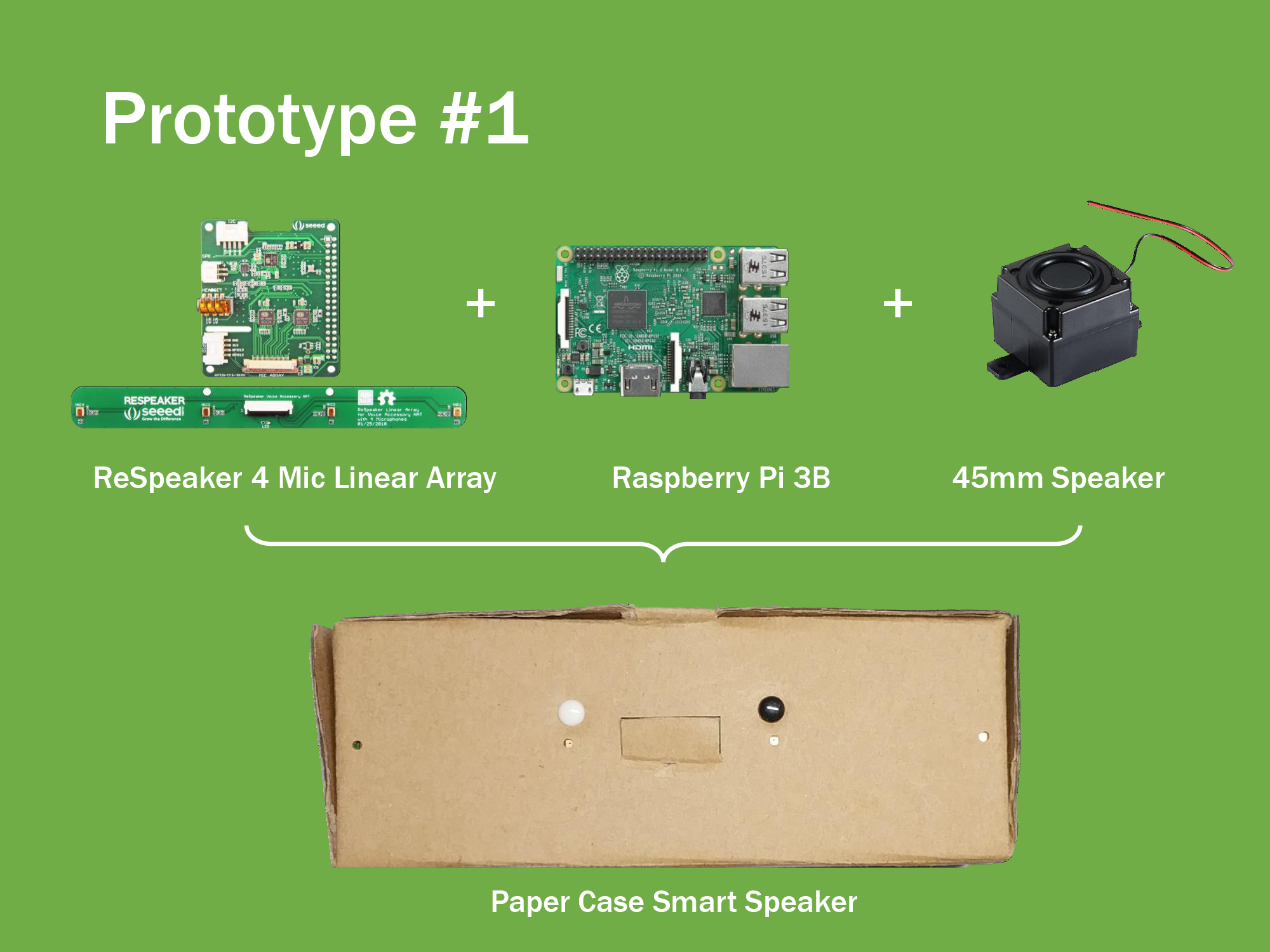
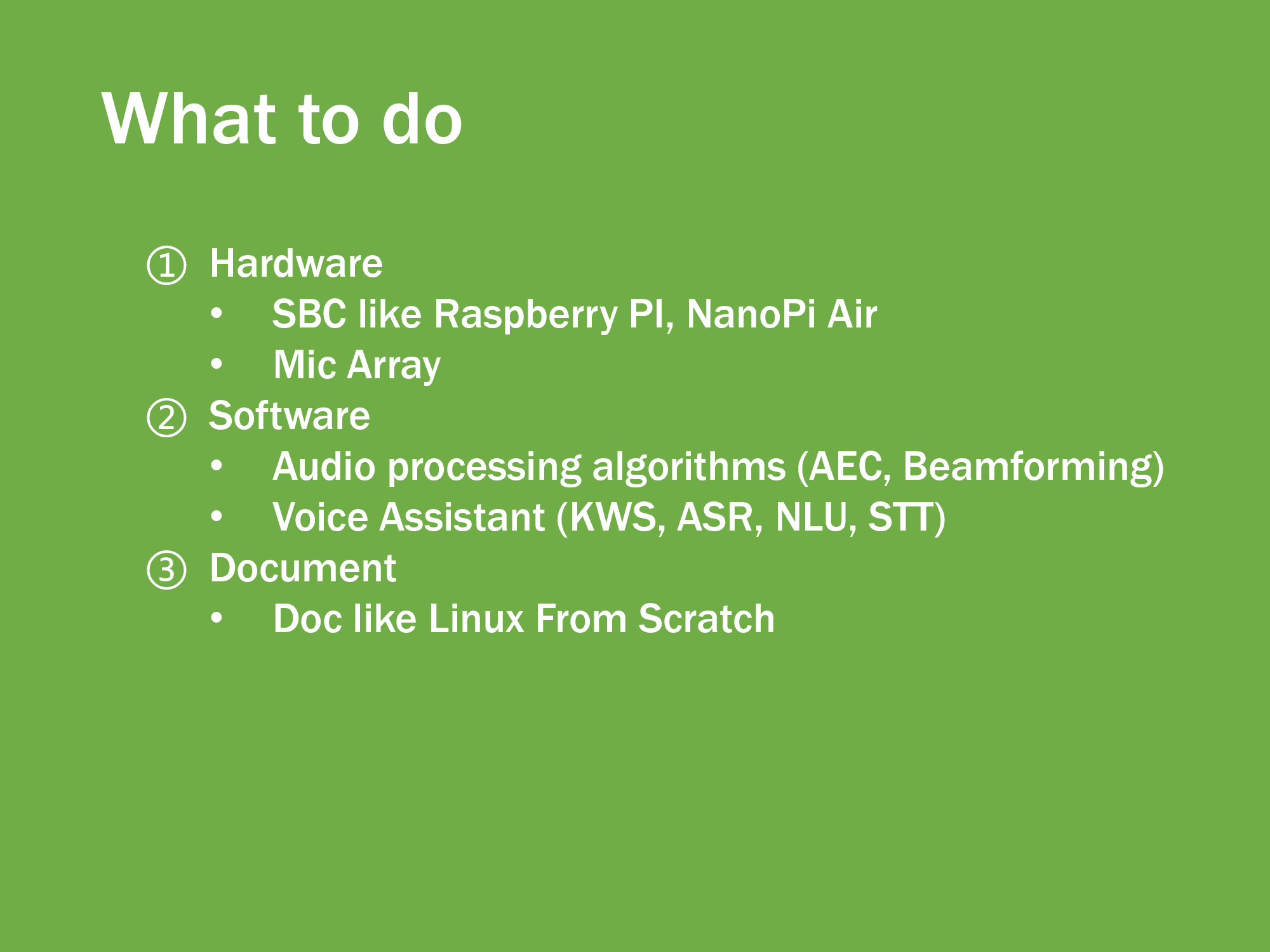 Hardware is kind of simple. We need a Single-Board-Computer (Raspberry Pi, ...), a mic array and a speaker. Software is the main part. Fortunately, there are lots of open source resources we can use.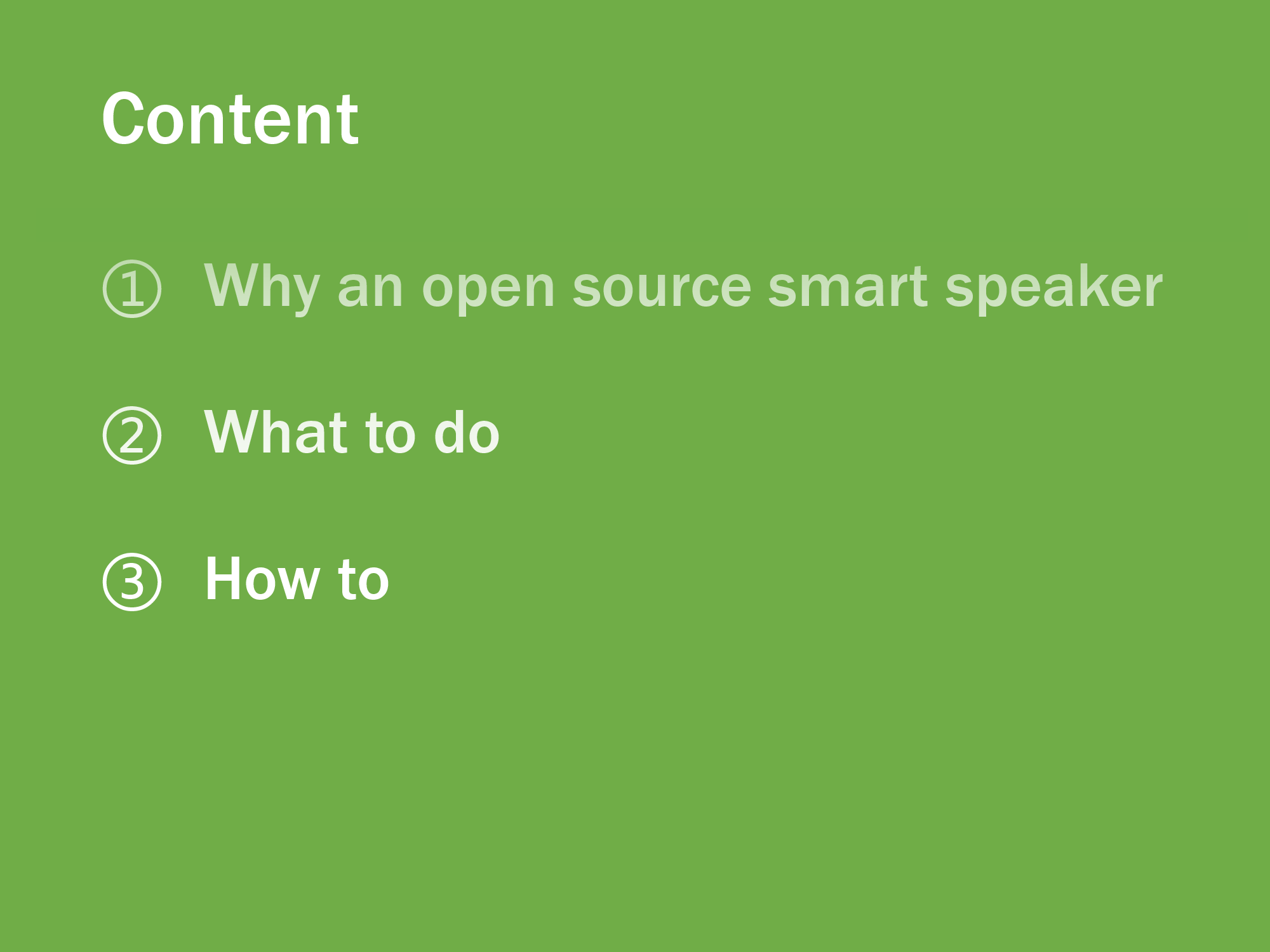
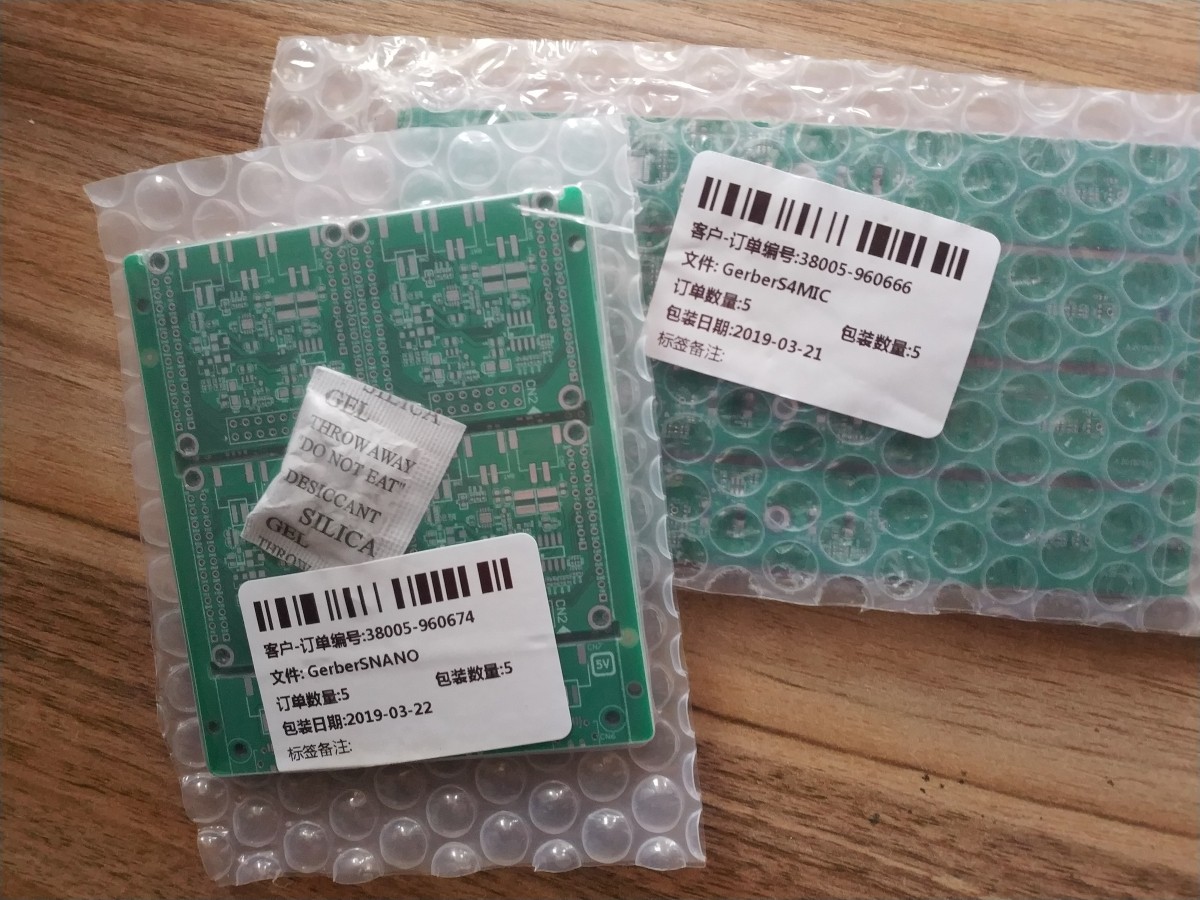
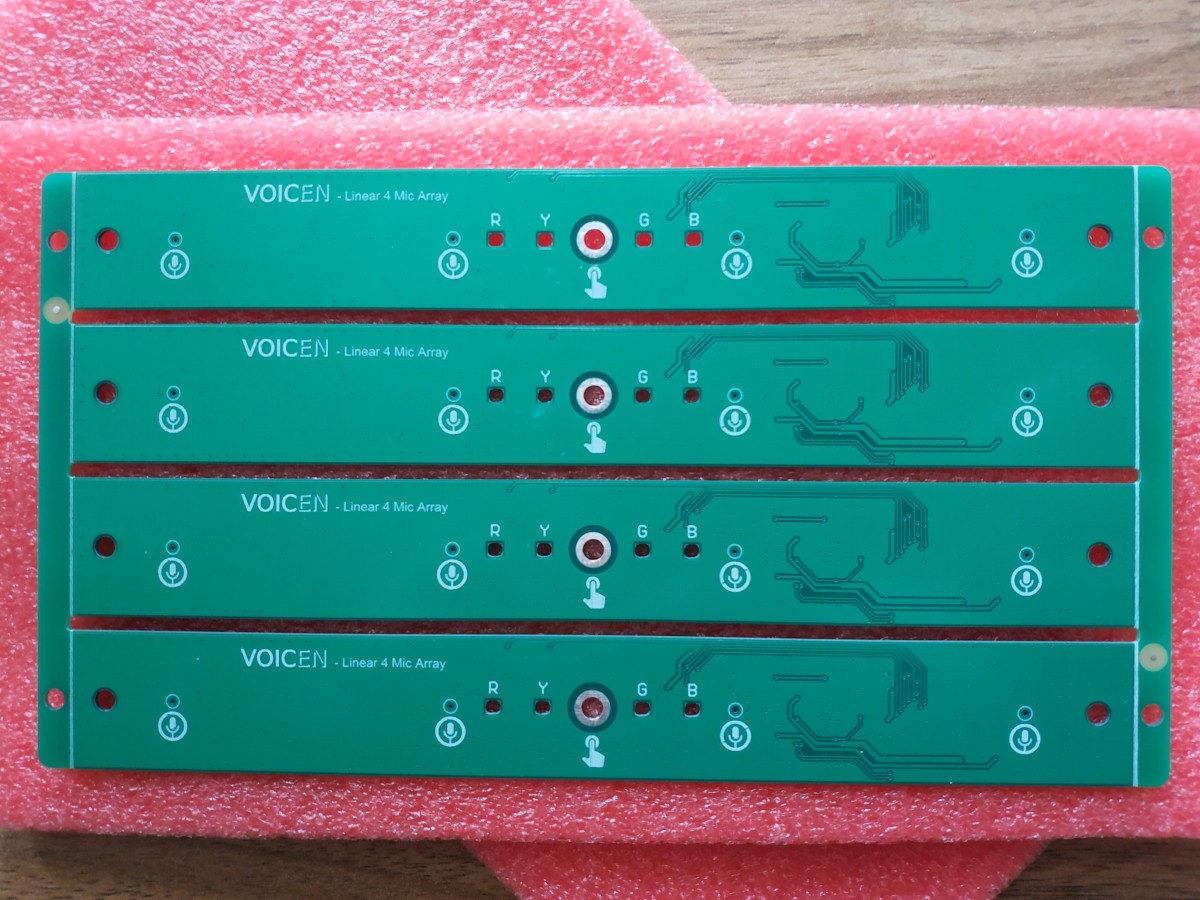
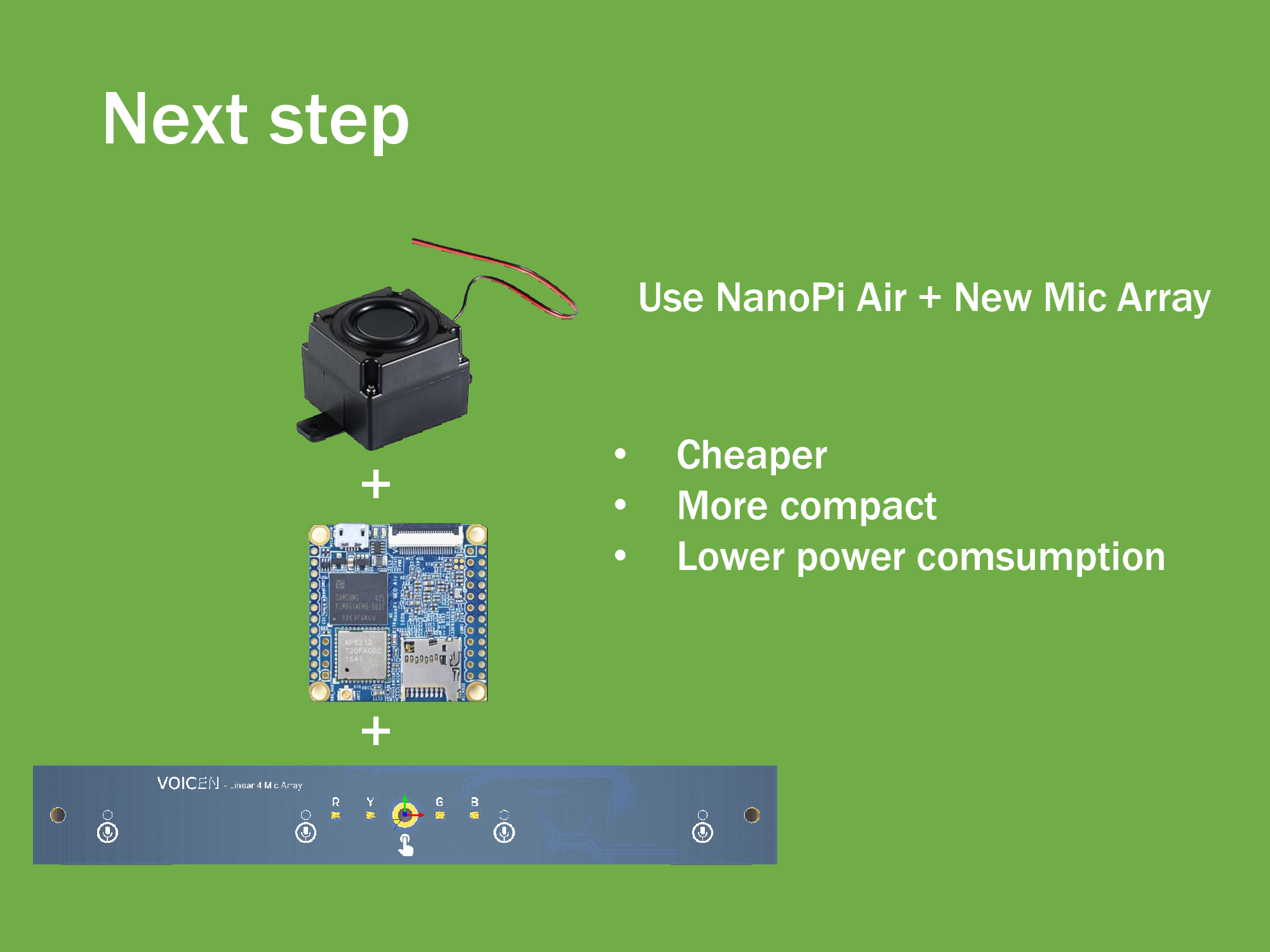 So next step is to find some more affordable hardware. It seems NanoPi Neo Air is a good choice. It runs Armbian which is based Debian and is very similar with Raspbian. A new mic array is being designed to reduce the cost.





 Dillon Nichols

 Mehrdad
 Danny
Danny
 RodolpheH