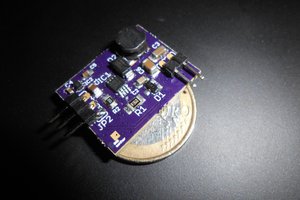
Close
0%
0%

High-Power Smart WiFi Aquarium LED

The ultimate open-source aquarium LED and mobile app.

Similar projects worth following
This project is called Borneo-IoT, it's the most advanced open-source, multi-segment dimmable, high-power, smart WiFi LED light designed for aquariums.

It's not an addressable LED strips driver but a high-power constant current multiple channel LED.

What’s included in this project?
- Open source mobile app serving as a universal wireless device user terminal
- ESP32-C3 based 6-channel LED PWM embedded controller module (core board)
- Firmware developed using ESP-IDF
- A 57W 6-channel LED aluminum PCB reference design for the controller module (10-channel saltwater version is under development)

Everything is Open-Source
The Borneo-IoT Project is an open-source hardware initiative, running with open-source firmware and provides an open-source mobile client app. All source code and design files are available on GitHub: https://github.com/oldrev/borneo .

Buce - 6-Channel All-in-One WiFi LED PWM Controller
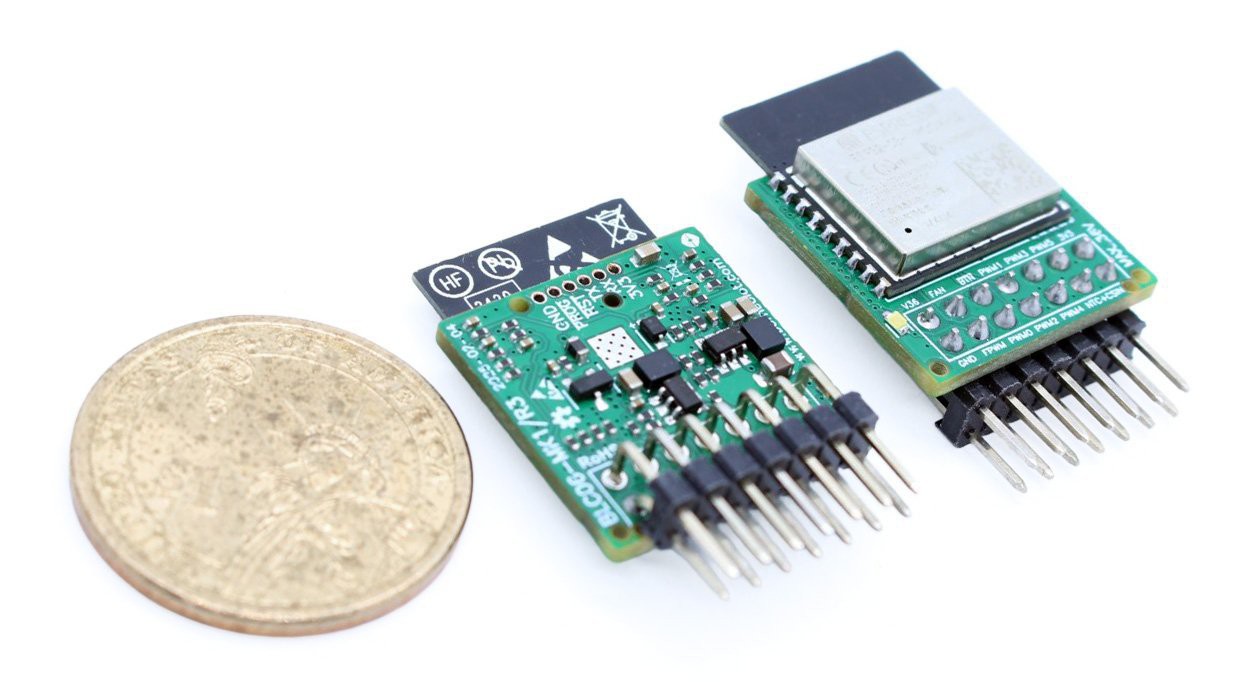
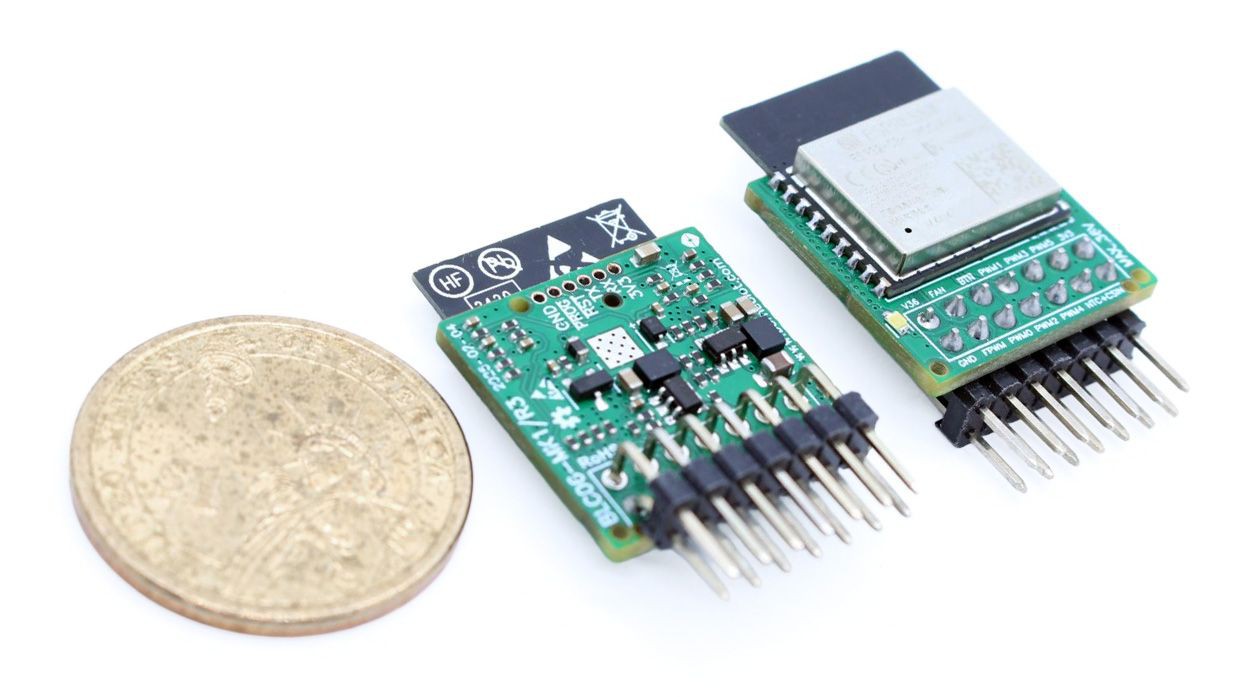
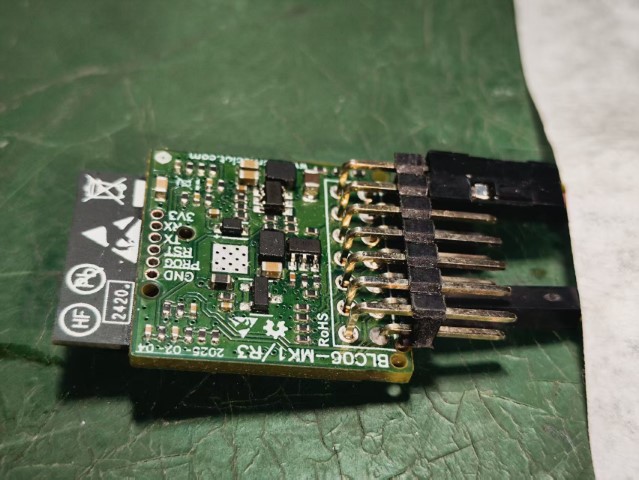
Buce is a coin-sized, Wi-Fi-enabled, pluggable core module that integrates essential hardware functions for professional-grade aquarium LEDs, including 6-channel PWM control, power regulation, and thermal management. It is designed for DIY makers and small manufacturers and features proven firmware and an easy-to-use mobile app, making it an exciting new option for aquarium enthusiasts.

Quick specs

  • Channels: 6 independent PWM
  • Dimming levels: 4096
  • PWM freq: up to 19 kHz (configurable)
  • Input voltage: 5–36 V
  • Size: 22 × 30 mm
  • Thermal shutdown: >65 °C (configurable)
  • Interfaces: 0.1" (2.54 mm) pin header, optional INA139, external button

Features

  • Multi-stage programmable dimming with scheduling, manual, and temporary modes.
  • Supports linear, logarithmic, gamma, exponential and CIE‑1931 curves.
  • 4096 levels, soft start/shutdown, phase shifting to reduce peak driver current.
  • Solar simulation using astronomical algorithms.
  • High-frequency PWM (up to 19 kHz) and phase shifting minimize flicker and noise.
  • Built-in voltage regulator and power measurement; optional INA139 for current/power.
  • 3.3 V output for peripherals.
  • Fan driver (2‑wire and PWM fans) + PID control (default target 45 °C).
  • NTC input for temperature; emergency shutdown >65 °C.
  • Automatic SNTP time synchronization.
  • 0.1" (2.54mm) pin-header interface, convenient for DIY projects.
  • Communicating using CBOR over CoAP/UDP offers both reliability and high performance
  • Provides Open-source Python API and examples.

Applications

  • Aquarium Lighting Aquarium hobbyists can use Buce to simulate natural lighting environments, promoting the health and growth of aquatic plants or corals.
  • Photography Lighting Photographers can set up dynamic lighting scenes to capture stunning images with precise control over brightness and color, perfect for studio or outdoor shoots.
  • Home Lighting DIY enthusiasts can integrate Buce into their smart home systems to create personalized lighting ambiances for different rooms and occasions, with smooth transitions throughout the day.
  • And More Let your creativity shine.

Buce - Driver / Carrier Board for Buce
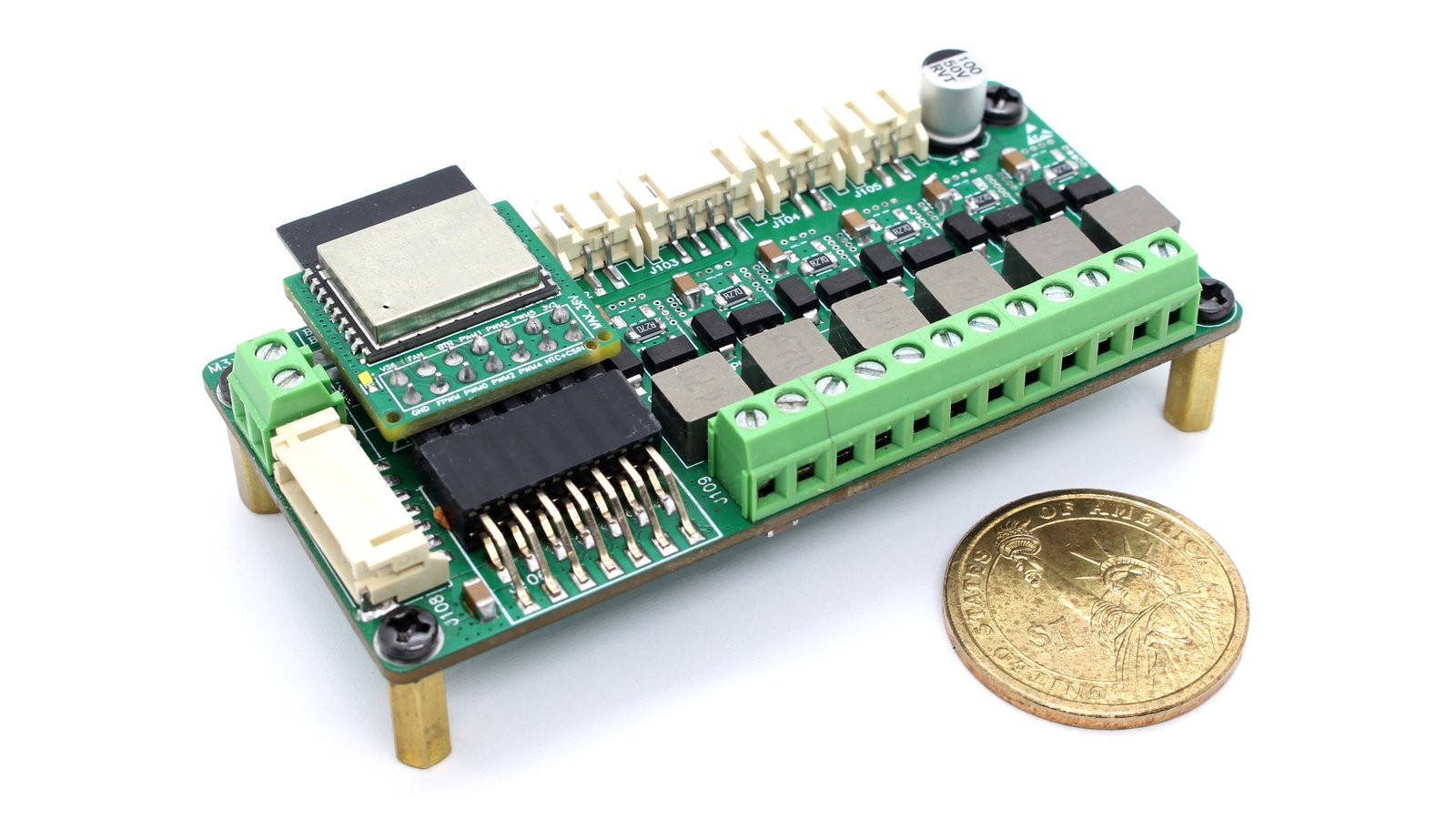
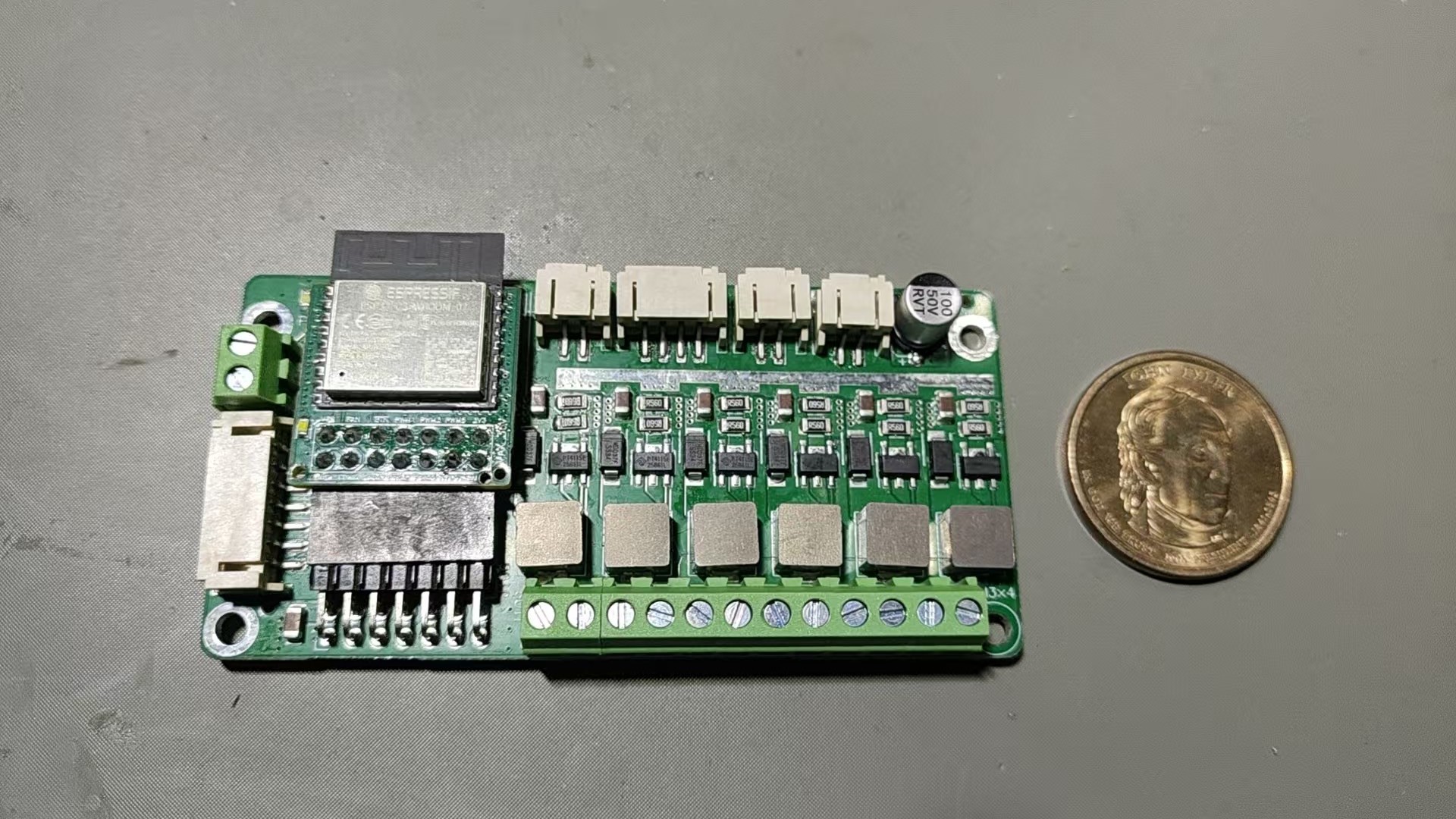
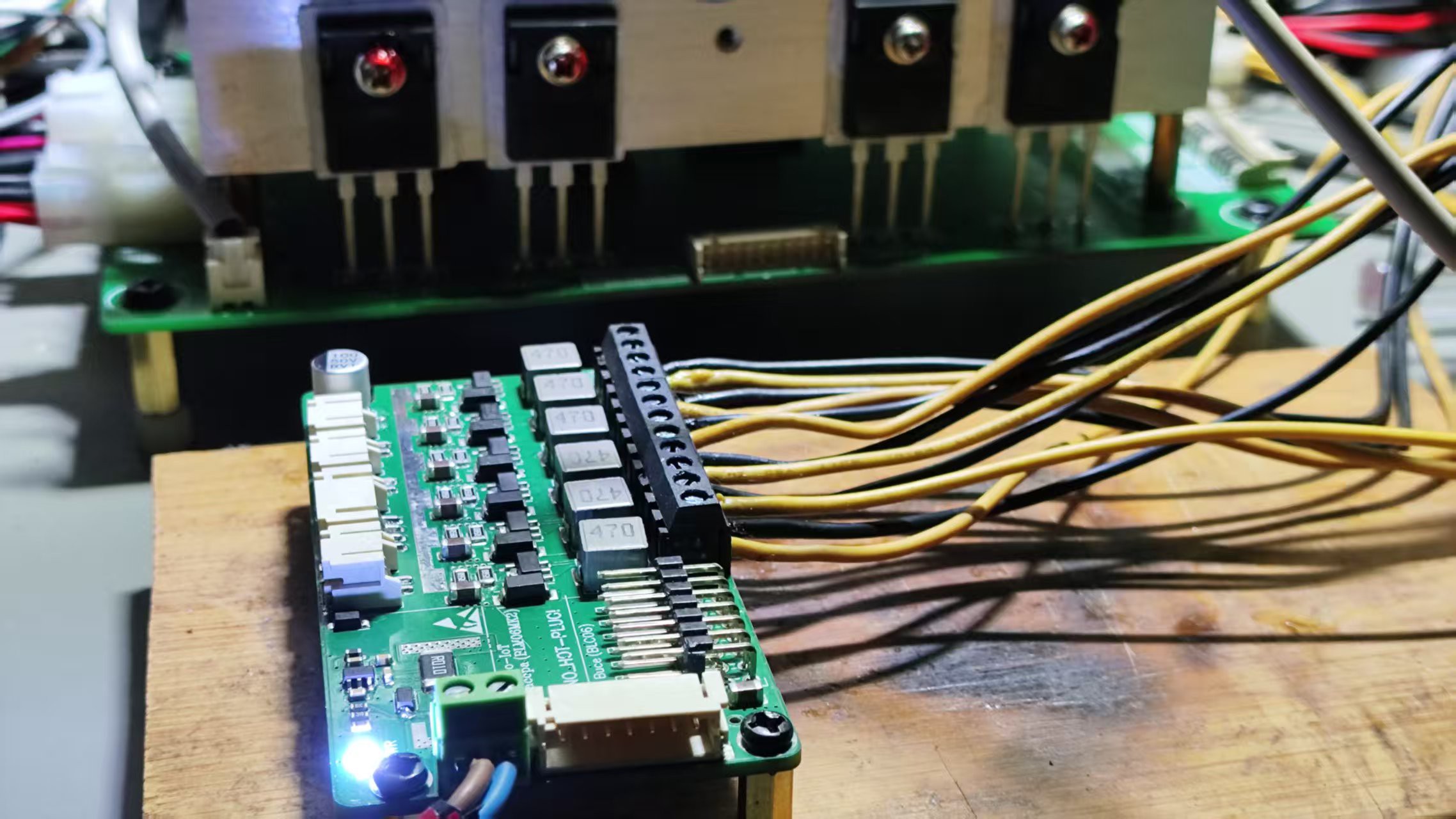
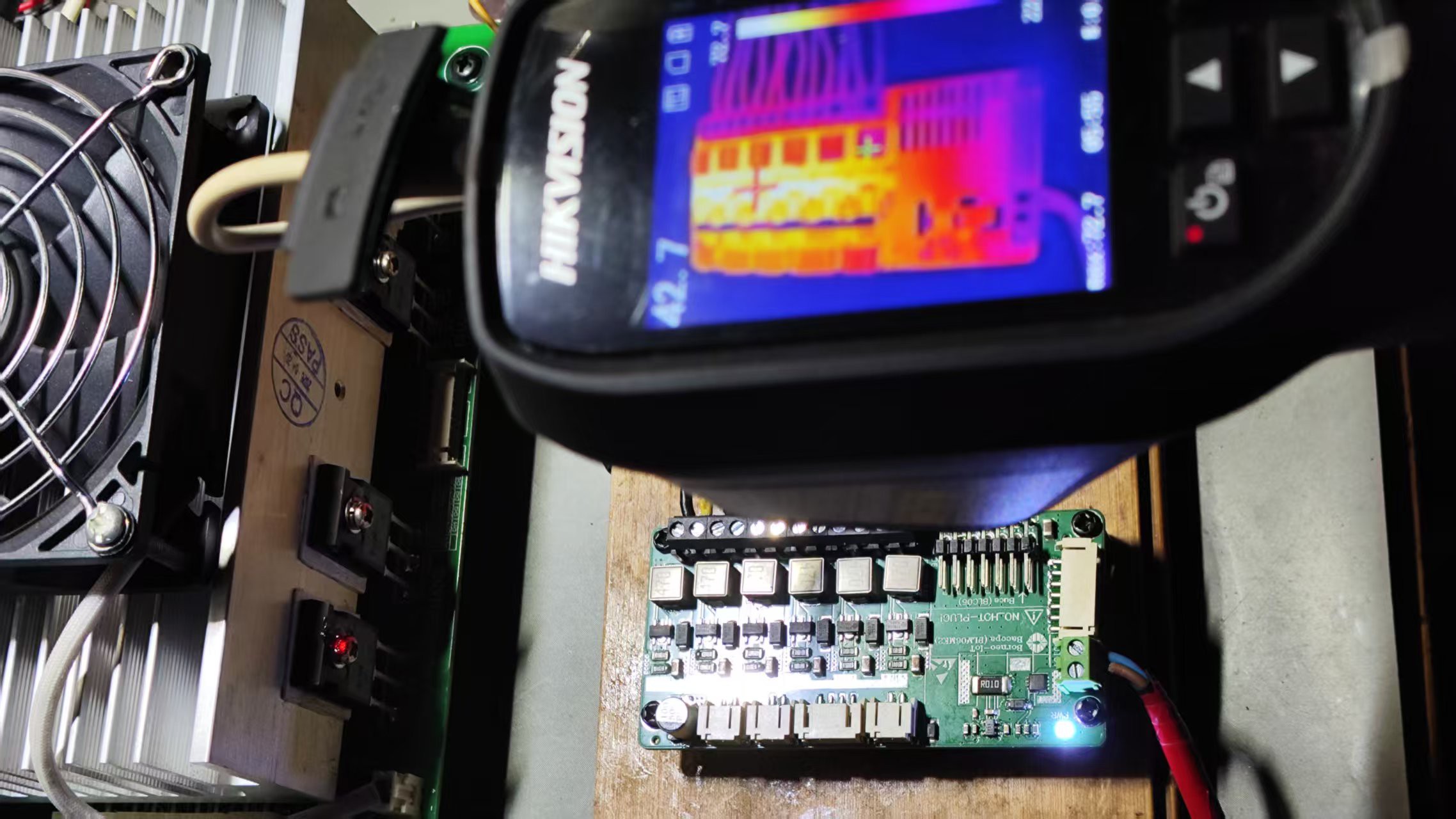
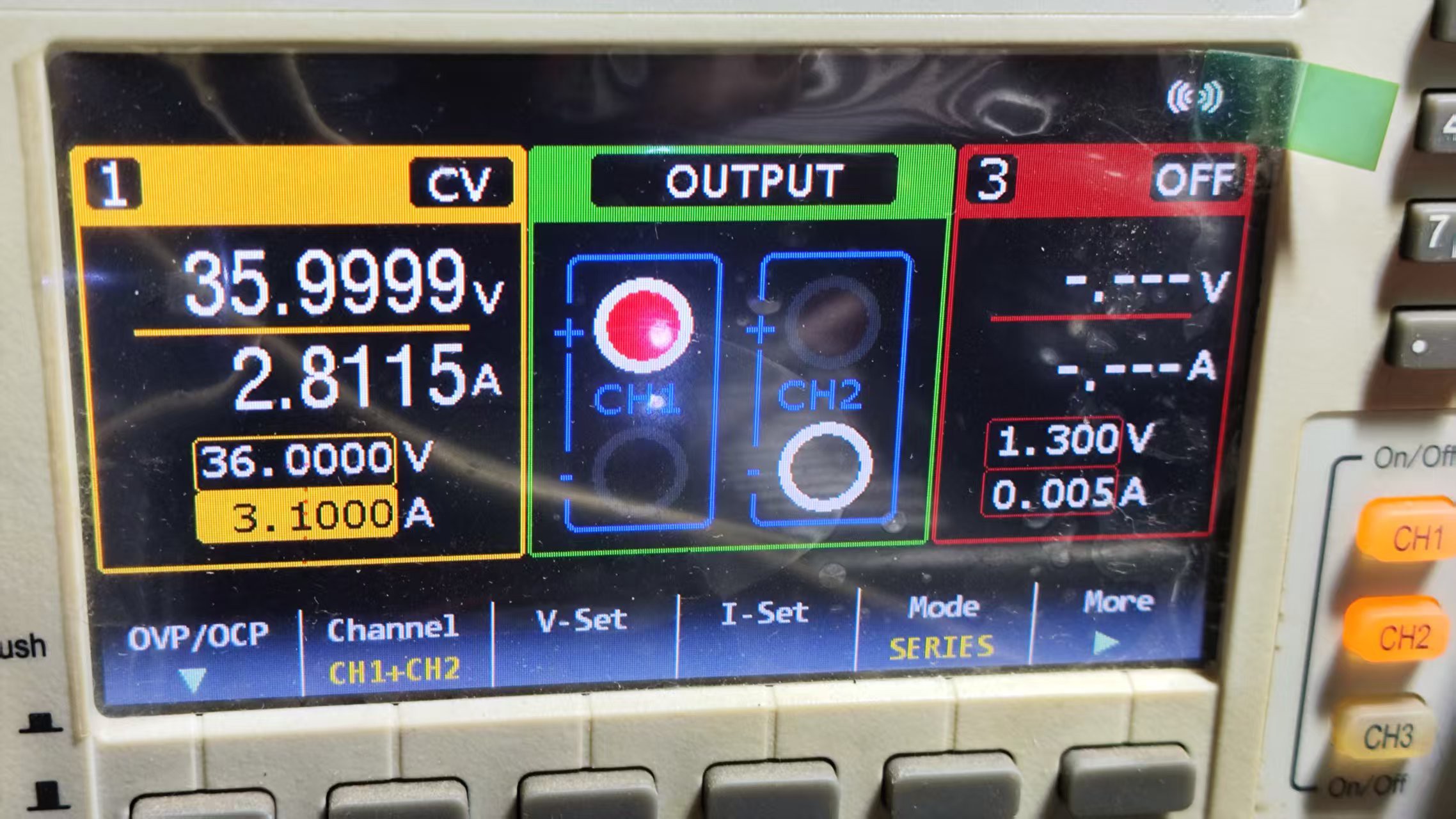
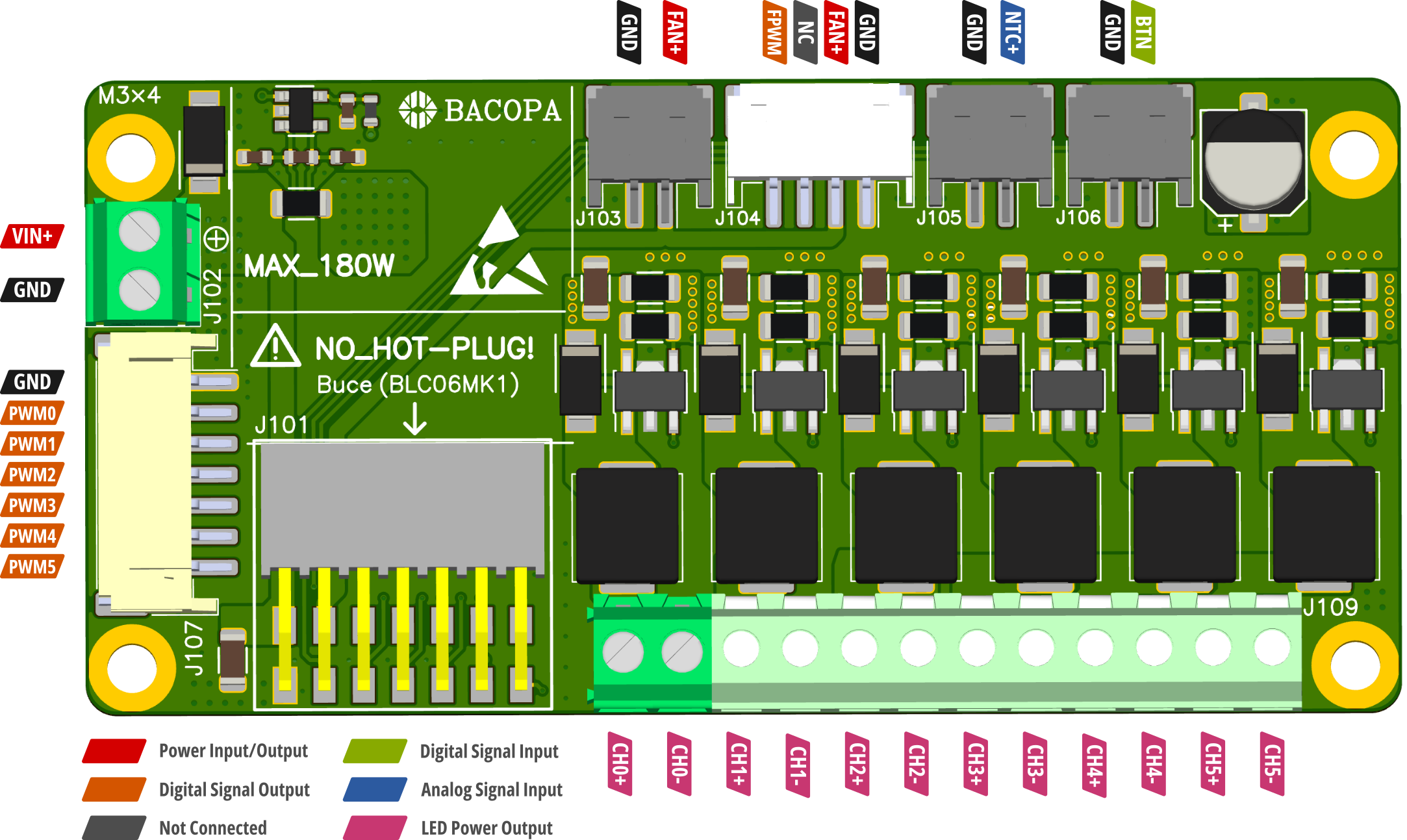
Bacopa is the driver and carrier board for the Buce core module. It features 6 built-in constant-current LED driver outputs (700 mA × 3 & 350 mA × 3). Each channel can drive up to 9 series-connected LEDs when using a 36 V power input, with a maximum rated LED power output of up to 108 watts. It also integrates an LED current monitoring circuit and reverse polarity protection. You can easily use the Buce & Bacopa to DIY your next awesome lighting project.

Quick specs

  • Model: BLM06MK1
  • Dimensions: 22 × 33 mm (0.87 × 1.3 inches)
  • 6-Channel constant current output:
    • 3 × 700 mA channels
    • 3 × 350 mA channels
  • Wide Input Voltage Range: 15 to 36 V DC
  • Integrated Texas Instruments INA139 current monitoring circuit
  • Reverse polarity protection
  • Interfaces:
    • 1 × 7-pin, 2.0 mm pitch, PWM output socket (for parallel connection of more drivers)
    • 1 × 2-pin, 2.0 mm pitch, fan socket
    • 1 × 4-pin, 2.0 mm pitch, PWM fan socket
    • 1 × 2-pin, 2.0 mm pitch, 3950 / 10 kΩ NTC thermistor socket
    • 1 × 2-pin, 2.0 mm pitch, push button socket
    • 1 × 12-pin screw terminal, 3.8 mm pitch, LED driver output
  • Flexible integration: Can be used as a standalone module or soldered as an embeddable component onto an LED PCB

Ulva-6 Reef LED

Ulva-6 is Buce’s complete LED fixture reference design for nano reef tanks. It integrates a stage-grade high-performance constant-current driver with powerful 6-channel dual-chip LEDs, delivering the optimized spectrum for coral growth while fully leveraging the Buce controller’s capabilities. Its full-aluminum heatsink enclosure and coordinated hardware-software protection ensure long-term stable and reliable operation.

Quick specs

  • Controller: Buce core module
  • Rated Power: 60 W
  • Lens angle: 90°
  • Suitable aquarium size: up to 40 cm (15.7 in)
  • 6-channel:...
Read more »

blc06mk1_sch.pdf

The schematics of BLC06MK1 module.

Adobe Portable Document Format - 255.88 kB - 02/01/2025 at 17:18

Preview

blc05mk3_sch.pdf

The schematics of BLC05MK3 module.

Adobe Portable Document Format - 234.11 kB - 01/29/2025 at 04:20

Preview

63w-led-base-pcb-sch.pdf

The schematics of a 63W LED mother board design.

Adobe Portable Document Format - 354.58 kB - 01/14/2025 at 05:08

Preview

blc05mk3.pdf

The datasheet of the core controller module

Adobe Portable Document Format - 1.70 MB - 01/14/2025 at 04:53

Preview

  • My ESP32-C3 Based Open Source Aquarium LED Controller Hits Crowdfunding

    Li Wei09/20/2025 at 07:06 0 comments

    Hi Hackaday readers,

    Over the past year I’ve been developing Buce, a compact open-source LED controller for aquariums. Built around the ESP32-C3, it was inspired by my own DIY reef light projects, and I finally decided to launch a crowdfunding campaign to make it available to others.

    What Buce does
    Buce can drive 6 independent PWM channels with high-resolution dimming and supports multiple dimming curves for realistic lighting. It connects via Wi-Fi and can be controlled through the Android app I developed (iOS version in progress).

    Open Source
    All hardware design files and firmware are fully open-source and OSHWA certified. If you prefer, you can skip the crowdfunding and manufacture the PCB yourself. The firmware supports OTA updates, over-temperature protection, and over-voltage protection.

    Why crowdfunding
    Launching Buce via Crowd Supply allows me to gauge interest, fund the first production run, and make it easier for others to get started without having to build everything from scratch.

    If you want to try your hand at a DIY aquarium lighting controller, or simply want to support open-source ESP32 hardware, you can check out the project here:
    https://www.crowdsupply.com/borneo-iot/buce-aquarium-led-controller

    Cheers!

  • App Upate

    Li Wei08/03/2025 at 08:14 0 comments

    I've recently spent some time polishing this app. 

    If you’re interested, you can download the pre-compiled Windows and Android versions from GitHub:
    https://github.com/borneo-iot/borneo/releases

  • 6-Channel Reef LED Working-in-Progress

    Li Wei04/17/2025 at 15:39 0 comments

    I'm so excited to share my latest work: a 65W open-source WiFi-controlled LED aquarium light prototype for reef tanks, powered by my ESP32-C3 based LED controller.

    Beautiful, isn't it?

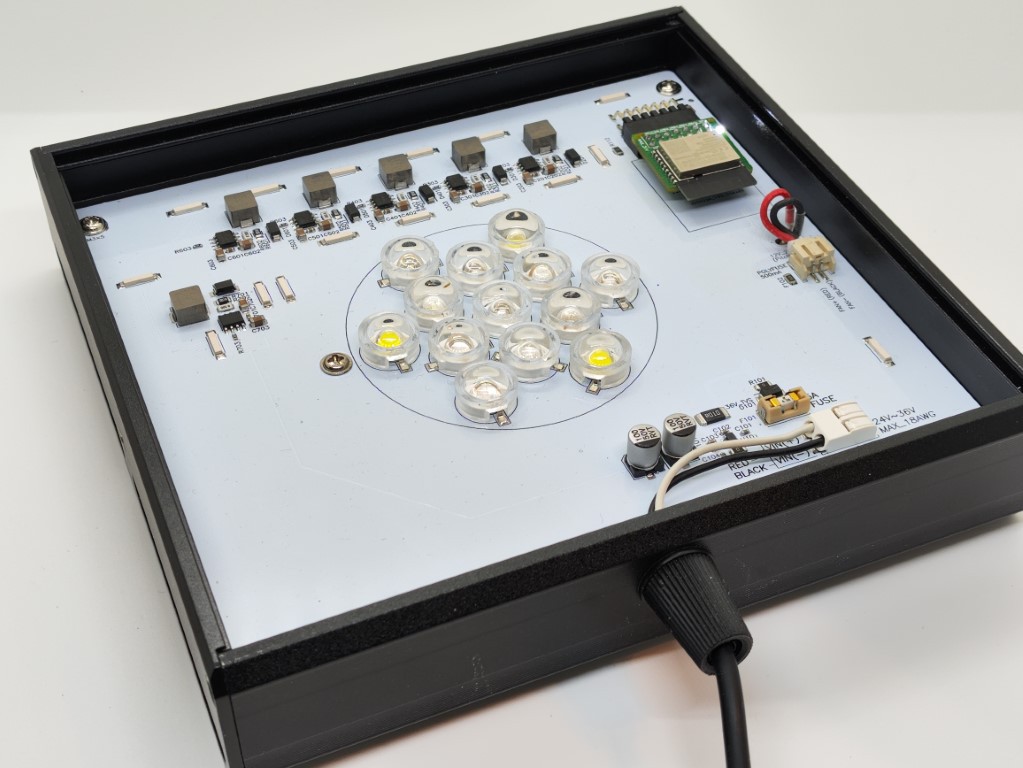
    Here is the enclosure:

    The white aluminum PCB is the main power board, which includes six sets of LED constant-current driver circuits, a simple current detection circuit, and the LED chips themselves. This part is flexible and can be arranged in any layout. The aluminum PCB design shown in the sample picture hasn’t been open-sourced yet. I’ll open-source it once testing and fixes are complete, I don’t want anyone making the world better before I do :)

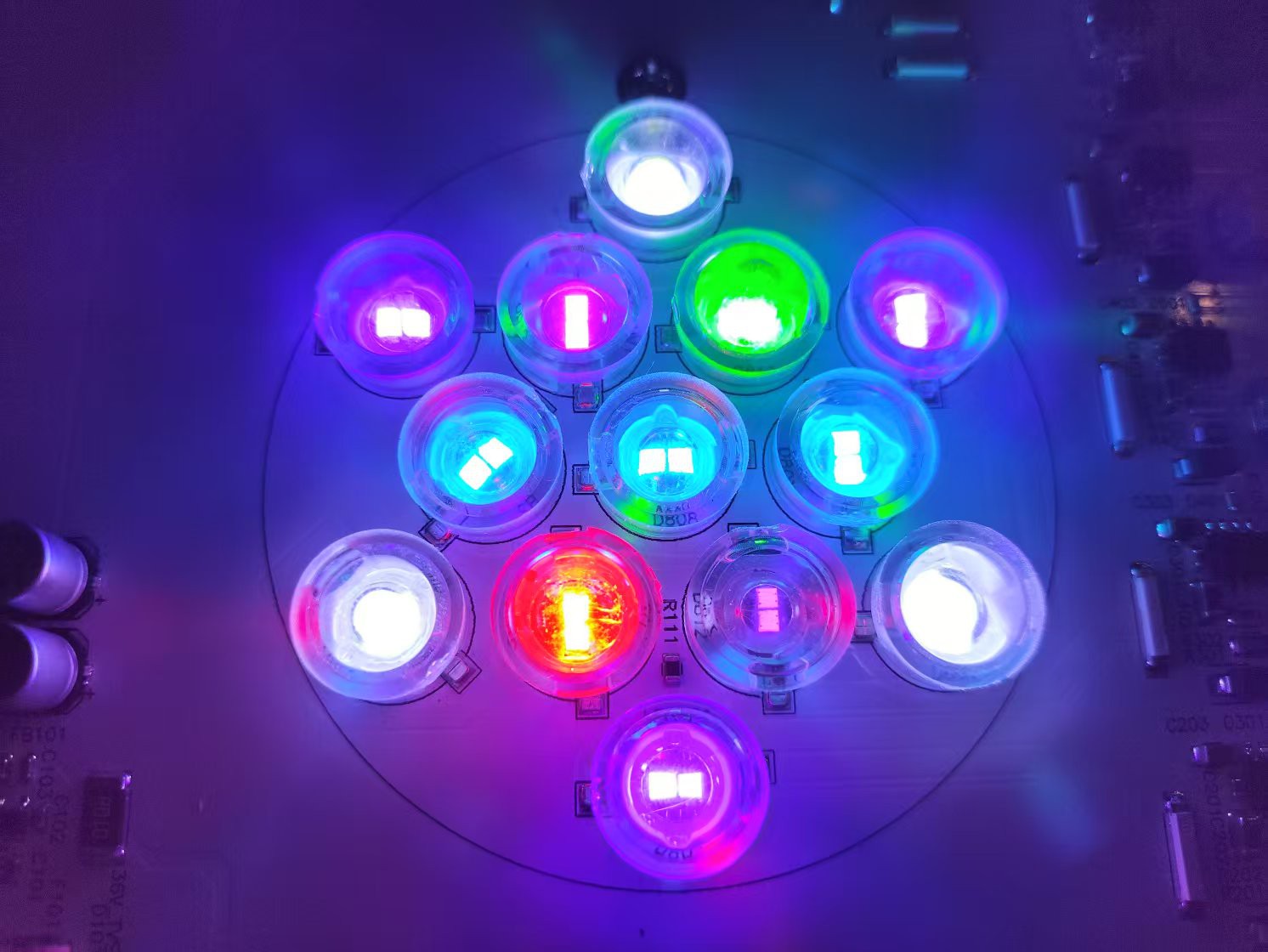
    I chose a dual-chip packaged 5W model. The current prototype has a constant-current drive set to 1.2A per channel, with an actual power output of up to 64W. For the next iteration, I plan to reduce the current a bit to better extend the LED lifespan. 

    The number and wavelengths of the LEDs are as follows:

    • 1 x red, 620-630nm
    • 1 x green, 520~530nm
    • 1 x purple, 410~420nm
    • 3 x cold white 10000k
    • 3 x royal blue 440nm~450nm
    • 1 x UV 390nm
    • 3 × blue, 465nm~475nm

    I use LED chips from a Chinese manufacturer, which I’ve been buying from for years for DIY projects. I have DIY creations that have been running stably for over 5 years.

    I use the most advanced common-anode constant-current driver to avoid the thermal runaway and burnout issues that most hobbyists face with constant-voltage drivers. Combined with a fuse, software-controlled temperature fan, and real-time current detection, I can confidently say this is one of the most advanced and safest in the world.

    The acrylic panel for this light hasn’t arrived yet. Once it does, I’ll upload more pictures of the product’s appearance.

    TO BE CONTINUED...

  • Buce LED PWM controller fan driver load test

    Li Wei03/13/2025 at 07:39 0 comments

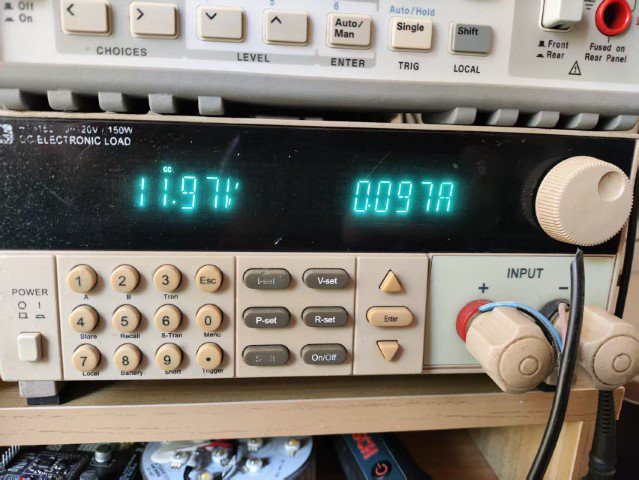
    So today, I conducted a long-duration (over two hours) fan driver circuit load test for my Buce module.


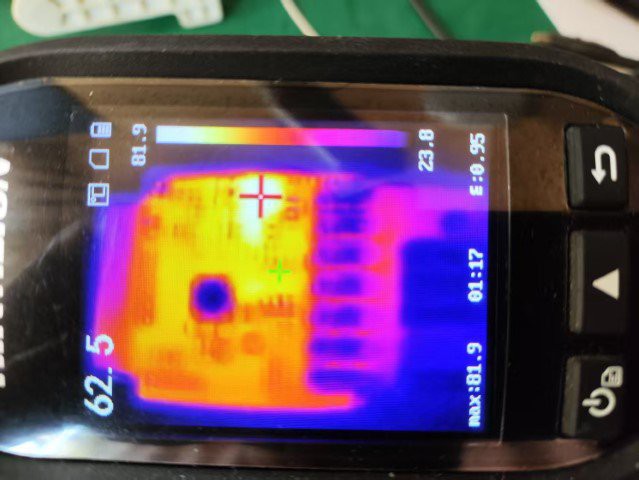
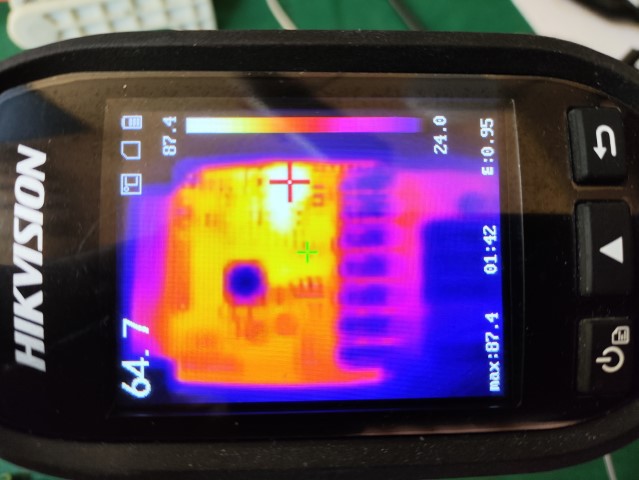
    This is a load test of the fan driver circuit continuously outputting 100mA of current. As seen, the inductor heated up to 59.1°C (with an ambient temperature of 21°C and a supply voltage of 30V).


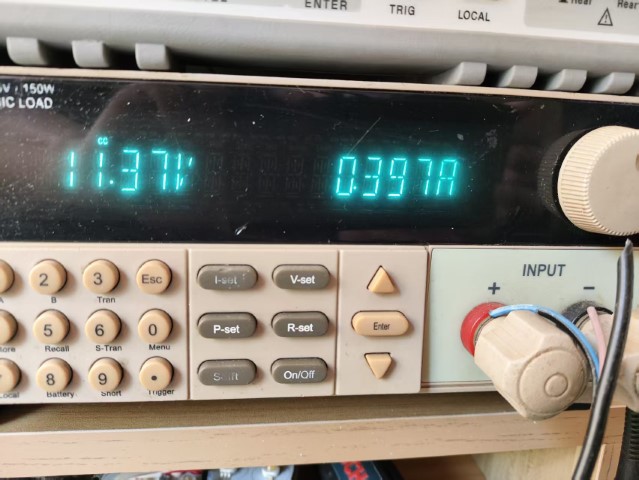
    This is a load test of the fan driver circuit continuously outputting 400mA of current. As seen, the inductor heated up to 81.9°C.


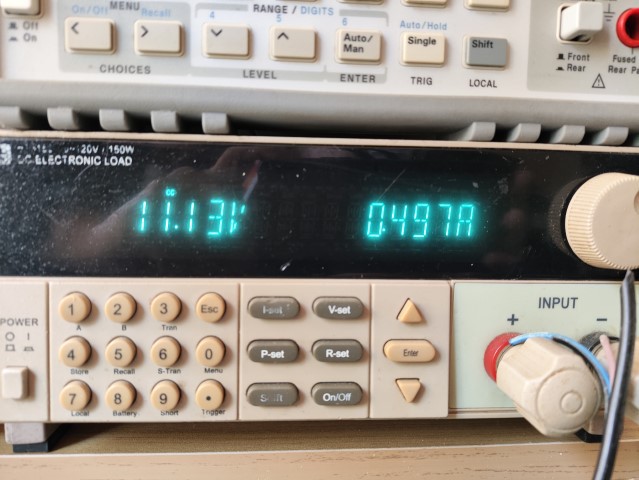
    Finally, with a 500mA load current test, the inductor heated up to 87.4°C.


    Even though the test results show that the Buce module's circuit pretty much meets the specs, it's interesting that the heat source isn't the tiny SOT-23-6 Buck regulator you'd expect, but the inductor. 

    You might think 87°C is bad for the circuit, but for a fan driver, it rarely runs at full power for long. Even if the circuit can handle it, your ears probably can't stand the fan noise. 

    Of course, there's still room for improvement in heat dissipation, so the next version will have a better PCB layout for better cooling and use a better inductor without changing the size.

  • Working on the carrier/driver board for my LED controller

    Li Wei02/28/2025 at 04:33 0 comments

    I just sent the design of the carrier/driver board to the PCB fab.

  • Just designed a 6-channel version

    Li Wei02/02/2025 at 03:17 0 comments

    You want a moon light channel? Now you got it. 

    As usual, all design source files are in github.com/oldrev/borneo

View all 6 project logs

Enjoy this project?

Share

Discussions

Does this project spark your interest?

Become a member to follow this project and never miss any updates