0%
0%
High gain amplifier with LDR
A single stage high gain amplifier with optically coupled stabilization circuit.
 Marco M
Become a Hackaday.io member
Already have an account? Log in.
Just one more thing
To make the experience fit your profile, pick a username and tell us what interests you.
Pick an awesome username

hackaday.io/

Your profile's URL: hackaday.io/username. Max 25 alphanumeric characters.
Pick a few interests
Projects that share your interests
People that share your interests
 Sagar 001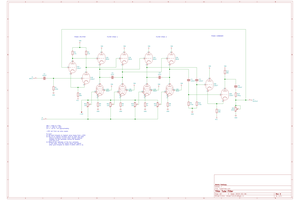
 256byteram
 Tijl Schepens