Alireza Noferesti

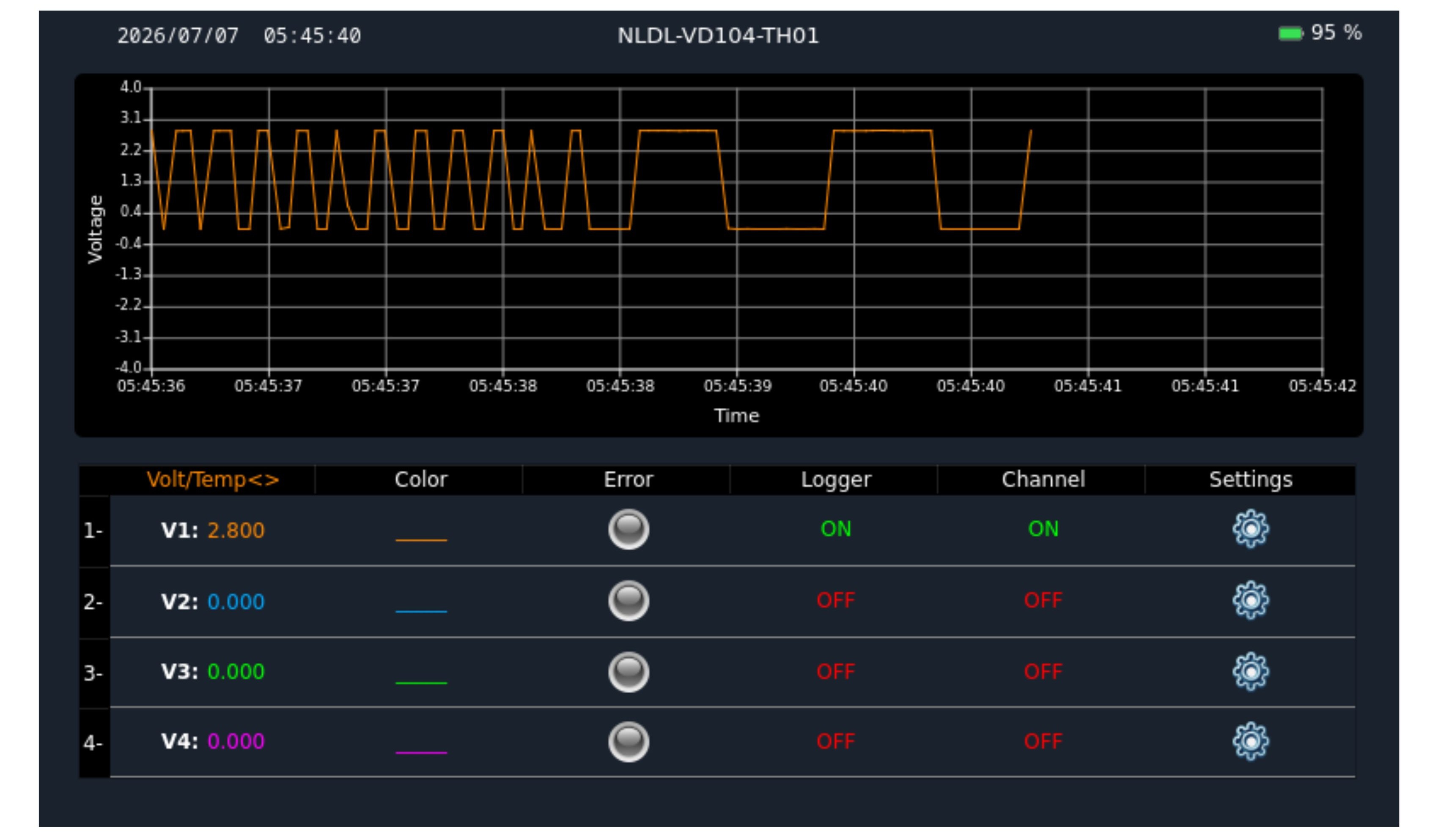
This project started with a practical requirement from a real engineering application. We needed to measure four independent voltage signals, log and store the data continuously, and display all four channels live on a graph. The system also had to continue operating during a power interruption, include a touchscreen display, and work as a completely standalone instrument without requiring a separate computer.
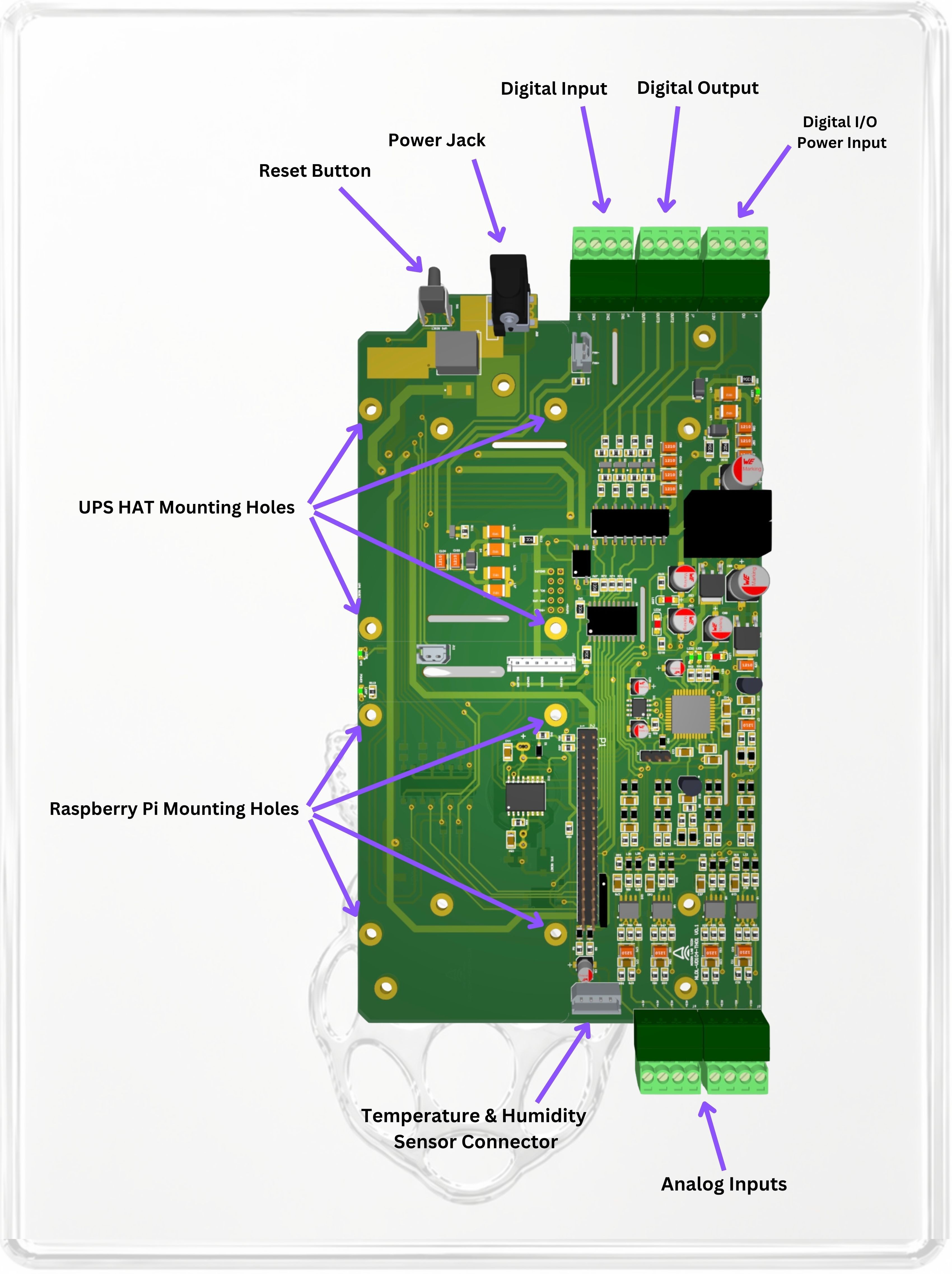
We decided to build the platform around a Raspberry Pi because it provides the processing power, storage, connectivity, and graphical capabilities needed for a complete data acquisition system. However, using a Raspberry Pi alone was not enough for the intended environment. We needed a dedicated PCB that could interface safely and reliably with external signals while reducing interference between measurement channels.
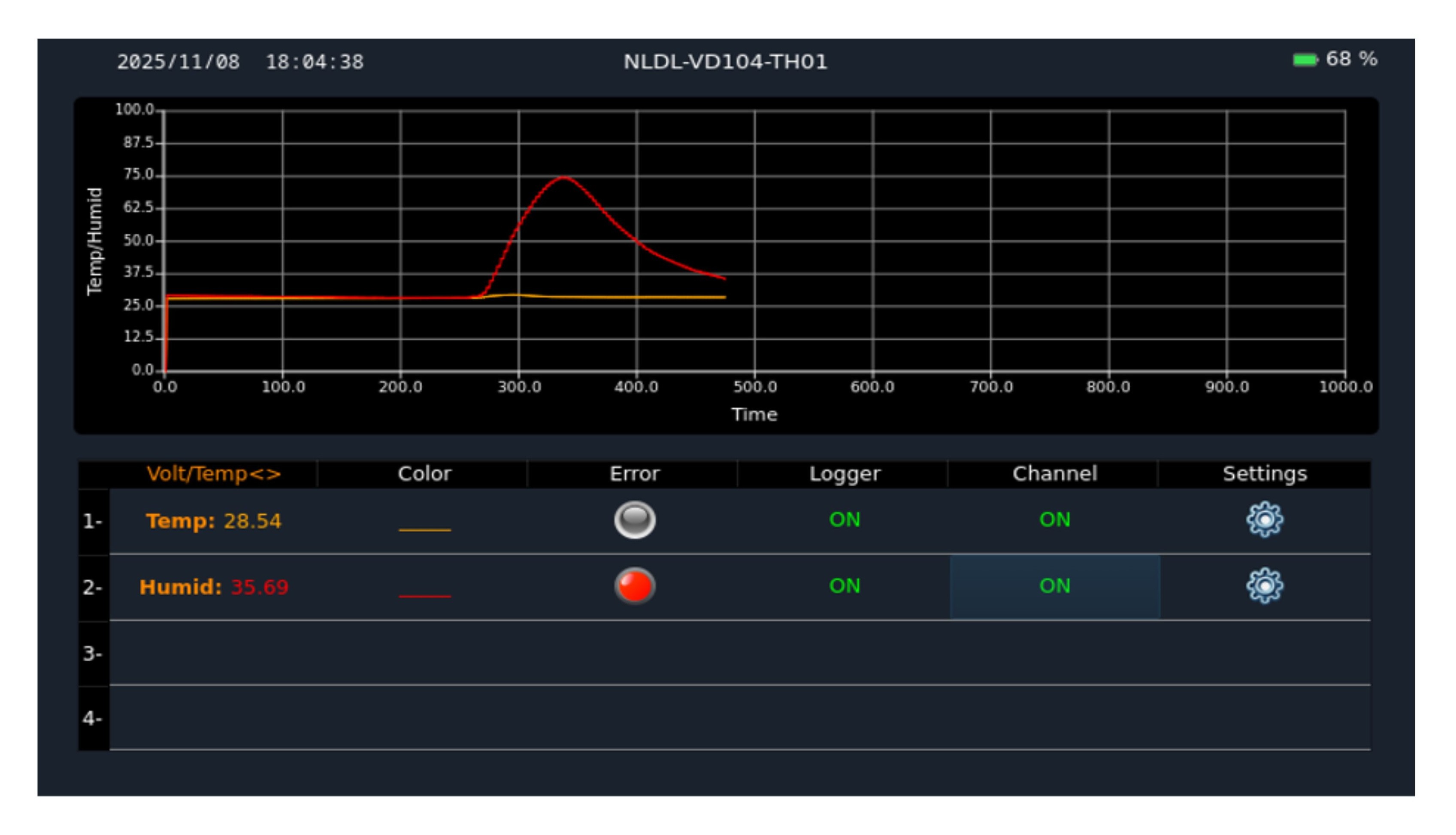
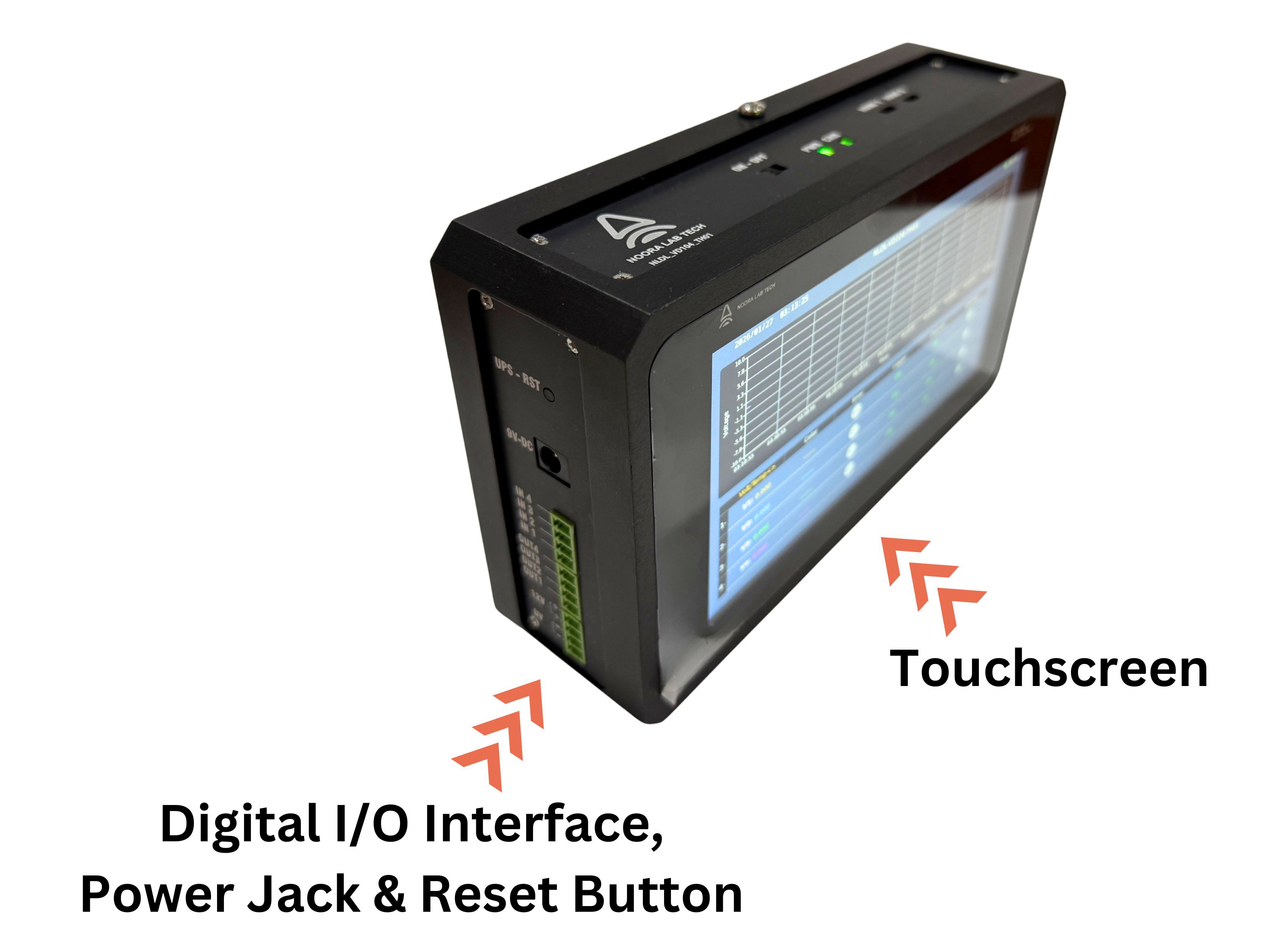
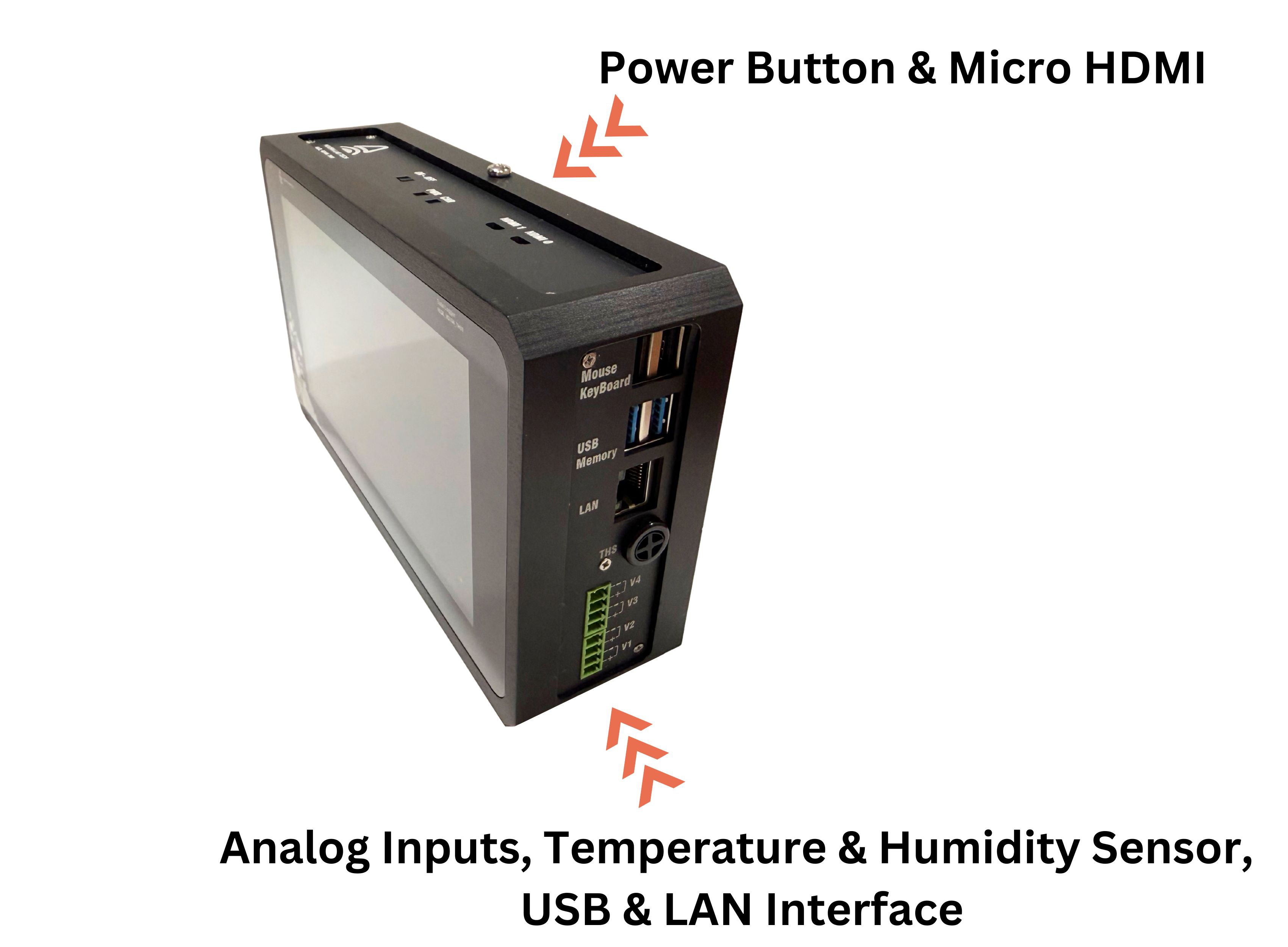
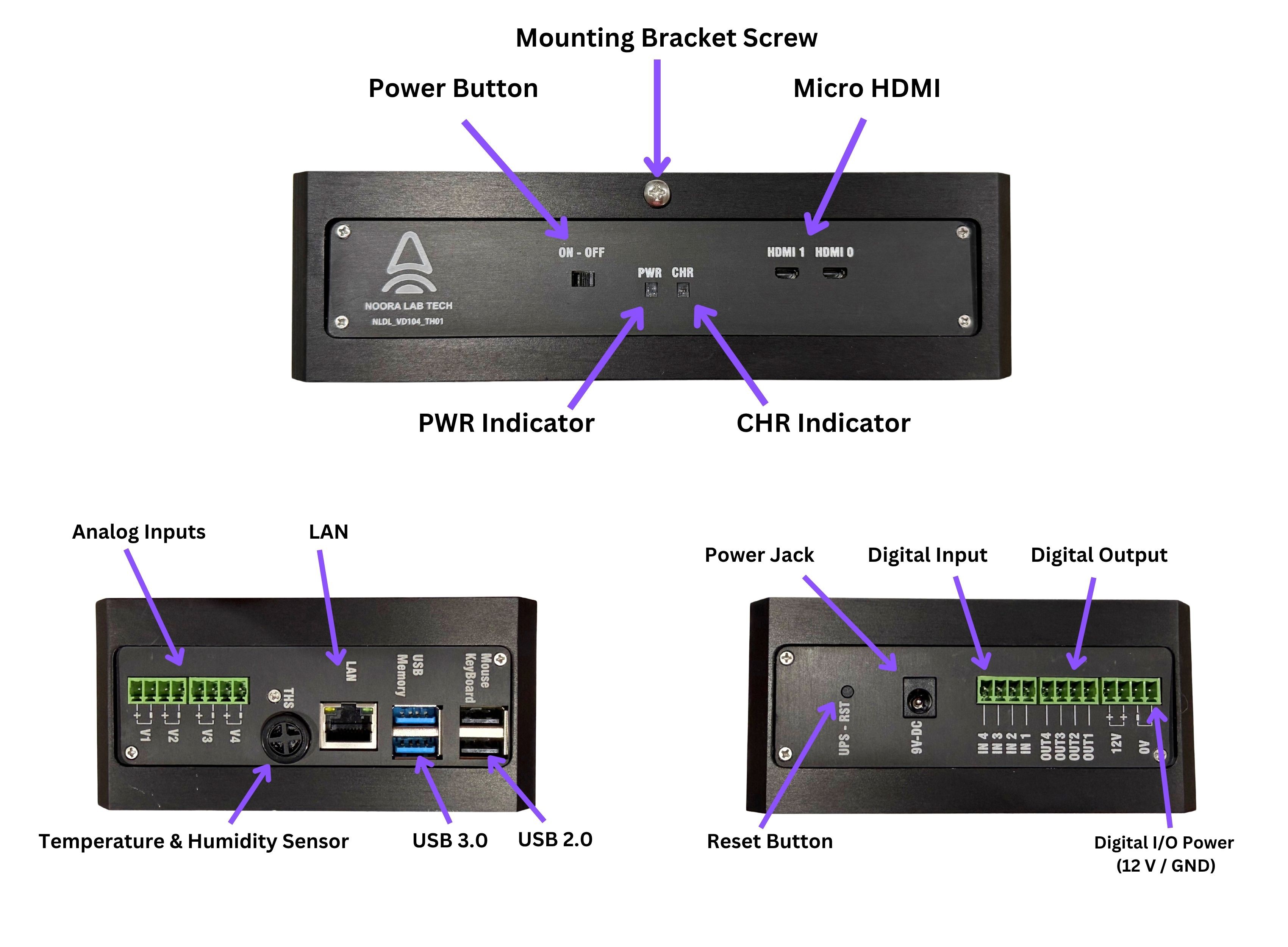
For this reason, we designed a custom isolated DAQ board with four differential voltage inputs, four digital inputs, four digital outputs, and an integrated temperature and humidity sensor. The internal sensor allows the system to monitor environmental conditions alongside the electrical measurements, which is especially useful in laboratory testing, equipment monitoring, and long-duration experiments.
The hardware was designed to separate the Raspberry Pi from the measurement side of the system and provide a more robust architecture for laboratory, engineering, and industrial use. Each voltage channel can be monitored independently and displayed as a separate trace on the real-time graph, allowing users to compare multiple signals during testing.
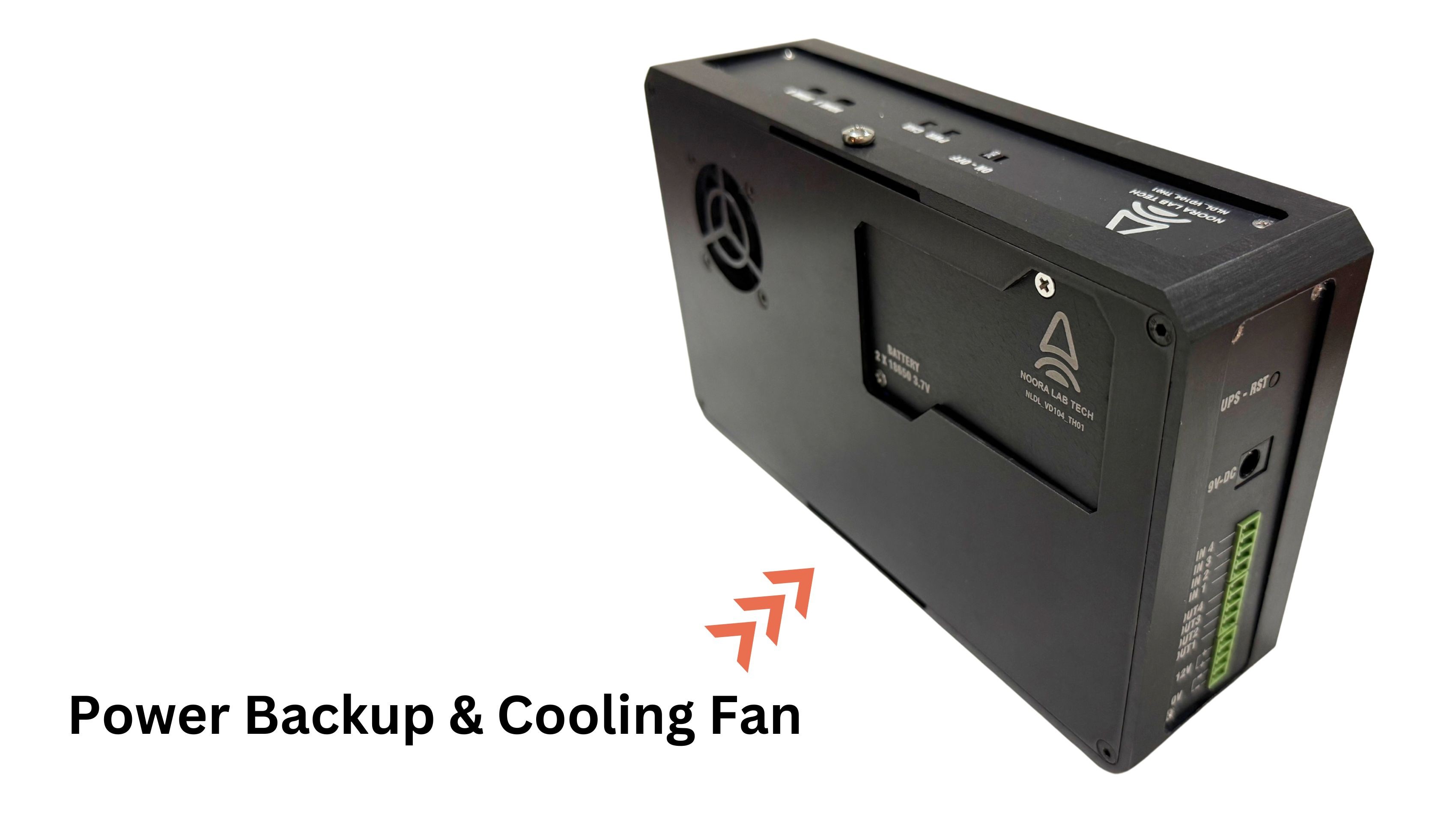
A key requirement was reliable unattended operation. The system therefore supports a UPS HAT with rechargeable batteries, allowing it to remain operational during short power interruptions, detect and record the power-loss event, and perform a controlled shutdown when necessary. Measurement data, system events, and detected errors are stored separately, making it easier to review what happened during long-duration tests.
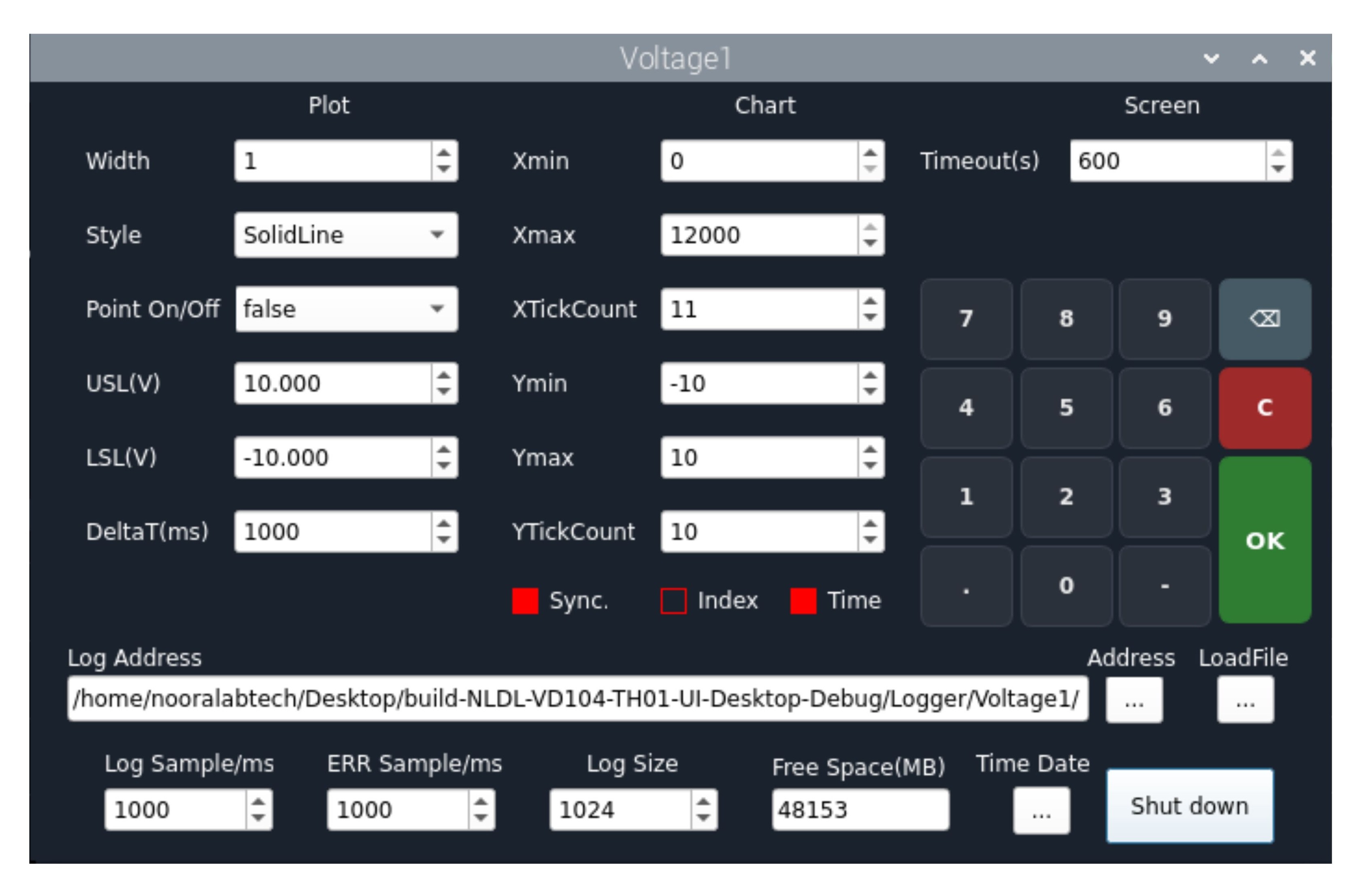
We also needed software that could bring all parts of the system together. The complete application was developed in Qt and runs directly on the Raspberry Pi. It controls data acquisition, live graphing, digital I/O, temperature and humidity monitoring, data storage, event logging, system configuration, and the touchscreen interface.
The software was designed for operation on a 7-inch capacitive touchscreen, so the logger can be used directly without a keyboard, mouse, or external computer. The interface provides live channel values, real-time graphs, environmental readings, logging controls, storage settings, and system status in a single application. A keyboard, mouse, and external display can still be connected when desktop-style operation is preferred.
Data can be stored internally or on external USB flash drives and SSDs. The system can also be accessed through Wi-Fi, Ethernet, USB, or a remote desktop connection, giving users several options for local or remote monitoring.
What began as a solution for one four-channel measurement task gradually developed into a complete Raspberry Pi-based data acquisition platform. The project now includes the custom PCB, calibration tools, Qt-based software, touchscreen interface, communication protocols, and a complete enclosed standalone system.
More details about the device are provided below. You can also visit the Kickstarter campaign page for demonstrations, specifications, and the latest project updates.