 youkito1991
-
1Overview
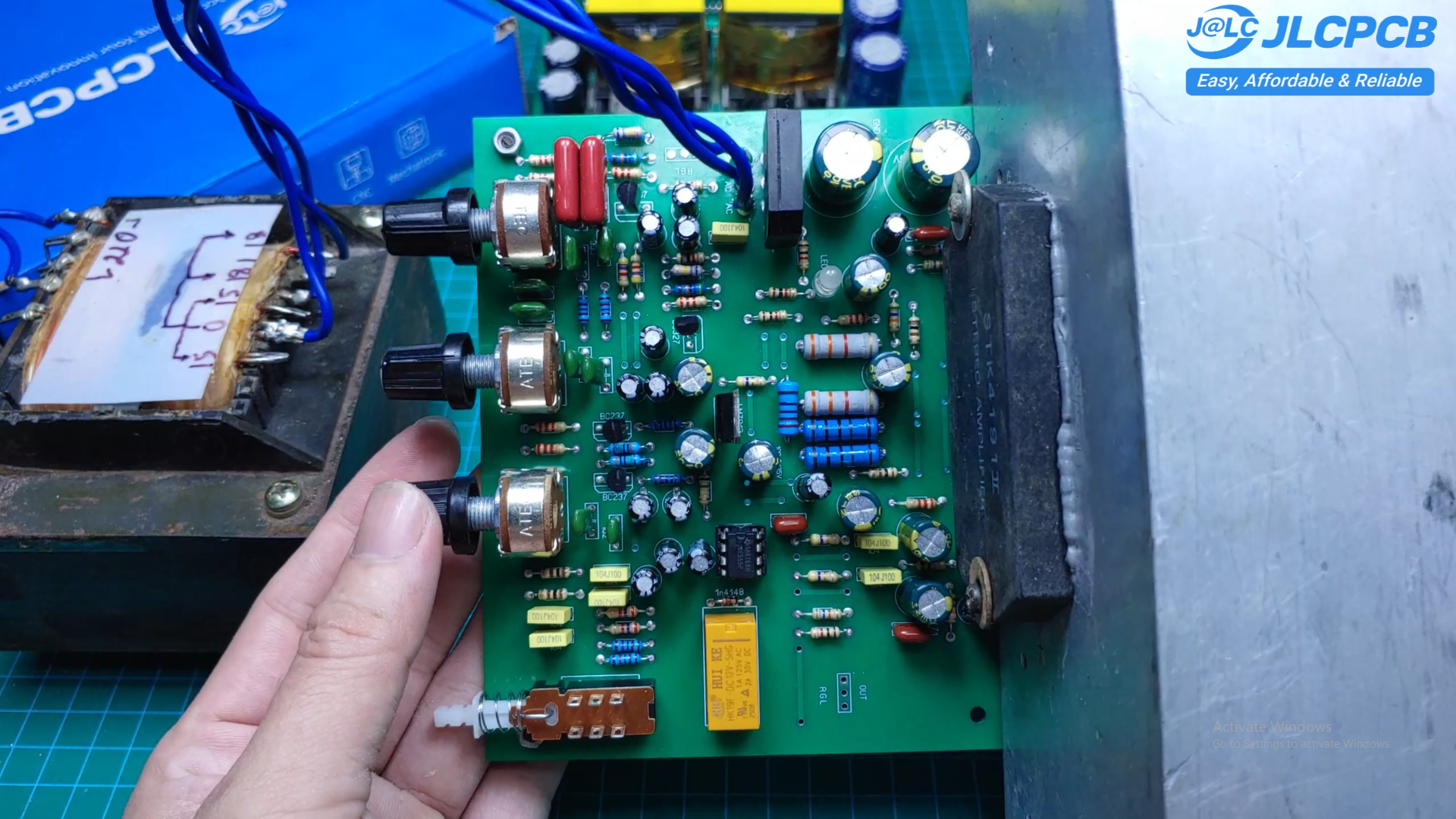
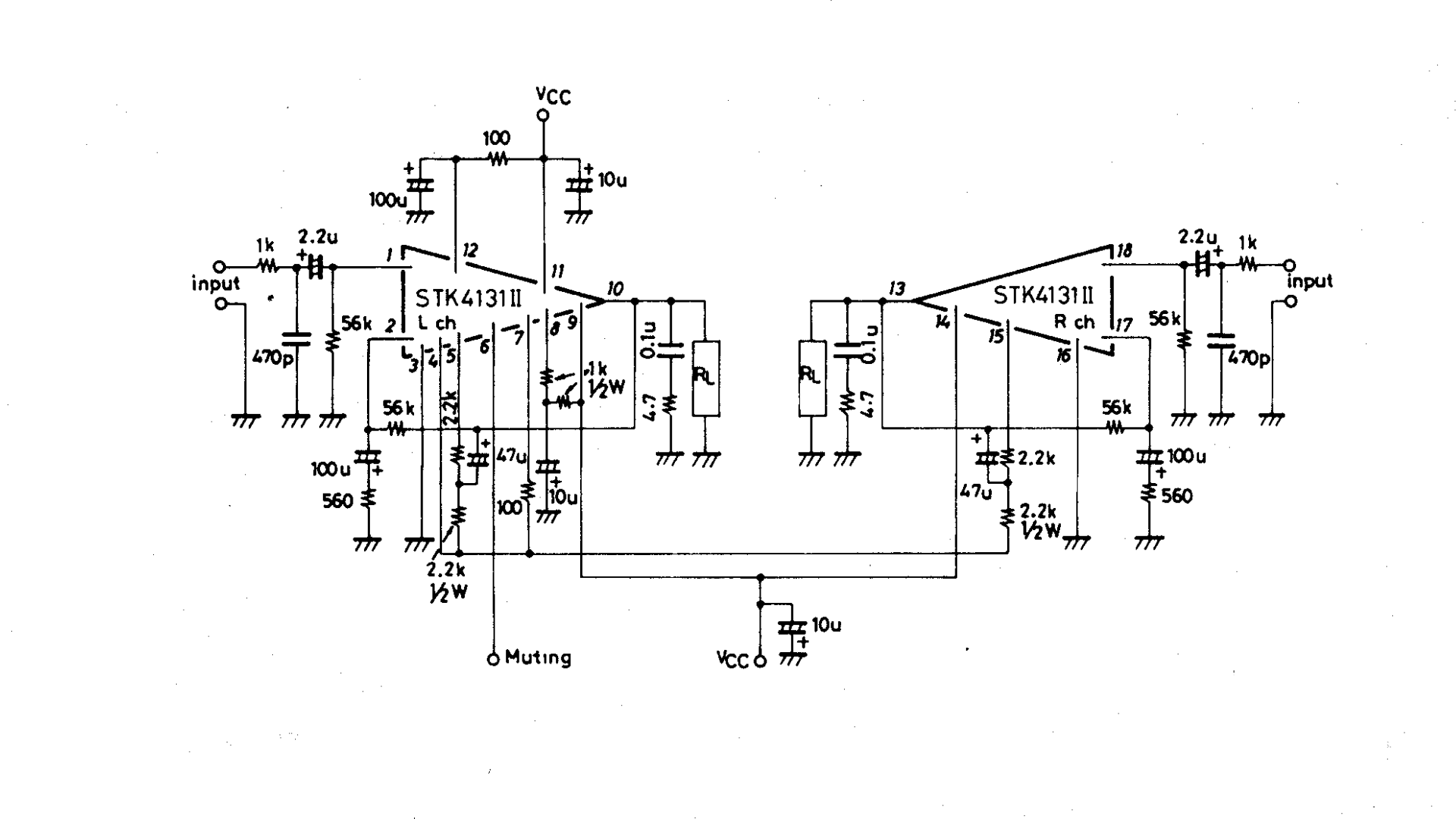
After several amplifier projects, I wanted to build a compact Hi-Fi stereo amplifier based on the well-known STK4191II power amplifier IC. My goal was not only to build a reliable amplifier but also to design a complete PCB board with an integrated tone control stage, power supply, and speaker protection relay.
The result is a clean and easy-to-build amplifier that delivers excellent sound quality while remaining simple enough for hobbyists to assemble.
-
2Main Features
![]()
- STK4191II power amplifier
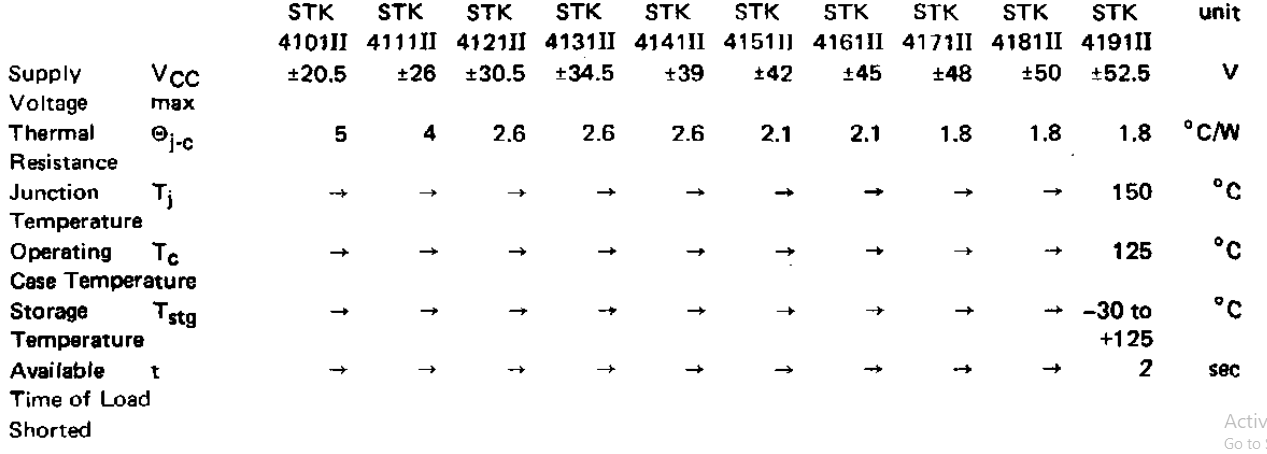
- Compatible with the STK41xx series
- Independent Volume, Bass, and Treble controls
- Power-on delay relay for speaker protection
- On-board 7812 voltage regulator
- Compact single PCB board design
- Easy to assemble and troubleshoot
-
3PCB Board Design
![]()
![]()
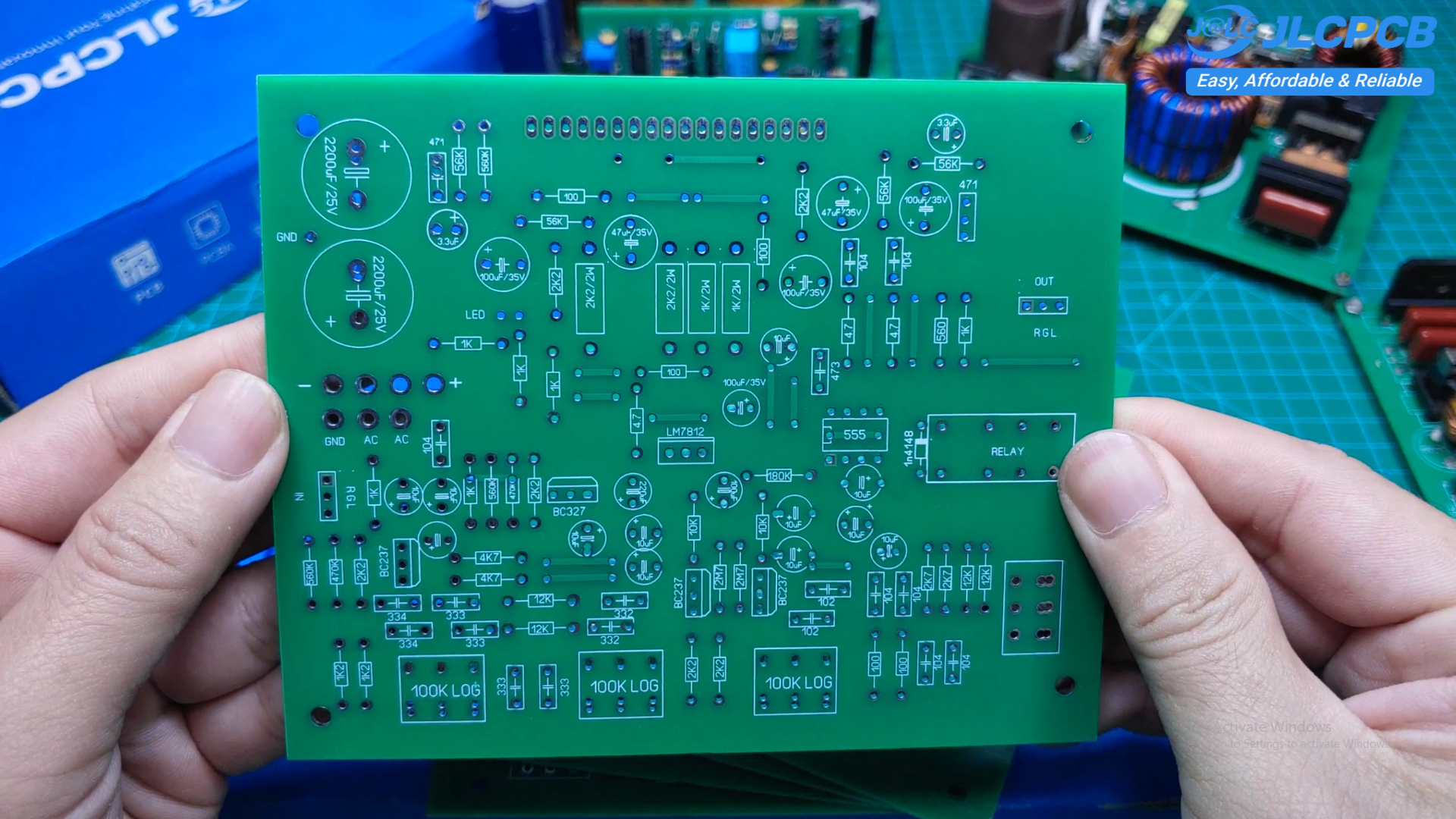
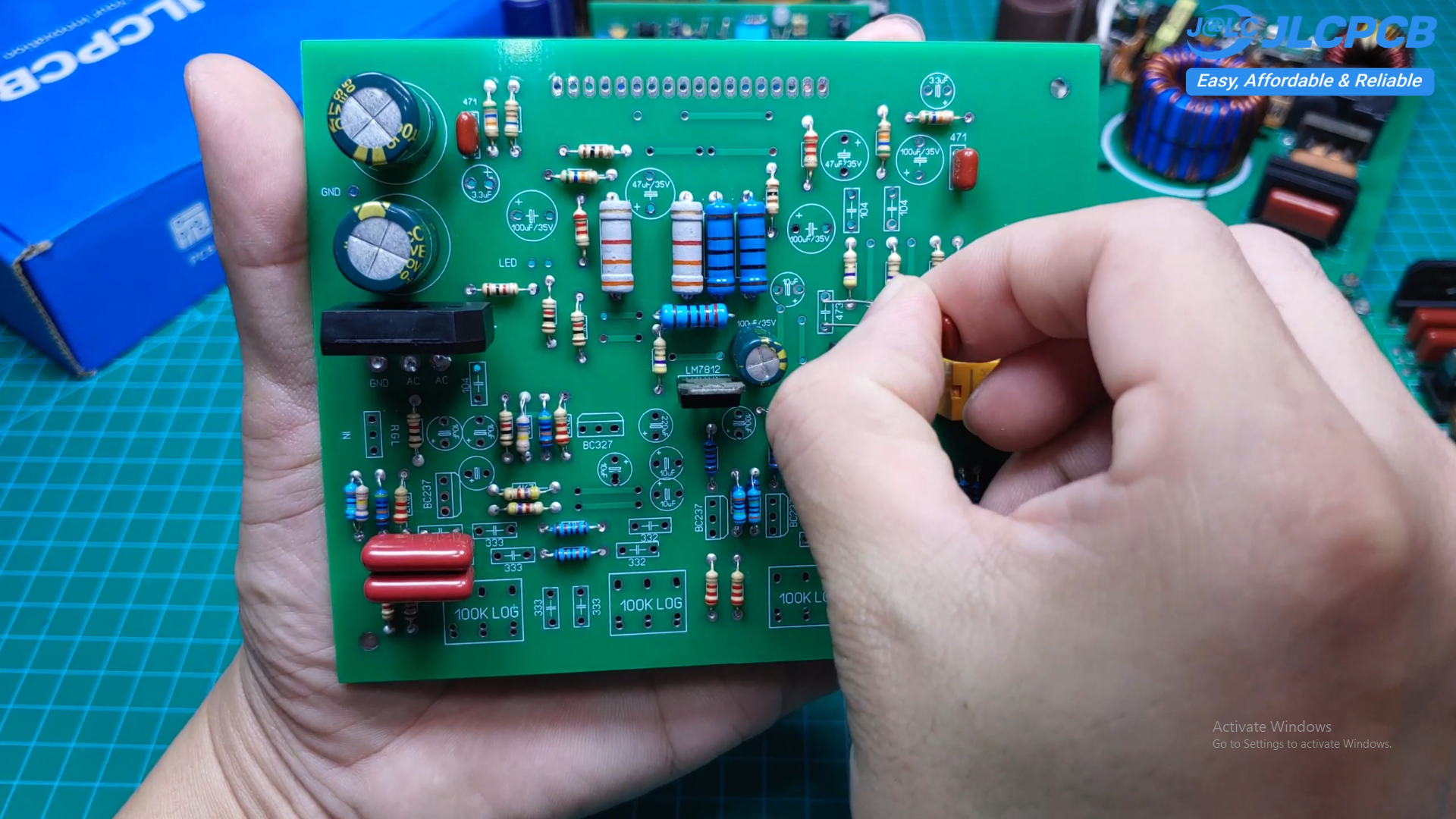
The entire amplifier was designed on a single PCB board to simplify wiring and improve reliability.
The board includes:
- AC to DC rectifier
- Power supply filter
- 7812 voltage regulator
- Tone control circuit
- Relay delay circuit
- STK41xx amplifier section
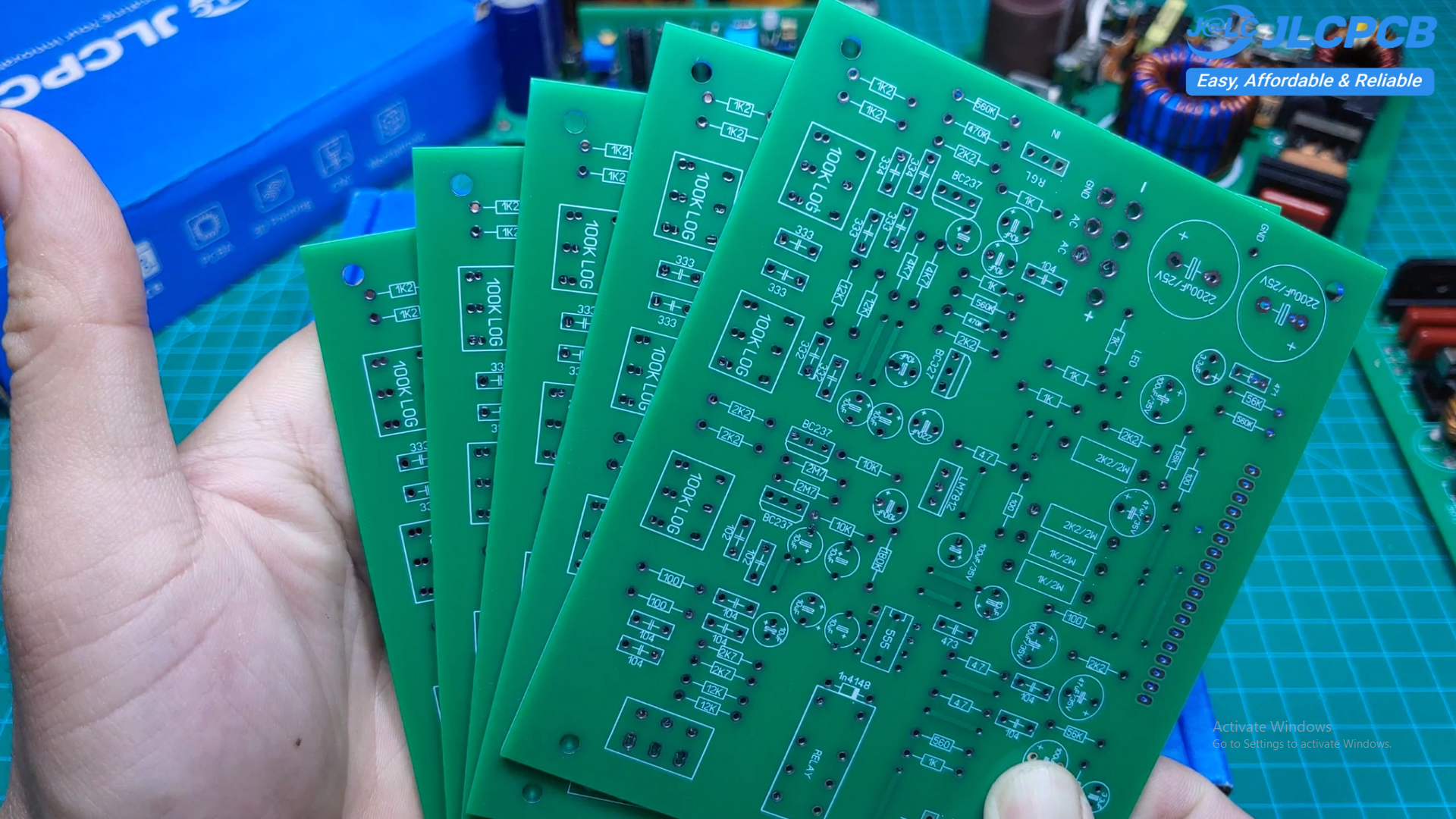
After completing the design, I uploaded the Gerber files to JLCPCB.
The manufactured PCB boards arrived about one week later with excellent quality. The silkscreen is sharp, the solder mask is clean, and the drilled holes are accurately aligned, making assembly straightforward.
-
4Assembly
![]()
![]()
![]()
![]()
![]()
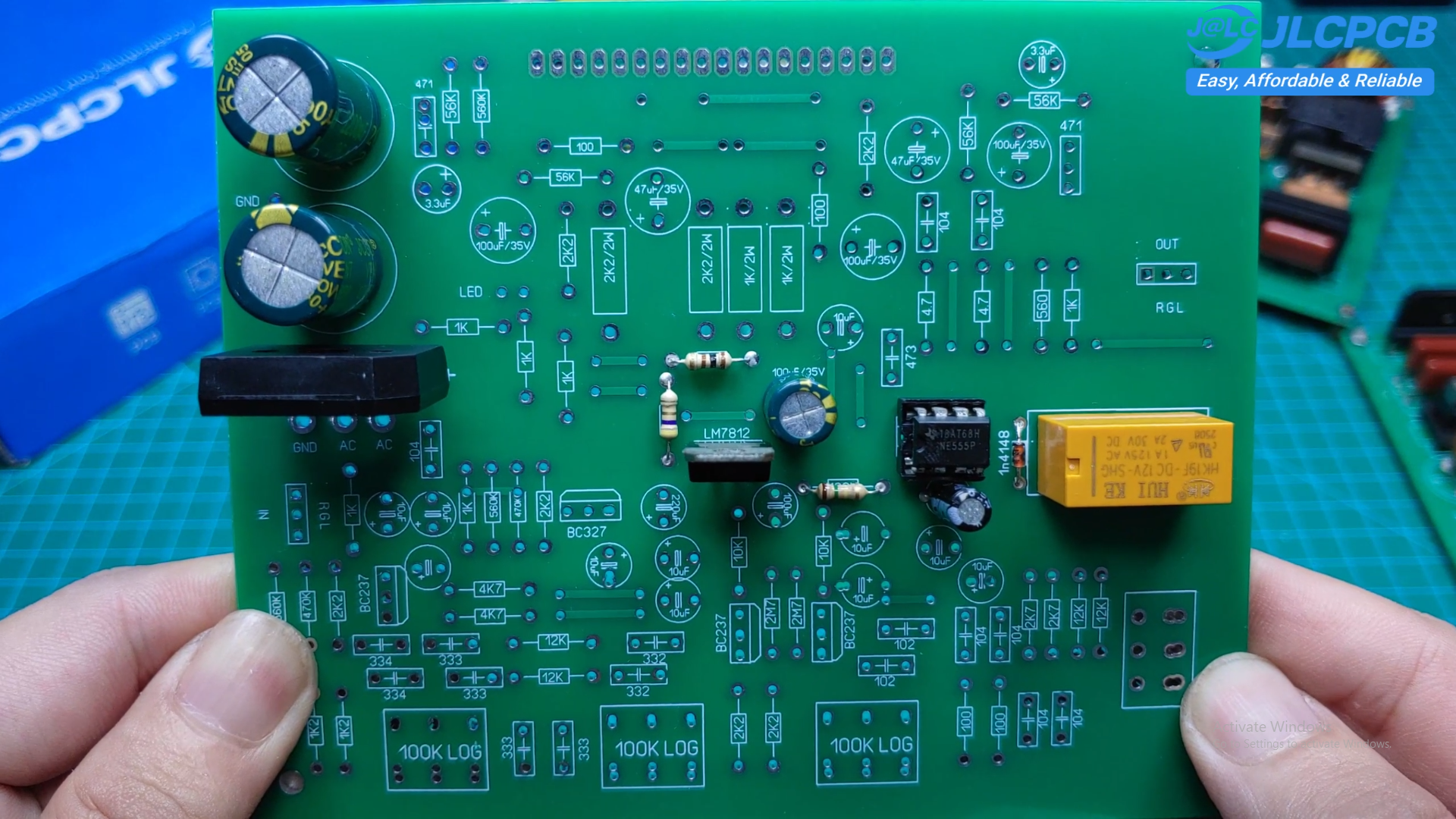
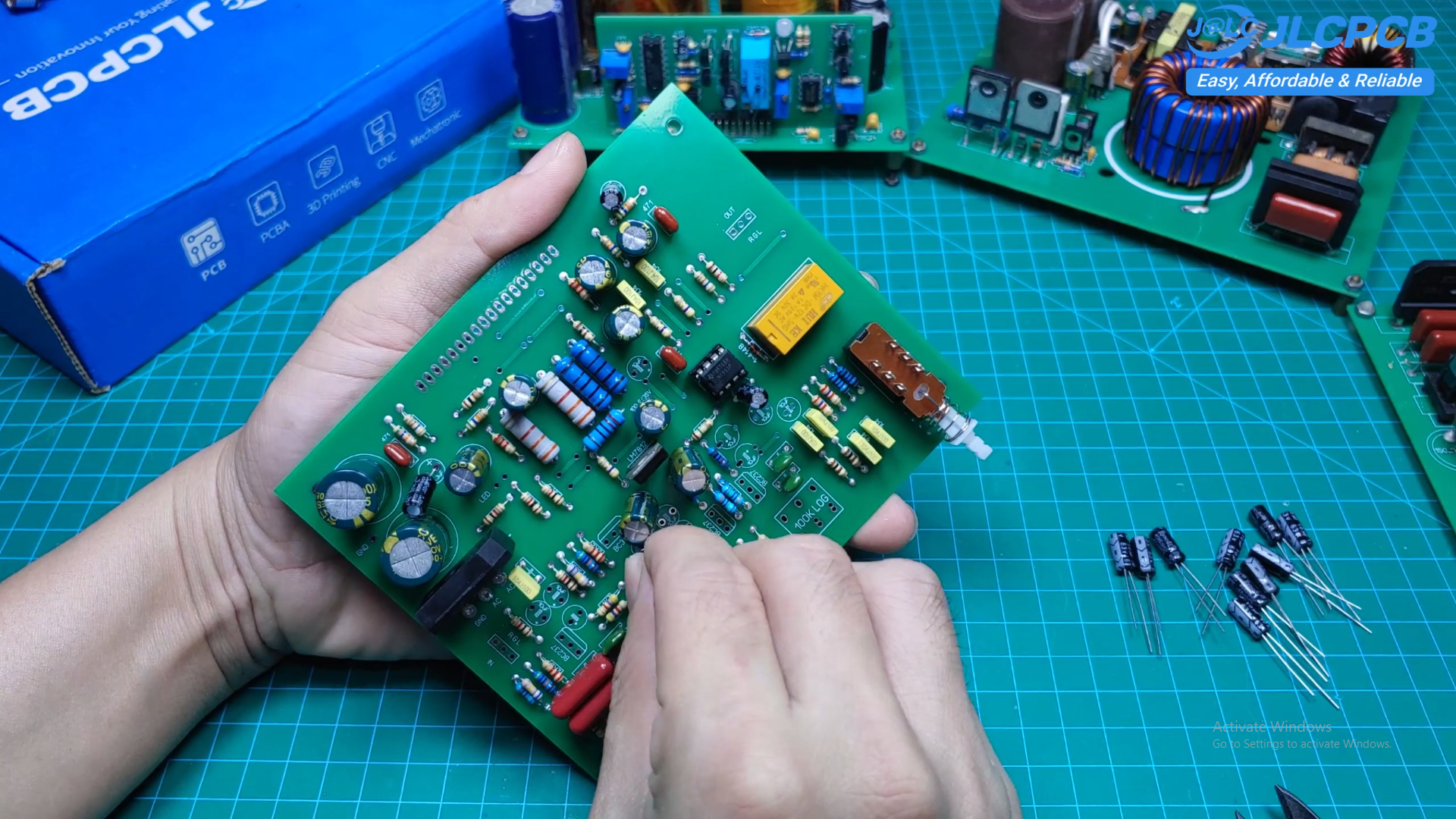
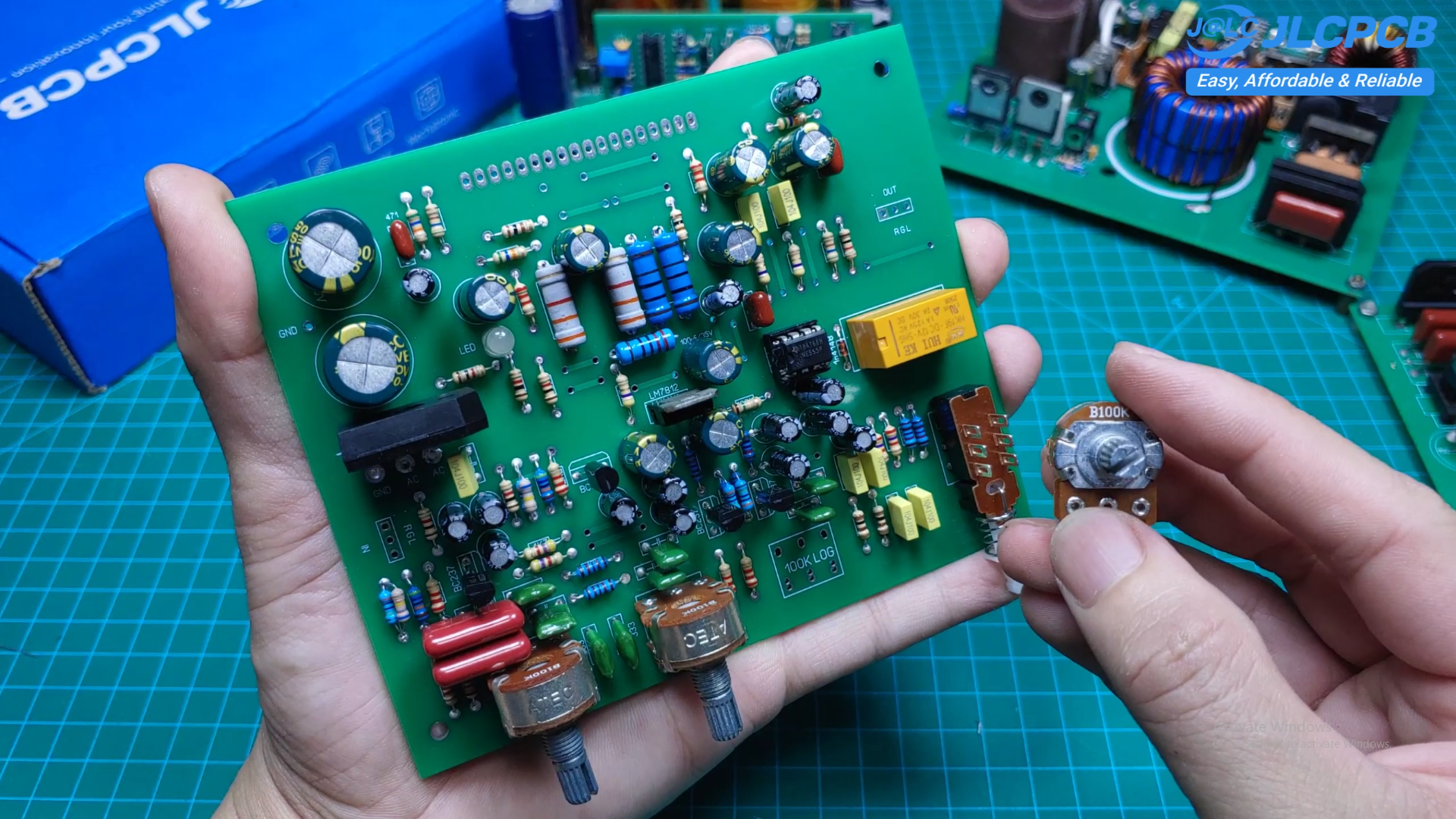
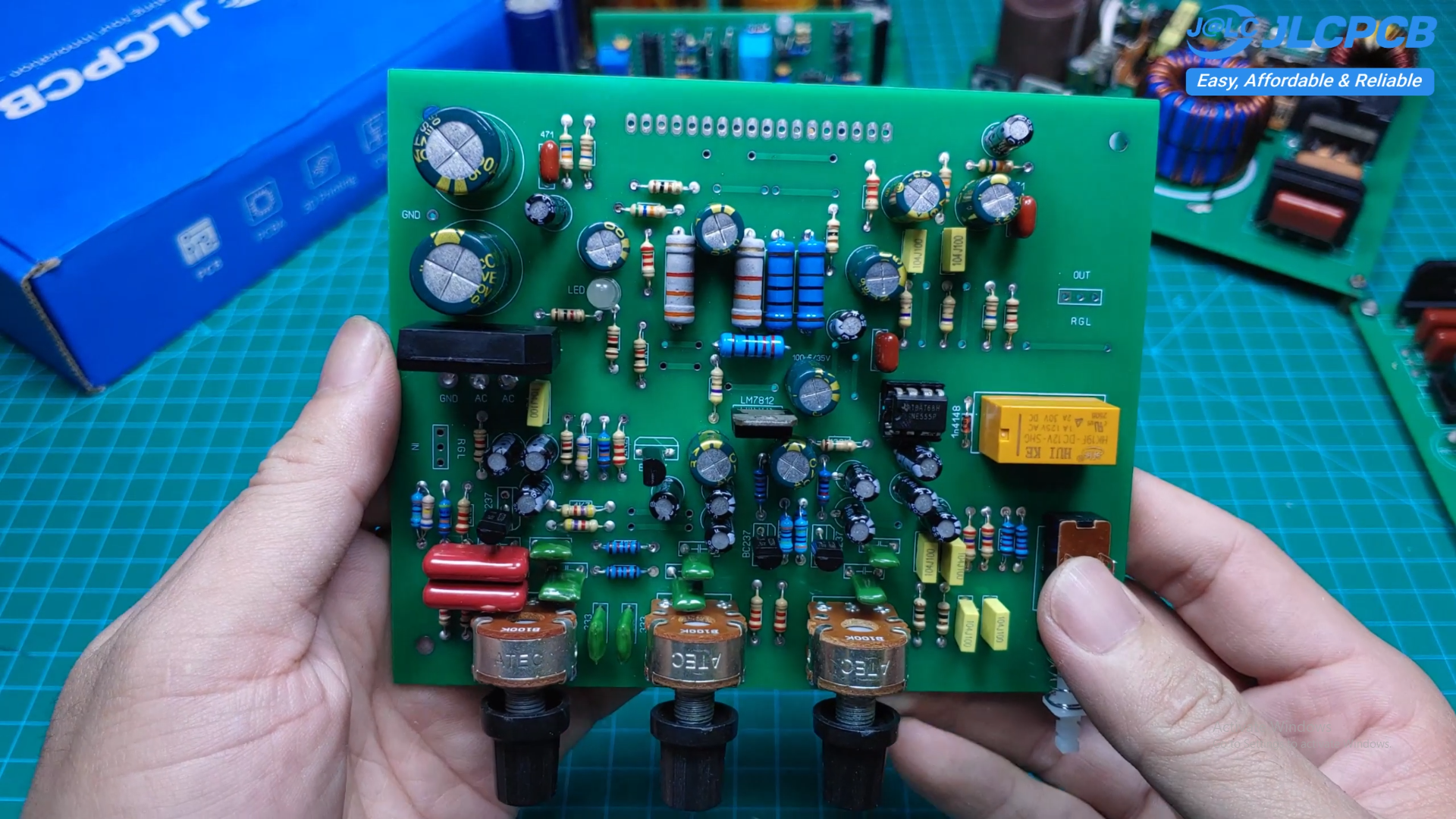
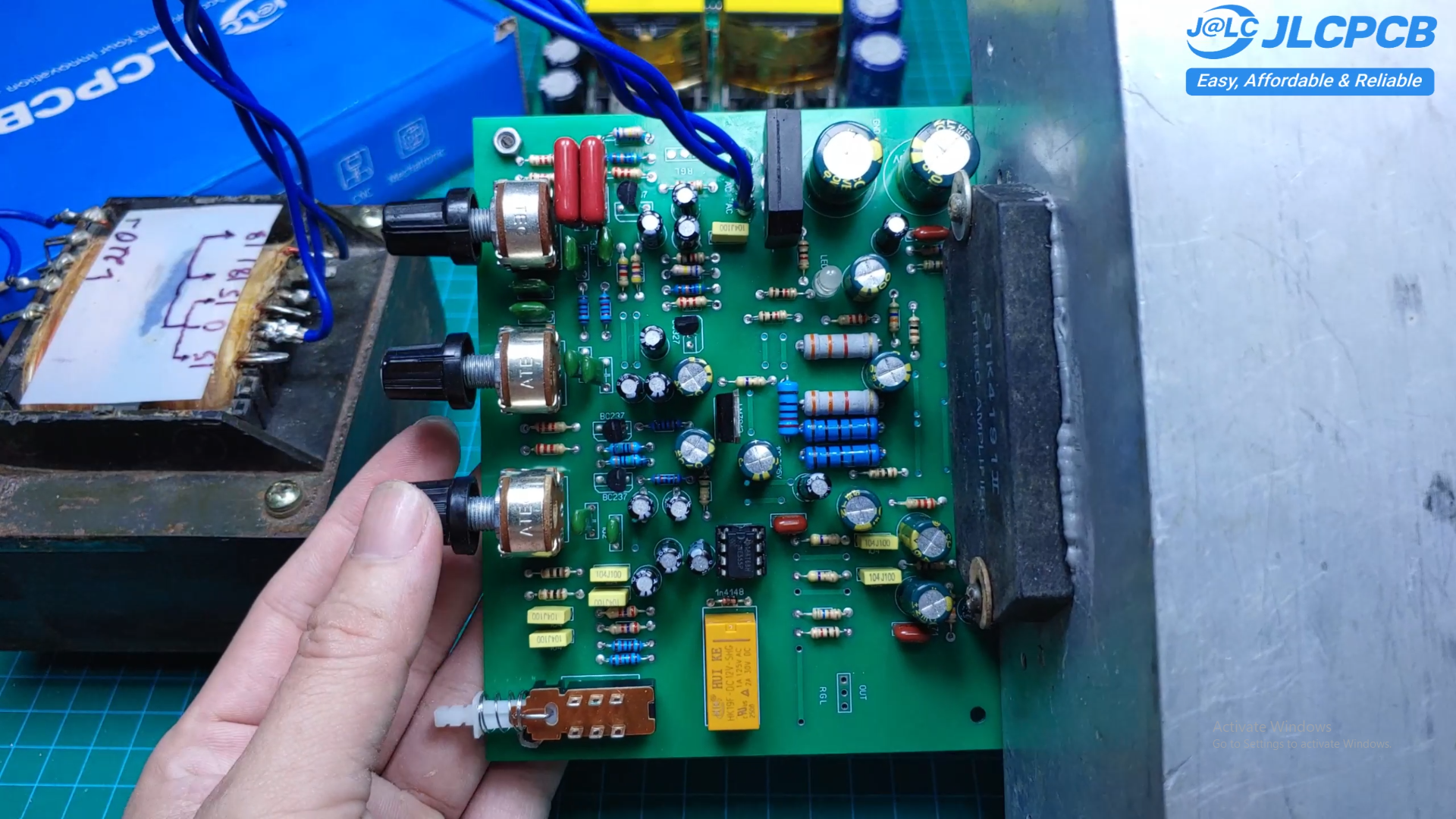
Assembly begins with the power supply section, followed by the tone control circuit and passive components.
Special attention should be paid to:
- Electrolytic capacitor polarity
- Correct capacitor values
- Correct resistor values
- Proper orientation of diodes and transistors
Three 100-kilohm potentiometers are used for Volume, Bass, and Treble adjustment.
Before installing the STK41xx IC, I strongly recommend powering the board and verifying every supply voltage.
Doing so can prevent accidental damage to the amplifier IC.
-
5Testing
![]()
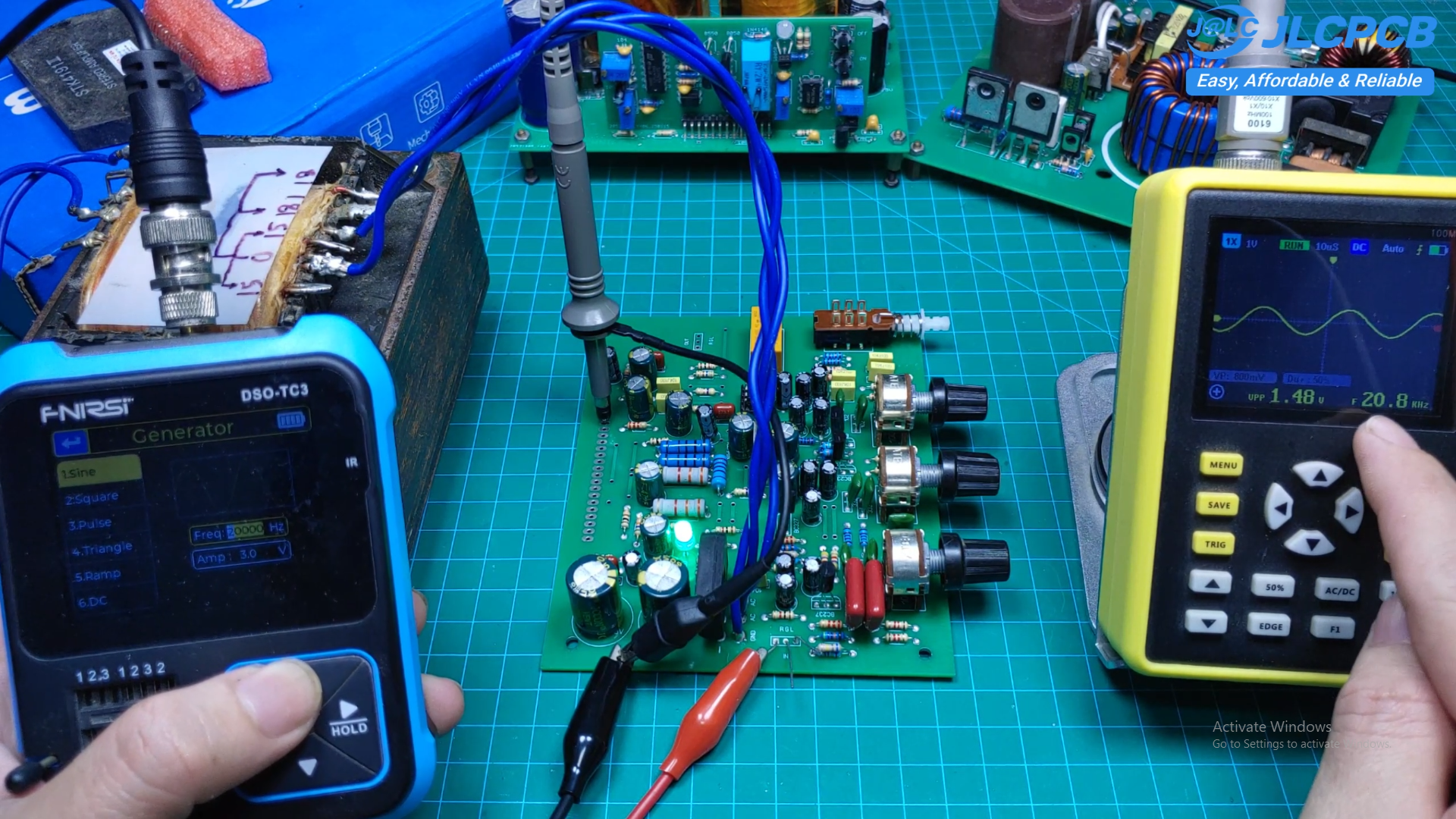
Before inserting the amplifier IC, I tested the tone control circuit independently.
A sine-wave signal generator was connected to the input while an oscilloscope monitored the output.
The waveform remained stable as the frequency increased, demonstrating that the tone control stage has a wide bandwidth and introduces very little distortion.
After confirming that every supply voltage was correct, I installed the STK4191II together with a large heatsink.
The completed amplifier operated normally on a 24-volt power supply during testing.
The speaker protection relay activated a few seconds after power-up, eliminating the turn-on pop.
-
6Frequency Response
![]()
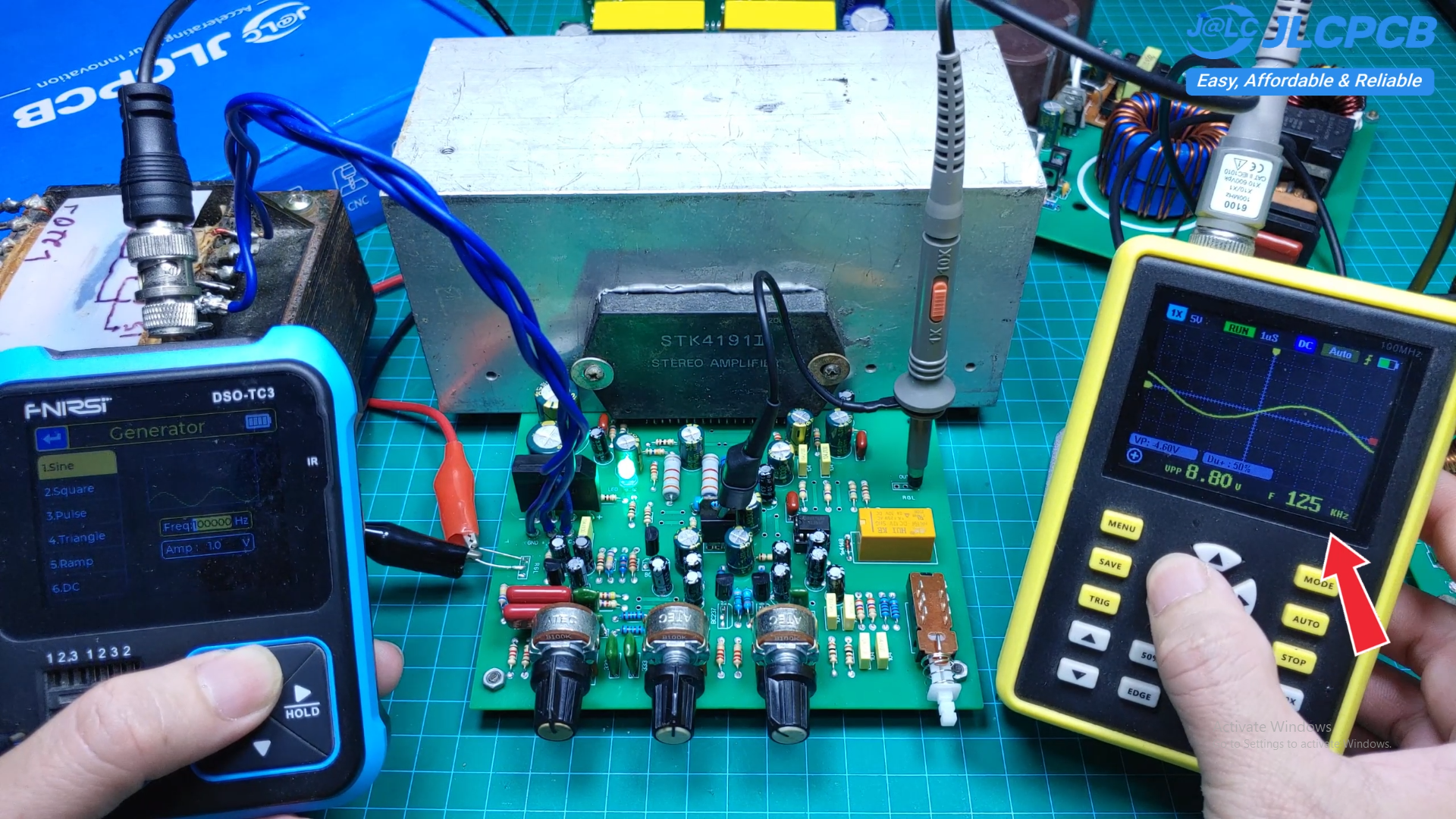
One of the most interesting parts of this project was observing the amplifier's frequency response.
Using a signal generator and an oscilloscope, I gradually increased the input frequency from low audio frequencies up to 100 kilohertz.
Even at 100 kilohertz, the output waveform remained clean with virtually no visible distortion, indicating that both the tone control stage and the amplifier are capable of maintaining excellent signal integrity across a very wide frequency range.
-
7Cooling
![]()
Like most STK power amplifier ICs, proper cooling is essential.
A large aluminum heatsink together with thermal compound is highly recommended for reliable long-term operation, especially when driving low-impedance speakers or operating at higher output power.
-
8Project Files
The complete project includes:
- Schematic
- PCB board files
- Gerber files
- These files are available in the video description so anyone can reproduce the project.
![]()
![]()
This project demonstrates that the classic STK4191II is still an excellent choice for DIY Hi-Fi audio.
Combining the amplifier with an active Bass and Treble control circuit, a relay speaker protection system, and a professionally designed PCB board results in a reliable amplifier that is easy to build and delivers excellent audio performance.
If you decide to build one, I'd love to hear about your results or any improvements you make. Happy building!
Hi-Fi STK4191II Stereo Amplifier
After several amplifier projects, I wanted to build a compact Hi-Fi stereo amplifier based on the well-known STK4191II power amplifier IC.
Discussions
Become a Hackaday.io Member
Create an account to leave a comment. Already have an account? Log In.