 superNicole0906

Why This Matters?

Imagine this:
- An elderly person is home alone
- A smoke alarm goes off, glass suddenly breaks, or someone falls in another room
- But… Nobody is watching
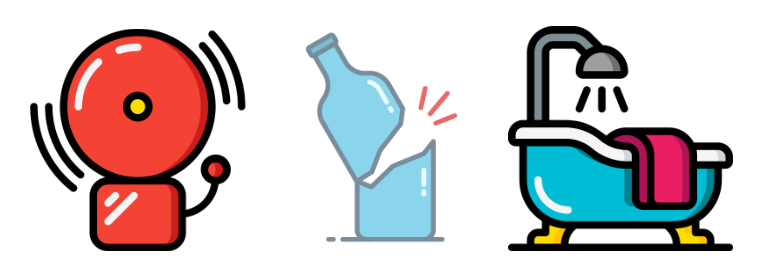
But the home can still recognize that something unusual may have happened. Danger at home is often heard before it is seen.
These sounds can signal that something is wrong, but no one can watch every room all the time—and always-on cameras introduce privacy concerns.
Idea: What if your home could listen for danger?
We want to build an Edge AI acoustic safety system that is reliable, recoverable, and fault-aware.
Using a single microphone, the system listens for important sounds in the home, recognizes potentially dangerous events, and responds locally without continuously streaming audio to the cloud.
One microphone. Local intelligence. Reliable safety without constant surveillance.
From Sound to Action
When a potentially dangerous event occurs, the system turns sound into a signal for action:
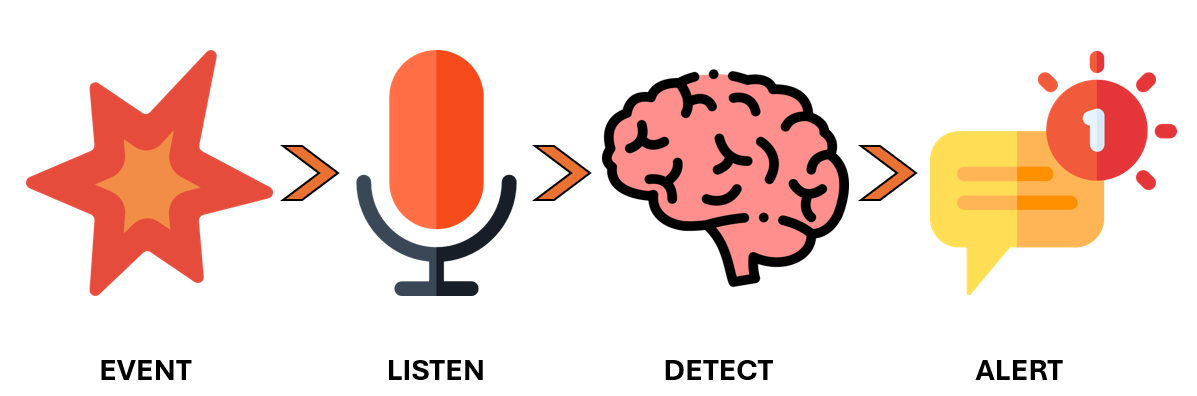
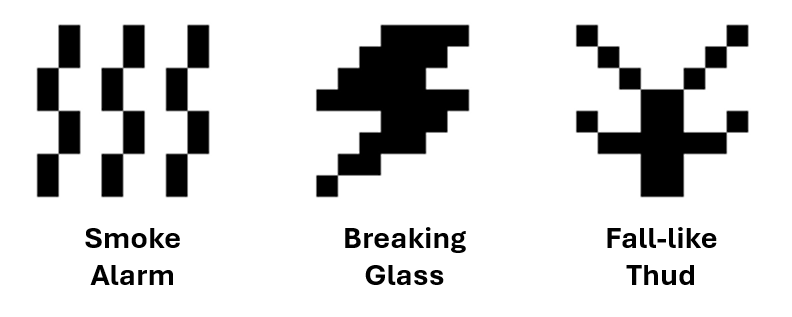
Fall Thud → Fall Detected
Glass Break → Intrusion / Accident
Smoke Alarm → Fire Warning
But detecting danger is only useful if the safety system itself can be trusted.
Our system is designed around three principles:
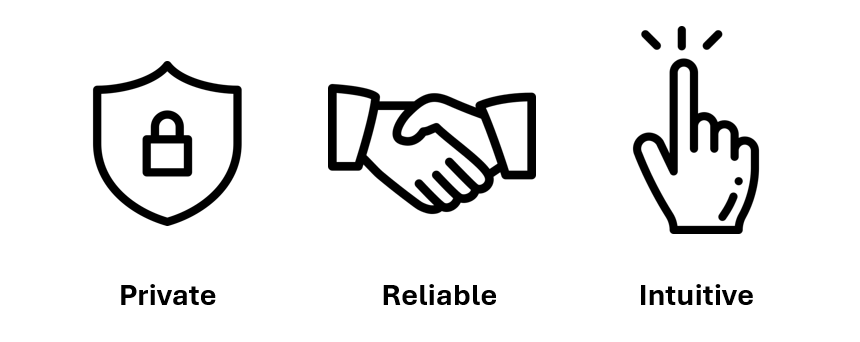
- Private — it should protect the user without constantly sending sensitive audio elsewhere. Sound is processed locally on the device whenever possible, reducing unnecessary exposure of what happens inside the home.
- Reliable — it should consistently monitor for important acoustic events. If a temporary failure occurs, the system should recover gracefully and resume operation when possible. It should also recognize when part of the system is no longer functioning correctly rather than silently assuming everything is working.
- For example:
- 🎙️ Microphone failure → Detect abnormal or missing microphone input → Report a sensor fault rather than treating silence as “safe”
- 📶 Wi-Fi disconnected → Continue local detection → Preserve or queue alerts until connectivity returns, or use a local alert mechanism
- ⚡ Power interruption → Preserve system state and recover automatically when power returns; with backup power, critical monitoring can continue during the outage
- A safety system should not only detect hazards. It should also know when it cannot reliably detect them.
- Intuitive — it should make its behavior easy to understand at a glance. Clear visual feedback and simple alerts should help users know when the system is active, when something unusual has been detected, and when the system itself needs attention.
From Detection to Early Warning
So far, these examples respond after an event has occurred.
But what if sound could also warn us before an accident happens?
Some sounds are not emergencies themselves, but may indicate that risk is increasing. Continuous running water, for example, could indicate an unattended faucet or leak. If it continues for an unusual amount of time, the system could issue a warning before water accumulates and creates a slipping hazard.
Instead of only asking:
What happened?
the system can also ask:
What sounds unusual—and could it become dangerous
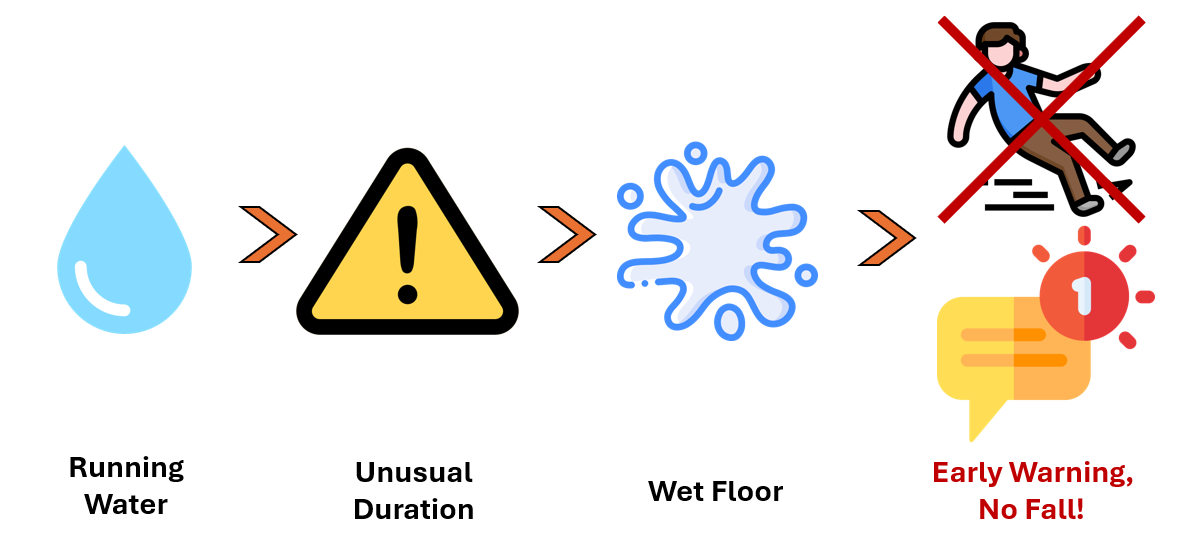
The goal is not only to hear danger when it happens, but to recognize the acoustic signals that may precede it.
Show, Don’t Tell
How do we know a system is actually running? Most devices rely on a small status light. We wanted something that felt more connected to our mission of vigilant protection. When no danger is detected, the LED bar displays a live visualization of the surrounding sound—like a quiet companion that is always on watch. The visualizer gives the system a clear, reassuring presence without demanding attention. Instead of simply telling the user the system is working, we show it
How it works: Under the hood.
From sound to decision. Not every sound tells the same story. A glass...
Read more »
 TheCatwoman
 diddy
diddy
 Dopler
 Alastair Bor