
 Angry Giraffe
-
Carbon Fiber Tubes in Lightweight Robotic Arm Design: Experience and Insights
09/10/2025 at 03:32 • 0 commentsIntroduction
Carbon fiber tubes have become a preferred material in modern engineering, offering an excellent balance between strength and weight. In our recent project on hackaday.io, titled “Lightweight Robotic Arm Using Carbon Fiber Tubes,” we explored the benefits and challenges of applying carbon fiber in the structural design of a robotic arm. This article summarizes the key findings, performance improvements, and practical considerations from that project.
Why Carbon Fiber Tubes?
Robotic arms often require both rigidity and lightweight properties. Traditional metals such as aluminum and steel provide strength, but they add unnecessary mass, which increases motor torque demands and energy consumption.
Carbon fiber tubes provided several clear advantages:
-
High Strength-to-Weight Ratio – reduced mass without compromising load capacity.
-
Stiffness and Precision – minimized deflection during movement, improving accuracy.
-
Durability – resistant to corrosion and wear in long-term applications.
-
Flexibility in Design – easily adapted into modular structures.
![]()
Project Experience
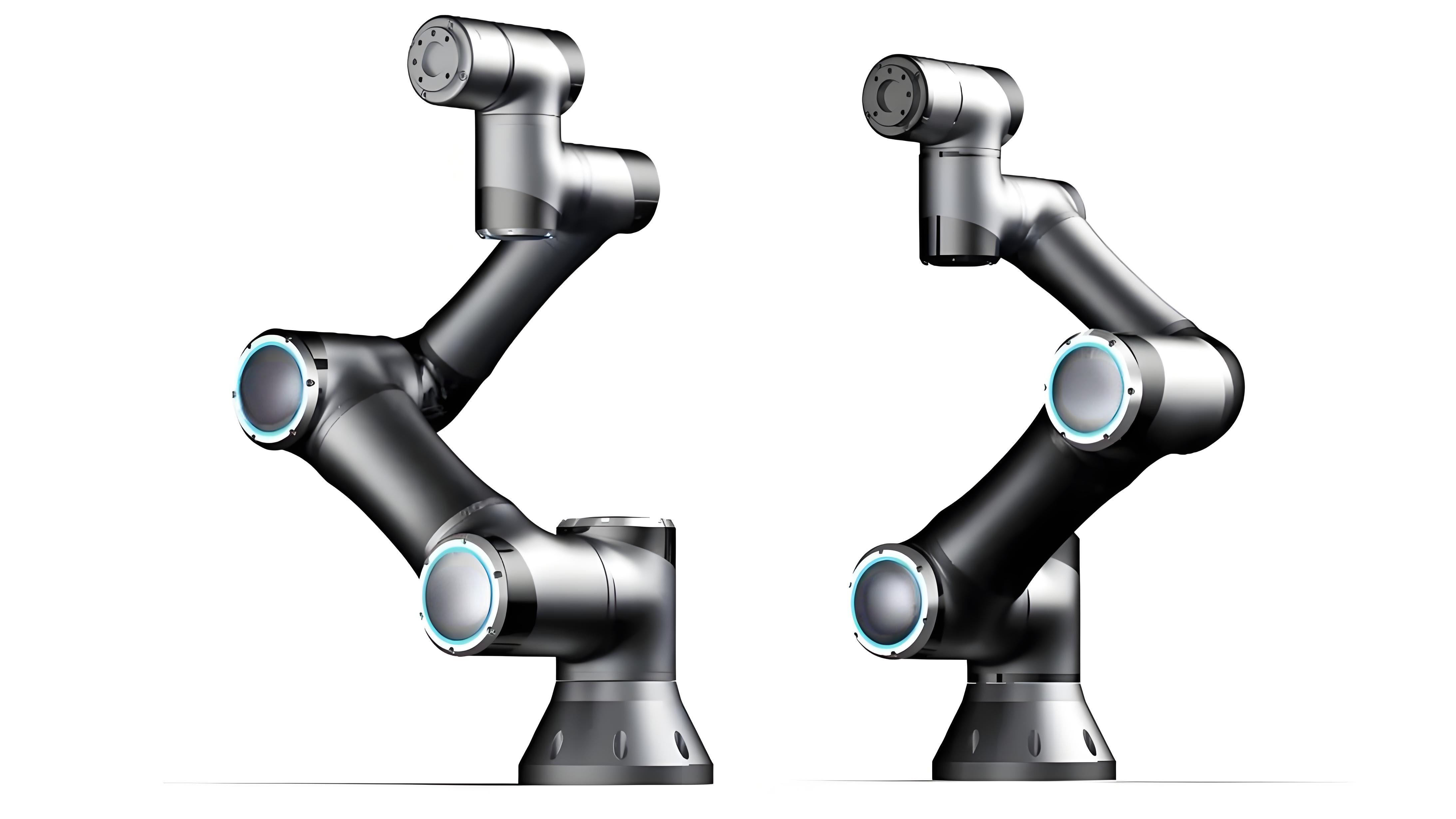
In our robotic arm project, carbon fiber tubes served as the main structural beams. They were connected with 3D-printed joints, making the design modular and easy to assemble. The lightweight structure allowed the use of smaller servo motors, reducing power consumption while maintaining smooth motion.
During the testing phase, we noticed significant improvements compared to aluminum prototypes:
-
Faster response due to reduced inertia.
-
Lower heat buildup in motors under continuous operation.
-
Improved stability under extended reach.
Challenges and Solutions
Working with carbon fiber tubes also came with challenges:
-
Cutting and Machining – required diamond-coated tools for clean cuts.
-
Connector Fit – precise tolerances were needed to avoid slippage.
-
Cost Factor – carbon fiber is more expensive than common metals, but the performance gain justified the investment for high-end applications.
Applications Beyond Robotics
The insights from this project suggest that carbon fiber tubes can benefit a wide range of industries. They are already widely used in aerospace, drones, marine structures, and sporting equipment. For engineering prototypes, especially where weight reduction and stiffness are critical, carbon fiber remains one of the best options.
Conclusion
The “Lightweight Robotic Arm Using Carbon Fiber Tubes” project demonstrated how composite materials can transform design possibilities. Carbon fiber tubes not only improved performance but also enabled modular, efficient construction. As material technology advances, their role in robotics, automation, and lightweight engineering will continue to expand.
👉 For more information on carbon fiber materials and specifications, visit Carbon Fiber Tubes Supplier
.
-
 Lutetium
 gir
gir John
John Voja Antonic
 Moragor