0%
0%
Hexagon Bed for a 7ft+ Long Mattress
Featuring inbuilt monitor mount and dual backrests
 kelvinA
Become a Hackaday.io member
Already have an account? Log in.
Just one more thing
To make the experience fit your profile, pick a username and tell us what interests you.
Pick an awesome username

hackaday.io/

Your profile's URL: hackaday.io/username. Max 25 alphanumeric characters.
Pick a few interests
Projects that share your interests
People that share your interests
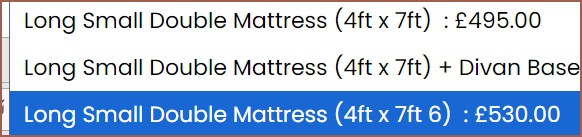
 Staring at the price of the Sevenlife 18 latex mattress in the checkout window, I decided to hone in my Google-Fu to further uncover any additional information and options. The first thing I found was an Amazon listing, and while the vast majority of reviews were positive, there was one 1-star review (from almost 6 years ago) that stood out:
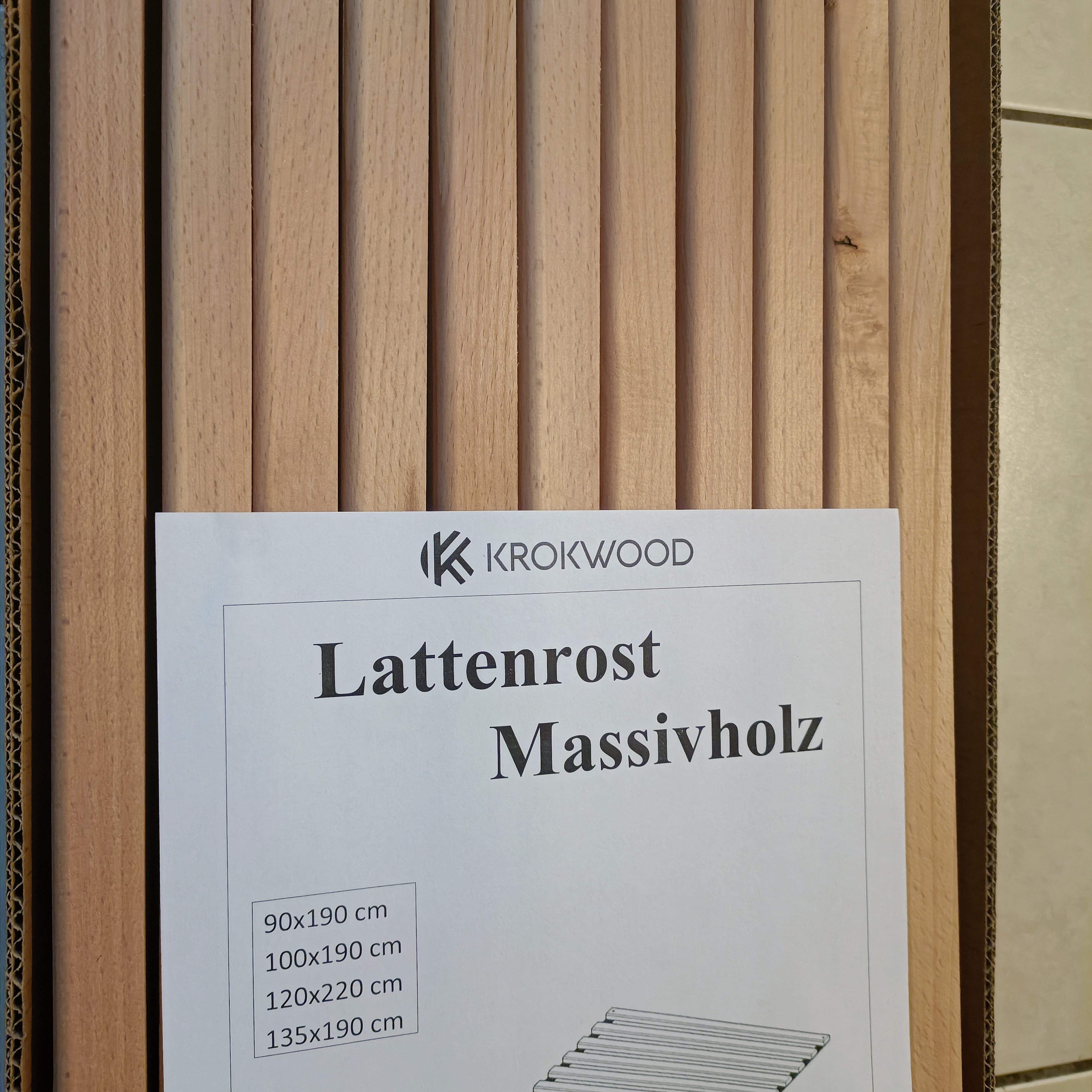 I opened the box -- which stated it was 19kg by the way -- and as I expected, they have used some rather nice looking wood for bed slats. They've even filleted the faces that come in contact with the bed. I feel it's a little bit of a shame that, for most buyers, wood this good is literally stuffed under their mattress.
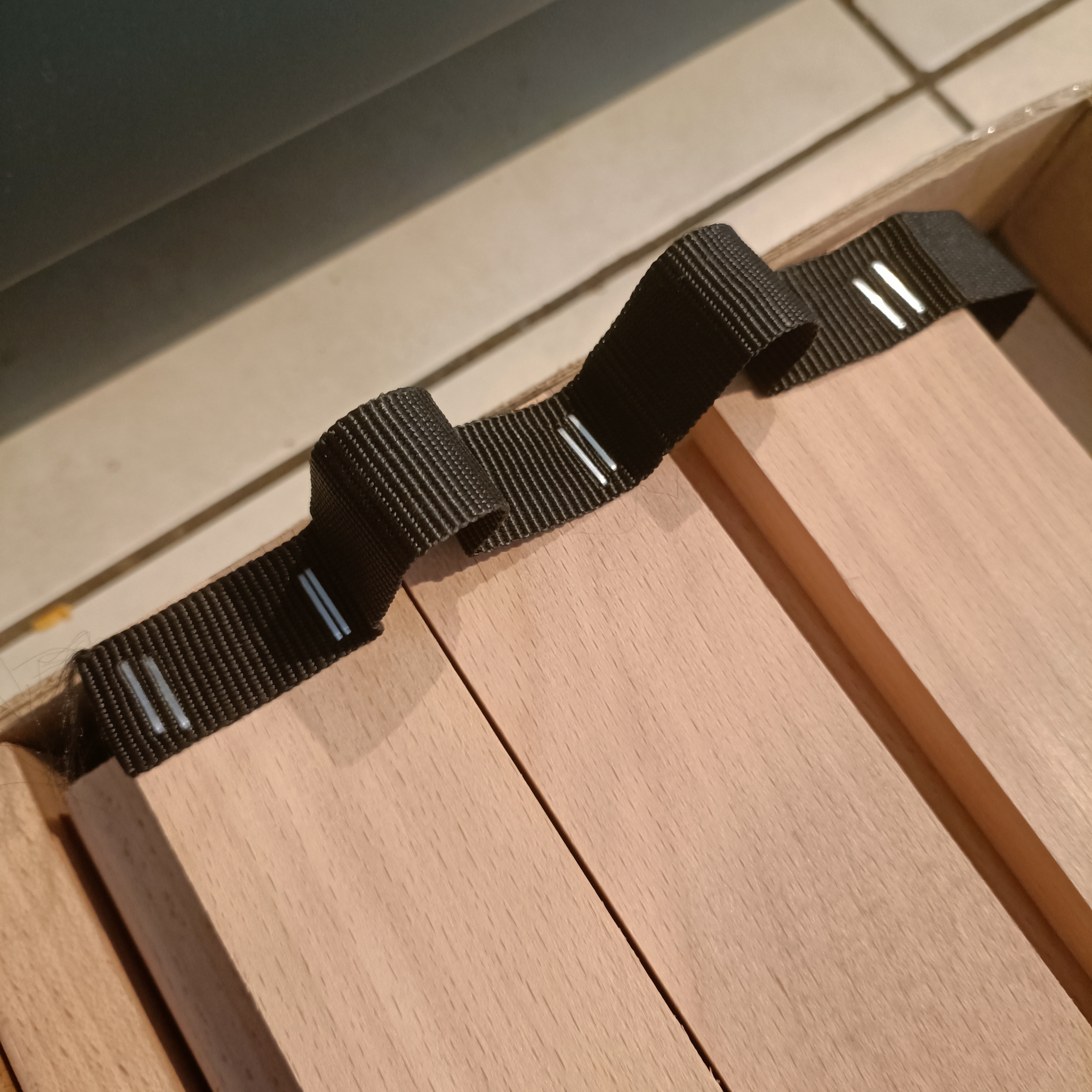 The first slat is the only one that's stapled 4 times on each side. The remaining are only stapled twice and I believe the reason is so that it can be packed in the box.
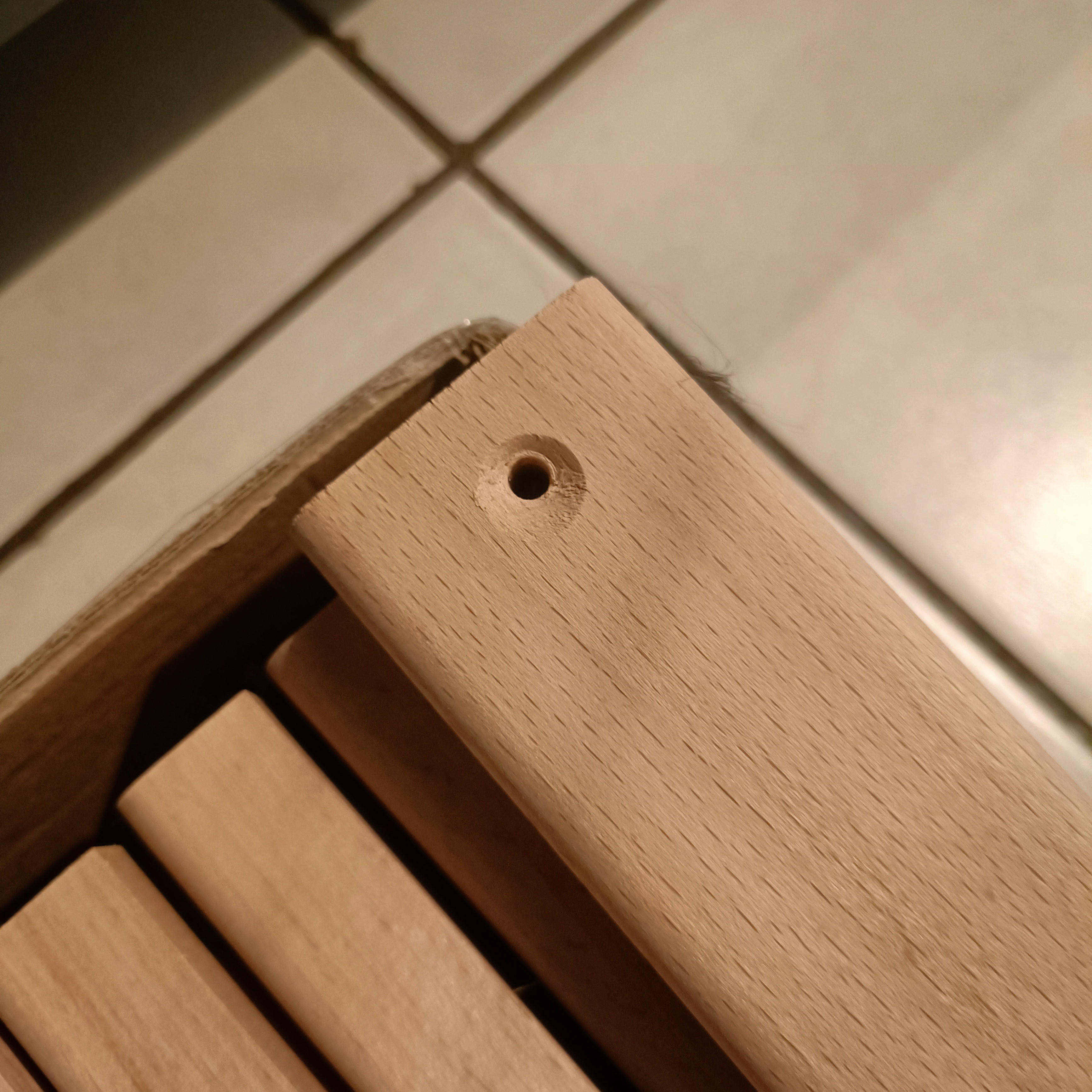 The hole is 4.2mm and I measured 12mm from this edge to the centre. It was 13mm on the other side and the slat was 1199mm, so I'm going to assume the holes are 1175mm +/- 1mm.
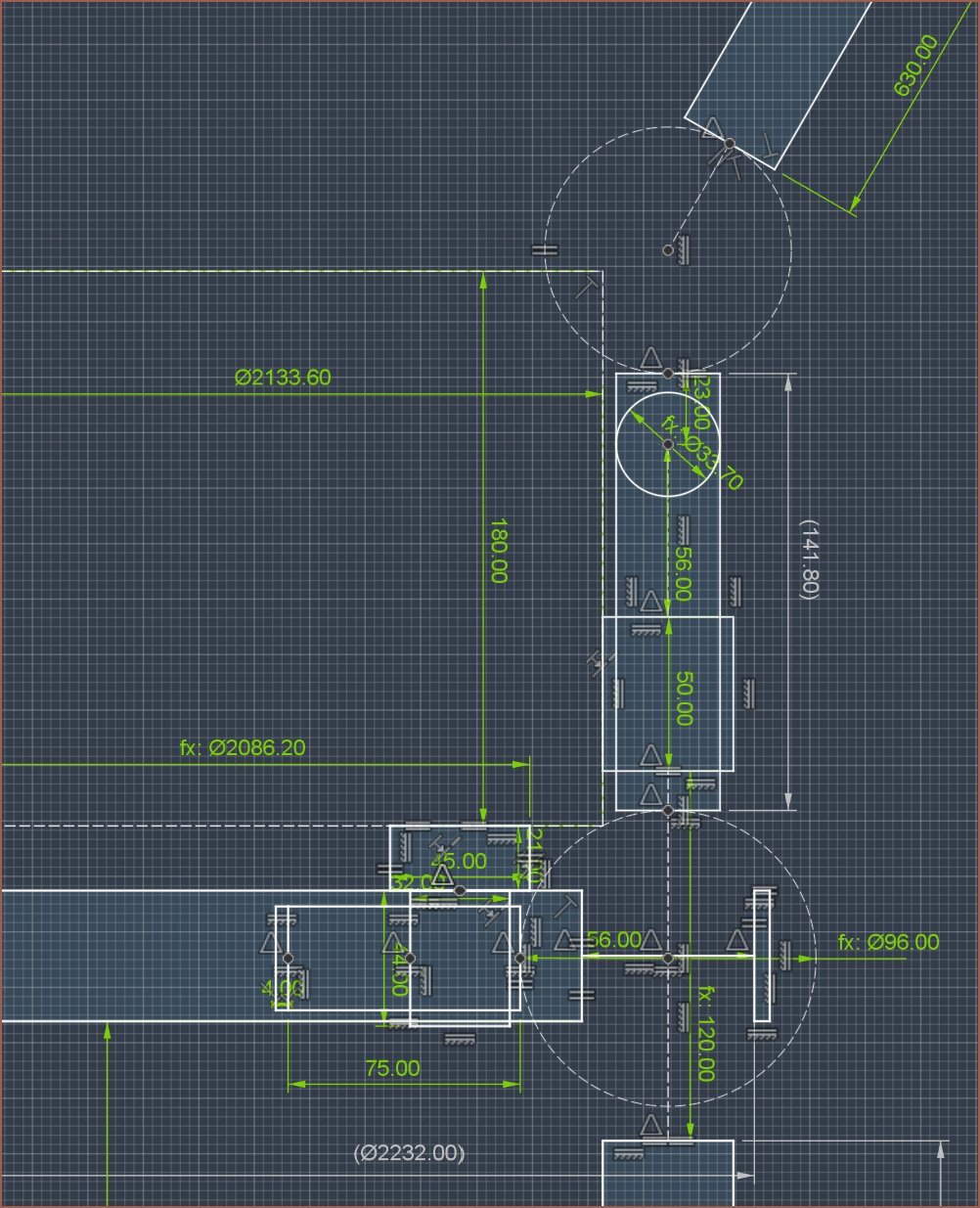
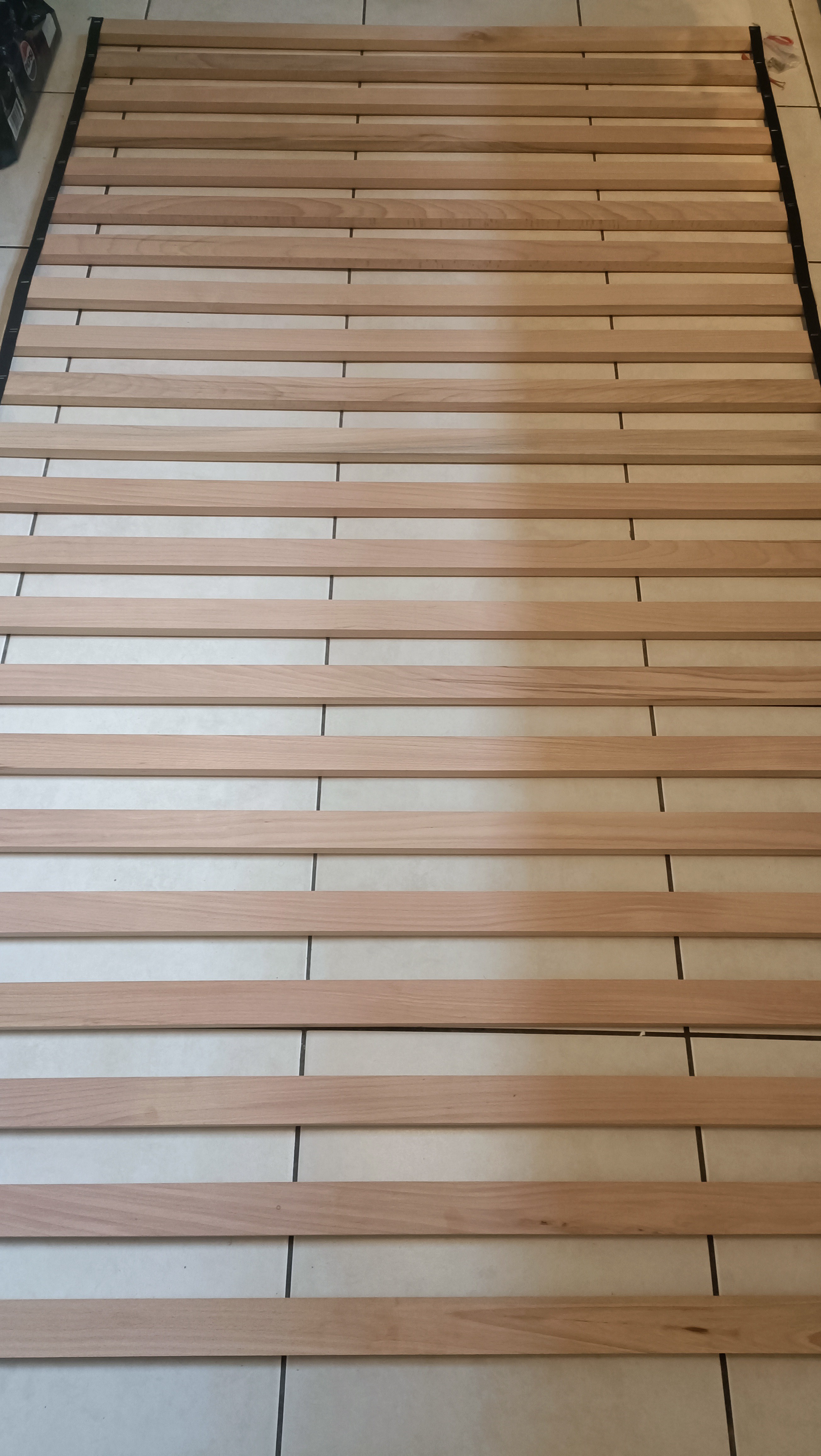 I unpacked them all and measured 2086 - 2087mm from front to back. I counted 22 slats. Assuming a nominal 45mm slat, I've used 52.2mm as the spacing distance in Autodesk Fusion.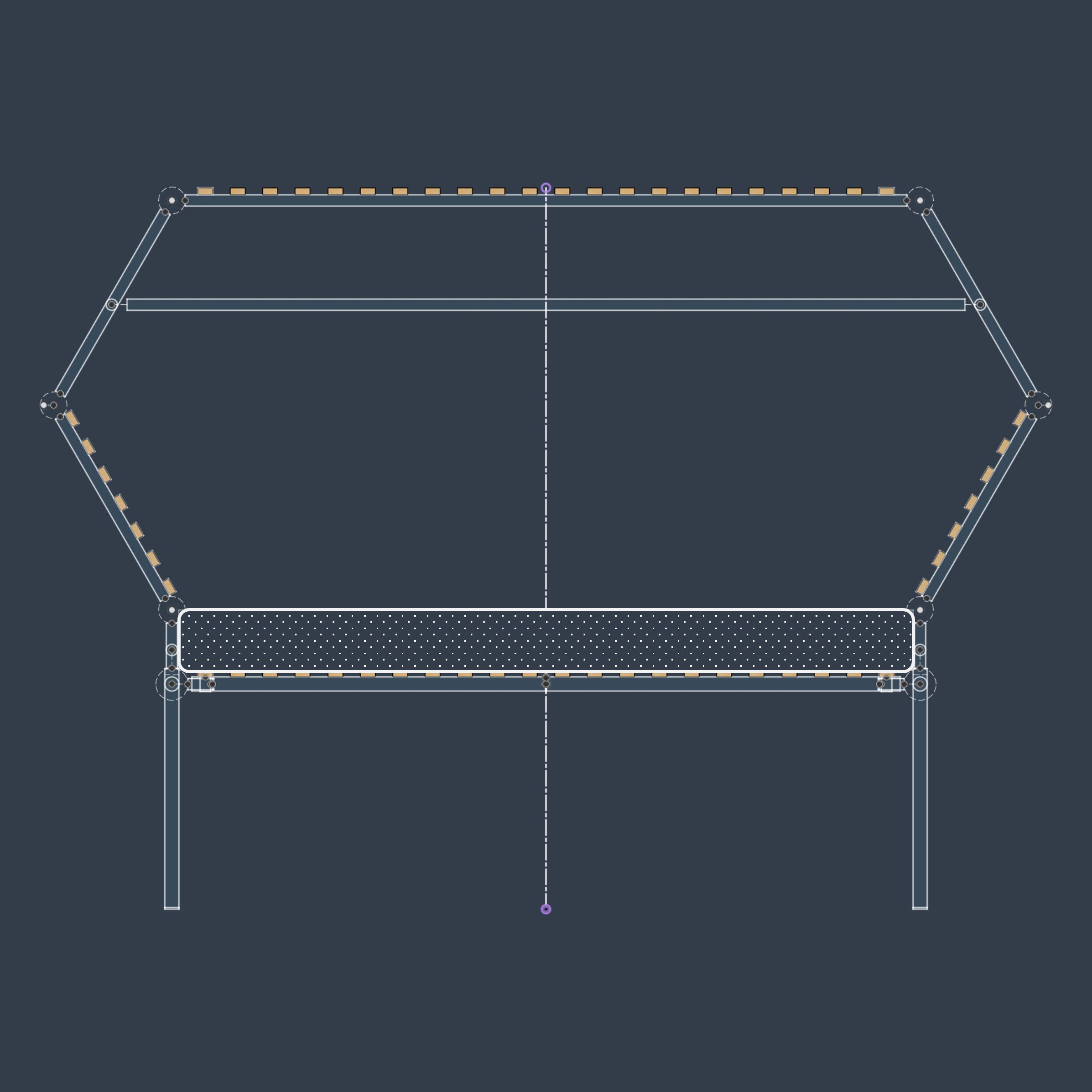
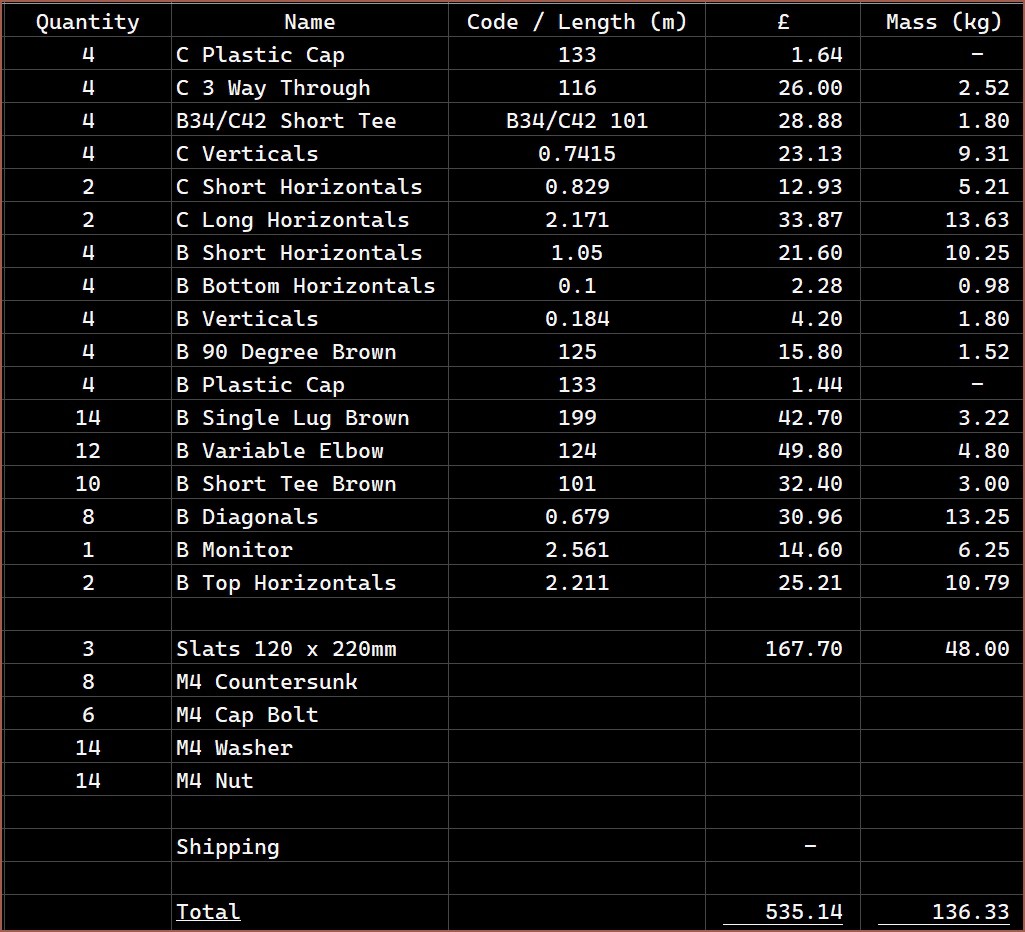
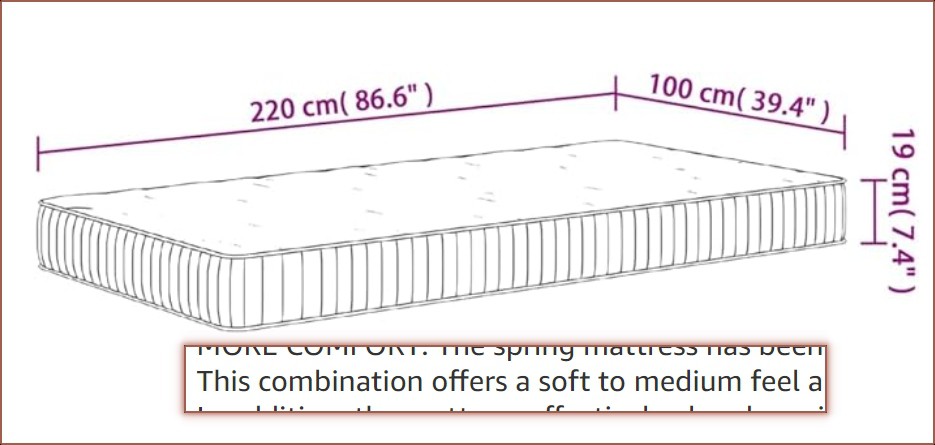 Wondering about the width of this mattress, I asked Gemini what the ideal minimum width would be and it suggested the length from elbow to elbow when my hands were behind my head. I measured half this length, which was 55cm. Thus 110cm wide would be the ideal minimum. For a few nights, I slept with only 100cm of the mattress available and it was sufficient, but any less would certainly impair movement.
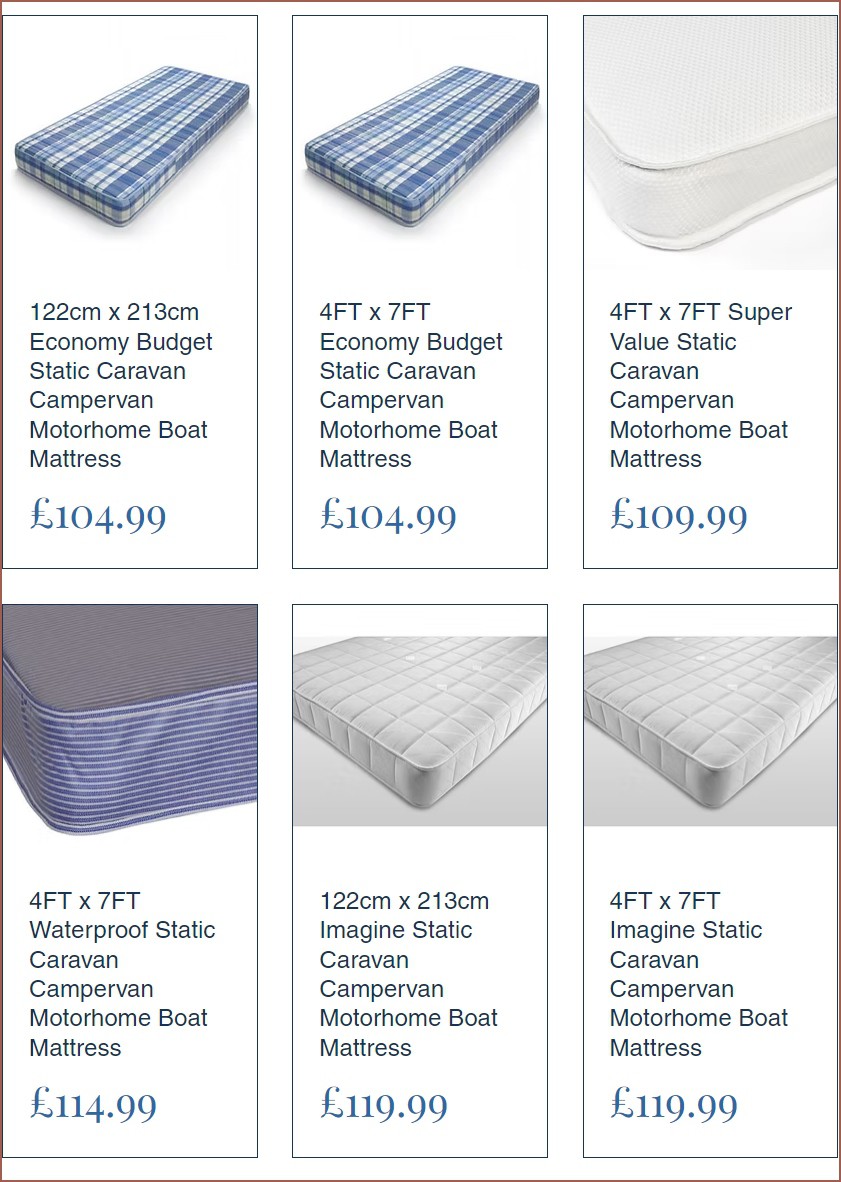
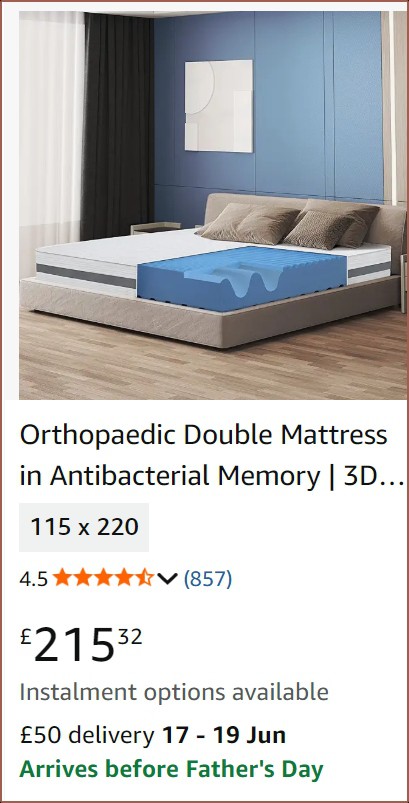 Another solution seems to come from The White Stone in Italy, where a medium-firm mattress can be had in a range of widths. A 100cm was £170, 115 was £215, 90 was £225 and 120/135/150 were £250. I also considered buying four or eight £40 cot mattresses to make a 120 x 240cm bed in 15 and 30cm thicknesses respectively, which is made from some kind of fiber.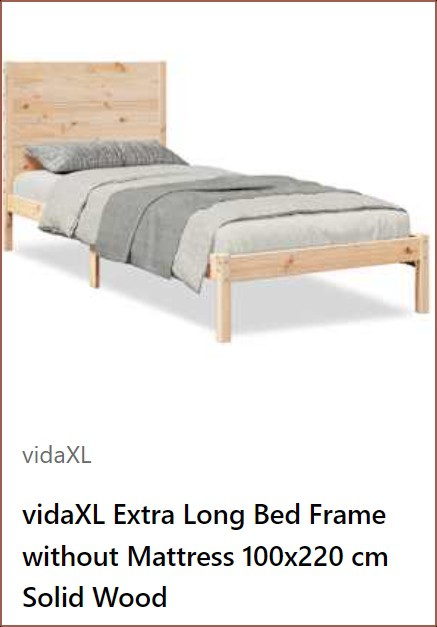
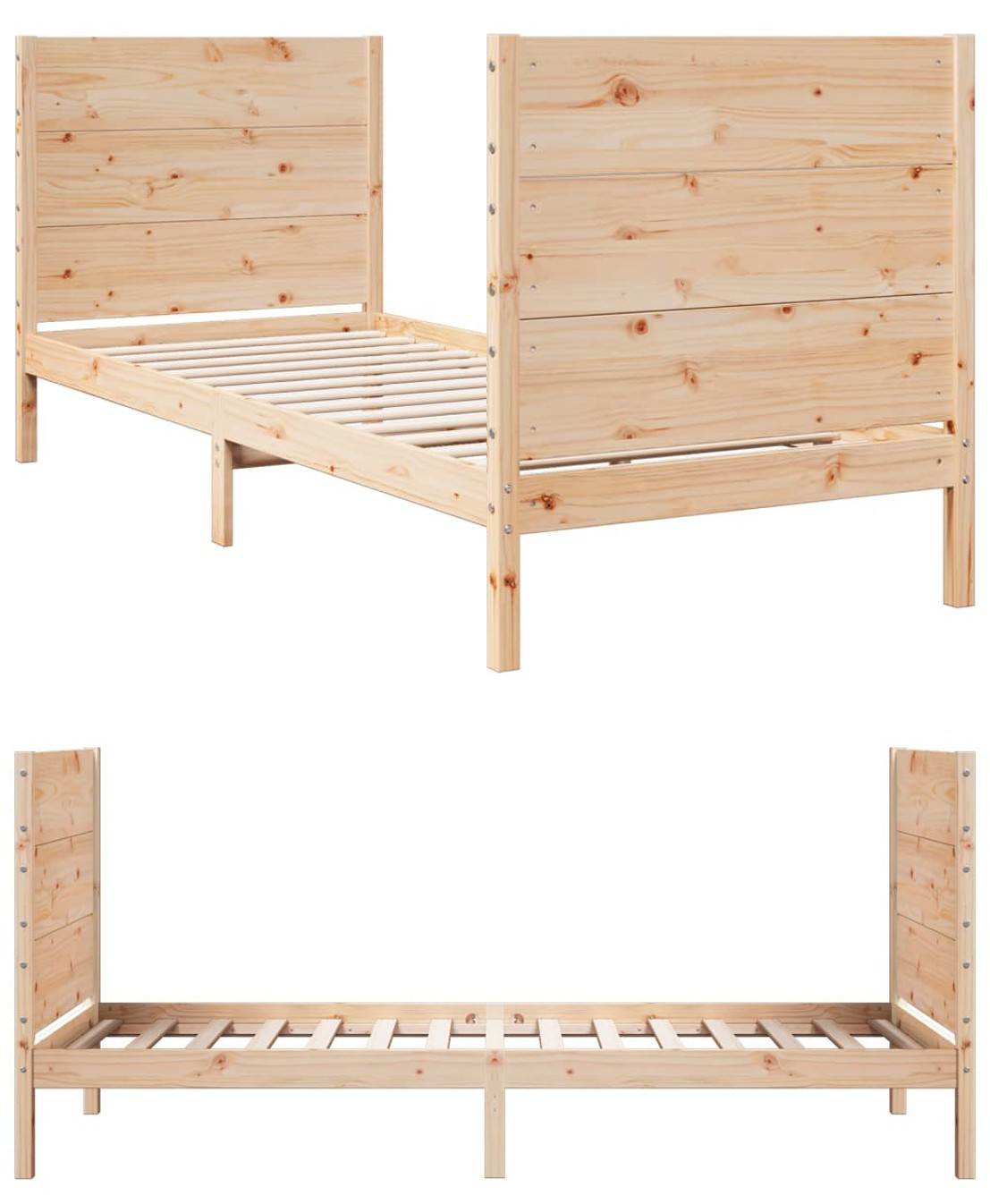
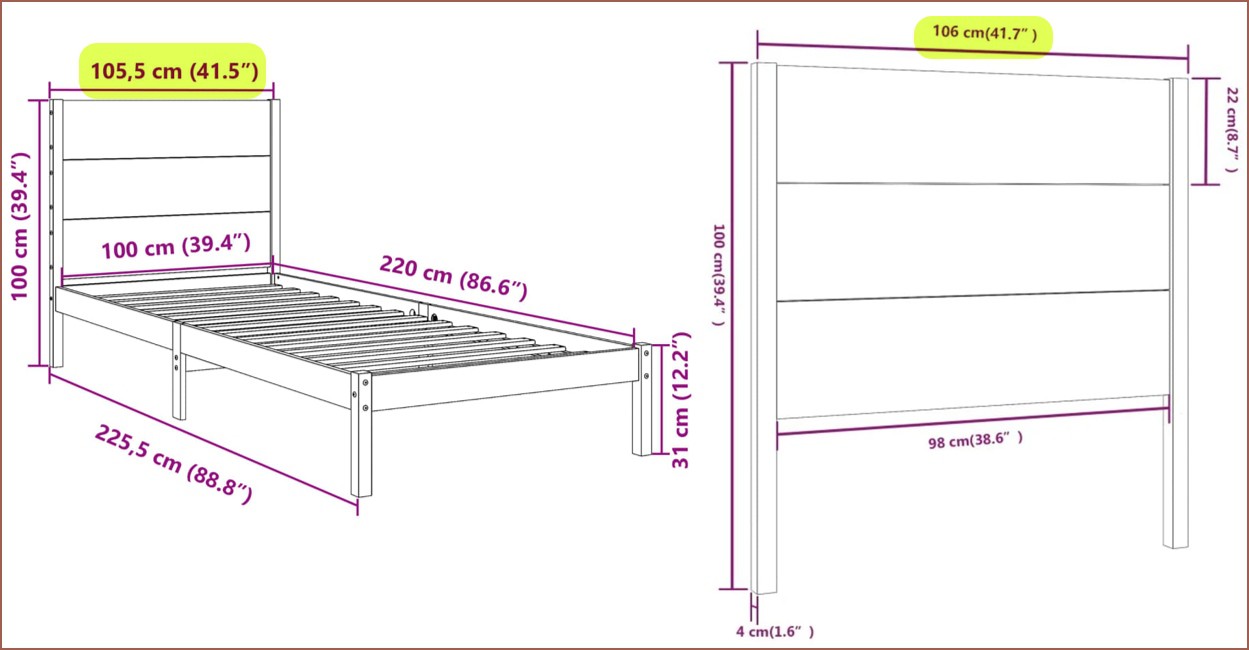 However, by this time, I had also found that there are two listings on Amazon that, combined, amount to 230 reviews at approximately...