kelvinA
-
[T] Switch to 7 ft (213.4 cm) mattress?
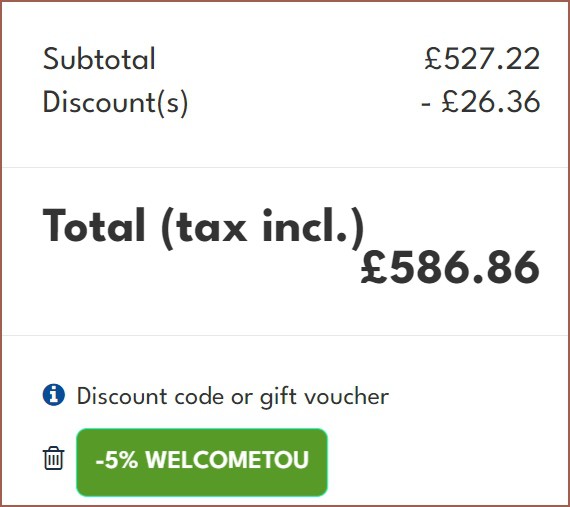
06/26/2026 at 10:51 • 0 comments![]() Staring at the price of the Sevenlife 18 latex mattress in the checkout window, I decided to hone in my Google-Fu to further uncover any additional information and options. The first thing I found was an Amazon listing, and while the vast majority of reviews were positive, there was one 1-star review (from almost 6 years ago) that stood out:
Staring at the price of the Sevenlife 18 latex mattress in the checkout window, I decided to hone in my Google-Fu to further uncover any additional information and options. The first thing I found was an Amazon listing, and while the vast majority of reviews were positive, there was one 1-star review (from almost 6 years ago) that stood out:![]()
My whole justification for such a £600 mattress was that it would outlast other options. A 10-year warranty is meaningless if it's financially infeasible to make a claim.
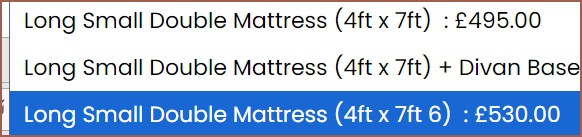
Understanding that the main issue is overseas shipping of a large and heavy item, I tried a few searches in both metric and imperial measurements and found a company called Purelybeds selling mattresses in 1/2 ft increments up to 7.5 feet (228.6 cm):
![]()
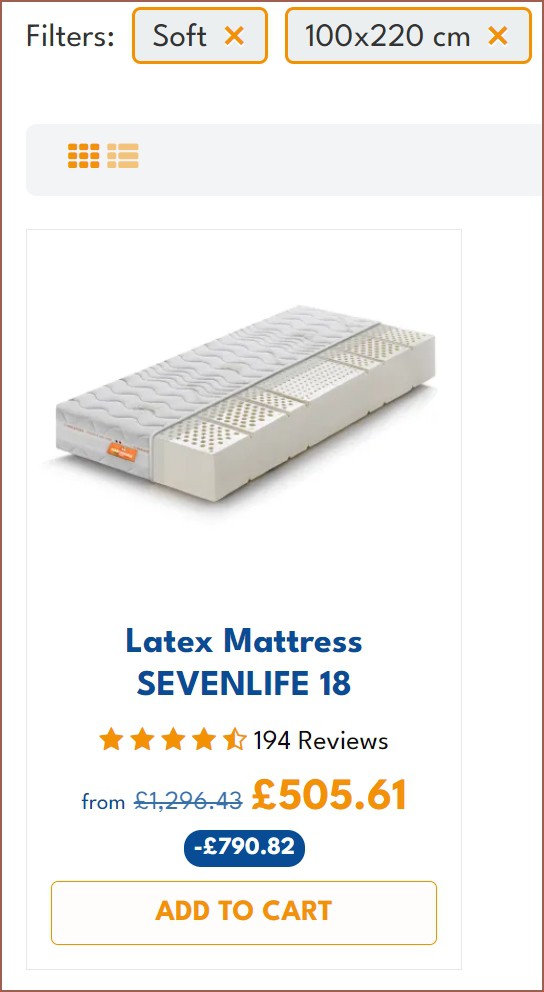
Their cheapest soft/medium mattress, with free shipping. Because I'd have some spare slats from the headboards, in theory, I could spend about £10 on a staple gun to staple the extra 2 - 3 slats for their longest option.
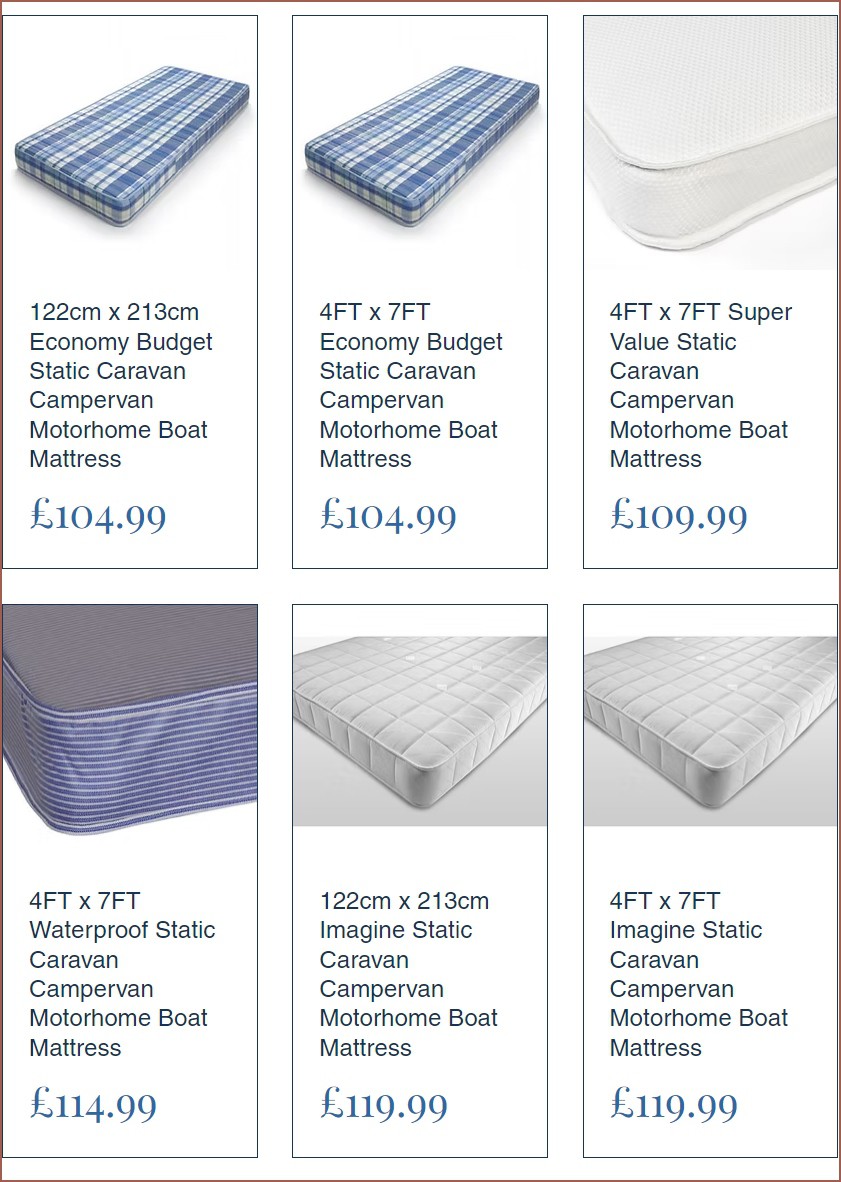
I continued to look for "7 ft" and longer mattresses and found Bed Cloud, a company that makes mattresses in 1/4 ft increments up to 7 feet at prices much closer to those found on Amazon:
![]()
I believe that for discoverability, they list all their mattresses in centimeters and feet. They also have free shipping. The first one I clicked on was the one with the grid pattern because I liked the look, and it just so happened to be their 18cm soft/medium offering which is very comparable to the Sevenlife 18 with the main difference being open-coil vs latex.Since the monitor is being mounted on the frame instead of standing on a pane of glass on-top of the mattress, I believe the non-localised nature of open-coil shouldn't be an issue.
Looking through the others shows a trend that higher-cost mattresses are firmer. I was able to find reviews on Amazon and, like the Sevenlife, most of them are positive. One gave a 4-star because it was softer than they'd like, which sounds good for me since I feel that "medium" mattresses are too hard.
![]()
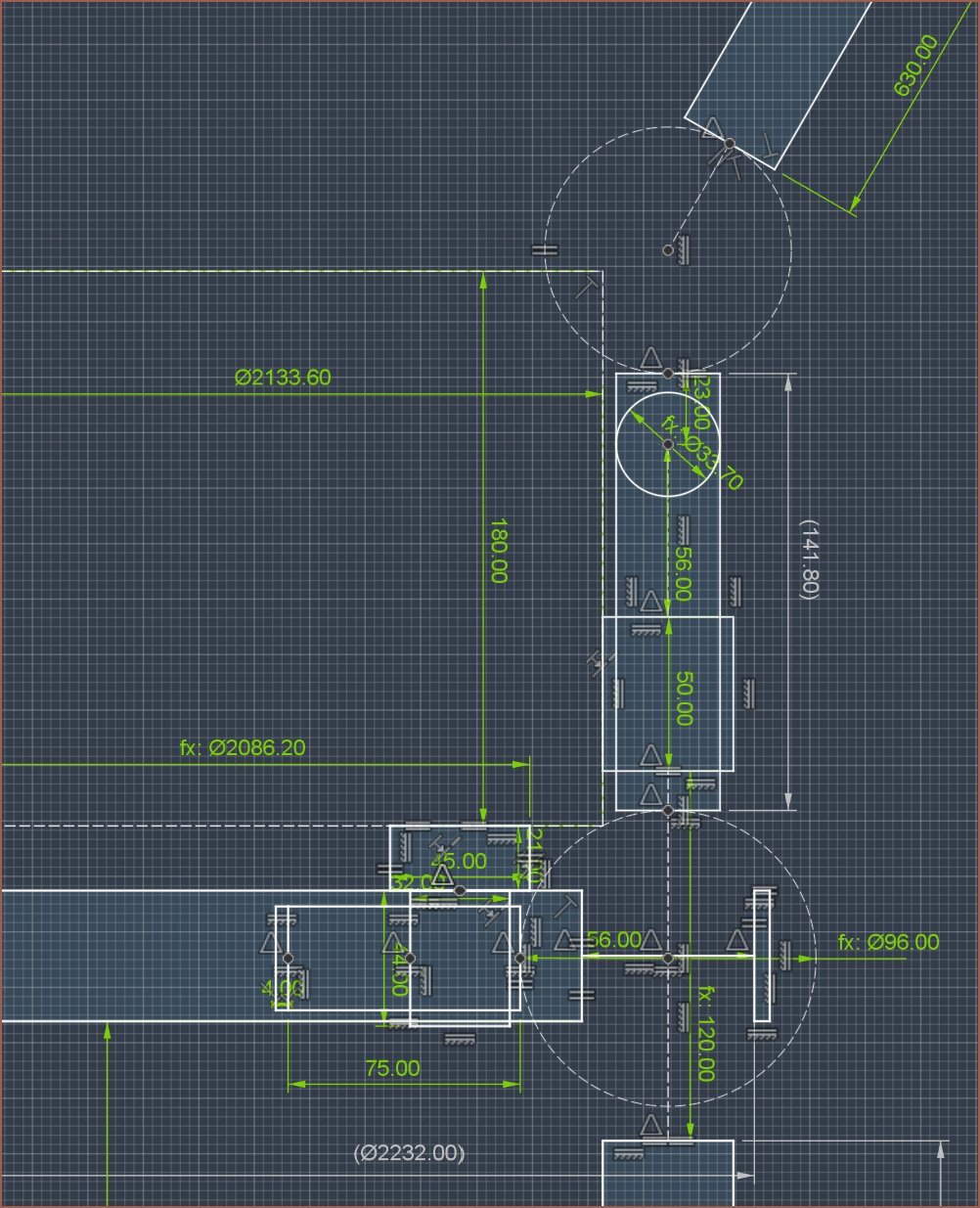
It took a bit of effort to rework the frame to use a Three Way Outlet instead of a Three Way Through to be able to shave off the 7 cm I needed, in part due to Fusion sketch solving issues I had to track down and resolve. There is a minimum 100mm tube cutting length, so that's why there's a vertical 75mm and horizontal 50mm tube instead of them being shorter.
The price of the frame increases by around £12, now £549, but the mattress savings can entirely pay for a new monitor and still have hundreds of pounds left over.
-
[P] KROKWOOD 120 x 220 cm Slats
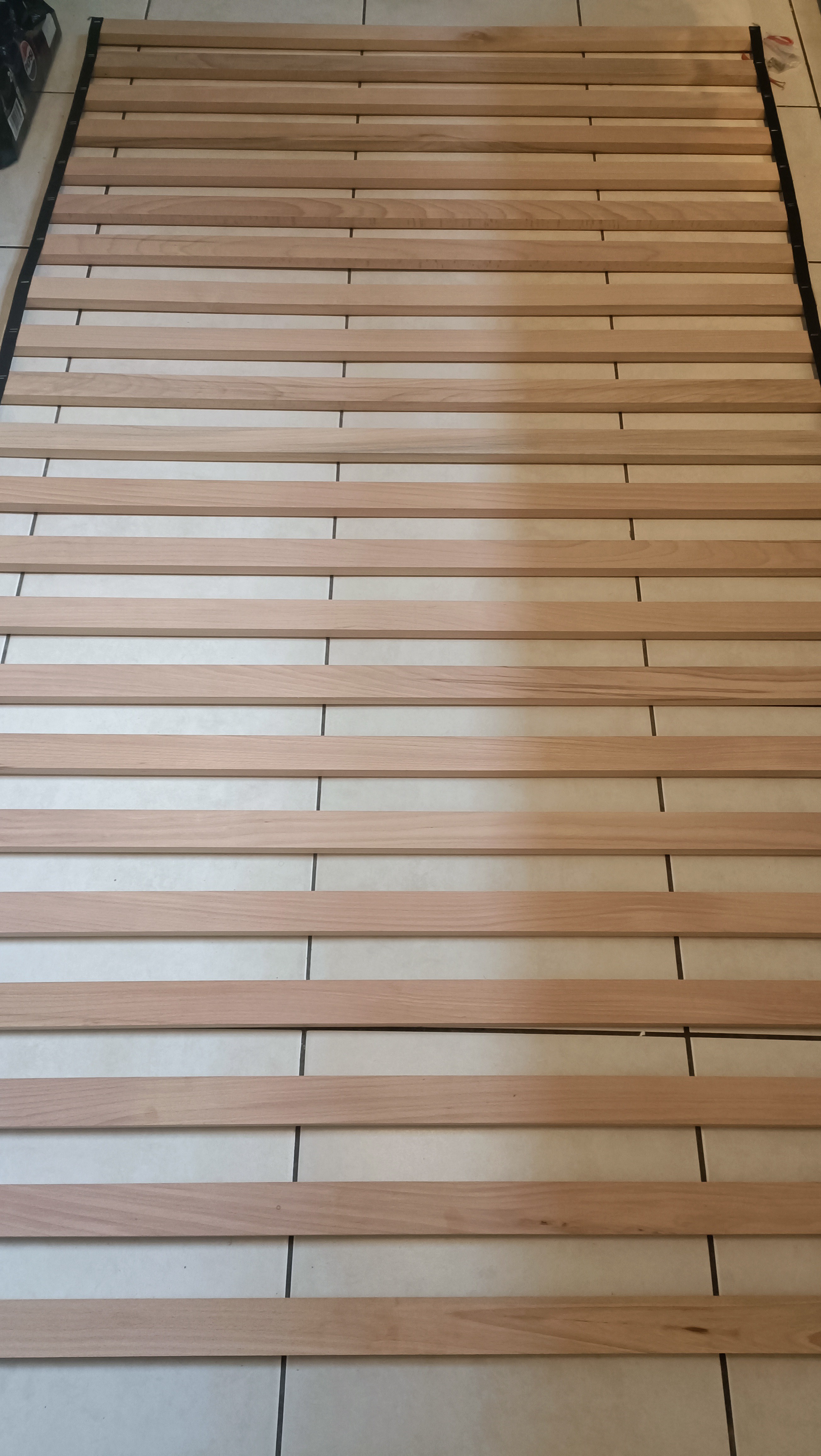
06/25/2026 at 17:48 • 0 commentsThe main reason why I bought this ahead of time was because of the discrepancies I saw between the listing and my CAD model. For example, the listing title said there are 22 slats but the image has 23.
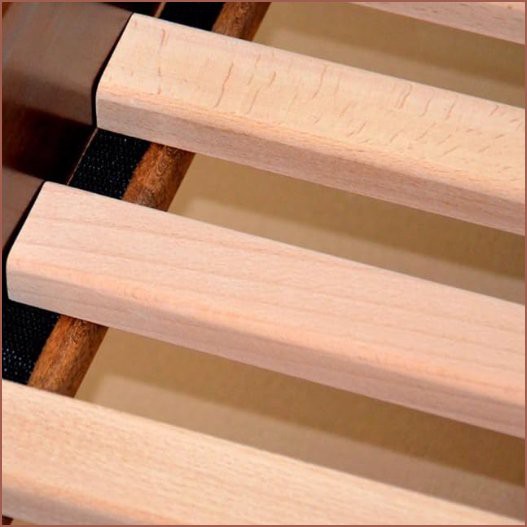
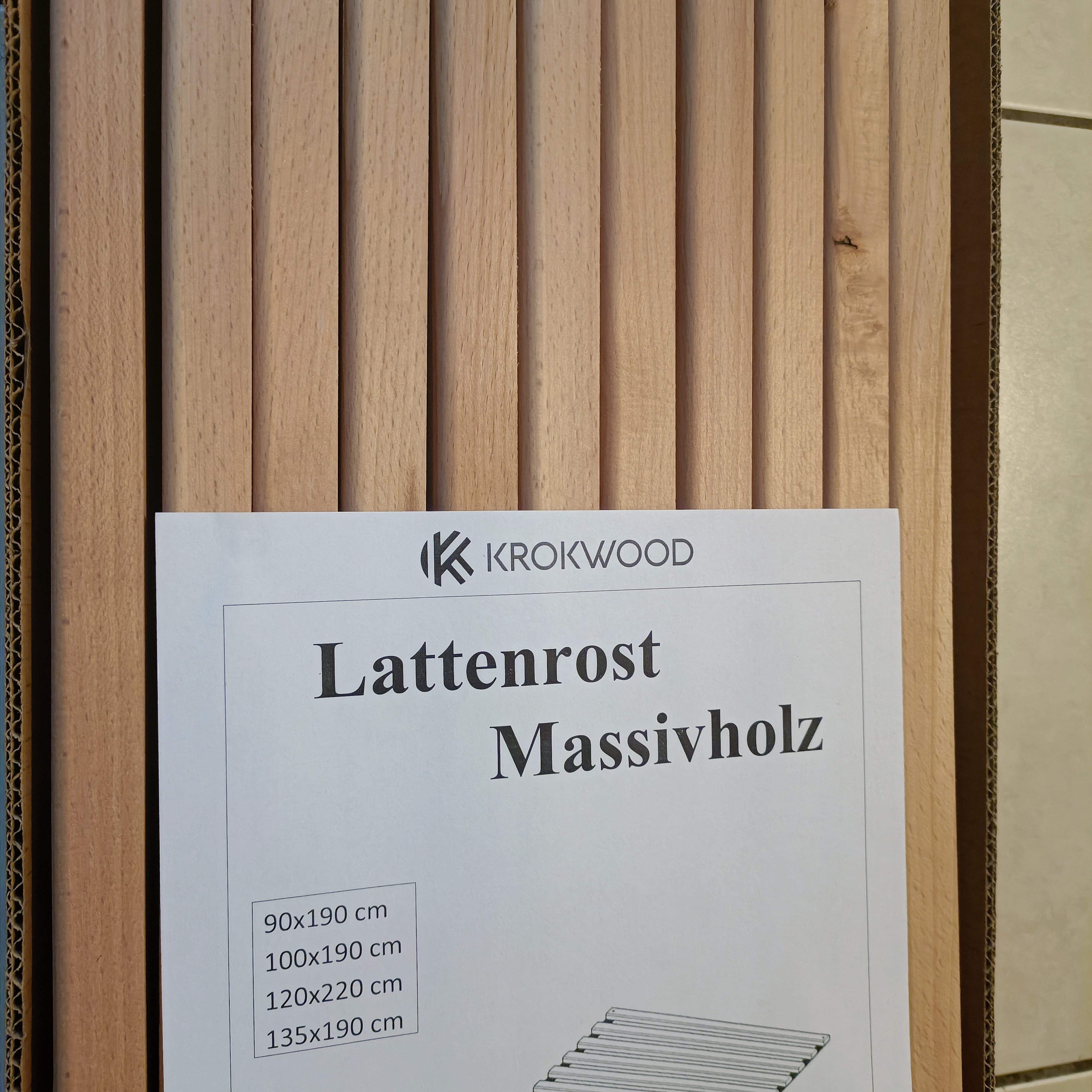
![]() I opened the box -- which stated it was 19kg by the way -- and as I expected, they have used some rather nice looking wood for bed slats. They've even filleted the faces that come in contact with the bed. I feel it's a little bit of a shame that, for most buyers, wood this good is literally stuffed under their mattress.
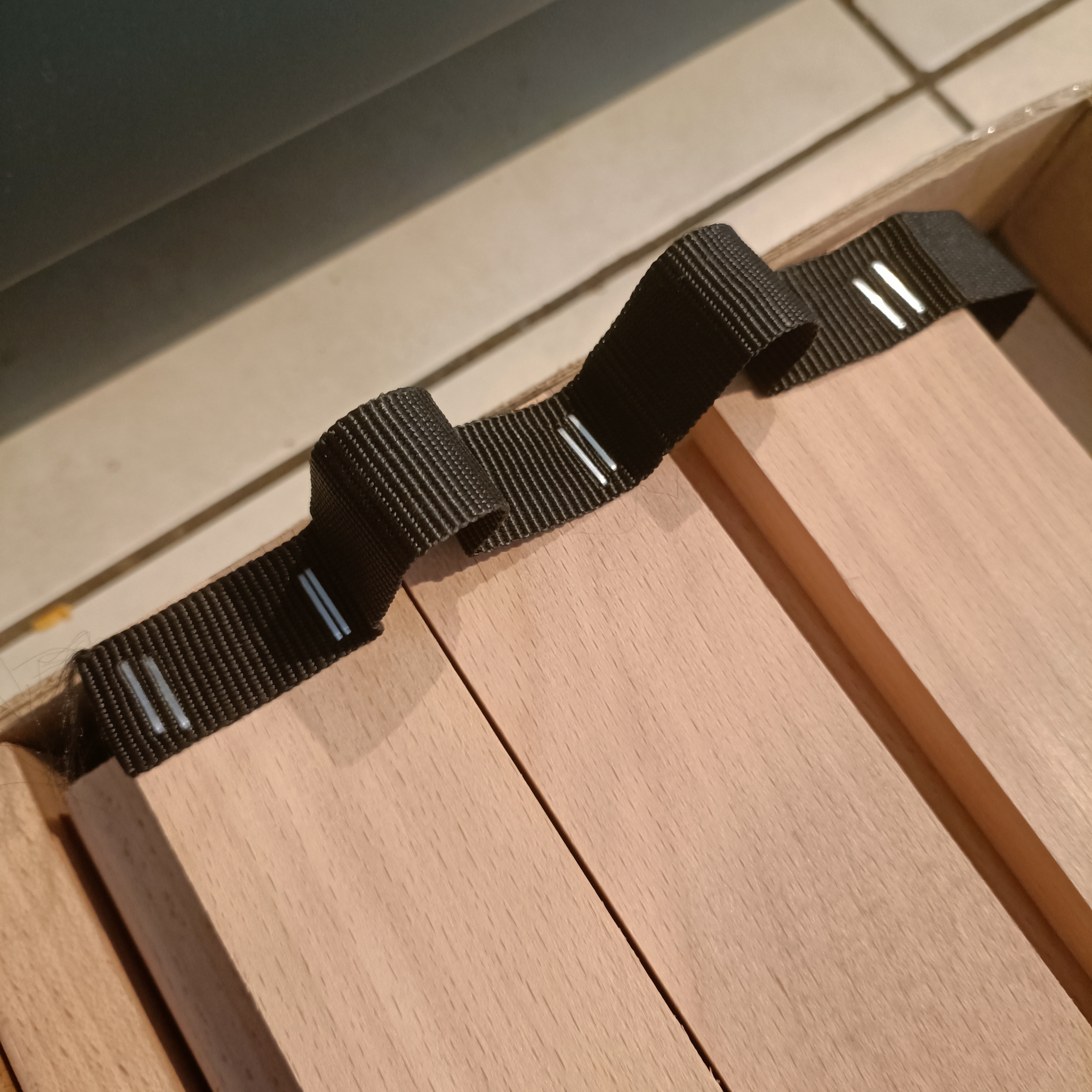
I opened the box -- which stated it was 19kg by the way -- and as I expected, they have used some rather nice looking wood for bed slats. They've even filleted the faces that come in contact with the bed. I feel it's a little bit of a shame that, for most buyers, wood this good is literally stuffed under their mattress.![]() The first slat is the only one that's stapled 4 times on each side. The remaining are only stapled twice and I believe the reason is so that it can be packed in the box.
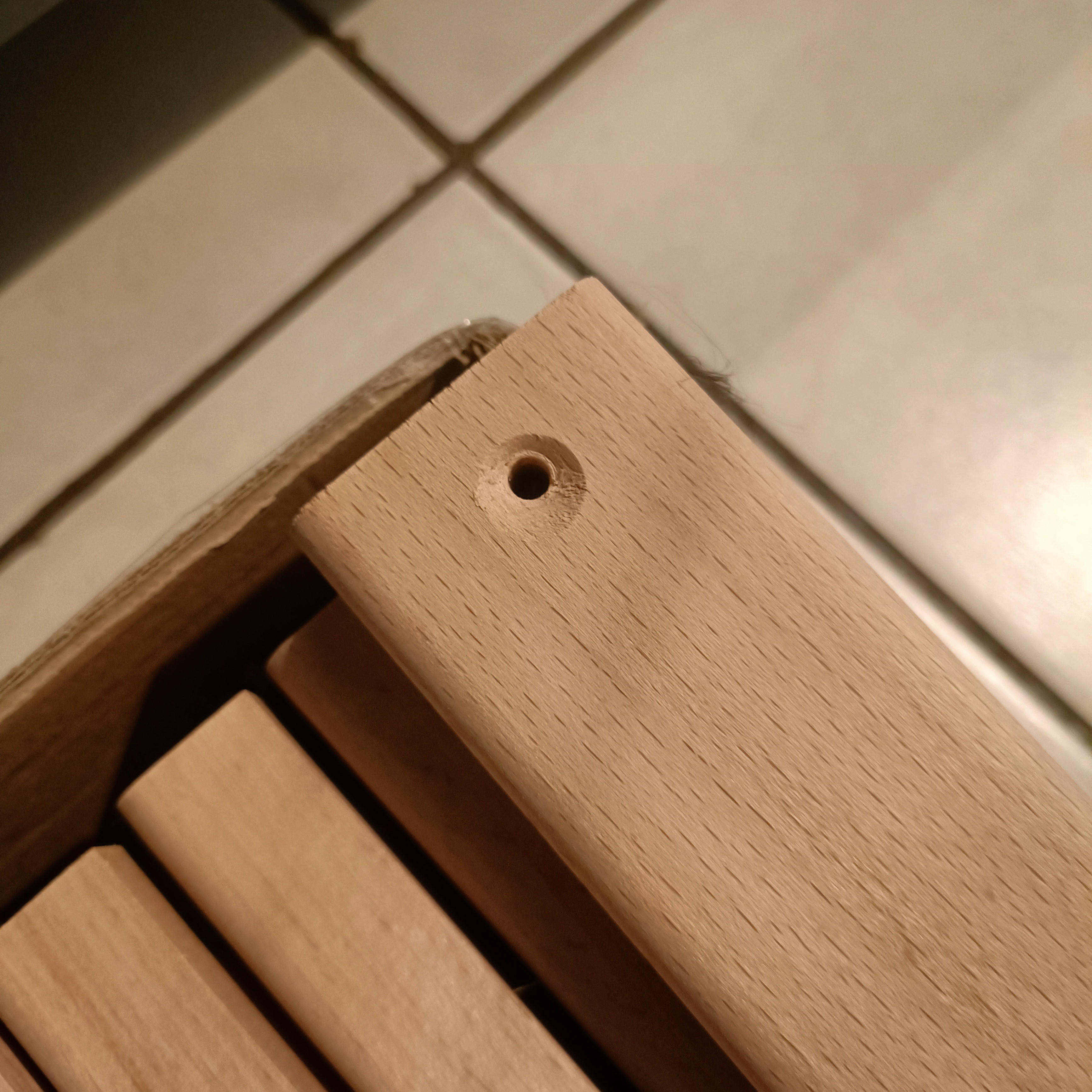
The first slat is the only one that's stapled 4 times on each side. The remaining are only stapled twice and I believe the reason is so that it can be packed in the box.![]() The hole is 4.2mm and I measured 12mm from this edge to the centre. It was 13mm on the other side and the slat was 1199mm, so I'm going to assume the holes are 1175mm +/- 1mm.
The hole is 4.2mm and I measured 12mm from this edge to the centre. It was 13mm on the other side and the slat was 1199mm, so I'm going to assume the holes are 1175mm +/- 1mm.![]() I unpacked them all and measured 2086 - 2087mm from front to back. I counted 22 slats. Assuming a nominal 45mm slat, I've used 52.2mm as the spacing distance in Autodesk Fusion.
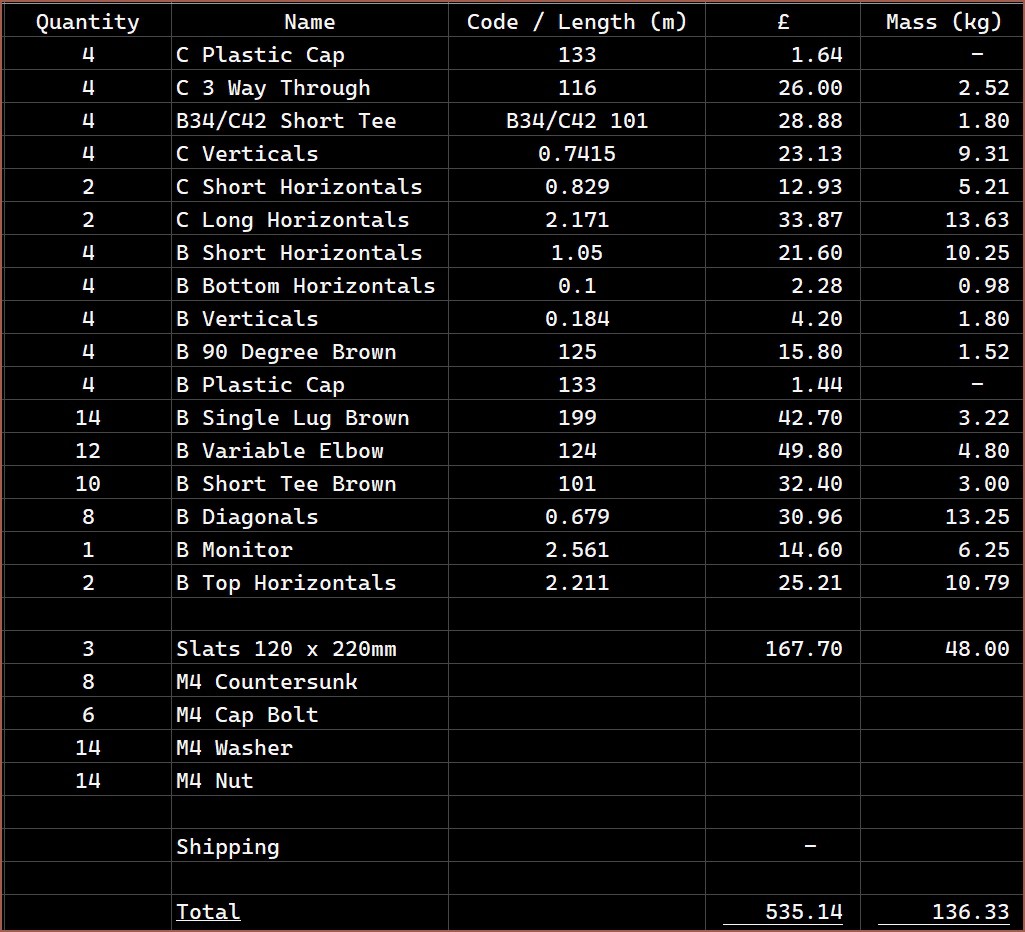
I unpacked them all and measured 2086 - 2087mm from front to back. I counted 22 slats. Assuming a nominal 45mm slat, I've used 52.2mm as the spacing distance in Autodesk Fusion.Due to such measurements, I've been able to streamline the design and make a BOM list:
![]()
![]()
I'm going to use 6 mounting points for the wooden roof since the tubing is closer to the edge and they're not weighed down by a mattress. I'm also going to try and see if plastic end-caps can be used as feet. For the weight, I have used 16kg as claimed on the listing.
-
[R] Starting the project
06/16/2026 at 16:32 • 0 commentsA little over a week ago, I realised that I can't get any projects done -- in part because there's no space in my bedroom. This is entirely down to a poor use of space, mainly because of a "Latex Edge 2000" mattress on a divan base I believe my mother got cheaply from a charity store.
The floorplan is approximately 2.5 x 4 metres, so this 1.5 x 2m bed already eats quite a bit into that. Additionally, there are two 0.8 x 0.8 metre server cabinets I got very cheaply in 2019. The plan was that one was a 3D printing cabinet, and the other was going to be a 3D printer called the SecSavr Space (which eventually morphed into #SecSavr Sublime [gd0036]). I'm currently considering using this to store a barrel which will be used as an enclosure for #SlimeSaver [gd0105].
Initial Mattress Search
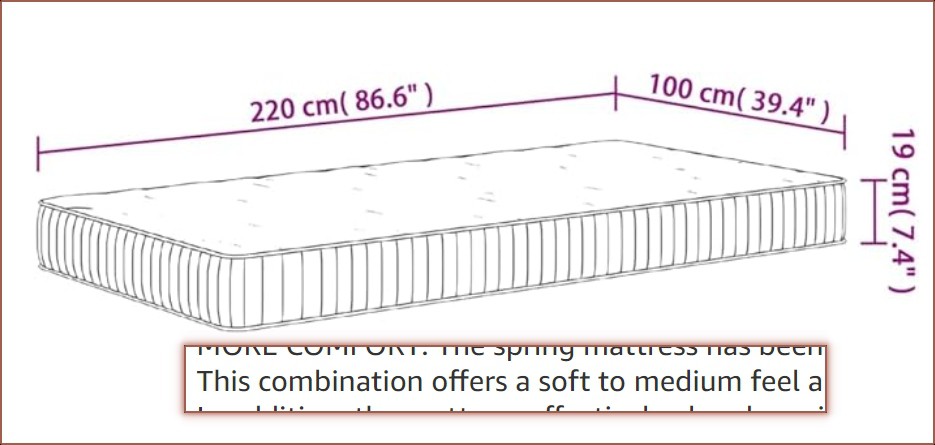
Back to the mattress, I don't think those 2000 springs are to the edge like the name implies because the edges of it have all sloped to an approx 45 degree incline. I'm already taller than 1.9m and the slopes further reduce the sleep-able area. The longest mattress size I could find was 220cm, which is the diagonal length of a UK Double and confirmed to be suitable. One of the first I found was a pocket-sprung mattress from vidaXL:
![]() Wondering about the width of this mattress, I asked Gemini what the ideal minimum width would be and it suggested the length from elbow to elbow when my hands were behind my head. I measured half this length, which was 55cm. Thus 110cm wide would be the ideal minimum. For a few nights, I slept with only 100cm of the mattress available and it was sufficient, but any less would certainly impair movement.
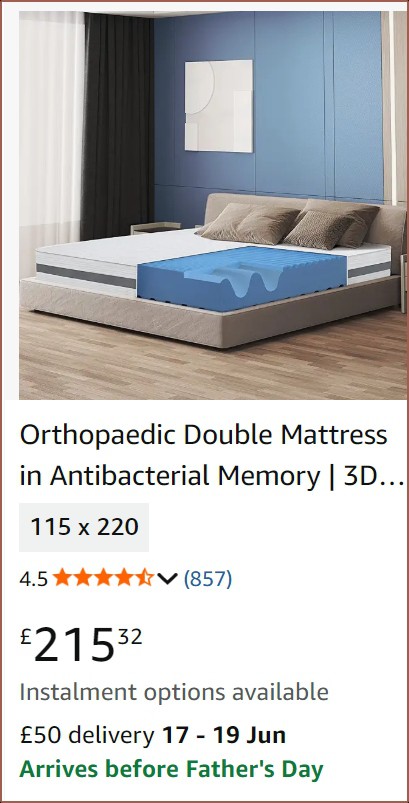
Wondering about the width of this mattress, I asked Gemini what the ideal minimum width would be and it suggested the length from elbow to elbow when my hands were behind my head. I measured half this length, which was 55cm. Thus 110cm wide would be the ideal minimum. For a few nights, I slept with only 100cm of the mattress available and it was sufficient, but any less would certainly impair movement.![]() Another solution seems to come from The White Stone in Italy, where a medium-firm mattress can be had in a range of widths. A 100cm was £170, 115 was £215, 90 was £225 and 120/135/150 were £250. I also considered buying four or eight £40 cot mattresses to make a 120 x 240cm bed in 15 and 30cm thicknesses respectively, which is made from some kind of fiber.
Another solution seems to come from The White Stone in Italy, where a medium-firm mattress can be had in a range of widths. A 100cm was £170, 115 was £215, 90 was £225 and 120/135/150 were £250. I also considered buying four or eight £40 cot mattresses to make a 120 x 240cm bed in 15 and 30cm thicknesses respectively, which is made from some kind of fiber.I've sampled a memory foam mattress in the past and my opinion was that it was a brick. In my search, I was surprised how many options are "medium-firm" or greater, so statistically, I probably tried a mattress that wasn't advertised as "soft". I've also tried a waterbed and airbed, and like air above the other two. Thus, I've come to the conclusion that I like a mattress with springiness.
Frame Search
I also had to keep in mind that I needed something for this mattress to go on, in part because I feel like any chair is a compromise compared to a bed; therefore I sit on my bed. My portable monitor (see #Teti [gd0022]) is on a tablet stand, which itself is on a glass cutting board so that it doesn't topple over. The drawback is that I have to tilt my head slightly to the side so that my legs can be straight, which I've found to be the least strenuous position.
Sitting on the bed means that there needs to be a backrest, thus I searched with that in mind. I soon found that vidaXL sells a variety of 220cm wooden frames, and I liked the one below:
![]()
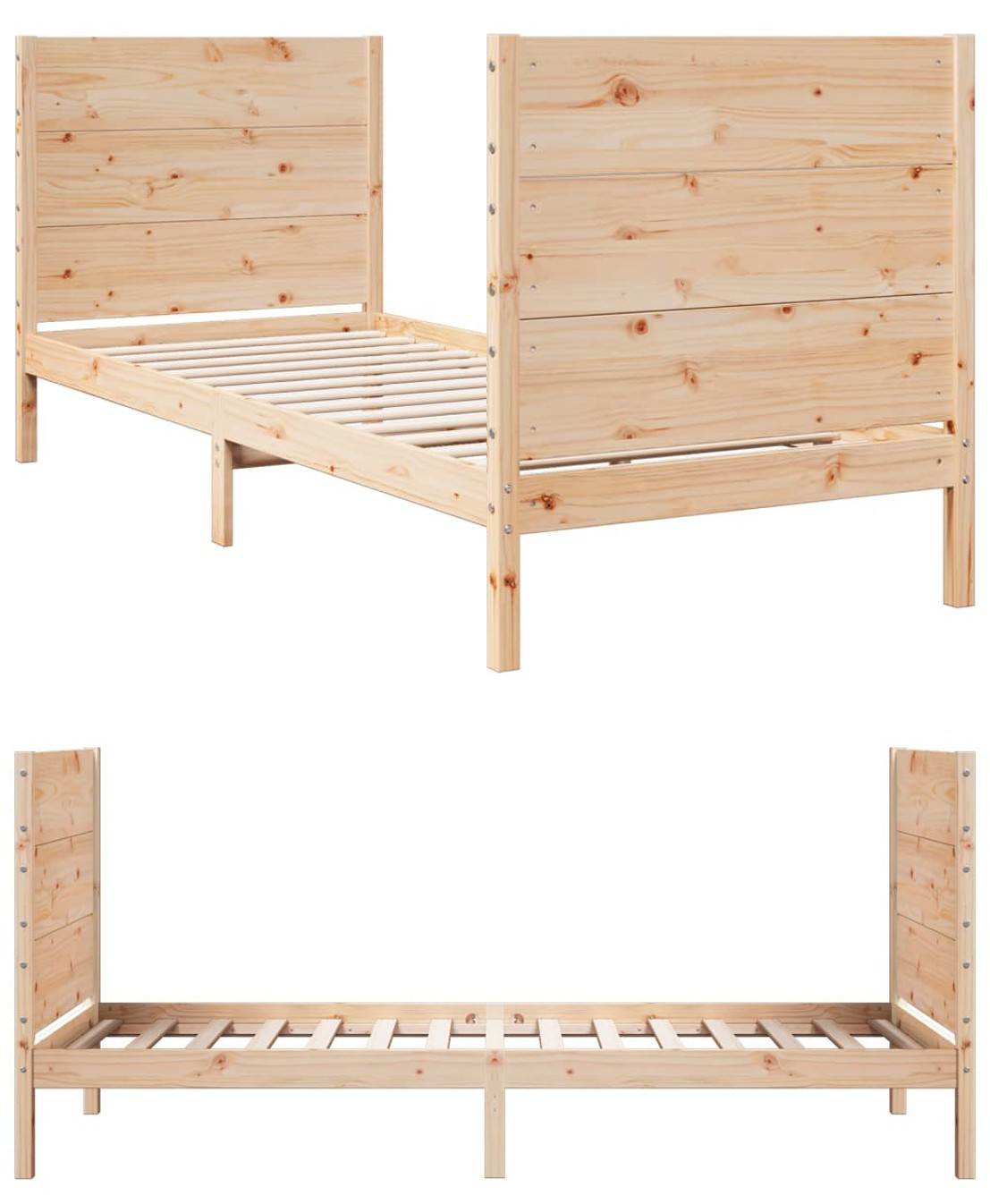
What would be even more ideal, however, is a bed frame that has a headboard on both sides so that I have the flexibility to change seating positions. The frame looked otherwise symmetrical, so an idea I had was to buy 2 frames and combine them to form:
![]()
Coincidentally, vidaXL provides the right kinds of images to produce this by cropping. No AI needed here. As they sell a frame without the headboard, I could compare prices. The bare frame is £45 and a single headboard is £97, meaning the headboard alone doubles the price. This strategy further doubles the price. I found that they seem to sell the headboard separately, but with the unusual discrepancy that it's 106cm wide instead of 105.5cm:
![]() However, by this time, I had also found that there are two listings on Amazon that, combined, amount to 230 reviews at approximately 3 stars, split about evenly between the 5 and 1 star reviews:
However, by this time, I had also found that there are two listings on Amazon that, combined, amount to 230 reviews at approximately 3 stars, split about evenly between the 5 and 1 star reviews:![]()
Reviews for the bed frames are here and here. Most are europeans as they seem to have more users of 220cm beds. It was quite funny to read them. What's interesting is that a lot of the 5-star reviews actually mention the same issues as the 1 star reviews, but seem satisfied once it's actually built. Essentially
- the frame comes in "LEGO" amounts of pieces
- the predrilled holes either don't exist or are too small, causing slats to split
- most reviewers say it takes multiple hours, typically ranging from 2 to 6
- some reviewers received dusty or (on applicable listings) poorly painted wood
Thus I decided to keep searching.
![]() Another 220cm bed frame is the one seen above. It doesn't come with slats, but are conveniently sold separately and pre-fabricated, meaning only a minimum of 4 screws are required but it uses 6 presumably for extra sturdiness:
Another 220cm bed frame is the one seen above. It doesn't come with slats, but are conveniently sold separately and pre-fabricated, meaning only a minimum of 4 screws are required but it uses 6 presumably for extra sturdiness:![]()
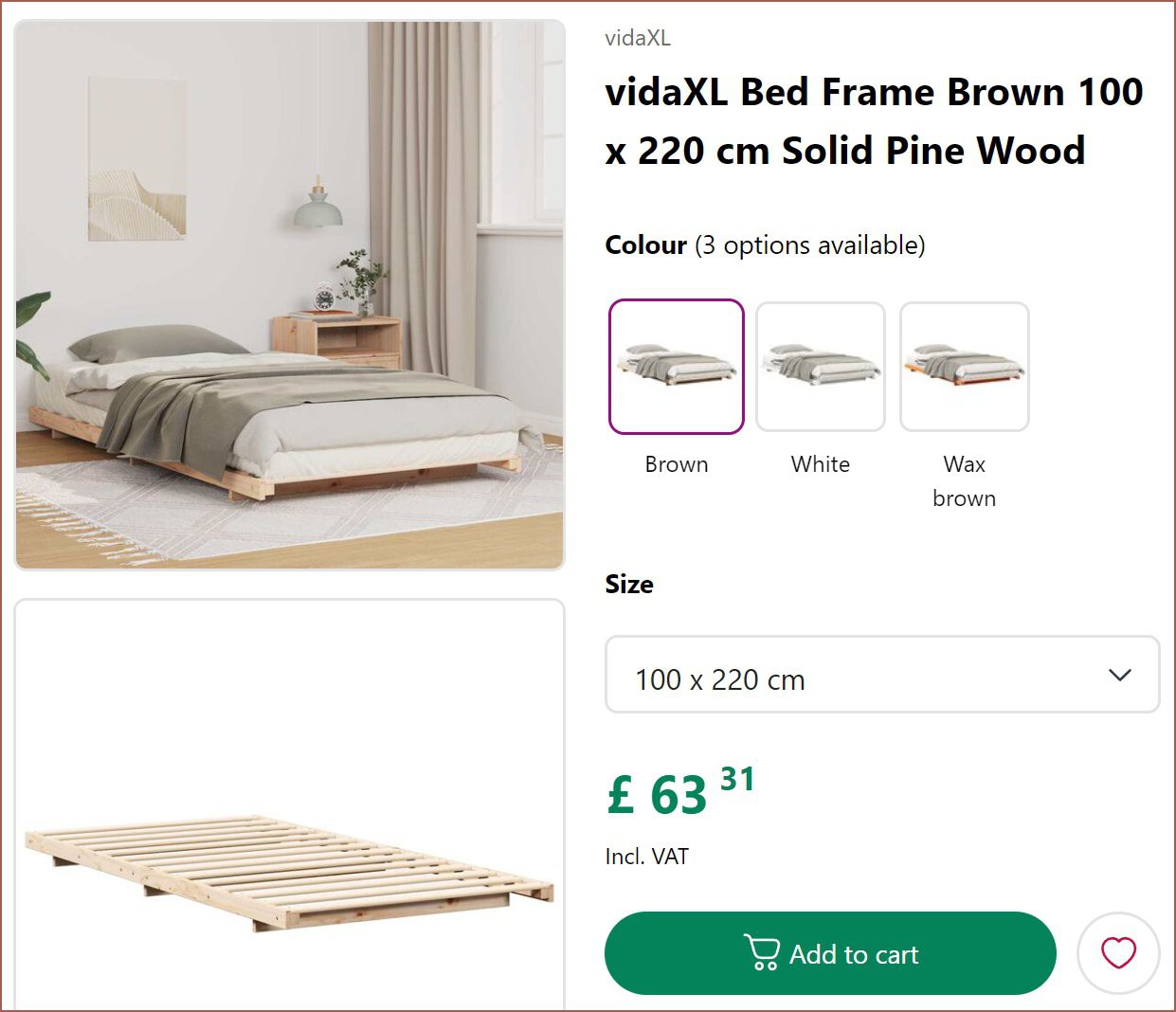
Sizes above 120cm width use 2 sets of slats. At £56, it's more expensive than the barebones vidaXL frame, but less so than the £63 minimalist version I liked the look of:
![]()
At this point, the idea I was thinking about is to make the bed frame out of key clamps, similar to #SecSavr Sublime [gd0036], and install slats onto them. The idea was that this would allow me to customise the under-bed height, implement dual backrests at a more ideal 30 - 36 degree angle, and install a beam to hang a portable monitor so that I could sit and look straight at it.
Monitor Search
Ever since early 2025, I've used a monitor in portrait mode full-time. It allows me to stack windows vertically whilst still having enough horizontal space for toolbars and webpages. I feel like it emulates AR glasses in the way that it doesn't block my views past the monitor the way it would in landscape mode, nor beams more artificial light at me than required.
As the monitor will be mounted overhead and not on a tablet stand, it means it could be larger, though there are still visual limits on how tall it can be before a curve would be needed. However, the chin found on most monitors is even more obvious and an eyesore. Ideally, the bezels will be uniform like the Apple Studio Display. My current monitor has a 3cm chin and 0.6cm bezels, thus the left "bezel" is significantly thicker in portrait mode (see #Teti [gd0022]).
I run my 4K 15.6" monitor at 150% scaling, so the logical resolution is 1440 x 2560. I'm currently 66cm away as I type this. I typically range from 50 to 75cm. This is important as the physical resolution of the monitor needs to stay above 80 pixels per degree (PPD) to avoid eye strain.
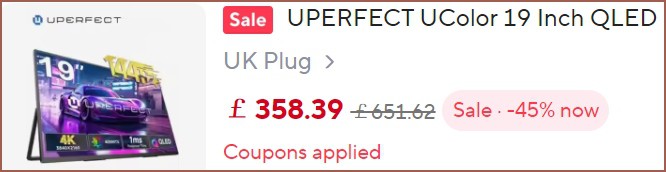
All the above, plus a preference for a higher refresh rate than 60Hz, eventually lead me to UPERFECT's 19 inch 4K 144Hz monitor:
![]()
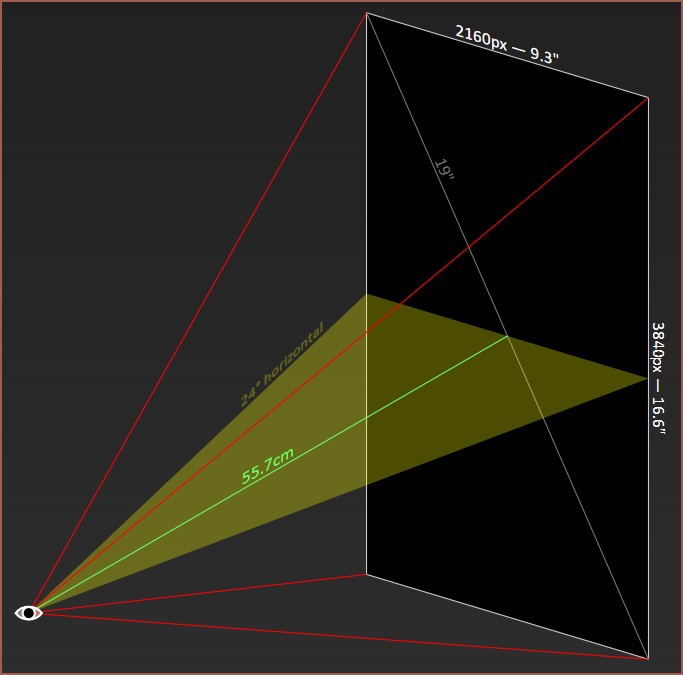
Reducing scaling from 150 to 125% while keeping the logical pixels per inch the same means that my 15.6" monitor would have to become a 18.7", which is only 0.3 inches smaller than this. My logical resolution would increase to 1728 x 3072, with the physical display being 42cm tall. I think this is the reasonable limit. As long as I'm over 56cm away, the monitor will exceed 90 PPD:
![]()
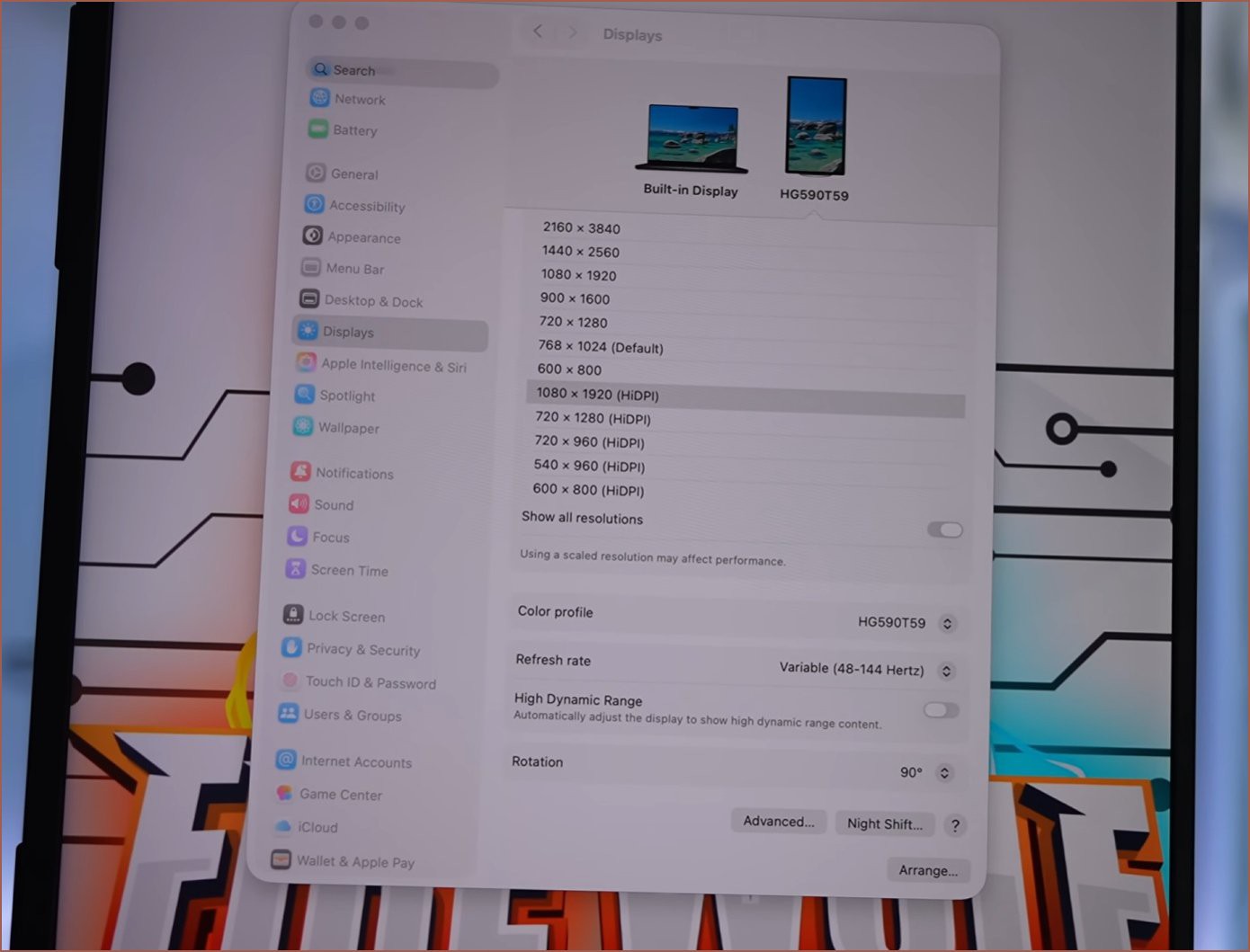
I had a hard time believing that it can run full resolution at 144Hz, in part because I'm so used to "dual mode" portable monitors and in part because I didn't think DisplayPort Alt Mode over USB C had the bandwidth. I've only seen 4K60 quoted for both the ports and cables. From using a calculator, t seems that by using Display Stream Compression, the required bandwidth reduces to about 9 Gbps. As a fallback, my 3060 Ti GPU has HDMI 2.1, so I can use that instead if my ITX motherboard's Thunderbolt 4 port doesn't quite work like the Macbooks YouTubers used or I can't get the 5 meter wire I'll likely need.
The other main pro is that it had the most aesthetically pleasing bezels in portrait mode I could find, as well as VESA mounting holes to make it easier to mount in such an orientation:
![]()
![]()
Source: Fire Wolf Tech. Further Mattress Search
With some Google-Fu, I found a different Italian company called Marcapiuma that ships to the United Kingdom. They had a range of very fancy and advanced looking mattresses, but there was only one that stood out:

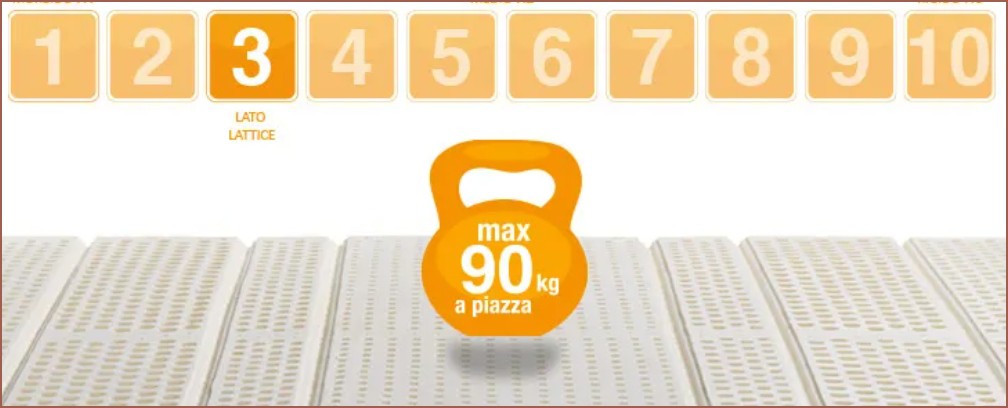
From what I understand, the holes are for ventilation and they're smaller in the centre to give more support to the hips. I did more research, since this was essentially the only full block of Latex mattress I could find (and, surprisingly, cheaper than a lot of latex-branded mattresses that only use it as a topper), and found out that they're very long lasting (upwards of 2 decades) and exhibit ideal properties, such as the bounce I mentioned:
Including shipping, a 100 x 220cm mattress totals £565. At this price, I believe I shouldn't compromise on the size when 120cm is only £40 extra. Still, I didn't go into this thinking that a mattress would cost £600 -- quick glances of "small double" beds on Amazon are between £75 and £150 -- but at least there is comfort knowing it won't malform in a year like my current Latex Edge 2000 has.
To get a better idea what "soft" and "firm" feels like in the mattress world, as well as if the springs in "pocket sprung" mattresses are individually feelable, I went to my local Dreams store to try some beds.
As expected, I didn't like the feel of memory foam when doing a sample punch, so I didn't even lay on it. I tried a few "mediums" and higher till I got to twin grey beds which were apparently part of some high tech installation that uses an Xbox One Kinect and machinery installed into each bed to precisely gauge what kind of softness I need!
"Perfect! Calipers for bed comfort -- just what I needed!", I thought.
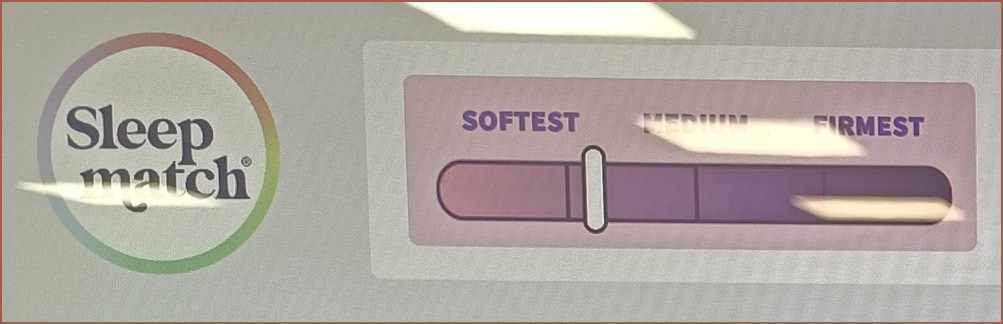
After 3 minutes of lying on the bed and looking at my 3D point cloud, I got my result:
 They had a "medium" that the shop assistant said was the softest in the store and a single "soft" bed, called Crowborough and Ashbourne respectively, which were the only 2 that I'd actually want to sit on for more than 10 seconds. Crowborough had 10 thousand springs compared to Ashbourne's 2000, which materialised in the price (£2200 / £600 for 120cm wide) but not the feel.
Assuming Dreams's Sleep Match and Marcapiuma have comparable ranges, this visit further confirmed that the Sevenlife 18 was the mattress for me:
![]() Key Clamp Frame Design
Key Clamp Frame DesignAfter I found out that there was a fitting I could use to screw the slats to the tube, called a single-lugged bracket (see below), I had the cost-saving idea of buying a second set of slats and cutting the ribbons to hang them as backrests.
![]()
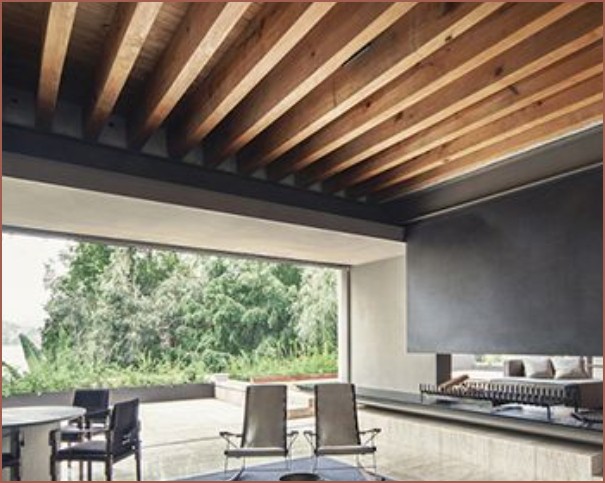
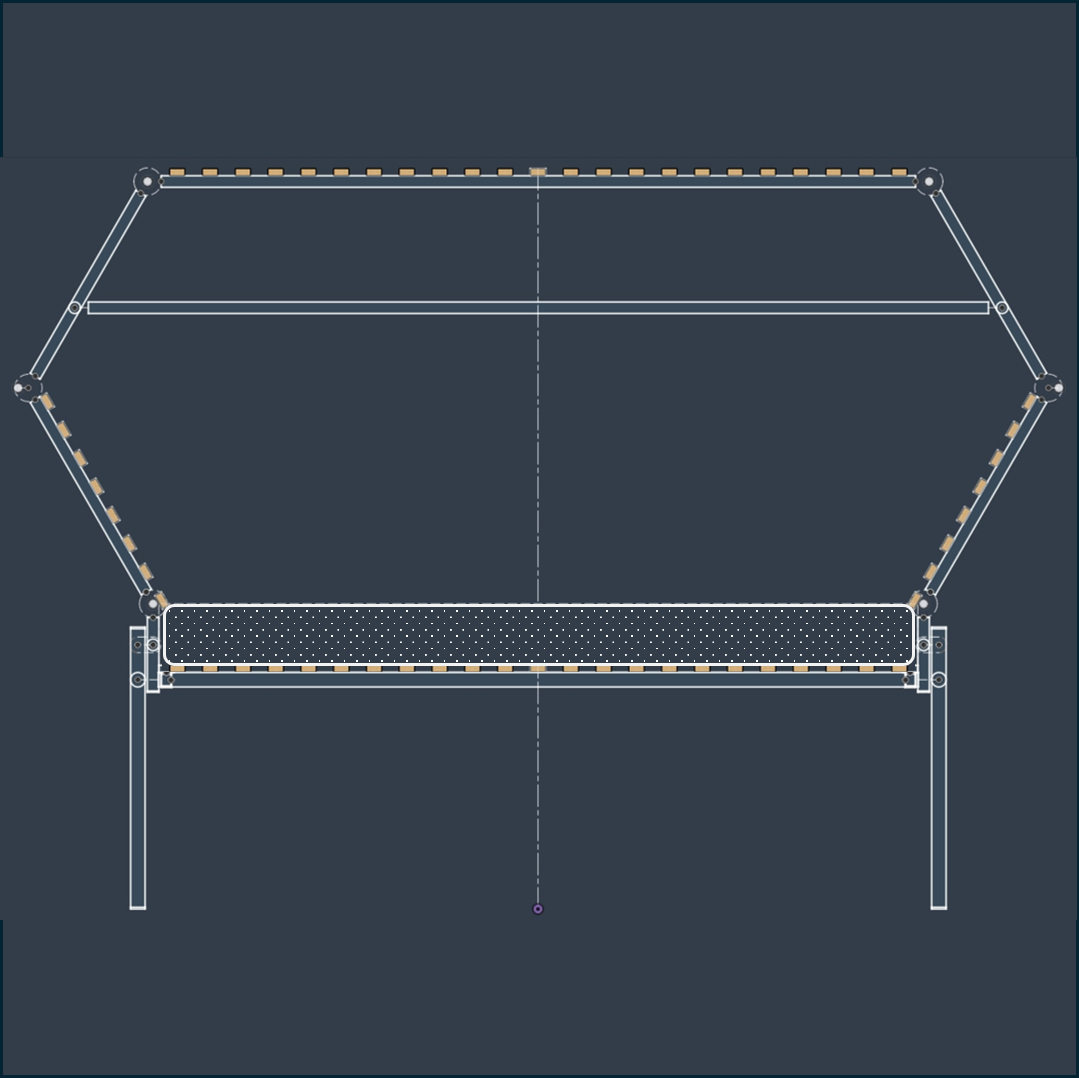
My first idea was to make the backrests in tubing but it would likely cost over £100 in fixings alone, without even taking the cost of the tube into account. Then I noticed it's actually really nice looking wood and had the postmodern aesthetic idea of installing a 3rd set of slats on the ceiling of a canopy, which had the side effect of making the bed frame hexagonal-shaped for even more "futurism" points:
![]()
![]()
To save weight and cost, I spent some time thinking of a way to combine 42.4mm and 33.7mm tube into the same structure. The 42mm tube is to avoid the need of a vertical supporting leg in the middle, as would be the case if everything was built by 34mm tube. Calculating with approximate values, I estimated the tubing would cost £171 and the key clamps a whopping £265, though I found that I could get brown-painted brackets for cheaper that both adds a bit more colour to the metalwork and saves £25. With the three sets of slats, the initial estimate for the cost was another £605.
I sketched all this in Autodesk Fusion and this is the result:
![]()
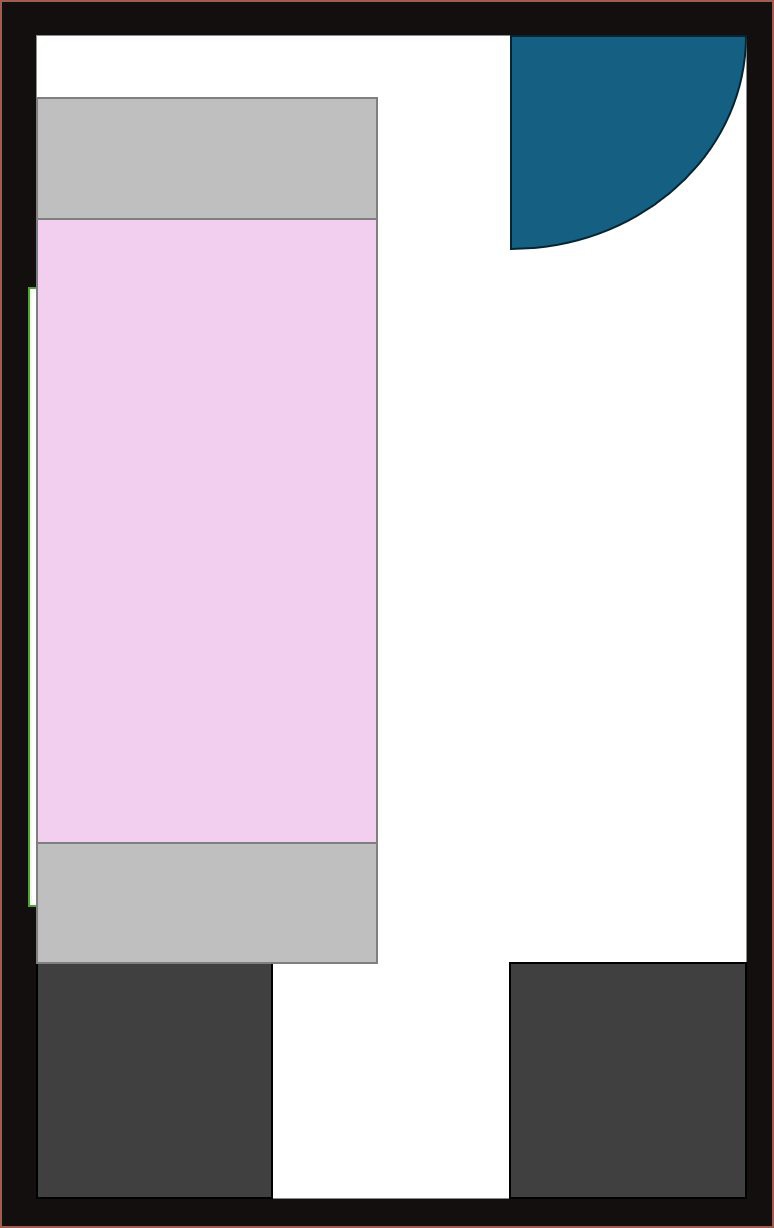
This design is 2.17m tall and 3.05m wide the monitor overhead beam is the longest at 2.68m. I used a tape measure to confirm I wont have issues getting that tube inside the bedroom. This tube is 85cm above the mattress top, which itself is 90cm above the floor. 65cm of clearance under the frame is provided because I've got a 1.2m wide cupboard that is 64cm tall and I thought it would be a nice way to save floor space. The floorplan is shown below, featuring the two cabinets, and mattress in its frame, as well as the windowsill and door.
![]()
Closing Thoughts and Next Steps
I'm glad that the 4K 144Hz portable monitor -- something that didn't exist back in 2020 when I bought my current ones for #Teti [gd0022] -- exists for about £275 at checkout (after things like coupons), but I didn't expect that the mattress and frame were each going to cost £600. I have had to tell myself that, unlike a lot of other purchases, I have to use a bed for 9 hours a night, every night. Considering I find beds to be more comfortable than chairs or sofas to sit on, and my monitor is installed from above, in a way, this is a bit like some "bespoke £1000 office chair + desk" setup. It's likely more comparable to a TV Bed Frame though.
![]()
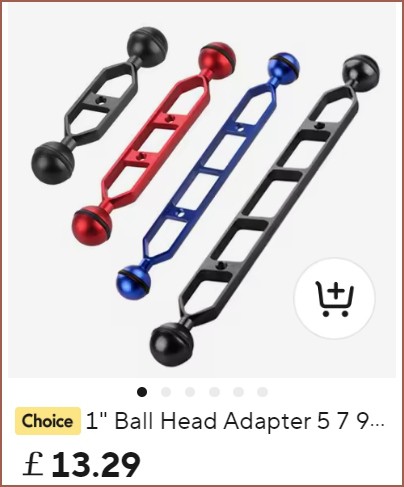
Before I started writing this log at 1130 (it's 1730 now), I was looking into ball-ended arms and fittings for the adjustable monitor mounting solution between the VESA 75 and the 34mm tube (see above), which I first discovered when researching for #Tetizmol [gd0153].
4ft x 7ft Hexagon Bed Frame [gd0154]
Featuring inbuilt monitor mount and dual backrests
 Staring at the price of the Sevenlife 18 latex mattress in the checkout window, I decided to hone in my Google-Fu to further uncover any additional information and options. The first thing I found was an Amazon listing, and while the vast majority of reviews were positive, there was one 1-star review (from almost 6 years ago) that stood out: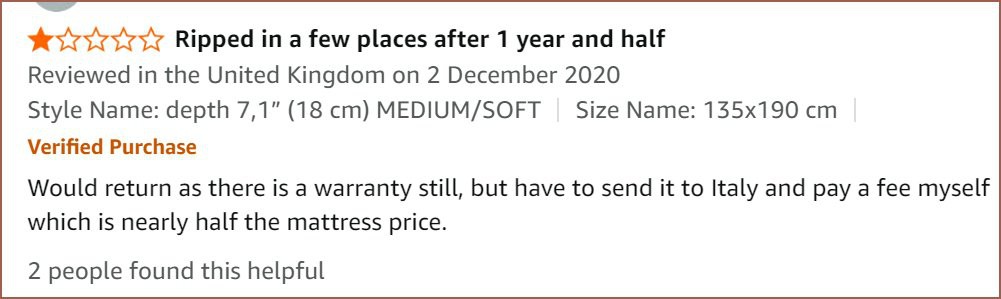
 I opened the box -- which stated it was 19kg by the way -- and as I expected, they have used some rather nice looking wood for bed slats. They've even filleted the faces that come in contact with the bed. I feel it's a little bit of a shame that, for most buyers, wood this good is literally stuffed under their mattress.
 The first slat is the only one that's stapled 4 times on each side. The remaining are only stapled twice and I believe the reason is so that it can be packed in the box.
 The hole is 4.2mm and I measured 12mm from this edge to the centre. It was 13mm on the other side and the slat was 1199mm, so I'm going to assume the holes are 1175mm +/- 1mm.
 I unpacked them all and measured 2086 - 2087mm from front to back. I counted 22 slats. Assuming a nominal 45mm slat, I've used 52.2mm as the spacing distance in Autodesk Fusion.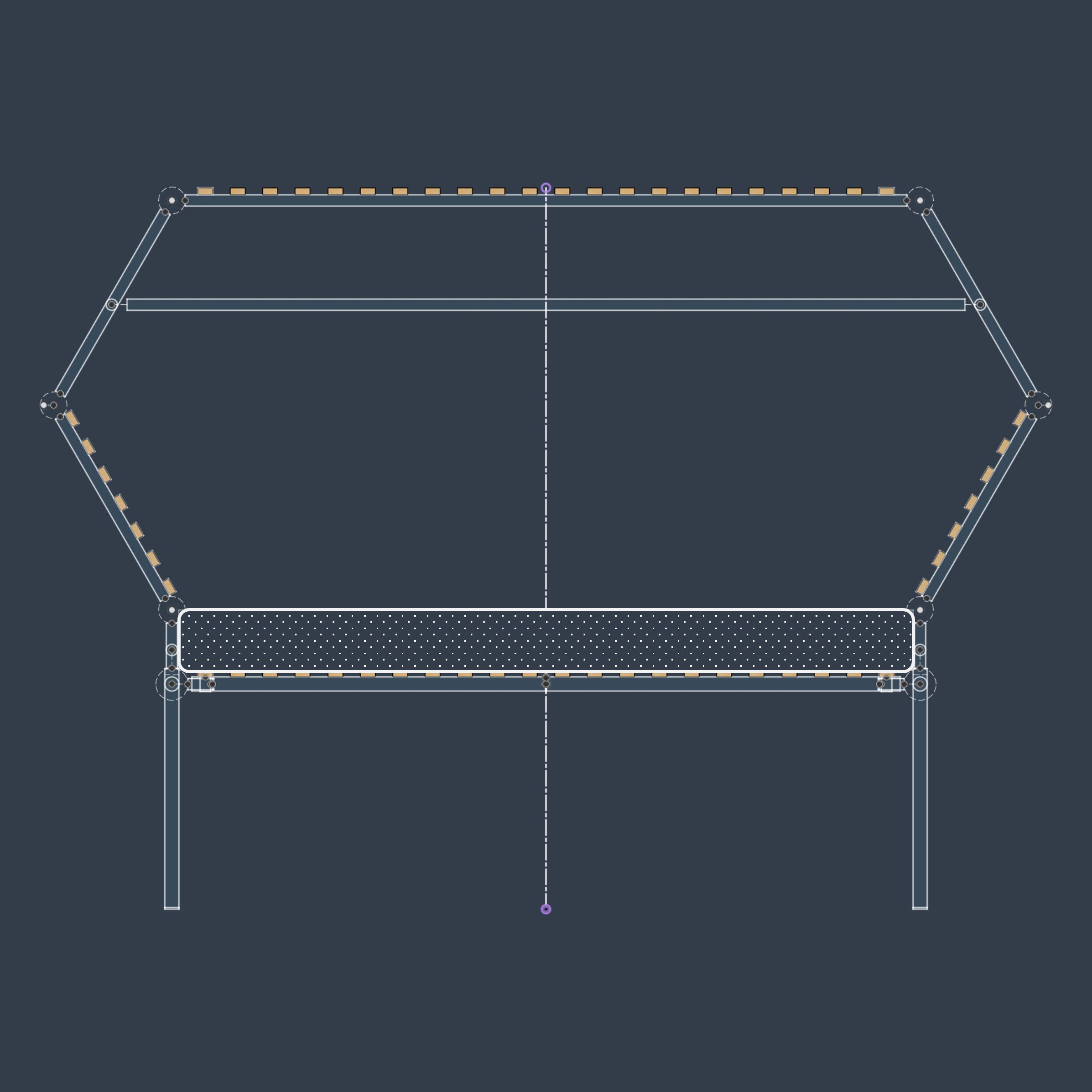
 Wondering about the width of this mattress, I asked Gemini what the ideal minimum width would be and it suggested the length from elbow to elbow when my hands were behind my head. I measured half this length, which was 55cm. Thus 110cm wide would be the ideal minimum. For a few nights, I slept with only 100cm of the mattress available and it was sufficient, but any less would certainly impair movement.
 Another solution seems to come from The White Stone in Italy, where a medium-firm mattress can be had in a range of widths. A 100cm was £170, 115 was £215, 90 was £225 and 120/135/150 were £250. I also considered buying four or eight £40 cot mattresses to make a 120 x 240cm bed in 15 and 30cm thicknesses respectively, which is made from some kind of fiber.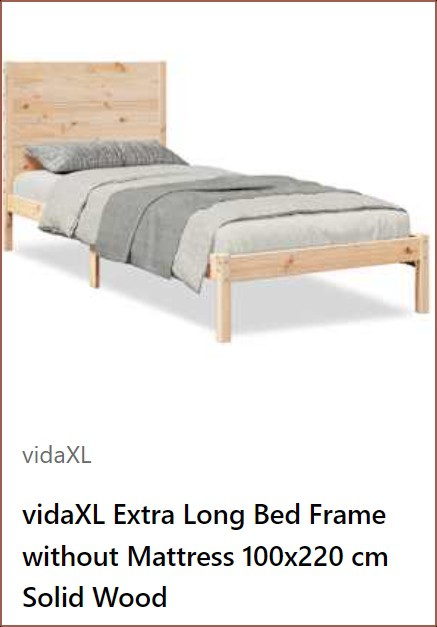
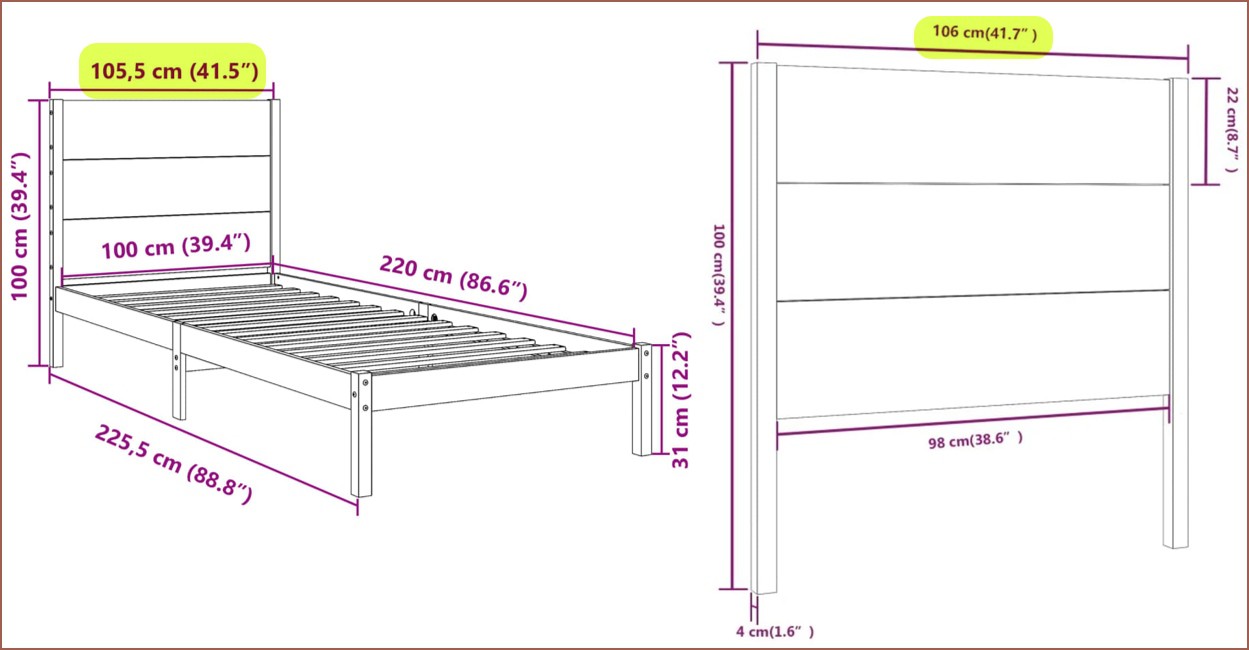 However, by this time, I had also found that there are two listings on Amazon that, combined, amount to 230 reviews at approximately 3 stars, split about evenly between the 5 and 1 star reviews: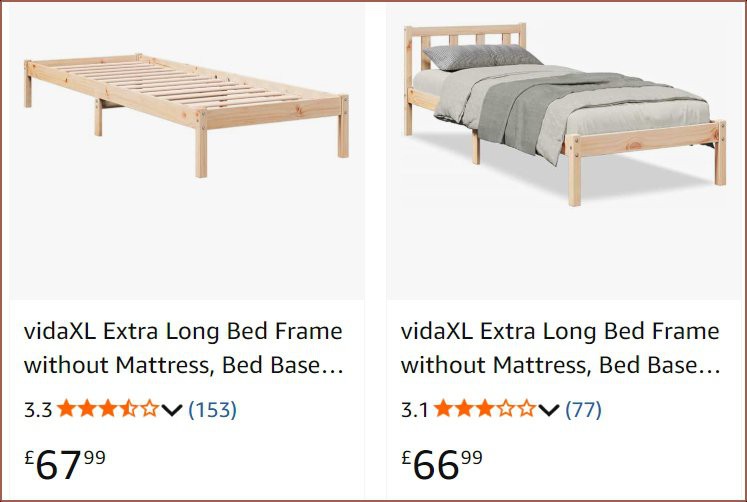
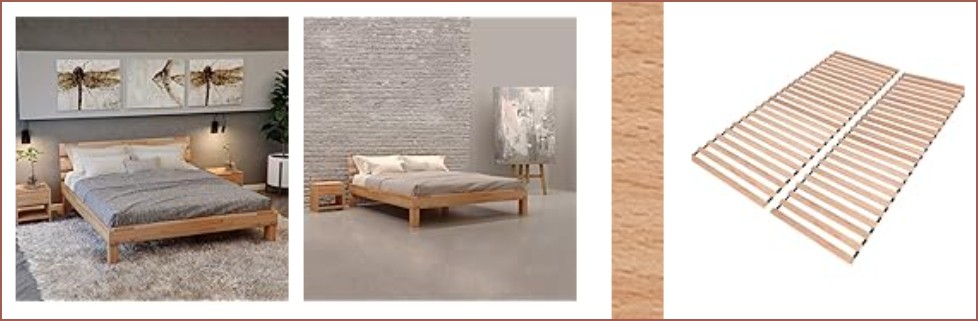 Another 220cm bed frame is the one seen above. It doesn't come with slats, but are conveniently sold separately and pre-fabricated, meaning only a minimum of 4 screws are required but it uses 6 presumably for extra sturdiness: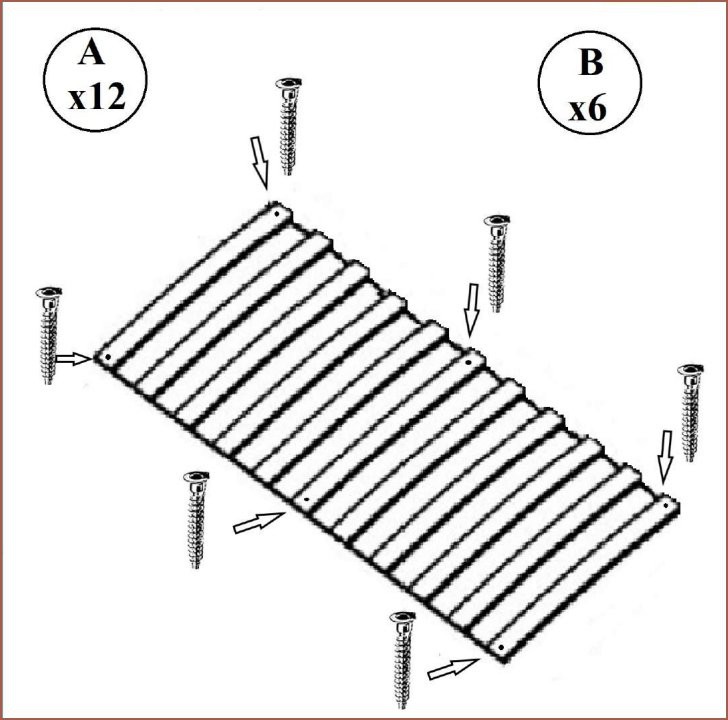
 They had a "medium" that the shop assistant said was the softest in the store and a single "soft" bed, called Crowborough and Ashbourne respectively, which were the only 2 that I'd actually want to sit on for more than 10 seconds. Crowborough had 10 thousand springs compared to Ashbourne's 2000, which materialised in the price (£2200 / £600 for 120cm wide) but not the feel.
 Key Clamp Frame Design