johnh20
-
Final Testing
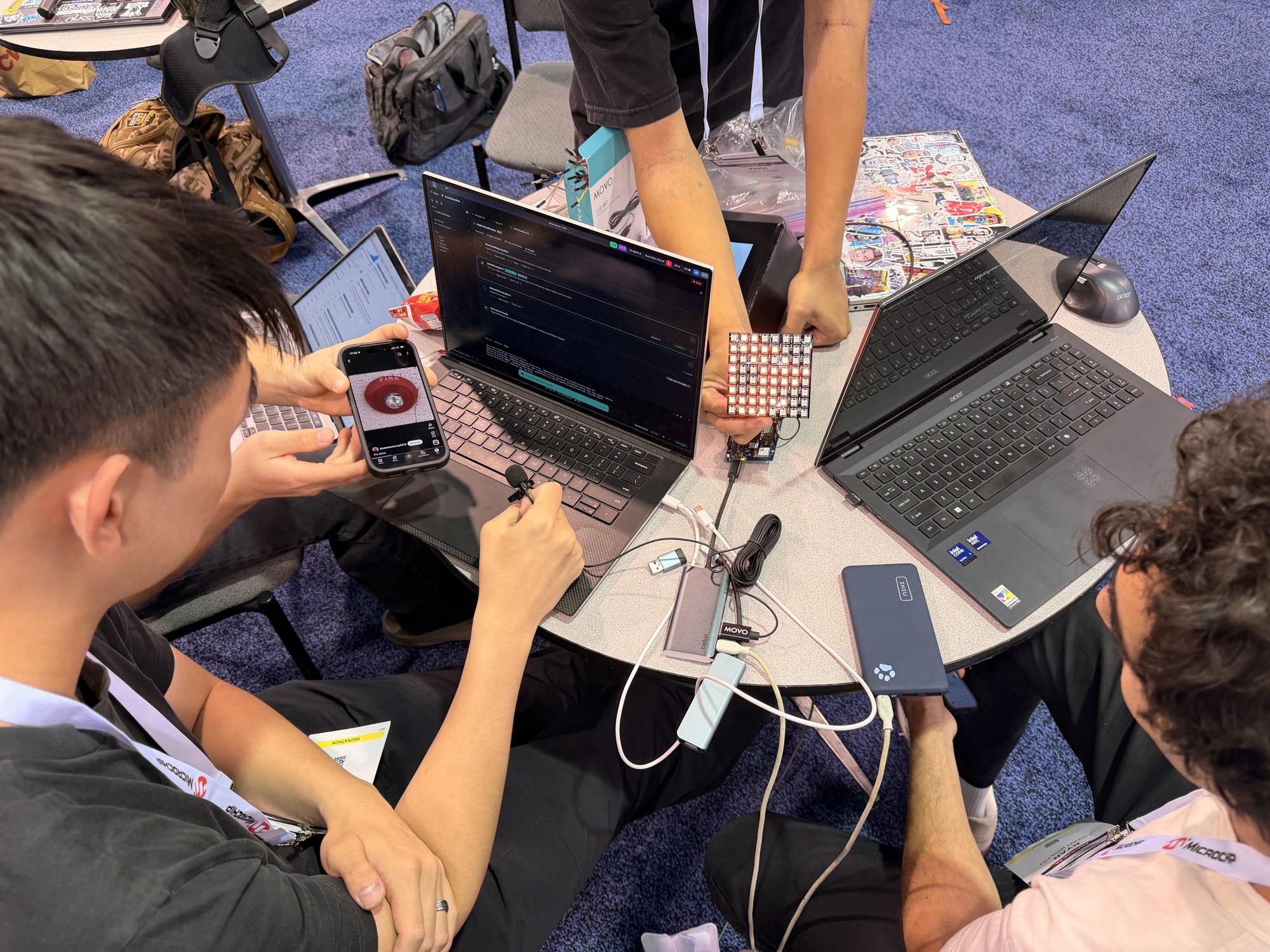
an hour ago • 0 commentsWith everything installed in the cover box, we tested the complete system the way it would be used: standing on its own, listening to the room, with no laptop needed to trigger alerts
![]()
![]()
-
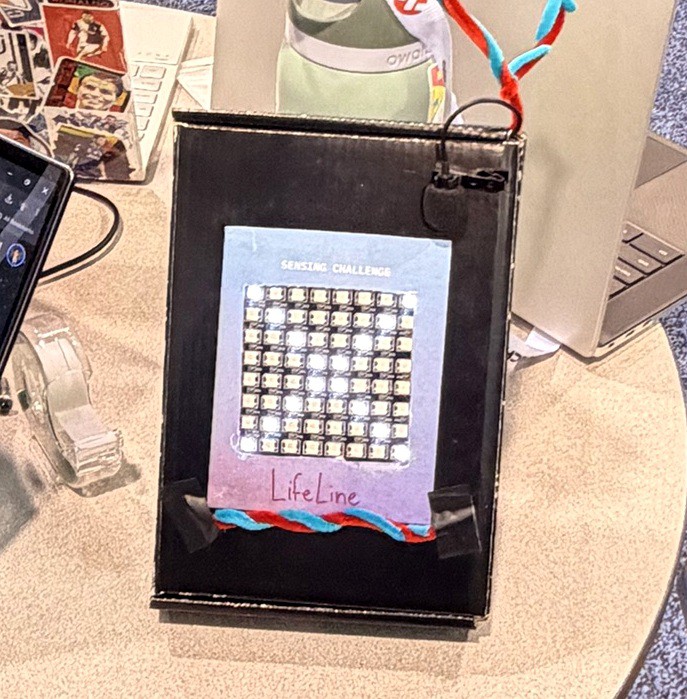
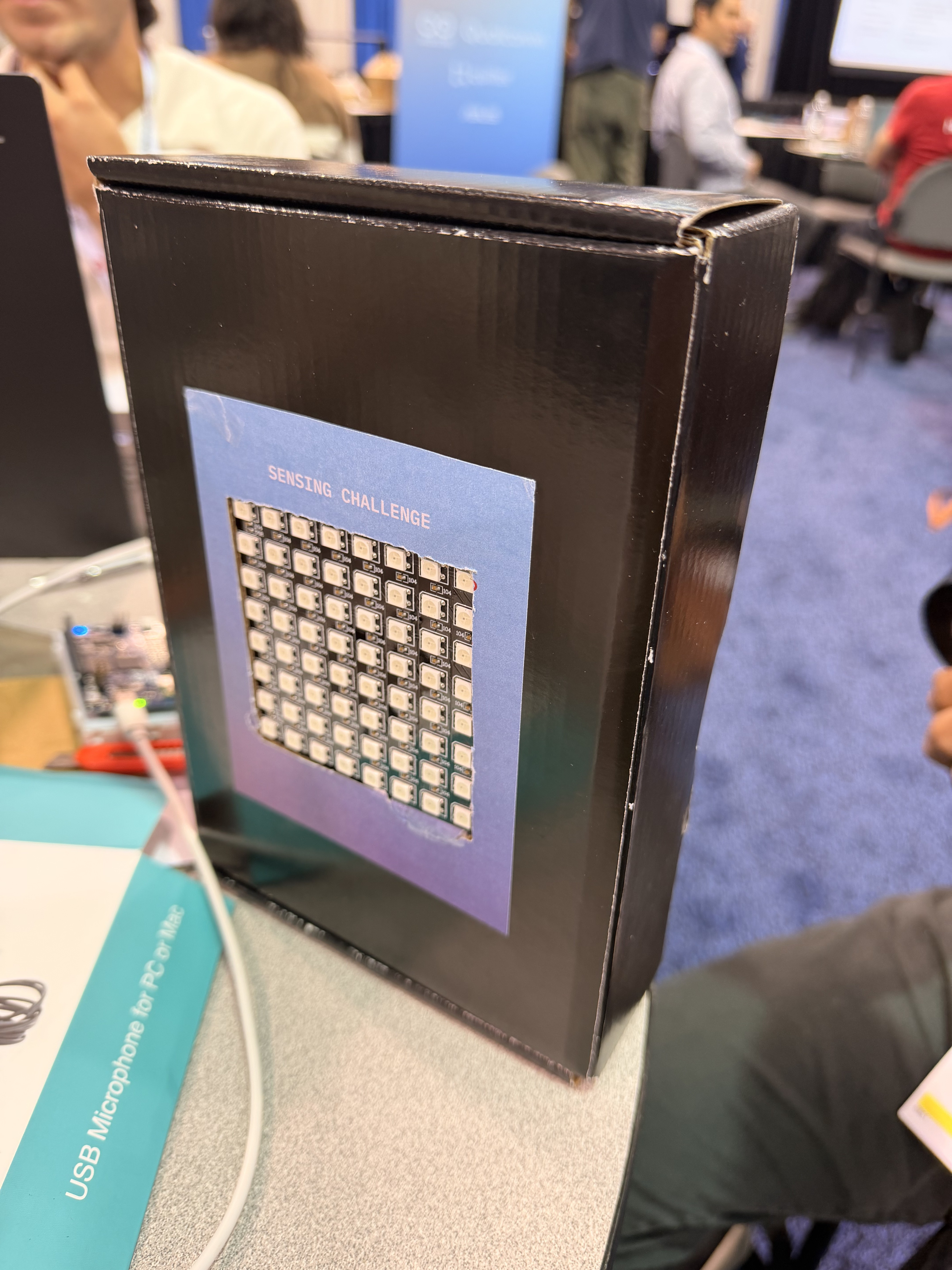
Designing the shelf-top cover box
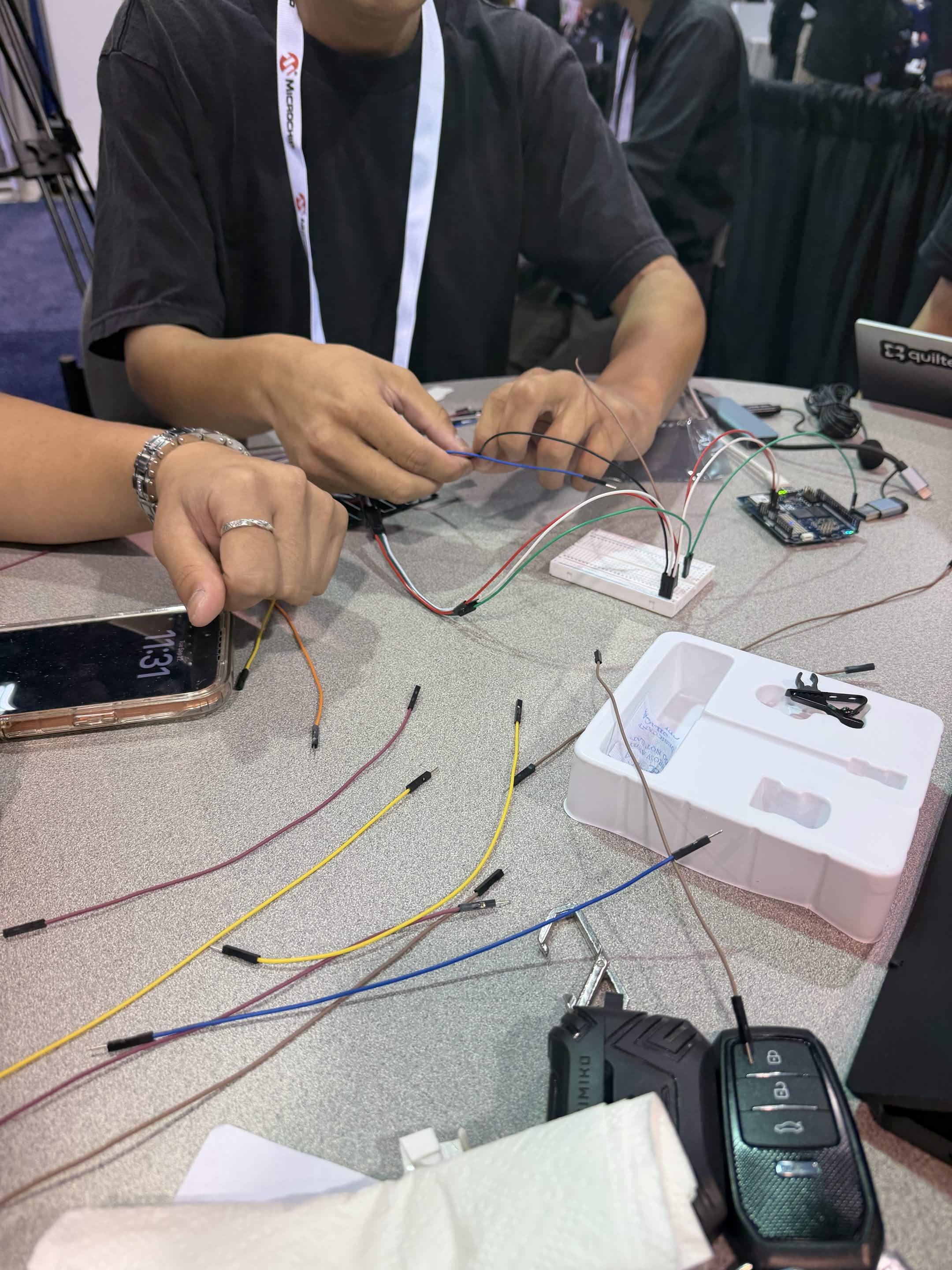
4 hours ago • 0 commentsThe loose jumper wires didn't look like something you would put in a relative's home. We designed a small cover box that hides the wiring, looks like a real product, and stands on a top shelf, where the microphone can hear the room and the LED matrix is easy to see.
![]()
-
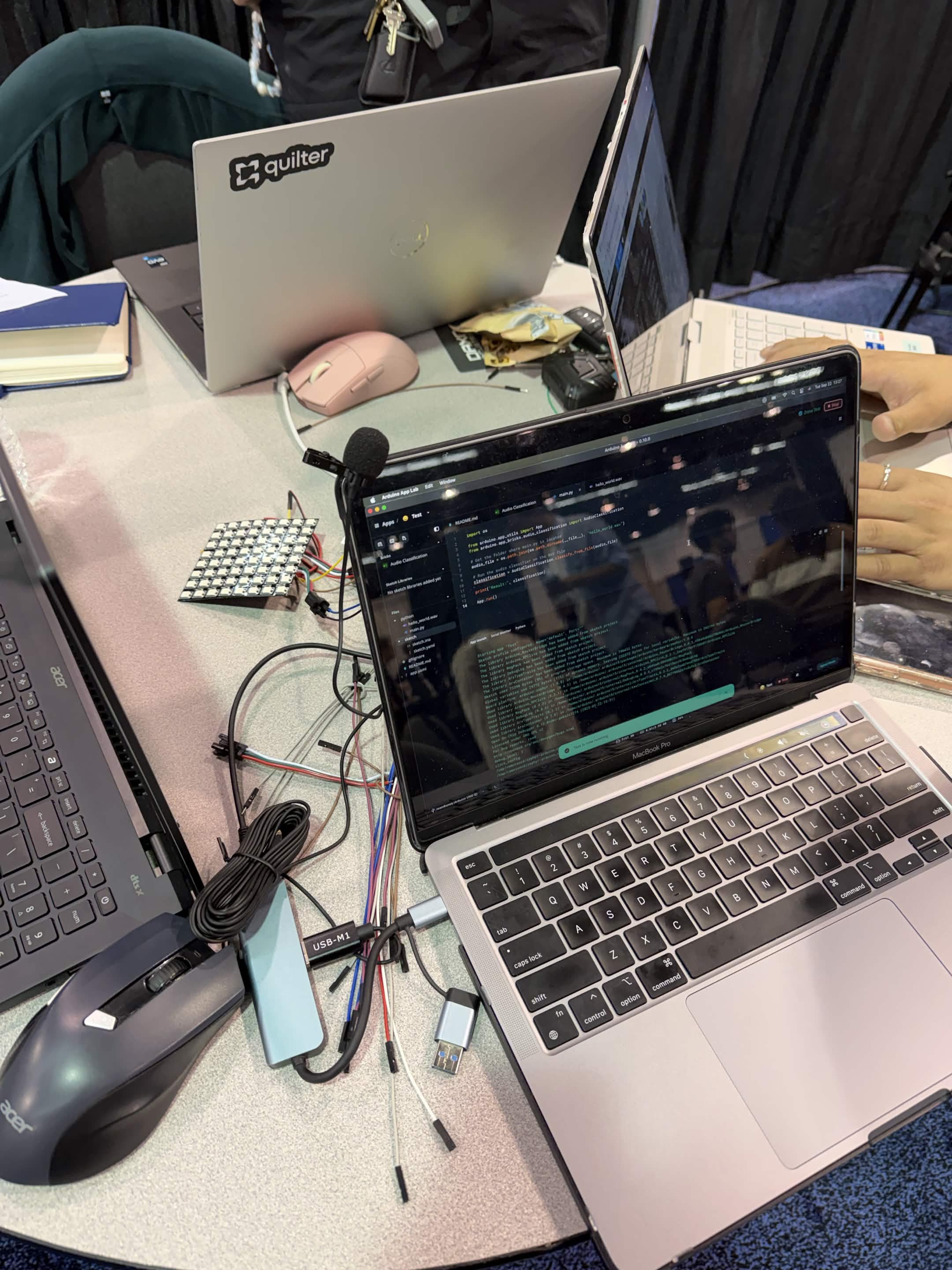
Upgrading the size of the A.I Model and bugs
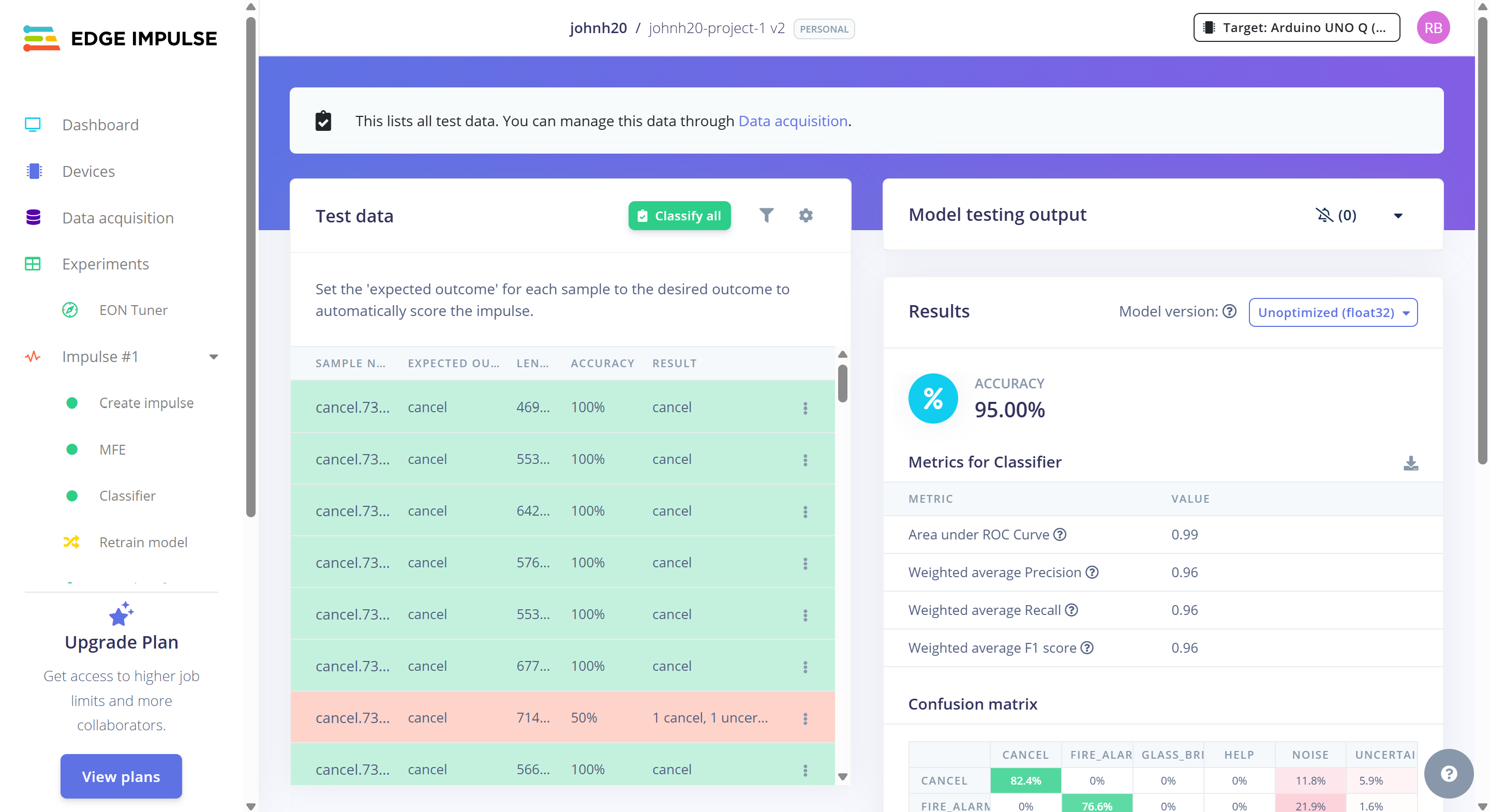
4 hours ago • 0 comments![]()
Title: More falling data helped; glass breaking still struggles
We added about 25 minutes of falling sounds to the dataset. Falling detection improved a lot, but glass breaking is still frequently misclassified. We think this is a data problem more than an architecture problem.
The current model is very small: 2 2D CNN layers with kernel sizes of 16 and 8. Ideas to try next:
- Add more layers, or use larger kernels.
- Increase the batch size to train faster.
- Offload training to an external server.
- Look at outside architectures or pre-trained models.
After we deployed our from-scratch model, the device labeled every sound as a fire alarm, including glass breaking, falling, and background noise.
What we found: the fire alarm detection was tied to the 44 kHz audio frequency setting.
Fix: we lowered the frequency setting from 44 kHz to 18 kHz and retrained the model.
-
More data v2
4 hours ago • 0 commentsWe are on version 2 of the model (.eim file). In testing, it produces many false positives: it flags sounds as emergencies when they aren't, and it rarely gives correct "nothing happening" results. Our next step is to collect more data and more accurate data.
![]()
-
How we came up with the idea
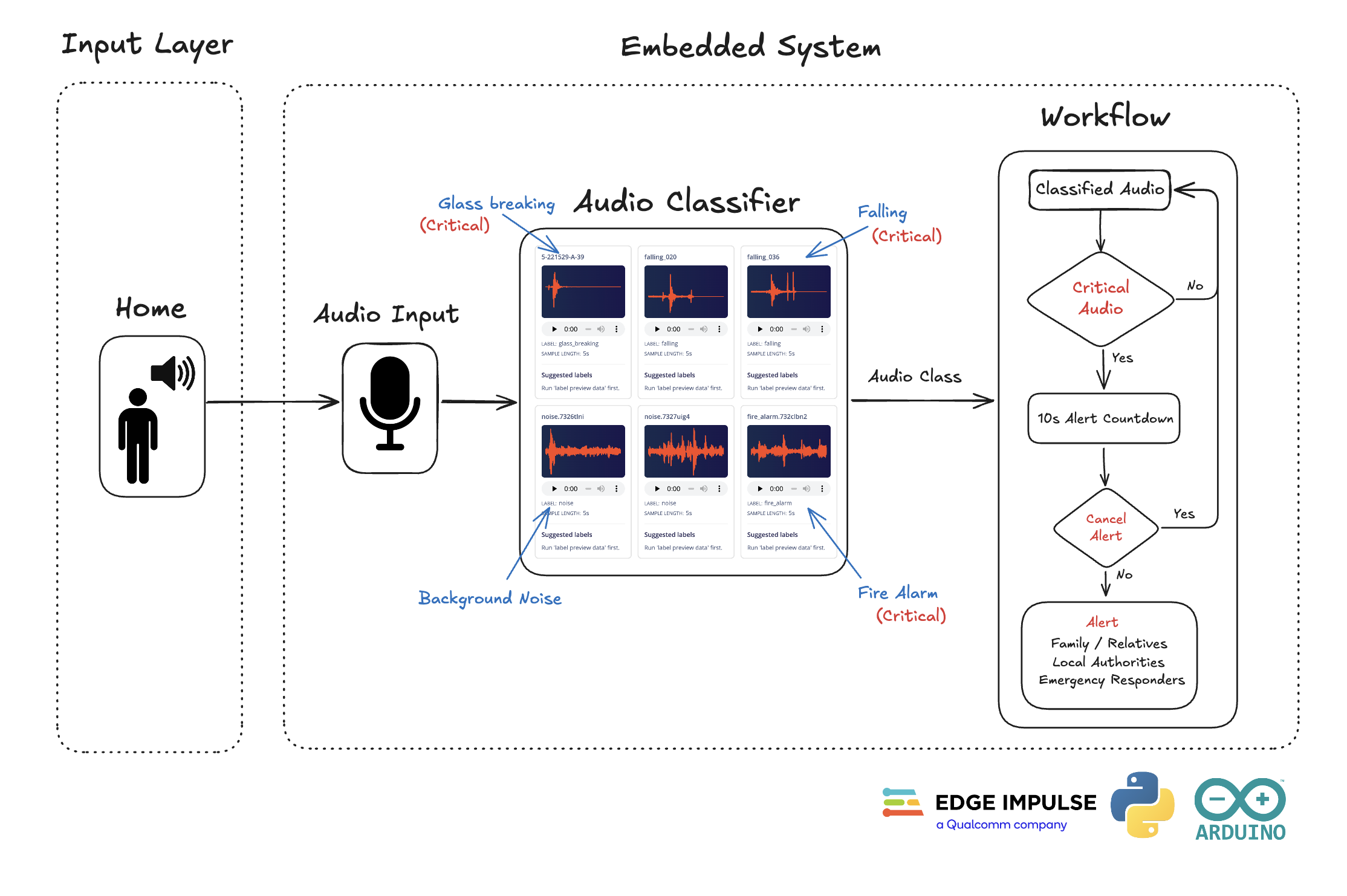
4 hours ago • 0 commentsTitle: 1 – How we came up with the idea Photos: system_architecture.png
At Zotduino @ embedded world North America, we chose the Sensing Challenge (sponsored by Arduino, Qualcomm, Quilter, ASUS). The challenge described an elderly relative who lives alone and a family that wants peace of mind, without a camera in the room and without their audio being sent anywhere.
That framing shaped our goal: a device that listens for emergencies instead of watching for them. We brainstormed sounds that would signal a real emergency for an elderly person living alone, including falling, glass breaking, fire alarms, and cries for help or pain.
We then made three design decisions:
- Keep it private. Classification runs on the Arduino Uno Q, so no audio leaves the room and no camera is needed.
- Make the alert visible. The LED matrix shows an icon for each sound, so the person doesn't need to hear the alert.
- Keep the build simple. Given the limited tools and time at the hackathon, we narrowed the list to three critical sounds (falling, glass breaking, and fire alarm), plus a background-noise class so that everyday sounds are ignored.
We sketched the full flow before building anything: home audio goes to the microphone, then the classifier, then a critical-sound check, then a 10-second countdown, and finally a notification to family (see system_architecture.png). We then split into a hardware group and a software group.
![]()
![]()
-
update: size matters
13 hours ago • 0 commentstested on new dataset (added ~25m of falling sounds) classifies much better on falling sounds but a lot of misclassifications for glass breaking. seems to be a data issue more than architecture. current model is very small, plan to either change or increase size. kernel size is currentl 16 and 8 for the 2 2dcnn layers, maybe potential for increase layers/kernel size. Batch size also can be increased to improve training speed. Might offload training and optimization to external server. Potentially look for outside model architectures/pre-trained, might split up work later today.
-
more data
15 hours ago • 0 commentscurrently on v2 of the eim, looking for more data/accurate data. Many false positives, minimal true negatives